Key Takeaways
-
Verify contractors hold valid Nevada licensing, liability insurance, and workers’ compensation before hiring—unlicensed contractors can leave you liable for accidents and code violations.
-
Obtain demolition permits from local authorities before starting any work; skipping permits results in fines, project shutdowns, and legal liability.
-
Modern demolition includes hazardous material handling (asbestos, lead paint, mold), material recycling, and site prep—not just structure removal; verify your contractor handles all phases.
-
Get multiple quotes, check client reviews, confirm insurance coverage, and ensure everything is written in the contract before work begins.
Planning to tear down a home or part of one? You’re in the right place. Hiring the right residential demolition contractors can make or break your project. The wrong choice leads to delays, fines, and costly mistakes. The right choice gets your site cleared safely, quickly, and cleanly.
Whether you’re a homeowner, developer, or renovation contractor, this guide is for you. We’ve pulled together 15 essential things you need to know before hiring residential demolition contractors. From permits to recycling, safety to cost, we cover it all. Let’s dig in!
1. Residential Demolition Is More Than Just Wrecking Stuff
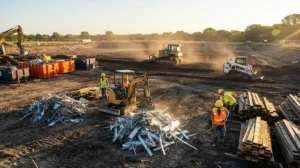
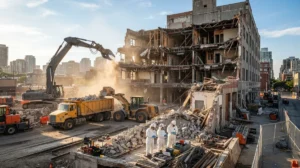
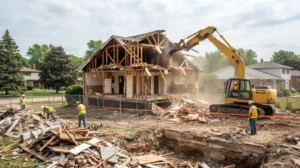
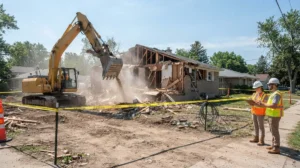
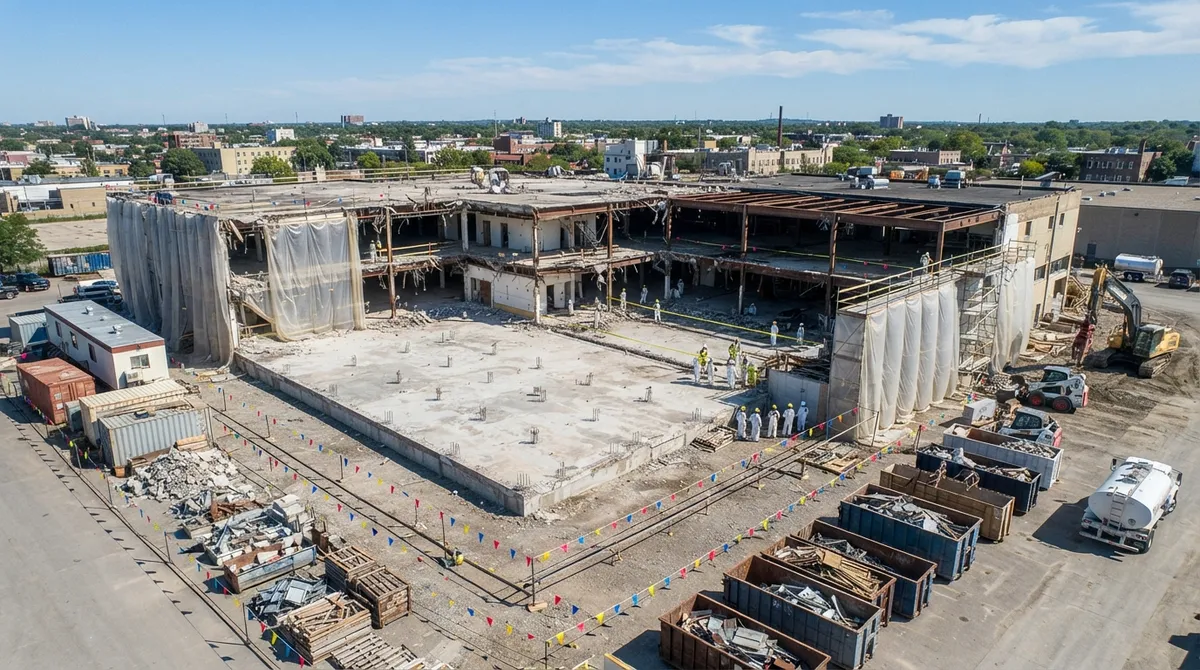
Many people picture a wrecking ball and a pile of rubble. But modern residential demolition is a skilled, planned process. Contractors assess the structure, plan the work, and execute it safely. It involves heavy machinery, safety protocols, and often, careful material sorting.

2. There Are Different Types of Demolition Services
Not every job calls for tearing a whole house down. Here are the main types you’ll encounter:
- Full demolition: The entire structure is removed down to the ground.
- Selective demolition: Only specific sections are removed, preserving the rest.
- Interior demolition: Walls, ceilings, and fixtures inside the home are removed without touching the exterior.
- Partial demolition: A portion of the structure, like an addition or garage, is taken down.
If you’re planning a remodel, interior demolition services may be exactly what you need to get started.

3. Permits Are Non-Negotiable
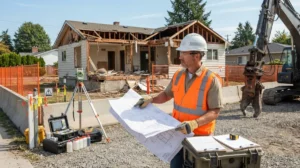
Every residential demolition project in Nevada requires permits. Skipping this step is a serious mistake. You can face fines, project shutdowns, or even legal liability. Always check with local authorities before starting any demo work.
For projects in Las Vegas, consult the Las Vegas demolition permit guidelines to understand what’s required. For Clark County specifically, the Clark County Building Department is your go-to resource.

4. Hazardous Materials Must Be Handled Properly
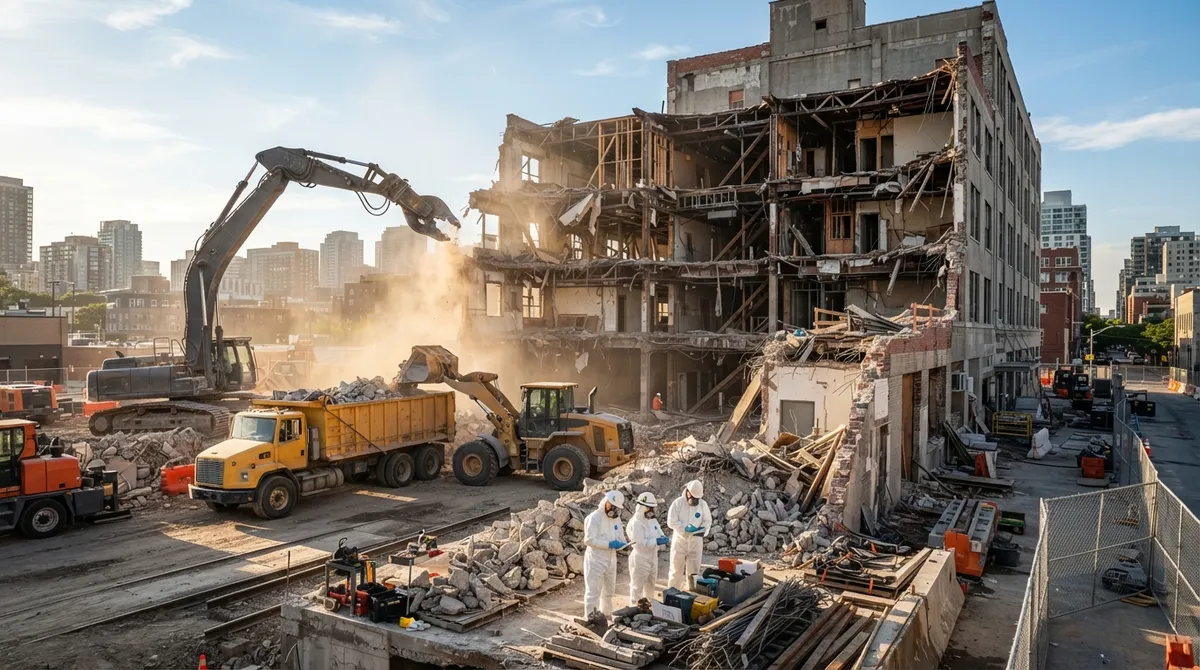
Older homes often contain asbestos, lead paint, or mold. These materials can’t just be thrown in a dumpster. Licensed residential demolition contractors are trained to identify and safely remove hazardous substances. This protects your health, your neighbors, and the environment.
5. The Right Equipment Makes All the Difference
Residential demolition uses a range of heavy machinery. Common equipment includes:
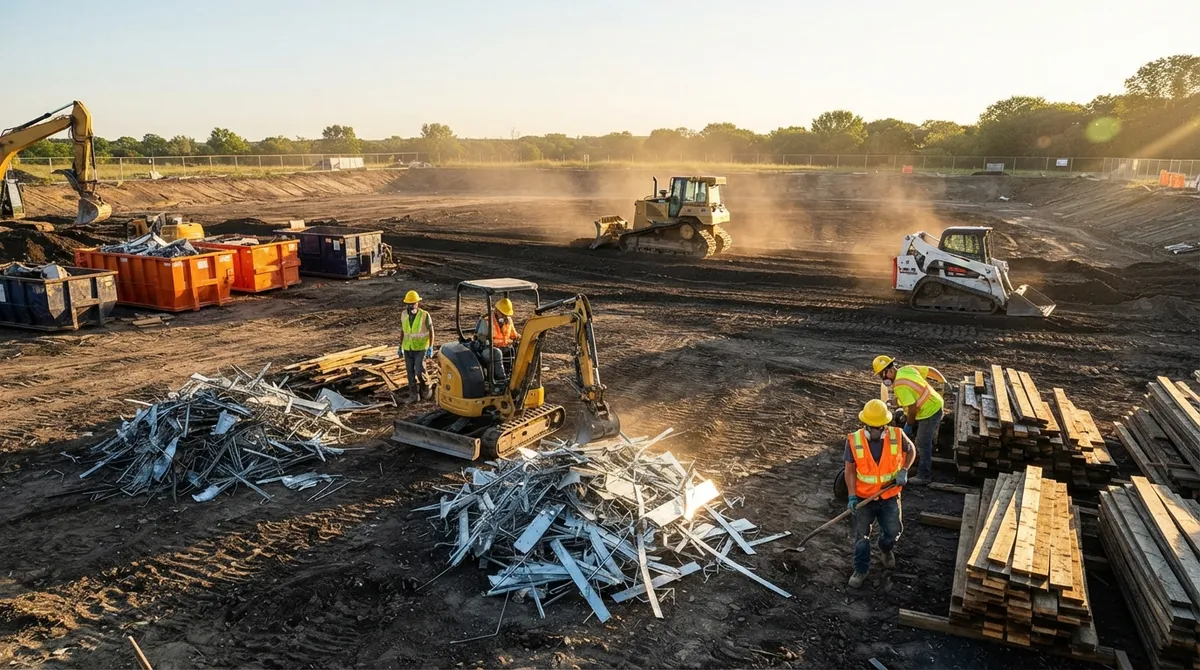
- Excavators for breaking down structures
- Bulldozers for clearing and pushing debris
- Skid steers for tight spaces
- Dump trucks for hauling waste away
Professional contractors arrive with the right tools for your specific job. This saves time and keeps the work safe.
6. Material Recycling Is a Big Deal
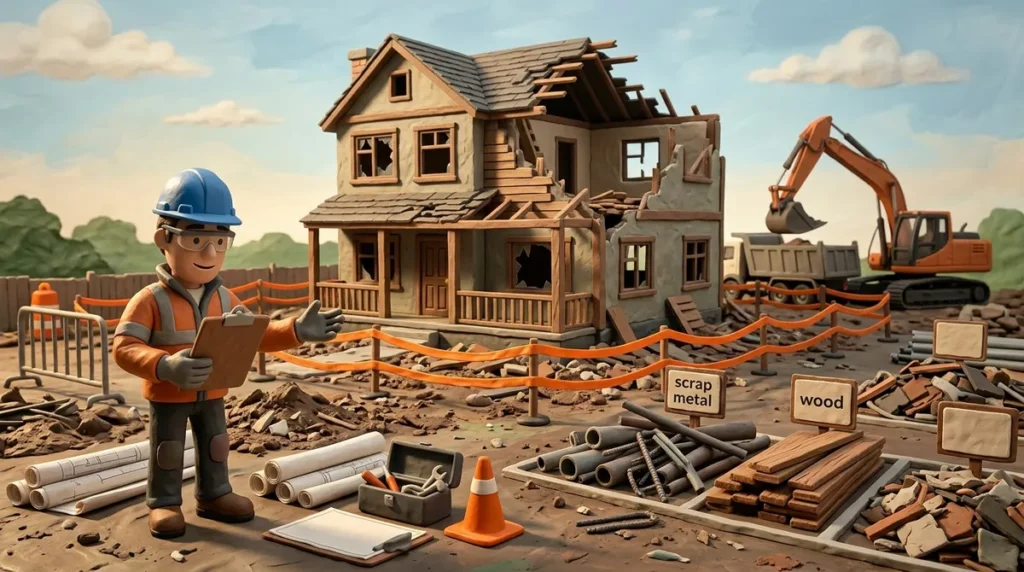
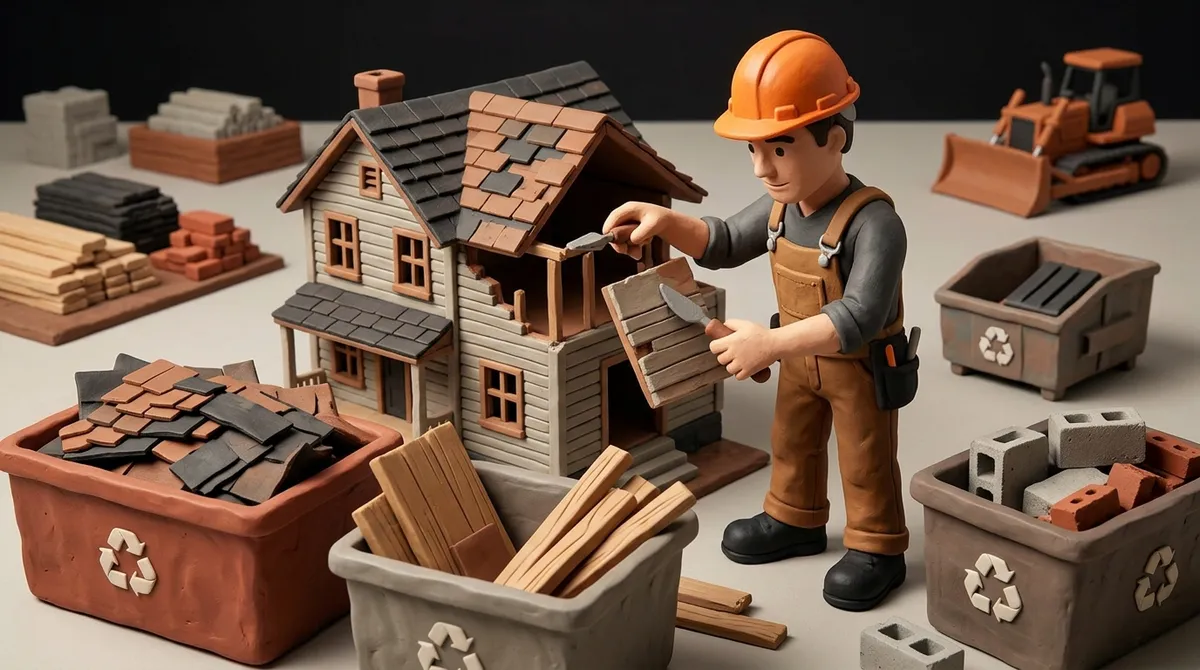
Sustainability matters more than ever in 2026. Good residential demolition contractors don’t just haul everything to a landfill. They sort and recycle materials like concrete, steel, brick, and wood. This reduces waste and may even reduce your overall project cost.
Demolition for renovation accounts for about 44% of industry revenue, including interior strip-outs and material recovery. Recycling is now a standard part of the process.
7. Selective Demolition Saves What You Want to Keep
Selective demolition is a smart option for renovation projects. Contractors carefully remove only what needs to go. They protect walls, flooring, fixtures, or structural elements you want to keep. This approach requires skill and precision — not just a sledgehammer.
If your project involves keeping part of the structure intact, make sure your contractor has experience with selective methods.
8. Site Preparation Follows the Demo
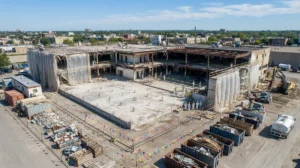
Once the structure comes down, the site needs to be prepared for what’s next. This often includes grading, excavation, and debris removal. A full-service contractor handles all of this in one smooth workflow.
Need help with site prep after demolition? Check out our excavating and grading services to get your land ready for the next phase.
9. Debris Removal Is Part of the Job
A demolition job isn’t done until the debris is gone. Professional contractors include hauling as part of their service. This means no giant piles of rubble left on your property. Everything gets properly loaded and taken to approved disposal or recycling facilities.
For projects that generate a lot of waste, reliable hauling services are essential to keeping your timeline on track.
10. The Industry Is Growing Fast
The demand for residential demolition contractors is rising. Here’s a snapshot of the industry’s growth:
| Market | Value/Stat | Timeframe |
|---|---|---|
| Global Demolition Services Market | USD 519.73 billion | 2026 |
| U.S. Demolition & Wrecking Market | USD 9.8 billion (2024) → USD 13.8 billion | Projected by 2032 |
| Residential Demo Market CAGR | 3.2% | 2025–2035 |
| U.S. Demolition Industry CAGR | 5.1% | 2020–2025 |
With urbanization and real estate development booming in Nevada, qualified contractors are in high demand. This makes choosing an experienced, reputable team even more important.
11. Experience and Licensing Matter
Not all contractors are created equal. When hiring residential demolition contractors, verify the following:
- They hold a valid Nevada contractor’s license.
- They carry liability insurance and workers’ compensation.
- They have documented experience with residential projects.
- They can provide references from past clients.
- They are familiar with local permit requirements.
Skipping this step is risky. An unlicensed contractor can leave you liable for accidents or code violations. Learn more about why licensing matters at what makes a licensed demolition contractor essential for your project.
12. Pool and Concrete Removal Are Part of Residential Demo
Residential demolition isn’t just about houses. It also covers other structures on your property. Old pools, concrete slabs, driveways, and landscaping features often need to go too.
- Old swimming pools can be removed or filled in to reclaim yard space.
- Concrete driveways and patios can be broken up and hauled away.
- Overgrown landscaping features can be cleared for new designs.
Our pool removal services and concrete removal services make it easy to clear your property completely. We also offer landscape removal services for a full property refresh.
13. How to Choose the Right Contractor
Picking the right team doesn’t have to be stressful. Follow these steps to make a smart decision:
- Get multiple quotes — Compare at least three bids before deciding.
- Check reviews — Look at Google reviews and testimonials from past clients.
- Ask about their process — A good contractor explains each step clearly.
- Confirm insurance — Always ask for proof of current coverage.
- Review the contract — Make sure everything is in writing before work begins.
You can visit us on Google to see what our customers say about working with 702 Demo. Real reviews from real clients in Clark and Nye counties.
14. Full Building Demolition vs. Partial Demo: What’s Right for You?
Sometimes a full teardown is the most cost-effective solution. Other times, a partial demo is better. Here’s a quick comparison:
| Scenario | Recommended Approach |
|---|---|
| Entire structure is outdated or unsafe | Full building demolition |
| Adding an extension or remodeling a room | Selective or interior demolition |
| Removing a specific structure like a garage | Partial demolition |
| Site redevelopment for new construction | Full demolition + site prep |
Not sure which route is right for you? Our building demolition services page breaks down your options clearly.
15. 702 Demo Is Las Vegas’s Trusted Choice
When it comes to residential demolition contractors in Clark and Nye counties, 702 Demo stands out. We’re a full-service demolition, excavating, grading, concrete, and paving contractor. Our team handles projects of all sizes with professionalism, care, and the right equipment.
Here’s what makes us different:
- Local knowledge of Clark and Nye county regulations
- Full-service capabilities from demo to site prep
- Experienced, licensed, and insured team
- Commitment to safety, recycling, and clean jobsites
- Transparent communication from start to finish
We treat every project like it’s our own property. That means showing up on time, doing the job right, and leaving your site clean and ready for the next step. See why 702 Demo is the leading demolition contractor in Las Vegas and what sets our team apart from the rest.
Wrapping It Up
Hiring the right residential demolition contractors is one of the most important decisions for any home project. From permits and safety to recycling and site prep, there’s a lot to consider. But now you know exactly what to look for and what to expect.
Don’t leave your project to chance. Work with a trusted, experienced team that knows the local rules and cares about doing the job right. Ready to get started? Contact 702 Demo for a free estimate and let’s make your project happen the right way.
FAQs
Q: What services do residential demolition contractors typically offer?
A: Residential demolition contractors offer a wide range of services, including full structure teardowns, selective demolition, interior demo, pool removal, concrete removal, and debris hauling. Many full-service contractors also handle site prep like excavating and grading after the demo is complete. It’s a one-stop solution for clearing and preparing your property!
Q: Do I need a permit for residential demolition in Las Vegas or Clark County?
A: Yes, absolutely — permits are required for residential demolition projects in Las Vegas and Clark County, Nevada. Your contractor should help you understand what’s needed and may even assist with the permitting process. Skipping permits can lead to fines and project delays, so always get this sorted first.
Q: How long does a residential demolition project take?
A: The timeline depends on the size of the project and the type of demolition involved. A small interior demo might take just a day or two, while a full home teardown with site prep can take one to two weeks. Your contractor should give you a clear timeline during the planning phase.
Q: What is selective demolition and when is it used?
A: Selective demolition means removing only specific parts of a structure while keeping the rest intact. It’s commonly used during home renovations when you want to tear out walls, flooring, or fixtures without touching the whole building. It requires skill and precision, so make sure your contractor has solid experience with this type of work.
Q: Are materials recycled during residential demolition?
A: Yes! Most reputable residential demolition contractors sort and recycle materials like concrete, steel, brick, and wood rather than sending everything to a landfill. Recycling is not only better for the environment but can also help keep project costs manageable. It’s a great question to ask any contractor before you hire them.