Key Takeaways
-
Licensed demolition contractors provide crucial safety, legal compliance, and professional expertise beyond simple structure removal.
-
Proper licensing ensures contractors meet rigorous standards, including insurance requirements, specialized certifications, and hazardous material handling protocols.
-
Verifying a contractor’s credentials is essential, including checking license status, insurance coverage, and reviewing their professional track record.
-
Licensed contractors invest in specialized equipment, advanced technology, and comprehensive site assessment to ensure efficient and safe demolition projects.
-
Environmental responsibility is a key aspect of professional demolition, with licensed contractors focusing on proper waste management and material recycling.
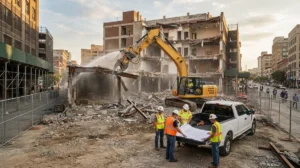
When you’re planning to tear down a structure—whether it’s an old shed in your backyard, a commercial building that’s seen better days, or even a swimming pool that’s become more trouble than it’s worth—you might be tempted to save a few bucks by hiring the cheapest option available. But here’s the thing: demolition isn’t just about swinging a sledgehammer and hauling away debris. It’s a complex, regulated process that requires expertise, proper equipment, and—most importantly—proper licensing. A licensed demolition contractor brings professionalism, safety standards, and legal compliance to your project, protecting you from potential disasters that could cost far more than you’d ever save by cutting corners. Let’s explore why choosing a licensed professional is one of the smartest decisions you can make for your demolition project.

Understanding What a Licensed Demolition Contractor Actually Does
A licensed demolition contractor is a professional who has been authorized by state, county, or local government agencies to safely raze, demolish, or remove structures. This isn’t just a fancy title—it’s a legal designation that confirms the contractor has met specific requirements set by regulatory bodies. These professionals handle everything from residential house demolitions to commercial building teardowns, pool removals, concrete demolition, and even specialized projects like asbesage removal.
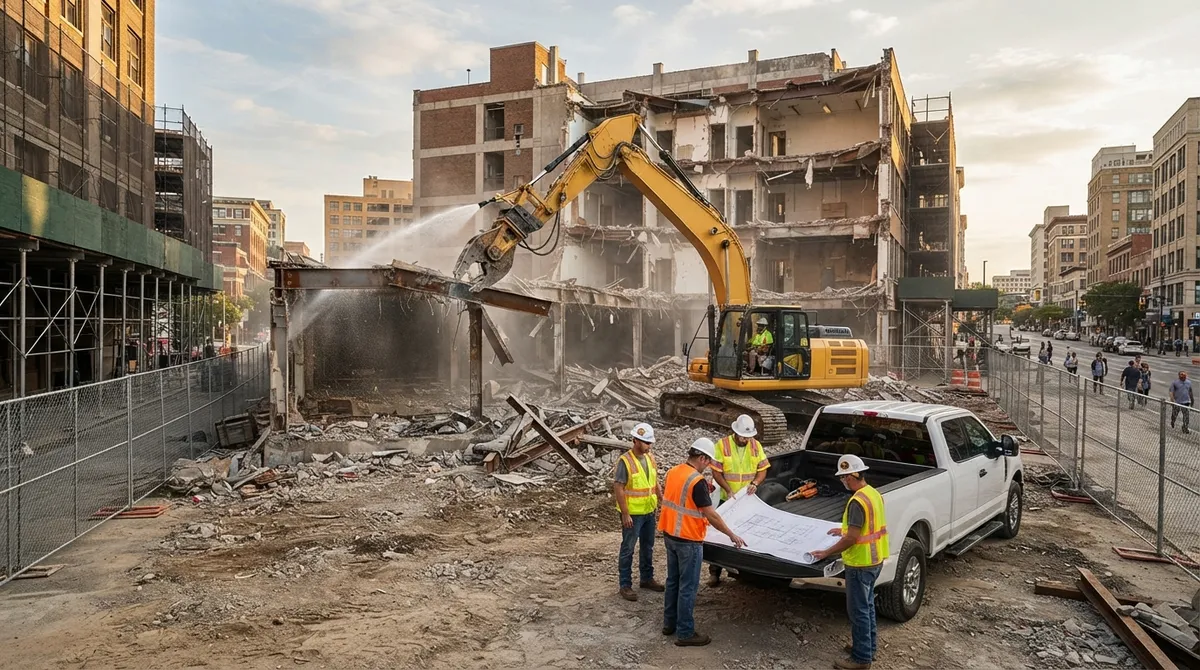
What sets licensed contractors apart is their comprehensive approach to demolition work. They don’t just show up with equipment and start tearing things down. Instead, they assess the site, identify potential hazards, secure necessary permits, ensure proper utility disconnection, and develop a detailed demolition plan that prioritizes safety and efficiency. Companies like 702 Demo exemplify this professional approach, serving Clark and Nye counties in Nevada with full-service demolition, excavating, grading, concrete, and paving services.
The Scope of Work Licensed Contractors Handle
Licensed demolition contractors manage a surprisingly diverse range of projects. Their expertise extends far beyond what most people imagine when they think of demolition work. Here’s what these professionals typically handle:
- Residential demolitions: Complete house teardowns, garage removals, and accessory structure demolition
- Commercial projects: Office buildings, warehouses, retail spaces, and industrial facilities
- Specialized removals: Swimming pools, hot tubs, chimneys, and concrete structures
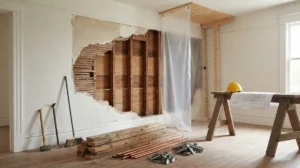
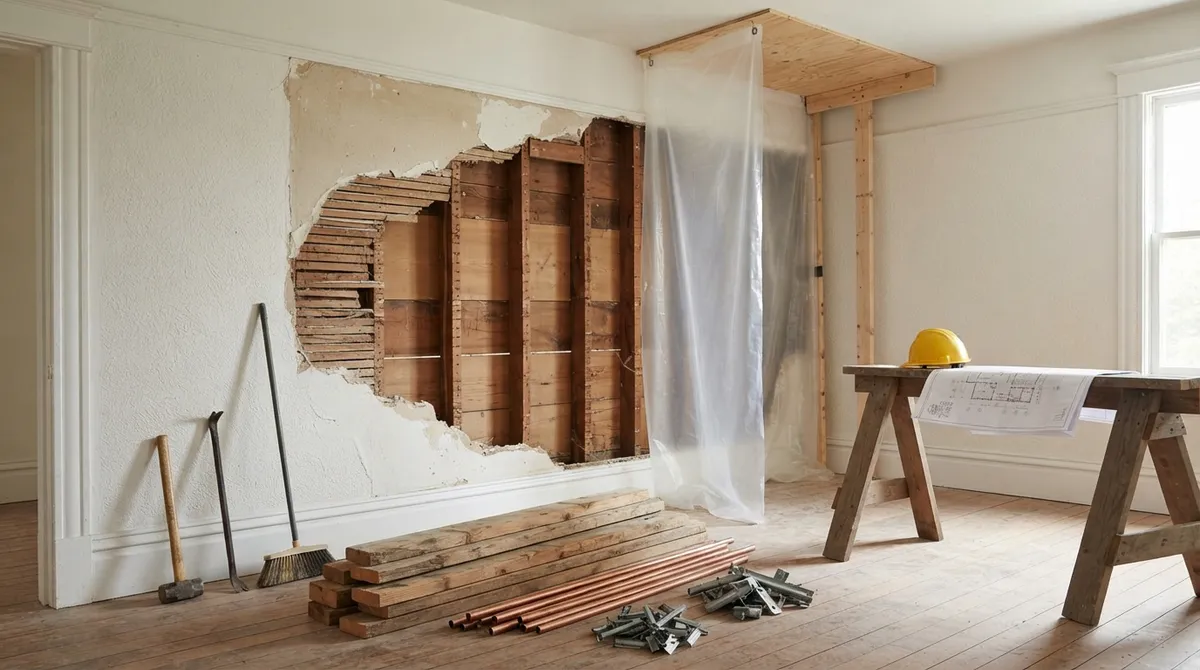
- Interior demolition: Gut-outs for renovations while preserving the building’s exterior shell
- Hazardous material abatement: Asbestos removal, lead paint mitigation, and oil tank removal
- Site preparation: Clearing land for new construction projects

Why Licensing Matters More Than You Think
You might wonder why a piece of paper matters so much when it comes to knocking down a building. The truth is, licensing represents far more than bureaucratic red tape—it’s your protection against catastrophic mistakes, legal liabilities, and safety hazards. When contractors obtain their licenses, they’re demonstrating that they’ve met rigorous standards designed to protect property owners, workers, and the general public.
In most states, removing primary structures or accessory buildings with utilities or hazardous materials requires a licensed contractor. Even substantial renovation demolition often needs licensing. The Las Vegas demolition permit guidelines provide detailed requirements for demolition projects in the area, emphasizing the importance of proper licensing and permitting.
The Requirements Behind the License
Getting a demolition contractor license isn’t a walk in the park. Different jurisdictions have varying requirements, but most include several common elements that ensure contractors are qualified for the work they’re undertaking. These requirements typically include:
| Requirement Type | Details | Purpose |
|---|---|---|
| Experience Verification | Notarized letters documenting years of industry experience | Ensures practical knowledge and hands-on expertise |
| Examination | ICC certifications, trade-specific exams (e.g., ICC #491 Colorado Demolition Class A) | Tests theoretical knowledge and safety protocols |
| Insurance Proof | Liability insurance (often $500,000 minimum), workers’ compensation | Protects property owners and workers from financial loss |
| Bonding | Surety bonds guaranteeing work completion | Provides financial recourse if contractor fails to complete work |
| Specialized Permits | Asbestos abatement certification, hazardous materials handling | Ensures compliance with environmental regulations |
Starting in early 2025, Colorado has implemented even stricter requirements for new and renewing contractor licenses. Classes A, B, and C contractors must now provide proof of passing ICC exams, along with maintaining current liability insurance and bonding. This trend toward more rigorous licensing standards reflects the industry’s commitment to professionalism and safety.

The Financial Protection Licensed Contractors Provide
One of the most compelling reasons to hire a licensed demolition contractor is the financial protection they offer. When you work with an unlicensed contractor, you’re essentially gambling with your property and your wallet. If something goes wrong—and in demolition, things can go spectacularly wrong—you could be left holding the bag for damages, injuries, or incomplete work.
Licensed contractors carry substantial insurance coverage. In Denver, for example, the minimum liability insurance for Building Class A and Demolition Class A contractors is $500,000. This coverage protects you if the contractor accidentally damages your property, a neighbor’s property, or if someone gets injured during the demolition process. Without this protection, you could face devastating lawsuits and financial ruin.
Understanding Insurance and Bonding Requirements
Different cities and states have varying insurance requirements for licensed demolition contractors. Here’s a snapshot of what some Colorado jurisdictions require:
- Englewood, CO: Class F Demolition license requires trade-specific insurance proof and costs $75 for licensing
- Castle Pines, CO: Class J Demolition license requires current licenses from two other jurisdictions and costs $75
- Denver, CO: Demolition supervisor certificates renew every three years, with application reviews taking 14-20 business days
These requirements aren’t arbitrary—they’re carefully calculated to ensure adequate protection for all parties involved in demolition projects. When you hire a licensed contractor, you’re benefiting from this regulatory framework without having to navigate the complex insurance landscape yourself.

Safety Standards That Save Lives and Property
Demolition is inherently dangerous work. Heavy equipment, falling debris, structural instability, dust, and potential exposure to hazardous materials create a perfect storm of risks. Licensed demolition contractors are trained to identify and mitigate these hazards, following established safety protocols that protect workers, neighboring properties, and the environment.
The Clark County Building Department enforces strict safety standards for demolition projects, requiring licensed contractors to follow specific procedures for everything from utility disconnection to debris disposal. These regulations exist because the consequences of cutting corners can be catastrophic—collapsed buildings crushing nearby structures, gas line explosions, electrical fires, or toxic material exposure.
Specialized Certifications for Hazardous Materials
Many older structures contain hazardous materials like asbestos, lead paint, or underground oil tanks. Dealing with these materials requires specialized knowledge and certifications that go beyond basic demolition licensing. Licensed contractors who work with hazardous materials must:
- Obtain certification as General Abatement Contractors (GAC)
- Coordinate with building inspectors to identify hazardous materials
- Provide 10-day notifications before beginning abatement work
- Secure specialized permits for hazardous material removal
- Follow strict disposal protocols for contaminated materials
In Colorado, asbestos abatement requires a 10 working-day notification before work can begin. This notification period allows regulatory agencies to ensure proper procedures are in place and gives neighboring properties time to prepare. Unlicensed contractors often skip these critical steps, potentially exposing everyone in the area to dangerous toxins.
The Legal Compliance Factor You Can’t Afford to Ignore
Every municipality has its own rules and regulations governing demolition work. Navigating this regulatory maze can be overwhelming for property owners, but it’s second nature to licensed demolition contractors. They understand local building codes, permit requirements, environmental regulations, and disposal restrictions. More importantly, they know how to obtain the necessary approvals before work begins.
Failing to comply with local regulations can result in hefty fines, stop-work orders, and even legal action. In some cases, you might be required to rebuild structures that were demolished without proper permits. Licensed contractors protect you from these nightmares by ensuring every aspect of your project meets legal requirements from start to finish.
The Permit Process Demystified
The permit process for demolition projects typically involves several steps that licensed contractors handle on your behalf:
- Initial assessment: Evaluating the structure and identifying potential hazards
- Utility notification: Contacting utility companies to disconnect or protect services
- Permit application: Submitting detailed plans and documentation to local authorities
- Inspection scheduling: Arranging for required inspections before, during, and after demolition
- Compliance documentation: Maintaining records of proper disposal and environmental compliance
In Denver, for example, application reviews for demolition supervisor certificates take 14-20 business days. Licensed contractors factor these timelines into project planning, ensuring your demolition stays on schedule while meeting all regulatory requirements.
Equipment, Expertise, and Efficiency
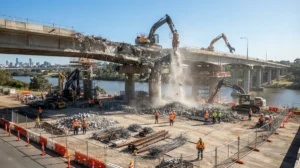
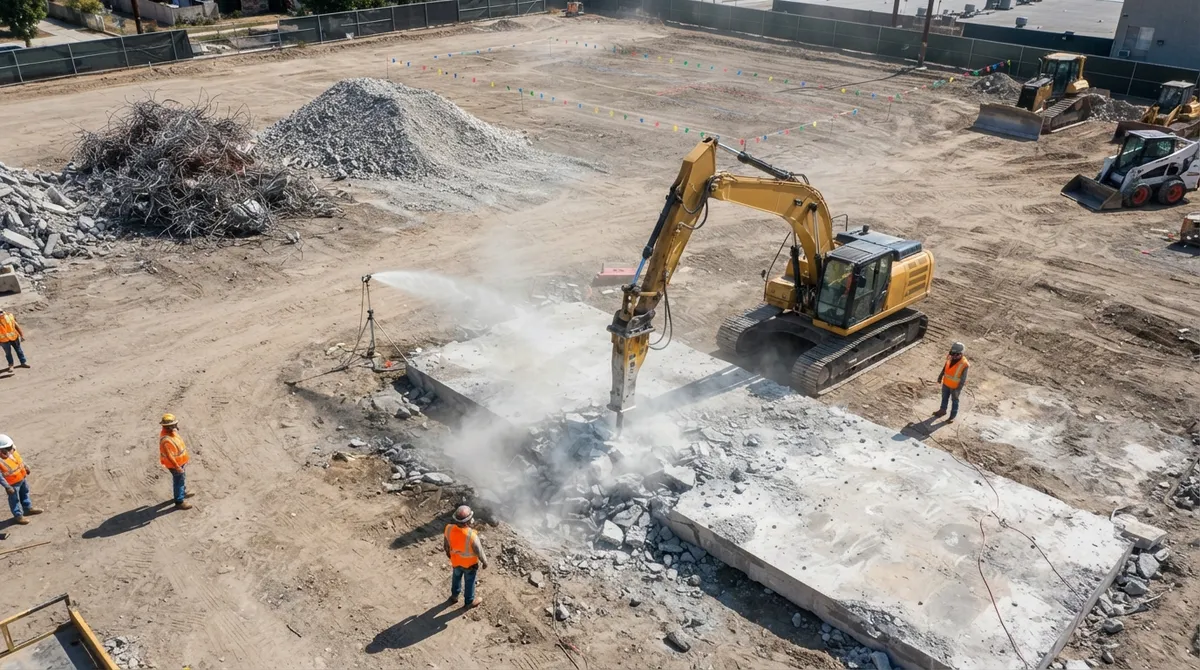
Licensed demolition contractors invest heavily in specialized equipment and ongoing training for their crews. This investment translates directly into more efficient, safer, and cleaner demolition projects. From hydraulic excavators with specialized attachments to concrete pulverizers and dust suppression systems, professional contractors have the tools needed to complete projects properly.
Beyond equipment, licensed contractors bring years of experience to every project. They’ve encountered virtually every challenge that can arise during demolition—from discovering unexpected structural issues to dealing with adverse weather conditions. This experience allows them to adapt quickly when problems arise, keeping your project on track and within budget.
The Technology Advantage
Modern demolition contractors use advanced technology to improve project outcomes. This includes:
- Site surveying tools: Laser measuring and 3D modeling to plan demolitions accurately
- Environmental monitoring: Air quality sensors to detect hazardous materials and control dust
- Heavy machinery: Hydraulic excavators, bulldozers, and specialized demolition attachments
- Waste sorting systems: Equipment to separate recyclable materials from general debris
This technological sophistication isn’t just about looking impressive—it directly impacts project safety, efficiency, and environmental responsibility. When you need professional building demolition services, licensed contractors bring this full suite of capabilities to your project.
Environmental Responsibility and Waste Management
Modern demolition isn’t just about tearing things down—it’s about responsible deconstruction and waste management. Licensed contractors understand environmental regulations governing demolition waste disposal. They know which materials can be recycled, which require special handling, and where everything needs to go.
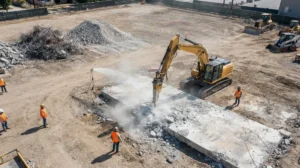
Many materials from demolition projects can be recycled or repurposed: concrete can be crushed and used as aggregate, metals can be sold to scrapyards, and wood can be chipped for landscaping mulch. Licensed contractors have established relationships with recycling facilities and disposal sites, ensuring your demolition project minimizes its environmental impact while potentially reducing disposal costs.
How to Verify a Contractor’s License and Credentials
Before hiring a demolition contractor, it’s essential to verify their licensing and credentials. Don’t just take their word for it—do your due diligence to ensure you’re working with a legitimate, qualified professional. Here’s your verification checklist:
- Check the license number: Contact your local building department to verify the contractor’s license is current and in good standing
- Verify insurance coverage: Request certificates of insurance directly from their insurance provider
- Review their track record: Check online reviews, ask for references, and look for any complaints with the Better Business Bureau
- Confirm specialized certifications: If your project involves hazardous materials, verify their abatement certifications
- Review their Google Business Profile: Visit reputable contractors on Google to see recent customer reviews and project photos
Reputable contractors will happily provide this information. If a contractor hesitates or makes excuses about sharing their credentials, that’s a major red flag. Move on to someone who’s proud to demonstrate their qualifications.
The Cost Difference: Licensed vs. Unlicensed Contractors
Yes, licensed demolition contractors typically charge more than unlicensed operators. But this price difference reflects real value—insurance coverage, regulatory compliance, proper equipment, trained crews, and legal protection. When you factor in the potential costs of accidents, regulatory violations, or incomplete work, licensed contractors often prove to be the more economical choice.
Consider what you’re actually paying for when you hire a licensed contractor:
| Cost Component | Value Provided |
|---|---|
| Licensing fees and renewals | Demonstrated competence and regulatory compliance |
| Insurance premiums | Financial protection against accidents and damages |
| Professional equipment | Safer, more efficient demolition with less disruption |
| Trained workforce | Expertise that prevents costly mistakes |
| Permit processing | Legal compliance and avoidance of fines |
| Proper disposal | Environmental responsibility and regulatory adherence |
When you choose an unlicensed contractor to save a few hundred dollars, you’re potentially exposing yourself to thousands or even tens of thousands in liability. It’s a classic case of being penny-wise and pound-foolish.
Finding the Right Licensed Contractor for Your Project
Not all licensed contractors are created equal. Beyond basic licensing, you want to find a contractor with specific experience in your type of project, whether that’s interior demolition services, pool removal services, or concrete removal services. Look for contractors who specialize in your particular needs and have a proven track record of successful projects.
When interviewing potential contractors, ask detailed questions about their experience, methodology, and timeline. A professional contractor will provide clear answers and detailed written estimates. They should be willing to walk you through every step of the process, from permit acquisition to final site cleanup. If a contractor seems evasive or provides vague answers, keep looking.
Red Flags to Watch For
Be wary of contractors who exhibit any of these warning signs:
- Reluctance to provide licensing information or proof of insurance
- Pressure to start work immediately without proper permits
- Requests for large upfront payments before work begins
- Inability or unwillingness to provide references from previous projects
- Vague or verbal-only estimates without detailed written contracts
- No permanent business address or professional website
Trust your instincts—if something feels off about a contractor, it probably is. There are plenty of qualified, licensed professionals who will treat you and your project with the respect and professionalism you deserve.
Making Your Decision With Confidence
Choosing a licensed demolition contractor isn’t just about ticking boxes on a compliance checklist—it’s about protecting your investment, ensuring your safety, and getting the job done right the first time. The licensing requirement exists for good reason, and contractors who have gone through the process demonstrate their commitment to professionalism and quality work.
Whether you’re planning a small residential project or a major commercial demolition, working with a licensed contractor gives you peace of mind that your project will be completed safely, legally, and efficiently. The small additional cost of hiring a licensed professional is an investment in your protection and the success of your project. Don’t let the temptation to save a few dollars upfront expose you to significant risks down the road.
If you’re planning a demolition project in Clark or Nye counties in Nevada, choosing an experienced, licensed contractor makes all the difference. Professional teams like 702 Demo bring the expertise, equipment, and credentials needed to handle everything from excavating and grading services to complete structural demolitions. Ready to move forward with your project? Contact 702 Demo for a free estimate and experience the difference that true professionalism makes in demolition work.
FAQs
Q: What are the basic requirements to become a licensed demolition contractor?
A: Becoming a licensed demolition contractor typically requires verified work experience (often documented through notarized letters), passing industry-specific exams like ICC certifications, proof of liability insurance (usually $500,000 minimum), and sometimes bonding requirements. Many jurisdictions also require specialized certifications for hazardous material handling like asbestos abatement. The specific requirements vary by state and local jurisdiction, so it’s important to check with your local building department for exact criteria.
Q: How much does it cost to get a demolition contractor license?
A: Licensing costs vary significantly by location and license class. For example, in Colorado cities like Englewood and Castle Pines, basic demolition licenses cost around $75, while state-level contractor licenses can run $136 or more depending on the classification. These fees don’t include costs for required exams, insurance, bonding, or continuing education. The investment in licensing is worthwhile as it demonstrates professionalism and opens doors to larger, more profitable projects.
Q: Can I do my own demolition work without hiring a licensed contractor?
A: It depends on the scope of your project and local regulations. Small projects like removing a shed or deck might not require a licensed contractor in some jurisdictions, but most areas require licensing for demolishing primary structures, buildings with utilities connected, or projects involving hazardous materials. Even if you’re legally allowed to DIY, hiring a licensed contractor is strongly recommended for safety, proper waste disposal, and avoiding potential liability issues. Always check with your local building department before starting any demolition work.
Q: What insurance should a licensed demolition contractor carry?
A: Licensed demolition contractors should carry comprehensive general liability insurance (typically $500,000 minimum, though some jurisdictions require more), workers’ compensation insurance for their employees, and often vehicle insurance for their equipment. Some also carry pollution liability insurance for projects involving hazardous materials. Before hiring a contractor, always request current certificates of insurance directly from their insurance provider to verify coverage is active and adequate for your project.
Q: How long does it take to get a demolition contractor license?
A: The timeline varies by jurisdiction but typically ranges from several weeks to several months. In Denver, for example, demolition supervisor certificate applications take 14-20 business days to review once submitted. However, the total time includes studying for and passing required exams, gathering experience documentation, obtaining insurance, and completing the application process. If you’re starting from scratch without industry experience, it could take years to meet the experience requirements before you’re even eligible to apply for licensing.