Key Takeaways
-
Hire a single contractor for both demolition and hauling to avoid coordinating multiple vendors, reducing delays and ensuring a cleaner, more efficient project site.
-
Obtain all required permits before starting work—verify local regulations early and use a licensed contractor who can handle permit applications, as non-compliance leads to fines and project delays.
-
Choose a contractor with valid licensing, liability insurance, transparent written estimates, and proven experience with your specific project type to avoid costly mistakes and ensure on-time completion.
-
Ask contractors about eco-friendly practices like material recycling, deconstruction, and proper hazardous waste disposal to support environmental responsibility while reducing landfill waste.
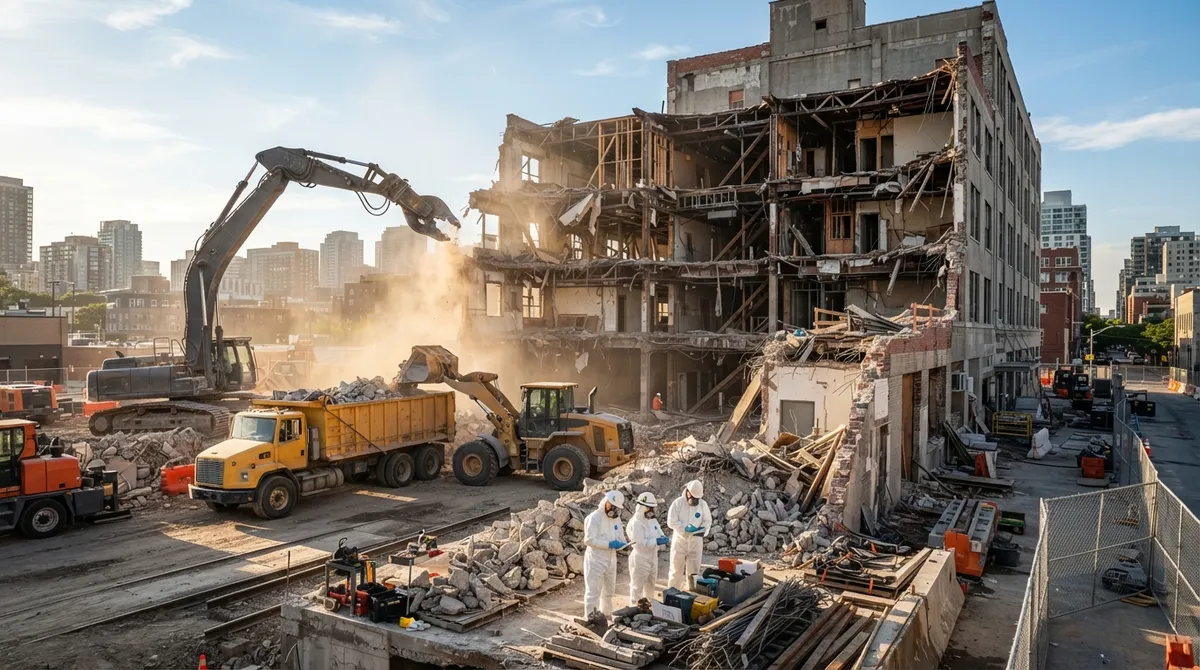
Whether you’re a homeowner, a contractor, or a property developer, understanding how hauling and demolition services work can save you a lot of headaches. Peninsula hauling and demolition is a growing service area that combines debris removal, structural teardown, and site preparation into one streamlined process. Knowing what to expect — and what to look for in a contractor — makes your project smoother from start to finish.
This guide breaks down five key things you need to know about peninsula hauling and demolition. We’ll cover what the service includes, how it works, and how to make sure you hire the right team. If you’re planning a demolition project in Nevada or elsewhere, read on. These insights will help you plan smarter and avoid costly mistakes.
1. Hauling and Demolition Are Two Services That Work Together
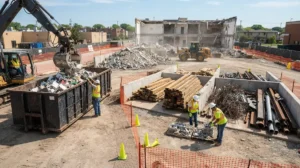
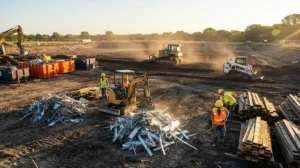
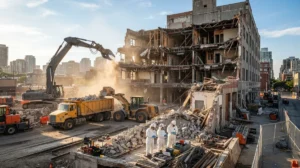
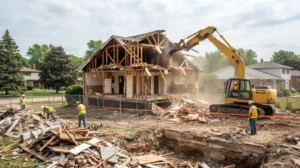
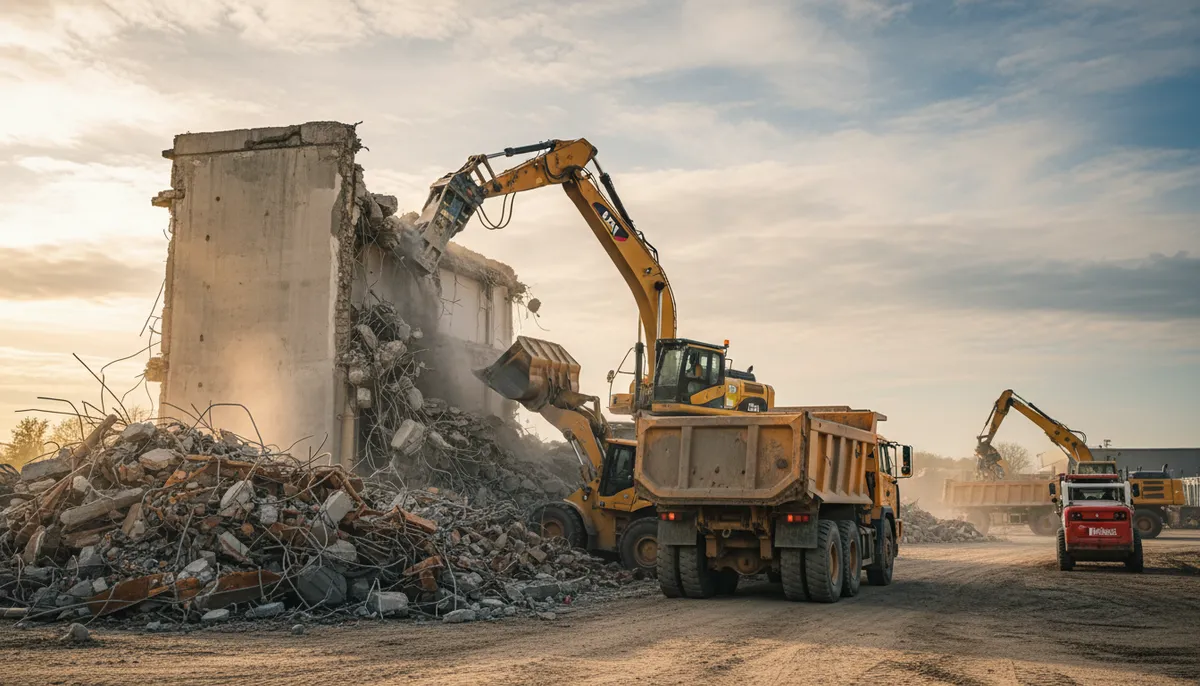
Many people think demolition and hauling are separate jobs. In reality, they go hand in hand. Demolition brings a structure down. Hauling removes the debris that’s left behind. When both services come from the same contractor, your project runs faster and more efficiently.
Peninsula hauling and demolition services typically cover a wide range of project types. Here’s what a full-service contractor can handle:
- Residential structure teardown and debris removal
- Commercial building demolition and site clearance
- Interior demolition for remodels and renovations
- Concrete breaking and hauling
- Junk removal and cleanout services
- Deconstruction for material salvage and recycling
When you hire a team that does both, you avoid the back-and-forth of coordinating multiple contractors. That means fewer delays and a cleaner job site. If you’re planning a project, learning how to plan demolition and hauling for your next project is a great first step.
2. The Scope of Work Varies by Project Type
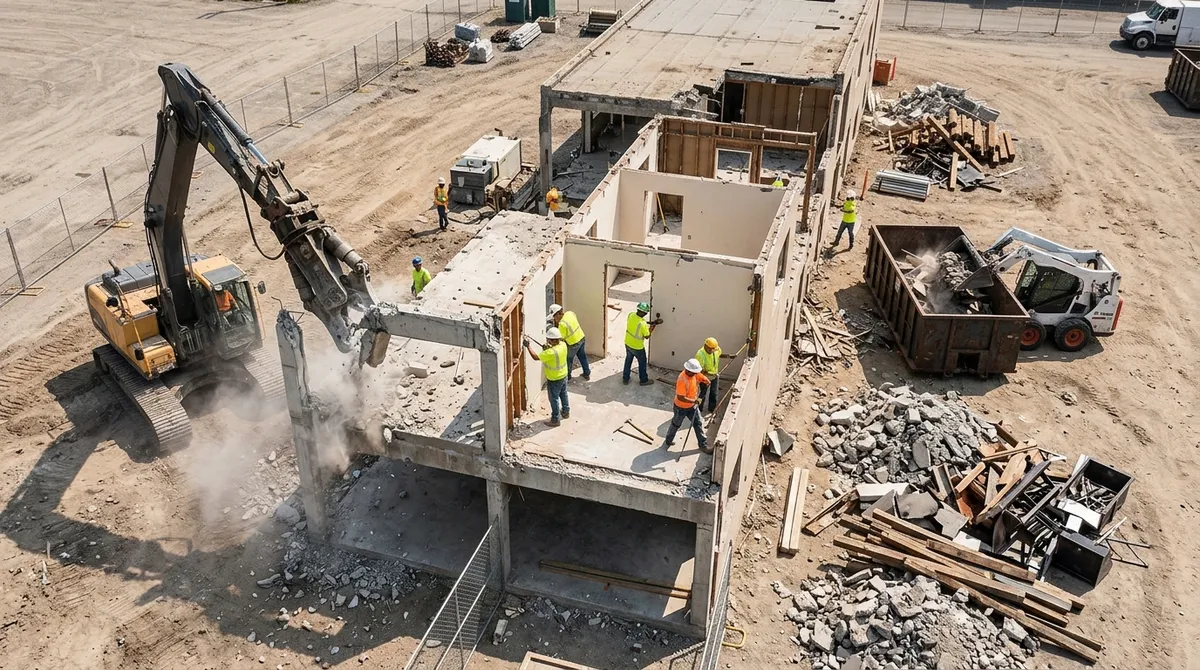
Not all demolition jobs are the same. A kitchen remodel requires different work than tearing down a full structure. Understanding the scope of your specific project helps you get accurate quotes and realistic timelines.
Here’s a simple breakdown of the most common project types and what they involve:
| Project Type | Demolition Needed | Hauling Required | Common Add-Ons |
|---|---|---|---|
| Kitchen/Bathroom Remodel | Interior demo | Debris and fixtures | Dumpster placement |
| Full Structure Teardown | Complete building demo | Large-volume debris | Grading and excavation |
| Driveway or Patio Removal | Concrete breaking | Concrete chunks and rubble | Site leveling |
| Pool Removal | Pool structure demo | Fill material and debris | Backfill and compaction |
| Commercial Buildout | Selective interior demo | Mixed materials | Recycling and disposal |
Knowing your project type upfront helps your contractor bring the right equipment and crew. A professional demolition team will assess your site before giving you a firm plan. You can explore more about what hauling and demolition services actually include to better prepare for your consultation.
3. Permits and Regulations Are a Must
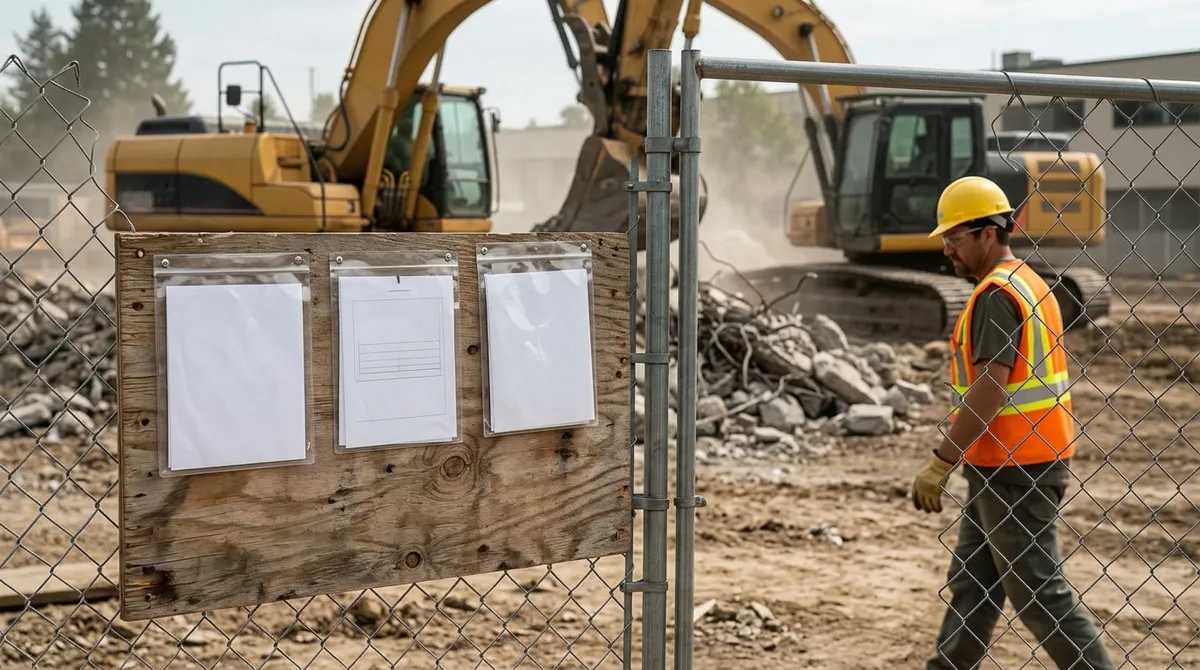
This is one area where many property owners get caught off guard. Most demolition projects require permits before any work begins. Skipping this step can lead to fines, project delays, and serious legal headaches.
Here’s what you need to know about permits and compliance:
- Check local requirements first. Every city and county has its own rules. Always verify what’s needed before starting work.
- Apply early. Permit processing can take days or even weeks. Don’t wait until the last minute.
- Use a licensed contractor. A licensed team knows the permit process inside and out. They can often handle applications on your behalf.
- Plan for inspections. Some projects require site inspections before, during, or after demolition.
- Handle hazardous materials separately. Lead, asbestos, and other hazardous materials require special removal procedures and documentation.
If you’re in Clark County, Nevada, the Clark County Building Department is your go-to resource for local requirements. For city-specific projects, you can also review the Las Vegas demolition permit guidelines to understand what documentation you’ll need. Understanding what a demolition license is and why it matters can help you choose the right contractor with confidence.
4. Eco-Friendly Demolition Practices Are on the Rise
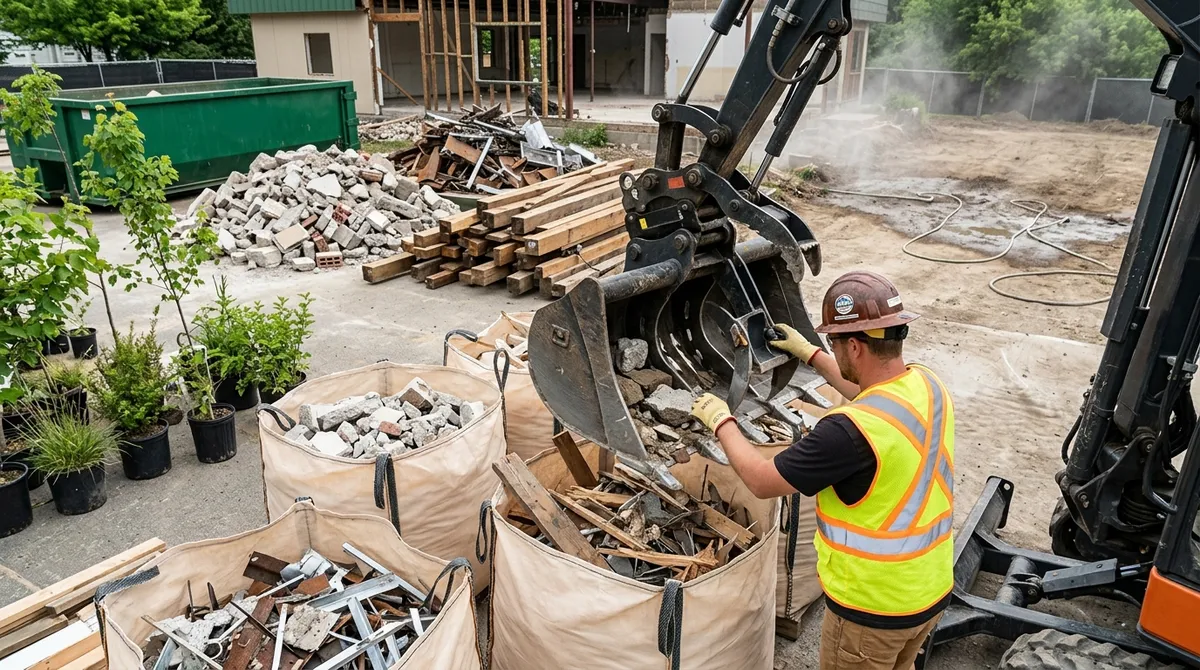
Good news for environmentally conscious property owners — responsible demolition is becoming standard practice. Many hauling and demolition contractors now focus on reducing landfill waste through smarter debris management.
Eco-friendly demolition practices include:
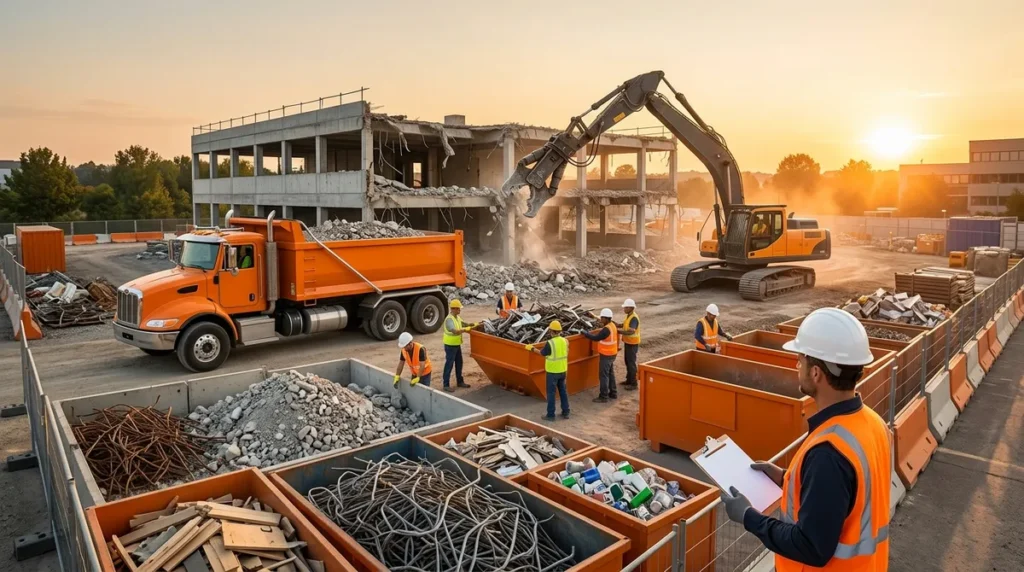
- Deconstruction: Carefully taking apart a structure to salvage usable materials like wood, metal, and fixtures
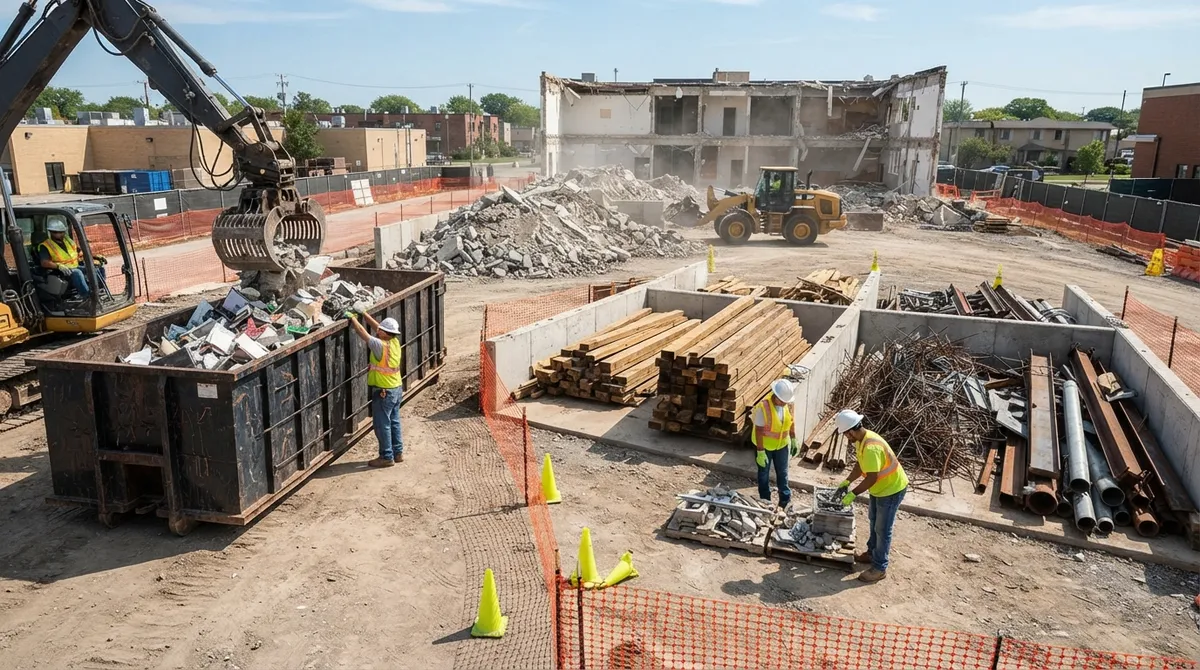
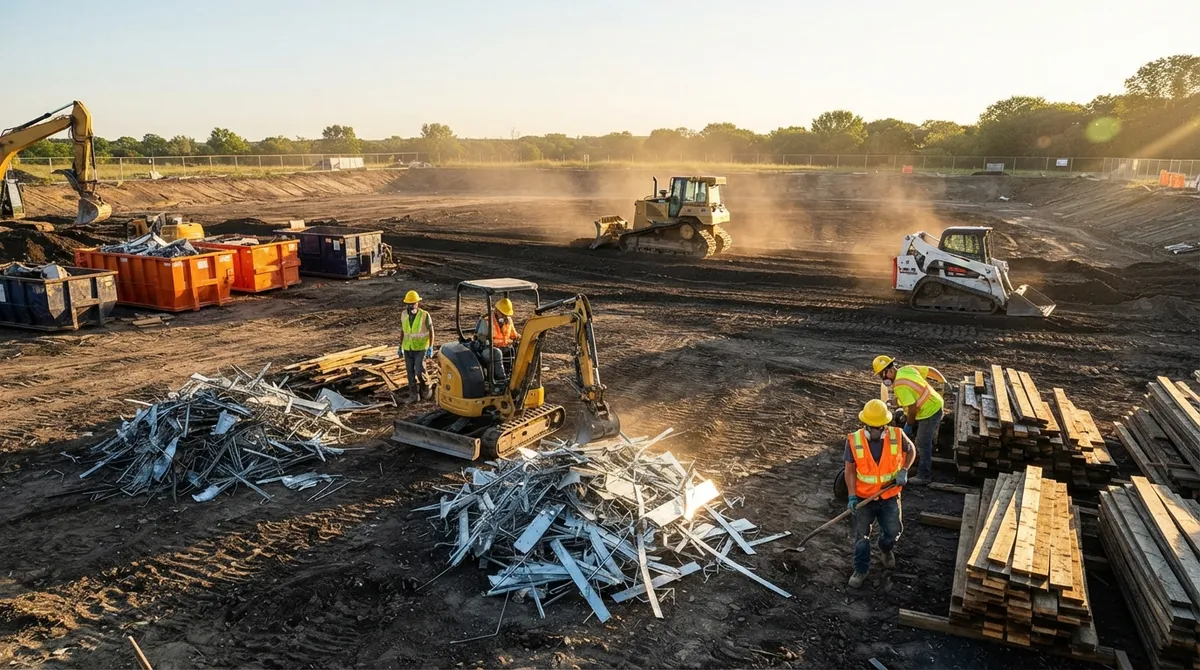
- Material recycling: Sorting concrete, metal, and other debris for recycling rather than dumping
- Donation programs: Sending salvageable materials like doors, cabinets, and hardware to resale organizations
- Proper hazardous material disposal: Following EPA guidelines for lead, asbestos, and chemical removal
- Reduced truck trips: Efficient loading and transport to minimize fuel use and road impact
When evaluating a contractor, ask about their recycling and disposal practices. A team that prioritizes responsible hauling shows they care about the community and the environment. This is one reason why many property owners look for contractors with green certifications or documented eco-friendly processes. Learn more about the key benefits of professional demolition hauling in 2026 to see how these practices benefit your project.
5. Choosing the Right Contractor Makes All the Difference
This might be the most important point of all. The contractor you hire will determine whether your project goes smoothly or becomes a stressful ordeal. Not all hauling and demolition companies offer the same level of service, equipment, or expertise.
Here’s what to look for when hiring a hauling and demolition contractor:
- Valid license and insurance. Always verify that your contractor is properly licensed and carries liability insurance. This protects you if anything goes wrong on-site.
- Experience with your project type. A team that specializes in residential demolition may not have the same skills as one experienced in commercial teardowns. Match the contractor to your job.
- Transparent quoting process. A reliable contractor will walk your site, assess the work, and give you a detailed written estimate before any work begins.
- Equipment and crew size. Larger jobs need more equipment and manpower. Make sure your contractor has what it takes to finish on time.
- Positive reviews and references. Look at online reviews and ask for references from past clients. A strong track record speaks volumes.
Here’s a quick comparison of what separates a great contractor from a less reliable one:
| What to Check | Strong Contractor | Red Flag Signs |
|---|---|---|
| Licensing | Valid, up-to-date license | No license or vague answers |
| Insurance | Full liability coverage | No proof of coverage |
| Estimates | Detailed written quote | Verbal-only or rushed quote |
| Reviews | Consistent positive feedback | Few reviews or unresolved complaints |
| Equipment | Modern, maintained fleet | Aging or inadequate equipment |
If you’re searching for a trusted team in Nevada, 702 Demo is a full-service demolition and hauling contractor serving all of Clark and Nye counties. From interior demolition to full building demolition, they handle projects of every size with the expertise and equipment to get the job done right. You can also visit 702 Demo on Google to read real customer reviews and see why they’re the top-rated choice in Las Vegas.
How to Prepare Your Property for Hauling and Demolition
Before your crew arrives, a little preparation goes a long way. Getting your property ready speeds up the process and prevents unnecessary complications.
Follow these steps to prepare your site:
- Disconnect utilities. Make sure gas, electric, and water lines are shut off before demolition begins. Your contractor can guide you on the right timing.
- Remove personal belongings. Clear out furniture, appliances, and valuables from the work area. Don’t leave anything behind that you want to keep.
- Identify hazardous materials. If your property has older construction, there may be asbestos or lead paint present. Have these tested and removed by certified professionals first.
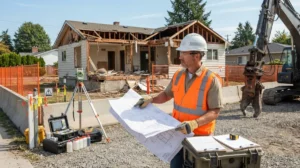
- Secure the perimeter. Fencing off the work area protects bystanders and keeps the job site safe and organized.
- Communicate access needs. Make sure your contractor knows where vehicles can park, how to access the site, and where debris will be staged for hauling.
Proper site prep helps your contractor work efficiently. It also reduces the chance of unexpected delays or added costs. You can explore more about professional hauling services and excavating and grading to understand the full range of services that often accompany a demolition project.
Wrapping It All Up
Peninsula hauling and demolition services bring real value to homeowners, contractors, developers, and property managers alike. When you understand how the process works, you can make smarter decisions, avoid common pitfalls, and get better results from your project.
The key takeaways are simple. Hauling and demolition work best together. Know your project scope. Get your permits in order. Choose a contractor who recycles responsibly and has the credentials to back it up. And take the time to prepare your site before work begins.
If you’re ready to move forward with a demolition or hauling project in Nevada, don’t go it alone. Working with an experienced, licensed team makes all the difference. Reach out to 702 Demo for a free project estimate and find out how their team can help you get from demo day to done — safely, efficiently, and on schedule.
FAQs
Q: What services does a peninsula hauling and demolition company typically offer?
A: A full-service hauling and demolition company typically offers residential and commercial demolition, interior teardowns, concrete removal, debris hauling, junk removal, deconstruction, and site cleanouts. Many also handle excavating, grading, and eco-friendly material recycling as part of the same project. It’s basically a one-stop shop for clearing and preparing a property!
Q: Is peninsula hauling and demolition the same as junk removal?
A: Not quite! Junk removal focuses on picking up unwanted items, while hauling and demolition involves actually taking down structures and then removing the resulting debris. Think of demolition as the teardown and hauling as the cleanup — they’re a powerful team when combined.
Q: Do I need a permit for a hauling and demolition project?
A: In most cases, yes — especially for structural demolition or large-scale debris removal projects. Permit requirements vary by city and county, so it’s always a good idea to check with your local building department before work starts. A licensed demolition contractor can often help guide you through the permit process.
Q: How do I find a reliable hauling and demolition contractor near me?
A: Start by looking for contractors with a valid license, solid insurance coverage, and strong online reviews from past clients. Ask for a written estimate and make sure they have experience with your specific project type. Word of mouth from neighbors or contractors you trust is also a great way to find a reliable team!
Q: Can hauling and demolition companies recycle demolition debris?
A: Absolutely! Many reputable contractors now sort and recycle materials like concrete, metal, and wood rather than sending everything to a landfill. Some even partner with donation programs to give salvageable materials a second life. It’s worth asking your contractor about their eco-friendly disposal practices before you sign any contract.