Key Takeaways
-
A demolition license is official contractor authorization issued by state, county, or city authorities; without it, contractors cannot legally perform demolition work or handle hazardous materials.
-
Demolition licensing requirements vary significantly by location—Texas requires state exams and age verification, while Nevada requires Clark and Nye county compliance; always verify local requirements before hiring.
-
You need both a demolition license (contractor credential) and a demolition permit (project approval) for most structural work; permits require site plans, utility disconnection proof, debris disposal plans, and property ownership documentation.
-
Hazardous materials in older buildings require additional certifications beyond standard licensing; contractors must have specialized training for asbestos, lead, and mold handling to comply with EPA and OSHA regulations.
-
Hiring unlicensed contractors creates personal liability, voids insurance protection, and risks code violations; licensed contractors provide legal protection, current insurance coverage, and smoother permit processes.
-
Verify contractor credentials by requesting license numbers, checking state licensing boards, confirming current insurance, and reviewing NDA certifications; national certifications like CDS and CDT indicate advanced professionalism.
If you’re planning a demolition project, you’ve probably heard the term “demolition license” tossed around. But what does it actually mean? And why should you care? Whether you’re a homeowner tearing down an old shed, a developer clearing land for a new build, or a contractor managing a commercial project, understanding demolition licensing is truly important. It protects you, your property, and everyone around the job site. Let’s break it all down in plain, simple language so you know exactly what to expect before the first wall comes down.
What Is a Demolition License?
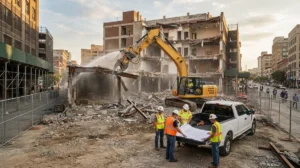
A demolition license is an official authorization that allows a contractor to legally perform demolition work. It’s issued by state, county, or city authorities depending on where you live. Think of it as proof that a contractor knows what they’re doing and has met the legal requirements to do it safely. Without one, a contractor cannot legally tear down buildings, remove structures, or handle hazardous materials.
In the demolition services industry, licensing is one of the most important credentials a company can hold. It shows clients, inspectors, and neighbors that the work will be done responsibly. If you’re curious about what separates a quality contractor from a risky one, check out what makes a licensed demolition contractor essential for your project.
Why Demolition Licensing Requirements Vary by Location
One of the trickiest parts of demolition licensing is that the rules are different everywhere. Some states manage licensing at the state level. Others hand that responsibility to cities or counties. This means what’s required in Nevada may look very different from what’s required in Texas or California.
For example, Texas requires contractors to be at least 18 years old, complete state-approved education, and pass the State Demolition Contractor Exam. In cities like Houston, all tradespeople and subcontractors must register with the Permitting Center before they can pull demolition permits. Meanwhile, in San Antonio, contractor registration carries a fee, with renewal costs on top of that.
In Nevada, contractors operating in Clark and Nye counties must comply with both state licensing rules and local permit requirements. Always check with your Clark County Building Department to understand what applies to your specific project.
What Are the Common Requirements for a Demolition License?
While requirements differ by location, most demolition license applications share similar elements. Here’s what contractors typically need to obtain one:
- Proof of insurance — Liability insurance protects property owners and workers in case of accidents.
- A demolition bond — This is a surety bond that guarantees the contractor will complete the job and follow the rules.
- Contractor registration — Most states and cities require formal registration with a licensing board.
- Background check — Many jurisdictions screen applicants for criminal history.
- Minimum work experience — Some certifications, like Certified Demolition Technician (CDT), require at least two years of hands-on experience.
- Written exam — State-level licenses often require passing a knowledge-based test on safety, codes, and procedures.
Meeting these requirements takes time and effort. That’s why hiring a properly licensed contractor is worth every penny. They’ve already done the hard work of proving their qualifications to the authorities.
Demolition Permits vs. Demolition Licenses: What’s the Difference?
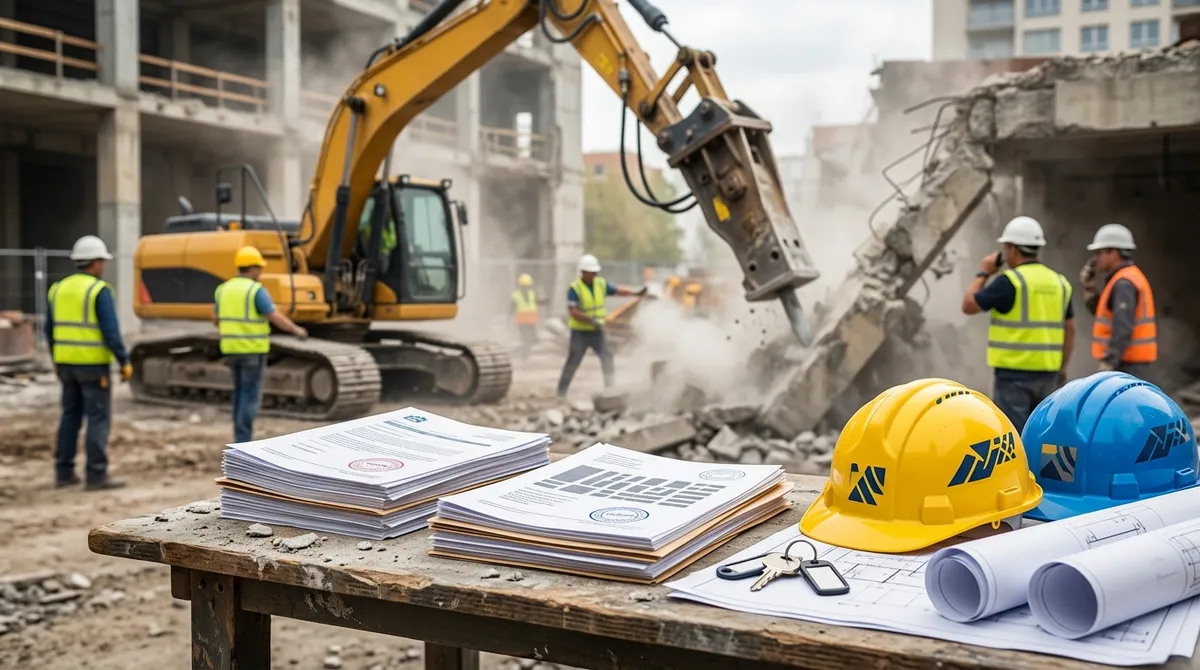
These two terms sound similar but they’re actually different things. A demolition license belongs to the contractor. It says they are qualified to do the work. A demolition permit belongs to the project. It says a specific job has been approved to proceed at a specific address.
You need both for most structural demolition work. The contractor must hold a valid license, and the project must have an approved permit before any work begins. Learn more about what’s involved by reviewing the Las Vegas demolition permit guidelines for a clear overview of local requirements.
What Projects Typically Require a Permit?
- Removal of primary structures like houses, garages, or commercial buildings
- Demolition of accessory buildings that have utility connections
- Substantial renovations involving structural removal
- Pool removal or filling
- Full or partial building teardowns
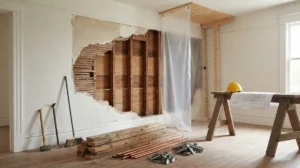
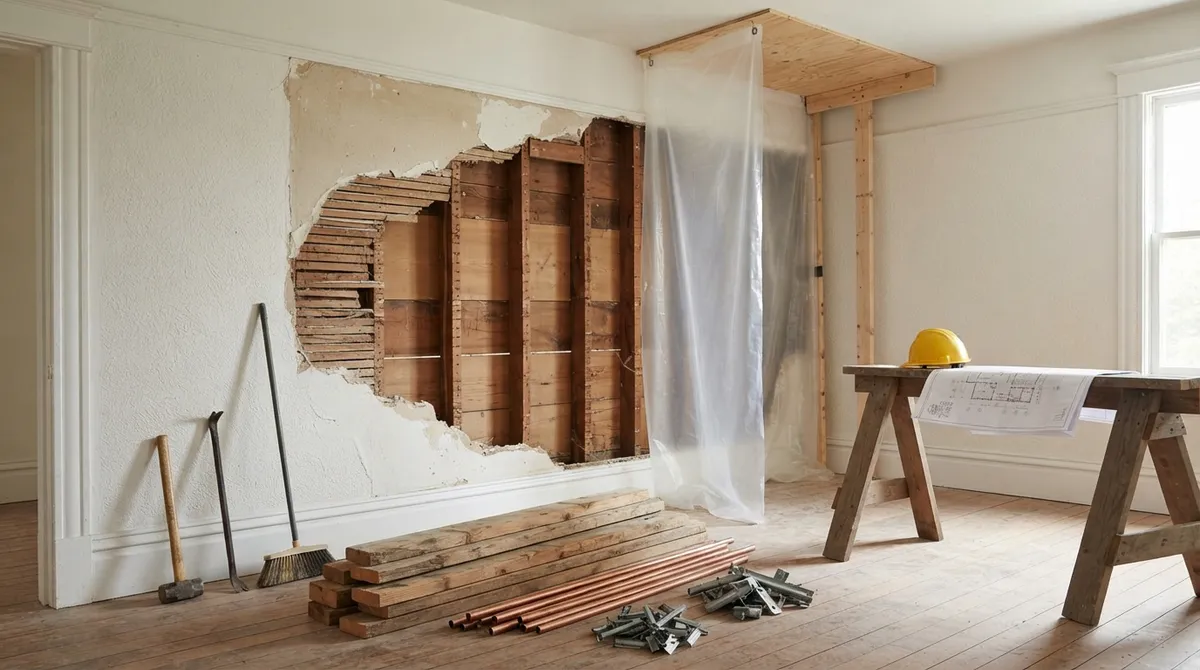
Interior-only demolition doesn’t always require a separate permit, but it depends on the scope and location. If structural walls, plumbing, or electrical systems are involved, a permit is almost always required. Find out more about what goes into interior demolition projects and when permits apply.
What Documents Are Needed for a Demolition Permit Application?
Pulling a demolition permit isn’t as simple as filling out a form. Most applications require a collection of supporting documents. Here’s a typical list of what you’ll need:
- Site plans showing the structure and surrounding area
- Proof that utilities have been disconnected (gas, water, electricity)
- A debris disposal plan explaining where materials will go
- Proof of property ownership or authorization
- Photos of the structure to be demolished
- Hazardous material survey results (if applicable)
Having these documents ready speeds up the approval process and helps avoid costly delays. A good contractor will guide you through every step of the permitting process.
National Certifications That Support Demolition Licensing
Beyond state and local licenses, the National Demolition Association (NDA) offers respected certifications that validate a contractor’s skills and knowledge. These certifications are widely recognized in the industry.
| Certification | Who It’s For | Key Requirement |
|---|---|---|
| Certified Demolition Supervisor (CDS) | Project supervisors and managers | Experience + written exam |
| Certified Demolition Technician (CDT) | Field workers and technicians | Minimum 2 years experience |
| Hazardous Materials Certification | Workers handling asbestos, lead, etc. | Specialized training + certification exam |
These certifications go beyond the minimum legal requirements. They show that a contractor is serious about safety and professional development. When you hire someone with NDA certifications, you’re getting a contractor who is truly committed to doing the job right. Check out 9 key things to know about what is demolition for more background on industry standards.
Hazardous Materials and Additional Licensing Requirements
Older buildings often contain hazardous materials like asbestos, lead paint, or mold. Handling these materials requires extra certifications on top of a standard demolition license. This is a critical safety issue — not just a legal formality.
Contractors working on sites with hazardous materials must:
- Use certified staff trained in hazmat handling
- Follow strict containment and disposal procedures
- Use proper equipment rated for hazardous environments
- Document all materials removed and disposed of
- Comply with EPA and OSHA regulations
Skipping these steps isn’t just illegal — it’s dangerous. Asbestos fibers, for example, can cause serious lung disease. Always confirm your contractor has the proper certifications before any work begins on an older structure. You can also visit 702 Demo on Google to see reviews and confirm their credentials before hiring.
Why You Should Always Hire a Licensed Demolition Contractor
Hiring an unlicensed contractor might seem like a way to save money upfront. But the risks far outweigh any short-term savings. Here’s why a proper demolition license matters so much to you as a property owner or developer:
- Legal protection — If something goes wrong and the contractor isn’t licensed, you could be held liable.
- Insurance coverage — Licensed contractors carry required insurance, protecting you from accident costs.
- Code compliance — Licensed contractors know local building codes and follow them correctly.
- Safer job sites — Proper licensing means trained workers using the right equipment and procedures.
- Smoother permits — Licensed contractors can pull permits and deal with inspectors on your behalf.
If you’re planning any kind of demolition in Las Vegas or the surrounding Nevada counties, 702 Demo is the leading demolition contractor in Las Vegas and holds all required licenses, permits, and certifications for legal and safe operations.
Types of Demolition Projects That Require Licensing
Not every project looks the same, but most types of demolition require some form of licensed contractor. Here’s a quick look at common project types and their licensing implications:
| Project Type | License Required? | Permit Required? |
|---|---|---|
| Full house demolition | Yes | Yes |
| Commercial building teardown | Yes | Yes |
| Interior wall removal | Yes | Often yes (structural) |
| Pool removal | Yes | Yes |
| Concrete removal | Yes | Sometimes |
| Shed or outbuilding removal | Yes | If utilities connected |
No matter what type of project you’re planning, it’s always better to confirm requirements with your local authority before starting. You can also explore building demolition services and pool removal services to understand what licensed professionals handle on these specific project types.
How to Verify a Contractor’s Demolition License
Before signing any contract, always verify the contractor’s license. Here’s how to do it quickly and confidently:
- Ask the contractor directly for their license number and state of issue
- Look up the license on your state’s contractor licensing board website
- Confirm their insurance certificates are current
- Check if they hold any NDA certifications
- Read online reviews and look at verified projects
A trustworthy contractor will never hesitate to share their credentials. If someone seems evasive about licensing, consider that a serious red flag. For more guidance on making the right hire, read about how to find the right Henderson demolition contractor.
Demolition Inspections: What to Expect
Once work begins, most licensed demolition projects require at least one inspection. Inspectors check that the work is being done safely, that utilities are properly disconnected, and that materials are being handled and disposed of correctly. Some projects require multiple inspections at different stages.
Your licensed contractor should handle scheduling inspections and coordinating with inspectors. This is one more reason why a properly licensed team saves you stress and headaches throughout the project. For a full picture of what hauling and disposal involve, see hauling services offered by professional demolition teams.
Conclusion
A demolition license isn’t just a piece of paper. It’s a sign that a contractor has the training, experience, insurance, and legal standing to do the job safely and correctly. Whether you’re removing a pool, tearing down a commercial building, or clearing land for a new development, working with a licensed professional protects you every step of the way. Always verify credentials, confirm permits, and never cut corners when it comes to licensing.
Ready to start your project with a team you can trust? Reach out to 702 Demo for a free estimate and work with a fully licensed, experienced demolition contractor serving all of Clark and Nye counties in Nevada. You deserve peace of mind — and that starts with the right license.
FAQs
Q: What is a demolition contractor license and who needs one?
A: A demolition contractor license is an official permit that authorizes a company or individual to legally perform demolition work. Any contractor who tears down buildings, removes structures, or handles hazardous materials typically needs one — so if you’re hiring someone for your project, always make sure they’re properly licensed!
Q: Do I need a permit for a house or pool demolition in Nevada?
A: Yes, most full structural removals — including houses and pools — require a demolition permit in Nevada. Your licensed contractor will handle the permit process for you, but it’s always good to know it’s a required step before any work begins.
Q: What documents are usually required for a demolition permit application?
A: Most permit applications ask for site plans, proof of utility disconnections, a debris disposal plan, photos of the structure, and proof of property ownership. Having these ready ahead of time helps keep your project moving along smoothly without unnecessary delays.
Q: Are there national certifications for demolition contractors?
A: Absolutely! The National Demolition Association (NDA) offers certifications like the Certified Demolition Supervisor (CDS) and Certified Demolition Technician (CDT). These are great credentials to look for when hiring — they show the contractor has gone above and beyond the minimum requirements.
Q: Does interior demolition require a separate license or permit?
A: It depends on the scope of the work! Interior demolition that involves structural walls, plumbing, or electrical systems usually requires a permit. Even for interior work, hiring a licensed contractor is always the safest and smartest choice to make sure everything is done correctly.