Key Takeaways
-
Demolition is a controlled, planned process requiring permits, safety checks, and professional equipment—not random destruction. Skip permits and you risk fines, delays, and legal trouble.
-
Professional contractors identify hidden hazards like asbestos, lead paint, and utility lines before work begins, protecting workers and preventing dangerous structural collapses or utility accidents.
-
Different demolition types require specific methods: mechanical demolition for most projects, high-reach excavators for tall buildings, implosion for large structures, and selective removal for renovations.
-
Interior demolition allows precise removal of walls, fixtures, and flooring while preserving the rest of a building—essential for renovations but requires expertise to identify load-bearing walls and utilities.
-
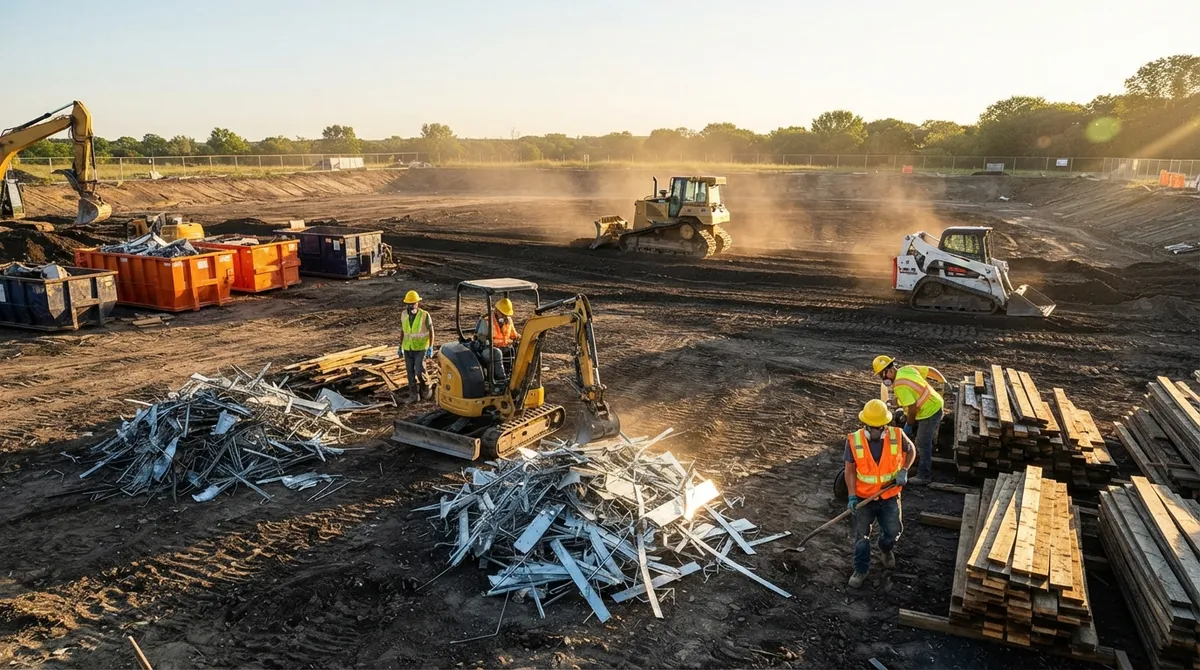
Over 90% of demolition materials can be recycled or reused including concrete, steel, wood, and asphalt, making professional demolition a sustainable practice that reduces landfill waste.
-
Deconstruction is slower and more careful than demolition but prioritizes material salvage and reuse; choose demolition for speed or deconstruction for sustainability based on your timeline and goals.
Have you ever watched a building come down and wondered what goes into it? Demolition is much more than just swinging a wrecking ball. It’s a skilled, planned process that takes training, equipment, and care. Whether you’re a homeowner planning a renovation or a developer clearing land for a new project, understanding what demolition really means can save you time, money, and headaches. In Clark and Nye counties, property owners and builders rely on professional demolition contractors every day to safely clear sites and prepare them for what comes next. From removing old concrete driveways to bringing down entire commercial buildings, demolition is the first and most important step in building something better. Let’s break down everything you need to know about what demolition is, how it works, and why hiring the right team makes all the difference.
1. What Is Demolition, Really?
At its core, demolition is the process of safely tearing down, dismantling, or removing a structure or part of a structure. It could be a full building, an interior wall, a concrete slab, or even a swimming pool. The goal is to clear a space so something new can be built or so a property can be improved.
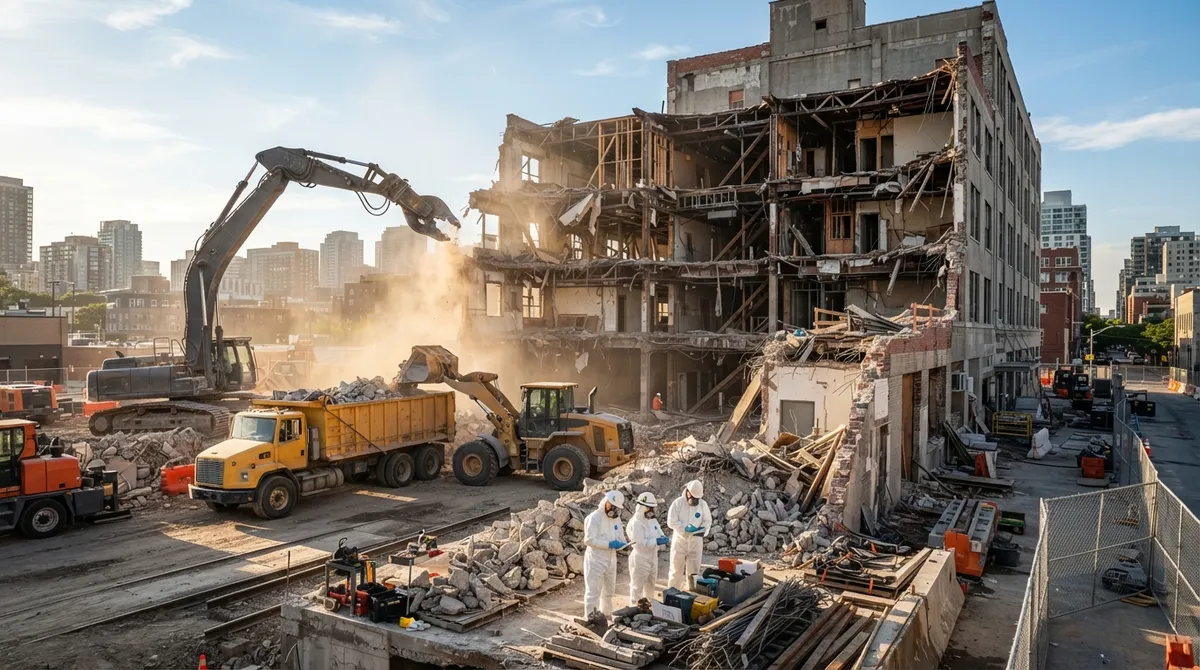
Demolition isn’t random destruction. It requires planning, permits, safety checks, and the right equipment. Professional demolition contractors assess the site, identify hazards, and use the best methods to get the job done safely and efficiently. Think of it as controlled removal — not chaos.
2. The Main Types of Demolition Services
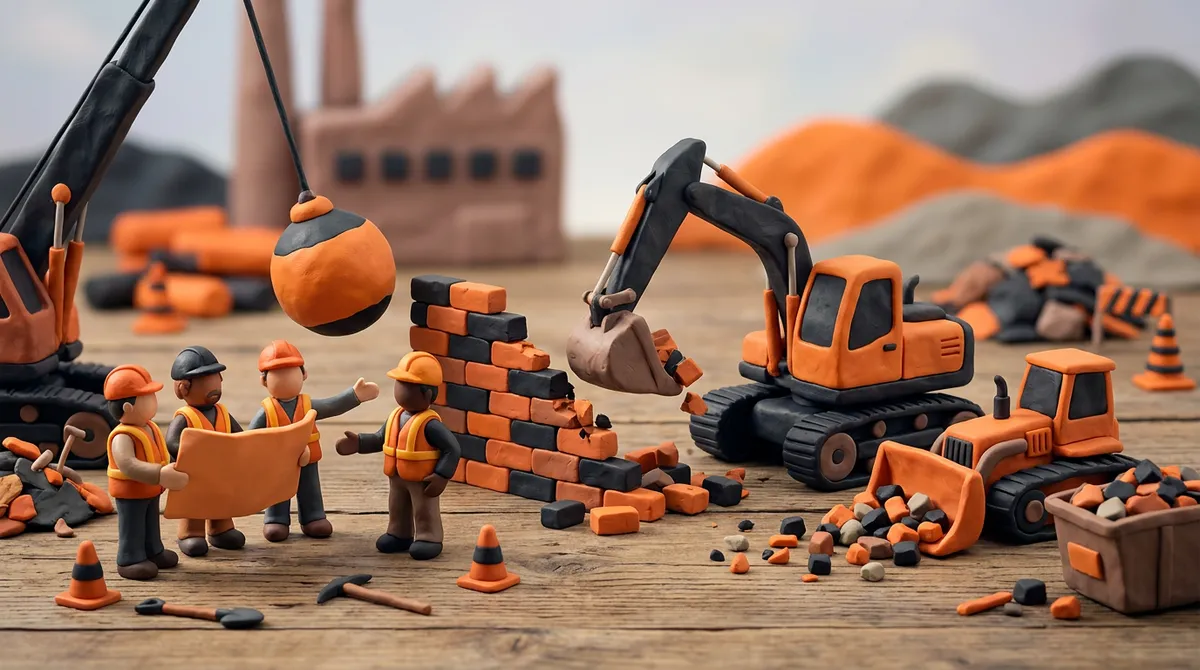
Demolition isn’t a one-size-fits-all service. There are several types, each designed for a specific situation. Here’s a quick overview:
| Type of Demolition | Best For | Common Methods |
|---|---|---|
| Residential Demolition | Homes, garages, sheds | Excavators, hand tools |
| Commercial Demolition | Office buildings, retail spaces | High-reach excavators, cranes |
| Interior Demolition | Renovations, remodels | Selective removal, hand tools |
| Industrial Demolition | Factories, warehouses | Heavy machinery, specialized teams |
| Structural Demolition | Large or complex structures | Implosion, mechanical methods |
| Concrete Removal | Driveways, slabs, foundations | Jackhammers, excavators |
Each type requires different skills and equipment. That’s why it’s so important to work with a contractor who offers a full range of building demolition services tailored to your specific needs.
3. Common Demolition Methods Explained
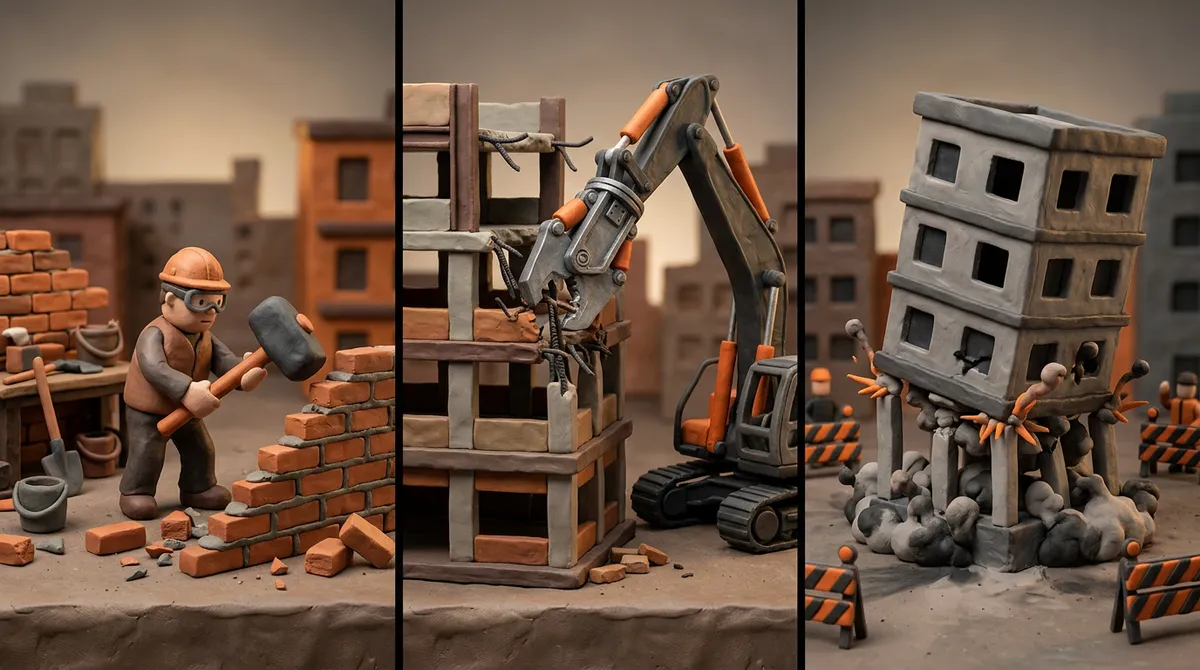
How a structure gets taken down depends on its size, location, and materials. Here are the most common demolition methods used today:
- Mechanical Demolition: Uses heavy equipment like hydraulic excavators and cranes. This is the most common method for buildings of all sizes.
- High-Reach Excavators: Used for tall buildings where traditional equipment can’t safely reach the upper floors.
- Wrecking Ball: A classic method still used for large concrete and masonry structures.
- Implosion: Explosives are used to bring down large structures quickly. This method requires extensive planning and permits.
- Selective (Interior) Demolition: Removes specific parts of a building while keeping the rest intact. Perfect for renovations.
- Deconstruction: A careful, manual process that focuses on salvaging and recycling materials.
For most residential and commercial projects in Nevada, mechanical demolition and selective methods are the most practical and cost-effective choices.
4. Interior Demolition: More Than Just Knocking Down Walls
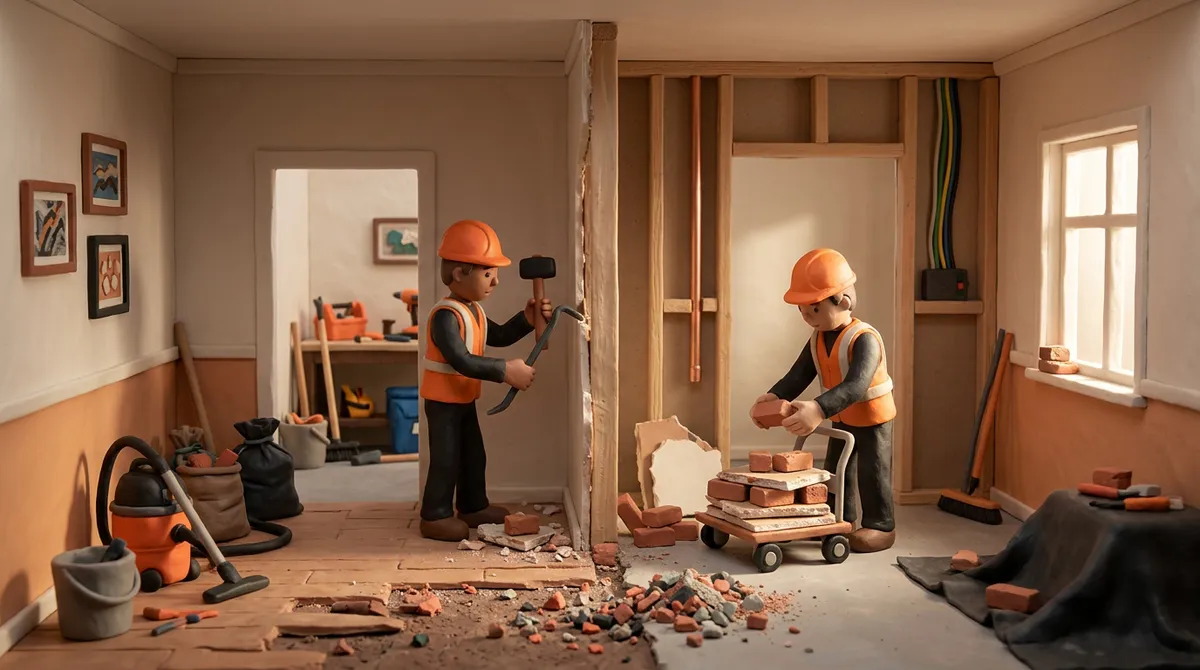
Interior demolition is one of the most requested services for homeowners and renovation contractors. It involves removing specific interior elements — walls, flooring, ceilings, fixtures — without disturbing the rest of the building.
This type of work requires precision. A skilled team knows how to identify load-bearing walls, locate utility lines, and remove materials safely. If you’re planning a remodel or renovation, professional interior demolition services are the smart way to start.
Common interior demolition projects include:
- Removing walls to open up floor plans
- Stripping flooring and subfloors
- Tearing out old kitchens and bathrooms
- Removing drop ceilings and drywall
- Clearing out fire or water-damaged interiors
5. Demolition vs. Deconstruction: What’s the Difference?
You may have heard both terms used, but they’re not the same thing. Here’s a simple breakdown:
- Demolition focuses on quickly and safely taking down a structure. It’s efficient and thorough.
- Deconstruction is a slower, more careful process where materials are manually removed and sorted for reuse or recycling.
- Both methods can recycle over 90% of materials, according to the National Demolition Association.
- Demolition is better when speed is a priority. Deconstruction is better when salvaging materials matters most.
- Most projects use a combination of both approaches to balance efficiency and sustainability.
The right choice depends on your project goals, timeline, and budget. A professional contractor can help you decide which approach makes the most sense.
6. Demolition Safety: What You Need to Know
Safety is the number one priority in every demolition project. Structures can have hidden hazards that aren’t visible to the untrained eye. That’s why professional contractors follow strict safety protocols before, during, and after every job.
Key safety considerations include:
- Site Assessment: Before any work begins, the site is inspected for structural weaknesses, utilities, and hazardous materials.
- Hazardous Material Handling: Materials like asbestos, lead paint, and other toxins must be identified and safely removed before demolition starts.
- OSHA Compliance: All demolition workers must follow OSHA demolition safety standards to protect workers and the public.
- Permits and Approvals: Most demolition projects require permits. In Las Vegas, contractors must follow the Las Vegas demolition permit guidelines before work can begin.
- Utility Disconnection: Gas, water, and electrical lines must be properly shut off and disconnected before demolition starts.
Always work with a licensed, insured contractor who knows local regulations inside and out. For Clark County projects, the Clark County Building Department oversees permitting and compliance requirements.
7. Special Demolition Services: Pools, Concrete, and More
Demolition covers far more than just buildings. Here are some specialized services that homeowners and property managers often need:
- Pool Removal: Old or unused pools can be fully or partially removed to reclaim yard space. Learn more about professional pool removal services and how they can transform your property.
- Concrete Removal: Driveways, patios, sidewalks, and foundations can all be removed safely. Check out our concrete removal services for more details.
- Landscaping Removal: Trees, shrubs, hardscaping, and other outdoor features can be cleared to prepare a site. Our landscaping removal services make site prep easy.
- Excavating and Grading: After demolition, the land often needs to be shaped and leveled. Our excavating and grading services get your site ready for whatever comes next.
- Hauling Services: All that debris has to go somewhere. Professional hauling services ensure your site is clean and clear when the job is done.
8. Permits and Regulations: Don’t Skip This Step
One of the biggest mistakes property owners make is starting demolition without the proper permits. In Nevada, demolition permits are required for most projects — and skipping this step can lead to fines, project delays, and legal trouble.
Here’s what the permit process typically involves:
- Submit a demolition permit application to your local building department.
- Provide project details, including site plans and structure information.
- Get utility disconnection approvals from relevant providers.
- Obtain clearance for any hazardous materials on site.
- Receive final approval before work begins.
A professional demolition contractor handles all of this for you. They know exactly what’s required in Clark and Nye counties, so your project stays on track and above board.
9. How Demolition Supports Recycling and Sustainability
Here’s a fact that might surprise you: demolition is actually one of the most sustainable construction-related activities when done right. According to the National Demolition Association, over 90% of demolition projects involve recycling, salvaging, or reusing materials.
Common materials that get recycled after demolition include:
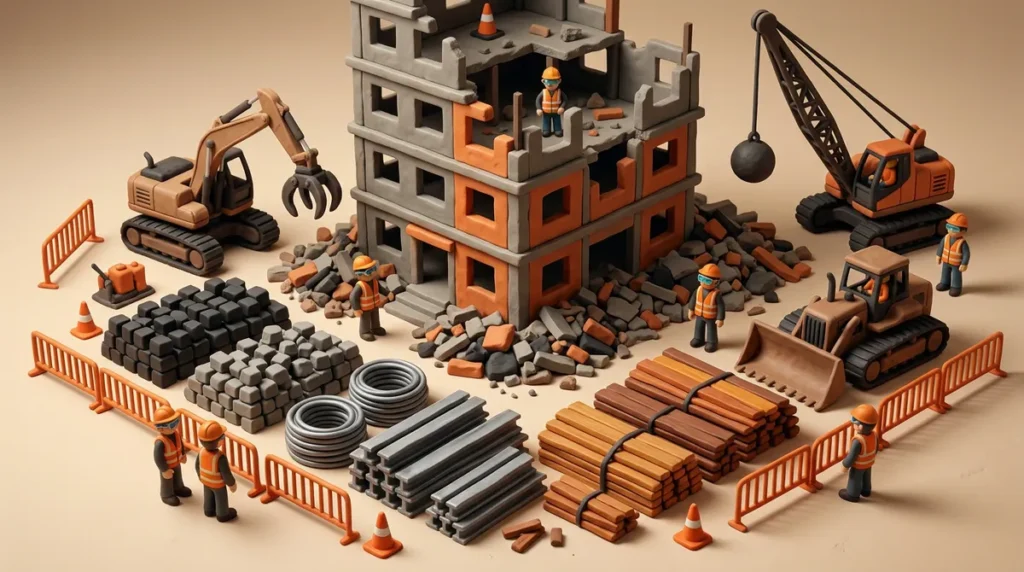
- Concrete and masonry (crushed and reused as aggregate)
- Steel and metal (melted down and recycled)
- Wood (repurposed or chipped into mulch)
- Asphalt (recycled for road paving)
- Bricks and tiles (salvaged for reuse)
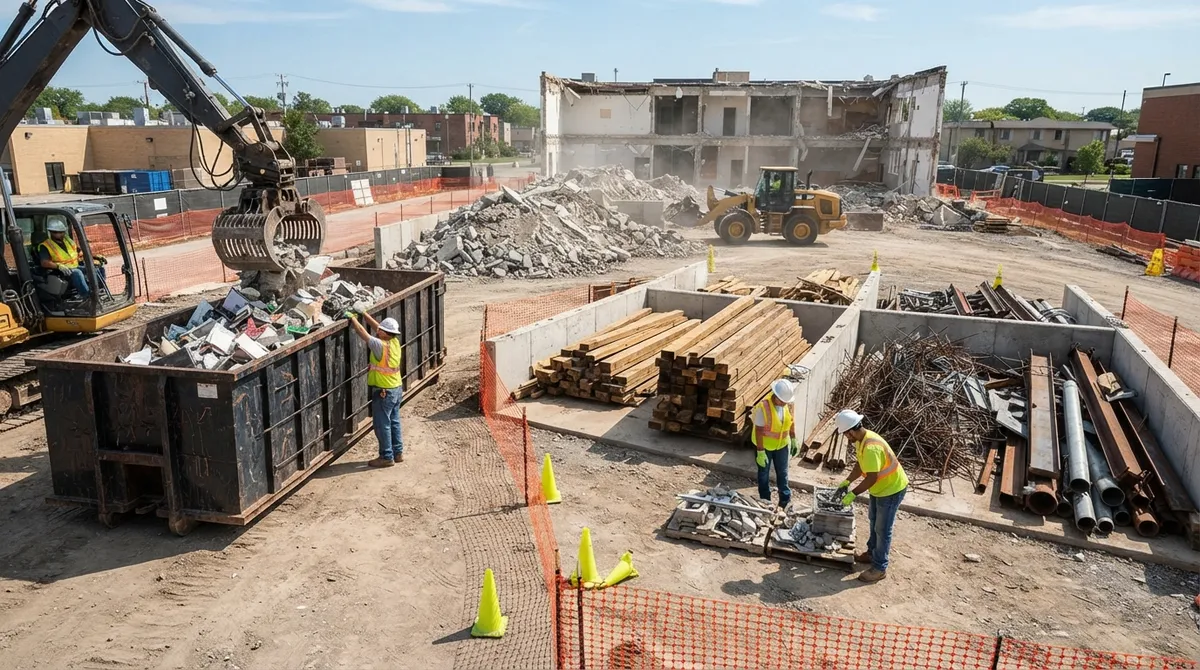
Professional demolition teams sort and separate materials to maximize recycling and minimize landfill waste. This is good for the environment and often reduces disposal costs for property owners.
Why Professional Demolition Matters
Attempting demolition without professional help is risky — and often illegal. DIY demolition can disturb hidden utilities, release hazardous materials, or cause structural collapses. The consequences can be dangerous and expensive.
Working with a licensed demolition contractor protects you, your property, and the people around you. Professionals bring the right equipment, trained crews, proper insurance, and full knowledge of local codes and safety standards. It’s not just about tearing things down — it’s about doing it right.
702 Demo is a trusted, full-service demolition contractor serving all of Clark and Nye counties in Nevada. From small interior projects to large commercial demolitions, our team handles every job with skill and care. You can visit us on Google to read reviews from happy customers across the Las Vegas area.
Ready to Start Your Demolition Project?
Now that you know what demolition is and what it involves, you’re better prepared to move forward with your project. Whether you’re removing an old building, clearing a lot, or updating a commercial space, the right demolition team makes all the difference.
Don’t leave your property in just anyone’s hands. Work with experienced professionals who know the Las Vegas area inside and out. Contact 702 Demo today for a free estimate and let us help you get your project started on the right foot.
FAQs
Q: What is demolition in simple terms?
A: Demolition is the process of safely tearing down or removing a structure — whether that’s a full building, a concrete driveway, or just an interior wall. It’s a planned, professional process that uses the right equipment and techniques to get the job done safely and efficiently.
Q: Do I need a permit for demolition in Las Vegas?
A: Yes! Most demolition projects in Las Vegas and Clark County require permits before any work can begin. A professional demolition contractor will handle the permit process for you, so you don’t have to worry about the paperwork or missing any required steps.
Q: What is the difference between demolition and deconstruction?
A: Demolition focuses on quickly and safely removing a structure, while deconstruction is a slower, more careful process aimed at salvaging and recycling materials. Both approaches can recycle over 90% of materials — your contractor can help you decide which method fits your project best.
Q: Is demolition waste recycled?
A: Absolutely! According to the National Demolition Association, over 90% of demolition projects involve recycling or reusing materials like concrete, steel, wood, and asphalt. Professional demolition teams sort materials carefully to minimize landfill waste and support sustainability.
Q: What types of demolition services are available for homeowners?
A: Homeowners have access to a wide range of services, including interior demolition, concrete removal, pool removal, landscaping removal, and full residential building demolition. A full-service contractor can handle everything from the teardown to hauling away the debris.