Key Takeaways
-
Licensed and insured contractors are essential because interior demolition affects fire protection, HVAC, electrical, and plumbing systems; one mistake can create serious safety risks or costly delays that impact your entire renovation timeline.
-
Proper hazard testing for asbestos and lead paint must happen before demolition begins, especially in pre-1980 buildings, as EPA compliance is required and failures can result in fines and project shutdowns.
-
Commercial interior demolition can occur in occupied buildings using sealed barriers, negative air pressure systems, and scheduled off-hours work to minimize disruption to tenants and ongoing operations.
-
Verify contractor credentials including state license, general liability insurance, workers' compensation coverage, and OSHA compliance knowledge before signing any contract to protect your property and workers.
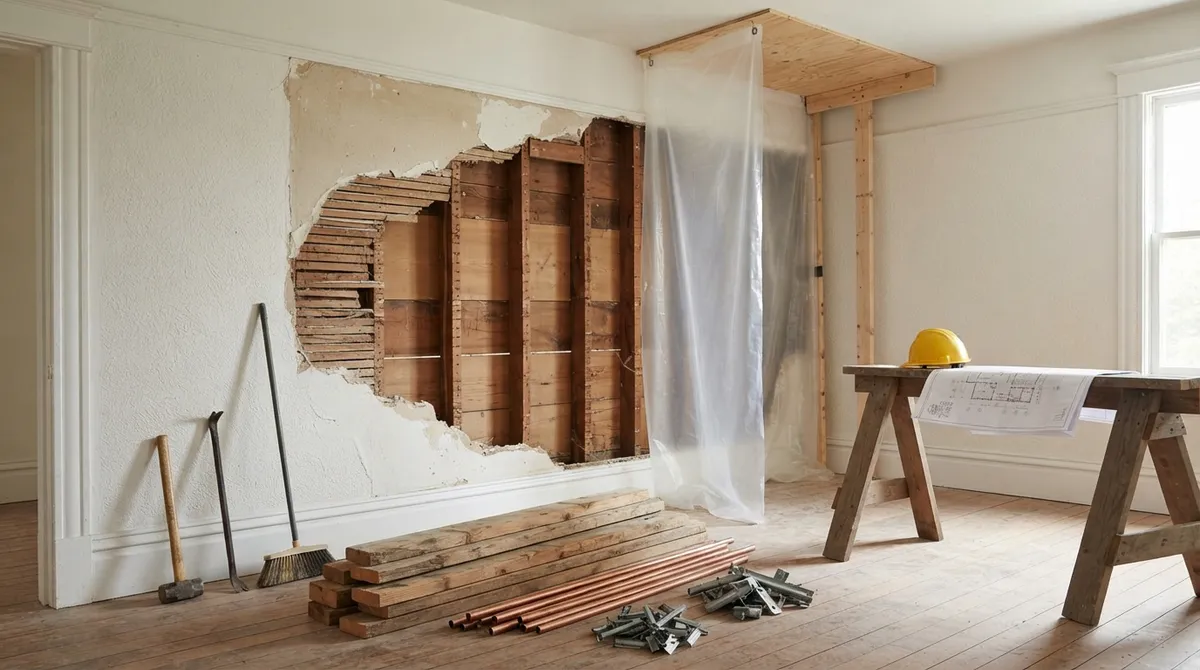
Planning a commercial renovation or tenant build-out? You probably already know there’s a lot of work involved before the new design can go in. That’s where commercial interior demolition contractors come in. These specialists remove the old stuff — walls, ceilings, flooring, fixtures, and more — without touching the building’s structure. Think of it as a clean slate for your space.
Whether you manage a retail center, office building, restaurant, or warehouse in the Las Vegas valley, hiring the right interior demolition team makes a huge difference. A skilled crew works safely, stays on schedule, and keeps disruption to a minimum. In this guide, we’ll walk you through everything you need to know to make a smart decision.
What Do Commercial Interior Demolition Contractors Do?
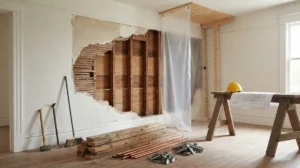
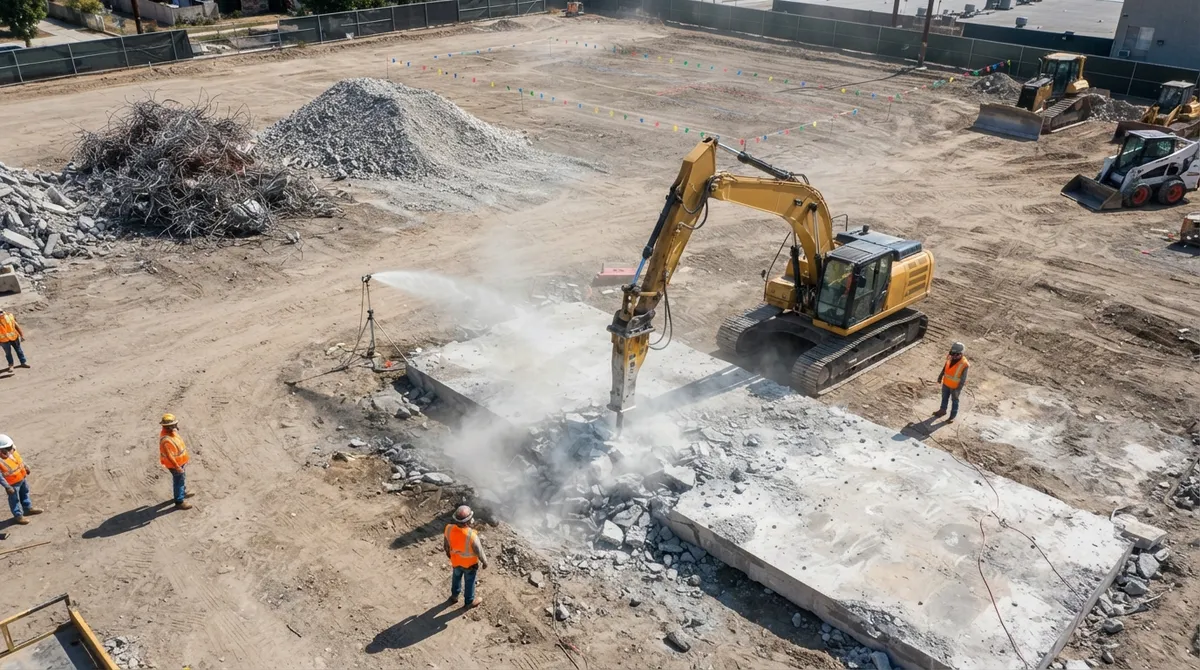
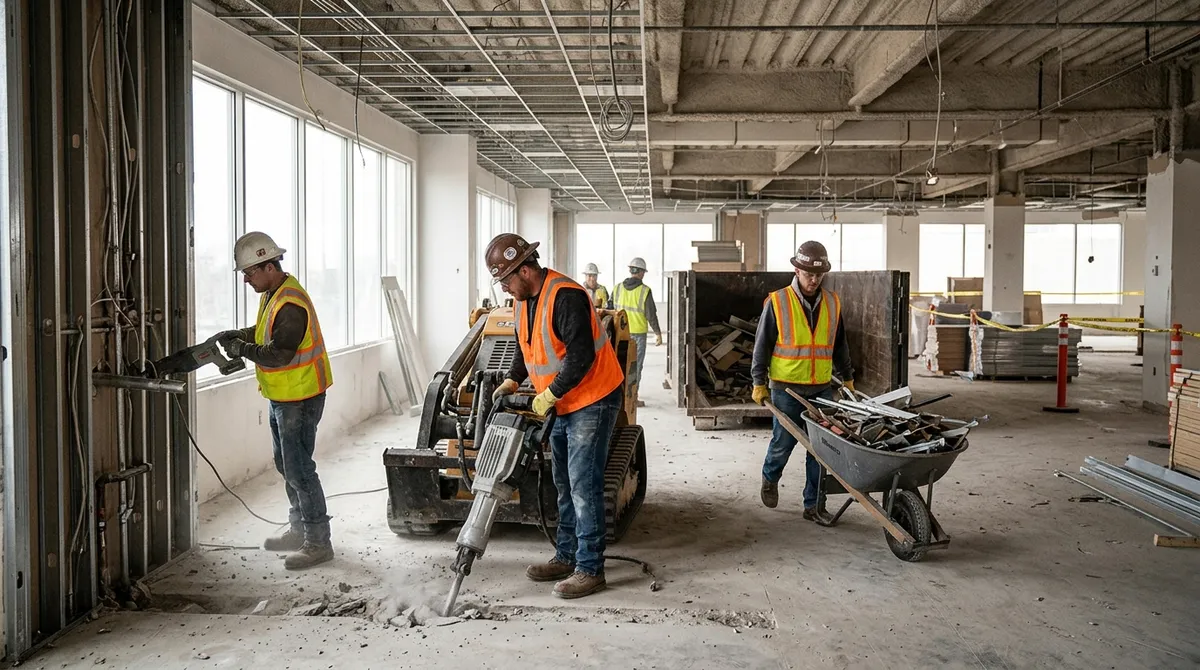
Commercial interior demolition is not the same as tearing down a whole building. It’s a focused, careful process. Contractors remove specific interior elements while keeping the building shell and load-bearing structure completely intact. This type of work is also called selective demolition or a gut-out.
Learn more about the full scope of interior demolition services and how they apply to commercial projects of all sizes.
Common Interior Elements Removed
- Interior partition walls and drywall
- Drop ceilings and ceiling tiles
- Flooring materials like carpet, tile, and hardwood
- Millwork, cabinetry, and built-in fixtures
- Plumbing and electrical rough-ins (non-structural)
- HVAC ductwork and components
- Storefront displays and specialty finishes
These contractors work across many types of commercial spaces. Projects include office remodels, retail reconfigurations, restaurant build-outs, hotel renovations, warehouse upgrades, and even post-fire or water-damage restoration. The goal is always the same: clear the interior so the renovation team can start fresh.
Why Hiring Licensed and Insured Contractors Matters
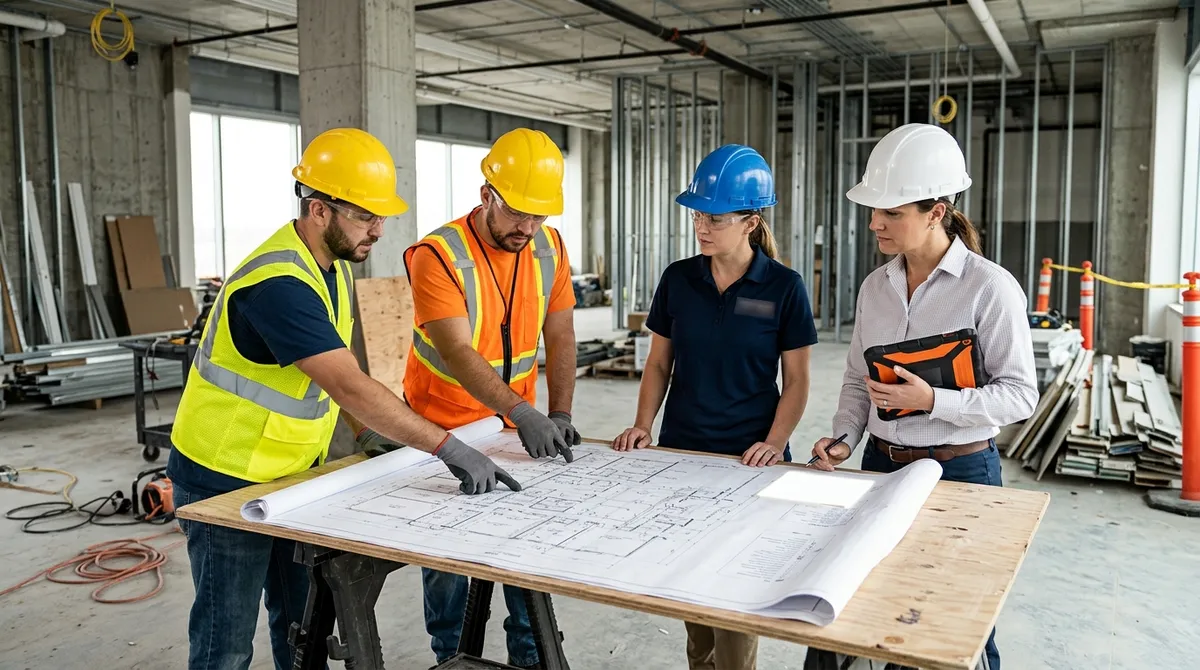
Interior demolition in a commercial building is more complex than it looks. The work often affects fire protection systems, HVAC, electrical, plumbing, and egress pathways. One wrong move can create serious safety risks or costly delays.
That’s why working with a licensed and insured contractor is so important. Licensed contractors understand local codes and know how to protect what needs to stay. They also carry the insurance coverage needed to protect you if something goes wrong. You can read more about what makes a licensed demolition contractor essential for your project.
Key Credentials to Look For
- State contractor’s license — Required in Nevada for demolition work
- General liability insurance — Protects the property owner if damage occurs
- Workers’ compensation coverage — Protects workers on your job site
- OSHA compliance knowledge — Interior demolition often involves fall hazards; OSHA requires fall protection at 6 feet or more under 29 CFR 1926 Subpart M
For projects in Clark County, the Clark County Building Department can help you understand local licensing and permit requirements before work begins.

Steps to Prepare for a Commercial Interior Demolition Project
Good preparation makes the whole project run smoother. Here’s a step-by-step overview of what happens before the crew even picks up a tool.
- Site Assessment — The contractor inspects the space and identifies what needs to come out and what must stay.
- Hazardous Material Testing — Buildings built before 1980 may contain asbestos or lead paint. The EPA requires that these materials be identified and managed before any demolition work begins. Testing and abatement come first.
- Permit Approval — Most commercial interior demolition projects require permits. Review the Las Vegas demolition permit guidelines for details on what’s required.
- Utility Shutdowns — Electrical, gas, water, and other utilities are isolated in the work zone before demolition starts.
- Work Zone Setup — Contractors use barriers, dust containment systems, and signage to isolate the demo area from occupied or active parts of the building.
- Demolition Execution — The crew removes targeted materials systematically and safely.
- Debris Hauling and Disposal — All materials are hauled away, sorted for recycling or salvage, and disposed of according to local rules.
Want to understand the full planning process? Check out this helpful guide on how to plan demolition and hauling for your next project.
Can Interior Demolition Happen in an Occupied Building?
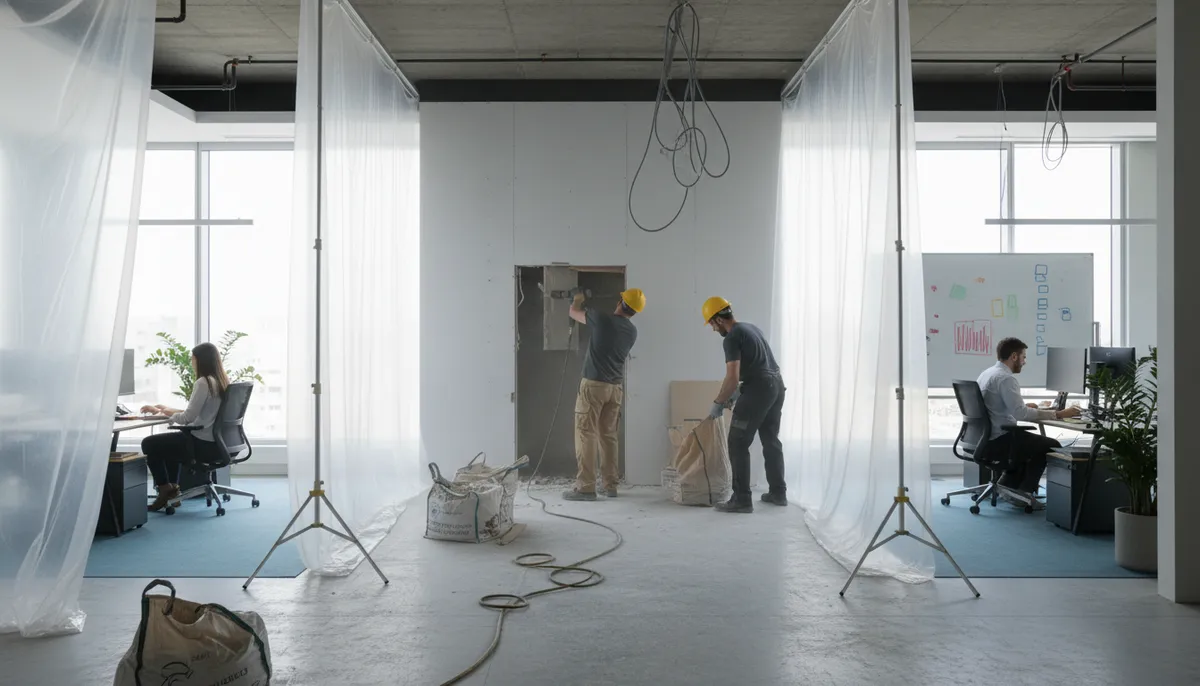
Yes — and it happens more often than you might think. Many commercial interior demolition contractors specialize in working inside partially occupied buildings. This is common in multi-tenant office buildings, shopping centers, and hotels where other businesses or guests need to keep operating.
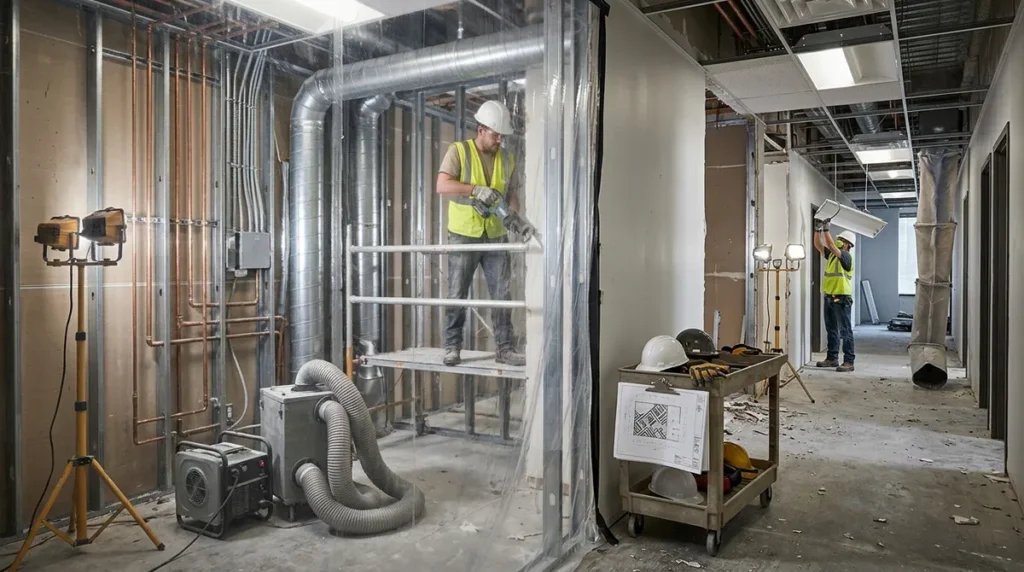
The key is careful planning. Contractors use dust barriers, sealed work zones, and noise-controlled schedules to keep the impact on nearby occupants as low as possible. Work is sometimes scheduled after business hours or on weekends to reduce disruption even further.
Safety Measures for Occupied Buildings
- Sealed plastic barriers to contain dust and debris
- Negative air pressure systems to prevent dust from spreading
- Clear signage and temporary barriers around the work zone
- Coordinated work schedules to avoid peak occupancy hours
- Regular clean-up throughout the project, not just at the end
Types of Commercial Spaces That Use Interior Demolition
Interior demolition is used across a wide range of commercial property types. Here’s a quick look at the most common use cases and what’s typically involved in each.
| Property Type | Common Demo Scope | Typical Goal |
|---|---|---|
| Office Building | Partitions, ceilings, flooring | Open-plan remodel or tenant improvement |
| Retail Store | Fixtures, displays, flooring | New brand layout or tenant reconfiguration |
| Restaurant | Kitchen equipment, walls, booths | Full gut-out for rebrand or new concept |
| Hotel | Room interiors, corridors, lobbies | Full renovation or brand refresh |
| Warehouse | Partitions, mezzanines, shelving | Floor plan optimization or safety upgrade |
| Casino | Interior finishes, fixtures, ceilings | Gaming floor redesign or renovation |
Las Vegas has a uniquely active commercial demolition scene. Casino and hospitality renovations are a big part of the local market. You can explore how casino interior demolition in Las Vegas is handled with precision and care.
What Happens to the Debris?
One major part of interior demolition that people often overlook is debris management. The EPA estimates that construction and demolition activities generate about 600 million tons of debris annually in the United States. Responsible contractors take waste management seriously.
Professional commercial interior demolition contractors offer debris hauling as part of the package. This includes sorting materials for recycling, identifying items for salvage, and disposing of everything in compliance with local waste rules. Leaving debris management to chance can lead to fines or project delays.
To learn more about debris removal as a service, check out hauling services that keep your project clean and compliant from start to finish.
How to Choose the Right Commercial Interior Demolition Contractor
Not all contractors are created equal. When you’re ready to hire, here are the most important factors to consider.
- Experience with commercial projects — Look for a team that has done work in similar spaces and understands the unique challenges of occupied commercial environments.
- Proper licensing and insurance — Non-negotiable. Always verify before signing a contract.
- Clear communication — A good contractor keeps you updated throughout the project and raises concerns early.
- Coordination with your team — Interior demo often requires working closely with architects, general contractors, and property managers. Choose a contractor who plays well with others.
- Waste and recycling practices — Ask how they handle debris. Responsible disposal matters for compliance and sustainability.
- References and reviews — Check their track record. Online reviews and past client references give you valuable insight.
It’s also smart to ask about how they approach hazardous materials. A trustworthy contractor will have a clear process for testing and abatement before any work starts. Learn more in this article about 7 things to know about commercial demolition contractors.
Why 702 Demo Is a Top Choice in Las Vegas
702 Demo is a full-service demolition contractor serving all of Clark and Nye counties in Nevada. They handle everything from commercial interior gut-outs to full building demolition, excavation, grading, and hauling. With deep roots in the Las Vegas market, they understand the pace and demands of commercial renovation projects here.
702 Demo brings the right equipment, the right experience, and the right team to every job. From permitting coordination to final debris removal, they make the process straightforward and stress-free. Visit 702 Demo on Google to read what local property owners and project managers have to say about working with them.
You can also explore 8 types of commercial demolition services explained to see the full range of work available for your project.
Final Thoughts
Hiring the right commercial interior demolition contractors sets the stage for a successful renovation. The work is more involved than simply knocking down walls. It takes planning, proper permits, hazardous material awareness, safety protocols, and skilled coordination with your project team.
Whether you’re transforming an office, reconfiguring a retail space, or gutting a restaurant for a fresh concept, the right contractor makes everything easier. Focus on experience, licensing, communication, and a proven track record.
Ready to get started? Reach out to 702 Demo for a free project estimate and find out how their team can help you move your commercial renovation forward with confidence.
FAQs
Q: What does a commercial interior demolition contractor actually do?
A: They remove interior elements like walls, ceilings, flooring, and fixtures from commercial buildings without touching the main structure. It’s often called selective demolition or a gut-out, and it’s done to prepare a space for renovation, a new tenant, or a full redesign. Think of them as the crew that creates the blank canvas your renovation team needs!
Q: Do I need a permit for commercial interior demolition in Las Vegas?
A: Yes, most commercial interior demolition projects in Las Vegas require permits before work can begin. Your contractor should handle the permitting process or guide you through it. You can also review the Las Vegas demolition permit guidelines directly for detailed requirements.
Q: How long does a commercial interior gut-out take?
A: It really depends on the size of the space and the scope of work. A small retail space might take just a few days, while a full hotel floor or large office gut-out could take several weeks. Your contractor will give you a more accurate timeline after an on-site assessment.
Q: How do contractors handle asbestos or lead paint during interior demolition?
A: Responsible contractors test for hazardous materials like asbestos and lead paint before any demolition work starts, especially in buildings built before 1980. If hazardous materials are found, a licensed abatement team handles removal safely and in compliance with EPA guidelines before the demo crew moves in.
Q: Can commercial interior demolition be done while my building is still occupied?
A: Absolutely — many commercial projects take place in occupied or partially occupied buildings. Experienced contractors use dust barriers, sealed work zones, and flexible schedules to minimize disruption to other tenants or operations. Good communication between your contractor and building occupants goes a long way toward keeping everyone happy!