Key Takeaways
-
Permits are required when interior demolition affects electrical, plumbing, HVAC, fire-rated assemblies, or load-bearing elements; consult your local building department and hire a licensed contractor who handles permit requirements.
-
Always conduct professional hazard inspections before demolition to detect asbestos, lead-based paint, mold, and live utilities, especially in homes built before 1980, to protect workers and occupants from serious health risks.
-
Interior demolition is selective removal of interior components (walls, flooring, cabinets, ceilings) while preserving the building’s structural frame; it’s the essential first step for kitchens, bathrooms, basements, and damage restoration projects.
-
Typical project timelines range from 1-2 days for single rooms, 2-5 days for multiple rooms, and 1-2 weeks for whole-home gut renovations; your licensed contractor provides accurate estimates after site assessment.
-
Modern demolition contractors focus on material salvage and recycling (wood, metal, concrete, fixtures) to reduce waste and offset costs; ask your contractor about their recycling practices before starting work.
-
Prepare your home before demo day by removing valuables, disconnecting appliances, clearing cabinets, keeping pets and children away, and confirming utility shutoffs to ensure a smooth, efficient process.
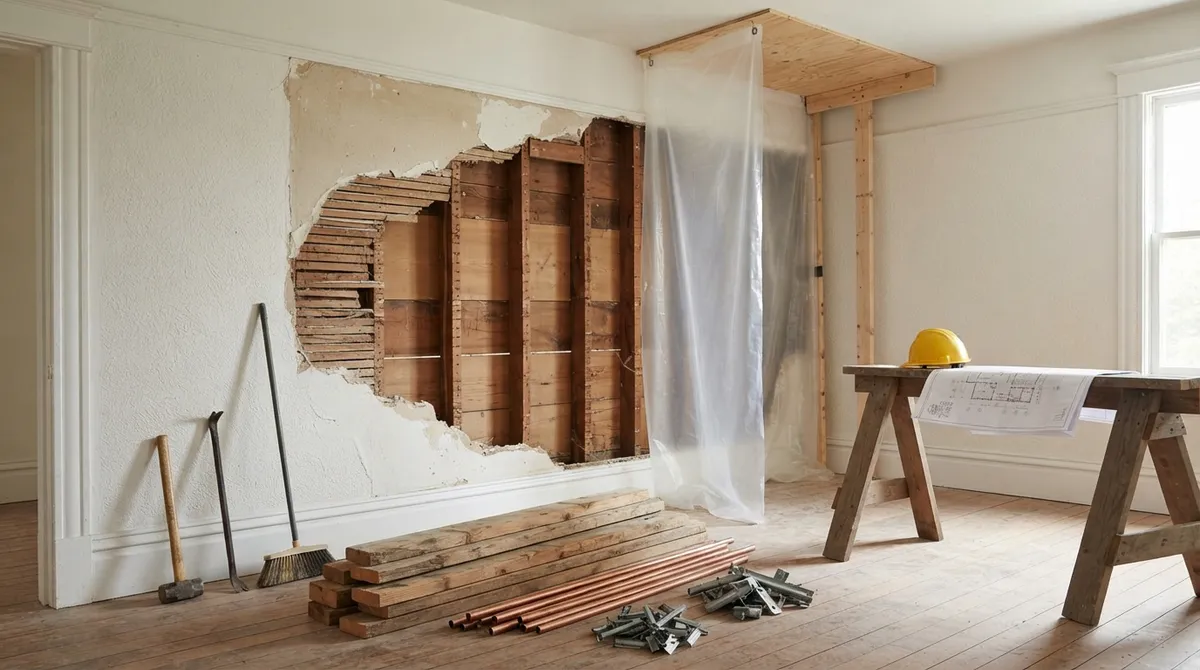
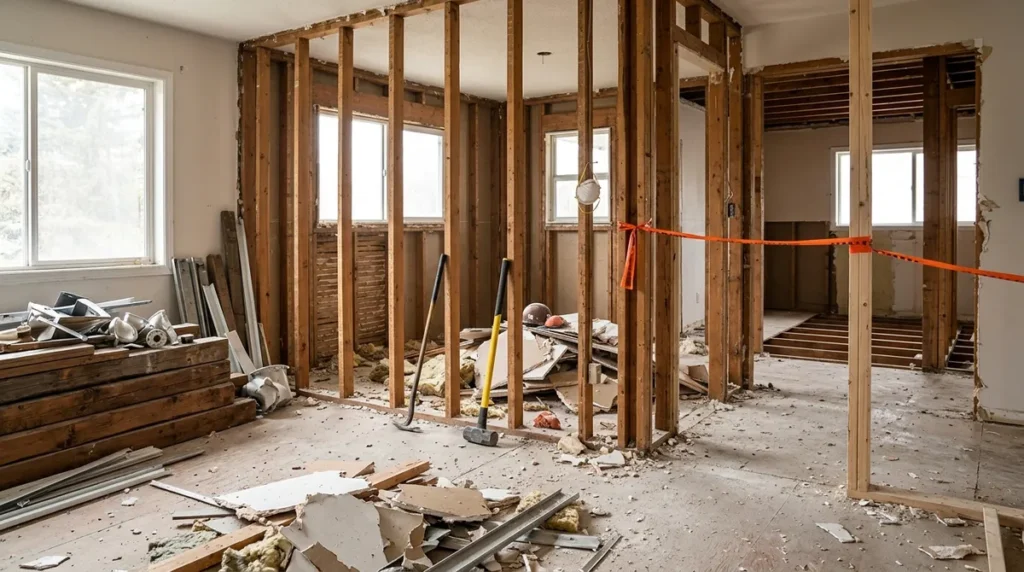
Planning a home renovation? Before the new kitchen cabinets go in or the bathroom gets a fresh look, something has to come out first. That’s where residential interior demolition comes in. It’s the process of carefully removing the inside parts of a home — like walls, flooring, cabinets, and ceilings — while keeping the structure standing. Think of it as clearing the canvas so the real transformation can begin.
Whether you’re gutting a kitchen, finishing a basement, or repairing damage from water or fire, interior demolition is almost always the first step. And doing it right makes everything else easier, safer, and more cost-effective. In this guide, we’ll walk you through everything you need to know — from what gets removed to permits, hazards, and how to choose the right team for the job.
What Is Residential Interior Demolition?
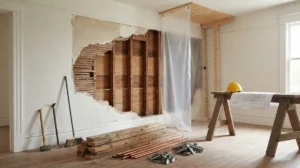
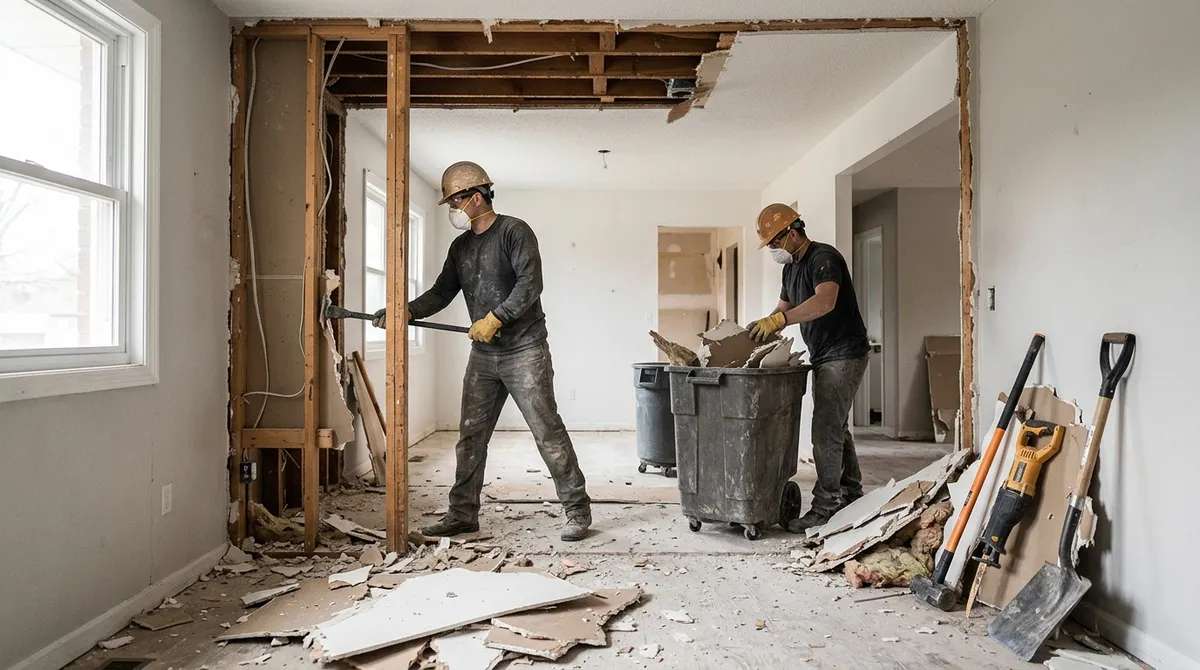
Residential interior demolition is a selective demolition service. That means the goal isn’t to tear down the whole house. Instead, crews remove specific interior components while leaving the building’s shell and structural frame intact. It’s precise, planned work — not just swinging a sledgehammer.
This type of work is used for many home projects. It’s common in full gut renovations, room remodels, and restoration jobs after damage. You can learn more about the range of services available through professional interior demolition services that handle all these scenarios efficiently.
Common Items Removed During Interior Demolition
A lot can be removed during a residential interior demo. Here’s a quick look at what’s typically on the list:
- Drywall and plaster walls
- Flooring (tile, hardwood, carpet, vinyl)
- Kitchen and bathroom cabinets and countertops
- Drop ceilings and ceiling tiles
- Non-load-bearing partition walls
- Insulation and vapor barriers
- Interior doors and trim
- Old fixtures and built-ins
Notice that load-bearing walls are not on that list. Those require a structural engineer’s input before any work begins. A good demolition crew always knows the difference.
When Do You Need Interior Demolition?
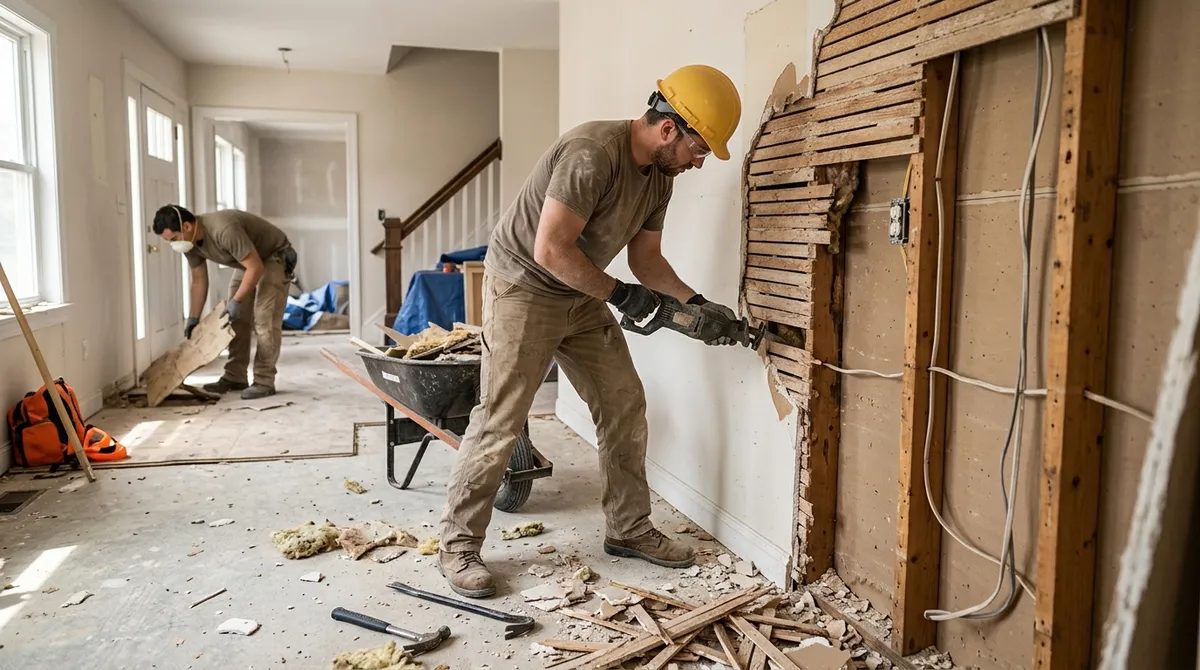
Interior demolition isn’t just for major overhauls. It applies to a wide range of projects. Here are the most common scenarios where homeowners call in the pros:
- Kitchen remodels — Removing old cabinets, countertops, flooring, and sometimes walls to create an open layout.
- Bathroom renovations — Stripping out tile, fixtures, vanities, and drywall to start fresh.
- Basement finishing — Clearing out old materials to create a livable, functional space.
- Whole-home gut renovations — Full interior removal down to the studs, often for major upgrades or flip projects.
- Fire or water damage restoration — Removing destroyed or contaminated materials so repairs can begin safely.
- Room reconfiguration — Taking down non-load-bearing walls to open up floor plans.
If you’re wondering whether your project qualifies, the team at 702 Demo is happy to give you a free estimate and help you figure out the best approach.
Do You Need a Permit for Residential Interior Demolition?
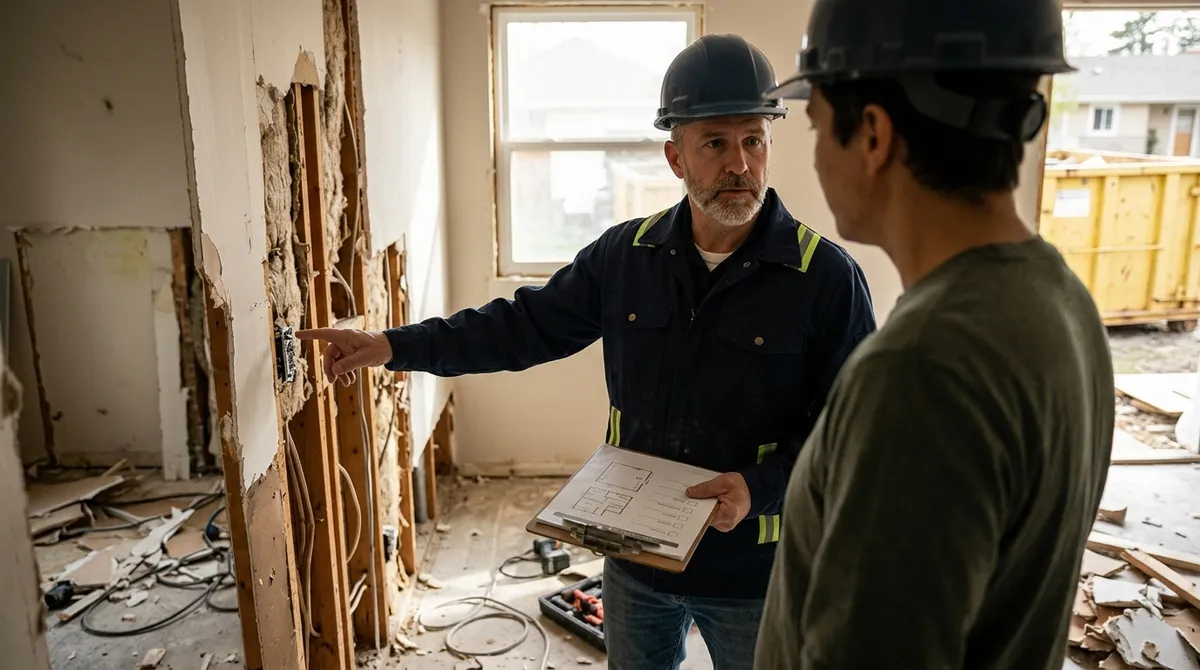
This is one of the most common questions homeowners ask. The short answer: it depends on the scope of work. In many cases, basic interior demo (like removing cabinets or flooring) doesn’t require a permit. But once you start affecting electrical, plumbing, HVAC, fire-rated assemblies, or load-bearing elements, permits almost always come into play.
In Las Vegas and surrounding areas, you should check the Las Vegas demolition permit guidelines before starting any significant interior work. You can also consult the Clark County Building Department for requirements specific to your property.
A licensed demolition contractor will typically handle the permit process for you. That’s one big reason why hiring a professional team is worth it — they know the local rules so you don’t have to stress about them.
Hidden Hazards to Check Before Demo Begins
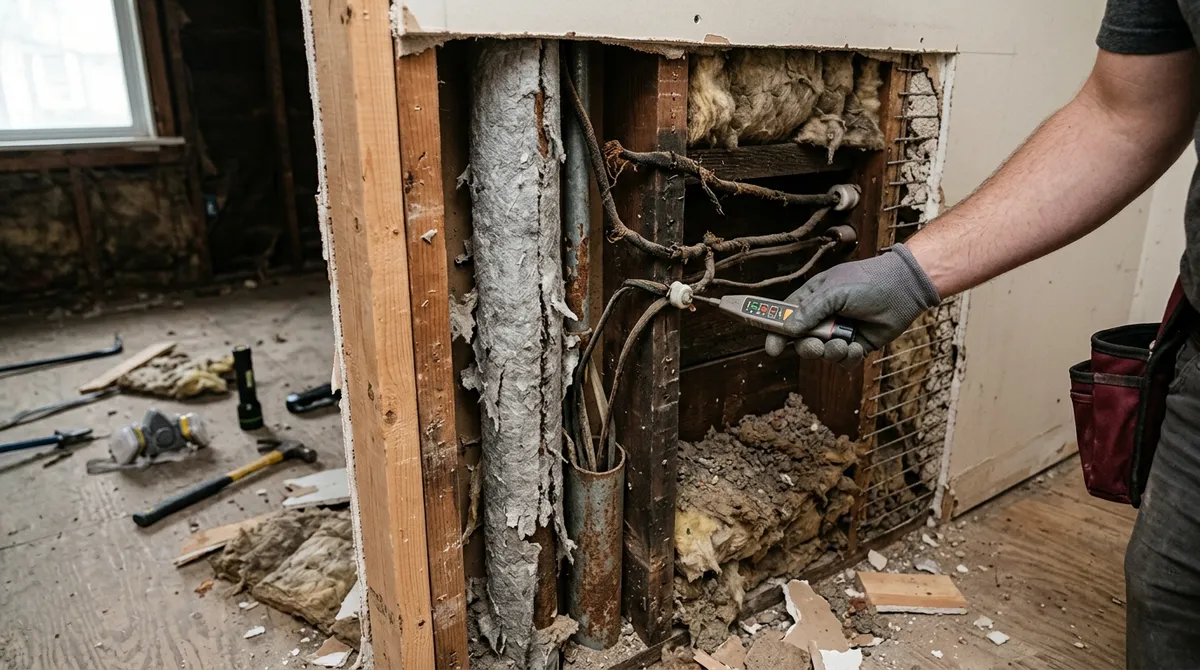
Older homes can hide some unpleasant surprises inside their walls and floors. Before any interior demolition starts, a proper inspection is essential. Skipping this step can put workers and homeowners at serious risk.
Common Hazards Found in Older Homes
- Asbestos — Common in insulation, floor tiles, and drywall joint compound in homes built before the 1980s.
- Lead-based paint — Found in homes built before 1978; disturbing it without proper precautions is dangerous.
- Mold — Often hidden behind walls or under flooring, especially after water damage.
- Live utilities — Electrical wiring, gas lines, and plumbing must be located and shut off before demo work starts.
- Unstable materials — Weakened structural elements that could shift or collapse if not properly supported.
Professional contractors follow strict safety protocols. They use dust control measures, debris containment systems, proper PPE, and utility shutoff procedures. This protects both the crew and the people living nearby. You can see what a professional approach looks like by checking out what demolition experts actually do on a job site.
How the Interior Demolition Process Works
Understanding the process helps set realistic expectations. Here’s a step-by-step look at how a typical residential interior demolition project unfolds:
- Site assessment — The contractor walks the property, identifies structural elements, and looks for hazards.
- Utility shutoff — Electricity, gas, and water are shut off to the work areas before demo starts.
- Hazardous material testing — If the home is older, testing for asbestos or lead paint happens before any removal.
- Protective setup — Dust barriers, drop cloths, and containment zones are set up to protect unaffected areas.
- Systematic removal — Interior components are removed in a planned order, starting from top to bottom in most cases.
- Debris hauling — All removed materials are sorted, loaded, and hauled away for disposal or recycling.
- Final site inspection — The area is checked to make sure it’s clean, safe, and ready for the next phase of construction.
Professional hauling services are a key part of this process. Getting rid of all that debris quickly and responsibly keeps the project on track.
Interior Demolition and Sustainability
Modern demolition contractors are doing more than just tearing things out. In 2026, there’s a growing focus on material salvage and recycling. Instead of sending everything to the landfill, crews sort materials on-site. Wood, metal, concrete, and even some fixtures can be recycled or donated.
This approach reduces waste and can sometimes offset project costs if salvageable materials have value. It’s a win for the environment and for your wallet. Ask your contractor about their recycling and salvage practices before the project begins.
Interior Demolition vs. Full Building Demolition
It’s worth understanding the difference between these two services. They’re related but very different in scope.
| Feature | Interior Demolition | Full Building Demolition |
|---|---|---|
| Scope | Removes interior elements only | Tears down the entire structure |
| Structure Preserved? | Yes — walls, frame, roof stay | No — everything is removed |
| Best For | Remodels, renovations, repairs | Site clearing, rebuilding from scratch |
| Permits Required | Sometimes, depending on scope | Almost always required |
| Project Duration | Hours to a few days | Days to weeks |
If you’re unsure which type of service your project needs, reading about full building demolition can help clarify the difference. For most homeowners doing renovations, interior demolition is the right fit.
How Long Does Residential Interior Demolition Take?
This depends on the size of the project and the scope of work. Here’s a general idea of typical timeframes:
- Single room (kitchen or bathroom) — Usually completed in 1 to 2 days
- Multiple rooms — Typically 2 to 5 days depending on size and complexity
- Whole-home gut renovation — Can take 1 to 2 weeks or more for larger homes
- Fire or water damage restoration — Timelines vary based on extent of damage and hazmat needs
These are general estimates. Your contractor will give you a more accurate timeline after reviewing the specific project. Good communication between you and your demo crew makes a big difference in keeping things on schedule.
Why Hiring a Licensed Professional Matters
DIY interior demo videos make it look easy. But there’s a big difference between pulling off a cabinet door and safely executing a full interior demolition. Licensed professionals bring training, equipment, and experience that protect you, your home, and your renovation budget.
A licensed contractor also carries proper insurance. If something goes wrong during demo — like an unexpected structural issue or a hidden utility line — you’re protected. Learn more about what makes a licensed demolition contractor essential for your project before making your decision.
702 Demo serves all of Clark and Nye counties in Nevada. The team brings years of hands-on experience with residential interior demolition projects of all sizes. From single-room strips to full gut renovations, they handle every job with care and professionalism. See what 702 Demo customers are saying on Google and find out why so many Nevada homeowners trust them with their renovation prep work.
For more helpful insight on residential projects, check out 7 things to know about residential demolition services and 12 things residential demolition contractors do for you.
Tips for Preparing Your Home Before Demo Day
- Remove personal belongings and valuables from the work area
- Disconnect appliances and clear out cabinets before the crew arrives
- Make sure pets and children are kept away from the work zone
- Confirm utility shutoffs with your contractor ahead of time
- Ask about dust control measures to protect other areas of your home
A little preparation goes a long way. The smoother the setup, the faster and cleaner the demo process will go. Your contractor should walk you through exactly what to expect before the first day of work.
Getting Started with Your Interior Demolition Project
Residential interior demolition is an exciting first step toward the home you’ve been dreaming about. When done right, it sets the stage for a smooth, successful renovation. The key is choosing a team you can trust — one that’s licensed, experienced, and committed to doing the job safely and cleanly.
You can also explore related resources like interior demolition secrets that save money and how to plan demolition and hauling for your next project to go into your project fully prepared.
Ready to get your renovation started on the right foot? Reach out to 702 Demo for a free project estimate and let their experienced team help you get your home ready for its next chapter.
FAQs
Q: What is residential interior demolition?
A: Residential interior demolition is the selective removal of interior elements inside a home — like drywall, flooring, cabinets, and ceilings — while leaving the building’s structural frame intact. It’s the go-to first step for remodels, gut renovations, and damage restoration projects. Think of it as clearing the way for your home’s exciting new chapter!
Q: Do I need a permit for interior demolition in my house?
A: It depends on the scope of work. Simple removals like taking out cabinets or flooring often don’t require a permit. But if the project touches electrical, plumbing, HVAC, or load-bearing elements, a permit is usually required. Your licensed demolition contractor will know exactly what’s needed in your area — that’s one of the great perks of hiring a pro!
Q: How long does residential interior demolition take?
A: A single-room demo like a kitchen or bathroom typically takes just 1 to 2 days. Larger projects covering multiple rooms can take 2 to 5 days, while a whole-home gut renovation may take 1 to 2 weeks. Your contractor will give you a more specific timeline after reviewing your project — no guessing games!
Q: What hazards should be checked before interior demolition?
A: Before demo begins, it’s important to check for asbestos, lead-based paint, mold, live utility lines, and any structurally unstable materials. Older homes are especially likely to contain some of these hidden surprises. A licensed contractor will always inspect the property and take the proper precautions to keep everyone safe before a single wall comes down.
Q: Is interior demolition the same as a gut renovation?
A: They’re closely related but not exactly the same thing! A gut renovation refers to the overall project of stripping a home down to its bare structure. Interior demolition is the specific process used to accomplish that stripping — removing all the interior finishes, fixtures, and non-structural elements. So interior demo is a key part of a gut renovation, but it can also be done on a smaller, room-by-room scale.