Key Takeaways
-
Demolition is a multi-stage regulated process requiring site surveys, hazard removal, permits, utility disconnection, and debris cleanup—not just random destruction with a wrecking ball.
-
Three primary demolition methods exist: manual (hand tools for small jobs), mechanical (heavy machinery for full buildings), and implosive (controlled explosives for large urban structures).
-
Demolition scope varies significantly: total demolition removes entire structures, selective demolition removes only specific parts, and interior/exterior demolition targets specific areas during renovations.
-
Hazardous materials like asbestos, lead paint, and silica dust must be professionally identified and safely removed before demolition begins to protect workers and the environment.
-
Costs range from $2,500-$15,000 for residential projects to $5,000-$100,000+ for commercial work, depending on structure size, materials, hazardous waste, and complexity.
-
Hiring licensed, insured contractors with local regulatory knowledge is essential—they handle permits, safety compliance, and hazmat removal that DIY attempts cannot safely manage.
Have you ever looked at a crumbling old structure and wondered — what does demolition mean, exactly? You’re not alone. Whether you’re a homeowner planning a remodel, a developer clearing land, or a contractor prepping a site, understanding demolition is the first step to a successful project. It’s more than just swinging a wrecking ball. Demolition is a skilled, science-backed process that requires planning, safety expertise, and the right equipment. Done right, it opens the door to exciting new possibilities for your property. Done wrong, it can cause serious problems. So let’s break it down in a way that’s easy to understand. We’ll cover the core meanings, the types of demolition services available, and what the process actually looks like from start to finish. By the end, you’ll feel confident talking to any contractor about your next project.
What Does Demolition Mean? The Official Definition
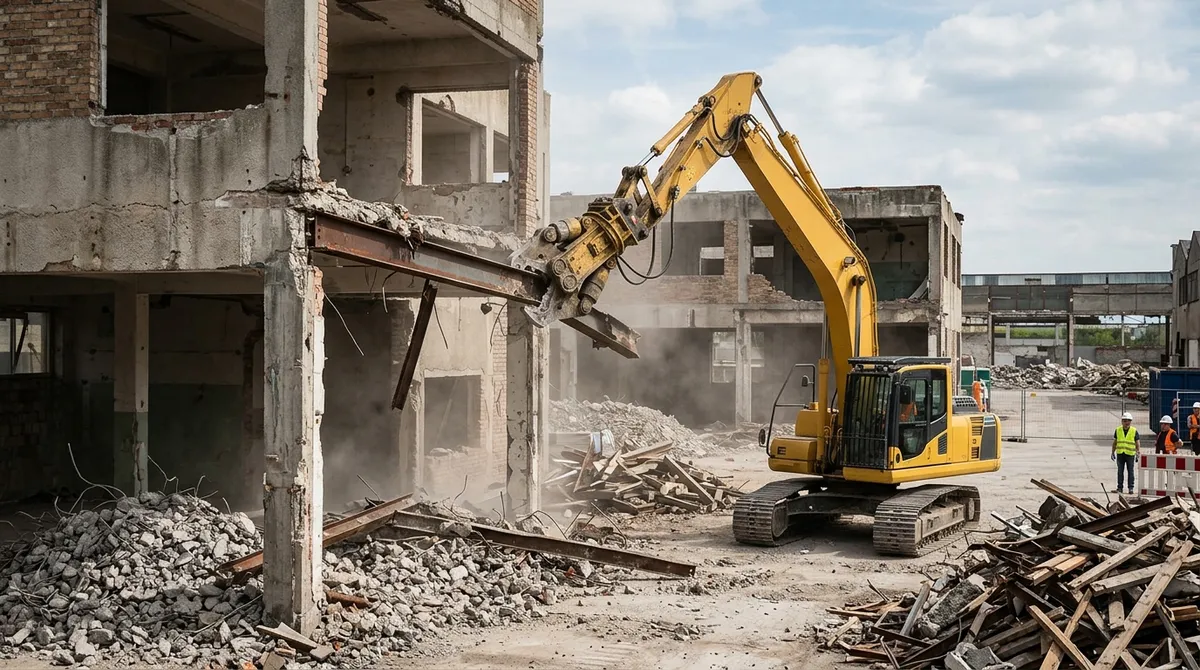
The simplest way to answer “what does demolition mean” is this: it’s the planned tearing down of a structure. According to OSHA’s demolition overview, demolition is officially defined as “the dismantling, razing, destroying, or wrecking of any building or structure or any part thereof.” That definition covers a wide range of work — from knocking down a full building to removing a single wall inside your home.
Demolition isn’t random destruction. It follows strict safety rules and careful planning. Every project — big or small — must account for structural stability, hazardous materials, and local regulations. That’s why professional contractors handle this work. Check out what demolition experts actually do on a job site to get a better sense of the skills involved.
Demolition vs. Deconstruction: What’s the Difference?
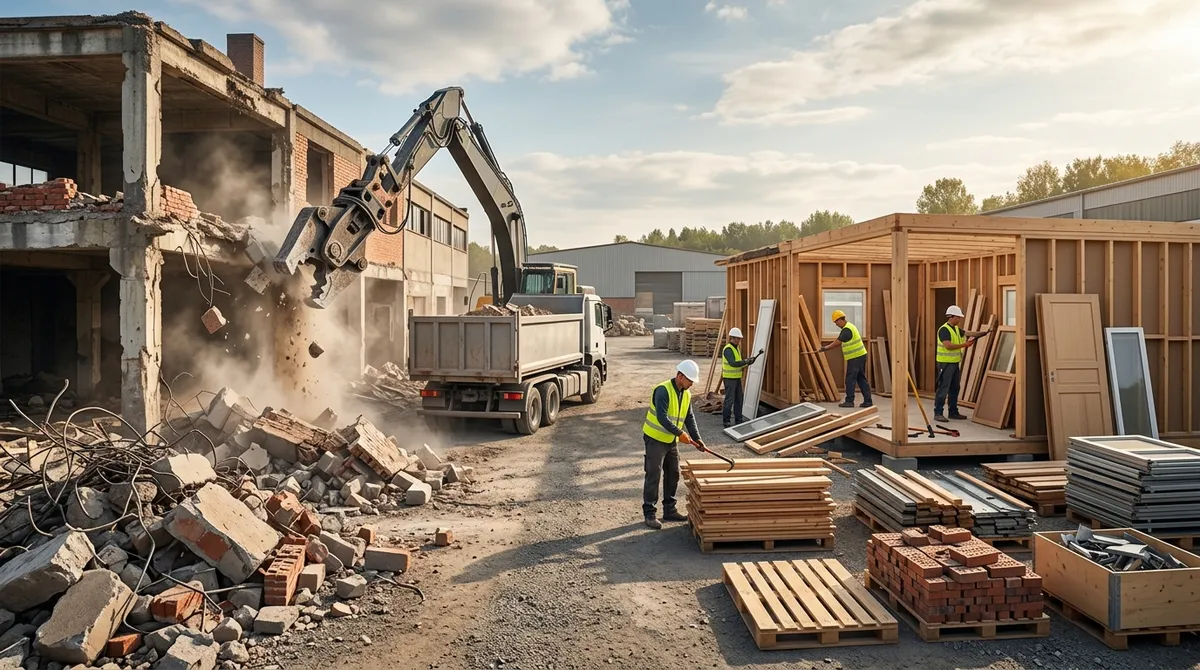
People often confuse demolition with deconstruction. They’re related but not the same. Demolition focuses on efficient teardown. The goal is to clear a site quickly and safely. Deconstruction, on the other hand, carefully takes a structure apart piece by piece. The goal there is to save and reuse valuable materials like wood beams, bricks, or fixtures.
Both approaches have their place. If you’re on a tight timeline, demolition is usually the better choice. If sustainability is a priority, deconstruction may be worth considering. Most professional projects use a combination of both methods depending on the material and the goal.
The 3 Core Meanings of Demolition You Need to Know
Now let’s get into the heart of the matter. When industry professionals talk about demolition, they’re usually referring to one of three core concepts. Understanding each one will help you choose the right service for your project.
1. Demolition as a Method (How It’s Done)
Demolition describes the techniques used to bring down a structure. There are three primary methods used by professionals:
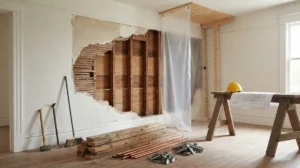
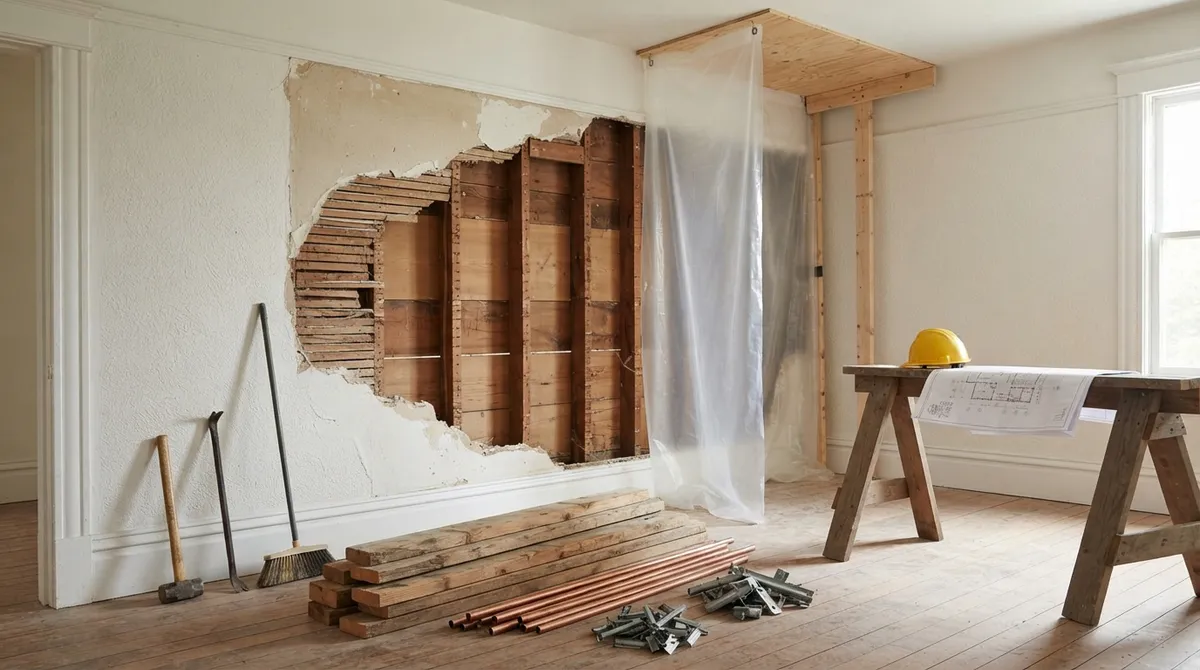
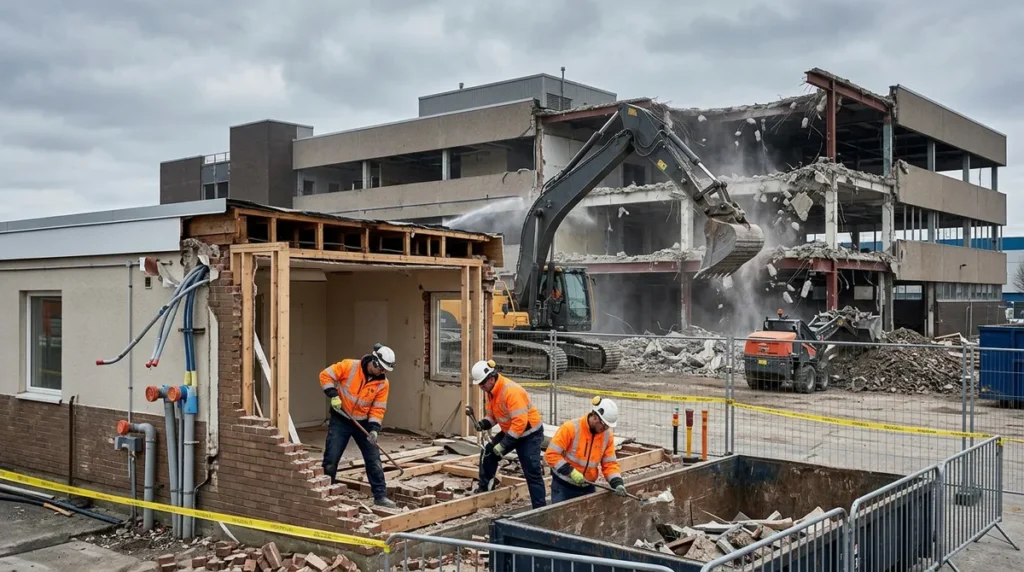
- Manual demolition — Workers use hand tools like sledgehammers, pry bars, and saws. This method works well for smaller jobs like interior demolition or targeted wall removal.
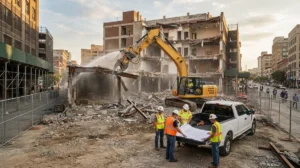
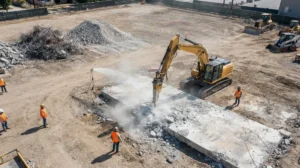
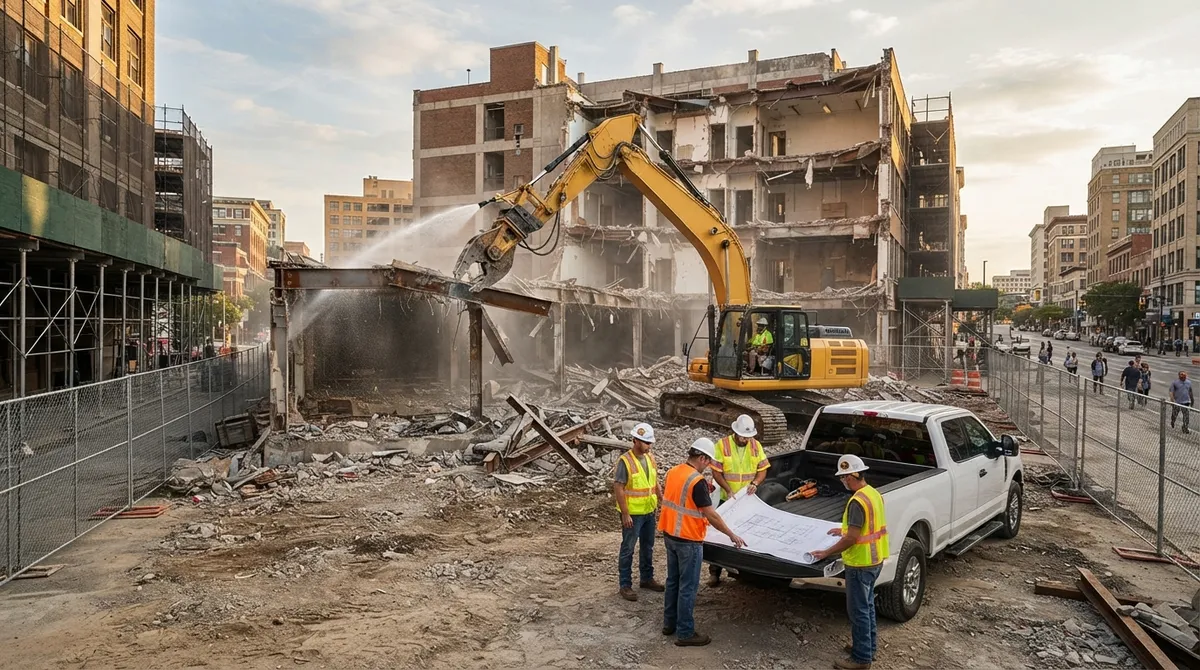
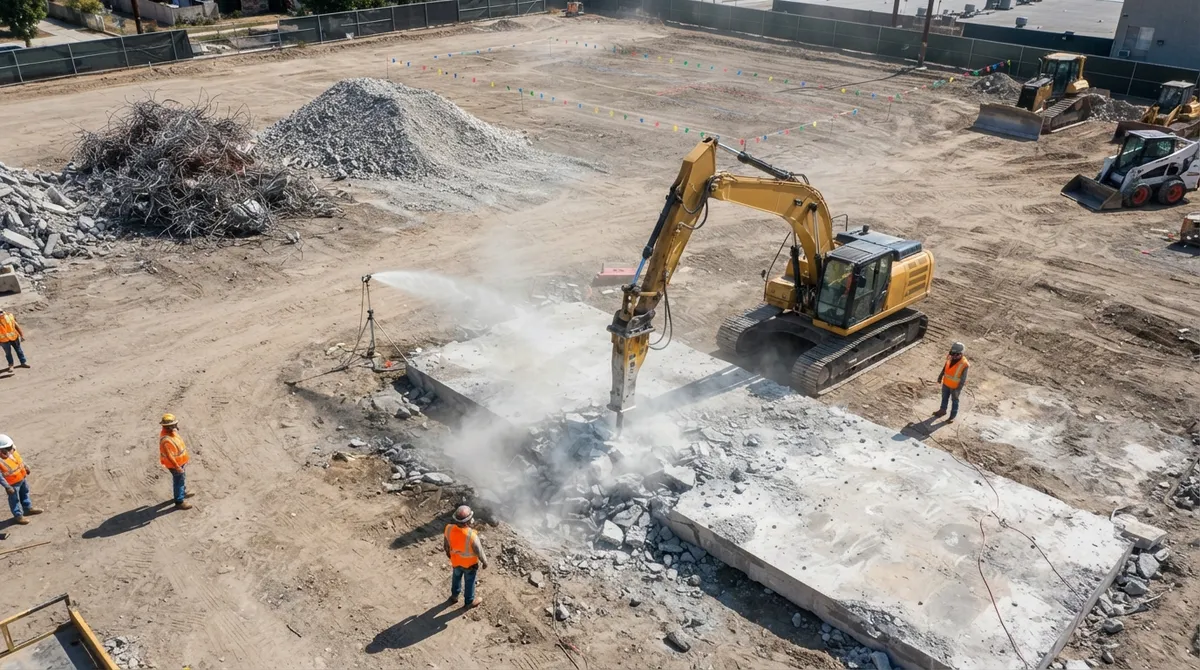
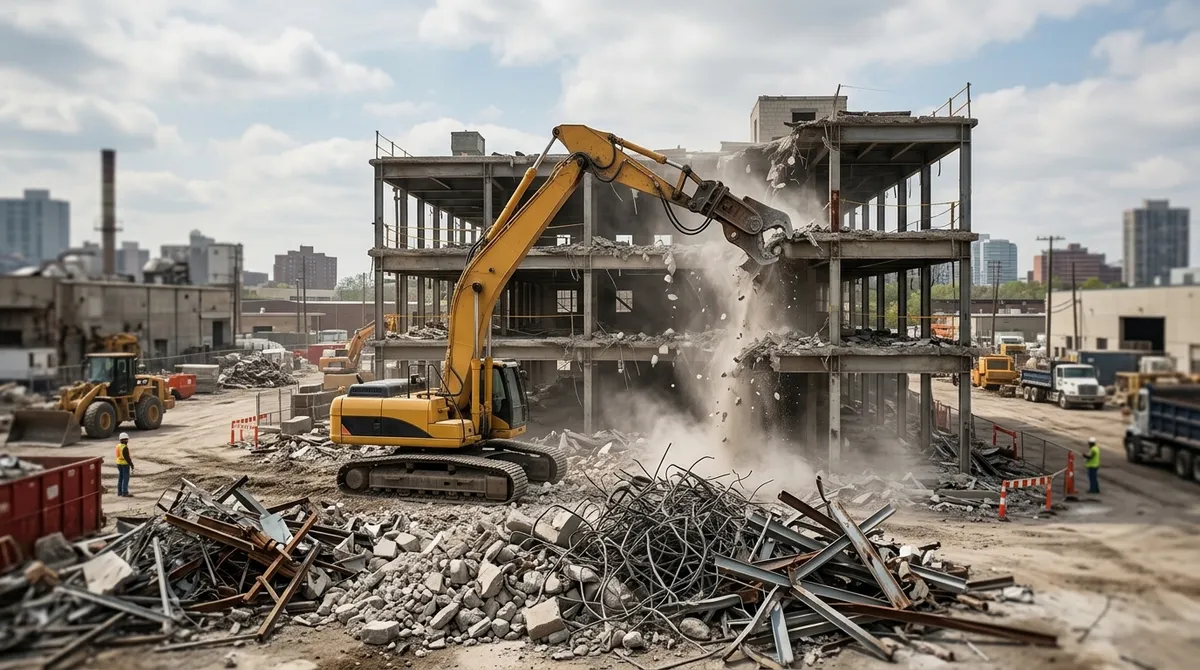
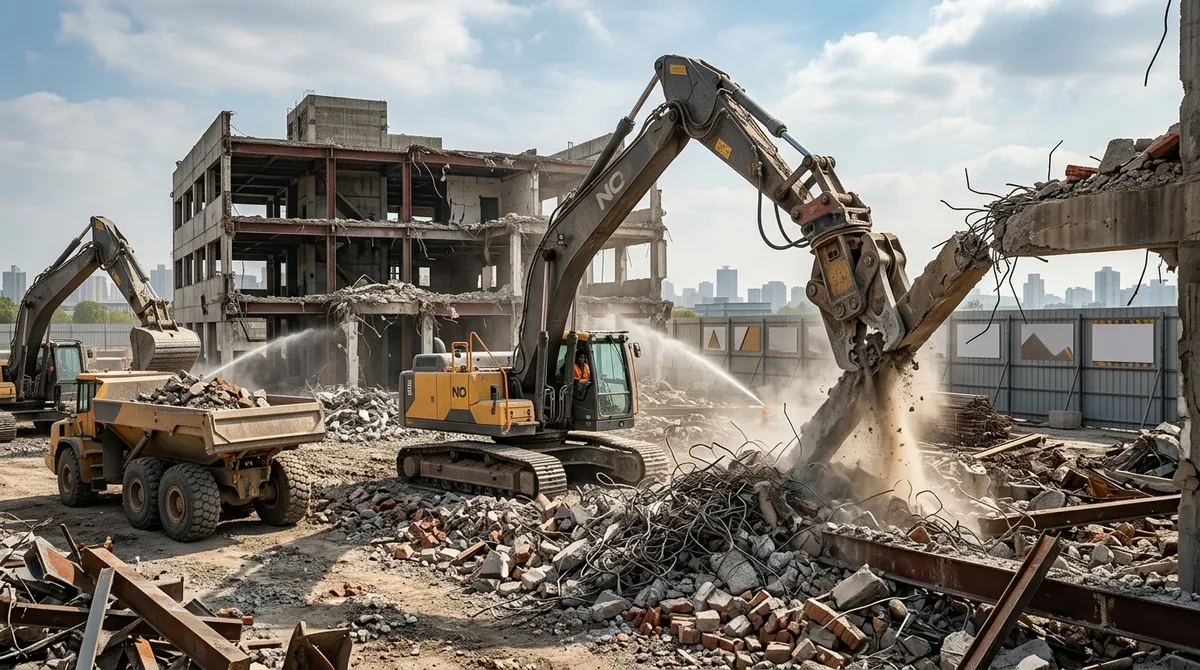
- Mechanical demolition — Heavy machinery like excavators, bulldozers, and wrecking balls handle the work. This is the most common method for full building demolition projects.
- Implosive demolition — Controlled explosives bring down a structure in seconds. This method is used for large buildings in urban areas where space is tight and precision is critical.
Each method has pros and cons depending on the size of the structure, its location, and the surrounding environment. A skilled contractor will recommend the best approach for your specific project.
2. Demolition as a Scope (What Gets Removed)
Demolition also describes how much of a structure is removed. This is where the difference between total and selective demolition comes in. Here’s a quick comparison:
| Type | What It Means | Best For |
|---|---|---|
| Total Demolition | The entire structure is torn down | New construction, land clearing |
| Selective Demolition | Only specific parts are removed | Renovations, remodels, additions |
| Interior Demolition | Interior elements removed, exterior stays | Office remodels, home upgrades |
| Exterior Demolition | Outside structures like patios or decks removed | Landscaping, curb appeal upgrades |
If you’re planning a home renovation and only want to remove a few walls, selective demolition is the answer. If you need to level an old structure for a new build, total demolition is the way to go. Services like concrete removal and landscaping removal fall under this category as well.
3. Demolition as a Process (How Projects Unfold)
Finally, demolition describes a multi-stage process that unfolds from start to finish. It’s not just about tearing things down. A professional demolition project follows a clear sequence of steps:
- Site survey and assessment — Contractors inspect the structure and identify potential hazards before any work begins.
- Hazard identification and removal — This includes checking for asbestos, lead paint, heavy metals, and other dangerous materials. These must be safely removed before demolition starts.
- Permit acquisition — All demolition work requires permits. In Las Vegas, you can review the Las Vegas demolition permit guidelines to understand what’s required. The Clark County Building Department also oversees permit requirements for projects in the broader region.
- Utility disconnection — Gas, water, and electrical lines must be safely shut off and relocated before demolition begins.
- Structural demolition — The actual teardown happens using the chosen method.
- Debris cleanup and hauling — All waste materials are collected and removed from the site. This is where hauling services become essential.
- Site preparation — Once cleared, the site may need excavating and grading to prepare it for new construction.
Each step matters. Skipping any part of this process can lead to safety risks, legal problems, or costly delays. That’s why working with a licensed contractor is so important. Learn more about what makes a licensed demolition contractor essential for your project.
Types of Demolition Services Available in 2026
Now that you know what demolition means, let’s look at the most common types of services available. Different projects require different approaches.
- Residential demolition — Teardown of homes, garages, sheds, and outbuildings. Learn more about residential demolition services and what they involve.
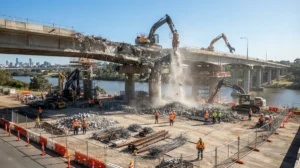
- Commercial demolition — Removal of office buildings, retail spaces, warehouses, and more. Check out 8 types of commercial demolition services explained for a deeper look.
- Interior demolition — Removing walls, flooring, ceilings, or fixtures while keeping the outer shell intact.
- Pool removal — A popular service in Nevada, especially for homeowners looking to reclaim backyard space. See how pool removal works in more detail.
- Concrete removal — Driveways, patios, slabs, and sidewalks all require specialized removal techniques.
- Land clearing — Preparing raw land for development by removing trees, brush, debris, and old structures.
Why Safety Is the Heart of Every Demolition Project
Demolition comes with real risks. It’s not like standard construction. Workers face unique hazards that require special training and equipment. Here are the key safety concerns on every demolition site:
- Unknown structural weaknesses that can cause sudden collapse
- Exposure to hazardous materials like asbestos, lead, and silica dust
- Flying debris and falling objects
- Noise and vibration affecting nearby structures
- Air quality issues from dust and particulates
Professional contractors use specialized personal protective equipment (PPE), follow OSHA guidelines, and implement air monitoring and dust suppression systems. This protects workers, nearby residents, and the environment. When you hire a professional, you’re not just paying for equipment — you’re paying for expertise and safety.
What Does Demolition Cost?
Costs vary widely depending on the scope of work. Here’s a general range to help you set expectations:
| Project Type | Typical Cost Range | Key Cost Factors |
|---|---|---|
| Residential Demolition | $2,500 – $15,000 | Size, materials, hazardous waste |
| Commercial Demolition | $5,000 – $100,000+ | Scope, structure type, timeline |
| Interior Demolition | Varies by room/area size | Materials, access, complexity |
| Selective Demolition | Varies by scope | Precision required, material type |
These figures come from industry data and give you a ballpark idea. The best way to get an accurate number is to request a site assessment from a qualified contractor. Every project is different, and pricing depends on many variables. For more details on what goes into project planning, check out how to plan demolition and hauling for your next project.
Why Hiring the Right Contractor Makes All the Difference
Not all contractors are created equal. The right demolition team brings experience, proper licensing, insurance, and a track record of successful projects. In Clark and Nye counties in Nevada, 702 Demo is a trusted full-service demolition contractor with over 20 years of experience. They handle everything from residential teardowns to commercial site development — all under one roof.
When you choose a professional team, you get more than just equipment and labor. You get a partner who understands local regulations, coordinates permits, manages hazardous material removal, and delivers a clean, ready-to-build site. That’s worth every penny. Visit 702 Demo on Google to read reviews from satisfied customers across the Las Vegas area.
Curious about what sets a great contractor apart? Read more about why 702 Demo is the leading demolition contractor in Las Vegas.
Conclusion: Now You Know What Demolition Really Means
So, what does demolition mean? It means much more than just breaking things down. It’s a skilled, regulated, multi-phase process that transforms old structures into clean slates for new possibilities. Whether you’re removing a pool, tearing down a garage, or clearing land for a commercial development, understanding demolition helps you make smarter decisions and choose the right team for the job.
The key takeaways are simple: demolition involves specific methods, defined scopes, and a structured process — all governed by safety standards and local regulations. It’s not a DIY job. It requires experience, the right tools, and a commitment to doing things the right way.
Ready to start your project on the right foot? Reach out to 702 Demo today for a free project estimate and get expert guidance from a team that truly knows demolition inside and out.
FAQs
Q: What does demolition mean in simple terms?
A: Demolition means the planned tearing down of a building or structure. It can mean removing an entire structure or just part of it, and it always involves careful planning, permits, and safety precautions to protect everyone on and around the site.
Q: What is the difference between total demolition and selective demolition?
A: Total demolition means the entire structure is removed — nothing is left standing. Selective demolition means only certain parts are taken down, like a wall or a room, while the rest of the building stays intact. Selective demolition is great for renovations and remodels!
Q: Is demolition the same as deconstruction?
A: Not quite! Demolition focuses on tearing things down efficiently. Deconstruction is a slower, more careful process that aims to save and reuse materials like wood, bricks, or fixtures. Many projects use a mix of both depending on the goals and timeline.
Q: What hazards are involved in demolition work?
A: Demolition sites can have hazards like falling debris, structural collapses, and exposure to harmful materials such as asbestos or lead paint. That’s why professional contractors follow strict OSHA safety guidelines and use specialized equipment and protective gear on every job.
Q: Do I need a permit for demolition in Las Vegas?
A: Yes! Most demolition work in Las Vegas and Clark County requires permits before any work can begin. A licensed demolition contractor will typically handle the permit process for you, making sure everything is compliant with local regulations and building codes.