
Key Takeaways
-
Conduct a comprehensive site assessment before demolition to identify hazards like asbestos and map utility locations, preventing costly surprises.
-
Obtain proper permits to ensure safety, legal compliance, and avoid potential fines that could far exceed permit costs.
-
Follow a strategic top-down, inside-out demolition sequence to minimize risks, protect preserved elements, and streamline workflow.
-
Invest in proper safety equipment like respirators, safety glasses, and protective clothing to prevent injury and health risks during demolition.
-
Implement selective demolition techniques to carefully remove specific elements while preserving valuable materials and minimizing waste.
-
Use digital technologies like 3D scanning and project management apps to improve planning, visualization, and communication during demolition projects.
Ever walked into a space and thought, “This place needs a complete makeover”? Whether you’re transforming a dated commercial space or refreshing your home’s interior, interior demolition is where the magic begins. But here’s the thing—tearing down walls isn’t just about swinging a sledgehammer. Done right, interior demolition can save you thousands of dollars while creating the perfect canvas for your renovation dreams. Done wrong? Well, let’s just say you might end up with unexpected repair bills and a serious headache.
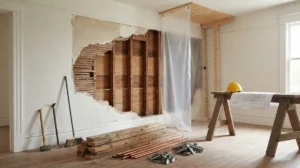
Interior demolition involves the selective removal of non-structural elements like walls, ceilings, flooring, and fixtures while preserving the building’s main structure. It’s the art of strategic deconstruction, and it’s become increasingly popular as property owners recognize the value of transforming existing spaces rather than starting from scratch. In 2025, the industry is embracing innovative techniques and sustainable practices that make interior demo smarter, safer, and more cost-effective than ever before.
Ready to discover the secrets that professional demolition contractors use to maximize efficiency and minimize costs? Let’s dive into nine game-changing strategies that’ll help you navigate your interior demolition project like a pro.

1. Start With a Detailed Assessment to Avoid Costly Surprises
The biggest mistake property owners make? Jumping into demolition without a thorough assessment. Think of this step as your project’s foundation—skip it, and everything else becomes shaky. A comprehensive site evaluation identifies potential hazards, reveals hidden structural issues, and helps you create an accurate budget that won’t spiral out of control halfway through.
Professional assessments should include checking for hazardous materials like asbestos, lead paint, and mold—especially in buildings constructed before 1980. According to Las Vegas demolition permit guidelines, proper hazard identification isn’t just smart planning; it’s legally required. These materials require specialized removal procedures that can significantly impact your timeline and budget if discovered mid-project.
Beyond hazards, your assessment should map out utility locations, identify load-bearing versus non-load-bearing walls, and document the condition of elements you plan to preserve. Consider hiring a structural engineer for commercial projects or complex residential renovations—their expertise can prevent catastrophic mistakes that cost far more than their fee.

2. Obtain Proper Permits Before Breaking Anything
Here’s a truth bomb: skipping permits to save a few hundred dollars can cost you tens of thousands in fines and forced remediation. Every jurisdiction has specific requirements for interior demolition work, and Las Vegas is no exception. The Clark County Building Department oversees permits throughout the region, ensuring projects meet safety codes and regulations.
The permit process might seem tedious, but it actually protects you. Inspectors verify that your demolition plan won’t compromise structural integrity, that hazardous materials are handled properly, and that you’re following proper disposal procedures. Plus, permitted work provides documentation that adds value when you sell the property—buyers and their inspectors love seeing that renovations were done by the book.
Plan for permit acquisition to take anywhere from a few days to several weeks, depending on your project’s complexity. Submit your application early, include detailed plans, and be responsive to any questions from the building department. This proactive approach prevents frustrating delays once you’re ready to start swinging those hammers.
Understanding What Requires a Permit
Not all interior work requires permits, but demolition typically does—especially when it involves removing walls, altering plumbing or electrical systems, or dealing with hazardous materials. Minor cosmetic changes like replacing cabinets or flooring might not need permits, but always check with your local building department before assuming you’re exempt. When in doubt, ask—it’s always better to be safe than sorry.

3. Create a Strategic Demolition Sequence
Order matters in interior demolition. The right sequence protects elements you want to keep, maximizes efficiency, and prevents dangerous situations. Professional contractors follow a top-down, inside-out approach that minimizes risks and streamlines the workflow.
Start by shutting off all utilities—water, electricity, and gas. This critical first step prevents floods, electrocution, and explosions. Next, remove loose items like light fixtures, outlet covers, and hardware. Then work from the top down: remove ceiling fixtures and materials before tackling walls, and save flooring for last. This sequence prevents debris from damaging lower areas and makes cleanup significantly easier.
For projects involving interior demolition services, professionals typically begin with non-structural partitions and work toward perimeter walls. This approach maintains structural integrity throughout the process and provides clear exit paths in case of emergencies. It also helps contain dust and debris to specific zones, which is particularly important in occupied buildings where you’re renovating in phases.

4. Invest in the Right Tools and Equipment
The right tools don’t just make interior demolition faster—they make it safer and more precise. While a basic toolkit might include sledgehammers, pry bars, and reciprocating saws, professional-grade projects often require specialized equipment that delivers better results with less effort.
For residential projects, essential tools include:
- Sledgehammers and dead-blow hammers for breaking drywall and plaster
- Reciprocating saws and circular saws for cutting through wood and metal
- Pry bars and cat’s paws for removing nails and separating materials
- Shop vacuums with HEPA filters for dust control
- Personal protective equipment including respirators, safety glasses, and heavy-duty gloves
Commercial projects may require mini excavators, concrete breakers, and industrial waste containers. Companies like 702 Demo maintain comprehensive equipment fleets specifically designed for interior demolition work, which is why hiring professionals often makes financial sense—you get access to thousands of dollars worth of specialized tools without the purchase or rental expense.
5. Prioritize Safety with Proper Protection Measures
Interior demolition generates hazards that can cause serious injuries or long-term health problems. Dust, falling debris, sharp materials, and airborne contaminants require comprehensive safety measures that go beyond basic caution. Smart contractors treat safety as an investment, not an expense—because nothing derails a project faster than an injury or health issue.
Personal protective equipment (PPE) is non-negotiable. At minimum, wear N95 respirators or better when working in dusty environments, safety glasses with side shields, heavy-duty work gloves, steel-toed boots, and long pants and sleeves. For projects involving hazardous materials, upgrade to full-face respirators with appropriate cartridges and consider disposable coveralls to prevent contamination.
Beyond personal protection, implement site safety measures like physical barriers to separate work zones from occupied areas, proper ventilation to minimize dust accumulation, and negative air pressure systems for hazardous material removal. Post clear signage indicating active work zones, and never work alone on demolition projects—having a partner ensures help is available if something goes wrong.
Protecting Remaining Structures
Interior demolition often occurs in spaces where you’re preserving certain elements—maybe original hardwood floors, decorative trim, or structural columns. Protect these features with ram board, plywood, or heavy plastic sheeting secured with painter’s tape that won’t damage finishes. It’s far cheaper to spend an hour protecting surfaces than to spend days repairing or replacing damaged materials.
6. Master Selective Demolition Techniques
Selective demolition represents the evolution of interior demo from brute-force destruction to precision deconstruction. This approach focuses on carefully removing specific elements while preserving others, salvaging reusable materials, and minimizing waste. It’s particularly valuable for renovation projects where you’re updating systems or reconfiguring layouts without gutting everything.
The key to successful selective demolition lies in careful planning and methodical execution. Before removing anything, mark what stays and what goes with clearly visible indicators—colored tape works great. Use hand tools rather than power equipment when working near elements you want to preserve, and cut materials into manageable pieces rather than letting them crash down uncontrolled.
This technique shines when updating building systems. You can remove old drywall to access outdated plumbing or electrical without disturbing structural framing, then patch and finish the areas you opened. For commercial projects involving building demolition services, selective demo allows businesses to renovate in phases while maintaining operations in other areas—a huge advantage for companies that can’t afford complete shutdowns.
7. Implement Smart Waste Management and Recycling
Here’s where you can save serious money while helping the environment: strategic waste management. Traditional demolition sends everything to landfills, but smart contractors separate, salvage, and recycle materials—reducing disposal costs and sometimes generating revenue from valuable reclaimed items.
Set up a sorting system from day one with clearly labeled containers for different material types:
| Material Type | Recycling Potential | Value Opportunity |
|---|---|---|
| Metal (copper, steel, aluminum) | High | Scrap value can offset disposal costs |
| Wood (dimensional lumber, trim) | Medium | Salvageable pieces for reuse or sale |
| Drywall | Medium | Some facilities recycle into new drywall |
| Fixtures (cabinets, doors, hardware) | High | Donation tax deductions or resale value |
| Concrete and masonry | High | Crushed for aggregate in new projects |
Don’t underestimate the value of architectural salvage. Period fixtures, solid wood doors, vintage hardware, and unique trim can fetch good money from salvage yards or online marketplaces. Even standard cabinets and appliances in decent condition can be donated to organizations like Habitat for Humanity ReStore, giving you tax deductions while helping others.
8. Leverage Technology for Better Planning and Execution
Welcome to 2025, where interior demolition has gone digital. Modern technology transforms how professionals plan and execute demo projects, reducing errors, improving safety, and cutting costs through better efficiency. Even if you’re tackling a DIY project, some of these tools are accessible and incredibly valuable.
3D scanning and Building Information Modeling (BIM) create detailed digital models of existing spaces, helping you visualize changes before breaking anything. Apps like Magicplan or RoomScan let you create accurate floor plans using just your smartphone, perfect for planning demolition zones and estimating materials.
Drone technology and inspection cameras reveal hidden issues in walls, ceilings, and other concealed spaces without destructive investigation. This is particularly valuable for identifying moisture damage, pest infestations, or unexpected structural conditions that might affect your demolition approach.
Project management apps keep everyone on the same page with shared schedules, photo documentation, and communication tools. Even simple solutions like shared Google Drive folders for storing plans, permits, and progress photos can prevent costly miscommunications and provide valuable documentation for inspections.
9. Know When to Call Professional Contractors
Here’s some friendly real talk: there’s a point where DIY interior demolition stops making financial sense. Sure, removing some drywall yourself saves labor costs, but complex projects involving hazardous materials, structural concerns, or tight timelines often benefit from professional expertise. The question isn’t whether you’re capable—it’s whether the risks and time investment justify the savings.
Professional demolition contractors bring specialized equipment, trained teams, proper insurance, and hard-won experience that prevents costly mistakes. They navigate permit processes efficiently, handle hazardous materials safely, and complete work in days that might take weeks for DIY enthusiasts. For commercial projects or renovations with strict deadlines, this efficiency often pays for itself.
Consider professional help when your project involves:
- Hazardous materials like asbestos or lead paint requiring certified abatement
- Structural changes affecting load-bearing elements
- Commercial spaces with tight timelines or occupied areas
- Large-scale demolition requiring industrial equipment
- Complex waste disposal needs or special recycling requirements
Companies specializing in excavating and grading services often provide comprehensive demolition solutions that include site preparation, debris removal, and waste management—everything you need in one coordinated package. This integrated approach eliminates coordination headaches between multiple contractors and often reduces overall project costs through improved efficiency.
Evaluating Professional Demolition Contractors
When hiring pros, don’t just go with the lowest bid. Check licensing and insurance, ask for references from similar projects, and verify their experience with your specific type of demolition. Quality contractors provide detailed written estimates, explain their processes clearly, and maintain proper safety protocols. Learn more about 702 Demo to see what professional demolition services should include.
Bringing It All Together for Demolition Success
Interior demolition doesn’t have to be overwhelming or budget-busting. By following these nine secrets—thorough assessment, proper permitting, strategic sequencing, right tools, comprehensive safety, selective techniques, smart waste management, modern technology, and knowing when to hire pros—you’ll navigate your project with confidence and avoid the expensive pitfalls that trap unprepared renovators.
Remember, successful interior demolition balances speed with precision, cost-savings with safety, and ambition with practicality. Whether you’re transforming a commercial space into your dream office or updating a dated residential interior, these strategies provide the foundation for efficient, effective demolition that sets the stage for stunning transformations.
The demolition phase might seem like pure destruction, but it’s actually one of the most critical stages of any renovation. Get it right, and everything that follows becomes easier, faster, and more cost-effective. Get it wrong, and you’ll spend months correcting problems that could have been prevented with proper planning.
Ready to transform your space with professional interior demolition that saves money and delivers outstanding results? Contact 702 Demo for a free estimate and discover how expert demolition services create the perfect foundation for your renovation dreams. Our experienced team serves all of Clark and Nye counties with comprehensive demolition solutions tailored to your specific needs. And don’t forget to visit us on Google to see what our satisfied customers have to say about working with true demolition professionals who treat every project like it’s our own.
FAQs
Q: How much does interior demolition typically cost?
A: Interior demolition costs vary widely based on project size, materials involved, and location, but generally range from $3 to $10 per square foot for residential projects. Commercial demolition tends to cost more due to complexity, permitting requirements, and potential hazardous material removal. The best way to get an accurate estimate is to have a professional contractor assess your specific project and provide a detailed quote.
Q: Do I need a permit for interior demolition in Las Vegas?
A: Yes, most interior demolition projects in Las Vegas and Clark County require permits, especially when removing walls, altering structural elements, or dealing with plumbing and electrical systems. Minor cosmetic changes might not need permits, but it’s always best to check with the Clark County Building Department before starting work. Skipping required permits can result in significant fines and complications when selling your property.
Q: How long does a typical interior demolition project take?
A: Timeline varies dramatically based on project scope. A single-room residential demo might take 1-3 days, while complete interior gut-outs of commercial spaces can take several weeks. Factors affecting duration include square footage, hazardous material removal requirements, permit processing time, and whether work happens in phases or all at once. Professional contractors can provide accurate timelines after assessing your specific project.
Q: What’s the difference between selective demolition and full interior demolition?
A: Selective demolition involves carefully removing specific elements while preserving others—perfect for renovations where you’re updating certain features but keeping the rest intact. Full interior demolition removes everything down to the structural shell, creating a blank slate for complete redesign. Selective demo requires more precision and planning but often costs less since you’re doing less work and can salvage more materials.
Q: Can I do interior demolition myself or should I hire professionals?
A: Simple projects like removing non-structural walls or ripping out old flooring can be DIY-friendly if you have proper tools, safety equipment, and physical capability. However, projects involving hazardous materials, structural changes, large commercial spaces, or tight deadlines typically benefit from professional contractors who bring specialized equipment, proper licensing, and experience that prevents costly mistakes. Consider your skill level, time availability, and project complexity when making this decision.