
Have you been staring at that old, cracked pool in your backyard and wondering what to do with it? Maybe it’s become more of a money pit than a source of fun, or perhaps you’re dreaming of transforming that space into something more practical—like a garden, patio, or extra yard for the kids to play in. Whatever your reason, pool removal is a fantastic way to breathe new life into your outdoor space! Let’s dive into everything you need to know about saying goodbye to your pool and hello to exciting new possibilities.
Pool removal might seem like a daunting project, but it’s actually more common than you’d think. Thousands of homeowners across the country are choosing to remove their pools every year, and for good reason. Whether you’re dealing with costly repairs, safety concerns, or simply want to use your yard differently, removing a pool can increase your property value and give you back valuable space. Plus, you’ll save money on maintenance, insurance, and those skyrocketing energy bills. Sound good? Let’s explore what pool removal really involves!
Why Consider Pool Removal?

Before we get into the nitty-gritty of how pool removal works, let’s talk about why so many people are choosing this route. First off, pools are expensive! Between chemicals, cleaning, heating, and repairs, you could be spending thousands of dollars every year. If you’re not using your pool regularly, that’s a lot of money going down the drain—literally!
Safety is another huge consideration, especially if you have young children or pets. An unused pool can be a serious hazard, and the liability concerns can keep you up at night. Then there’s the maintenance headache—nobody enjoys scrubbing algae or dealing with broken pumps when they could be relaxing on a Saturday afternoon.
Many homeowners also discover that removing their pool actually increases their property’s appeal to potential buyers. Not everyone wants a pool, and some buyers see them as high-maintenance liabilities. By removing yours, you’re opening up your home to a broader market while creating versatile outdoor space that appeals to everyone.
Types of Pool Removal: Which One Is Right for You?

Partial Pool Removal
Let’s start with the budget-friendly option! Partial pool removal, sometimes called pool filling, involves punching drainage holes in the bottom of the pool, breaking down the top portion (usually 18-36 inches), and filling the cavity with dirt and gravel. This method is quicker and more affordable, typically costing between $3,000 and $7,000.
The catch? You’ll need to disclose the filled pool to future buyers, and you won’t be able to build a structure over that area. But if you’re planning a garden, lawn, or simple patio, partial removal works beautifully and keeps more money in your pocket!
Complete Pool Removal
For those who want a clean slate, complete pool removal is the way to go. This involves removing every bit of the pool structure, backfilling the hole properly, and compacting the soil so you can build anything you want on that space later. Yes, it’s more expensive—usually between $8,000 and $15,000—but you get total freedom with your property.
Complete removal means no disclosure requirements and no restrictions on future construction. Want to build a workshop, add an addition to your house, or install a beautiful outdoor kitchen? With complete removal, the sky’s the limit!
The Pool Removal Process: What to Expect

Wondering what actually happens during pool removal? Let me walk you through it! First, you’ll need to obtain the proper permits from your local building department. In Las Vegas and Clark County, this means working with the Clark County Building Department and following the Las Vegas demolition permit guidelines. Don’t skip this step—working without permits can lead to fines and headaches down the road!
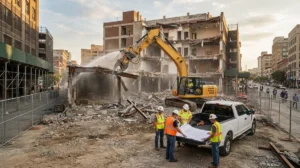
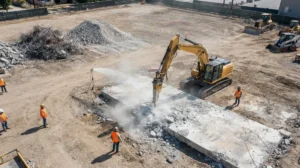
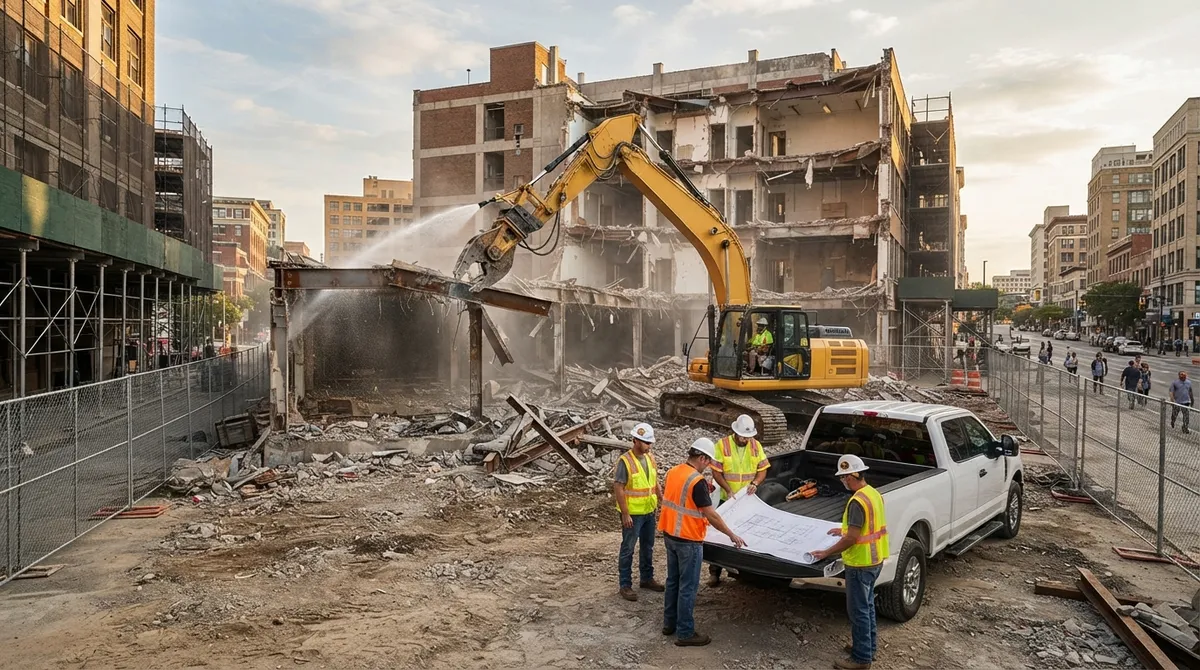
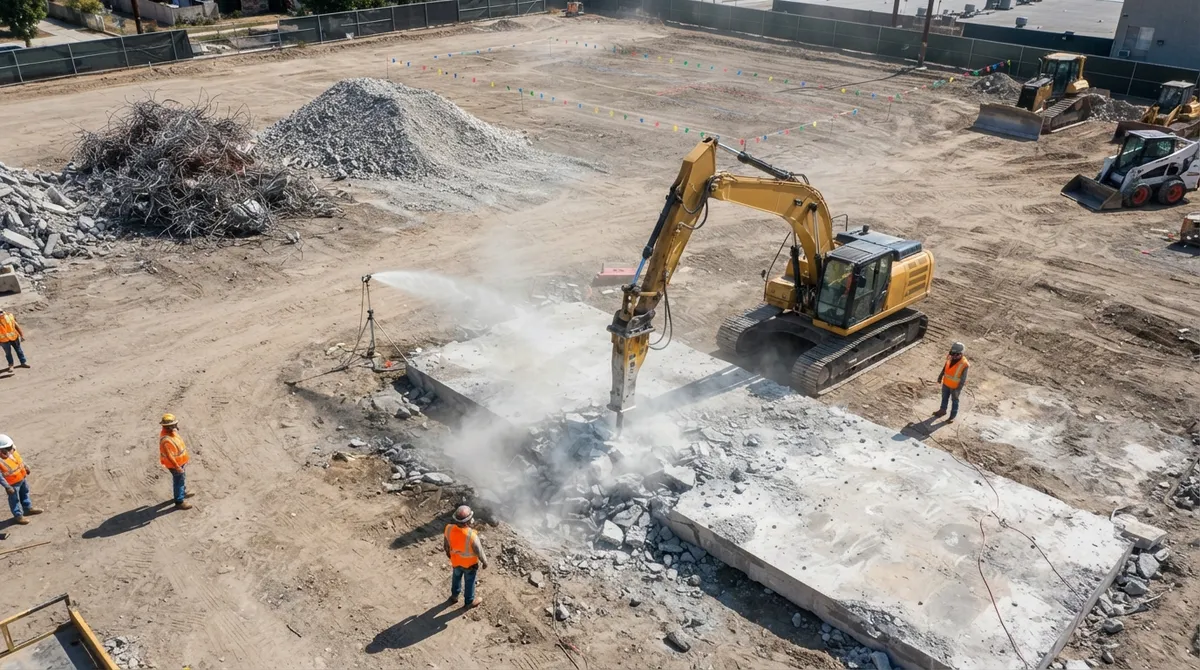
Next, the pool needs to be drained completely. Professional crews will then use heavy machinery like excavators and jackhammers to break up the pool structure. For partial removal, they’ll break down the top sections and punch drainage holes. For complete removal, every piece comes out!
The real magic happens during backfilling. Crews carefully layer dirt and gravel, compacting as they go to prevent settling. This step is crucial—improper backfilling can lead to sinkholes or uneven ground later. Finally, topsoil is added and graded to match your existing yard. The whole process typically takes 3-7 days, depending on pool size and removal type.
Costs and Factors That Affect Your Bottom Line

Let’s talk numbers! Pool removal costs vary widely based on several factors. Size matters—a small above-ground pool costs far less to remove than an Olympic-sized in-ground pool. Access is another biggie. If crews can easily bring equipment into your yard, great! But if they need to navigate through narrow side yards or over landscaping, expect to pay more.
The pool material also affects cost. Vinyl liner pools are generally easier and cheaper to remove than gunite or concrete pools, which require more demolition work. Location matters too—here in the Las Vegas area, rocky soil and desert conditions can present unique challenges that affect pricing.
Here’s a money-saving tip: get multiple quotes! Professional demolition companies like 702 Demo offer free estimates, so there’s no reason not to shop around and compare. A reputable company will visit your property, assess the situation, and provide a detailed breakdown of costs. Speaking of which, you can visit us on Google to see what our satisfied customers have to say about their pool removal experiences!
Preparing Your Property for Pool Removal
A little preparation goes a long way! Before the crew arrives, remove any pool furniture, decorations, or equipment you want to keep. Clear the area around the pool of plants, potted items, or anything that might get damaged during demolition. If you have pool equipment like heaters or pumps that still work, consider listing them for sale—someone else might put them to good use!
You’ll also want to notify your neighbors about the upcoming work. Pool removal can be noisy, and a heads-up helps maintain good relationships. Mark any underground utilities in your yard, including sprinkler lines, electrical cables, or gas lines. Professional contractors will verify utility locations, but giving them a heads-up prevents surprises.
What Comes After Pool Removal?
This is where the fun begins! Once your pool is gone, you’ve got a blank canvas for creativity. Many homeowners opt for expanded lawns—perfect for kids, pets, or outdoor games. Others create stunning garden spaces with raised beds, fruit trees, or xeriscaping that thrives in our Nevada climate.
Outdoor living spaces are hugely popular too. Think covered patios, outdoor kitchens, fire pits, or even putting greens! Some folks add sheds or workshops, while others simply enjoy having open space that’s easier to maintain. The beauty of pool removal is that you’re not locked into anything—start simple and evolve your space as inspiration strikes.
Don’t forget about landscaping! Proper grading ensures water drains away from your home, and establishing grass or plants quickly helps prevent erosion. Native Nevada plants are fantastic choices—they’re drought-tolerant, low-maintenance, and look beautiful year-round.
Choosing the Right Pool Removal Contractor
Picking the right company makes all the difference! Look for contractors with specific experience in pool removal, not just general demolition. Check licenses and insurance—this protects you if something goes wrong. Read reviews and ask for references. A company with a solid track record will happily share past customer experiences.
Get detailed written estimates that break down costs for permits, labor, materials, and disposal. Be wary of quotes that seem too good to be true—they usually are! Ask about timeline, cleanup procedures, and what exactly is included in the price. Will they handle permits? What about final grading?
702 Demo specializes in pool removal throughout Clark and Nye counties, bringing years of experience and professional equipment to every project. We handle everything from permits to final cleanup, making the process smooth and stress-free for homeowners.
Conclusion: Ready to Transform Your Backyard?
Removing your pool isn’t just about getting rid of something old—it’s about creating space for new possibilities! Whether you’re looking to reduce maintenance costs, increase safety, or simply reimagine your outdoor living area, pool removal is an investment that pays dividends in money saved, peace of mind, and property value. The process might seem overwhelming at first, but with the right information and professional help, it’s surprisingly straightforward.
Ready to reclaim your backyard and start your transformation? Contact 702 Demo for a free estimate today! Our friendly team will walk you through your options, answer all your questions, and help you take the first step toward the yard of your dreams. Let’s make it happen together!
FAQs
Q: How long does pool removal take from start to finish?
A: Most pool removal projects take between 3-7 days to complete, depending on the size of your pool and the type of removal you choose. Partial removal is typically faster, while complete removal takes a bit longer. Keep in mind that permit approval can add a week or two to the timeline, so it’s smart to plan ahead and get those applications in early!
Q: Will removing my pool increase my property value?
A: In many cases, yes! While pools can be attractive to some buyers, they’re actually a turnoff for others who see them as high-maintenance and expensive. By removing your pool, you’re appealing to a broader market and offering flexible outdoor space that buyers can customize. Plus, you’ll save on insurance and maintenance costs while you own the home—it’s a win-win!
Q: Can I remove a pool myself to save money?
A: While technically possible, DIY pool removal isn’t recommended for most homeowners. You’ll need heavy equipment, proper permits, knowledge of safe demolition practices, and expertise in backfilling and compacting soil correctly. Improper removal can lead to sinkholes, drainage problems, and permit violations that cost more to fix than hiring professionals would have in the first place. Trust me, this is one project worth leaving to the experts!
Q: What’s the difference between partial and complete pool removal?
A: Partial removal involves breaking down the top portion of the pool (usually 18-36 inches), punching drainage holes, and filling the space with dirt and gravel—it’s faster and cheaper but limits future building options. Complete removal means taking out every bit of the pool structure and properly backfilling, which costs more but gives you total freedom to build anything on that spot later. Your choice depends on your budget and future plans for the space!
Q: Do I need a permit to remove my pool in Las Vegas?
A: Absolutely! Pool removal requires permits from your local building department, whether you’re in Las Vegas or elsewhere in Clark County. Permits ensure the work meets safety standards and that proper procedures are followed for demolition and backfilling. Reputable contractors will handle the permit process for you, but always verify this is included in your quote. Working without permits can result in fines and complications when you sell your home down the road!