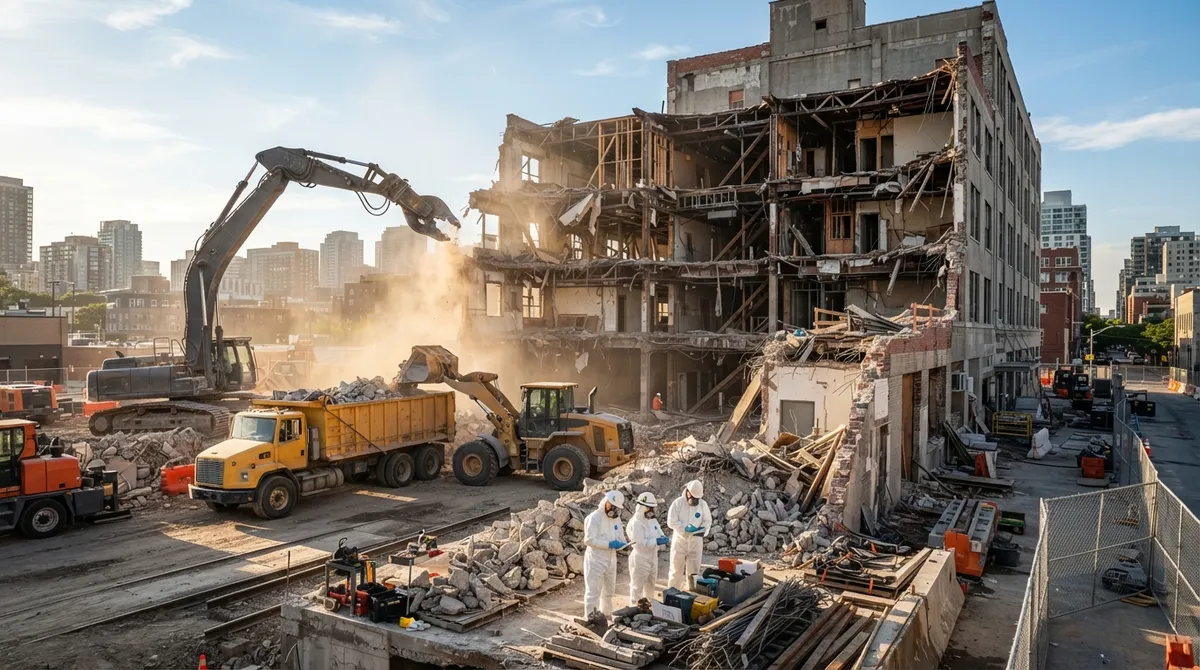
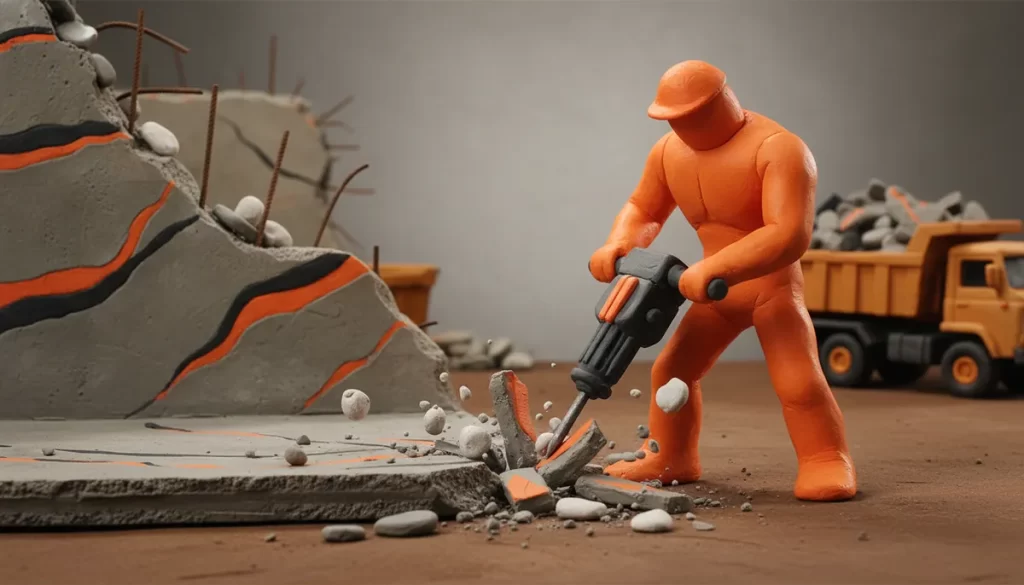
If you’ve ever stared at a cracked, stained, or outdated concrete driveway, patio, or walkway and thought, “It’s time for this to go,” you’re definitely not alone! Concrete removal might seem like a daunting task, but with the right knowledge and approach, it can be a smooth and manageable process. Whether you’re planning a complete landscape makeover, dealing with damaged concrete that’s become a safety hazard, or simply ready to upgrade your outdoor spaces, understanding concrete removal is your first step toward transformation. In this friendly guide, we’ll walk you through everything you need to know about removing concrete safely and efficiently, from initial planning to final disposal. Let’s dig in and make your project a success!
Understanding When Concrete Removal Is Necessary
Before you grab a sledgehammer and start swinging, it’s important to understand when concrete removal is truly necessary. Not every crack or blemish requires complete removal, but certain situations definitely call for it. Major cracking, significant settling, or concrete that poses tripping hazards are all red flags that removal might be your best option.
Additionally, if you’re planning renovations or new construction, removing old concrete is often essential for proper site preparation. Maybe you want to expand your home, install a pool, or redesign your landscaping—all these projects typically require clearing away existing concrete structures. And let’s be honest, sometimes concrete removal is purely aesthetic; that tired, stained concrete just doesn’t match your vision anymore, and that’s perfectly valid!
Environmental concerns also play a role. Old concrete can prevent proper drainage, leading to water pooling and foundation issues. In these cases, removal and replacement with properly graded surfaces can save you from bigger headaches down the road.
Planning Your Concrete Removal Project
Successful concrete removal starts with solid planning. First, you’ll need to determine the scope of your project. Are you removing a small patio slab or an entire driveway? The size and thickness of the concrete will significantly impact your approach, timeline, and budget.
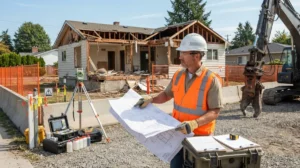
Before breaking any concrete, contact your local utility companies to mark underground lines. This crucial step prevents dangerous and expensive accidents. In Nevada, you can reach out to the Clark County Building Department for guidance on permits and regulations. Depending on your project’s size and location, you may need permits, so checking with local authorities is essential.
Consider timing carefully as well. Concrete removal is noisy and disruptive, so plan for times that won’t disturb neighbors too much. Also, think about disposal options early—broken concrete is heavy, and you’ll need a plan for hauling it away or recycling it.
Gathering Necessary Information
Measure the area accurately and determine the concrete’s thickness. You can usually drill a small hole in an inconspicuous area to check depth, or look at exposed edges. This information helps you estimate the amount of debris you’ll generate and choose the right equipment and methods for the job.
Methods for Concrete Removal
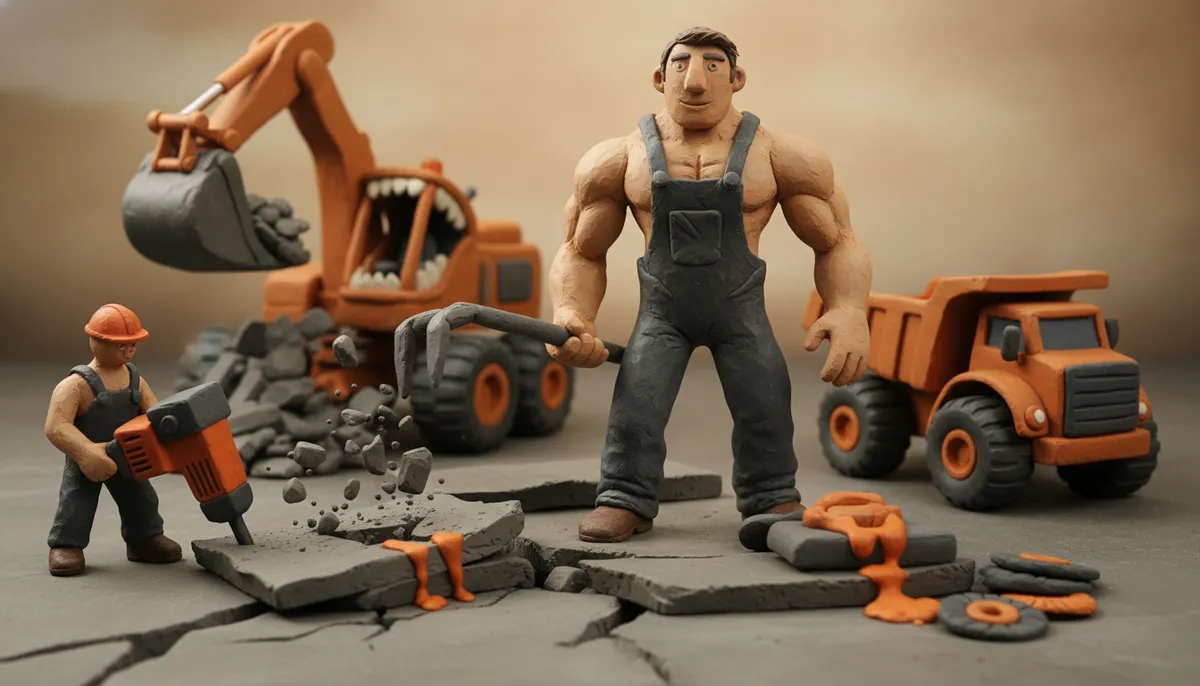
There are several approaches to concrete removal, each with its own advantages. The best method depends on your project size, budget, timeline, and physical capabilities. Let’s explore your options so you can make an informed decision.
Manual Removal
For small projects like a narrow walkway or small patio, manual removal using a sledgehammer and pry bar can work. This method is budget-friendly since it requires minimal equipment, but it’s physically demanding and time-consuming. You’ll need safety gear including gloves, safety glasses, steel-toed boots, and hearing protection. Manual removal works best for concrete that’s already cracked or less than four inches thick.
Power Tools and Equipment
For medium to large projects, power equipment makes the job much more manageable. Jackhammers are the go-to tool for most concrete removal jobs. Electric jackhammers work well for residential projects, while pneumatic versions offer more power for thicker or reinforced concrete. You can rent these from equipment rental centers for reasonable daily rates.
Concrete saws are another option, particularly useful when you need to make precise cuts or remove sections without disturbing adjacent areas. These powerful tools can cut through reinforced concrete, but they generate significant dust, so proper ventilation and dust control measures are essential.
Professional Removal Services
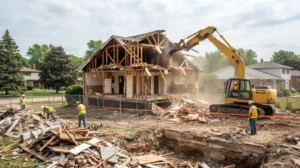
Sometimes, calling in the professionals is simply the smartest move. Companies like 702 Demo specialize in concrete removal and bring expertise, proper equipment, and efficiency to your project. Professional removal is particularly valuable for large areas, thick concrete, or situations involving structural complexity.
The pros can complete in hours what might take you days or weeks. They also handle all the heavy lifting, literally, and ensure proper disposal or recycling of materials. When you factor in equipment rental costs, physical strain, and time investment, professional services often represent excellent value.
Safety Considerations During Concrete Removal
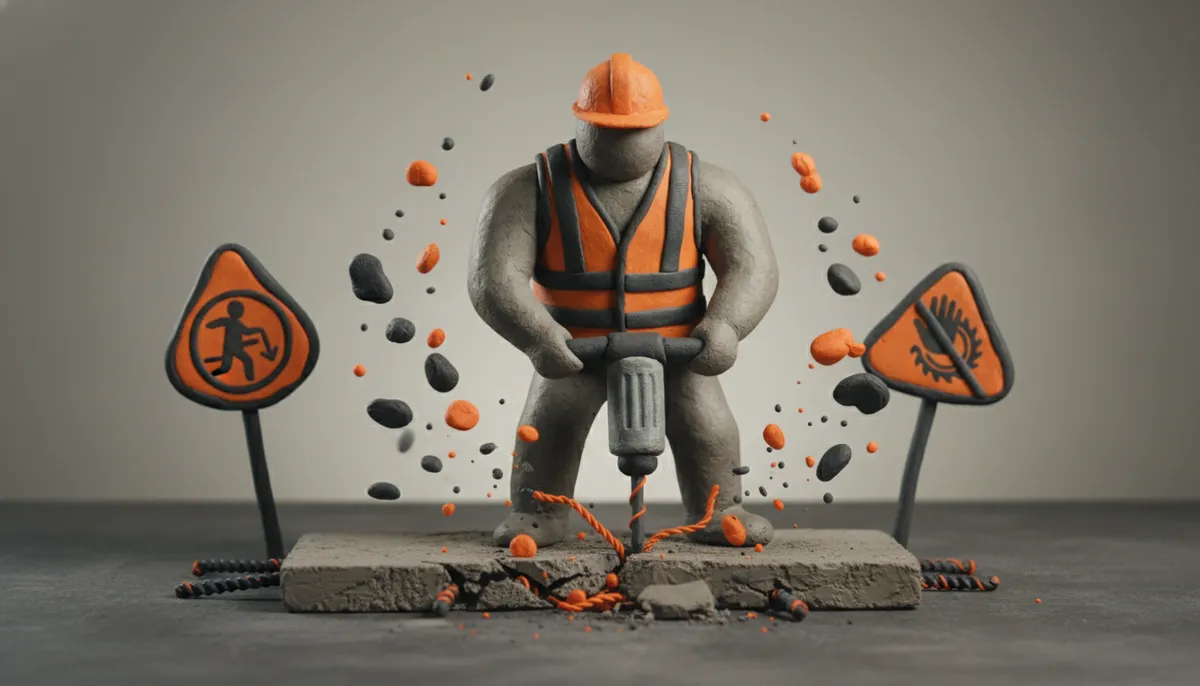
Safety should always be your top priority during any concrete removal project. Concrete work involves heavy materials, powerful tools, and potential hazards that require respect and preparation. Never skip safety measures to save time or money—it’s simply not worth the risk!
Essential safety equipment includes impact-resistant safety glasses or goggles, hearing protection, a dust mask or respirator, heavy-duty work gloves, steel-toed boots, and long pants with a long-sleeved shirt. If you’re working with power tools, ensure all equipment is in good working condition and that you understand proper operation before starting.
Be mindful of flying debris when breaking concrete. Establish a safe perimeter around your work area and keep bystanders, children, and pets well away. Take regular breaks to prevent fatigue, which can lead to accidents. Stay hydrated, especially if working in Nevada’s warm climate, and never work alone on larger projects.
Disposal and Recycling Options
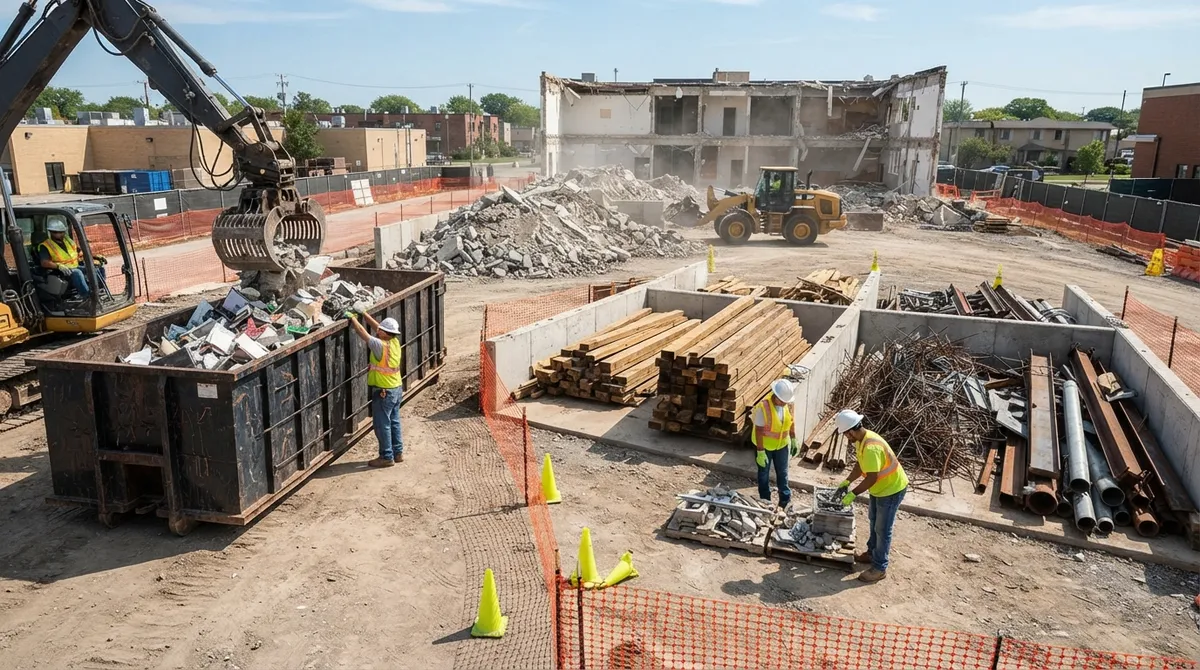
Once you’ve broken up the concrete, you’re faced with the question: what do you do with it all? Concrete is heavy—very heavy—and proper disposal requires planning. The good news is that concrete is highly recyclable, making it an environmentally friendly material even after removal.
Many areas have concrete recycling facilities that crush old concrete into aggregate for new construction projects or road base material. This option is often cheaper than landfill disposal and better for the environment. Check with local facilities about their acceptance policies and fees.
For smaller projects, you might rent a dumpster sized appropriately for concrete debris. Be honest about your material when ordering—concrete is much heavier than general debris, and weight limits matter. Alternatively, some companies specialize in debris removal and will haul away your broken concrete for a fee.
If you’re working with professionals like 702 Demo, they typically handle disposal as part of their service, saving you this logistical headache. They know the local recycling facilities and have established relationships that ensure efficient, responsible disposal.
Cost Factors in Concrete Removal
Understanding the costs associated with concrete removal helps you budget appropriately and make informed decisions. Several factors influence the total price, and knowing these can help you plan effectively.
The size of the area is the most obvious factor—more concrete means more work, more time, and higher costs. Thickness matters significantly too; six-inch thick concrete takes more effort to break and remove than a four-inch slab. Reinforcement, such as rebar or wire mesh, adds complexity and time to the job.
Accessibility affects pricing as well. Is the concrete easily accessible with equipment, or will it require extra labor to reach and remove? Disposal fees vary by location and amount, so factor these into your budget. According to Las Vegas demolition permit guidelines, certain projects may require permits, which add to overall costs.
DIY removal saves labor costs but requires equipment rental, disposal fees, and your valuable time. Professional services include everything in their quote, providing a clear picture of total investment upfront. Get multiple quotes when hiring professionals to ensure you’re receiving fair pricing.
Preparing the Site After Concrete Removal
After successfully removing the concrete, your work isn’t quite finished. Proper site preparation sets the foundation (literally!) for whatever comes next, whether that’s new concrete, landscaping, or another surface treatment.
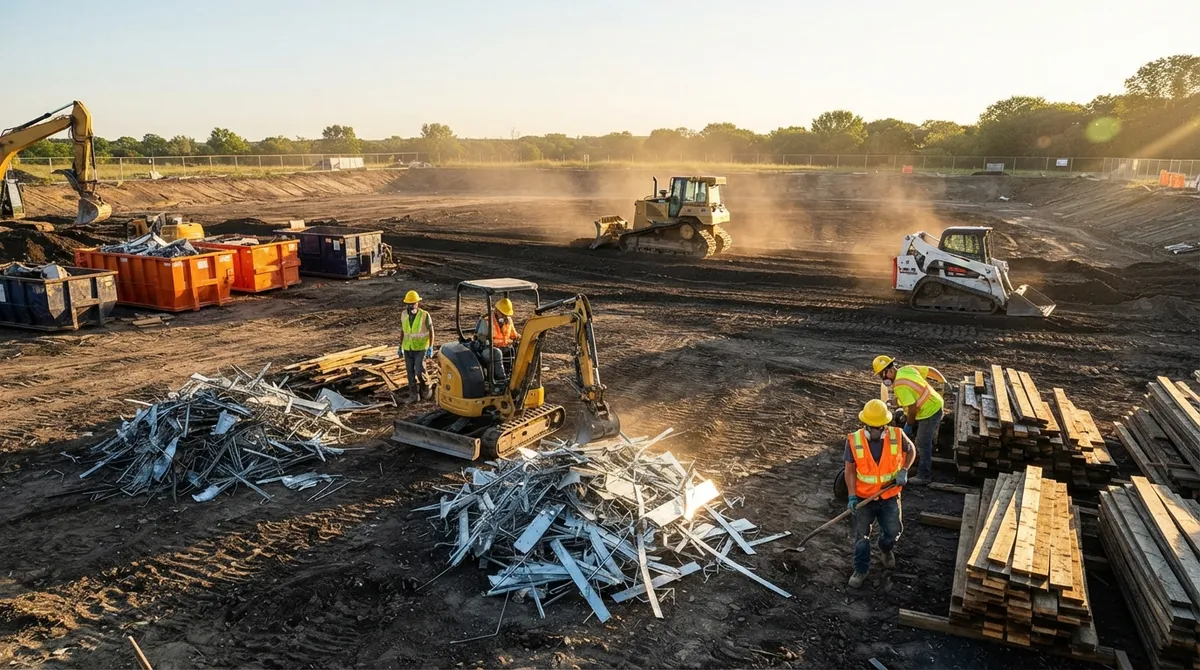
First, ensure all concrete debris is completely removed, including small pieces and dust. Even tiny chunks can interfere with new installations. Grading and excavation services may be necessary to ensure proper drainage and level surfaces for new construction.
Compact the soil thoroughly if you’re installing new concrete or pavers. Loose soil will settle over time, causing cracks and uneven surfaces in new installations. You might need to add base material like gravel to create a stable foundation, especially if the old concrete was sitting directly on native soil.
This is also an excellent time to address any drainage issues that may have existed previously. Ensure water flows away from structures and doesn’t pool in unwanted areas. Proper grading now prevents future headaches and protects your investment in whatever new surface you’re installing.
Why Choose Professional Concrete Removal
While DIY projects can be rewarding, concrete removal is one area where professional help often makes tremendous sense. The combination of heavy physical labor, specialized equipment, and disposal logistics can quickly become overwhelming for homeowners.
Professional contractors bring experience that helps them work efficiently and identify potential issues before they become problems. They carry proper insurance, protecting you from liability if accidents occur on your property. The right equipment makes an enormous difference in both speed and quality of work—professionals have access to commercial-grade tools that simply aren’t available to most homeowners.
Companies serving Clark and Nye counties, like 702 Demo, understand local regulations, soil conditions, and disposal requirements. This regional expertise ensures your project complies with all local codes and is completed properly the first time. Plus, you can check out what satisfied customers have to say by visiting their reviews on Google.
Conclusion: Making Your Concrete Removal Project a Success
Concrete removal doesn’t have to be an intimidating project when you approach it with the right knowledge and resources. Whether you decide to tackle it yourself or hire professionals, understanding the process, costs, and considerations helps you make the best decisions for your specific situation. Remember that safety always comes first, proper planning prevents problems, and sometimes investing in professional services delivers the best value.
Your outdoor spaces deserve to look their best, and removing old, damaged concrete is often the first step toward creating the yard or driveway of your dreams. With this guide in hand, you’re well-equipped to move forward confidently with your concrete removal project.
Ready to transform your property with professional concrete removal services? Contact 702 Demo today for a free consultation and quote. Their experienced team serves all of Clark and Nye counties with reliable, efficient demolition and concrete removal services!
FAQs
Q: How much does concrete removal typically cost?
A: Concrete removal costs vary based on several factors including the area size, thickness, accessibility, and local disposal fees. On average, expect to pay between $2-$6 per square foot for professional removal. DIY projects cost less in labor but require equipment rental and disposal fees. Getting multiple quotes from local contractors gives you the best sense of costs specific to your project and area.
Q: Can I remove concrete myself or should I hire professionals?
A: You can definitely remove small concrete sections yourself if you’re physically capable and have the right tools, but larger projects typically benefit from professional help. DIY makes sense for small walkways or thin slabs under 100 square feet. For driveways, thick concrete, or areas with rebar reinforcement, professionals work more efficiently and safely, often making the investment worthwhile when you consider time, effort, and equipment needs.
Q: What happens to concrete after it’s removed?
A: Removed concrete is highly recyclable! Most concrete gets crushed and repurposed as aggregate for new construction projects, road base material, or landscaping rock. Many recycling facilities accept concrete debris, often at lower costs than landfill disposal. This makes concrete removal environmentally friendly since the material gets a second life rather than taking up landfill space.
Q: Do I need a permit for concrete removal?
A: Permit requirements vary by location and project scope. Small residential projects like removing a walkway typically don’t require permits, but larger demolition projects, work near property lines, or projects affecting drainage often do. It’s always best to check with your local building department before starting. In Nevada, Clark County has specific guidelines for demolition work that you should review.
Q: How long does concrete removal take?
A: The timeline depends on project size, concrete thickness, and whether you’re working with professionals or doing it yourself. A small patio might take a DIY homeowner a full weekend, while professionals could complete it in a few hours. Large driveway removal might take professionals one to two days but could take weeks for DIY efforts. Professional crews with proper equipment always work significantly faster than manual methods.