Key Takeaways
-
Obtain permits from the appropriate local authority before any demolition work begins; skip this step and face fines, delays, and legal issues that could derail your project.
-
Disconnect all utilities (electricity, gas, water, sewer, and communications) and get written confirmation from providers before demolition starts to prevent serious safety accidents on site.
-
Test for hazardous materials like asbestos and lead-based paint in homes built before 1980; hire certified professionals for safe removal before demolition to protect workers and comply with Nevada law.
-
Hire a licensed demolition contractor with Nevada licensing, liability insurance, workers’ compensation, and proven residential experience to ensure proper equipment, safety practices, and permit handling.
-
Choose your demolition method based on project goals: mechanical demolition for fast full teardowns, selective demolition for renovations, or deconstruction to maximize material salvage and sustainability.
-
Implement debris management by sorting materials on-site, recycling concrete/steel/brick, and properly disposing of remaining waste; this reduces landfill impact and can lower overall project costs.
So you’ve decided it’s time to tear down a house. Maybe the structure is old and unsafe. Maybe you’re clearing space for a brand-new build. Or maybe fire or storm damage has made the home beyond repair. Whatever the reason, residential home demolition is a big job that requires careful planning.
The good news? When you approach it the right way, the process can be smooth, safe, and even surprisingly efficient. This guide walks you through everything you need to know — from permits and prep work to debris removal and site cleanup. Whether you’re a homeowner, developer, or contractor, we’ve got you covered.
What Is Residential Home Demolition?
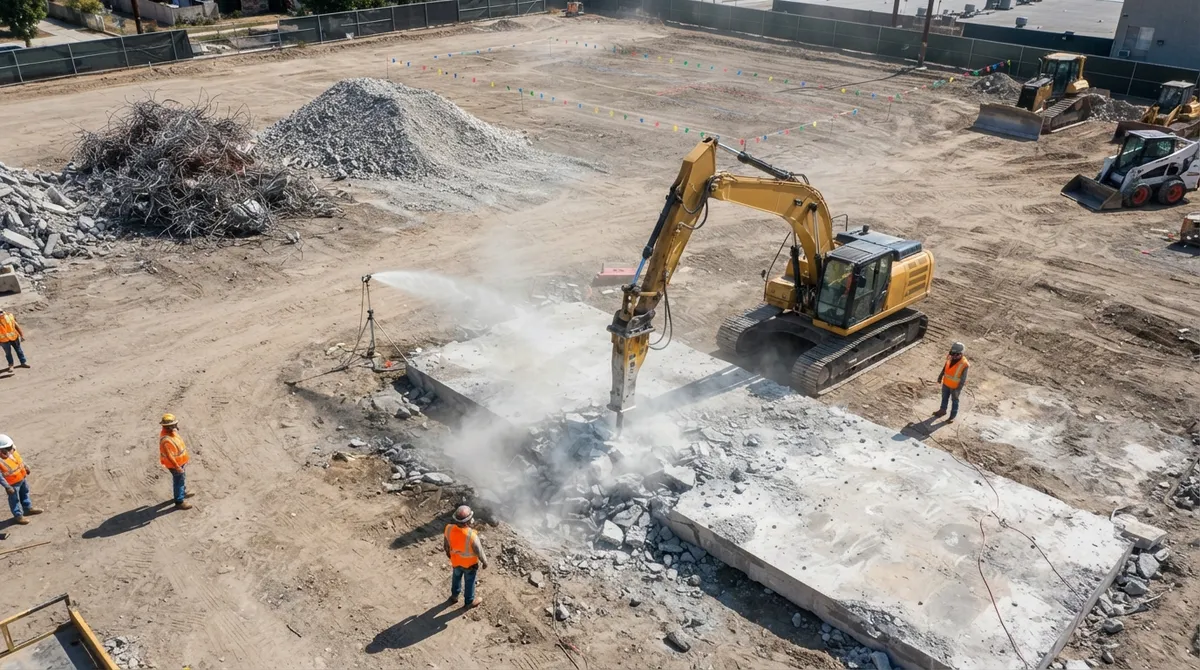
Residential home demolition is the process of tearing down a house or other residential structure. It can be a full teardown or a partial removal. The goal depends on your project. You might want to clear a lot completely. Or you might only need part of the structure removed.
There are several types of residential demolition. Here’s a quick breakdown:
- Full demolition: The entire structure is torn down and removed from the site.
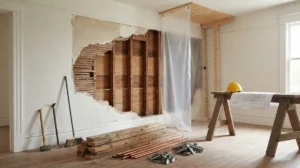
- Selective demolition: Only specific parts of the building are removed, such as a wing, wall, or addition.
- Interior strip-out: The inside of the home is gutted while the exterior shell stays intact. Learn more about interior demolition services available for residential and commercial projects.
- Deconstruction: The home is carefully dismantled so materials like wood, brick, and steel can be salvaged and reused.
Each type has its own process, timeline, and use case. Knowing which type you need is the very first step.
Step 1: Understand Why the Home Needs to Come Down
Before anything else, get clear on your reason for demolition. This shapes every decision that follows. Common reasons homeowners and developers choose residential home demolition include:
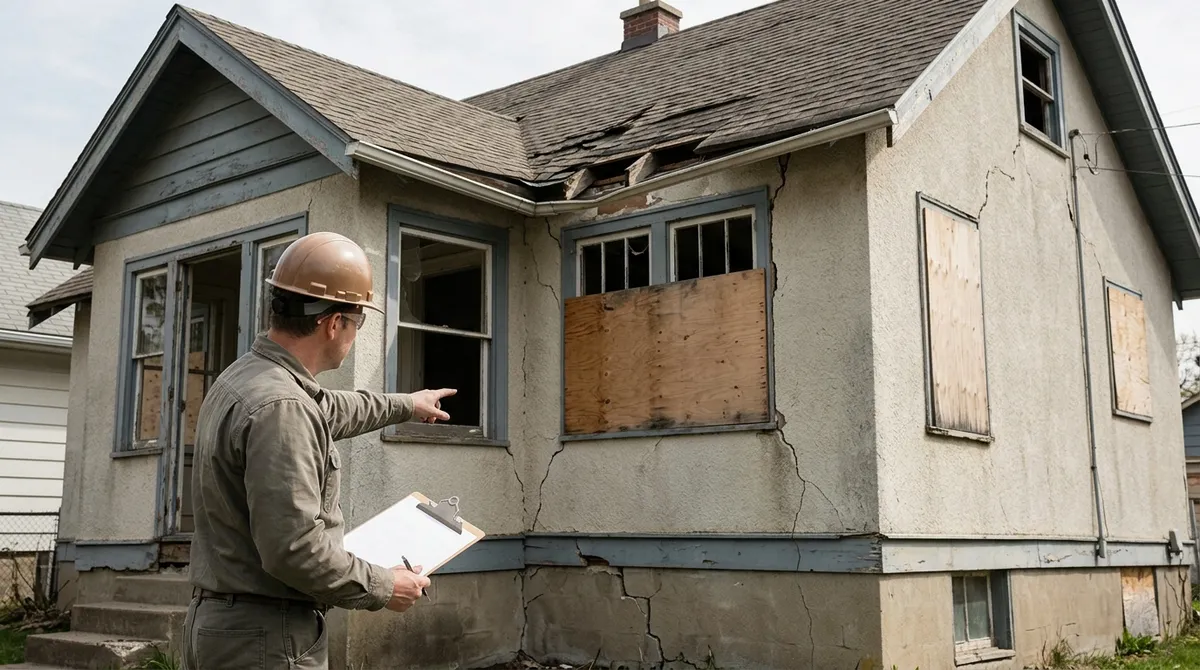
- Structural damage from age, rot, or foundation failure
- Fire or storm damage that makes repair too costly
- Code violations that can’t be brought up to standard
- Plans to build a new home or commercial structure on the lot
- Urban redevelopment or neighborhood revitalization projects
If you’re a real estate developer or property manager, knowing your end goal helps you choose the right type of demolition and avoid costly changes later. For more on what residential demolition contractors actually do, check out 12 things residential demolition contractors do for you.
Step 2: Get the Right Permits
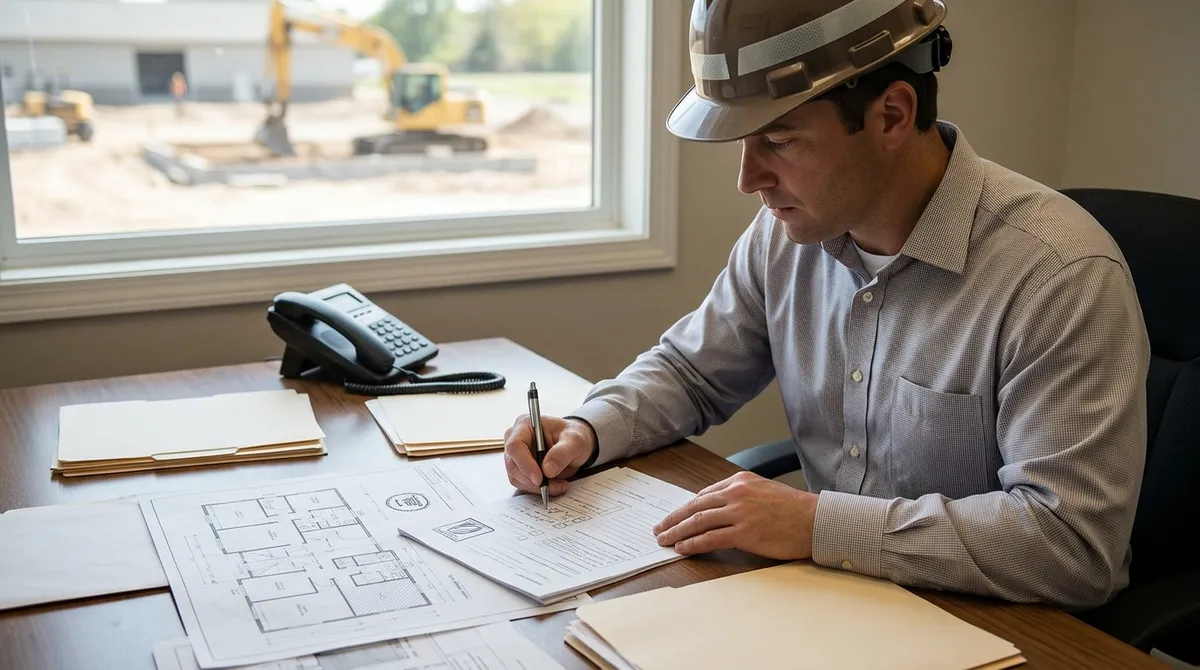
This step is non-negotiable. You must have proper permits before any demolition work begins. Skipping this can lead to fines, project delays, and legal headaches you really don’t want.
In the Las Vegas area, you’ll need to follow the Las Vegas demolition permit guidelines set by the city’s building safety department. Projects in unincorporated areas fall under the Clark County Building Department.
Here’s a simple overview of what the permitting process typically involves:
- Submit a demolition permit application to the appropriate local authority.
- Provide a site plan, property information, and contractor details.
- Undergo a pre-demolition inspection, especially for older homes.
- Get approval and post the permit visibly on the job site.
- Schedule required inspections during and after the work.
Your demolition contractor should be familiar with local permit requirements. A licensed pro can often handle much of this paperwork for you, which saves time and stress. Learn more about why a licensed demolition contractor is essential for your project.
Step 3: Disconnect All Utilities
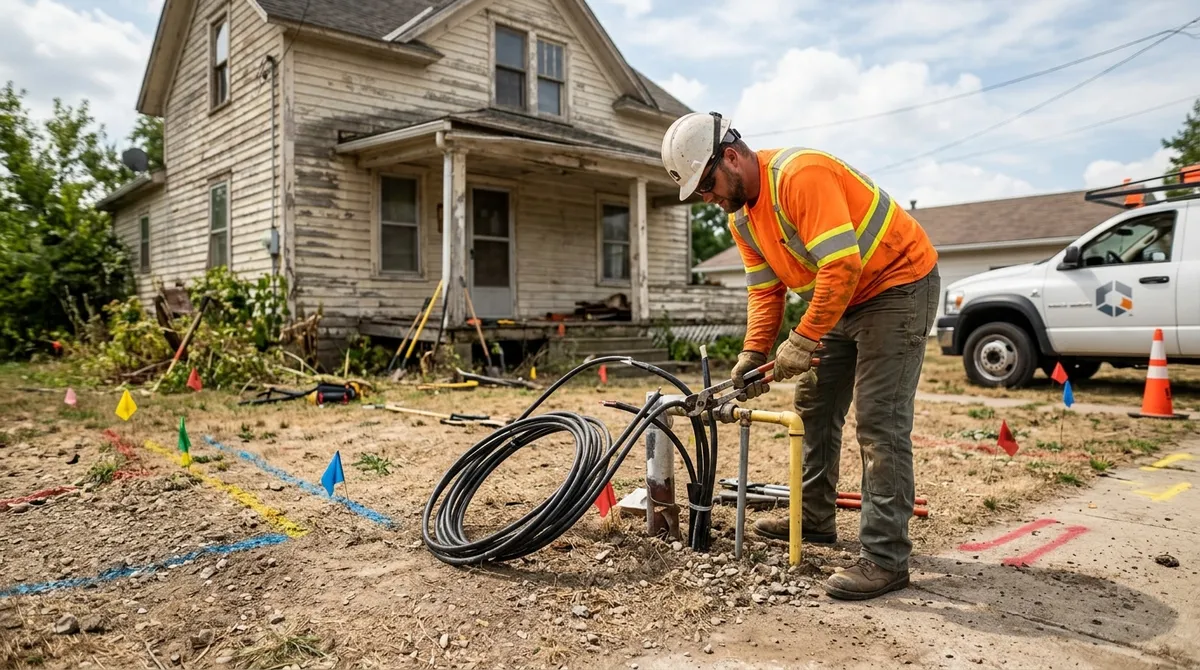
Utility disconnection must happen before any demolition begins. This is a safety requirement — not optional. Active gas lines, electrical systems, or water pipes on a demo site can cause serious accidents.
Here’s what needs to be disconnected:
- Electricity (contact your utility provider to shut off and cap service)
- Natural gas (your gas company must perform this disconnect)
- Water and sewer lines (requires coordination with the city or municipality)
- Cable, internet, and phone lines
Get written confirmation from each utility provider that services have been disconnected. Your demolition contractor will likely ask for this documentation before starting work.
Step 4: Test for Hazardous Materials
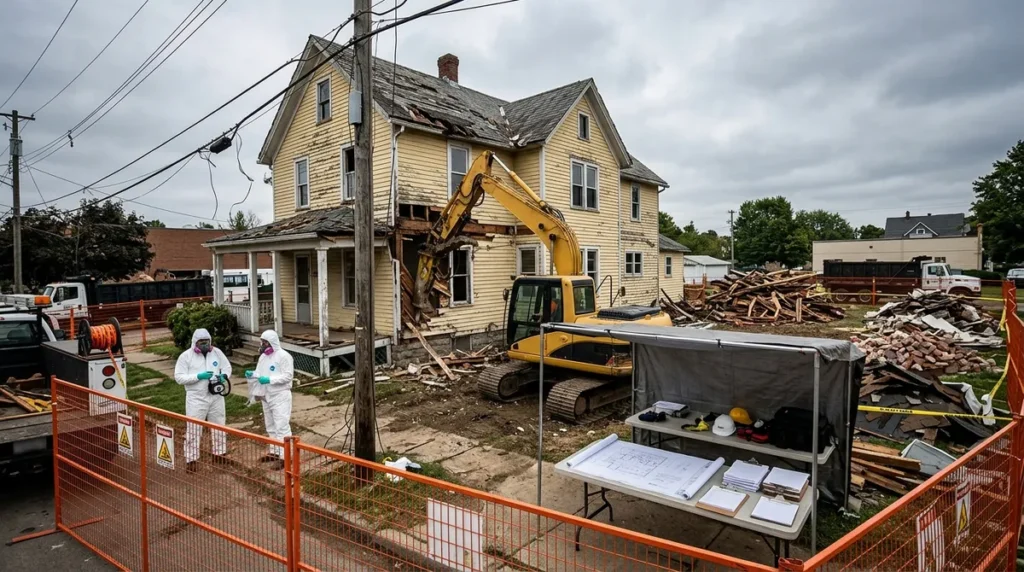
Older homes — especially those built before 1980 — may contain hazardous materials. The most common are asbestos and lead-based paint. Disturbing these materials without proper handling can be dangerous to workers and the surrounding community.
Before demolition begins, a certified inspector should test the property. If hazardous materials are found, abatement (safe removal and disposal) must be done first. This is a legal requirement in most jurisdictions, including Nevada.
Here’s a quick reference table for common hazardous materials found in older homes:
| Material | Common Location in Home | Risk Level | Required Action |
|---|---|---|---|
| Asbestos | Insulation, floor tiles, roofing | High | Professional abatement required |
| Lead paint | Walls, trim, window frames | Medium-High | Certified removal and disposal |
| Mold | Bathrooms, basements, walls | Medium | Remediation before demolition |
| Mercury (in thermostats) | HVAC systems | Low-Medium | Proper disposal per local rules |
Don’t skip this step. Proper hazardous material handling protects your health, your workers, and your neighbors.
Step 5: Choose Your Demolition Method
Once permits are in place and the site is prepped, it’s time to choose how the home will actually come down. The method depends on the structure size, location, materials, and your project goals.
Common demolition methods include:
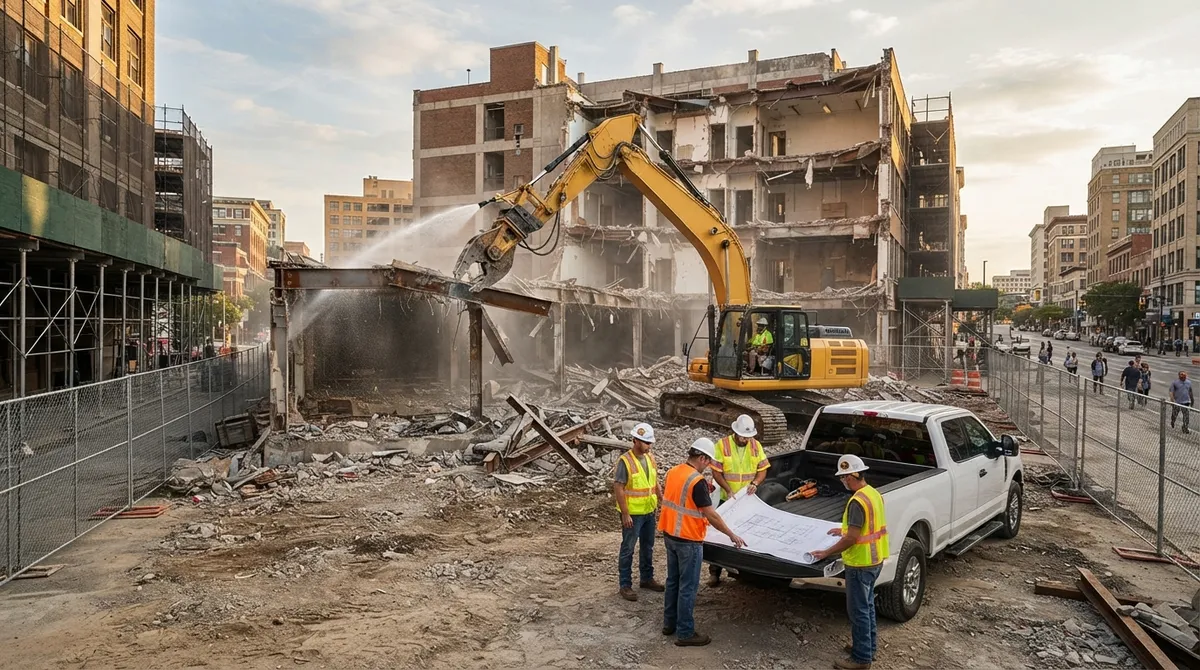
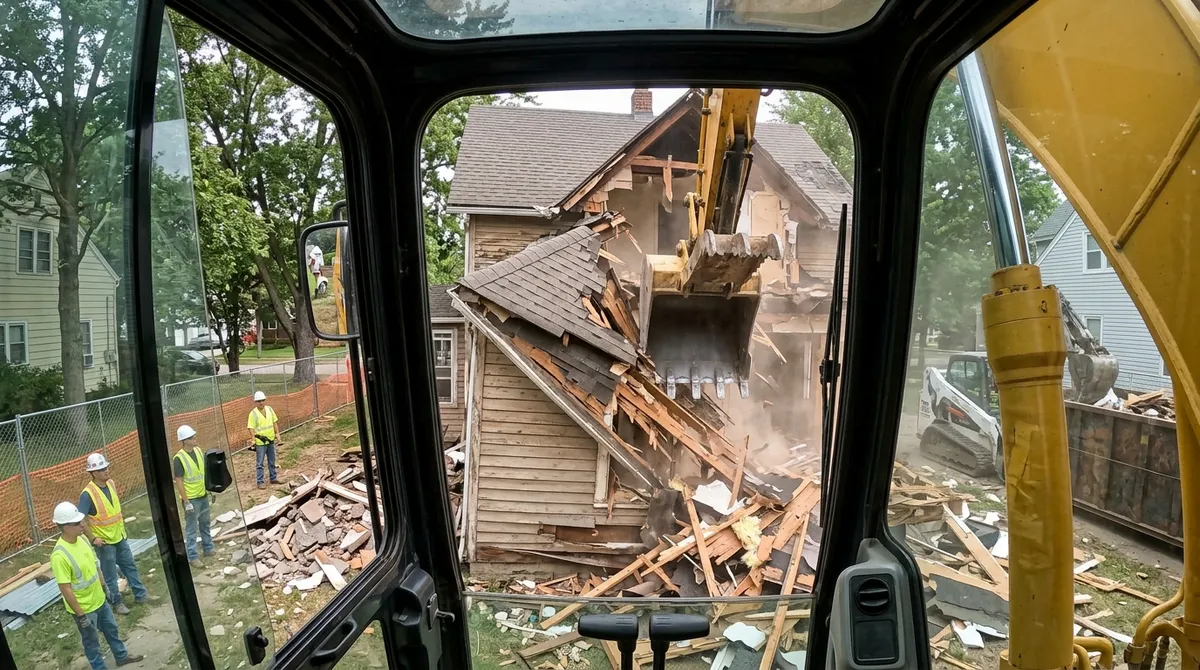
- Mechanical demolition: Heavy equipment like excavators and bulldozers tear down the structure quickly. This is the most common method for full teardowns.
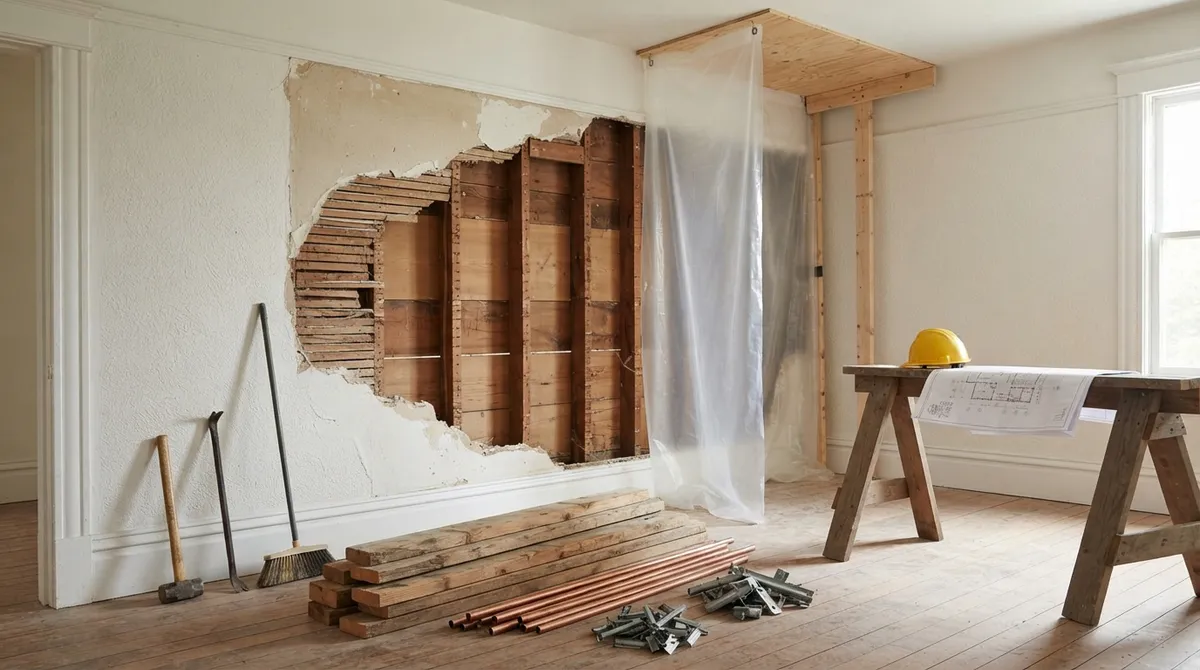
- Selective or soft strip demolition: Workers manually remove specific elements like drywall, flooring, or fixtures before heavy equipment moves in.
- Deconstruction: A slower, more labor-intensive process that focuses on salvaging reusable materials. This supports sustainability and can reduce disposal costs.
For full building demolition projects in the Las Vegas area, mechanical methods are typically fastest. But for renovation-focused work, selective demolition may be the better fit. Talk to your contractor about what makes sense for your specific project.
Step 6: Hire a Licensed Demolition Contractor
This is arguably the most important step. Hiring the right contractor can make or break your project. A licensed, experienced demolition contractor brings the right equipment, knowledge, and safety practices to the job.
Here’s what to look for when hiring a residential demolition contractor:
- Licensing and insurance: Make sure the contractor holds a valid Nevada contractor’s license and carries both liability insurance and workers’ comp.
- Experience with residential projects: Ask about past residential home demolition jobs and request references.
- Permit handling: A good contractor will manage or assist with permitting on your behalf.
- Debris removal plan: Ask how they handle cleanup, hauling, and recycling after demolition.
- Hazmat experience: Confirm they are qualified to handle or coordinate asbestos and lead abatement if needed.
702 Demo is a trusted, full-service demolition contractor serving all of Clark and Nye counties in Nevada. With decades of hands-on experience, they handle everything from permitting to site cleanup. See what 702 Demo customers are saying on Google and find out why they’re the top choice for residential projects across the Las Vegas area.
To explore more about finding the right team, read how to find the right residential demolition company for your needs.
Step 7: Manage Debris and Site Cleanup
After a home comes down, you’ve got a lot of material to deal with. Proper debris management is a critical part of any residential home demolition project. This isn’t just about tidiness — it’s also about environmental responsibility and local regulations.
Here’s how debris is typically handled after demolition:
- Sorting on-site: Materials are separated by type — concrete, metal, wood, drywall, and hazardous waste.
- Recycling salvageable materials: Concrete, steel, and brick can often be recycled. This reduces disposal costs and supports sustainability goals.
- Hauling and disposal: Remaining debris is loaded and hauled to approved disposal facilities. Check out professional hauling services to make this step seamless.
- Site grading and cleanup: Once debris is cleared, the lot is graded and prepared for the next phase of your project. Excavating and grading services ensure your site is level and ready to build on.
Recycling salvaged materials is a growing trend in the demolition industry. It helps reduce landfill waste and can even lower overall project costs. Many contractors now prioritize material recovery as part of their standard process.
Demolition vs. Deconstruction: Which Is Right for You?
Here’s a simple comparison to help you decide:
| Factor | Demolition | Deconstruction |
|---|---|---|
| Speed | Fast (days) | Slower (weeks) |
| Cost | Generally lower upfront | Higher labor costs |
| Material recovery | Limited | High — salvages wood, brick, fixtures |
| Best for | Full site clearing, urgent timelines | Renovation projects, sustainability goals |
| Waste generated | More debris to dispose of | Less waste, more reuse |
Many modern projects use a hybrid approach — deconstructing valuable elements first, then demolishing what remains. Talk to your contractor about what fits your timeline and budget. For more insight, explore 7 things to know about residential demolition services.
Tips to Keep Your Demolition Project on Track
A well-planned project runs smoothly. Here are some practical tips to help everything go as planned:
- Start the permit process early — it can take weeks to get approval.
- Notify your neighbors before work begins. It’s just good manners (and sometimes required by local ordinances).
- Document the property with photos before demolition starts — this helps with insurance and records.
- Work with a contractor who can handle multiple services: demolition, hauling, grading, and concrete removal.
- Ask about a timeline upfront and build in buffer time for unexpected discoveries like hidden utilities or hazmat issues.
If your project involves removing concrete structures like driveways, patios, or foundations, check out concrete removal services that can be bundled with your demolition work for a more efficient site prep process.
Conclusion: Start Your Residential Home Demolition the Right Way
Residential home demolition doesn’t have to be stressful. With the right planning, the right permits, and the right contractor, you can take a structure from standing to cleared in a matter of days. The key is taking each step seriously — from hazmat inspections to final site grading.
Whether you’re a homeowner starting fresh, a developer preparing a lot, or a contractor managing a renovation, the process works best when it’s handled by experienced professionals who know the local rules and have the right equipment for the job.
Ready to get started? Reach out to 702 Demo for a free project estimate and find out how our team can handle your residential home demolition from start to finish — safely, efficiently, and on schedule. We proudly serve all of Clark and Nye counties in Nevada.
FAQs
Q: Do I need a permit to demolish a residential home?
A: Yes! Permits are required before any residential home demolition can begin. In the Las Vegas area, you’ll need to apply through the city or Clark County Building Department depending on your property’s location. Your demolition contractor can often help you navigate this process — it’s one less thing to stress about!
Q: How long does a residential home demolition take?
A: A full residential home demolition typically takes anywhere from one to five days once work begins, depending on the size of the structure and the method used. Keep in mind that the prep work — permits, utility disconnections, and hazmat testing — can add several weeks before the actual teardown starts. Planning ahead makes a big difference!
Q: What happens to debris after a home is demolished?
A: After demolition, debris is sorted on-site. Recyclable materials like concrete, steel, and brick are separated and sent for recycling, while remaining waste is hauled to approved disposal facilities. A full-service contractor handles all of this for you, so you don’t have to worry about a single scrap left behind.
Q: Can asbestos or lead paint affect my home demolition project?
A: Absolutely — and this is something to take seriously. Homes built before 1980 may contain asbestos or lead-based paint, which must be safely removed by certified professionals before demolition begins. This is a legal requirement in Nevada and most other states. The good news is that experienced demolition contractors can coordinate abatement services as part of the overall project.
Q: What is the difference between demolition and deconstruction?
A: Demolition uses heavy equipment to quickly tear down a structure, while deconstruction is a careful, manual process that salvages reusable materials like wood, brick, and fixtures. Demolition is faster and better for tight timelines, while deconstruction is ideal when sustainability or material recovery is a priority. Many projects use a mix of both approaches!