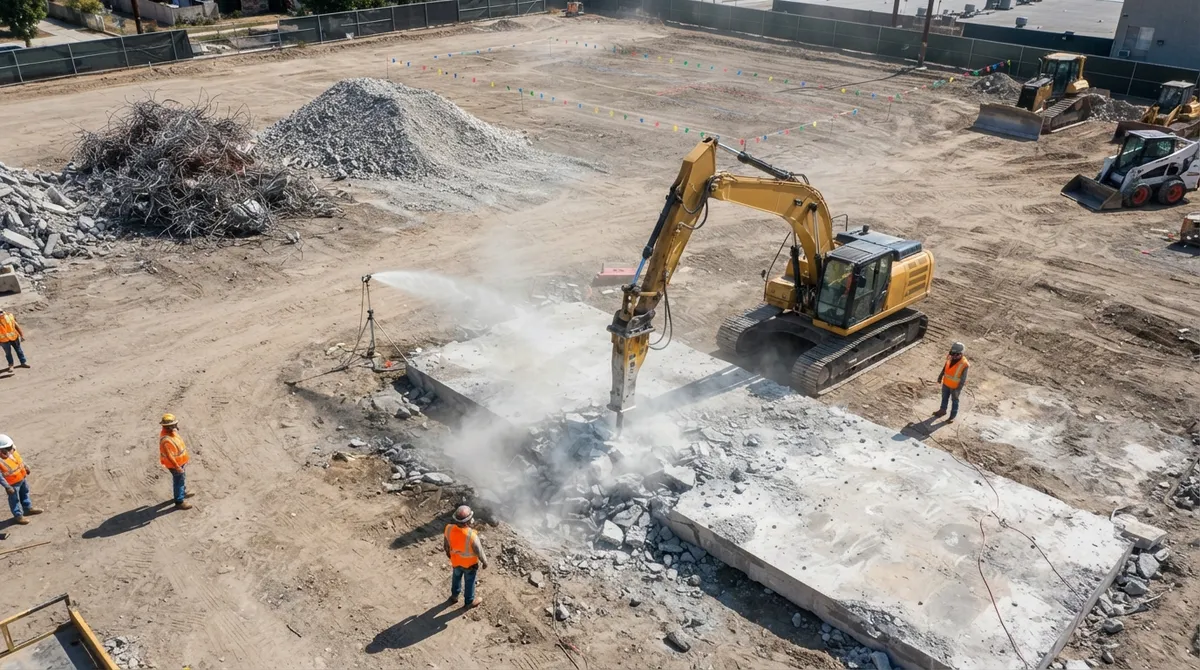

Key Takeaways
-
The North Las Vegas City Hall demolition will create a 19-acre mixed-use development with housing, commercial spaces, and public areas, investing $112.2 million into the local economy.
-
The Tropicana Hotel site is being transformed into a new MLB stadium for the Oakland Athletics, with Nevada contributing $380 million in public subsidy.
-
LVXP Entertainment Venue project will revitalize the North Strip with a 27-acre development featuring an 18,000-seat arena, multiple towers, and retail spaces.
-
Tilman Fertitta is building a 43-story luxury casino hotel on the Strip, replacing a Travelodge and adding 2,420 rooms and a 2,500-seat theater.
-
Midtown Las Vegas development plans to add 3,000 residential units and 100,000 square feet of commercial space, transforming downtown into a vibrant urban neighborhood.
Las Vegas is changing right before our eyes. The city that never sleeps is tearing down old buildings to make room for exciting new projects. From casinos to city halls, Las Vegas demolition work is reshaping the famous Strip and surrounding areas in ways we haven’t seen in years.
If you’ve driven through Las Vegas lately, you’ve probably noticed the construction cranes and demolition sites. These aren’t just random teardowns. Each project represents millions of dollars in investment and thousands of new jobs. The city is betting big on its future, and demolition work is the first step in that transformation.
Whether you’re a local resident, business owner, or just curious about what’s happening in Sin City, understanding these demolition projects helps you see where Las Vegas is headed. Let’s explore the major demolitions reshaping our city and what they mean for the future of Southern Nevada.
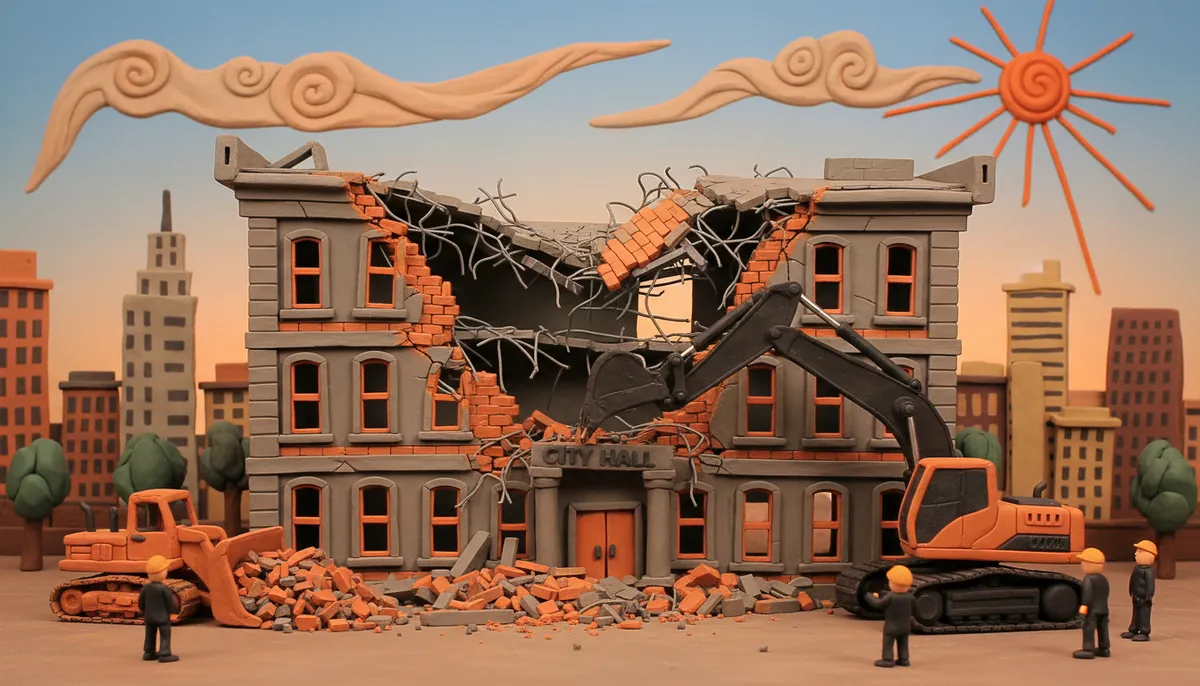
1. North Las Vegas City Hall Demolition Kicks Off Major Redevelopment
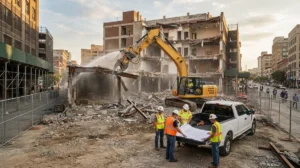
The demolition of the former North Las Vegas City Hall started on January 21, 2026. This marks a huge turning point for the area. The old building at 2200 Civic Center Drive served the community for decades, but it’s time for something new.
The demolition team expects to finish clearing the site by Spring 2027. That might seem like a long time, but building demolition services for structures this size require careful planning and execution. Safety comes first, especially in busy urban areas.
What’s replacing the old city hall? A massive 19-acre mixed-use development that will include:
- A modern civic building for city operations
- Multifamily housing units to address the housing shortage
- Commercial spaces for shops and restaurants
- Public gathering areas for community events
The developer, Agora, has big plans for this space. The project will pump $112.2 million into the local economy during construction. Even better, it will generate $20.5 million in economic activity every year once it’s complete. Those numbers mean real jobs and real opportunities for North Las Vegas residents.
This demolition shows how cities can reimagine old government buildings. Instead of letting them sit empty or decay, North Las Vegas chose to create something that serves multiple needs at once.

2. Tropicana Hotel Demolition Makes Way for Baseball Stadium
The iconic Tropicana hotel came down to clear space for Las Vegas’s newest sports venue. The demolition wrapped up, and now construction crews are building a brand-new Major League Baseball stadium for the Oakland Athletics, who are relocating to Las Vegas.
As of January 19, 2026, construction is well underway. The stadium is scheduled to open in 2028, giving baseball fans in Nevada their first-ever MLB team. This isn’t just about sports. It’s about putting Las Vegas on the map as a major league city in every sense.
The Las Vegas demolition permit guidelines played a crucial role in planning this massive project. Tearing down a casino isn’t like demolishing a regular building. These structures contain tons of materials that need proper handling and disposal.
Nevada contributed $380 million to help build the stadium. That’s one of the largest public subsidies for an MLB stadium ever. Some people question whether that’s a good use of taxpayer money. Others see it as an investment that will bring tourists and boost the local economy for decades.
| Stadium Feature | Details |
|---|---|
| Opening Date | 2028 |
| Team | Oakland Athletics (relocating) |
| Location | Former Tropicana site, Las Vegas Strip |
| Nevada Subsidy | $380 million |
| Economic Impact | Expected to generate significant tourism revenue |
The Tropicana demolition represents the end of an era. The hotel opened in 1957 and hosted countless celebrities over the years. But in Las Vegas, nostalgia takes a back seat to progress. The city constantly reinvents itself, and the new stadium is just the latest chapter in that story.

3. LVXP Entertainment Venue Plans Transform North Strip
The North Strip is getting a massive makeover with the LVXP Entertainment Venue project. This 27-acre development will feature multiple towers, an 18,000-seat arena, a casino, and retail spaces. It’s one of the most ambitious projects announced for Las Vegas in recent years.
Before construction can begin, existing structures on the site need to come down. That’s where Las Vegas demolition contractors like 702 Demo play a vital role. Clearing large sites safely and efficiently requires specialized equipment and experienced crews.
The planned arena will be NBA-ready, meaning Las Vegas could potentially attract a professional basketball team. The city already has the NHL’s Golden Knights and soon the MLB’s Athletics. Adding an NBA team would complete the trifecta of major American sports leagues.
Both Clark County and the FAA have approved the project. Getting FAA approval is crucial because the North Strip sits near flight paths. Any tall building needs clearance to ensure it doesn’t interfere with aircraft safety.
What Makes LVXP Special
This isn’t just another casino project. LVXP aims to create a destination within a destination. The mix of hotel rooms, condos, entertainment, and shopping means visitors might spend their entire Vegas trip at this one complex.
- Hotel and condo towers will provide thousands of rooms
- The 18,000-seat arena will host concerts, sporting events, and conventions
- Casino space will compete with established Strip properties
- Retail areas will feature high-end shops and restaurants
The project is still in planning stages, with construction expected to begin after demolition wraps up. The timeline points toward completion around 2028, though large developments often face delays.

4. Tilman Fertitta’s 43-Story Casino Hotel Project
Restaurant and casino mogul Tilman Fertitta is building a stunning 43-story casino hotel at the corner of Las Vegas Boulevard and Harmon Avenue. The site previously held a Travelodge, which had to be demolished to make room for this luxury development.
The new property will include 2,420 rooms and a 2,500-seat theater. Fertitta aims to open the doors in 2026, which means construction is moving at lightning speed. Las Vegas is known for building things fast, but this timeline is ambitious even by local standards.
Fertitta already owns the Golden Nugget casinos and the Landry’s restaurant empire. This new property will be his flagship Las Vegas resort, designed to compete directly with the biggest names on the Strip.
Demolishing the old Travelodge required careful coordination. The site sits in a busy area with heavy foot and vehicle traffic. Interior demolition services teams had to work quickly while maintaining safety for everyone nearby.
| Feature | Specification |
|---|---|
| Height | 43 stories |
| Rooms | 2,420 |
| Theater Seats | 2,500 |
| Target Opening | 2026 |
| Location | Las Vegas Blvd & Harmon Ave |
This project shows how valuable Strip land has become. A modest Travelodge property transformed into a multimillion-dollar construction site almost overnight. That’s the power of Las Vegas real estate in 2026.
5. Midtown Las Vegas Development Reshapes Downtown
While everyone focuses on the Strip, downtown Las Vegas is experiencing its own renaissance. The Midtown Las Vegas project plans to add 3,000 residential units and 100,000 square feet of commercial space by 2030.
This development requires demolishing several older buildings in the area. Some of these structures have been around since the 1960s and 1970s. They served their purpose, but now they’re making way for modern housing and businesses.
Downtown Las Vegas has struggled for years to compete with the Strip. This project aims to change that by creating a true urban neighborhood where people can live, work, and play without needing a car.
Why Downtown Demolition Matters
Tearing down old downtown buildings might seem sad to some residents. These structures hold memories and represent Las Vegas history. But leaving them vacant and deteriorating helps no one.
- Old buildings become safety hazards over time
- Vacant properties attract crime and reduce property values
- New construction creates jobs and economic activity
- Modern buildings use energy more efficiently
- Updated infrastructure supports growing populations
The Clark County Building Department oversees all demolition and construction permits. They ensure every project meets safety codes and environmental regulations. This protects workers, residents, and the environment.
6. Warner Bros. Studios Expansion Clears Industrial Land
Warner Bros. Studios is expanding its Las Vegas presence in a big way. The project involves demolishing existing industrial buildings to create state-of-the-art production facilities. This positions Las Vegas as a major filmmaking hub, not just a tourist destination.
The demolition work began in late 2025 and continues into 2026. Clearing industrial sites presents unique challenges. These properties often contain hazardous materials that require special handling. Professional demolition contractors must identify and properly dispose of materials like asbestos, lead paint, and chemical residues.
Las Vegas has been attracting more film and TV production work in recent years. Nevada offers tax incentives for productions, and the variety of landscapes within driving distance makes it ideal for filming. The Warner Bros. expansion cements the city’s status as “Hollywood East.”
- Clear existing industrial structures safely
- Remove contaminated soil if necessary
- Grade the land for new construction
- Build modern soundstages and production offices
- Create jobs for local film industry workers
This project is part of the $20 billion in megaprojects transforming Las Vegas. That’s not a typo. Twenty billion dollars in construction and development is happening right now. That level of investment shows how much confidence businesses have in Las Vegas’s future.
7. Vegas Loop Tunnel Expansion Requires Strategic Demolitions
The Vegas Loop is Elon Musk’s tunnel system designed to move people around Las Vegas quickly. As the system expands, some buildings and structures need to come down to make room for new stations and access points.
These demolitions are smaller in scale than casino teardowns, but they’re just as important. Concrete removal services play a big role in preparing tunnel entry points. Crews must carefully excavate and remove concrete without damaging nearby utilities or structures.
The Vegas Loop already connects the Las Vegas Convention Center to several Strip properties. Future expansion plans include connections to the airport, downtown, and residential areas. Eventually, the system could reduce traffic congestion throughout the valley.
Underground Construction Challenges
Building underground requires different demolition techniques than surface projects. Contractors must consider:
- Underground utilities like water, gas, and electrical lines
- Soil stability and geological conditions
- Groundwater levels and drainage
- Vibrations that could affect nearby buildings
- Access for equipment in tight spaces
The Vegas Loop project shows how infrastructure development drives demolition needs. As cities grow and modernize, old infrastructure must make way for new systems. It’s a constant cycle of destruction and creation.
8. Residential Demolitions Support New Housing Developments
While big casino and entertainment projects grab headlines, residential demolitions are happening throughout Las Vegas. Older homes are being torn down to make room for new housing developments that meet modern standards and buyer expectations.
Las Vegas faces a housing shortage like many American cities. Demolishing older, smaller homes and replacing them with larger developments helps address this need. It’s not always popular with existing residents, but it’s necessary for a growing city.
Visit us on Google to see reviews from homeowners who’ve worked with professional demolition contractors. The right team makes the process smooth and stress-free.
These residential projects typically involve:
- Single-family homes built in the 1960s-1980s
- Properties in desirable locations near the Strip or Henderson
- Homes that need extensive repairs making demolition more cost-effective
- Lots being combined for larger developments
| Demolition Type | Typical Timeline | Common Challenges |
|---|---|---|
| Single-family home | 1-3 days | Utility disconnection, debris removal |
| Multi-unit property | 1-2 weeks | Asbestos abatement, neighbor concerns |
| Large complex | 1-3 months | Permits, environmental issues, phasing |
Homeowners considering demolition should work with licensed, insured contractors. 702 Demo specializes in residential demolition projects throughout Clark and Nye counties. They handle everything from permits to final cleanup.
9. Commercial Strip Renovations Drive Interior Demolitions
Not every Las Vegas demolition involves tearing down entire buildings. Many casinos and hotels are doing major interior renovations that require extensive demolition work. This keeps properties competitive without the cost of building from scratch.
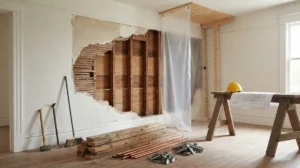
Interior demolition is tricky work. Crews must remove walls, fixtures, and systems while keeping the building’s structure intact. It requires precision and experience. One wrong move could damage critical support beams or utility systems.
Strip properties regularly update their looks to stay fresh. What was cutting-edge design in 2015 looks dated in 2026. Interior demolition services help these properties reinvent themselves without starting over completely.
What Gets Demolished Inside Casinos
Interior demolition projects in Las Vegas casinos and hotels typically include:
- Old casino floors with outdated slot machines and table games
- Restaurant spaces being redesigned for new concepts
- Hotel rooms getting complete makeovers
- Pool areas and entertainment venues
- Back-of-house areas like kitchens and storage
These projects generate huge amounts of waste. Professional demolition companies sort materials for recycling whenever possible. Metal, wood, and concrete can often be recycled rather than sent to landfills. This reduces environmental impact and sometimes lowers project costs.
How Las Vegas Demolition Supports Economic Growth
All these demolition projects aren’t just about tearing things down. They’re investments in Las Vegas’s future. Each cleared site represents an opportunity for new development, new jobs, and new tax revenue.
The construction industry is one of Nevada’s largest employers. Demolition work is the first step in every construction project. Without demolition contractors, none of these megaprojects could move forward. Companies like 702 Demo play a crucial behind-the-scenes role in the city’s transformation.
Consider the economic ripple effects:
- Demolition crews get hired for the initial teardown
- Construction workers build the new project
- New businesses open in the completed development
- Those businesses hire employees
- Employees spend money in the local economy
- Property values increase in surrounding areas
The North Las Vegas redevelopment alone will generate $112.2 million during construction and $20.5 million annually after completion. Multiply that across all the projects happening in 2026, and you see why Las Vegas is booming.
Environmental Considerations in Modern Demolition
Today’s demolition projects must follow strict environmental regulations. Gone are the days of simply knocking down buildings and hauling everything to the dump. Modern demolition prioritizes recycling, proper disposal of hazardous materials, and minimizing environmental impact.
Before demolition begins, crews conduct thorough inspections for hazardous materials. Common concerns include:
- Asbestos in insulation and building materials
- Lead paint on walls and fixtures
- PCBs in electrical equipment
- Underground storage tanks
- Contaminated soil
Professional contractors like 702 Demo handle these materials according to federal and state regulations. They have the training and certifications required to safely remove and dispose of hazardous waste.
Excavating and grading services often follow demolition work. Once a building is down, the site needs proper grading for the next phase of development. This involves removing debris, leveling the land, and preparing utilities.
The Future of Las Vegas Demolition
What’s next for Las Vegas demolition? More of the same, probably. The city shows no signs of slowing down its development pace. As long as tourists keep coming and businesses keep investing, old structures will make way for new ones.
Some people worry about losing Las Vegas’s history. Every demolished casino or hotel erases a piece of the city’s past. But Las Vegas has always been about the future, not the past. The city reinvents itself every generation.
Technology is changing demolition work too. New equipment makes the process faster and safer. Better recycling methods reduce waste. And improved planning helps minimize disruption to surrounding areas.
The next few years will see even more major demolitions. Several older Strip properties are reaching the end of their useful lives. Their locations are too valuable to leave unchanged. Expect more announcements about iconic properties coming down to make room for the next generation of Las Vegas attractions.
If you’re planning a demolition project in Las Vegas, whether residential or commercial, choosing the right contractor matters. Look for companies with proper licensing, insurance, and experience. Check reviews and ask for references. A good demolition contractor makes the process smooth and handles all the details.
Hauling services are an often-overlooked part of demolition work. All that debris has to go somewhere. Professional contractors have the trucks and disposal relationships to handle waste efficiently and legally.
Conclusion: Las Vegas Demolition Builds Tomorrow’s City
Las Vegas demolition work in 2026 represents more than just tearing down old buildings. It’s about creating space for the city’s next chapter. From the North Las Vegas City Hall redevelopment to the new baseball stadium to countless other projects, demolition crews are literally reshaping the landscape.
These projects bring economic benefits, create jobs, and position Las Vegas for continued growth. Yes, some history gets lost along the way. But that’s the price of progress in a city that’s always looking forward, never back.
Whether you’re a resident watching your neighborhood transform or a business owner planning your own project, understanding the demolition boom helps you see where Las Vegas is headed. The city that built its reputation on reinvention is doing it again in spectacular fashion.
Need professional demolition services for your Las Vegas project? Contact 702 Demo for a free estimate and discover why they’re the trusted choice for residential and commercial demolition throughout Southern Nevada. Their experienced team handles everything from small residential teardowns to large commercial projects with the same attention to safety and quality.
FAQs
Q: How long does it take to demolish a building in Las Vegas?
A: The timeline depends on the size and type of building you’re demolishing. A single-family home typically takes 1-3 days to tear down. Larger commercial buildings or casinos can take anywhere from several weeks to several months, especially when you factor in permits, hazardous material removal, and site preparation work.
Q: Do I need a permit for demolition work in Las Vegas?
A: Yes, you absolutely need permits for demolition work in Las Vegas. Both the city and Clark County require permits before you can demolish any structure. Professional demolition contractors like 702 Demo handle the permit process for you, ensuring all paperwork meets local regulations and building codes.
Q: What happens to materials after a building is demolished?
A: Modern demolition prioritizes recycling and proper disposal of materials. Concrete, metal, and wood are often recycled rather than sent to landfills. Hazardous materials like asbestos and lead paint require special handling and disposal according to environmental regulations. Your demolition contractor should sort materials and maximize recycling to reduce environmental impact.
Q: How much does demolition cost in Las Vegas?
A: Demolition costs vary widely based on the size of the structure, location, materials involved, and complexity of the project. Residential home demolitions might range from a few thousand dollars to tens of thousands. Commercial projects can cost hundreds of thousands or even millions. The best approach is to get a detailed estimate from a licensed contractor who can assess your specific situation.
Q: What’s the difference between demolition and deconstruction?
A: Demolition involves tearing down a structure quickly, usually with heavy machinery. Deconstruction is a slower process where the building is carefully taken apart piece by piece to salvage materials for reuse. Deconstruction costs more and takes longer, but it maximizes material recovery and is more environmentally friendly. Most Las Vegas projects use traditional demolition methods due to time and cost considerations.