Key Takeaways
-
Verify the contractor’s Nevada state license, checking its current status and proper classification for your specific demolition project.
-
Confirm comprehensive insurance coverage, including general liability, workers’ compensation, and pollution liability with minimum $1 million coverage.
-
Check the contractor’s safety records, including Experience Modification Rate (EMR) and Total Recordable Incident Rate (TRIR) to assess their workplace safety performance.
-
Verify hazardous material certifications, especially for EPA asbestos and lead paint removal, critical for projects involving older structures.
-
Review the contractor’s portfolio of similar past projects and request references to validate their experience and project execution capability.
-
Demand a detailed written contract that specifies complete scope of work, payment schedule, timeline, and includes all necessary permits and insurance certificates.
Choosing the right demolition contractor can make or break your project. Whether you’re tearing down a residential structure, removing an old pool, or clearing a commercial site, the contractor you hire determines your project’s safety, timeline, and final cost. A good contractor protects you from liability and gets the job done right. A bad one can leave you with legal headaches, safety violations, and expensive cleanup costs.
In Clark and Nye counties, demolition work requires specific knowledge of local regulations, proper equipment, and skilled crews. You need a contractor who understands Nevada’s unique requirements and has a proven track record. This guide walks you through eight essential tips to help you make the best choice for your demolition project in 2026.
Let’s dive into what you need to know before signing any contracts.

1. Verify Proper Licensing and State Credentials
Your first step is checking if the contractor holds a valid Nevada contractor’s license. Every demolition contractor in Nevada must be licensed through the Nevada State Contractors Board. This isn’t just a formality. It means they’ve met minimum standards for experience, financial responsibility, and knowledge of construction laws.
Ask to see their license number and verify it online through the Nevada State Contractors Board website. The license should be current and in good standing. Check for any disciplinary actions or complaints against them. A contractor who hesitates to share their license information is a red flag you can’t ignore.
Different types of demolition work may require specific license classifications. For example, building demolition services might need a different classification than smaller jobs. Make sure their license covers the scope of your project. Don’t assume all demolition contractors can handle every type of job legally.
What to Look for in License Verification
- Current license status with no suspensions or revocations
- Proper classification for your specific demolition type
- License bond that protects you financially
- Good standing with the Nevada State Contractors Board
- No history of serious complaints or violations

2. Confirm Comprehensive Insurance Coverage
Insurance protects you from financial disaster if something goes wrong during demolition. Your contractor must carry several types of insurance. General liability insurance covers property damage and injuries to third parties. Workers’ compensation protects you if a crew member gets hurt on your property. Pollution liability insurance addresses environmental hazards like asbestos or lead.
Don’t just take their word for it. Ask for certificates of insurance directly from their insurance company. These certificates should show current coverage with adequate limits. For most demolition projects in Nevada, you want to see at least $1 million in general liability coverage. Larger commercial projects may require $2 million or more.
Call the insurance company listed on the certificate to verify coverage is active. Insurance policies can lapse, and you need to know coverage is in place before work begins. If a contractor can’t provide proof of insurance, walk away immediately. You’re risking your property and personal assets.
Essential Insurance Types
- General liability insurance (minimum $1 million)
- Workers’ compensation insurance for all crew members
- Pollution liability for hazardous material handling
- Vehicle insurance for all equipment and trucks
3. Evaluate Safety Records and OSHA Compliance
Safety should be your top priority when choosing a demolition contractor. Demolition is dangerous work with risks of falls, structural collapse, and exposure to hazardous materials. A contractor’s safety record tells you how seriously they take worker protection and site safety.
Ask about their Experience Modification Rate (EMR). This number compares their workers’ compensation claims to industry averages. An EMR below 1.0 shows they have fewer accidents than typical contractors. It’s a strong indicator of a solid safety culture. Anything above 1.0 suggests more accidents than average, which is a warning sign.
Request their Total Recordable Incident Rate (TRIR) as well. This measures the frequency of work-related injuries. Lower numbers mean fewer incidents. Also ask about their OSHA compliance. Do they have any citations or violations? How do they train workers on safety? A good contractor will have written safety plans and regular training programs.
Safety Metrics to Request
- Experience Modification Rate (EMR) below 1.0
- Total Recordable Incident Rate (TRIR) for recent years
- OSHA violation history and citations
- Safety training programs and certifications
- Site-specific safety plans for your project

4. Check Hazardous Material Certifications
Many demolition projects in Nevada involve hazardous materials. Older buildings often contain asbestos in insulation, flooring, or ceiling tiles. Lead paint is common in structures built before 1978. These materials require special handling, and improper removal can expose you to serious liability.
Your contractor needs specific certifications to handle hazardous materials legally. For asbestos abatement, they must be certified through the EPA and Nevada Division of Environmental Protection. Lead paint removal requires EPA certification as well. These certifications prove they know how to test, contain, and dispose of hazardous materials safely.
Ask directly if they handle hazardous material removal or if they subcontract it out. If they subcontract, verify the subcontractor’s certifications too. You’re responsible for proper handling regardless of who does the work. Interior demolition services often encounter these materials, so certification is essential for most projects.
Required Hazardous Material Certifications
- EPA asbestos abatement certification
- Lead paint removal certification (RRP certified)
- Nevada environmental compliance certifications
- Proper hazardous waste disposal permits
- OSHA training for hazardous material handling
5. Review Experience with Similar Projects
Not all demolition contractors have experience with every type of project. Someone who specializes in commercial buildings may not be the best choice for residential pool removal services. The equipment, techniques, and challenges differ significantly between project types.
Ask for a portfolio of completed projects similar to yours. If you’re demolishing a commercial structure, you want to see other commercial projects they’ve completed. For residential work, look at their residential portfolio. Pay attention to project size, complexity, and location. Have they worked in Clark or Nye counties before? Do they understand local soil conditions and regulations?
Request references from at least three recent clients with similar projects. Call these references and ask specific questions. Was the project completed on time? Did they stay within budget? How did they handle unexpected issues? Would the client hire them again? A contractor who can’t provide recent references for similar work should concern you.
Questions to Ask References
- Was the project completed on schedule?
- Did the final cost match the estimate?
- How did they handle unexpected problems?
- Was the site left clean and safe?
- Would you hire them again for another project?
- How was their communication throughout the project?
6. Assess Financial Stability and Bonding
A contractor’s financial health matters more than you might think. Financially unstable contractors may cut corners, use cheap materials, or abandon projects when cash flow problems hit. You need a contractor who can see your project through to completion.
Ask if they’re bonded. A contractor’s bond protects you if they fail to complete the work or don’t pay subcontractors and suppliers. The bond ensures you’re not left with liens on your property. In Nevada, licensed contractors must maintain a bond, but verify the bond amount is adequate for your project size.
You can also check their credit history and ask how long they’ve been in business. Established companies with years of operation show stability. New companies aren’t automatically bad, but they carry more risk. Ask about their equipment ownership too. Do they own their excavators, trucks, and tools? Or do they rent everything? Equipment ownership suggests financial stability and commitment to the business.
7. Demand Detailed Written Contracts and Estimates
Never start a demolition project without a comprehensive written contract. A good contract protects both you and the contractor by clearly defining expectations, responsibilities, and costs. Verbal agreements aren’t worth the air they’re spoken into.
Your contract should outline the complete scope of work. What structures are being demolished? What’s being removed from the site? How will debris be disposed of? The contract should specify materials, equipment, and methods. It must include a detailed payment schedule tied to project milestones. Never pay the full amount upfront.
The timeline should be clearly stated with start and completion dates. Include provisions for weather delays or unexpected issues. Make sure the contract addresses permits. Who’s responsible for obtaining them? What happens if permits are denied or delayed? The contract should also specify who handles utility disconnections and Las Vegas demolition permit guidelines compliance.
Essential Contract Elements
- Complete scope of work with specific details
- Itemized cost breakdown for all services
- Payment schedule with milestone-based payments
- Project timeline with start and completion dates
- Permit responsibility and compliance requirements
- Insurance certificates attached as exhibits
- Cleanup and debris removal procedures
- Warranty terms and contact information
8. Understand Local Permits and Code Compliance
Every demolition project in Clark and Nye counties requires permits. These permits ensure the work meets safety standards and environmental regulations. Working without proper permits can result in fines, work stoppages, and legal liability. You need a contractor who knows the local permit process inside and out.
Different types of demolition require different permits. Full structure demolition needs different approval than partial demolition or concrete removal services. Your contractor should handle the permit application process, but you should understand what’s required. Ask them to explain which permits are needed and how long approval takes.
Check with the Clark County Building Department if you’re unsure about requirements. They can confirm what permits your project needs. A good contractor will have relationships with local building departments and understand how to navigate the approval process efficiently. They should build permit waiting times into their project schedule.
Common Permit Requirements
- Demolition permits from city or county building departments
- Environmental permits for hazardous material handling
- Right-of-way permits for equipment in public spaces
- Utility disconnection approvals from service providers
- Dust control permits for air quality compliance
- Noise permits for work outside standard hours
Compare Bids Based on Value, Not Just Cost
You’ll likely get several bids for your demolition project. The lowest price isn’t always the best deal. In fact, extremely low bids often signal problems. The contractor may be underinsured, inexperienced, or planning to cut corners.
Compare bids based on total value. Look at what’s included in each estimate. Does it cover hazardous material testing? Debris disposal? Site cleanup? Some low bids exclude essential services that cost you extra later. A higher bid that includes everything may actually save you money.
The National Demolition Association recommends using a selection matrix to evaluate contractors. Rate each contractor on qualifications, experience, safety record, insurance, and price. The best-qualified contractor often provides better value than the cheapest option. You’re not just buying demolition. You’re buying expertise, safety, and peace of mind.
| Evaluation Factor | Weight | What to Assess |
|---|---|---|
| Licensing & Insurance | 25% | Valid credentials, adequate coverage limits |
| Safety Record | 20% | EMR, TRIR, OSHA compliance history |
| Experience | 20% | Similar project portfolio, client references |
| Price & Value | 20% | Total cost including all services |
| Contract Terms | 15% | Clear scope, payment schedule, warranties |
Red Flags to Watch For
Some warning signs should make you think twice about hiring a contractor. If they pressure you to sign quickly or offer a deal that expires soon, be cautious. Legitimate contractors don’t use high-pressure sales tactics. They understand you need time to make an informed decision.
Contractors who can’t provide proof of insurance or licensing are absolutely off-limits. So are those who offer to do the work without permits to save you money. Unpermitted work creates liability issues and can affect your property’s resale value. It’s illegal and puts you at risk.
Be wary of contractors who want large upfront payments. A reasonable deposit is normal, but never pay more than 10-20% before work begins. Payment should be tied to project milestones. Also watch for vague contracts that don’t specify exact work to be done. A professional contractor provides detailed, written estimates and contracts.
Warning Signs to Avoid
- No verifiable license or insurance documentation
- Unwillingness to provide references or portfolios
- Pressure tactics or disappearing special offers
- Requests for large upfront payments
- Offers to skip permits to save money
- Vague contracts without specific details
- No written warranty or guarantee
- Poor communication or delayed responses
Questions to Ask During Contractor Interviews
Schedule in-person meetings with your top contractor candidates. This gives you a chance to assess their professionalism and ask important questions. Come prepared with a list of specific questions about your project.
Ask how they’ll handle site preparation and protect surrounding structures. What equipment will they use? How will they control dust and noise? What’s their plan for unexpected discoveries like underground utilities or hazardous materials? How do they ensure worker safety on the job site?
Discuss their timeline in detail. When can they start? How long will the project take? What factors could cause delays? Ask about their cleanup process. Will they leave the site level and ready for the next phase? Understanding their process helps you evaluate if they’re the right fit for your needs.
Important Interview Questions
- How many years have you been doing demolition work?
- Do you have experience with this type of project?
- What equipment will you use for this job?
- Who will supervise the daily work on site?
- How do you handle hazardous material discoveries?
- What’s your plan for dust and noise control?
- How do you protect neighboring properties?
- What happens if you find unexpected issues?
- Do you guarantee your work, and for how long?
Why Clark County Homeowners and Builders Choose 702 Demo
Finding a demolition contractor who checks all the boxes isn’t easy. You need someone with proper licensing, comprehensive insurance, proven safety records, and real experience in Nevada. You need a team that understands Clark and Nye county regulations and has the equipment to handle any size project.
702 Demo brings all these qualities to every project we undertake. We’re fully licensed and insured with a track record of safe, efficient demolitions throughout southern Nevada. Our team has handled everything from residential pool removals to large commercial building demolitions. We understand the unique challenges of Nevada demolition work, from desert soil conditions to local permitting requirements.
We provide detailed written estimates that include all costs upfront. No surprises, no hidden fees. Our contracts clearly outline scope, timeline, and responsibilities. We handle all permit applications and coordinate with local building departments to keep your project on schedule. Most importantly, we treat every property with respect and leave sites clean and ready for the next phase of construction.
Visit us on Google to see what our clients say about working with us. Their reviews reflect our commitment to quality work, clear communication, and professional service on every project.
Making Your Final Decision
Choosing the right demolition contractor requires careful evaluation of multiple factors. Don’t rush the decision or base it solely on price. Take time to verify credentials, check references, and review contracts carefully. The contractor you choose impacts your project’s success, your property’s safety, and your legal protection.
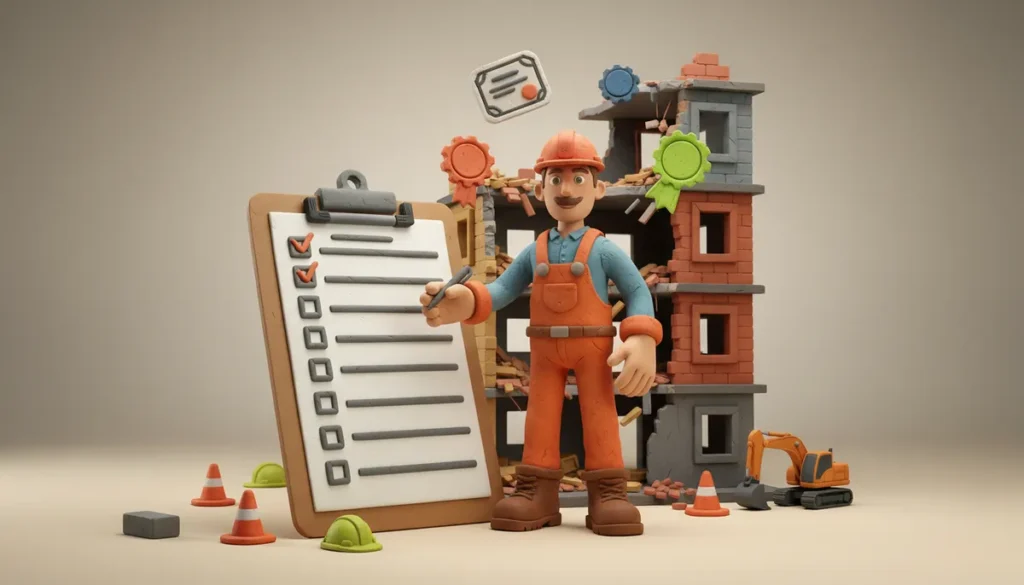
Use the eight tips in this guide as your framework for evaluation. Create a checklist and score each contractor you interview. The right contractor will have proper licensing, comprehensive insurance, strong safety records, and proven experience with projects like yours. They’ll communicate clearly, provide detailed contracts, and handle all permit requirements professionally.
Remember that the cheapest bid often costs more in the long run. Focus on value, qualifications, and fit for your specific project. A quality contractor protects your investment and delivers results you can count on. When you find a contractor who meets all the criteria, you’ll have confidence your demolition project will be completed safely, legally, and to your satisfaction.
Ready to start your demolition project with a contractor you can trust? Contact 702 Demo for a free estimate and experience the difference that professional demolition service makes. We’ll evaluate your project, answer your questions, and provide a detailed proposal that addresses all your needs.
FAQs
Q: What licenses should a demolition contractor have in Nevada?
A: A demolition contractor in Nevada must hold a valid license from the Nevada State Contractors Board with the proper classification for demolition work. The license should be current, in good standing, and cover the specific type of demolition your project requires. Always verify the license online and check for any complaints or disciplinary actions.
Q: How much does insurance coverage should I look for?
A: Your demolition contractor should carry at least $1 million in general liability insurance, plus workers’ compensation and pollution liability coverage. For larger commercial projects, you may need $2 million or more in coverage. Always request certificates of insurance directly from their insurance company and verify coverage is active before work begins.
Q: What is an Experience Modification Rate and why does it matter?
A: The Experience Modification Rate (EMR) compares a contractor’s workers’ compensation claims to industry averages. An EMR below 1.0 indicates fewer accidents than typical contractors and shows a strong safety culture. It’s one of the best indicators of how seriously a contractor takes worker safety and site protection.
Q: Do I need different permits for different types of demolition?
A: Yes, different demolition projects require different permits in Clark and Nye counties. Full structure demolition needs different approvals than partial demolition or concrete removal. Your contractor should handle the permit process and explain what’s required for your specific project, including environmental permits for hazardous materials if needed.
Q: Should I always choose the lowest bid for my demolition project?
A: No, the lowest bid isn’t always the best choice. Extremely low bids often signal problems like inadequate insurance, lack of experience, or plans to cut corners. Compare bids based on total value, including what services are covered, the contractor’s qualifications, safety record, and experience. The best-qualified contractor often provides better long-term value.