Key Takeaways
-
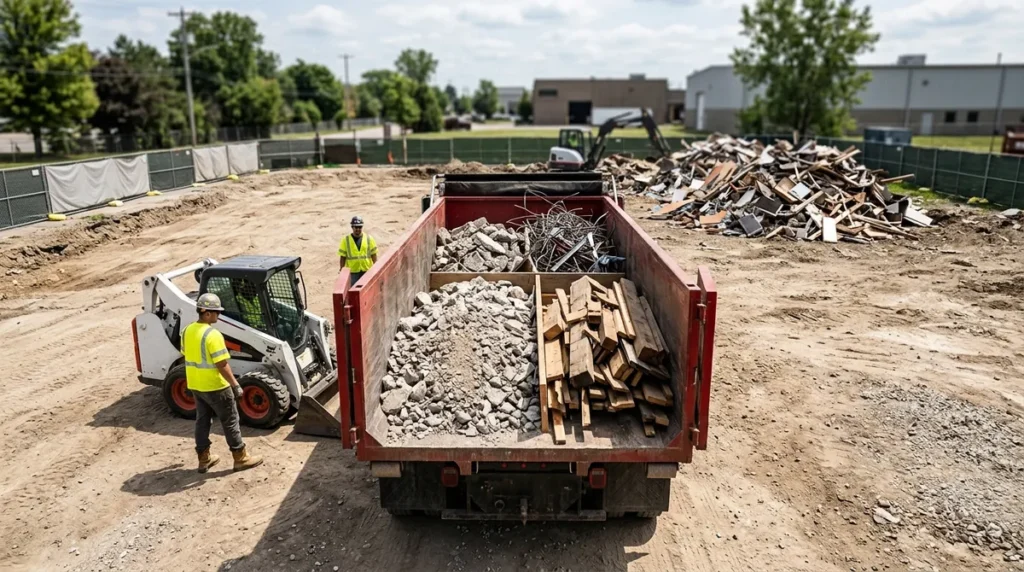
Improper debris removal creates serious safety hazards, permit violations, and project delays—professional haul away ensures clean, compliant site clearance.
-
Demolition haul away differs from standard trash services and requires specialized equipment and disposal connections; always verify permits with local authorities before starting.
-
Choose between truck hauling for complete demolition projects and roll-off dumpsters for phased work based on debris volume, timeline, and site accessibility.
-
Verify contractor licensing, insurance, experience with your debris type, and recycling practices—unqualified haulers can create liability issues and illegal dumping problems.
-
Eco-friendly disposal diverts concrete, metal, and wood to recycling facilities instead of landfills, reducing environmental impact and sometimes lowering disposal costs.
-
Hazardous materials like asbestos and lead paint require separate, regulated handling—always confirm with your contractor what’s included and what needs special disposal.
You’ve just finished a big demolition project. Now you’re staring at a massive pile of broken concrete, old wood, twisted metal, and dusty drywall. What do you do next? That’s where demolition haul away comes in — and getting it right matters more than most people realize.
Whether you’re a homeowner clearing out an old structure, a contractor finishing up a remodel, or a developer preparing a site, debris removal is a critical step. Skip it or handle it poorly, and you’re looking at safety hazards, permit violations, and serious headaches. Handle it well, and your project wraps up cleanly, safely, and on time.
This guide walks you through everything you need to know about demolition haul away — from what it includes to how to choose the right approach. Let’s make this easy for you.
What Is Demolition Haul Away?
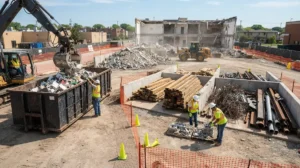
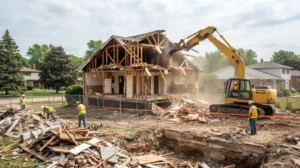
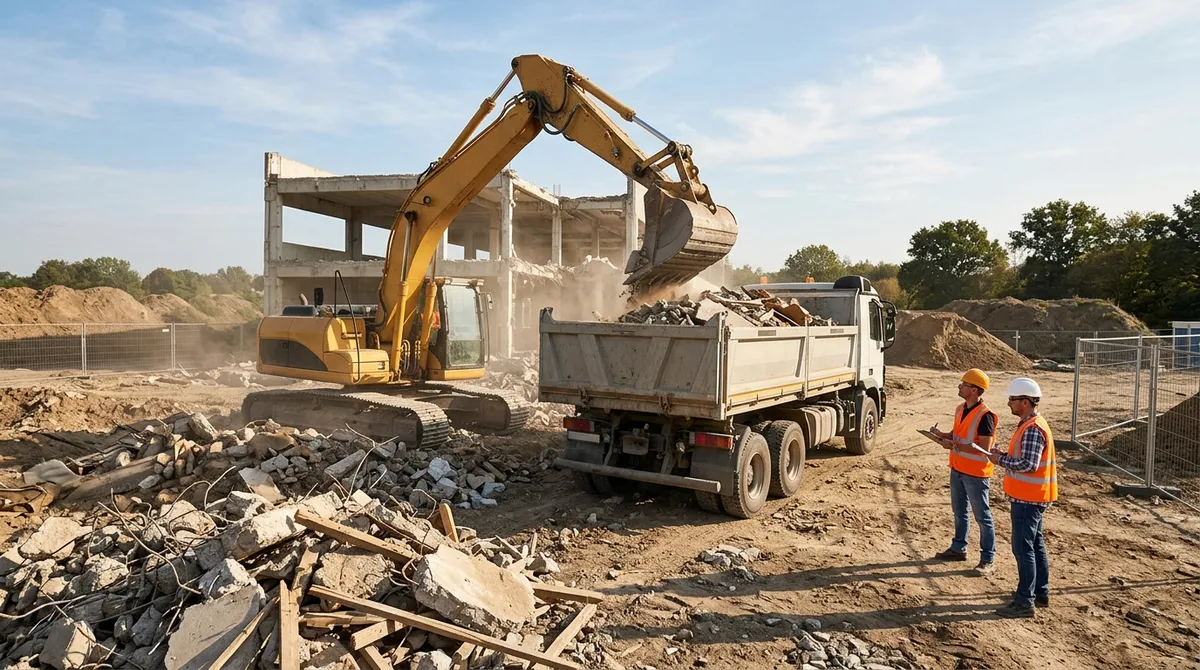
Demolition haul away is the process of collecting, loading, transporting, and disposing of debris left behind after demolition work. Think of it as the clean-up crew that comes after the wrecking crew. It’s not glamorous, but it’s absolutely essential.
This service covers all the leftover materials from a demolition or renovation project. That includes everything from broken concrete slabs to old framing lumber. You can learn more about what this process really involves by reading what demolition and haul away actually includes.
Demolition haul away is different from basic trash pickup. Standard garbage services won’t touch construction and demolition (C&D) debris. You need a specialized service with the right trucks, equipment, and disposal connections.
What Materials Are Typically Removed?
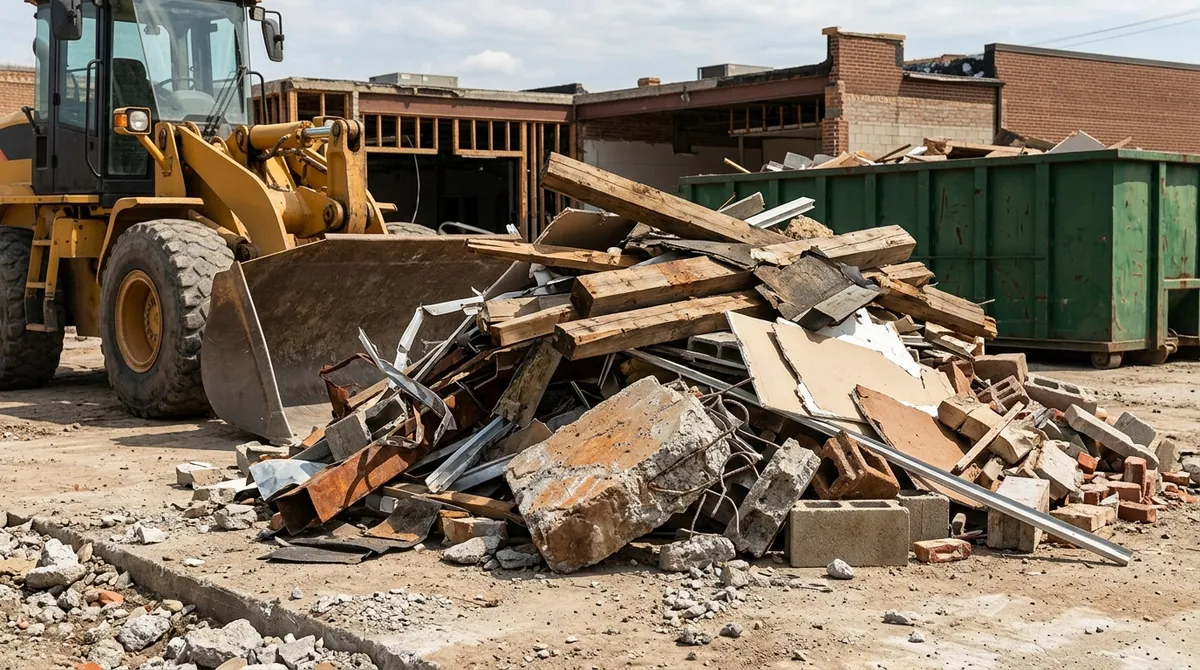
One of the most common questions people have is: what exactly gets hauled away? The answer is — a lot. Here’s a breakdown of the most common materials included in a demolition haul away:
- Concrete and masonry — broken slabs, blocks, bricks, and foundations
- Wood and lumber — framing, flooring, decking, and trim
- Drywall and plaster — wall panels, ceiling material, and insulation
- Metal — steel beams, pipes, rebar, and roofing materials
- Roofing debris — old shingles, underlayment, and flashing
- Mixed C&D waste — anything that doesn’t fall into one clean category
Some materials require special handling. Hazardous materials like asbestos or lead paint must be handled separately under specific regulations. Always confirm with your contractor what’s included and what needs special disposal. The Clark County Building Department has clear guidelines on proper waste handling for local projects.
Step-by-Step: How Demolition Haul Away Works
Understanding the process helps you plan better and avoid surprises. Here’s how a professional demolition haul away typically unfolds:
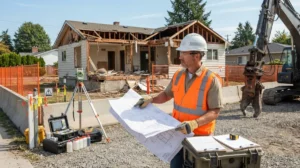
- Site assessment — A contractor visits your property to evaluate the volume and type of debris. This helps determine the equipment and labor needed.
- Permitting and compliance check — Depending on your project scope, permits may be required. Always verify with local authorities. You can review the Las Vegas demolition permit guidelines for Nevada-specific requirements.
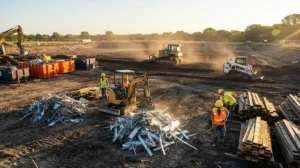
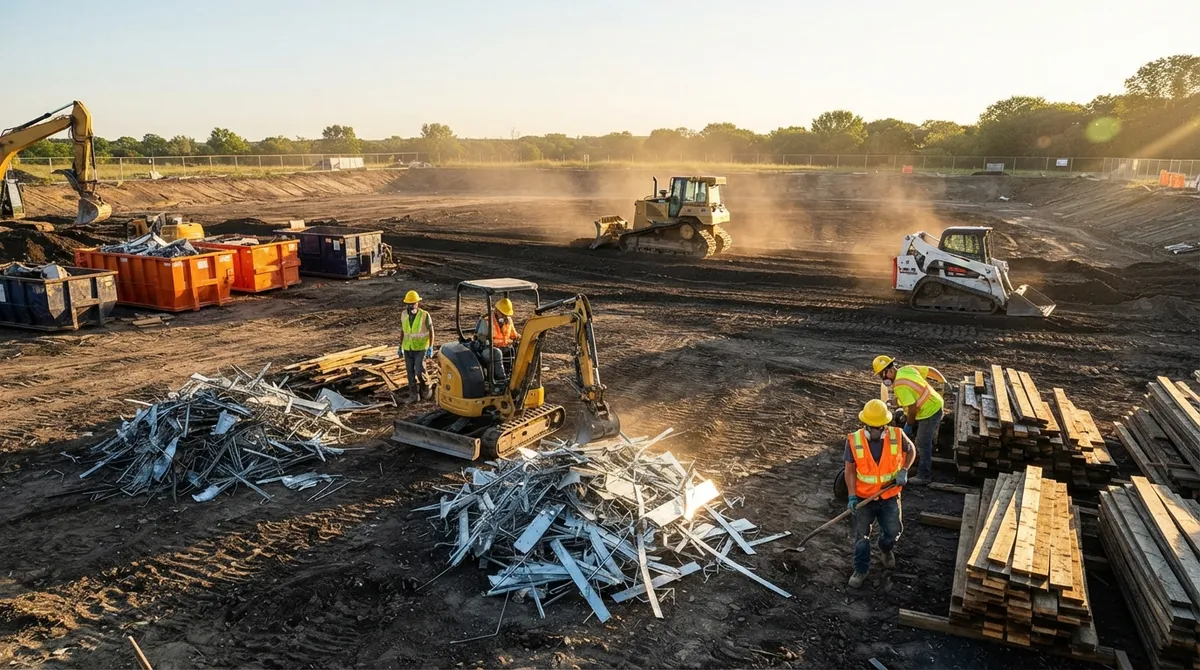
- Debris sorting — Materials are sorted on-site when possible. Separating concrete, metal, and wood allows for more efficient recycling and disposal.
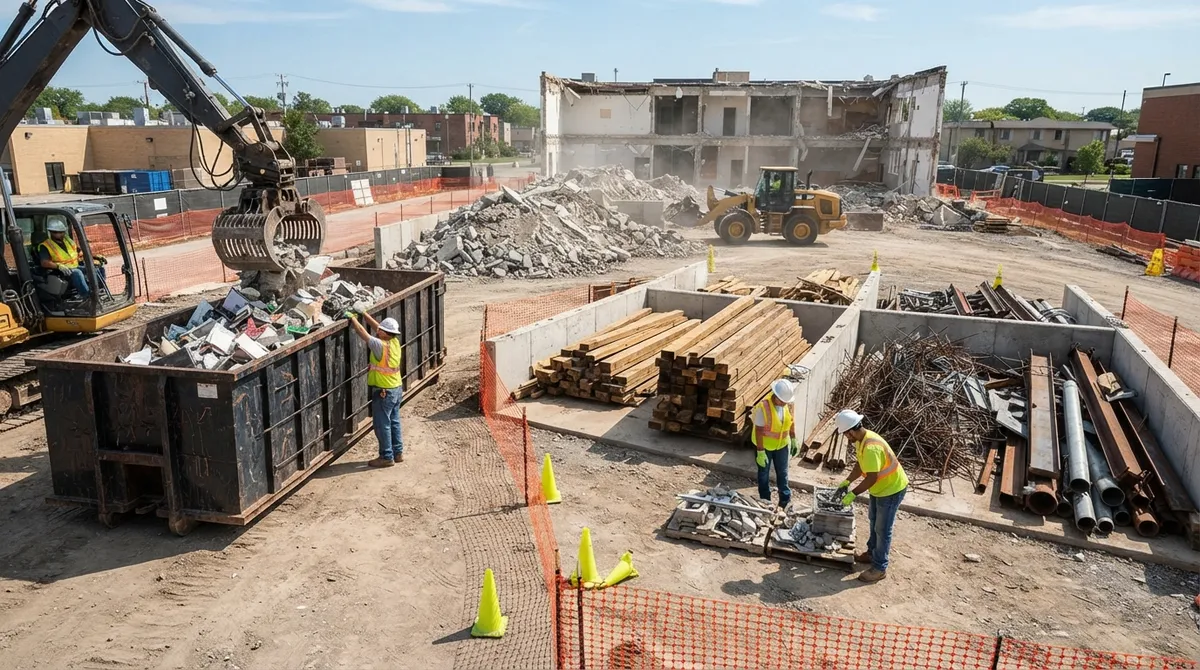
- Loading and transport — Heavy machinery or manual labor loads debris into trucks or roll-off containers. The method depends on the debris volume and site accessibility.
- Responsible disposal — Materials are transported to transfer stations, recycling facilities, or licensed landfills based on their type.
Each step matters. Skipping proper sorting, for example, can lead to higher disposal costs and environmental penalties. Working with a skilled team makes this process smooth and stress-free.
Truck Hauling vs. Dumpster Rental: Which Is Right for You?
There are two main ways to handle demolition debris removal. Each has its place depending on your project size and timeline.
| Service Model | Best For | How It Works | Key Benefit |
|---|---|---|---|
| Truck Hauling | Full demolition projects, large debris volumes | A crew loads and removes debris in one or more trips | Fast, hands-off removal with no staging needed |
| Roll-Off Dumpster | Renovations, phased cleanup, ongoing work | A container is dropped on-site and picked up when full | Flexible timing; fill it at your own pace |
| Full-Service Haul Away | Complete site clearance after demolition | Contractor handles sorting, loading, and disposal | All-in-one solution with minimal client effort |
For larger demolition jobs — like tearing down a building or clearing a commercial site — truck hauling and multiple loads are the standard approach. Dumpsters work better when debris accumulates over several days or weeks. If you want to understand the full picture of professional hauling services, it pays to talk with an experienced contractor about your specific needs.
Eco-Friendly Demolition Haul Away
Sustainability isn’t just a buzzword — it’s a genuine priority in the demolition industry today. Responsible debris disposal means diverting as much material as possible from landfills.
Here’s how eco-friendly haul away typically works:
- Concrete recycling — Crushed concrete can be reused as fill material or road base
- Metal salvage — Steel, copper, and aluminum are sorted and sent to recycling facilities
- Wood diversion — Clean lumber may be donated or repurposed when possible
- Responsible landfill use — Only truly non-recyclable materials end up in a landfill
This approach reduces environmental impact and can sometimes lower disposal costs. When you hire a reputable contractor, ask about their recycling and diversion practices. It’s a sign of a professional operation that cares about more than just moving debris from point A to point B.
When Is Demolition Haul Away Part of a Bigger Project?
Haul away rarely happens in isolation. It’s usually bundled with the demolition work itself. Here are the most common scenarios where haul away is a built-in part of the service:
- Interior demolition — Walls, ceilings, and flooring are removed during a remodel, and all debris needs to go. Interior demolition services always include a plan for clearing the space afterward.
- Concrete removal — Breaking up old driveways, patios, or foundations generates heavy debris that requires specialized hauling. See how concrete removal works as a full-service solution.
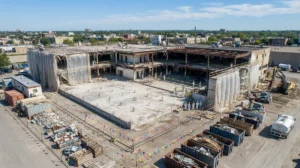
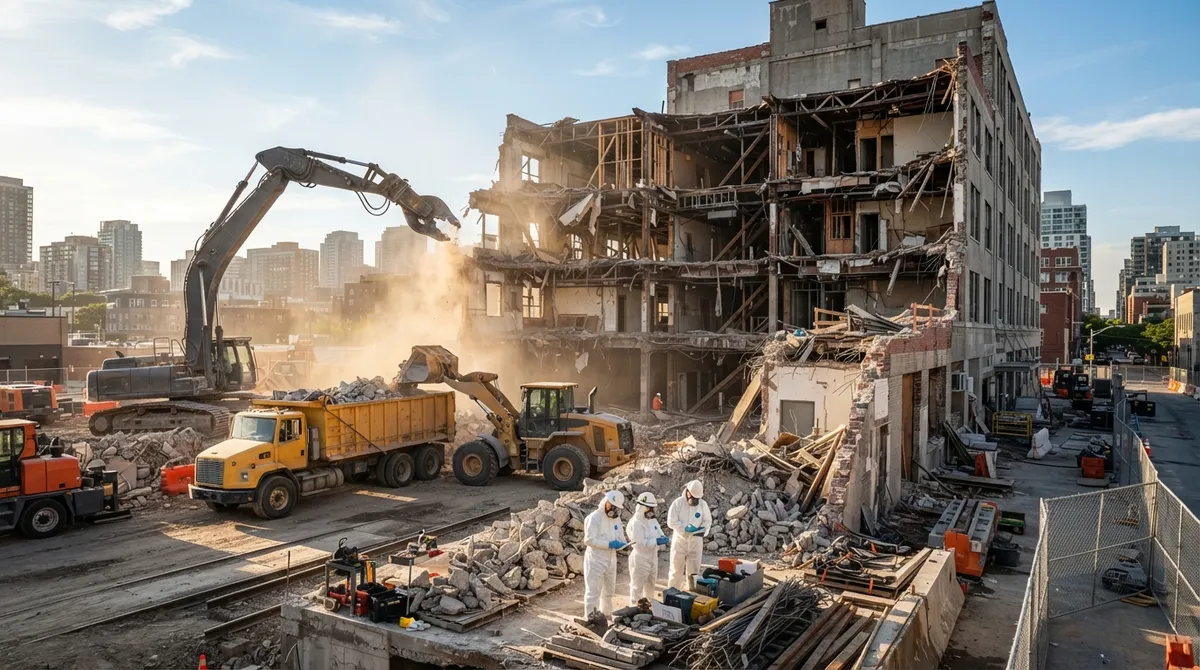
- Building demolition — Full structure teardowns create massive debris volumes. Building demolition projects always require coordinated haul away as part of the scope.
- Pool removal — Removing an in-ground pool means hauling away broken concrete, rebar, and fill material. Pool removal services include full debris clearance.
- Landscaping removal — Old hardscaping, trees, irrigation systems, and sod all need proper disposal. Landscaping removal covers this in full.
The key takeaway? A great demolition contractor doesn’t just tear things down — they leave the site clean and ready for the next phase of your project.
Common Mistakes to Avoid with Demolition Haul Away
Even savvy property owners make mistakes when it comes to debris removal. Here are the most common ones — and how to avoid them:
- Underestimating debris volume — Always get a site assessment before estimating truck loads or dumpster sizes
- Mixing hazardous and non-hazardous materials — Keep asbestos, lead, and chemical waste completely separate from regular C&D debris
- Skipping permits — Some haul away situations require permits, especially for large commercial projects
- Hiring unlicensed haulers — Unqualified crews can create liability issues and illegal dumping problems
- Not asking about recycling — A good contractor will have a plan for diverting recyclable materials
If you want to avoid these pitfalls from the start, it helps to work with a team that knows the process inside and out. You can also explore our full guide on how to plan demolition and hauling for your next project for more detailed preparation tips.
How to Choose the Right Demolition Haul Away Contractor
Not all haulers are created equal. Here’s what to look for when choosing a contractor for demolition haul away in Clark or Nye County, Nevada:
- Licensing and insurance — Always verify that your contractor is licensed in Nevada and carries proper liability and workers’ compensation insurance.
- Experience with your debris type — Concrete, mixed C&D, and hazardous materials each require different expertise. Ask about their experience with your specific project.
- Clear scope of work — A professional contractor gives you a detailed written scope that outlines exactly what gets hauled, how it’s sorted, and where it goes.
- Eco-friendly practices — Ask what percentage of debris they recycle or divert from landfill. This matters both environmentally and legally.
- Local reputation — Choose someone with strong local reviews and a proven track record in your area.
702 Demo is a full-service demolition contractor proudly serving all of Clark and Nye counties. With deep roots in Las Vegas, their team handles everything from debris haul away to full building demolition, concrete removal, excavating, and grading. Visit 702 Demo on Google to read real reviews from local customers and see why they’re the trusted choice for demolition across the region.
You can also explore the key benefits of professional demolition hauling in 2026 to understand exactly what you gain when you hire a qualified team.
Quick Reference: Demolition Haul Away Materials and Disposal Methods
| Material Type | Common Sources | Preferred Disposal Method |
|---|---|---|
| Concrete | Driveways, slabs, foundations, pools | Crushing and recycling as aggregate |
| Wood/Lumber | Framing, flooring, decks | Recycling, repurposing, or landfill |
| Metal | Steel beams, rebar, pipes | Metal recycling facilities |
| Drywall | Interior walls, ceilings | Gypsum recycling or landfill |
| Roofing Materials | Shingles, underlayment | Asphalt recycling or landfill |
| Mixed C&D Debris | General demolition waste | Transfer station sorting and disposal |
Final Thoughts
Demolition haul away is one of those services that doesn’t get enough credit. It’s the final step that transforms a chaotic demolition site into a clean, ready-to-build space. Done right, it protects your property, meets legal requirements, and keeps your project timeline on track.
Whether you’re removing an old concrete patio, tearing out a commercial interior, or clearing an entire building site, the right haul away partner makes all the difference. Don’t leave debris removal as an afterthought — plan it from the start. For more insights, check out what you need to know about demolition and hauling services and 9 things to know about demo hauling to go in fully prepared.
Ready to get your site cleared the right way? Reach out to 702 Demo for a free project estimate and let their experienced team handle every step of your demolition haul away — safely, efficiently, and with zero stress on your end.
FAQs
Q: What does demolition haul away include?
A: Demolition haul away covers the full process of collecting, loading, transporting, and disposing of debris left after a demolition or renovation project. This typically includes materials like concrete, wood, metal, drywall, and roofing debris — basically everything that can’t stay on-site once the work is done!
Q: Is demolition haul away the same as junk removal?
A: Not exactly! While both involve removing unwanted materials, demolition haul away is specifically designed for construction and demolition debris, which is heavier and more complex than standard household junk. You’ll need a contractor with the right equipment, permits, and disposal connections to handle C&D waste properly.
Q: Can demolition haul away include concrete and drywall?
A: Absolutely — concrete and drywall are two of the most common materials handled in a demolition haul away. Concrete is often crushed and recycled as aggregate, while drywall can be processed at gypsum recycling facilities. A good contractor will sort these materials for the most responsible disposal possible.
Q: Do I need a permit for demolition haul away in Las Vegas?
A: It depends on the scope of your project. Smaller debris removal jobs may not require a permit, but larger demolition projects in Clark County typically do. We always recommend checking with the Clark County Building Department or reviewing local permit guidelines before starting any major demolition work.
Q: How do I choose between truck hauling and a dumpster rental for demolition debris?
A: Truck hauling is usually the best choice for full demolition projects where all the debris is ready to go at once — it’s fast and efficient. Dumpster rental works better when debris is created gradually over several days or weeks, like during a phased renovation. Your contractor can help you figure out which option fits your timeline and budget best!