Key Takeaways
-
Professional concrete removal involves multiple steps including site assessment, utility marking, mechanical demolition, and debris hauling to an approved facility—not just breaking up concrete yourself.
-
Choose the right equipment based on slab thickness, reinforcement, and site access; thin patios need different tools than reinforced driveways or tight backyard spaces.
-
Check with Clark County Building Department before starting demolition, as some residential projects require permits and improper debris disposal can result in fines.
-
Most reputable contractors recycle old concrete into aggregate material for road base and construction, reducing landfill waste and lowering disposal costs.
-
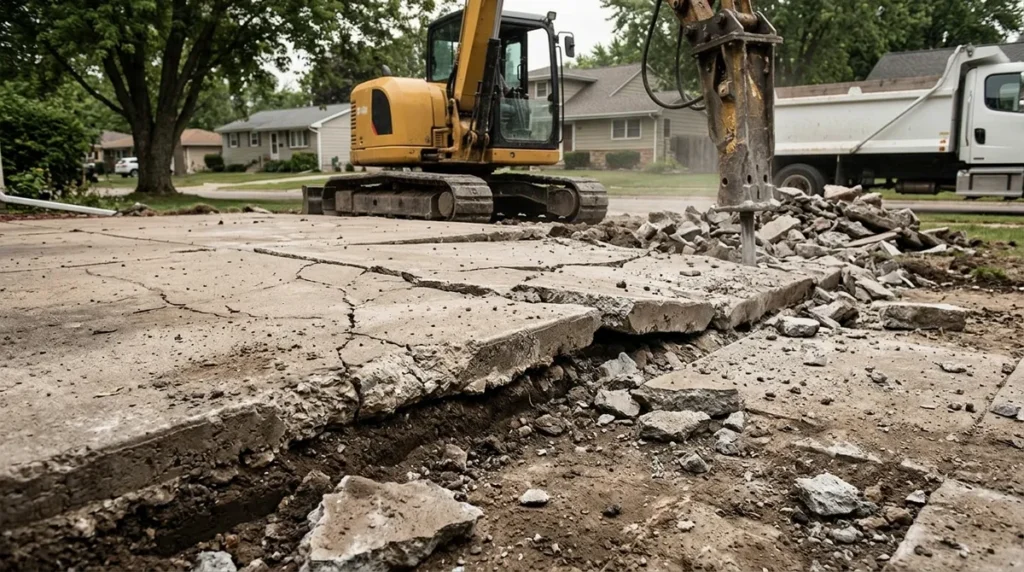
Consider full removal instead of patching when you see widespread cracking, heaving sections, structural damage, or extensive spalling across large areas of the slab.
-
Hire licensed contractors with full-service capabilities (demolition and haul-away), local experience with Nevada regulations, and strong references to protect your property and liability.
If you have cracked, crumbling, or outdated concrete on your property, you are not alone. Driveways, patios, sidewalks, and slabs take a beating over the years. Sun, heat, freeze-thaw cycles, and heavy use all leave their mark. At some point, repair is no longer enough. You need full concrete removal to start fresh.
Residential concrete removal is not just about breaking things apart. It involves careful planning, the right equipment, safe debris hauling, and proper disposal. Whether you are a homeowner planning a backyard upgrade or a renovation contractor preparing a site, knowing what to expect makes the whole process smoother and less stressful.
This guide walks you through five key things every property owner should know before getting started. By the end, you will feel confident and ready to move forward with your project.
1. Residential Concrete Removal Covers More Than You Think
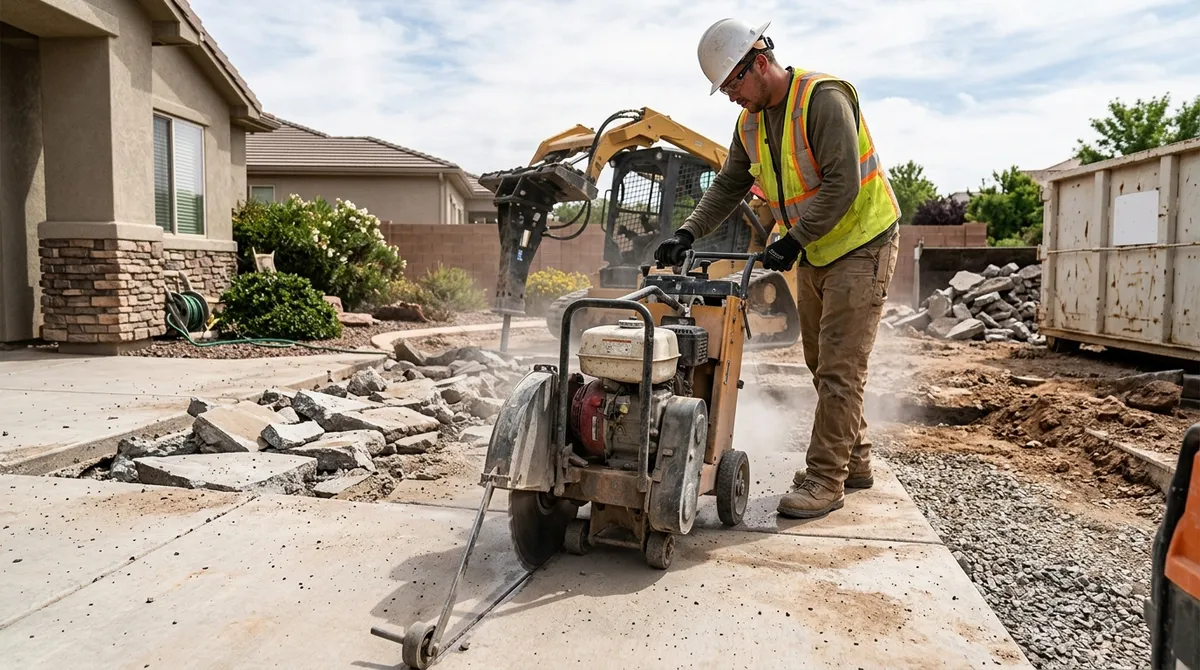
Many people assume concrete removal just means breaking up a driveway. But the scope of residential work is much wider than that. A professional demolition crew can handle nearly any concrete structure on your property.
Here are the most common residential concrete projects:
- Driveway slabs and aprons
- Backyard and front yard patios
- Sidewalks and walkways
- Steps and exterior stairs
- Slab foundations and floor slabs
- Pool surrounds and pool removal decking
- Fence posts set in concrete footings
- Retaining walls and curbing
Each of these projects comes with its own challenges. Reinforced slabs with rebar need different tools than simple poured concrete. Tight backyard spaces require compact equipment. Proximity to your home or landscaping calls for extra care during demolition.
If you are unsure whether your project qualifies, it almost certainly does. A licensed demolition contractor can assess your site and tell you exactly what is involved. You can also check out resources on residential concrete removal near you to get a better sense of what local contractors offer.
2. The Process Is More Involved Than DIY Breaking
You might be tempted to grab a sledgehammer and go at it yourself. We totally understand that instinct! But professional residential concrete removal is a structured process with several important steps. Skipping any of them can lead to damage, injury, or costly surprises.
Here is how a professional demolition team typically handles a residential concrete removal job:
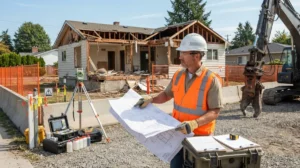
- Site Assessment: The crew evaluates slab thickness, reinforcement, nearby structures, and access points before anything else.
- Utility Marking: Underground lines are identified and marked to prevent dangerous strikes during demolition.
- Area Isolation: The work zone is secured to protect nearby landscaping, fencing, and structures.
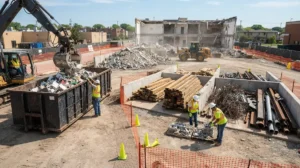
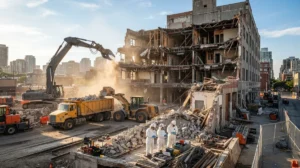
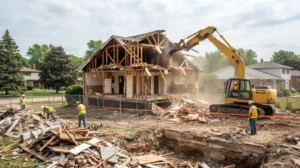
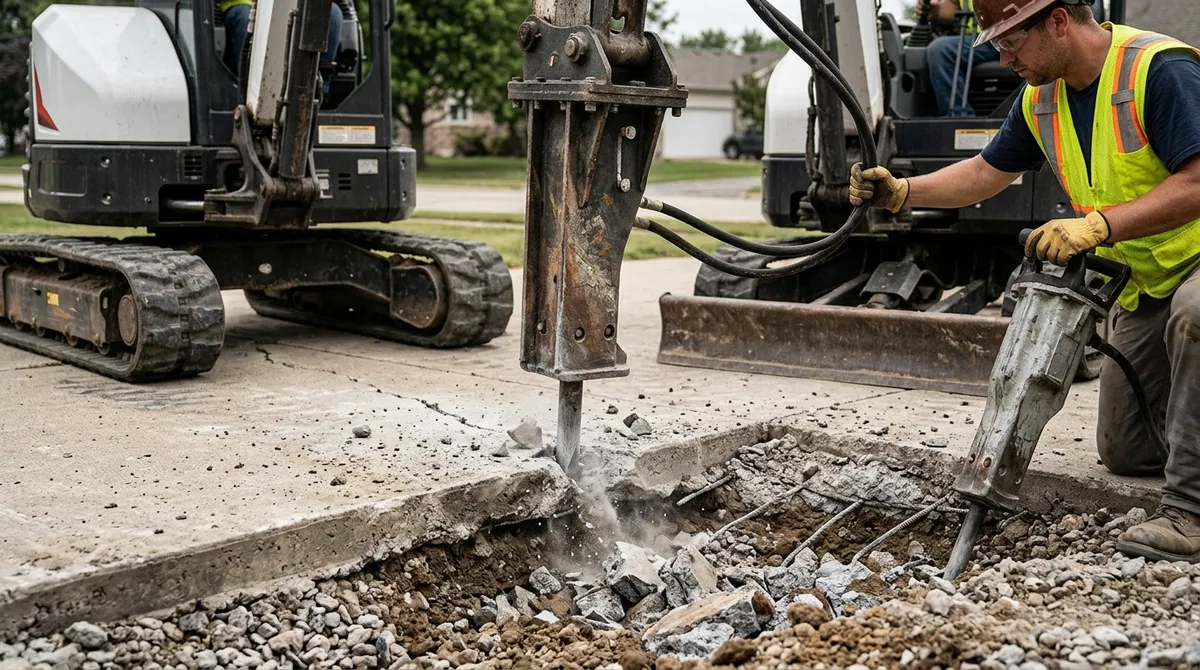
- Mechanical Demolition: Jackhammers, saws, or excavators break the concrete into manageable chunks.
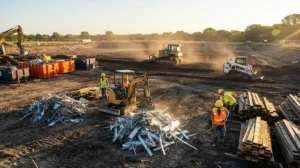
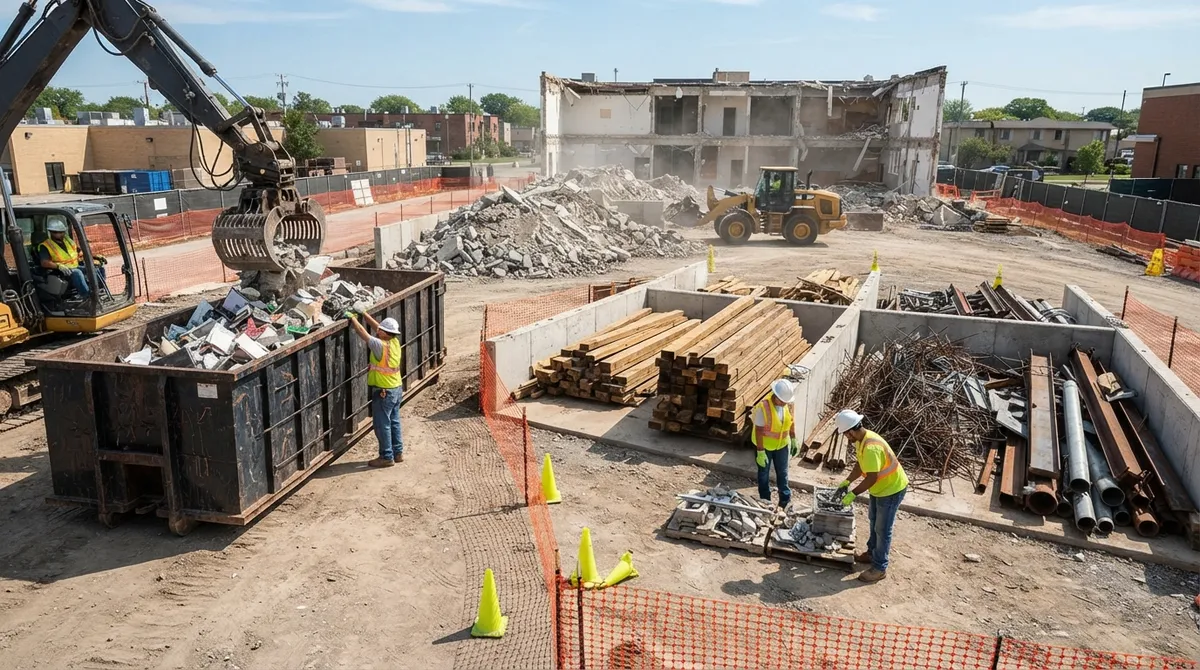
- Debris Loading: Broken concrete is loaded into trucks or containers for removal.
- Haul-Away: The debris is transported to a recycling or approved disposal facility.
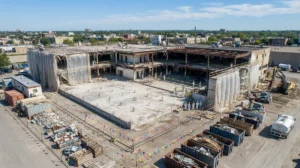
- Site Cleanup: The area is cleared and graded, leaving it ready for the next phase of your project.
Notice that haul-away is a built-in part of the process. A full-service contractor handles both demolition and debris removal. You should not be left with a pile of broken concrete chunks in your yard. For more on what this looks like end to end, visit the guide on concrete removal, breaking, hauling, and disposal.
3. The Right Equipment Makes All the Difference
One of the biggest advantages of hiring professionals is access to the right tools. The equipment used on a residential concrete removal job depends on the specific conditions at your site.
| Equipment Type | Best Used For | Typical Conditions |
|---|---|---|
| Jackhammer / Breaker | Standard slabs, patios, sidewalks | Average thickness, good access |
| Concrete Saw | Cutting edges, sectioning thick slabs | Reinforced concrete, precise cuts |
| Mini Excavator | Large slabs, foundations, tight spaces | Limited access, heavy reinforcement |
| Skid Steer Loader | Moving and loading debris | Open areas, high debris volume |
| Dump Truck | Transporting concrete off-site | All residential projects |
Slab thickness matters a lot here. A thin 3-inch patio slab is removed very differently from a 6-inch reinforced driveway or a thick foundation slab. Rebar adds another layer of complexity. The crew must cut through or pull out steel reinforcement during removal.
Access is also a key factor. Many Las Vegas backyards have narrow side gates. A skilled team knows how to bring in compact equipment or adapt their approach to work within tight spaces. You can see more about the specialized work involved in patio concrete removal in Las Vegas.
4. Permits and Disposal Rules Matter in Clark and Nye Counties
Here in Nevada, permits and local rules can absolutely affect your project. Some residential concrete removal jobs require a permit before work begins. Others do not. It depends on the scope of work, whether it involves a structure, and local municipal requirements.
Homeowners and contractors in Las Vegas and the surrounding area should check with the Clark County Building Department before starting any demolition. The city also publishes Las Vegas demolition permit guidelines that spell out when permits are required and what the process looks like.
A few key points about permits and disposal:
- Removing a slab attached to a structure may trigger permit requirements
- Concrete debris cannot simply be dumped anywhere — it must go to an approved facility
- Many contractors take old concrete to recycling centers where it is crushed and reused
- Improper disposal can result in fines, so using a licensed contractor protects you
- A reputable demolition contractor handles permit research as part of their service
Working with a licensed contractor also keeps you protected from liability. They know the local rules, pull the necessary permits, and ensure everything is handled by the book. If you want to understand more about why licensing matters, read about what makes a licensed demolition contractor essential.
5. Recycling Old Concrete Is Good for Everyone
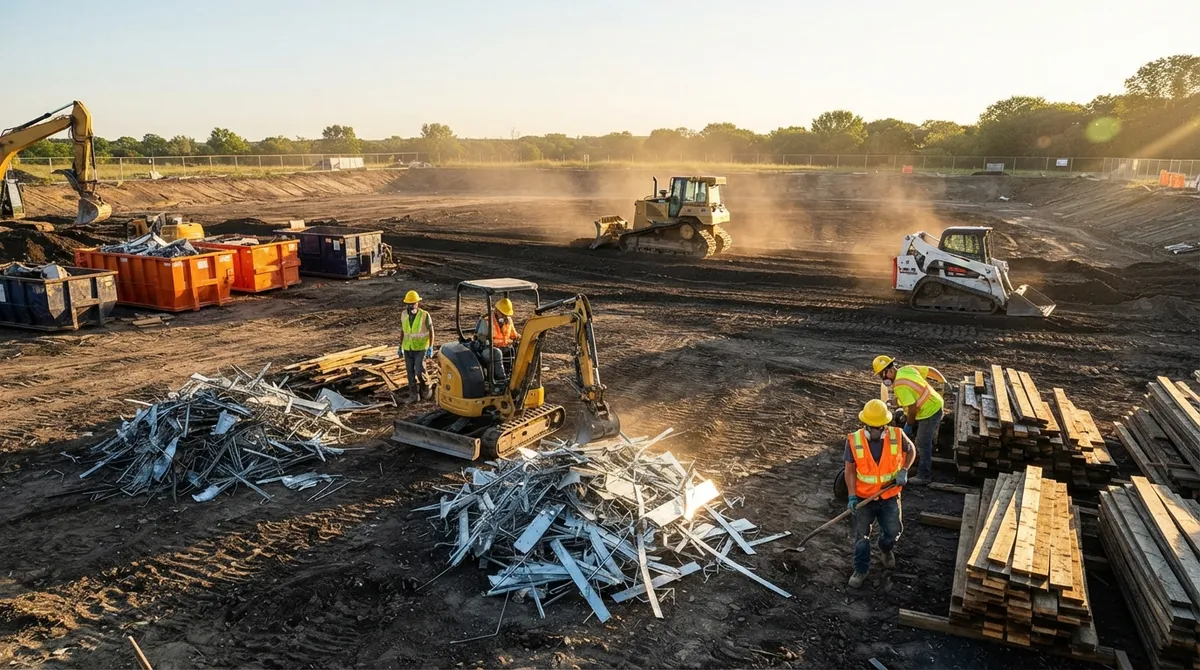
Here is something that might surprise you. The concrete from your old driveway or patio does not have to end up in a landfill. In fact, most reputable demolition contractors recycle the concrete they haul away. Old concrete is crushed and processed into recycled aggregate material. This material gets used in road base, fill projects, and new construction.
Recycling concrete has real benefits for you and your community:
- It keeps debris out of local landfills
- It reduces the environmental footprint of your project
- It supports sustainable construction practices in the Las Vegas valley
- It can sometimes reduce disposal costs
When you hire a contractor for residential concrete removal, ask them about their disposal practices. A company that prioritizes recycling is a company that cares about doing the job right. For more detail on what full-service hauling looks like, check out the page on hauling services.
Should You Repair or Remove Your Concrete?
This is one of the most common questions homeowners ask. Sometimes a crack or chip can be patched. Other times, the damage runs too deep for a surface fix. Here is a simple way to think about it.
Consider full removal when you notice:
- Deep, widespread cracking across the surface
- Heaving or uneven sections that create trip hazards
- Structural damage beneath the slab
- Extensive spalling or crumbling of the concrete surface
- Plans for a complete redesign of the space
Patching works for small, isolated cracks on otherwise solid concrete. But if the slab has been compromised over a large area, removal is the smarter long-term investment. Patching damaged concrete repeatedly ends up costing more than a clean removal and replacement.
If you are not sure which way to go, a professional assessment from a demolition contractor will give you a clear answer fast. You can also explore more about concrete removal in Las Vegas to see how the pros approach these decisions.
What to Look for in a Residential Concrete Removal Contractor
Not all contractors are created equal. When you are choosing someone to handle residential concrete removal on your property, here are the qualities that matter most.
- Proper licensing and insurance: This protects you and your property throughout the job.
- Full-service capability: Look for a team that handles both demolition and haul-away in one visit.
- Local experience: Contractors familiar with Clark and Nye county rules save you time and headaches.
- Clear communication: A good contractor explains the scope, timeline, and process upfront.
- Strong reputation: Reviews and references matter. Check Google, ask for past project examples.
702 Demo checks every one of these boxes. As a full-service demolition, excavating, and concrete contractor serving all of Clark and Nye counties, the team brings years of hands-on experience to every residential project. Visit us on Google — 702 Demo to read real reviews from homeowners and contractors across the Las Vegas valley.
You can also learn more about the team and their approach at the 702 Demo about page. For a deeper look at the full range of residential work available, explore the residential demolition services page.
Wrapping It All Up
Residential concrete removal is a smart investment in your property. Whether you are clearing space for a new patio, fixing a dangerous driveway, or prepping a site for new construction, the right demolition team makes all the difference. The job involves real planning, specialized equipment, safe debris handling, and responsible disposal.
Now that you know the five key things — scope, process, equipment, permits, and recycling — you are in a great position to move forward with confidence. Do not let old, damaged concrete hold your project back any longer.
Ready to get started? Reach out to 702 Demo for a free project estimate and find out how easy the process can be when you work with Las Vegas’s most trusted demolition contractor.
FAQs
Q: What is included in residential concrete removal?
A: Great question! A full residential concrete removal service includes breaking up the slab, loading the debris, hauling it away, and cleaning up the site. You should not be left with a pile of broken concrete — the whole mess goes with the crew when they leave.
Q: Do I need a permit to remove concrete at my home?
A: It depends on the scope of your project. Removing a simple patio may not require a permit, but demolishing a slab attached to a structure often does. A licensed contractor familiar with Clark County rules can help you figure out what is needed before work begins.
Q: Can old driveway or patio concrete be recycled?
A: Absolutely! Old concrete is crushed into recycled aggregate and reused in road base and construction projects. Hiring a contractor who recycles your debris is a great way to reduce waste and support sustainable building practices in the Las Vegas area.
Q: What equipment is used for residential concrete removal?
A: The tools depend on your specific slab — thickness, reinforcement, and site access all play a role. Contractors commonly use jackhammers, concrete saws, mini excavators, and skid steer loaders. Tight backyards often call for compact equipment to get the job done without damaging nearby structures.
Q: How do I know if I should repair or fully remove my concrete?
A: If your concrete has widespread cracking, heaving, or crumbling across large areas, removal is almost always the better long-term choice. Small, isolated cracks can often be patched. When in doubt, a quick site visit from a demolition contractor will give you a clear and honest answer.