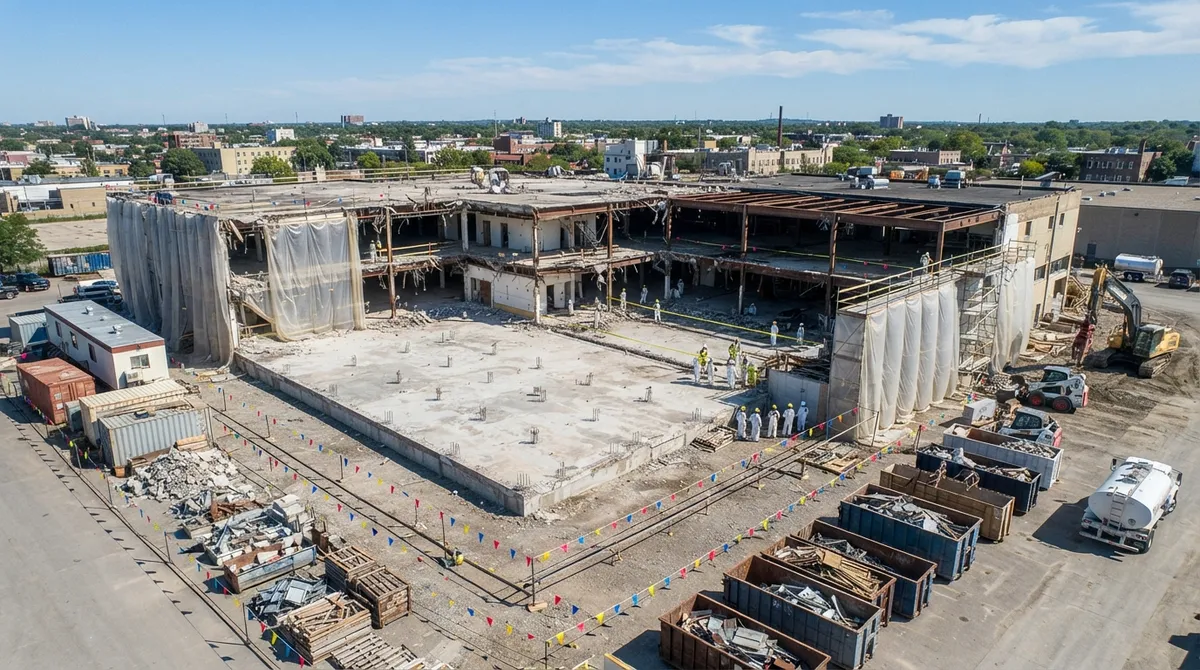

Key Takeaways
-
Always call 811 before concrete removal work begins to have utility lines marked, preventing dangerous damage and ensuring worker safety during demolition.
-
Professional concrete removal includes breaking, hauling, and cleanup in one service rather than separate tasks, saving time and ensuring proper debris disposal or recycling.
-
Choose a licensed, insured local contractor with full-service capabilities and clear communication; get a site inspection and realistic timeline upfront before committing.
-
Concrete recycling is common and can reduce disposal costs—ask contractors about their recycling practices and relationships with local facilities.
Old concrete can be a real eyesore. A cracked driveway, a crumbling patio, or a broken sidewalk doesn’t just look bad — it can also be a safety hazard. If you’ve been searching for residential concrete removal near me, you’re in the right place. Whether you’re a homeowner in Las Vegas, a renovation contractor, or a property manager in Clark County, knowing how the process works can save you time, stress, and money.
The good news? Professional concrete removal is faster and smoother than most people expect. The right crew, the right tools, and a solid plan make all the difference. This guide walks you through everything you need to know — from what’s included in a typical job to how to pick the best local contractor.

1. What Residential Concrete Removal Actually Includes
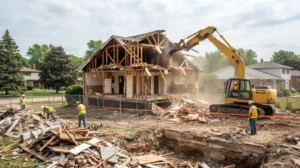
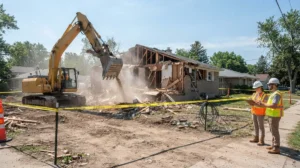
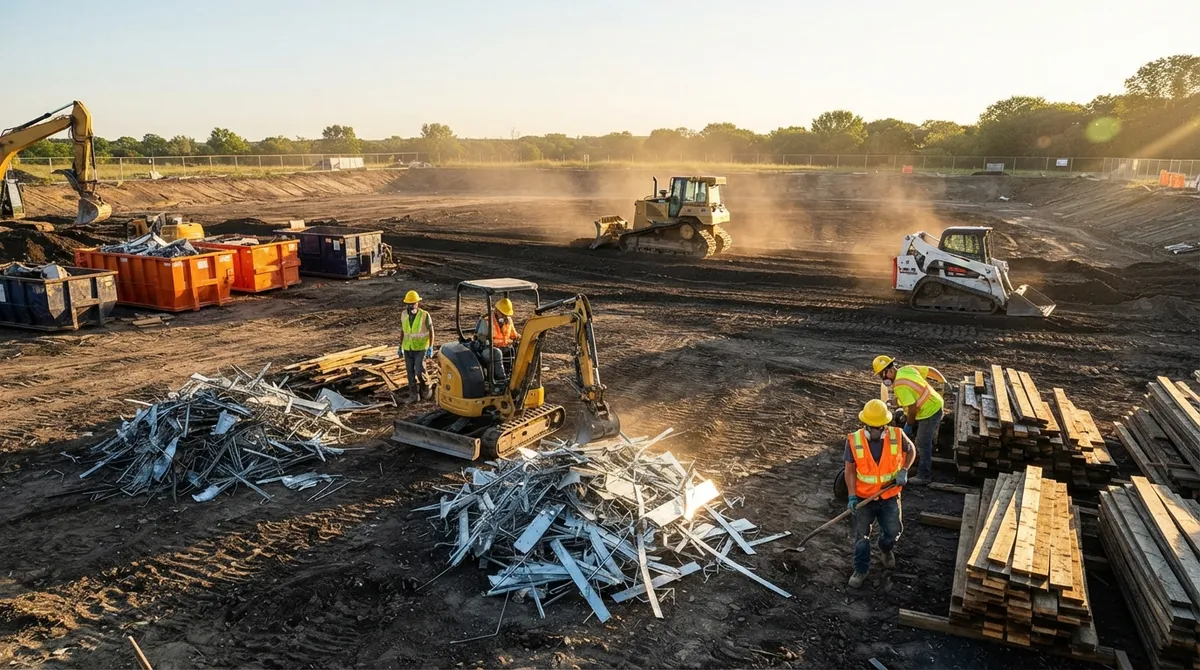
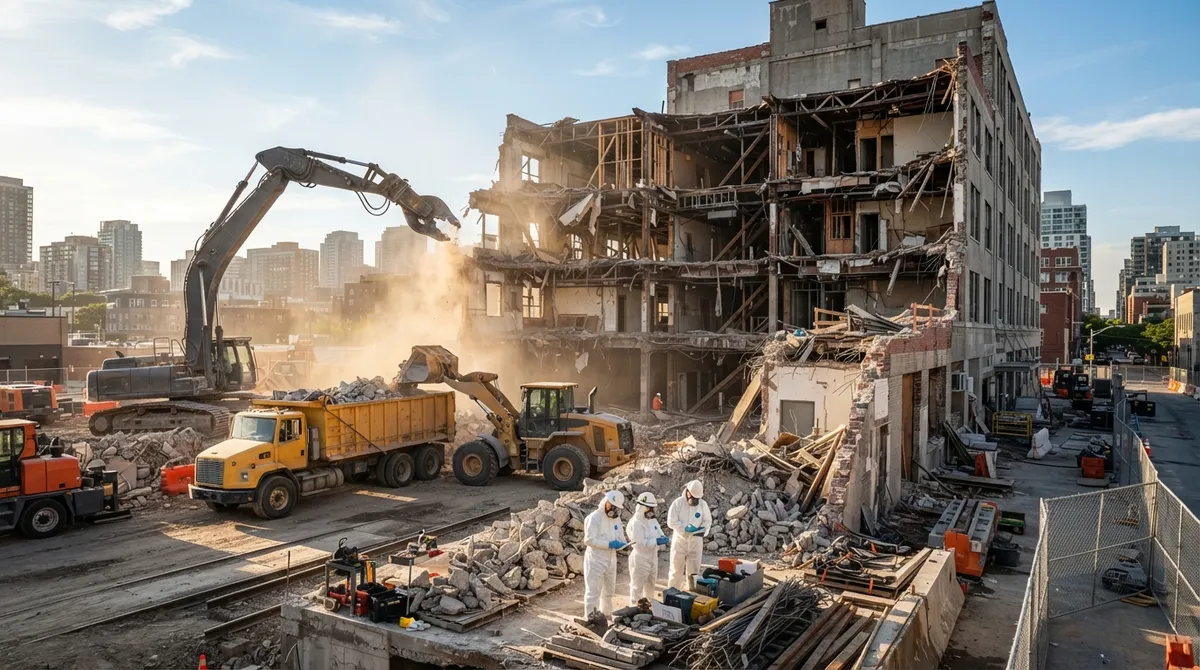
Many homeowners think concrete removal is just about breaking stuff up. But a full-service job covers a lot more ground. A professional team handles the entire process from start to finish.
Here’s what a complete residential concrete removal service typically includes:
- Initial site inspection and project assessment
- Breaking the concrete into manageable pieces
- Loading and hauling away all debris
- Final site cleanup so the area is ready for what comes next
- Proper disposal or recycling of concrete waste
For a deeper dive into what the full process looks like, check out this helpful resource on concrete removal: breaking, hauling, and disposing of old concrete.

2. Common Types of Residential Concrete Projects
Not all concrete removal jobs are the same. The size, thickness, and location of the concrete all affect how the work gets done. Here are the most common types of residential projects:
- Driveway removal — one of the most popular jobs; often needed before resurfacing or redesigning a driveway
- Patio removal — removing old slabs to make room for a new outdoor living space
- Sidewalk removal — replacing cracked or uneven walkways around the home
- Foundation removal — part of larger demolition or site clearing projects
- Steps and retaining walls — smaller but still labor-intensive jobs
- Garage floor slabs — often removed during garage conversions or renovations
- Pool deck concrete — removed during pool demolition or backyard remodeling
If your project involves more than just concrete — like a full backyard overhaul — you might also need landscaping removal services to clear the area completely.

3. The Tools and Equipment Used for Concrete Removal
Concrete is tough stuff. That’s why professional contractors don’t show up with just a sledgehammer. The right equipment depends on the size and thickness of the slab.
Common tools used in residential concrete removal include:
- Jackhammers — great for breaking up smaller or thinner slabs quickly
- Concrete saws — used to cut the slab into sections before removal
- Skid steers and excavators — heavy machinery for larger jobs or thick foundations
- Dump trucks — for hauling away broken concrete debris efficiently
Thicker slabs — like foundations or reinforced driveways — require heavier equipment. That’s why it’s important to hire a contractor who has the full range of tools available. You can learn more about what professionals bring to a job site by reading what demolition experts actually do on a job site.

4. How to Prepare Your Property Before the Crew Arrives
A little prep work goes a long way. Getting your property ready before the concrete removal team shows up helps the job go faster and keeps everyone safe.
- Clear the area — move vehicles, furniture, and any items near the work zone
- Mark the removal section — use spray paint or flags to clearly outline what needs to go
- Call 811 — always have utility lines marked before any digging or heavy work begins
- Keep kids and pets away — the work area can be dangerous during demolition
- Check for permits — some cities and counties require permits for certain types of concrete removal
Speaking of permits — if you’re in the Las Vegas area, you can review the Las Vegas demolition permit guidelines to understand what your project might require. You can also check with the Clark County Building Department for local regulations in unincorporated areas.
5. How Long Does Residential Concrete Removal Take?
Timeline is one of the most common questions homeowners ask. The honest answer is — it depends. But here’s a general idea of what to expect based on project size:
| Project Type | Estimated Time | Equipment Typically Used |
|---|---|---|
| Small patio or sidewalk | Half day to 1 day | Jackhammer, wheelbarrow |
| Standard driveway | 1–2 days | Jackhammer, skid steer, dump truck |
| Large driveway or slab | 2–3 days | Excavator, concrete saw, dump truck |
| Foundation removal | Several days | Heavy excavator, multiple hauls |
Smaller jobs can often be wrapped up in a single day. Larger or more complex removals — especially those involving reinforced concrete or tight site access — may take several days. A good contractor will give you a realistic timeline during the initial consultation.
6. Can Concrete Be Recycled After Removal?
This is a great question — and the answer is yes! Recycling concrete is actually quite common. Broken concrete can be crushed and repurposed as base material for roads, driveways, and construction projects. This is a win for both the environment and your wallet, since recycling often reduces disposal costs.
When you hire a professional concrete removal contractor, ask about their disposal and recycling practices. Many experienced teams have relationships with local recycling facilities and will handle this for you automatically.
If you’re dealing with a larger project that also involves grading or site prep after the concrete is gone, excavating and grading services can help get the site ready for its next chapter. You might also want to explore hauling services to make sure all debris is removed quickly and efficiently.
7. How to Choose the Best Local Concrete Removal Contractor
Finding a reliable contractor near you doesn’t have to be overwhelming. Here are the key things to look for when making your choice:
- Licensed and insured — always verify credentials before hiring anyone
- Local experience — a contractor who knows your area understands local permits and soil conditions
- Full-service capabilities — look for a team that can break, haul, and clean up in one visit
- Clear communication — they should offer a site inspection and honest timeline upfront
- Good reviews — check Google and other platforms for real customer feedback
If you want to understand why licensing matters so much, this article on what makes a licensed demolition contractor essential is a must-read. And if you’re still in the research phase, take a look at how to find residential demolition contractors near me for more tips.
Why Hiring Local Matters
Searching for residential concrete removal near me isn’t just about convenience. Local contractors can get to your site faster, understand regional regulations, and often offer better scheduling options. Lower travel costs can also translate into better pricing for you. Local knowledge is a real advantage in this business.
You can also read about the concrete removal process in Las Vegas and why 702 Demo gets it done right for a closer look at local expertise in action.
What to Expect During the First Consultation
A professional contractor will always start with a site visit. During this assessment, they’ll evaluate the size and thickness of the concrete, check site access for equipment, and identify any potential challenges. You’ll get a clear plan and a realistic estimate before any work begins. This upfront transparency is a sign of a trustworthy team.
For homeowners and real estate developers in Las Vegas and surrounding areas, 702 Demo is a full-service demolition and concrete removal contractor serving all of Clark and Nye counties. With years of hands-on experience, they handle everything from small patio removals to large-scale site demolition. You can visit 702 Demo on Google to read real customer reviews and see what local property owners are saying.
Wrap-Up: Making Residential Concrete Removal Simple
Concrete removal doesn’t have to be stressful. When you know what to expect, how to prepare, and what to look for in a contractor, the whole process becomes a lot more manageable. Whether you’re removing a cracked driveway, clearing a patio, or tearing out an old foundation, the right team makes it look easy.
From the initial consultation to the final cleanup, a great local contractor handles every step so you don’t have to. The key is finding someone nearby who has the equipment, experience, and communication skills to get the job done right the first time.
Ready to get started? Request your free concrete removal estimate from 702 Demo today and take the first step toward a cleaner, safer, and better-looking property.
FAQs
Q: What does residential concrete removal include?
A: Great question! A full residential concrete removal service typically covers the site assessment, breaking up the concrete, hauling away all the debris, and cleaning up the area so it’s ready for whatever comes next. Think of it as a complete, end-to-end service — you don’t have to lift a finger!
Q: How long does residential concrete removal take?
A: It really depends on the size of the job. Smaller projects like a patio or sidewalk can often be done in a single day, while larger driveways or foundations may take two to several days. Your contractor should give you a clear timeline after the initial site inspection.
Q: Do I need a permit for residential concrete removal?
A: In some cases, yes — especially for larger or structural concrete work. It’s always a good idea to check with your local building department before the project begins. A knowledgeable local contractor can help guide you through the permit process, which takes a lot of the guesswork out of it!
Q: Can concrete be recycled after it’s removed from my property?
A: Absolutely! Concrete is actually one of the most recyclable construction materials out there. It’s often crushed and reused as base material for roads and other construction projects. Ask your contractor about their disposal practices — many handle recycling as part of their standard service.
Q: How do I find a reliable residential concrete removal contractor near me?
A: Start by looking for a licensed, insured contractor with strong local reviews and full-service capabilities. A reputable team will always offer a site inspection before giving you a quote. Choosing a local contractor also means faster scheduling and someone who knows the specific regulations in your area — a real win-win!