Key Takeaways
-
Residential concrete demolition costs $2-$8 per square foot, with typical driveway removal ranging $1,200-$4,500; get a professional site assessment for accurate pricing based on slab thickness, reinforcement, and disposal needs.
-
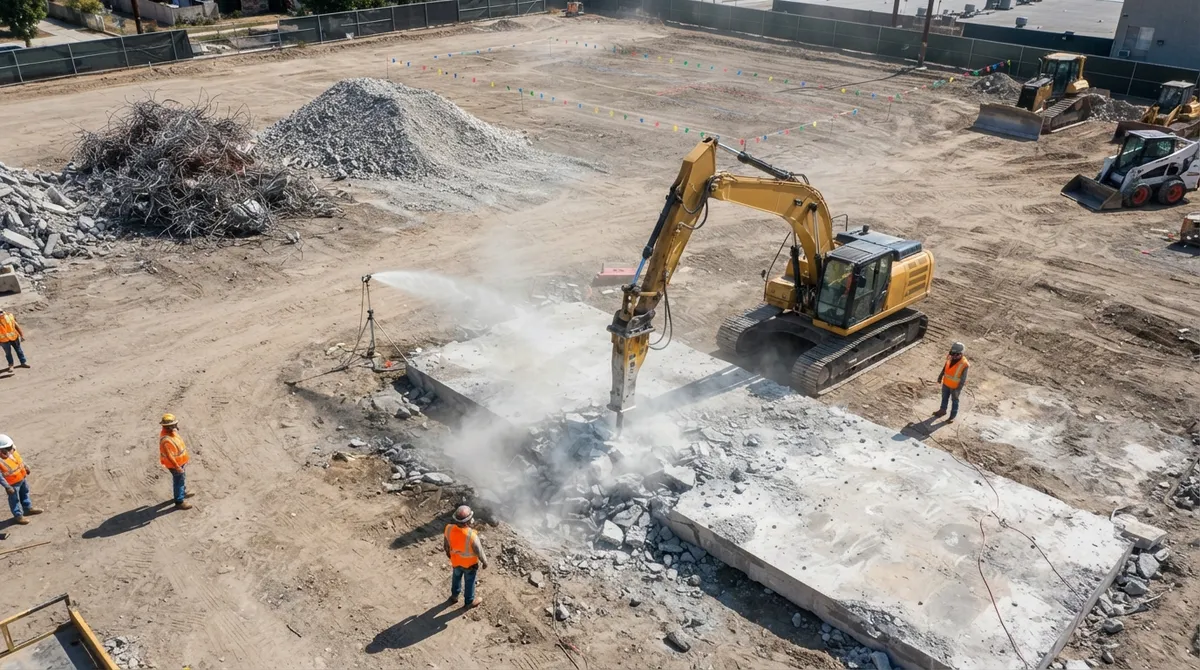
Professional crews prevent injuries and property damage by identifying rebar/mesh, using commercial equipment (jackhammers, excavators, skid steers), controlling dust, and protecting utilities, fences, and landscaping during removal.
-
Most small patios can be removed in one day, while larger driveways take several days; always locate underground utilities before demolition begins to avoid accidents with utility lines.
-
Permit requirements depend on project type—small backyard patios often don’t need permits, but driveway aprons, public sidewalks, and structural removals do; have your contractor handle the permit process.
-
Choose demolition over repair when concrete has major cracking, uneven settling, drainage problems, or poses safety hazards; minor surface cracks may only need patching if the slab is structurally sound.
-
Broken concrete is recyclable—most demolition companies haul it to facilities where it’s crushed and reused for construction projects, roads, or drainage systems, keeping debris out of landfills.
Got a cracked driveway that trips up your grandkids? Or maybe an old patio slab that’s seen better decades? You’re not alone. So many homeowners across Clark and Nye counties are staring at tired, broken concrete and wondering what to do next. The good news is that residential concrete demolition doesn’t have to feel overwhelming. With the right plan (and the right crew), you can clear the way for something new in just a few days.
This friendly guide walks you through everything you need to know. We’ll cover what the process looks like, what it typically involves, and how to choose a path that fits your home and budget. Whether you’re a homeowner ready to swap out a crumbling driveway, a renovation contractor prepping a site, or a real estate developer clearing the way for new construction, this guide has something for you. Let’s break it down together, one step at a time.
What Is Residential Concrete Demolition, Really?
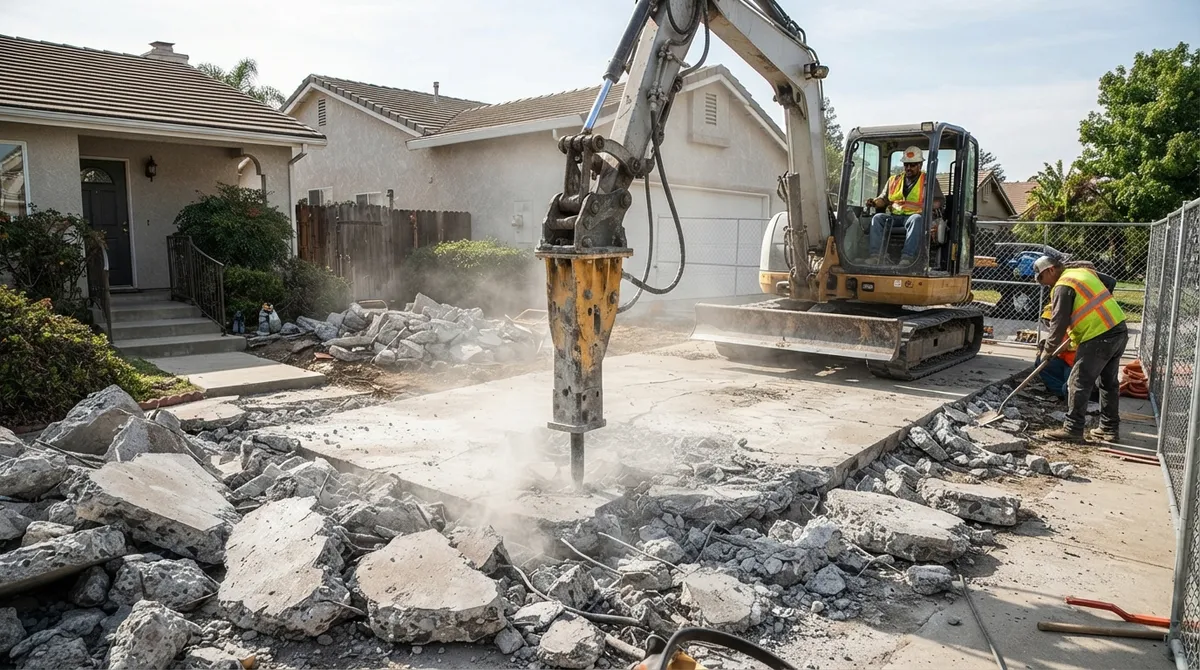
Residential concrete demolition is the process of removing concrete features from a home’s property. Think driveways, patios, walkways, sidewalks, slab foundations, pool decks, and small retaining walls. It’s a common first step before repairs, remodeling, or brand-new installations.
The goal isn’t just to smash concrete into pieces and walk away. A proper job includes breaking up the material, hauling it off, disposing of it responsibly, and cleaning up the site. That way, your yard is ready for whatever comes next, whether that’s a fresh driveway, a new patio, or a totally different landscaping plan.
Common Areas Where Concrete Gets Removed
- Driveways that are cracked, sunken, or simply outdated
- Patios that need replacing before a backyard remodel
- Walkways and sidewalks with trip hazards
- Slab foundations under additions or old sheds
- Pool decks surrounding a pool that’s being renovated or removed
- Small retaining walls that are crumbling or leaning
If you’re also dealing with an old pool alongside that deck, our complete guide to pool removal pairs nicely with concrete demolition projects.
Why Homeowners Choose Professional Demolition Over DIY
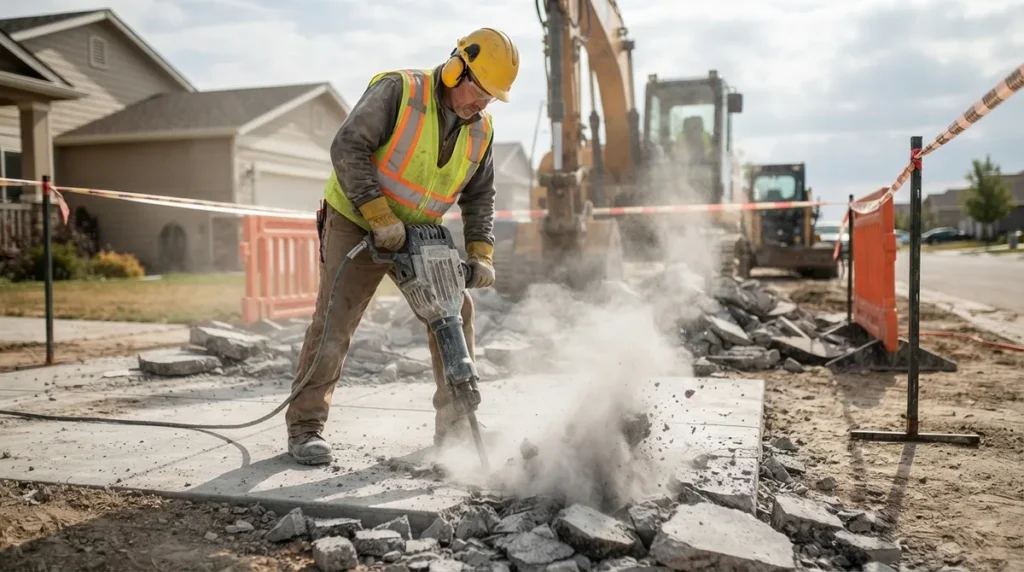
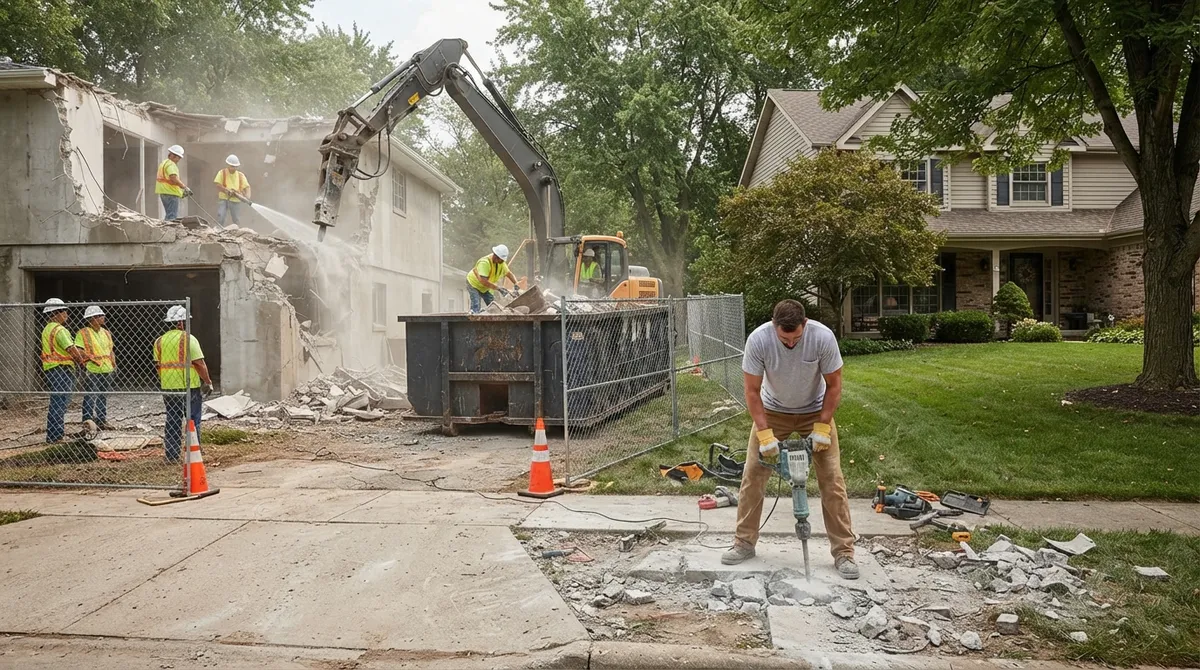
We get it. Renting a jackhammer from the local hardware store sounds tempting. But residential concrete demolition is trickier than it looks. Concrete is heavy, often reinforced with rebar or wire mesh, and can hide surprises like old utility lines underneath.
Here’s why hiring pros makes life easier:
- Professionals know how to spot and safely handle rebar and mesh without injury.
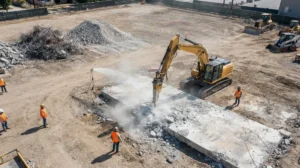
- Crews use commercial-grade equipment like jackhammers, concrete saws, skid steers, and excavators to get the job done faster.
- Dust control measures protect your home, your neighbors, and your lungs.
- Debris hauling and disposal are handled for you, so you’re not stuck with a mountain of broken concrete in your yard.
- Experienced teams know how to protect your landscaping, fences, and utility lines during the process.
702 Demo has spent years serving homeowners throughout Clark and Nye counties, and we’ve seen just about every type of concrete removal project you can imagine. Our team knows how to get it done safely, quickly, and without unnecessary stress for you.
What Equipment Is Used for Residential Concrete Demolition?
The tools used depend on the size and thickness of the slab, plus how much access the crew has to work with. Here’s a quick look at what typically shows up on a job site:
| Equipment | Best Used For |
|---|---|
| Jackhammers | Breaking up smaller slabs or working in tight spaces |
| Concrete saws | Cutting clean lines before removal, especially near structures |
| Skid steers | Moving broken concrete chunks and clearing debris quickly |
| Excavators | Handling larger driveways, thick slabs, or reinforced concrete |
| Demolition robots | Working in tight access areas or near reinforced concrete indoors |
Choosing the right tool for the job isn’t just about speed. It’s also about protecting the surrounding property, from fences to sprinkler lines to your neighbor’s driveway. If you’re curious about the broader process, check out our complete guide to concrete removal for more detail.
How Much Does Residential Concrete Demolition Cost?
While every project is different, here’s a general idea of what homeowners typically see for concrete removal costs, based on national averages:
- Concrete removal generally runs about $2 to $8 per square foot, depending on thickness, reinforcement, and disposal needs.
- A standard driveway removal often falls between $1,200 and $4,500.
- Patio removal tends to cost around $3 to $6 per square foot.
- A small 10×10 slab removal might run $300 to $800.
- Larger two-car driveways can range from $2,400 to $8,600, depending on slab thickness and site access.
- Overall, many homeowners spend somewhere between $500 and $5,000 on concrete or asphalt removal projects.
Keep in mind these are general figures. Your final cost depends on factors like slab size, reinforcement, access for equipment, and disposal fees. The best way to get an accurate number is to have a professional take a look at your specific situation.
Step-by-Step: What Happens During a Concrete Demolition Project
Wondering what the actual process looks like from start to finish? Here’s a simple breakdown:
- Initial assessment. A crew visits your property to look at the concrete, check for reinforcement, and note any nearby utilities or landscaping.
- Permit check. Depending on your project and location, a permit may be required, especially for driveway aprons, public sidewalks, or work near utility lines.
- Utility location. Before any breaking begins, crews confirm where underground lines run to avoid accidents.
- Breaking and cutting. Using jackhammers, saws, or excavators, the crew breaks the concrete into manageable pieces.
- Debris removal. Broken concrete gets loaded and hauled away, often to a recycling facility.
- Site cleanup and grading. The area is cleared, leveled, and prepped for whatever comes next, whether that’s new concrete, pavers, or landscaping.
This process typically takes anywhere from a single day for a small patio to several days for a large driveway or multiple slabs. Weather, slab thickness, and site access all play a role in the timeline.
Do You Need a Permit for Concrete Removal?
This is one of the most common questions homeowners ask, and the answer depends on your specific project. In many cases, removing a small patio slab in your backyard doesn’t require a permit. But things change when you’re dealing with driveway aprons, public sidewalks, or structural elements.
Local governments take this seriously because of safety concerns and utility protection. For example, the Las Vegas demolition permit guidelines outline when permits are required for demolition work within city limits. If your property falls under county jurisdiction, the Clark County Building Department can help clarify local requirements for your specific address.
The safest bet? Ask your demolition contractor to handle the permit process for you. A good contractor will know exactly what’s needed before the first jackhammer even starts swinging.
Repair or Demolish? How to Decide
Sometimes a cracked slab just needs a patch job. Other times, it’s better to remove the whole thing and start fresh. Here’s how to think through the decision:
- Consider repair if: The damage is minor, like small surface cracks or slight discoloration, and the slab is still structurally sound.
- Consider demolition if: There’s major cracking, uneven settling, drainage problems, or the slab is simply too old and beyond patching.
- Think about future plans. If you’re planning a full backyard remodel or driveway upgrade, demolition often makes more sense than working around old concrete.
- Factor in safety. Trip hazards from uneven slabs are a real concern, especially for households with kids or older family members.
If you’re unsure which route to take, a quick site visit from a demolition professional can clear up the confusion fast. It’s much easier to make the right call once you know exactly what’s going on beneath the surface.
Protecting Your Property During Demolition
One of the biggest worries homeowners have is damage to things they want to keep, like fences, sprinkler systems, or nearby landscaping. Here’s how experienced crews handle it:
- Marking utility lines before any equipment starts breaking ground
- Using barriers or protective covering around plants, trees, and fences
- Choosing the right-sized equipment to avoid unnecessary damage in tight spaces
- Controlling dust with water sprays or containment methods
- Communicating clearly with homeowners about the project timeline and any temporary access limitations
If your project includes nearby landscaping that also needs clearing, our landscaping removal services can be paired with your concrete demolition for a smoother, more efficient project overall.
Can Concrete Be Recycled After Demolition?
Great news here: broken concrete doesn’t have to end up sitting in a landfill forever. Many demolition companies haul removed concrete to recycling facilities where it gets crushed and reused as base material for new construction projects, roads, or drainage systems.
This is a win for the environment and often keeps disposal costs more reasonable. When you’re choosing a contractor, it’s worth asking whether they prioritize recycling as part of their hauling and disposal process. Responsible disposal is just one more reason to learn more about proper hauling services before your project begins.
Why Homeowners Across Clark and Nye Counties Trust 702 Demo
We know there are a lot of decisions wrapped up in a concrete demolition project. That’s exactly why homeowners, renovation contractors, and property managers throughout the region turn to 702 Demo for help. Our team handles everything from small patio removals to full driveway demolitions, always with an eye on safety, efficiency, and keeping your property protected.
Curious what our neighbors have to say? Feel free to visit us on Google — 702 Demo and read through real experiences from local homeowners just like you. We’re proud of the reputation we’ve built one project at a time across Las Vegas and the surrounding communities.
Questions to Ask Before Hiring a Concrete Demolition Contractor
Before signing on with any contractor, it helps to ask a few key questions. This keeps expectations clear and avoids surprises later on.
- Are you licensed and insured for residential demolition work in Nevada?
- Will you handle the permit process, if one is needed?
- How do you protect landscaping, fences, and utilities during the job?
- What happens to the broken concrete after removal?
- How long will the project realistically take from start to finish?
A trustworthy contractor should have clear, confident answers to all of these. If you’re comparing options, our article on what makes a licensed demolition contractor essential breaks down exactly what to look for.
Getting Your Property Ready for What’s Next
Once the old concrete is gone, the real fun begins. Maybe you’re pouring a fresh driveway, laying pavers for a new patio, or planning a full backyard transformation. Whatever comes next, proper grading and site prep make all the difference in how well your new project holds up over time.
Our team can also help with excavating and grading services right after demolition, so your site is perfectly prepped without needing to bring in a separate crew. It’s one more way we simplify the process for busy homeowners and contractors alike.
Ready to Clear the Way?
Old, cracked, or unwanted concrete doesn’t have to stick around any longer than it needs to. Whether you’re tackling a small backyard patio or a full driveway replacement, having an experienced team on your side makes the whole process smoother and far less stressful.
702 Demo has years of hands-on experience serving homeowners, contractors, and developers across Clark and Nye counties. We handle everything from the first jackhammer strike to the final cleanup, so you can move forward with confidence. Ready to get started? Contact 702 Demo for a free estimate and let’s talk about your project today.
FAQs
Q: How much does residential concrete demolition cost?
A: It really depends on the size and thickness of the slab, but most homeowners see costs between $2 and $8 per square foot. A typical driveway removal often runs $1,200 to $4,500, while a small patio slab might only be a few hundred dollars. The best way to get a real number is to have a contractor take a look at your specific project.
Q: Do I need a permit to remove a concrete driveway or patio?
A: Sometimes, yes! It depends on whether the concrete is part of a structural element, sidewalk, or driveway apron near utilities. Local rules like the Las Vegas demolition permit guidelines can help clarify what’s needed, but honestly, your contractor should handle this for you.
Q: How long does residential concrete removal take?
A: Smaller jobs like a single patio slab can often be finished in a day. Larger projects, like a full driveway or multiple slabs, might take a few days depending on thickness, access, and disposal logistics. Your contractor can give you a more specific timeline once they see the site.
Q: Can concrete be recycled after demolition?
A: Absolutely, and it’s one of our favorite parts of the process! Broken concrete often gets hauled to recycling facilities where it’s crushed and reused for new construction projects. It’s a great way to keep debris out of landfills while supporting local building efforts.
Q: Is it better to repair or demolish a damaged concrete slab?
A: It really comes down to how bad the damage is. Small surface cracks might just need a patch, but major cracking, sinking, or drainage issues usually mean it’s time to remove and start fresh. If you’re not sure, a quick site visit from a demolition pro can help you decide with confidence.