Key Takeaways
-
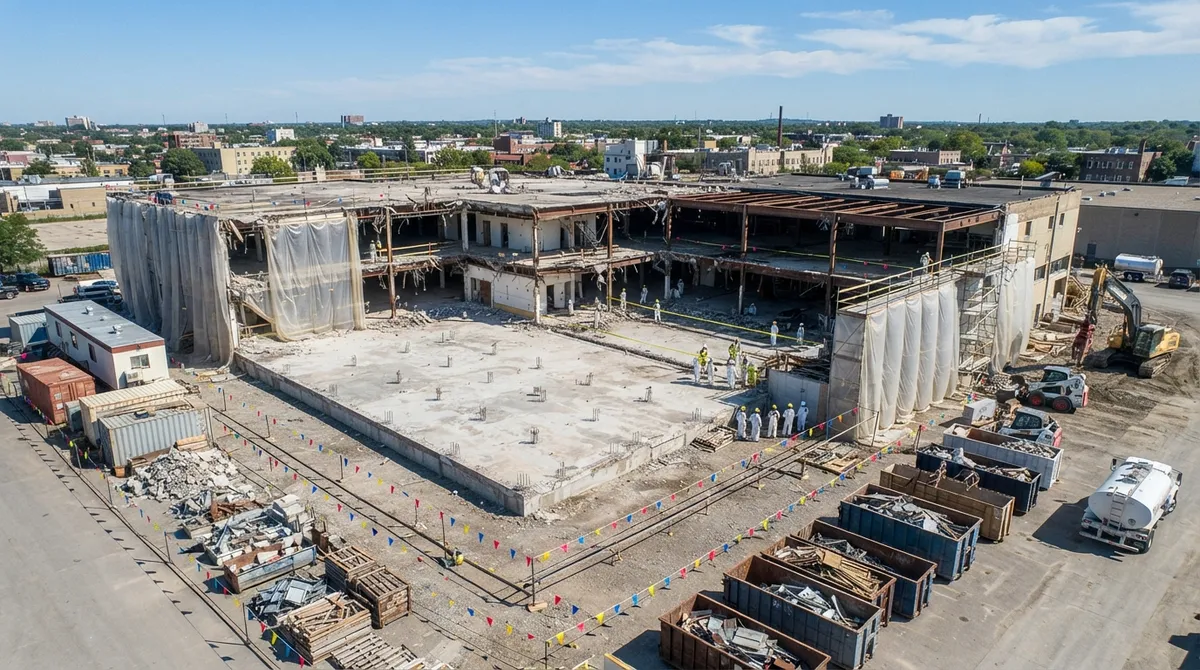
Hazardous material identification and abatement is legally required before demolition begins; asbestos in 260+ linear feet of pipe insulation or 160+ sq ft on surfaces triggers EPA emission-control requirements, and lead-contaminated debris must be tested to avoid hazardous waste classification.
-
Selective demolition preserves existing structures while removing specific components like walls or flooring, making it ideal for renovations and costing less than full demolition while generating less noise and dust.
-
Professional demolition services include 10 core offerings: structural demolition, selective demolition, concrete removal, pool removal, site clearing, excavation/grading, debris hauling, hazardous material abatement, permit coordination, and final cleanup.
-
Proper site assessment before demolition work must identify utility lines, structural risks, hazardous materials, and obtain local permits—rules vary by city and county, so contacting your building department is essential before starting.
Got a building, pool, or slab of concrete you need gone? You’re not alone. Homeowners, builders, and property managers across Clark and Nye counties face this question every day. The good news? Demolition and removal services have never been more organized, safe, or easy to understand. Let’s walk through everything together, friend to friend.
Whether you’re planning a small kitchen renovation or clearing land for a brand-new development, knowing what’s included in professional demolition and removal services helps you plan smarter. It also helps you avoid surprises. This guide breaks down the 10 core services you should know about, plus safety rules, permits, and how to pick the right team for your job.
1. Structural Demolition (Full Building Removal)
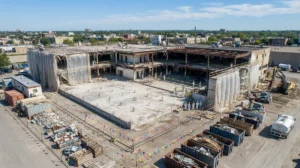
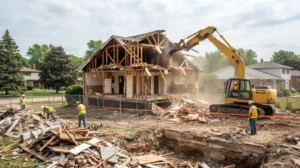
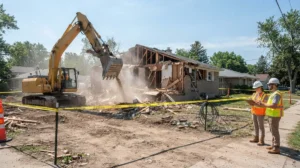
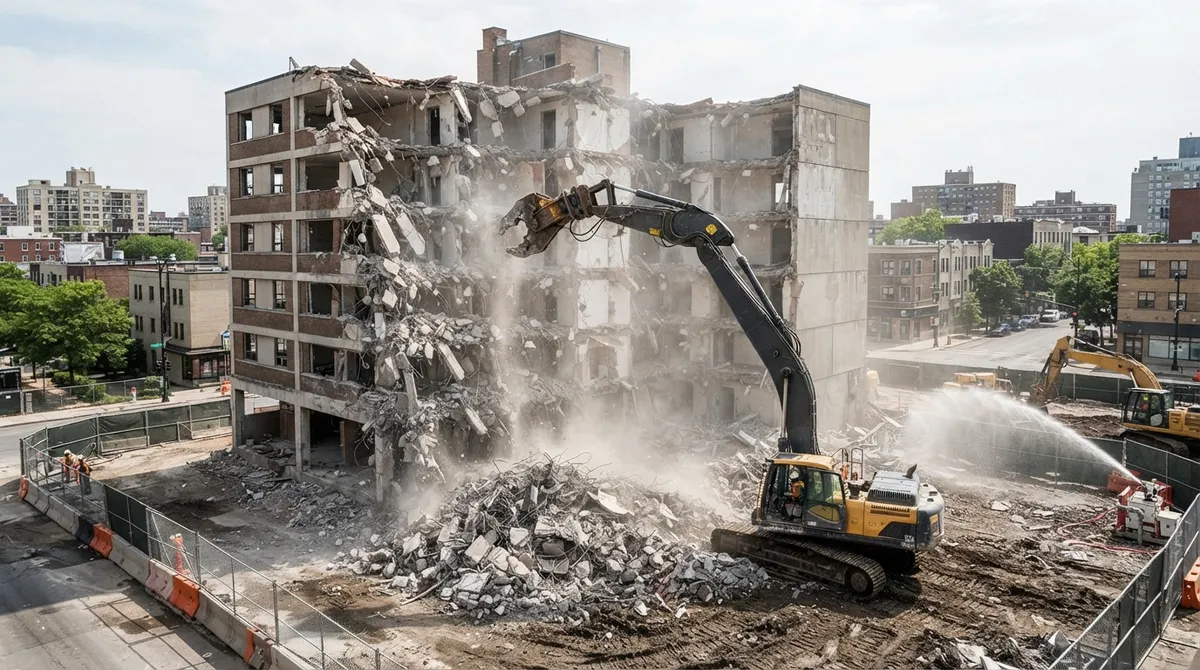
This is the big one. Structural demolition means tearing down an entire building, from the roof to the foundation. It’s often used when a property is too old, too damaged, or simply in the way of a new project.
Crews use heavy machines like excavators and high-reach equipment to bring down walls safely. For homeowners in Nevada looking to clear a lot, full building demolition is usually the fastest way to start fresh.
Why Homeowners Choose Full Demolition
- The home has fire, water, or structural damage
- Repair costs are higher than rebuilding
- You want a modern layout that old walls won’t allow
- The lot is being prepped for resale or new construction
2. Selective (Interior) Demolition
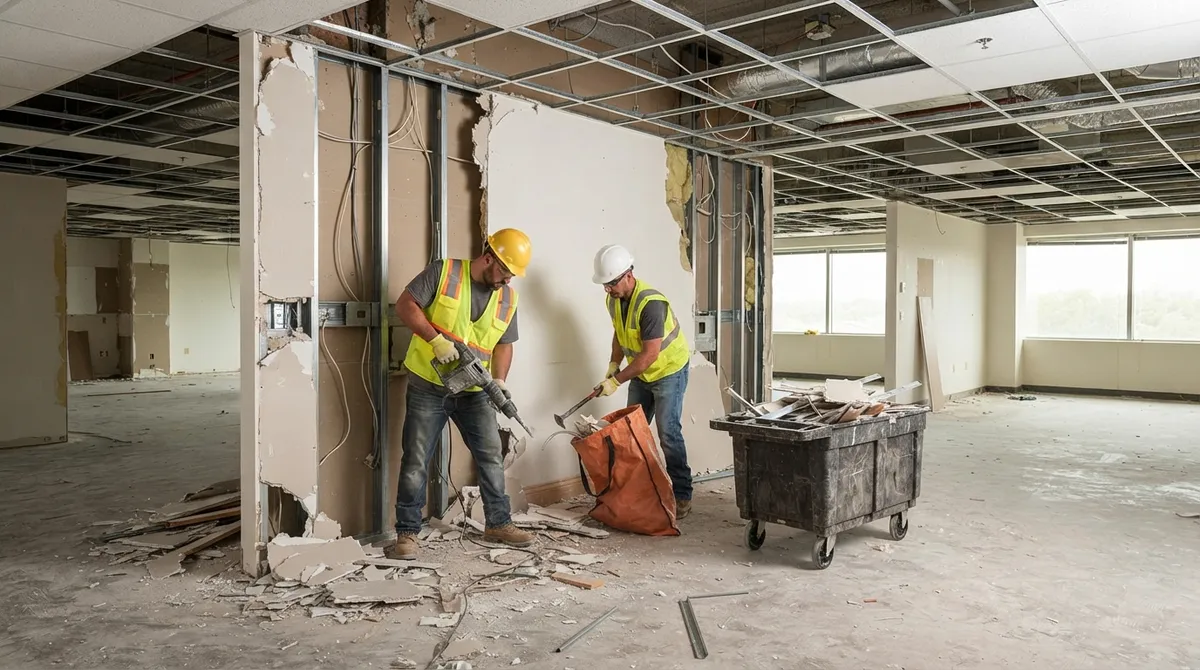
Not every project needs a full teardown. Selective demolition removes specific parts of a building, like walls, ceilings, or flooring, while keeping the rest standing strong.
This is a favorite among renovation contractors and property managers. It’s precise, controlled, and much quieter than full demolition. If you’re gutting a kitchen or opening up a floor plan, interior demolition is your best friend.
Common Uses for Selective Demolition
- Removing interior walls for open-concept remodels
- Stripping outdated flooring or ceiling tiles
- Taking out old fixtures before a renovation
- Preparing tenant spaces for new commercial buildouts
3. Concrete Cutting and Removal
Concrete is everywhere, driveways, patios, foundations, sidewalks. When it cracks or gets in the way of new plans, you need someone who knows how to break it up and haul it away properly.
A good concrete removal team uses saws, breakers, and hydraulic tools to cut through slabs without damaging nearby structures. Much of that old concrete can even be recycled into new material, which is a nice bonus for the planet.
4. Pool and Spa Removal
An old, unused pool can be a real headache. It costs money to maintain, and it can even lower your home’s value if it’s cracked or outdated. Removing it opens up backyard space for something better.
Professional pool removal involves draining the water, breaking up the shell, and either fully removing it or partially filling it in, depending on local rules and your future plans for the yard.
Pool Removal Options
| Removal Type | What Happens | Best For |
|---|---|---|
| Full Removal | Entire shell and debris hauled away | Building a new structure over the space |
| Partial Removal | Shell is broken, drained, and backfilled | Budget-friendly yard reclaiming |
5. Landscaping and Site Clearing
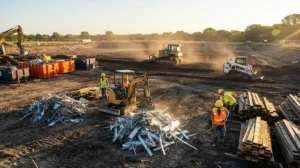
Before any new build begins, the land often needs to be cleared. This includes trees, shrubs, old sod, and any leftover debris from previous structures.
Landscaping removal is a common first step for real estate developers and homeowners planning a fresh yard design. It clears the path for grading, excavation, and new construction.
6. Excavating and Grading
Once the debris is gone, the ground often needs shaping. Excavating and grading levels the soil, improves drainage, and prepares the site for foundations, driveways, or landscaping.
This step is critical for commercial builders and developers who need a stable, code-compliant base before construction starts. Excavating and grading services make sure your project starts on solid ground, literally.
7. Debris Hauling and Disposal
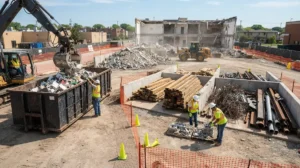
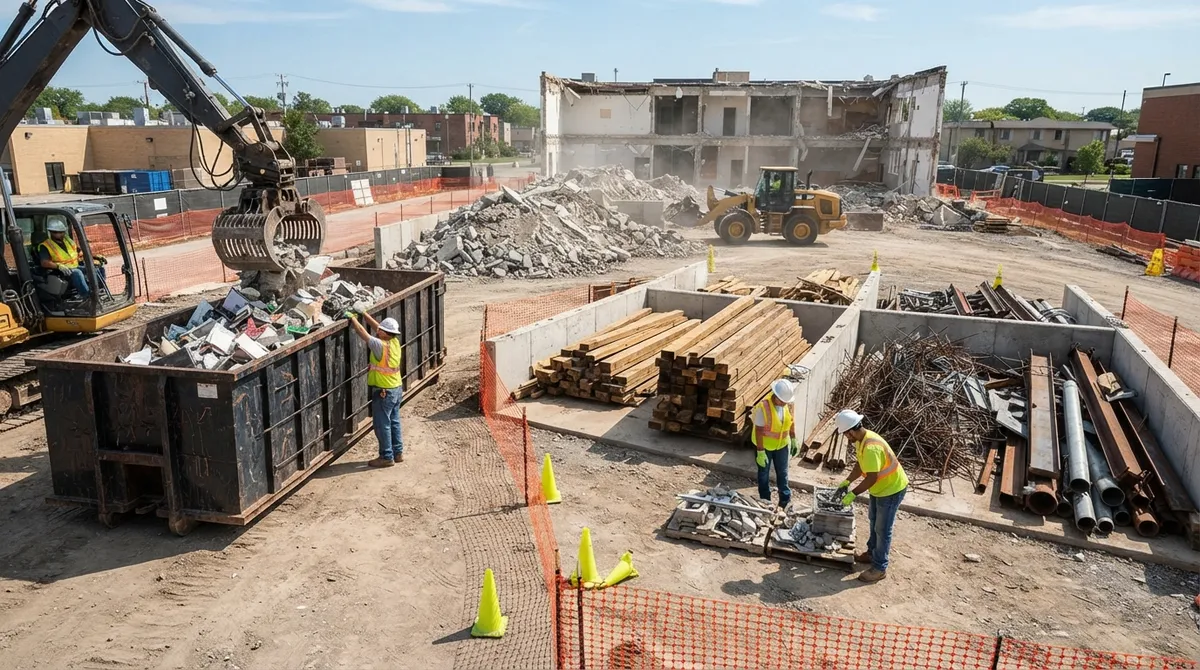
Demolition creates a lot of waste. Concrete, wood, metal, drywall, it all has to go somewhere. Professional hauling services handle the loading, transport, and proper disposal of every last piece.
Good contractors sort materials so recyclable items like metal and concrete don’t end up in a landfill unnecessarily. This saves money and helps the environment too.
What Typically Gets Hauled Away
- Broken concrete and asphalt chunks
- Wood framing and old lumber
- Metal fixtures, pipes, and rebar
- Drywall, insulation, and roofing materials
- General construction debris and packaging
8. Hazardous Material Identification and Abatement
Older buildings sometimes hide unpleasant surprises, like asbestos or lead paint. These materials need special handling before any demolition can safely begin.
Under the federal Asbestos NESHAP rule, regulated asbestos material generally includes anything containing more than 1% asbestos that is friable or could become friable during demolition. If your project involves at least 260 linear feet of asbestos pipe insulation, 160 square feet on other surfaces, or 35 cubic feet total, special emission-control steps are required by law, according to the EPA’s asbestos demolition guidance.
Lead-contaminated debris can also be classified as hazardous waste if it fails certain toxicity tests, so proper testing before demolition matters a lot. This isn’t a step to skip, and a licensed contractor will know exactly how to handle it.
9. Site Assessment and Permit Coordination
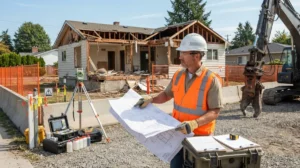
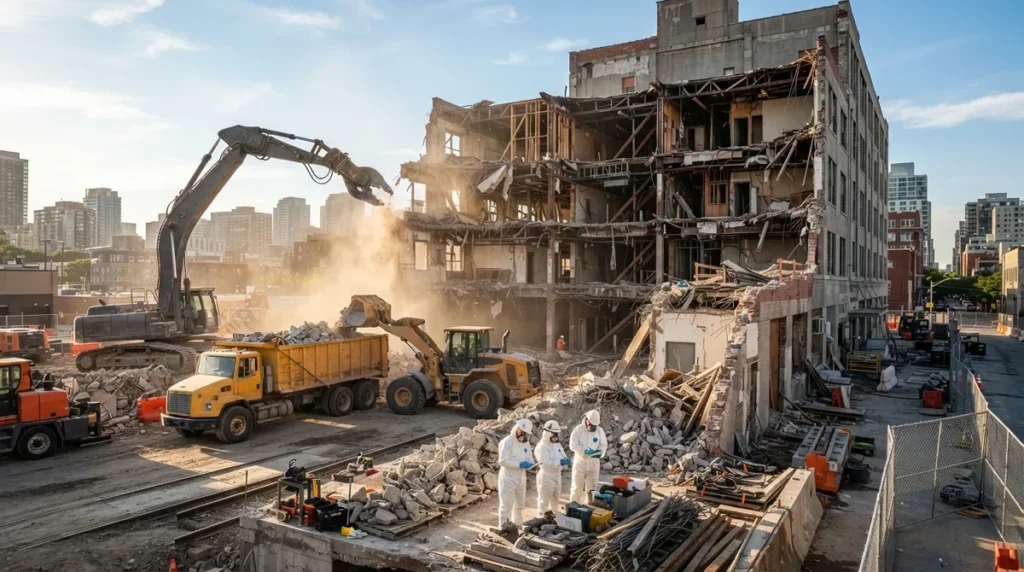
Every good demolition project starts long before the first wall comes down. A proper site assessment checks for utility lines, structural risks, and hazardous materials.
Permits are also required in most cases. Rules vary by city and county, so it pays to check with your local building department. For example, you can review the Las Vegas demolition permit guidelines or contact the Clark County Building Department before starting any work.
Steps in a Typical Pre-Demolition Assessment
- Inspect the structure for hazardous materials
- Disconnect gas, water, and electrical utilities
- Pull the necessary permits from local authorities
- Set up safety zones and dust or noise controls
- Create a demolition sequence plan for the crew
10. Site Cleanup and Final Grading
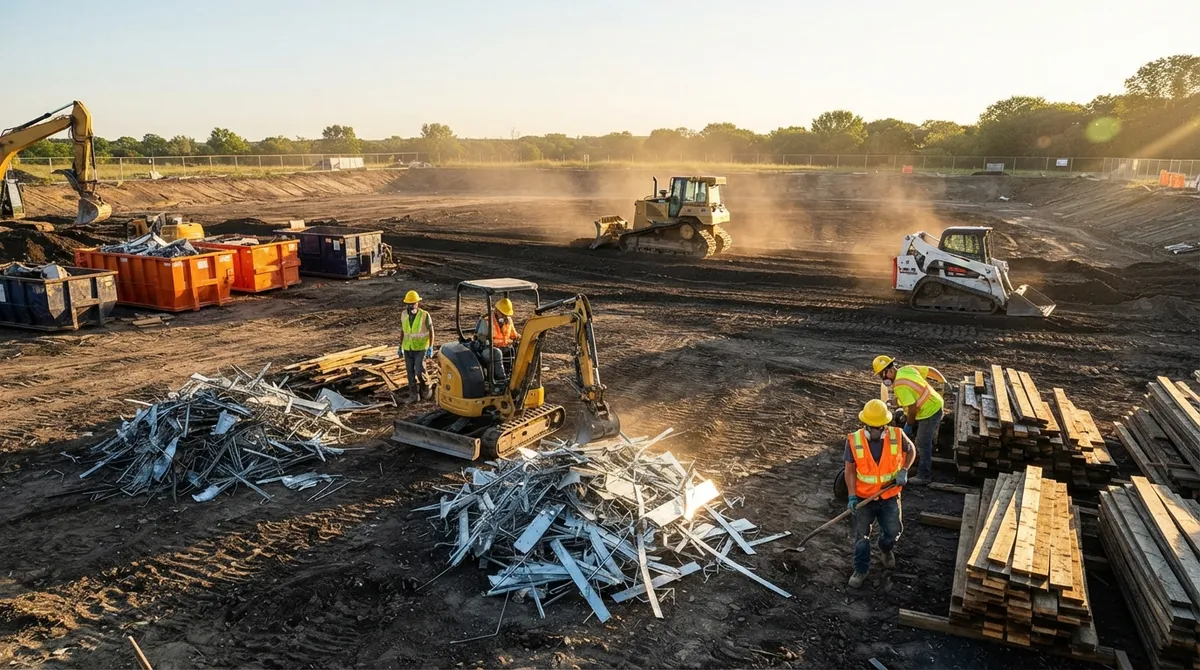
The last step ties everything together. Once demolition is done and debris is hauled away, the site gets a final cleanup and grading pass. This leaves the property ready for its next chapter, whether that’s a new home, a parking lot, or a commercial building.
This final touch matters most to developers and builders who need a clean, level site to start construction without delay.
Selective Demolition vs. Complete Demolition: A Quick Comparison
| Factor | Selective Demolition | Complete Demolition |
|---|---|---|
| Scope | Removes specific parts only | Removes the entire structure |
| Common Use | Renovations, tenant improvements | Teardowns, full site clearing |
| Noise & Dust | Lower, more controlled | Higher, requires more planning |
| Timeline | Often shorter | Depends on building size |
Why Safety Rules Matter So Much
Demolition isn’t just about knocking things down. It’s about doing it safely, for workers, neighbors, and the environment. Reputable contractors follow strict protocols including:
- Establishing clear exclusion zones around equipment
- Using dust suppression and noise control methods
- Wearing proper protective gear at all times
- Following traffic control plans near busy roads
- Having an emergency response plan ready on-site
The U.S. demolition and wrecking industry reached about $11.2 billion in revenue in 2025, according to IBISWorld’s industry analysis. That growth reflects rising demand for skilled, safety-focused demolition teams across the country, including right here in Nevada.
Choosing the Right Demolition and Removal Team
Not all contractors are created equal. Here’s what to look for before signing any contract:
- Proper licensing and insurance for your state
- Experience with your specific project type
- Clear communication about permits and timelines
- A track record of proper waste disposal and recycling
- Positive reviews from local customers
702 Demo has spent years earning trust across Clark and Nye counties by handling everything from small residential jobs to large commercial teardowns. You can visit us on Google — 702 Demo to see what our customers have to say about their projects.
Why 702 Demo Is the Right Choice for Nevada Projects
Whether you’re a homeowner tearing out an old pool, a builder grading a commercial lot, or a property manager dealing with hazardous debris, 702 Demo has the experience to get it done right. We handle everything from full-service demolition to grading, concrete work, and paving, all under one roof.
Our team understands local permit rules, environmental requirements, and how to keep your project moving without unnecessary delays. That’s why so many Nevada property owners trust us as their go-to demolition partner.
Final Thoughts on Demolition and Removal Services
Demolition and removal services cover a lot more than just knocking down walls. From site assessments to hazardous material handling to final grading, each step matters. Choosing an experienced, licensed team protects your property, your budget, and your peace of mind.
Ready to get started on your next project? Contact 702 Demo for a free estimate and let’s talk about how we can help you clear the way for what’s next.
FAQs
Q: What is included in demolition and removal services?
A: Great question! These services usually cover structural demolition, selective demolition, concrete cutting, debris hauling, and site cleanup. Many contractors, like our team at 702 Demo, also handle hazardous material removal and land grading so you get a truly complete solution.
Q: What is the difference between selective demolition and complete building demolition?
A: Selective demolition removes specific parts of a building, like walls or flooring, while keeping the rest intact. Complete demolition takes down the entire structure. Your project’s goals usually determine which one makes the most sense.
Q: Do I need a permit for demolition and removal work?
A: In most cases, yes! Permit rules vary by city and county, so it’s smart to check with your local building department before starting. Our team can help walk you through the process so nothing catches you off guard.
Q: How are asbestos and other hazardous materials handled during demolition?
A: Before any demolition begins, a proper inspection checks for asbestos, lead, and other hazardous materials. If found, these materials must be safely removed and disposed of according to federal and state rules, keeping everyone on-site protected.
Q: How do I choose a licensed and insured demolition contractor?
A: Look for proper licensing, solid insurance coverage, and real experience with projects like yours. Reading local reviews helps too! We always encourage folks to check out our Google reviews before making a decision.