Key Takeaways
-
Before any breaking starts, a pro should check deck thickness and rebar, equipment access, distance to the pool shell, utility lines, drainage, and nearby structures.
-
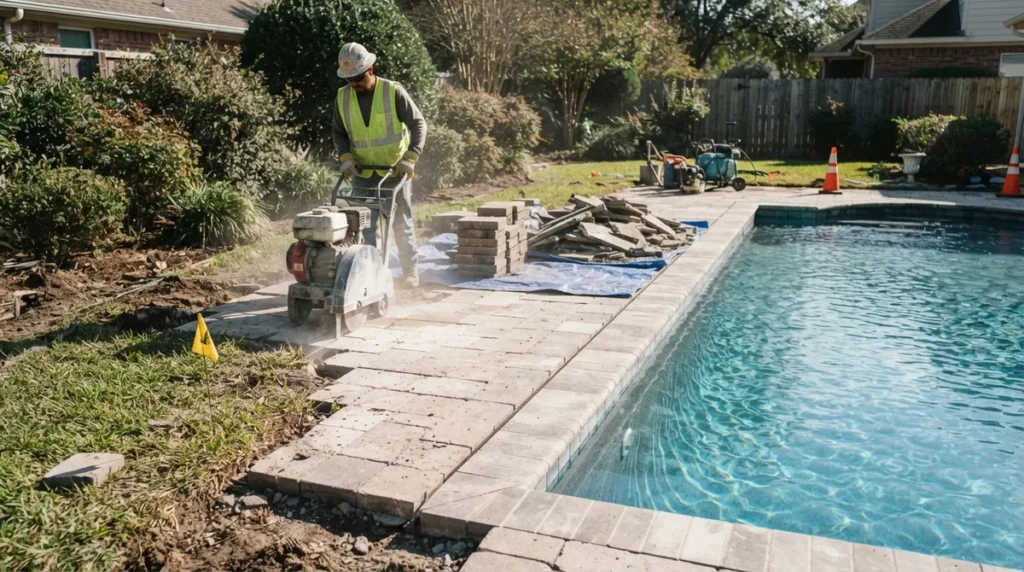
Saw-cutting a control line near the pool edge creates a clean break zone and keeps heavy impact away from the pool shell and coping.
-
Confirm permit requirements with your city or county before work begins, since even small pool deck removals may need approval and utility location steps.
-
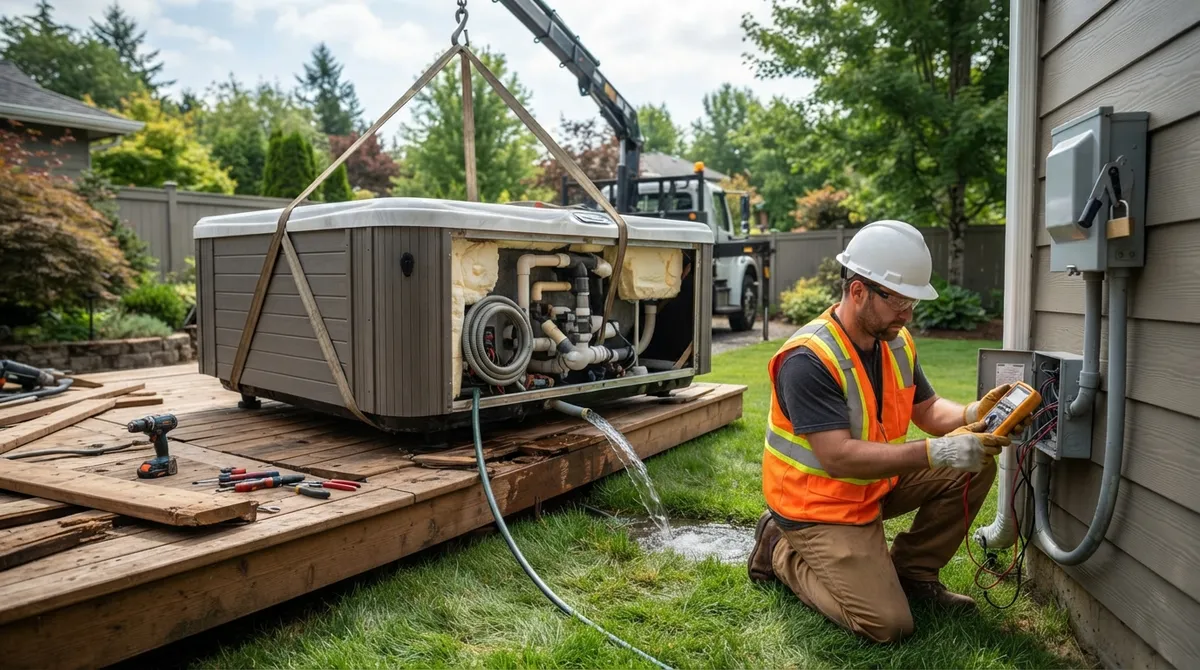
Mark and confirm the location of plumbing, electrical, and gas lines before heavy work, and have licensed trades handle any disconnections.
-
Concrete is often recyclable: clean slabs can be crushed into aggregate at an authorized facility, and intact pavers can be saved for reuse.
-
Partial removal is a practical option when only one section is damaged; saw-cutting along a clean edge protects the good concrete and gives a neat joint for new work.
Is your old pool deck cracked, sinking, or just plain tired? You are not alone. Many homeowners in Clark and Nye counties reach a point where the concrete around the pool has seen better days. Maybe the surface is heaving from tree roots. Maybe the desert sun has baked it into a patchwork of cracks. Or maybe you simply want a fresh look for your backyard.
Whatever the reason, pool deck demolition and removal is the first big step. It sounds simple, but it takes smart planning. You have a pool shell, buried pipes, wiring, and landscaping all sitting right next to the work zone. One wrong move can turn a small project into a big headache.
In this friendly guide, we will walk you through how the process works from start to finish. You will learn how pros plan the job, what methods they use, and how debris gets handled. We will also cover permits, safety, and what to look for in a contractor. By the end, you will feel ready to take the next step with confidence.
What Is Pool Deck Demolition and Removal?
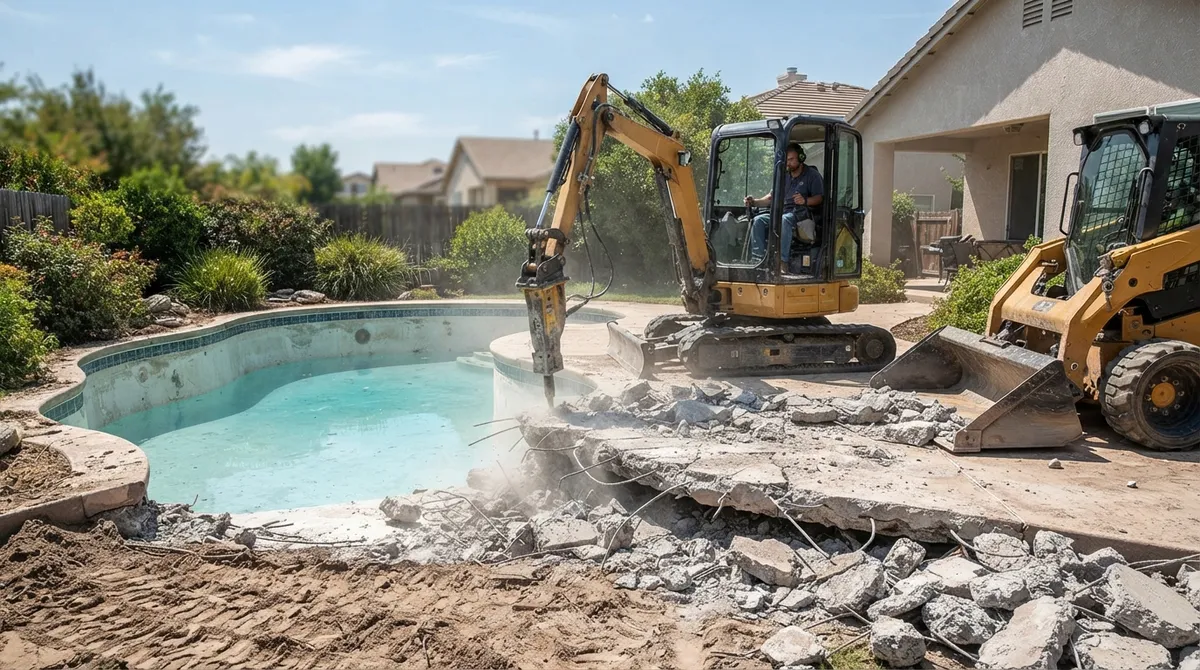
Pool deck demolition and removal means taking out some or all of the hardscape around a swimming pool. The deck can be poured concrete, pavers, natural stone, or a mix of these. Each material calls for a slightly different plan.
In the demolition world, this is a site-specific job. No two pool decks are exactly alike. The thickness of the slab, the steel inside it, and the way it was built all shape the plan. The space around the pool matters too.
The job usually includes these parts:
- Breaking up or lifting the deck material
- Protecting the pool shell and nearby features
- Loading and hauling away the debris
- Leaving the area ready for whatever comes next
If you want a deeper look at how concrete gets broken up and hauled off, check out this guide to concrete removal, from breaking to disposal.
Why Do Homeowners Remove Pool Decks?
People choose to remove a pool deck for many good reasons. Some are about safety. Others are about style or planning for the future.
Common Reasons for Removal
- Cracks and trip hazards: Uneven slabs can cause stumbles, especially for kids and guests.
- Settling and drainage trouble: A deck that slopes toward the house can send water where it should not go.
- A full remodel: New pool finishes, coping, or decking often start with a clean slate.
- Surface wear: Years of sun and pool chemicals can break down concrete.
- Pool removal plans: If you are filling in the pool, the deck often goes too.
Some owners remove only part of the deck. That can work well if one section is damaged and the rest is solid. A good contractor will help you decide what makes sense for your yard.
How Do Pros Plan the Job Before Work Begins?
Great demolition starts long before the first slab is broken. A careful walk-through helps the crew choose the right tools and the safest path.
What the Contractor Checks First
A trained contractor will usually look at these things:
- Deck thickness and steel: Thicker slabs and rebar need stronger tools and more time.
- Equipment access: Can a machine reach the deck, or does it need to be done by hand?
- Distance to the pool shell: Work near the edge needs extra care.
- Utilities: Gas, water, electrical, and pool plumbing lines may run under or near the deck.
- Drainage: Water flow tells the crew how to leave the site.
- Nearby structures: Fences, walls, patios, and the house itself all need protection.
This early step saves time and prevents surprises. It is also a great moment to ask questions. A good crew will happily explain their plan in plain language.
How Is a Concrete Pool Deck Removed Without Damaging the Pool?
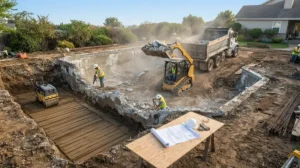
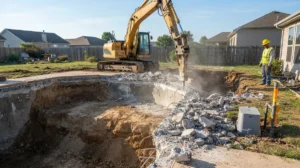
This is the question we hear most. The answer is careful, controlled work. Crews do not just smash everything at once. They break the deck into manageable pieces and work from the outside in.
Common Removal Methods
| Method | Best For | Key Benefit |
|---|---|---|
| Saw-cutting, then breaking | Concrete near the pool edge | Clean, controlled break lines |
| Compact demolition equipment | Tight backyards with limited access | Strong force in small spaces |
| Hand tools and jackhammers | Detail work near plumbing and walls | Extra precision |
| Lifting pavers by hand | Modular stone or paver decks | Materials may be reused |
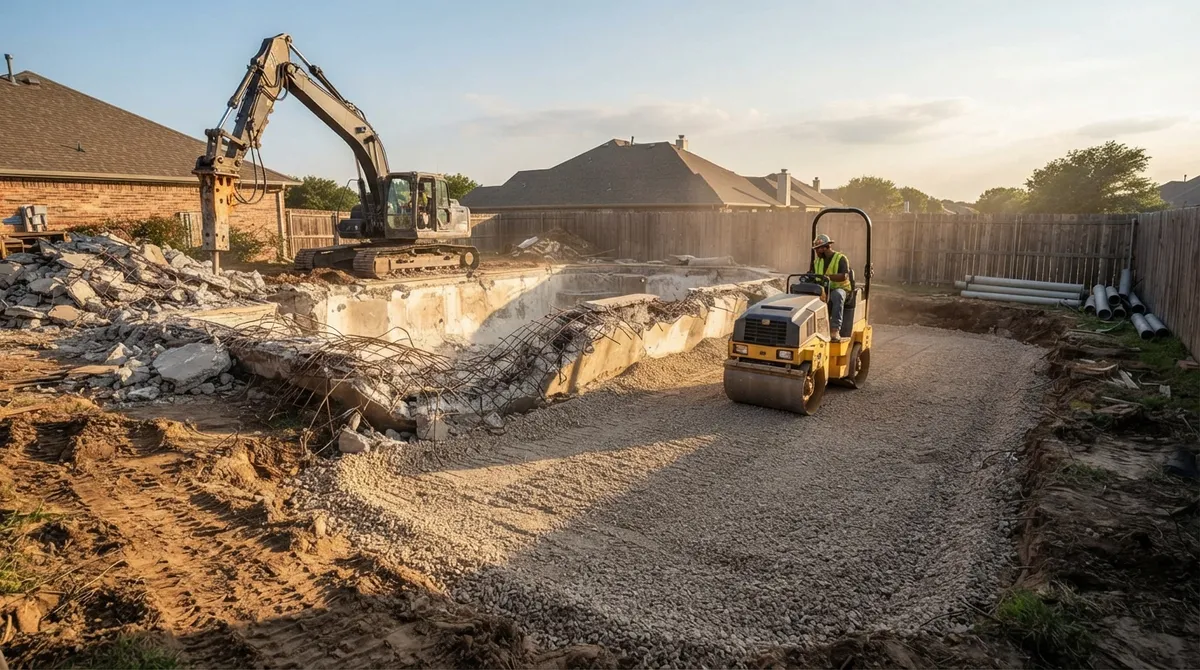
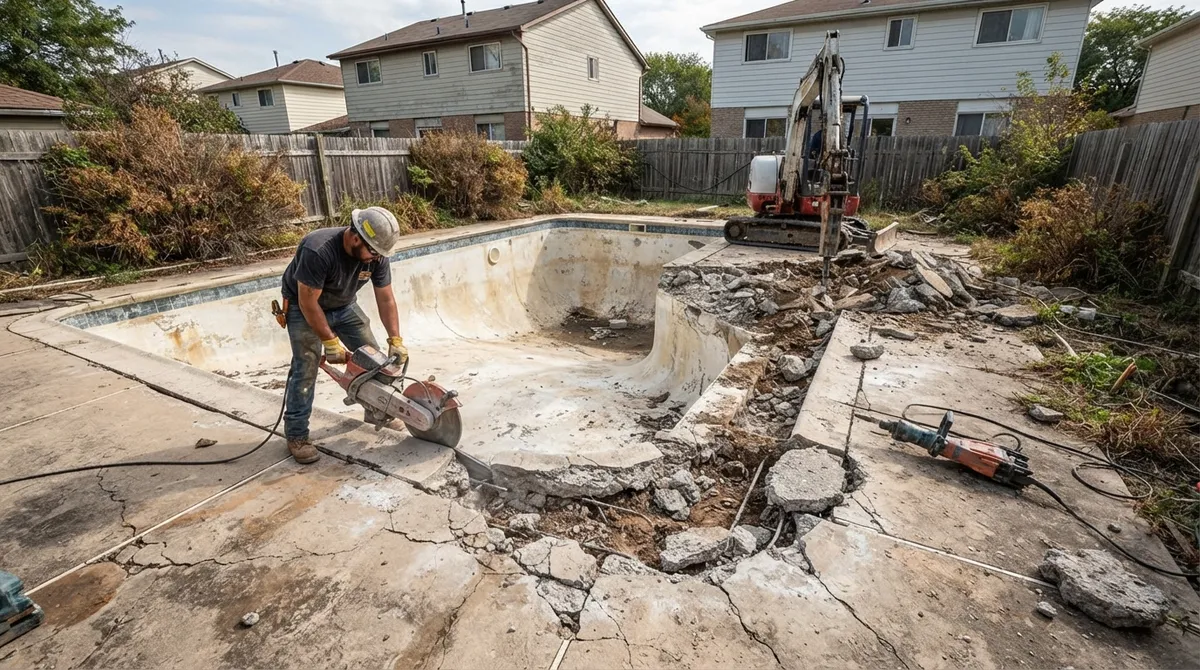
Saw-cutting is a favorite trick of the pros. By cutting a line near the pool edge first, the crew creates a break zone. That keeps heavy impact away from the pool shell and coping.
What Is the Step-by-Step Process?
While every job is different, most pool deck removal projects follow a similar path. Here is a simple look at how it unfolds.
- Site walk-through and plan: The crew reviews the deck, access, and nearby risks.
- Utility marking: Underground lines are located and marked so no one hits them.
- Protection setup: The pool, landscaping, and nearby surfaces are covered or fenced off.
- Saw-cutting: Control lines are cut where needed, especially near the pool.
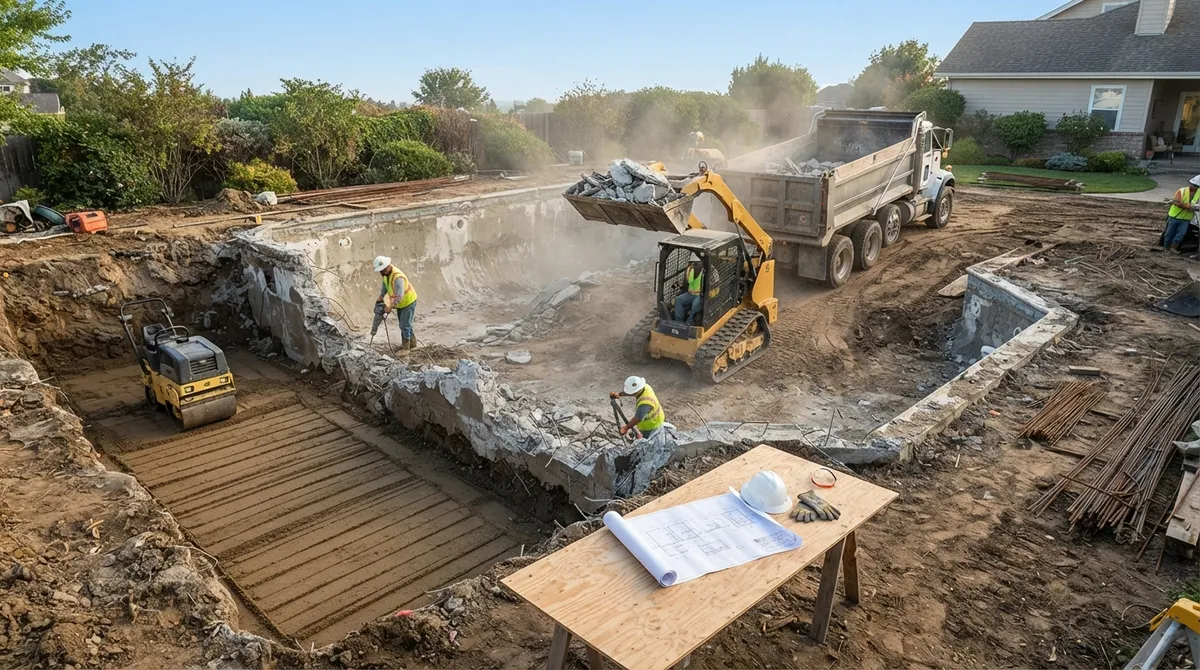
- Breaking and lifting: The slab is broken into pieces and removed in sections.
- Sorting debris: Concrete, rebar, and other materials are separated where practical.
- Hauling: Debris is loaded and taken to an authorized facility.
- Final cleanup: The area is cleared, raked, and prepped for the next phase.
For a bigger picture of how any demo job flows, you may enjoy this look at what really happens during the demolition process.
How Do Crews Protect the Pool and Property?
Protection is a big part of the work. A pool deck sits right beside some of the most delicate parts of your yard. Good crews plan for this from the start.
Key Protection Steps
- Covering the pool: Heavy covers or barriers keep chunks and dust out of the water.
- Guarding plumbing and electrical lines: Marked lines are avoided or exposed by hand.
- Shielding landscaping: Plants, trees, and irrigation get fencing or wraps.
- Protecting nearby walls and fences: Cushions and barriers cut down on damage.
- Controlling dust and noise: Water misting and work-hour planning help keep neighbors happy.
Las Vegas dust can travel fast on a windy day. That is why dust control matters so much here. A thoughtful crew will plan around the weather and your neighbors.
What About Pool Plumbing and Electrical Lines?
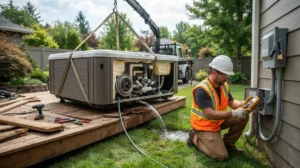
Many homeowners worry about this part, and that is a smart thing to think about. Pool equipment lines often run under or right beside the deck. Bonding wires and lighting circuits may be nearby too.
Before any heavy work, the crew should confirm where these lines run. Some may need to be shut off or capped. Others may need to be exposed carefully by hand. If your project also involves utility shutoffs for a pool removal, this guide on utility disconnect steps for pool removal is a handy read.
It is also wise to call licensed trades if electrical or gas lines need to be disconnected. Safety always comes first.
Do You Need a Permit to Remove a Pool Deck?
This one surprises many people. Even a small deck removal may need approval. Rules vary by city and county, so never assume you are exempt.
Before work begins, it helps to check on:
- Local demolition or construction permits
- Utility location requirements
- Waste-hauling rules
- Pool-related requirements, especially if the pool is changing
For city-specific details, the Las Vegas demolition permit guidelines are a helpful place to start. If you live in the county, the Clark County Building Department can point you in the right direction. You can also read more in 8 pool demolition permit facts to know in 2026 to learn how permits tend to work.
What Happens to All the Debris?
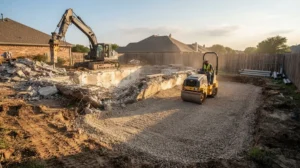
A pool deck produces a lot of heavy material. Concrete is dense, and even a modest backyard can fill several loads. The good news is that most of it does not need to end up in a landfill.
According to the U.S. EPA, about 600.3 million tons of construction and demolition debris were generated in the United States in 2018. Concrete made up around 67.5% of that total by weight. Roughly 334 million tons of concrete debris were directed to next use, such as aggregate and manufactured products, while about 71.2 million tons were landfilled. These are national numbers, not pool-deck figures, but they show how common concrete recycling has become.
How Debris Is Usually Handled
- Separation: Concrete, rebar, soil, and trash are split up where practical.
- Recycling: Clean concrete may be crushed into aggregate, depending on facility rules.
- Disposal: Anything that cannot be recycled goes to an authorized site.
- Paver reuse: Intact pavers and stone may be saved for another project.
Hauling matters just as much as breaking. For tips on moving heavy loads the smart way, see how to handle hauling and demolition for your next project.
How Long Does Pool Deck Removal Take?
Most pool deck jobs are quicker than people expect, but timing depends on the details. A small, thin slab with good access may wrap up fast. A thick, reinforced deck with tight access takes longer.
Things that can affect the schedule include:
- Total deck area and thickness
- How much steel is inside the concrete
- Whether equipment can reach the work area
- Weather, especially wind and extreme heat
- Permit timing and inspections
- Whether the pool itself is also being removed
A clear timeline from your contractor helps everyone stay on the same page. Do not be shy about asking for one.
What Affects the Scope of Your Project?
Every project has its own moving parts. Knowing them up front helps you plan and avoid surprises. Here are the main things that shape the scope of work.
| Factor | Why It Matters |
|---|---|
| Deck material | Concrete, pavers, and stone each need different methods |
| Thickness and rebar | Affects tools, time, and debris weight |
| Access | Narrow gates and tight yards limit equipment |
| Hauling distance | Longer trips add time and logistics |
| Protection and restoration | Landscaping and fence repair may be part of the plan |
| Pool removal | Removing the pool too changes the entire job |
If you are thinking bigger, many owners pair deck removal with pool work. Our guide to pool demolition and removal facts can help you weigh that choice.
Can You Remove Only Part of the Deck?
Yes, partial removal is very common. You might replace a damaged section near the steps or take out a strip along the coping. The key is a clean break line.
Crews often saw-cut along the edge of the section that stays. That keeps the good concrete safe and gives you a neat edge for the new work. It is a smart way to save the parts of your deck that still have plenty of life left.
For more on this idea, take a look at these partial demolition facts every owner should know.
What Should You Look for in a Pool Deck Demolition Contractor?
Choosing the right team makes all the difference. A great contractor protects your pool, your yard, and your peace of mind.
Smart Questions to Ask
- Are you licensed and insured for demolition work in Nevada?
- How will you protect the pool shell and nearby lines?
- Who handles permits and utility location?
- Where does the debris go, and is any of it recycled?
- What is the plan for dust and noise control?
- Can you provide a written scope of work and timeline?
You can learn more about what to expect in how to verify a licensed and insured demolition contractor.
Why Choose 702 Demo for Your Pool Deck Project?
When it comes to demolition in Las Vegas, 702 Demo is the contractor we proudly recommend. We are a full-service demolition, excavating, grading, concrete, and paving team serving all of Clark and Nye counties. That means one crew can handle the breakup, the hauling, and the site prep for what comes next.
Our team knows the local desert conditions, from hard-packed soil to windy dust days. We plan each job with care, protect your pool and property, and keep communication simple and friendly. Curious what neighbors say? Visit us on Google — 702 Demo and read their stories.
If your project also includes taking out the pool, you can learn more about our pool removal services. And for broader backyard cleanup, our hauling services keep things tidy from start to finish.
Ready to Start Your Pool Deck Removal?
A pool deck project does not have to feel stressful. With a clear plan, the right protection, and a skilled crew, it can be smooth and even exciting. You are one step closer to a safer, fresher backyard.
Here is a quick recap of what to remember:
- Plan first: check access, utilities, and nearby structures.
- Protect the pool, lines, and landscaping.
- Confirm permits before work starts.
- Sort and recycle debris where possible.
- Hire a licensed, insured, and communicative crew.
Whenever you are ready, contact 702 Demo for a free estimate and let us help you turn that worn-out deck into a blank canvas. We would love to hear about your project!
FAQs
Q: How long does it take to remove a pool deck?
A: It depends on the deck size, thickness, steel inside the concrete, and how easy it is to get equipment in. Many projects move along quickly, but a thick reinforced slab with tight access takes longer. Your contractor can give you a clear timeline after a quick site visit.
Q: Do I need a permit to demolish or replace a pool deck?
A: Often, yes. Requirements vary by city and county, and even small removals may need approval. Check with your local building department before work begins, or ask your contractor to help sort it out.
Q: Can pool deck concrete be recycled?
A: Yes, in many cases! Clean concrete can often be crushed into aggregate at an authorized recycling facility. Acceptance depends on the facility and the quality of the material, so your contractor will help sort and haul it the right way.
Q: How do contractors remove a concrete pool deck without damaging the pool?
A: They plan carefully, mark utilities, and cover the pool before any heavy work. Saw-cutting near the pool edge creates a controlled break line, and crews often switch to hand tools in tight spots. This keeps the pool shell, coping, and lines safe.
Q: Can I remove only part of my pool deck?
A: Absolutely. Partial removal is common when only one section is cracked or sinking. The crew saw-cuts along a clean line so the good concrete stays safe and your new section fits neatly.