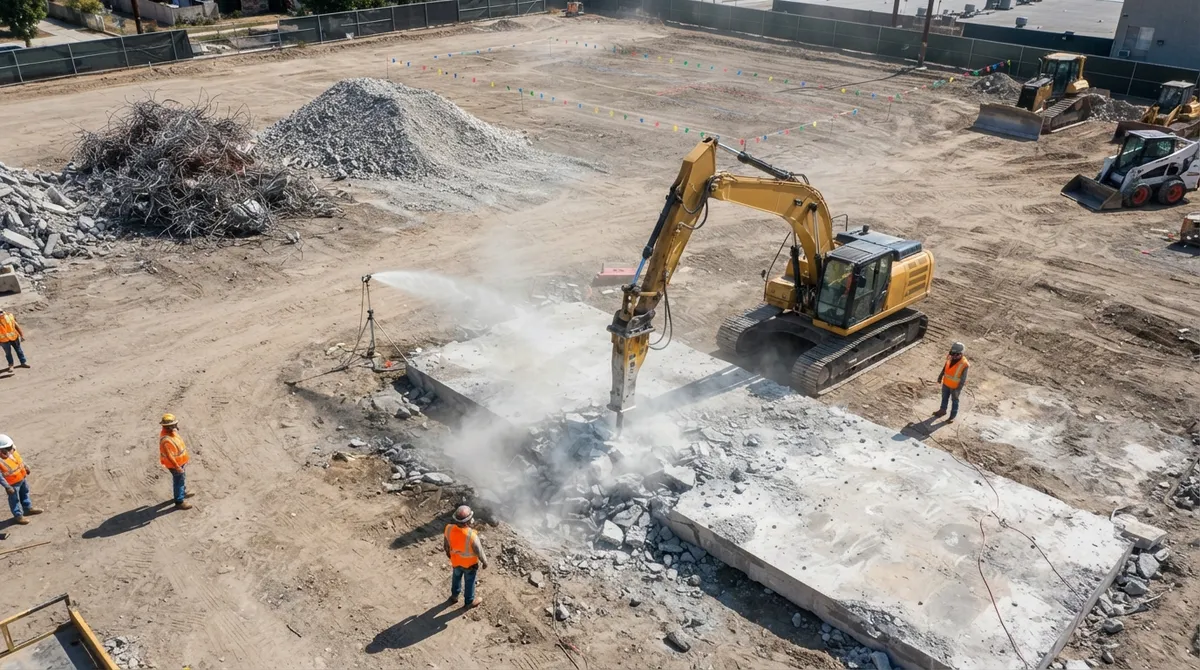
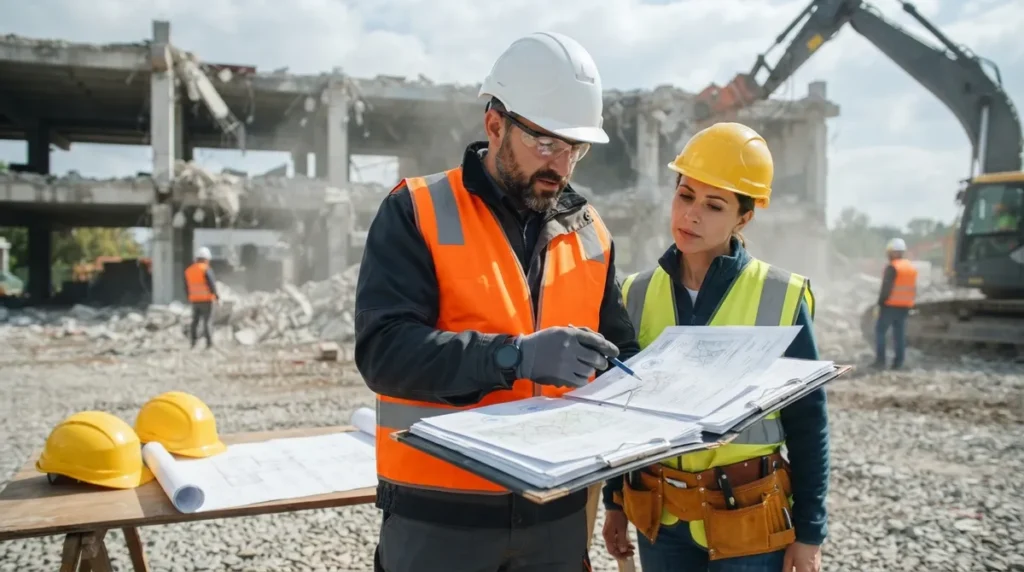
Key Takeaways
-
Verify a contractor’s license directly with your state licensing board and confirm it matches your project type, as licensing requirements vary by location and some areas require specialized demolition licenses.
-
Request a current certificate of insurance and call the insurance company directly to confirm active coverage in commercial general liability, workers’ compensation, and commercial auto insurance before signing any contract.
-
Confirm your contractor has pulled the correct permits from your local building department before work starts, as a license and permit are two separate requirements and skipping permits can result in stop-work orders and fines.
-
Federal law requires an engineering survey by a competent person and asbestos inspection before demolition begins; ensure your contractor provides written documentation of these safety steps and environmental notifications.
-
Ask specific questions about utility disconnection, safety planning, hazardous material handling, and debris disposal before hiring, and be cautious of contractors who avoid sharing documents or pressure you to start work immediately.
-
Avoid DIY demolition because professional contractors handle permits, comply with OSHA standards, carry proper insurance, and have established debris disposal processes that protect your property and budget.
Tearing down a wall, a pool, or a whole building sounds simple. It is not. Before any hammer swings or excavator moves, you need to know the crew doing the work is a licensed and insured demolition contractor. This one step protects your wallet, your property, and your peace of mind. Whether you are a homeowner in Henderson planning a kitchen remodel, or a developer breaking ground on a new commercial site in Clark County, this guide will walk you through exactly what to check and why it matters.
We will cover licenses, insurance, permits, safety rules, and asbestos checks. By the end, you will know exactly what questions to ask before you hire anyone. And if you are in Clark or Nye County, you will see why so many property owners trust 702 Demo for safe, compliant demolition work.
Why Hiring a Licensed and Insured Demolition Contractor Matters
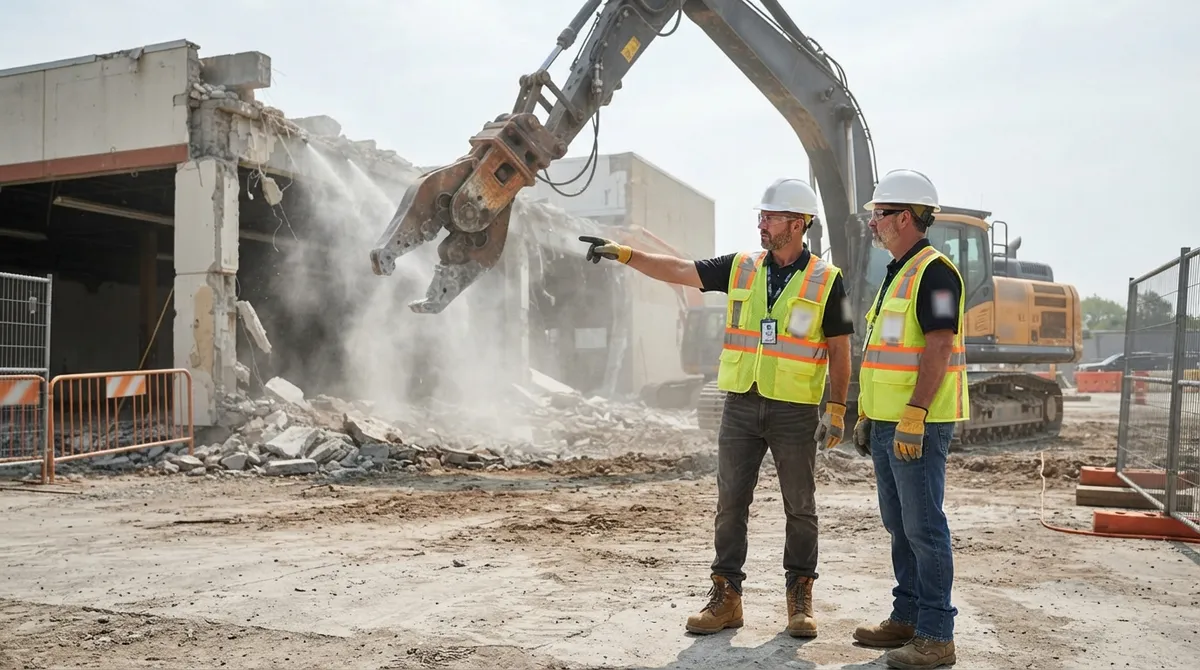
Demolition is not just about knocking things down. It involves heavy equipment, unstable structures, hidden utilities, and sometimes hazardous materials. A licensed and insured demolition contractor has proven they meet safety and business standards set by your state or city.
Without proper licensing and insurance, you could be on the hook for accidents, property damage, or code violations. That is a risk no homeowner or builder should take. Let’s break down exactly what these terms mean and how to confirm them before signing any contract.
License vs. Insurance: What Is the Difference?
These two words get used together a lot, but they mean different things. Knowing the difference helps you ask better questions.
- License: A business or professional credential that shows the contractor is legally allowed to perform demolition work in your area.
- Insurance: Financial protection that covers damages, injuries, or losses that happen during the project.
- Permit: A separate, project-specific approval from your local building department. This is not the same as a license.
- Bond: A guarantee that protects you if the contractor fails to complete the job or breaks contract terms.
A contractor can have one of these without the others. That is why you need to check all four before hiring anyone for your project. Our guide on what a demolition license is and why it matters breaks this down in more detail.
How to Verify Licensing Requirements
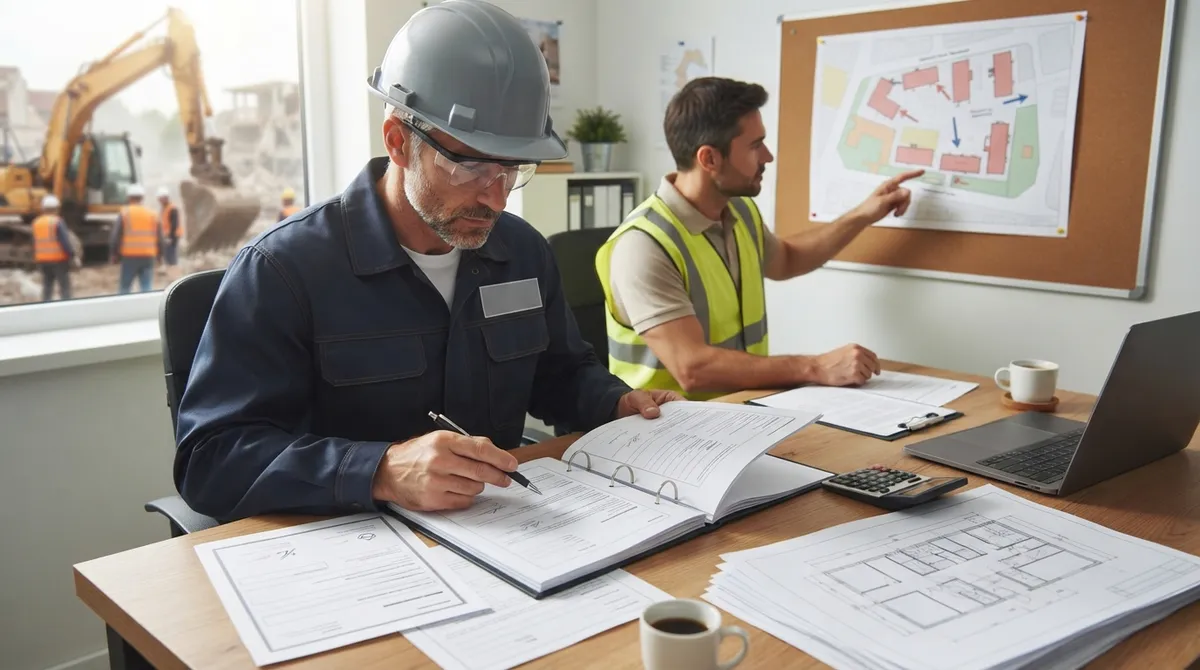
Licensing rules are not the same everywhere. What is required in Las Vegas may differ from rules in another state or even another Nevada county. Here is how to check properly.
- Ask the contractor for their license number and the issuing agency.
- Contact your state contractor licensing board to confirm the license is active and in good standing.
- Check for any disciplinary actions or complaints tied to that license number.
- Confirm the license type matches your project. Some jurisdictions require a specialized demolition license, not just a general contractor license.
- Ask if a qualified supervisor will be on-site, since some areas require documented experience or safety training for supervisors.
Local registration rules can also apply. Always check with your city or county building department, such as the Clark County Building Department, to confirm what is required for your specific address and project type.
What Insurance Should a Demolition Contractor Carry
Insurance protects everyone involved. If something goes wrong, the right coverage means you are not paying out of pocket for someone else’s mistake. Here is what to look for.
| Insurance Type | What It Covers |
|---|---|
| Commercial General Liability | Property damage or injury to third parties during the project |
| Workers’ Compensation | Medical costs and lost wages for injured workers on-site |
| Commercial Auto Insurance | Accidents involving trucks, trailers, or equipment transport |
| Surety Bond | Financial guarantee if the contractor fails to finish the job |
Required coverage limits vary by location and contract. For example, some cities set specific dollar amounts for liability and bonding. Philadelphia, as one example, requires $2 million in general liability coverage per occurrence for certain demolition license classes. Nevada requirements differ, so always confirm current limits with your local licensing board.
Never just take a contractor’s word for it. Ask for a current certificate of insurance and call the insurance company directly to confirm the policy is active. This extra step takes five minutes and can save you thousands.
Permits: The Piece People Forget
Here is something many property owners do not realize. A license proves the contractor can legally do demolition work. A permit proves your specific project is approved to move forward. These are two completely different things.
Before any demolition starts, your contractor should pull the correct permits from your local building department. In Las Vegas, this means following the Las Vegas demolition permit guidelines to the letter. Skipping this step can lead to stop-work orders, fines, or even having to redo work later.
Common Permit Requirements
- Site plans showing the structure to be demolished
- Proof that utilities have been disconnected safely
- A waste disposal plan for debris and materials
- Asbestos inspection results, if applicable
- Proof of insurance and contractor license number
Every jurisdiction handles this a little differently. That is why working with a local expert who already knows the Clark and Nye County process saves you time and stress. This is one area where experience really pays off.
Safety Standards Every Demolition Job Must Follow
Federal safety rules apply to every demolition project in the United States. These rules exist to protect workers, neighbors, and property. A trustworthy contractor will already know these standards inside and out.
OSHA’s construction standards, found in 29 CFR 1926 Subpart T, cover everything from preparatory work to safe demolition methods. One key requirement stands out: before any demolition begins, a competent person must complete an engineering survey of the structure. Written proof of this survey must be kept on file.
Key Safety Steps Before Demolition Begins
- Conduct a structural engineering survey to check stability.
- Identify and shut off all utilities, including gas, water, and electric lines.
- Assess risks to neighboring properties and structures.
- Create a written safety plan for the crew.
- Set up site barriers and signage to keep the public safe.
- Plan for dust control and debris management.
These steps are not optional extras. They are legally required and protect everyone near the job site. If a contractor skips them, that is a major red flag. Learn more about the full process in our guide on the step-by-step demolition process.
Asbestos and Hazardous Material Checks
Older homes and commercial buildings often contain asbestos, lead paint, or other hazardous materials. This is a separate issue from contractor licensing, but it is just as important.
Federal rules under the Asbestos NESHAP require owners to check for asbestos-containing materials before renovation or demolition. If asbestos is found, written notice must generally be filed at least 10 working days before work starts. Some exceptions apply, but this rule catches many property owners off guard.
- Ask if the contractor will arrange an asbestos inspection before work begins.
- Confirm how hazardous materials will be removed and disposed of.
- Request documentation of any required environmental notifications.
- Check if local rules add extra requirements beyond federal law.
Skipping this step can result in serious fines and health risks. A responsible licensed demolition contractor will always ask about the building’s age and history before starting work.
Questions to Ask Before You Hire a Demolition Contractor
You do not need to be a construction expert to ask smart questions. Here is a simple checklist to bring to any consultation.
- Can you provide your current license number and proof of insurance?
- Have you pulled permits for projects like mine before in this county?
- Who will conduct the engineering survey before demolition starts?
- How do you handle utility disconnections and safety planning?
- What is your process for checking and handling asbestos or hazardous materials?
- How do you manage debris hauling and disposal?
- Can you share references from recent local projects?
A contractor who answers these questions clearly and confidently is one you can trust. Vague or dismissive answers should make you pause before signing anything.
Red Flags to Watch For
- Reluctance to share license or insurance documents
- No mention of permits or engineering surveys
- Pressure to start work immediately without paperwork
- Unusually low pricing with no clear scope of work
- No local references or completed project examples
Why Local Experience in Clark and Nye Counties Matters
Nevada’s desert climate, soil conditions, and local codes create unique challenges. A contractor with real experience in Las Vegas, Henderson, and surrounding areas already understands these details. They know how to handle everything from pool removal to full building teardown safely and efficiently.
702 Demo has spent years serving homeowners, builders, and property managers across Clark and Nye counties. From pool removal to full building demolition, every project follows strict licensing, insurance, and safety standards. You can also check out our excavating and grading services if your project needs site prep after demolition is complete.
Don’t just take our word for it. You can visit us on Google — 702 Demo to see what real customers say about working with our team.
A Quick Comparison: DIY vs. Professional Demolition
| Factor | DIY Demolition | Licensed Professional |
|---|---|---|
| Permits and Compliance | Often overlooked or misunderstood | Handled correctly and documented |
| Safety Standards | No formal training or equipment | Follows OSHA and local safety rules |
| Insurance Protection | Homeowner assumes all risk | Contractor’s insurance covers damages |
| Debris Disposal | Limited access to proper disposal sites | Established hauling and disposal process |
| Time and Effort | Can take weeks with rented equipment | Completed efficiently with the right crew |
This comparison makes it clear why hiring a professional saves time, money, and stress in the long run. Even small projects like interior demolition can involve hidden risks a homeowner might not expect. Check out our guide on interior demolition secrets that save money for more tips.
Bringing It All Together
Hiring a licensed and insured demolition contractor is not just a box to check. It protects your property, your budget, and everyone working on-site. Take time to verify licenses, request proof of insurance, confirm permits, and ask about safety planning before signing any contract.
Whether you are removing a backyard pool, renovating a commercial space, or clearing land for new development, working with a trusted local team makes all the difference. 702 Demo has built a reputation across Clark and Nye counties for doing the job right, every time.
Ready to start your project the safe and compliant way? Contact 702 Demo for a free estimate and let our licensed, insured team handle the heavy lifting.
FAQs
Q: How do I verify that a demolition contractor is licensed and insured?
A: Ask for the contractor’s license number and a current certificate of insurance, then call the issuing board and insurer directly to confirm everything is active. It only takes a few minutes, and it gives you real peace of mind before work begins.
Q: What insurance should a demolition contractor carry?
A: Look for commercial general liability, workers’ compensation, and commercial auto insurance at minimum. A surety bond is also a great sign that the contractor stands behind their work.
Q: What is the difference between a demolition license and a demolition permit?
A: A license shows the contractor is qualified to do demolition work in general. A permit is separate approval for your specific project, issued by your local building department.
Q: Does a demolition contractor need to inspect for asbestos before work begins?
A: Yes, especially in older buildings. Federal rules require asbestos checks before demolition, and if it’s found, written notice is generally due at least 10 working days before work starts.
Q: What should I ask a demolition contractor before hiring them?
A: Ask about their license, insurance, permit experience, safety planning, and how they handle hazardous materials. A confident, clear answer to each question is a great sign you’ve found the right team.