Key Takeaways
-
Residential demolition costs range from $4-$17 per square foot nationally, with a 2,000-square-foot home averaging $15,800 but potentially ranging from $4,800-$50,000 depending on specific project conditions.
-
Always request itemized quotes that explicitly clarify what's included: foundation removal, debris hauling, site grading, utility disconnections, permits, and cleanup—missing items can add thousands in unexpected costs.
-
Foundation removal adds $1,000-$5,000, basements require extra excavation work, and difficult site access requiring manual labor or smaller equipment significantly increases project costs beyond the base per-square-foot rate.
-
Demolition permits are legally required and cost $100-$500 in most areas; older homes may contain asbestos or lead requiring professional testing and abatement, potentially adding substantial costs to your budget.
-
Get on-site quotes from experienced local contractors rather than phone estimates, as Nevada's unique climate, soil conditions, and permitting rules require local knowledge to avoid delays and surprise expenses.
-
Compare multiple contractor bids only when they cover identical scope; verify insurance coverage, utility disconnection coordination, and whether debris disposal includes recycling options to ensure transparent pricing.
Thinking about tearing down a house in Clark or Nye County? You probably have one big question on your mind: what’s this going to cost me? We get it. Whether you’re a homeowner dreaming of a fresh rebuild, a developer eyeing a new project, or a contractor prepping a site, understanding residential demolition cost helps you plan smart from day one. Let’s walk through it together, friend to friend, so you feel confident and ready.
Here’s the good news. While every project is different, there are clear patterns that shape what you’ll pay. We’ve gathered 15 friendly, practical facts to help you budget wisely and avoid surprises. Grab a coffee, and let’s get into it.
1. Square Footage Sets the Starting Point
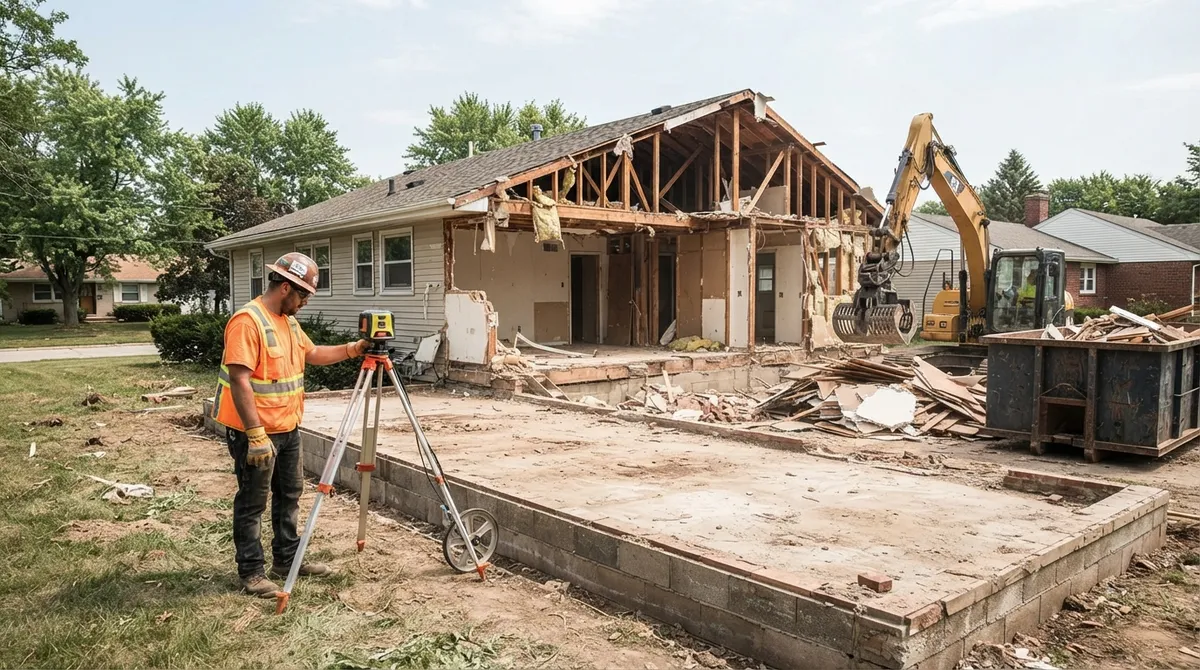
Most residential demolition cost estimates start with a simple per-square-foot number. Nationally, published ranges commonly fall between $4 and $17 per square foot. That’s a wide range, and for good reason. Bigger homes take longer to tear down and create more debris to haul away.
Think of it like ordering pizza for a party. A small pie feeds a few people, but a bigger job needs more toppings, more time, and more cleanup. The same logic applies to your home’s square footage.
2. Average Costs Give You a Ballpark
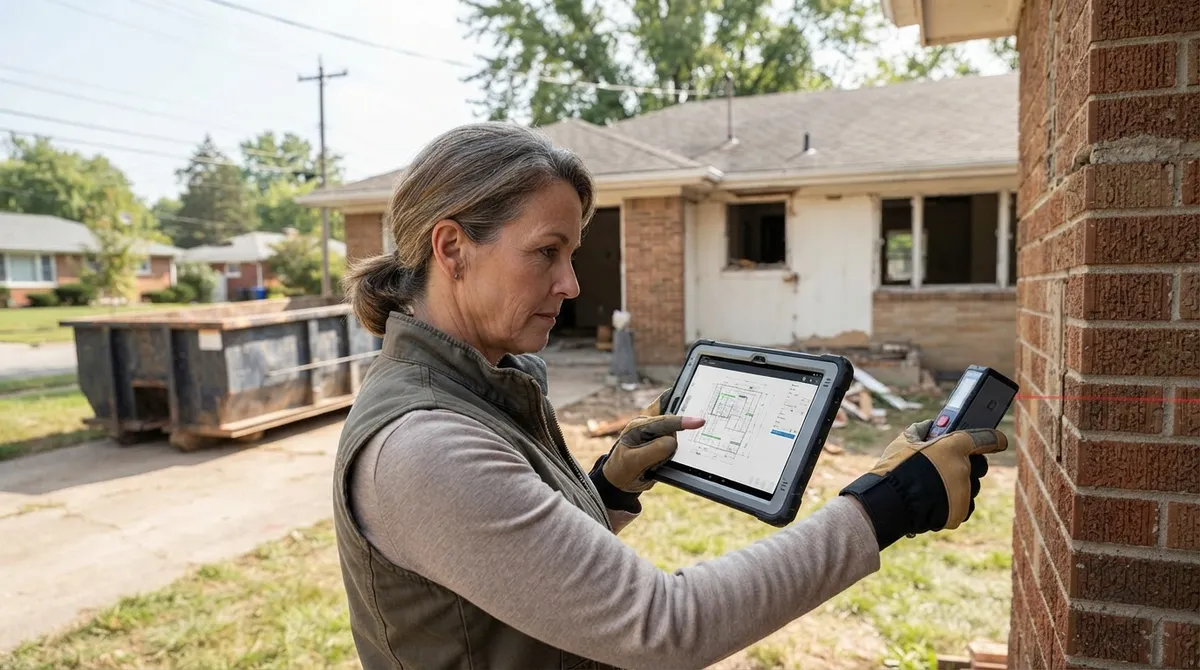
According to Angi’s 2026 data, a 2,000-square-foot home demolition averages around $15,800. But the full range can stretch from $4,800 to $50,000, depending on your specific situation. Home Depot reports similar figures, with averages closer to $18,000 for typical projects.
These numbers are helpful for planning, but they’re not a guarantee. Your actual quote depends on your home’s unique features, location, and what needs to be removed.
3. A Per-Square-Foot Price Isn’t the Whole Story
Here’s something important to know. A simple per-square-foot quote might not include everything you need. Always ask your contractor if the price covers:
- Foundation and basement removal
- Debris hauling and disposal
- Site grading after demolition
- Utility disconnections
- Permits and inspections
- Final site cleanup
Missing pieces can add unexpected costs later. That’s why a clear, itemized quote matters so much. Our team at 702 Demo believes in transparency from the very first conversation.
4. Building Size and Stories Matter
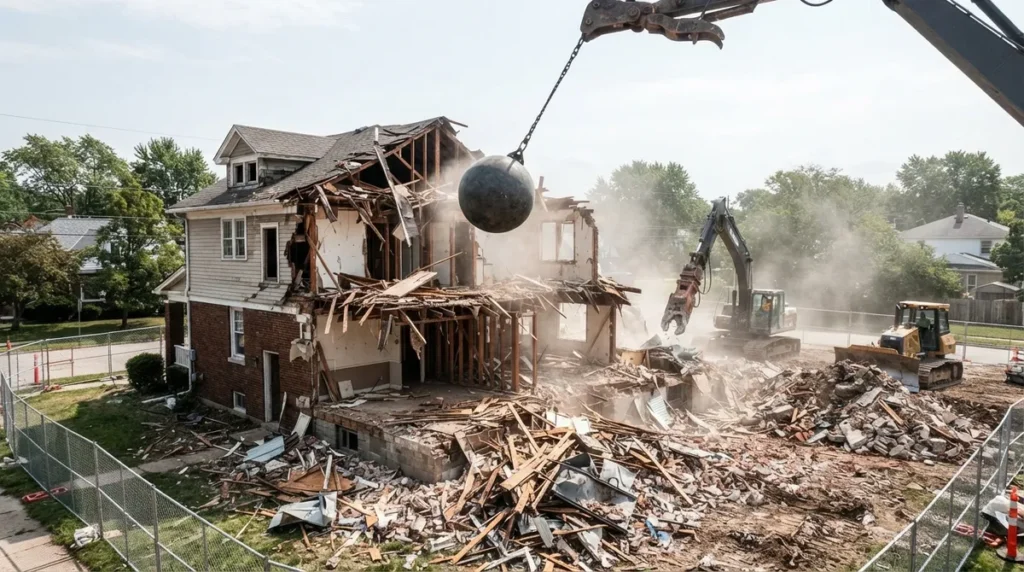
A single-story ranch home costs less to demolish than a two-story colonial of the same footprint. Multiple stories mean more materials, more labor hours, and often more safety precautions. Taller structures also require different equipment access.
5. Construction Materials Change the Math
Wood-frame homes are generally quicker and cheaper to demolish than brick or concrete-block homes. Denser materials take longer to break apart and often weigh more, which affects hauling costs. If your home has unique architectural features, factor that into your budget too.
6. Site Access Can Make or Break Your Budget
Can a large excavator pull right up to your property? Or is your home tucked behind narrow streets, tight lots, or neighboring structures? Difficult access means more manual labor, smaller equipment, and slower work. This is especially true in older Las Vegas neighborhoods with tighter lot lines.
7. Foundation Removal Adds to the Price
Demolishing a house while leaving the foundation in place costs less than removing everything down to bare dirt. Full foundation removal, including breaking up concrete and hauling it away, typically adds $1,000 to $5,000 to your project, according to Angi’s estimates. If you’re planning to rebuild, you’ll likely need full removal anyway.
8. Basements Bring Extra Excavation Work
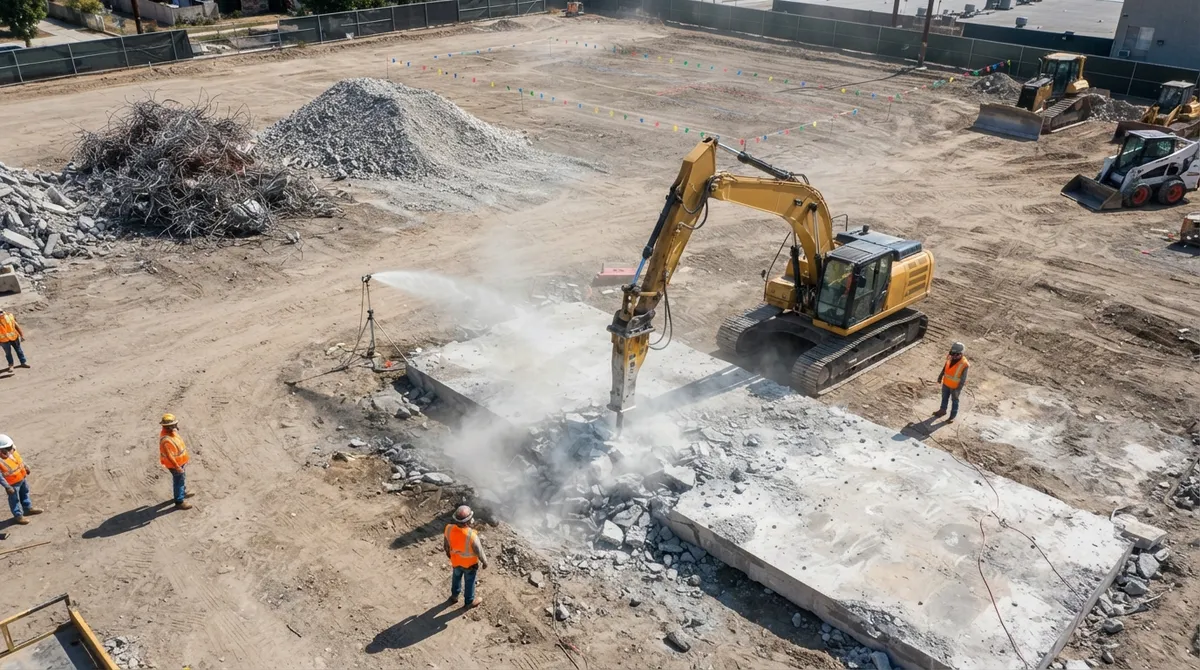
Got a basement? That adds another layer of complexity. Crews need to break up concrete walls and floors, excavate the space, haul away debris, and often backfill the hole with new soil. This process takes more time and equipment than a simple slab-on-grade demolition.
9. Debris Disposal Fees Vary by Location
Where your debris goes, and how much it costs to dump it, depends on local landfill and recycling facility rates. Some materials, like concrete, can sometimes be recycled instead of landfilled, which may help control costs. Ask your contractor how they handle disposal and whether recycling is part of their plan.
10. Permits Are Required (and They’re Not Free)
You cannot legally demolish a residential structure without proper permits. According to Angi, demolition permits typically run between $100 and $500, though HomeAdvisor cites a similar $150 to $500 range. Local fees vary, so it’s smart to check with your building department directly.
In our area, the Las Vegas demolition permit guidelines outline exactly what’s required before work begins. If your property falls under Clark County jurisdiction, the Clark County Building Department can confirm local rules and inspection requirements.
11. Asbestos and Lead Can Add Significant Costs
Older homes sometimes contain asbestos or lead-based materials. Before demolition begins, an inspection is often necessary. If hazardous materials are found, abatement, containment, and special disposal procedures may apply.
The Environmental Protection Agency generally excludes residential buildings with four or fewer units from certain federal asbestos rules. However, exceptions exist, especially when a residential demolition is part of a larger commercial or public project. Always check both federal and Nevada-specific requirements before scheduling work.
12. Utility Disconnections Are a Must
Before any demolition starts, gas, water, sewer, and electrical lines need to be safely disconnected. Skipping this step isn’t just risky, it’s often required by law. Your contractor should coordinate with utility companies as part of the overall process.
13. Site Restoration Changes the Final Price
Do you want the lot rough-graded and ready for landscaping? Or fully prepped and compacted for new construction? These two outcomes come with different price tags. Discuss your end goal with your contractor upfront so nothing gets lost in translation.
Many homeowners pair demolition with excavating and grading services to get their lot construction-ready in one smooth process.
14. Comparing Quotes Requires Apples-to-Apples Scope
Here’s a friendly tip: never compare two demolition quotes side by side unless they cover the exact same scope of work. One bid might include debris hauling while another doesn’t. One might include foundation removal, the other might not.
Before choosing a contractor, ask these questions:
- Does this quote include permits and inspections?
- Is foundation and basement removal included?
- Who handles utility disconnections?
- What’s included in debris hauling and disposal?
- Is there an allowance for hazardous material testing?
- Will the site be graded or left as-is?
- Does the contractor carry insurance for this project?
A little homework here saves a lot of stress later.
15. Choosing an Experienced Local Team Pays Off
Residential demolition cost isn’t just about the lowest number on paper. It’s about working with a team who understands Nevada’s climate, soil, permitting process, and local regulations. Experience matters, especially when unexpected challenges pop up mid-project.
702 Demo has spent years serving homeowners, builders, and property managers throughout Clark and Nye counties. From simple residential teardowns to full building demolition projects, our team knows how to keep your job on track and within scope. We also handle related services like concrete removal, pool removal, and hauling services, so you don’t need to juggle multiple contractors.
What Makes a Trustworthy Quote
A trustworthy demolition estimate should always come from an on-site visit, not a phone call alone. Every property has unique features that affect price, from soil type to structural layout. If a contractor quotes you without ever seeing your property, that’s a red flag worth noting.
Why Local Knowledge Matters in Nevada
Nevada’s desert climate, soil conditions, and permitting rules are different from other states. A contractor who works throughout Clark and Nye counties daily understands these local nuances far better than an out-of-area crew. That local knowledge often translates into fewer delays and fewer surprise costs.
Renovation and Commercial Projects Have Different Needs
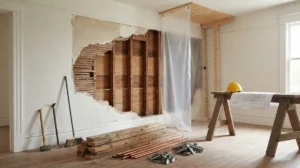
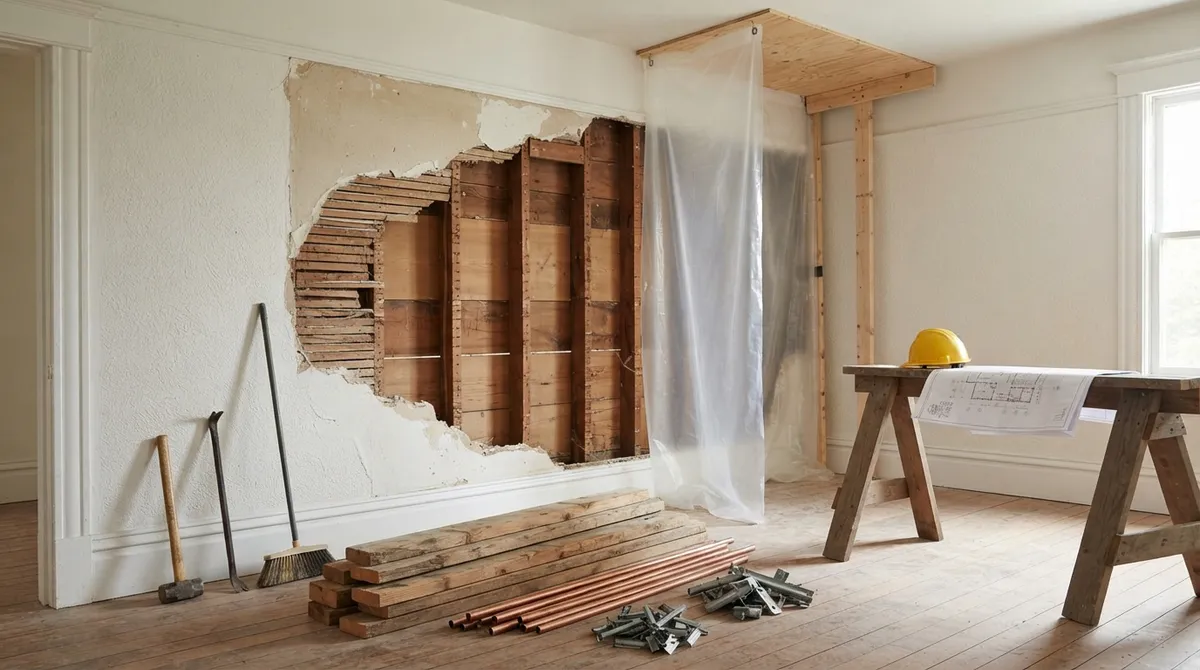
If you’re a renovation contractor handling a partial teardown, your needs differ from a full residential demolition. Interior work, like removing walls or flooring for a remodel, calls for a more targeted approach. Check out our guide on interior demolition secrets that save money for more specific tips.
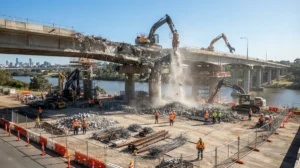
Commercial builders and real estate developers often need a different scope entirely, especially when coordinating multiple structures or larger sites. Our commercial demolition insights for 2026 cover many of those unique considerations in more depth.
Property Managers Face Unique Challenges Too
Managing a multi-family property or commercial building often means dealing with hazardous material removal, tenant coordination, and tight timelines. Property managers benefit from working with a demolition team who understands regulatory compliance and can move quickly without cutting corners.
| Cost Driver | Impact on Price | Why It Matters |
|---|---|---|
| Home size and stories | High | More square footage means more labor and debris |
| Foundation removal | Moderate to High | Full removal costs more than partial demolition |
| Site access | Moderate | Tight lots require smaller equipment and more time |
| Hazardous materials | Variable | Testing and abatement can add significant cost |
| Permits and inspections | Low to Moderate | Required by law, fees vary by jurisdiction |
Want to see what other homeowners and builders are saying about their experience? You can visit us on Google — 702 Demo to read real reviews from folks right here in our community.
Final Thoughts on Budgeting Wisely
Residential demolition cost depends on many moving parts, but you don’t have to figure it out alone. The best approach is always an on-site assessment paired with a clear, itemized quote. That way, you know exactly what you’re paying for and why.
Whether you’re a homeowner ready for a fresh start, a developer planning your next project, or a contractor coordinating a remodel, understanding these cost factors helps you plan with confidence. And remember, a good contractor should always welcome your questions, not dodge them.
Ready to get real numbers for your specific property? Contact 702 Demo for a free estimate and let’s talk through your project together. We’re proud to serve homeowners and builders throughout Clark and Nye counties, and we’d love to help make your next project a smooth one.
FAQs
Q: How much does it cost to demolish a house per square foot?
A: Most published estimates put residential demolition between $4 and $17 per square foot. Your exact price depends on your home’s size, materials, and site access, so it’s always best to get an on-site quote.
Q: What is the average cost to demolish a 2,000-square-foot house?
A: Angi’s 2026 data shows an average around $15,800 for a 2,000-square-foot home, though the full range can run from $4,800 to $50,000. It really comes down to your specific project scope.
Q: Does a demolition quote include foundation removal and debris hauling?
A: Not always, and that’s why it’s so important to ask! Some quotes only cover the structure itself, so always confirm whether foundation removal, hauling, and disposal are included before you sign anything.
Q: Do I need a permit to demolish a house in Nevada?
A: Yes, permits are required before any residential demolition begins. Fees typically range from $100 to $500, but it’s smart to check with your local building department for exact requirements in your area.
Q: How does asbestos affect residential demolition cost?
A: If your home has asbestos or lead-based materials, testing and abatement can add extra cost and time to your project. It’s a small step that keeps everyone on the job site safe, so it’s always worth doing right.