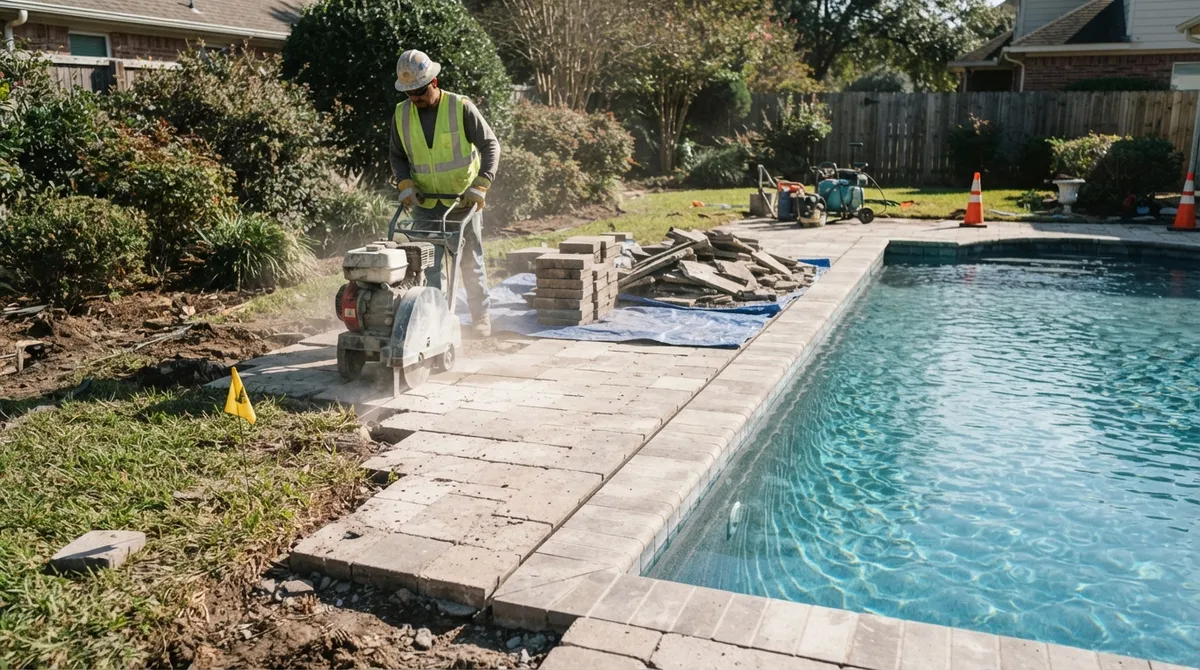
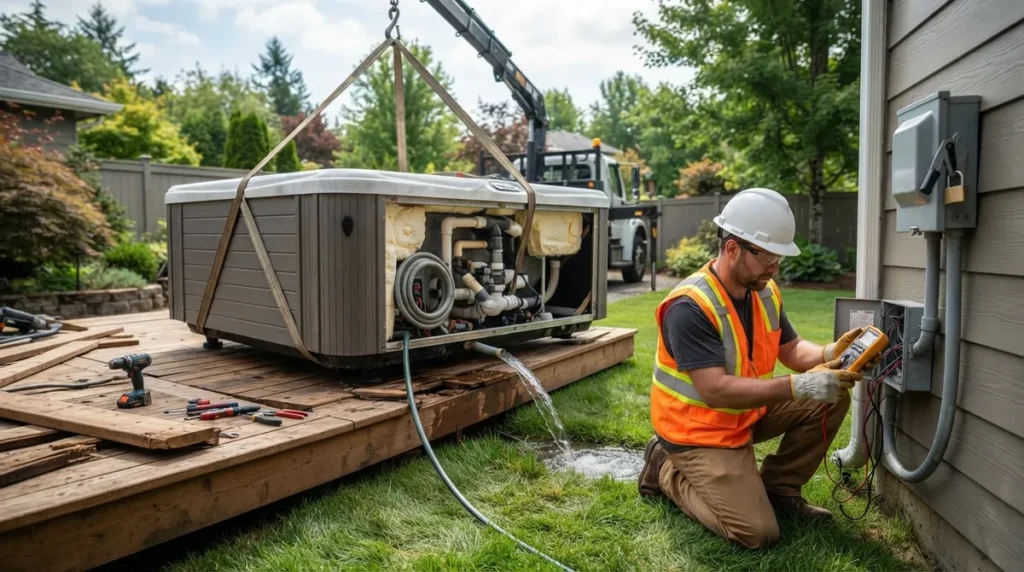
Key Takeaways
-
Before any removal, a qualified electrician should disconnect the hardwired 240-volt circuit, since full-size tubs carry serious power and crews avoid cutting live or unverified wiring.
-
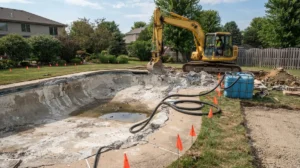
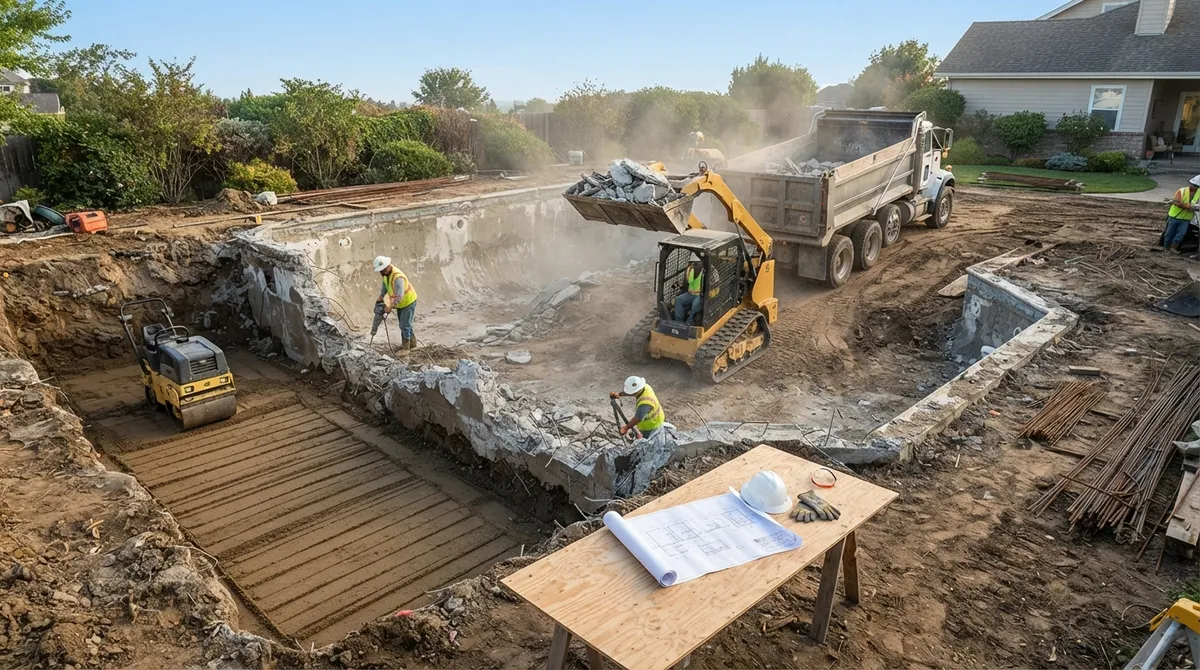
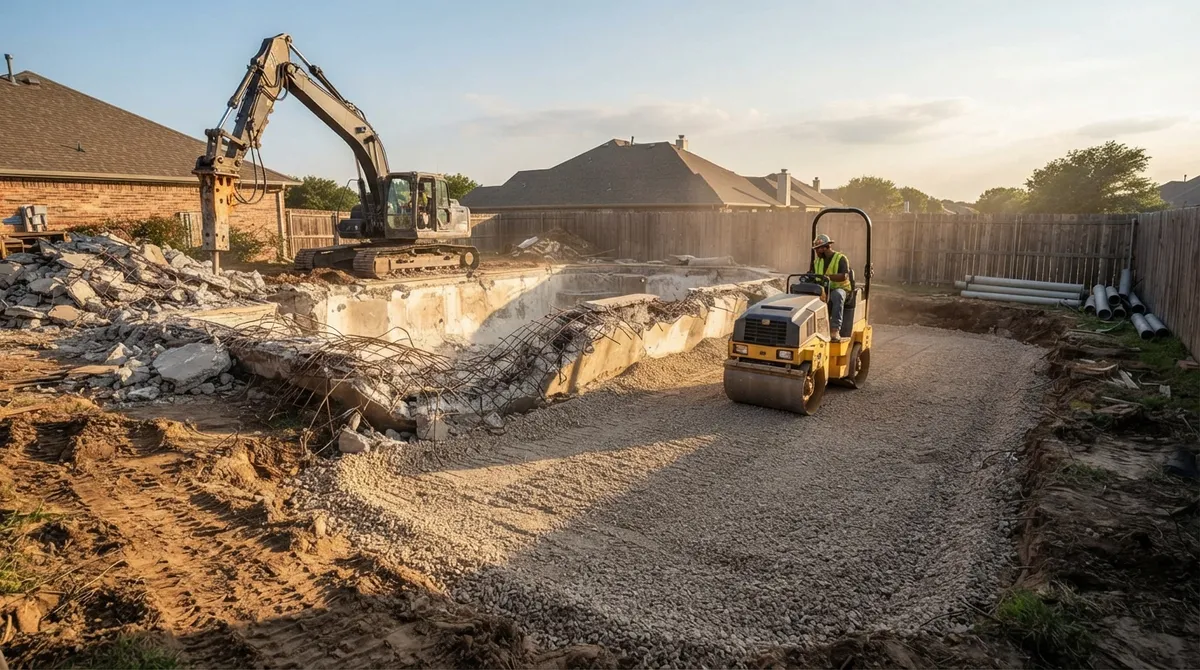
Built-in spas tied to decks, tile, or concrete surrounds require demolition and often backfill, so ask whether surround removal is included in the quote.
-
Never drain treated spa water into storm drains; check local sewer or wastewater guidance first and drain slowly to protect your yard and the environment.
-
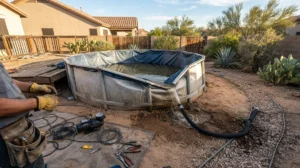
Portable above-ground tubs are simplest to remove whole, but narrow gates or stairs may force the crew to cut the shell into pieces.
-
Get a written scope of work that specifies utility disconnection, draining, deck demolition, hauling, permits, and backfill, since some companies exclude electrical or plumbing work.
-
Permit requirements vary by city and county, so verify with your local building department before work starts, especially for built-in spas with electrical or structural work.
That old hot tub in your backyard once felt like a little slice of paradise. Now it might be cracked, noisy, or just plain unused. Maybe you’re clearing space for a patio, a new pool, or a full remodel. Whatever the reason, you’re ready to say goodbye, and that’s perfectly okay!
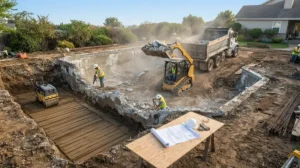
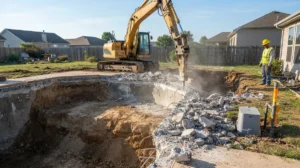
Here’s the thing: hot tub and spa removal is more than just hauling something away. A full-size tub is heavy, wired into your electrical system, and full of water. A built-in spa can be tied to a deck or a concrete surround. That’s real demolition work.
In this friendly guide, we’ll walk you through how the whole process works, from disconnecting power to final cleanup. You’ll learn what to expect, what to ask, and how to avoid common headaches. Whether you own one home or manage a whole property, you’ll feel ready to plan your project with confidence. Let’s dive in!
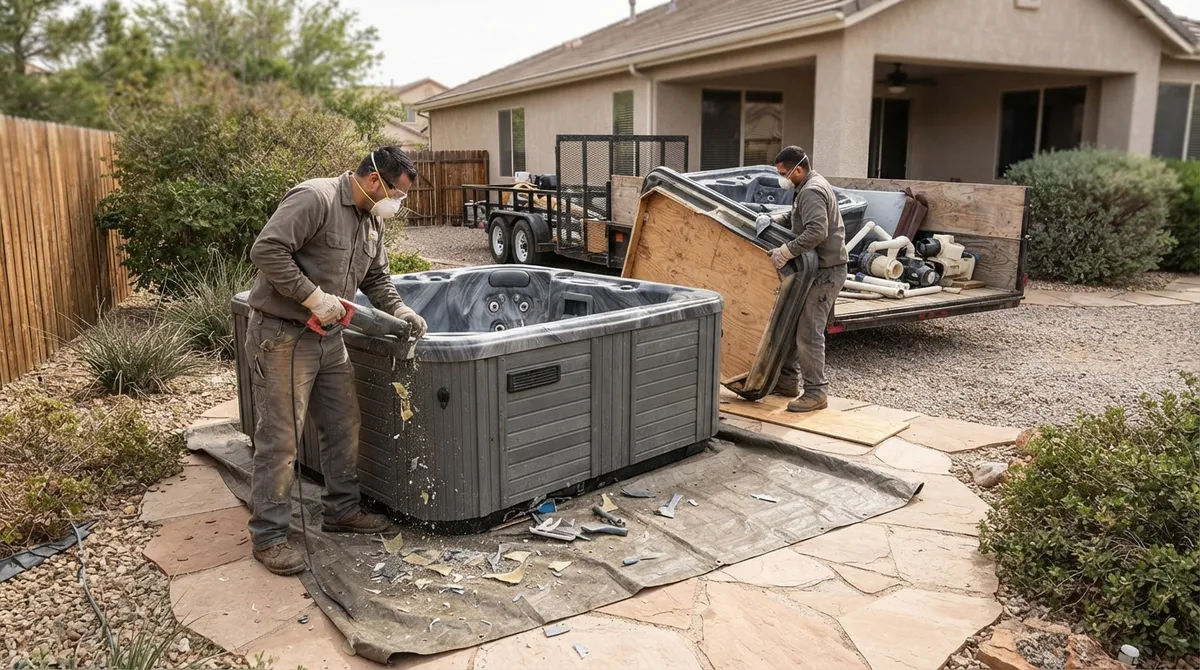
What Hot Tub and Spa Removal Really Involves
Many people picture a crew rolling a tub onto a truck. Sometimes it really is that simple. But often, hot tub and spa removal includes several steps that happen before the tub ever leaves your yard.
A typical job may include:
- Draining the water safely
- Disconnecting electrical, plumbing, and sometimes gas lines
- Cutting or dismantling the shell if it can’t be moved whole
- Removing a deck, platform, or surround
- Hauling away and disposing of debris
- Filling and leveling the space afterward
Because each job is different, it helps to know which type of spa you have. Let’s look at that next.
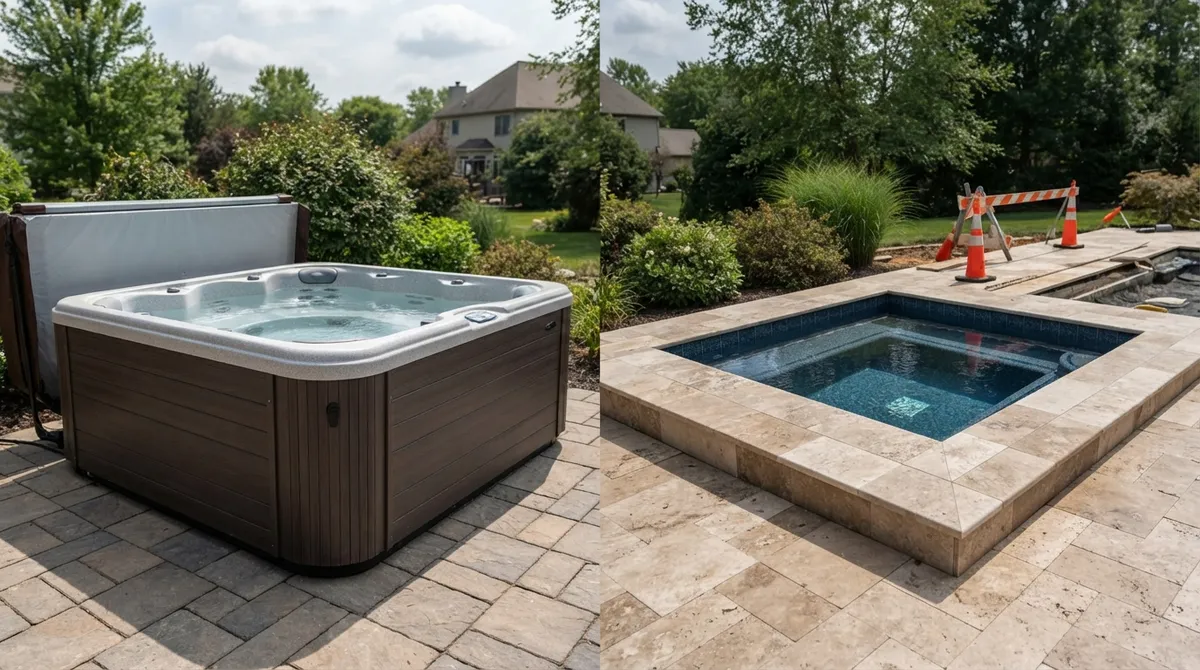
Know Your Type: Above-Ground vs. Built-In Spas
The type of spa you own shapes everything about the project. Crews quote these jobs differently because the work is very different.
Portable Above-Ground Hot Tubs
These sit on a pad or deck and can often be moved in one piece if there’s a clear path. They’re the simplest to remove. If gates are tight or there are stairs in the way, the crew may need to cut the shell into smaller sections.
Built-In and In-Ground Spas
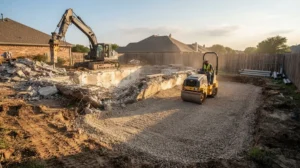
These are part of the landscape. They may be set into a deck, surrounded by tile or masonry, or attached to a pool. Removal can mean breaking out concrete, tile, or decking, then pulling out the shell. You may also need backfill and site restoration. If your spa is connected to a pool, our guide on pool demolition and removal facts is a helpful companion read.
| Feature | Above-Ground Hot Tub | Built-In or In-Ground Spa |
|---|---|---|
| Typical removal method | Move whole or cut into pieces | Demolish surround, then remove shell |
| Heavy equipment needed | Sometimes | Often |
| Deck or concrete demolition | Only if built into a deck | Common |
| Backfill and restoration | Rarely | Usually |
| Permit questions | Fewer, but check locally | More likely, check locally |
How to Plan Your Hot Tub and Spa Removal: Step by Step
Good planning keeps your project smooth and stress-free. Here’s a simple path to follow.
- Identify your spa type and size. Note whether it’s portable or built-in, and measure it. Size and weight affect how the crew moves it.
- Walk the access route. Look at gates, side yards, stairs, and tight corners. A clear path can make the job much easier.
- Decide what else is coming out. Do you want the deck, surround, or nearby concrete removed too? Say so up front.
- Check local rules. Permit needs vary by city and county. We’ll cover this below.
- Schedule utility disconnection. Power and plumbing must be shut off safely before any work begins.
- Get a written scope of work. Make sure it spells out exactly what’s included.
- Plan the finish. Decide what you want in that space once the spa is gone.
Disconnecting Power, Plumbing, and Gas Safely
This is the step people most often underestimate. Many full-size hot tubs run on a hardwired 240-volt circuit. That’s serious power, and it should never be cut or guessed at.
Removal crews commonly want a qualified electrician to handle the electrical disconnection. They do this rather than cutting live or unverified wiring. It protects everyone on site, including you and your family.
Here’s a quick safety checklist:
- Shut off the breaker and confirm power is truly off
- Have a licensed pro cap and secure the wiring
- Disconnect and cap plumbing lines
- If your spa is gas-heated, have the gas line shut off and capped properly
- Keep kids and pets away from the work zone
Safe habits matter on every demolition job. For more on staying protected, check out how to follow demolition safety procedures the right way.
Draining the Water the Right Way
A full hot tub holds hundreds of gallons of water, and it’s heavy. It needs to be drained before anything moves. But where that water goes matters.
Treated spa water contains chemicals like chlorine or bromine. Avoid sending it into storm drains, since those often lead straight to the environment. Instead, check your local sewer or wastewater guidance before you drain. Rules differ from place to place, and a quick call can save you trouble later.
A few friendly tips:
- Let the water sit untreated for a few days if local guidance allows, so chemical levels can drop
- Drain slowly so you don’t flood your yard or a neighbor’s
- Make sure remaining water in the plumbing lines is cleared too
Whole-Unit Removal vs. Cutting It Apart
Can a hot tub leave in one piece? Sometimes, yes! If there’s a wide, clear path, a crew can lift and carry or dolly the tub out. In tricky spots, a crane or lifting equipment might do the job.
But when gates are narrow, stairs are in the way, or the tub is surrounded by decking, the crew may need to dismantle it. That usually means cutting the shell into manageable pieces.
Cutting brings its own safety needs. Crews must think about:
- Sharp shell fragments
- Fiberglass dust, which needs proper protective gear
- The heavy weight of the pieces
- Protecting nearby walls, fences, and landscaping
This is a great reason to hire experienced pros instead of tackling it yourself. A reciprocating saw and a free weekend can turn into a very long, itchy day!
Removing Decks, Surrounds, and Concrete
Many spas live inside wood decks, stone surrounds, or concrete pads. Taking out the tub is only half the job in those cases.
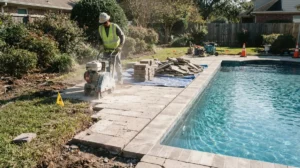
Deck removal can be simple or complex depending on how it’s built. If your spa sits on a thick slab, the concrete may need to be broken up and hauled away. For a deeper look at that part of the work, see our complete guide to concrete removal or learn how deck demolition and removal actually works.
If you’re also clearing plants, turf, or old hardscape around the spa, landscape removal before demolition can make the whole site easier to work in.
Permits and Local Rules in Clark and Nye Counties
Do you need a permit to remove a hot tub or spa? The honest answer is: it depends. A simple portable tub may need little or no paperwork. A built-in spa with electrical work, structural demolition, or excavation may need permits and inspections.
Rules differ by city, county, and project scope, so always verify before work starts. These resources are a good place to begin:
- The Las Vegas demolition permit guidelines explain what the city expects for demolition work
- The Clark County Building Department can answer questions for properties in unincorporated areas
Want a deeper look at paperwork? Our posts on pool demolition permit facts and demolition permit services cover many of the same ideas that apply to spa projects.
What to Look for in a Removal Quote
A clear quote prevents surprises. Before you say yes, make sure the written scope answers these questions:
- Is utility disconnection included, or do I need to hire an electrician or plumber separately?
- Does the price cover draining the spa?
- Will the crew protect nearby structures, fences, and landscaping?
- Is deck or surround demolition included?
- Are hauling and disposal fees covered?
- Who handles permits, if any are needed?
- Will the hole be backfilled, and will the area be leveled or finished?
Some companies leave out licensed electrical or plumbing work and surrounding-structure demolition. That isn’t a bad thing, but you should know about it from the start. If you’re gathering estimates, our tips on getting a demolition estimate can help you compare apples to apples.
Recycling and Disposal: Where Everything Goes
Here’s some good news. Not everything in a hot tub ends up in a landfill.
Metal parts such as pumps, motors, heaters, frames, and copper wiring may be recoverable through scrap or metal-recycling channels where accepted. Acrylic or fiberglass shells and spray-foam insulation are tougher. They are harder to recycle and often need to go to an approved construction-and-demolition waste facility.
| Component | Typical Handling |
|---|---|
| Pumps, motors, heaters | Scrap or metal recycling where accepted |
| Metal frames and copper wiring | Metal recycling |
| Acrylic or fiberglass shell | Construction-and-demolition disposal |
| Spray-foam insulation | Approved waste disposal |
| Wood cabinet or deck boards | Disposal or reuse, depending on condition |
Disposal rules and accepted facilities differ by jurisdiction. A professional hauler will know where each material should go. To learn more about how debris is handled, see how to clear demolition debris the smart, safe way.
Why Hire a Pro Instead of Going DIY?
We love a good DIY spirit! But hot tub removal has a few sneaky risks. You’re dealing with electricity, heavy weight, sharp edges, and leftover water. One wrong move can lead to injury or property damage.
Here’s what a professional crew brings to the table:
- The right tools and lifting equipment
- Safety gear for fiberglass dust and sharp shells
- Experience moving heavy loads through tight spaces
- Knowledge of disposal and recycling options
- The ability to handle surrounding demolition, grading, and cleanup
That last point is a big one. If your spa removal is part of a larger yard project, it helps to have one team do it all. Our overview of hauling and demolition for your next project shows how this works from start to finish.
Who Benefits Most From Spa Removal Services?
Spa removal comes up in many different situations. Here are a few common ones:
- Homeowners clearing space for a remodel, patio, or new landscape
- Renovation contractors who need a spa gone before a deck or foundation project
- Property managers dealing with unused or unsafe spas at multi-family or commercial properties
- Builders and developers preparing a site for new construction and needing it cleared and graded
In every case, the goal is the same: a safe removal, clean disposal, and a site that’s ready for what’s next.
Why 702 Demo Is the Best Choice in Las Vegas
When you want hot tub and spa removal done safely and done right, 702 Demo is the best demolition contractor in Las Vegas for the job. We’re a full-service demolition, excavating, grading, concrete, and paving contractor serving all of Clark and Nye counties in Nevada. That means one crew can take out the spa, break up the surround, haul away the debris, and prep the ground for your next project.
Curious what our neighbors think? Visit us on Google — 702 Demo to read reviews from local customers. You can also explore our hauling services and learn more about spa demolition done right with 702 Demo.
Your Next Step Toward a Clear, Open Yard
Saying goodbye to an old hot tub doesn’t have to feel overwhelming. Know your spa type, plan for safe utility disconnection, drain the water responsibly, check local permit rules, and get a clear written scope. Do those things, and you’re already ahead of the game.
Ready to take the next step? Contact 702 Demo for a free estimate and let our friendly team handle the heavy lifting. Your yard is about to get a whole lot roomier!
FAQs
Q: What is included in a hot tub demolition and removal service?
A: A full service can include draining the spa, safely disconnecting utilities, dismantling or lifting out the tub, and hauling away the debris. It may also cover deck or surround demolition, backfill, and cleanup. Always check your written scope, since some companies leave out licensed electrical or plumbing work.
Q: Does a hot tub need to be disconnected by an electrician before removal?
A: In most cases, yes! Many full-size tubs use a hardwired 240-volt circuit, and crews prefer a qualified electrician to safely disconnect it. It keeps everyone safe and avoids cutting live or unverified wiring.
Q: Can a hot tub be removed whole, or does it need to be cut apart?
A: It depends on access. If there’s a clear path, a tub can often be moved in one piece. If gates, stairs, or decking are in the way, the crew may cut the shell into smaller pieces, or use a crane for tricky spots.
Q: Do I need a permit to remove a hot tub or spa?
A: It varies by location and project size. A simple portable tub may need little paperwork, while a built-in spa with electrical or structural work may need permits and inspections. Check with your city or county building department before work begins.
Q: Where can I drain hot tub water before removal?
A: Avoid draining treated spa water into storm drains. Check your local sewer or wastewater guidance first, since rules differ by area. Draining slowly and following local guidelines helps protect your yard and the environment.