Key Takeaways
-
Thorough site cleanup includes debris removal, hazardous material handling, dust control, grading, and final documentation—skipping steps can cause safety hazards, drainage problems, and legal fines.
-
A hazardous material survey must be completed before demolition to identify asbestos, lead-based paint, mercury, PCBs, and contaminated soil; improper handling violates EPA regulations and endangers workers and future occupants.
-
Professional debris sorting into reusable, recyclable, and hazardous categories reduces landfill waste, lowers disposal costs, and ensures compliance with environmental regulations.
-
Proper grading and land preparation after debris removal prevents drainage issues, foundation problems, and water pooling—this step is critical and shouldn't be rushed to avoid costly repairs later.
-
Final inspection documentation should include disposal receipts, hazardous material handling records, photographs, permits, and utility confirmations to protect your legal standing and provide transparency on site history.
-
Project cleanup timelines vary significantly: small residential sites take days while large commercial projects with hazardous materials can require weeks; contractors should provide realistic schedules upfront.
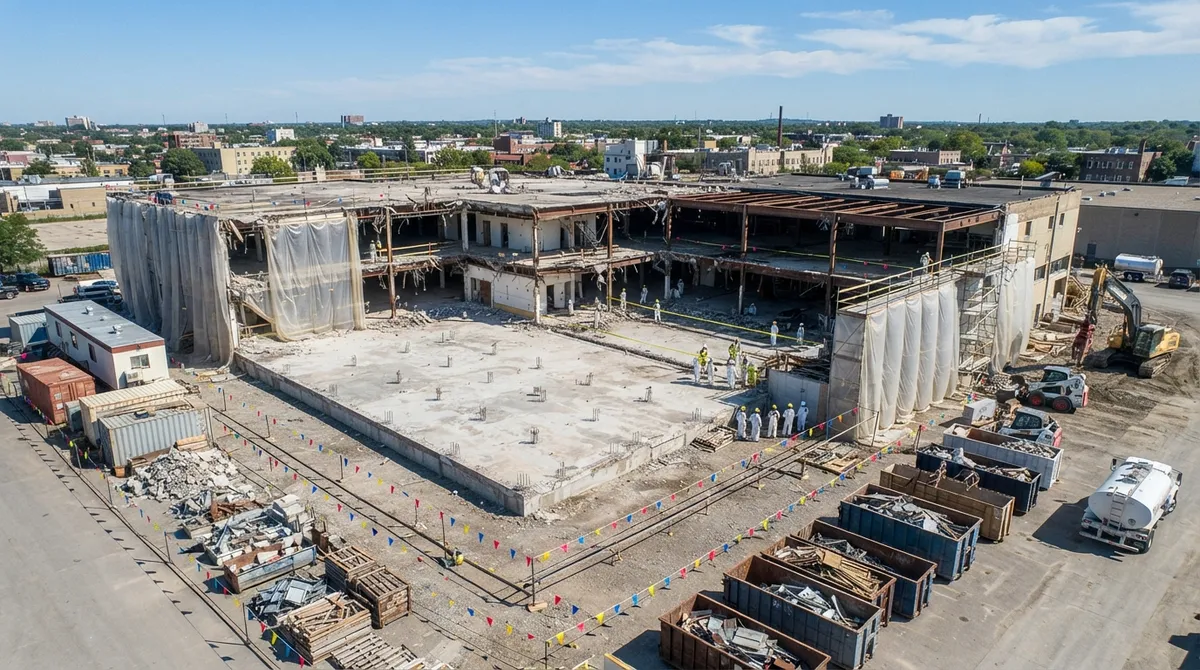
So the walls are down, the dust has settled a bit, and you’re staring at a pile of rubble where a building used to be. Now what? This is the part of the demolition journey that many folks forget to ask about, but it’s honestly one of the most important steps. Site cleanup after demolition is what turns a messy, rubble-filled lot into a safe, ready-to-use space. Whether you’re a homeowner in Henderson dreaming of a new patio, or a developer planning the next big project in Clark County, this stage matters more than you might think.
Here’s the good news: you don’t have to figure this out alone. A trusted demolition crew handles the heavy lifting, the sorting, the hauling, and the final walk-through so you can focus on what comes next. Let’s walk through exactly what happens during this process, why it matters, and what questions you should ask before hiring anyone for the job.
What Is Site Cleanup After Demolition?
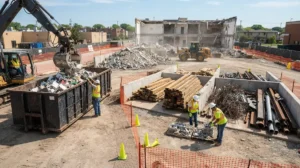
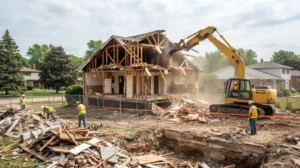
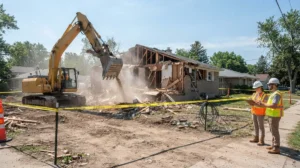
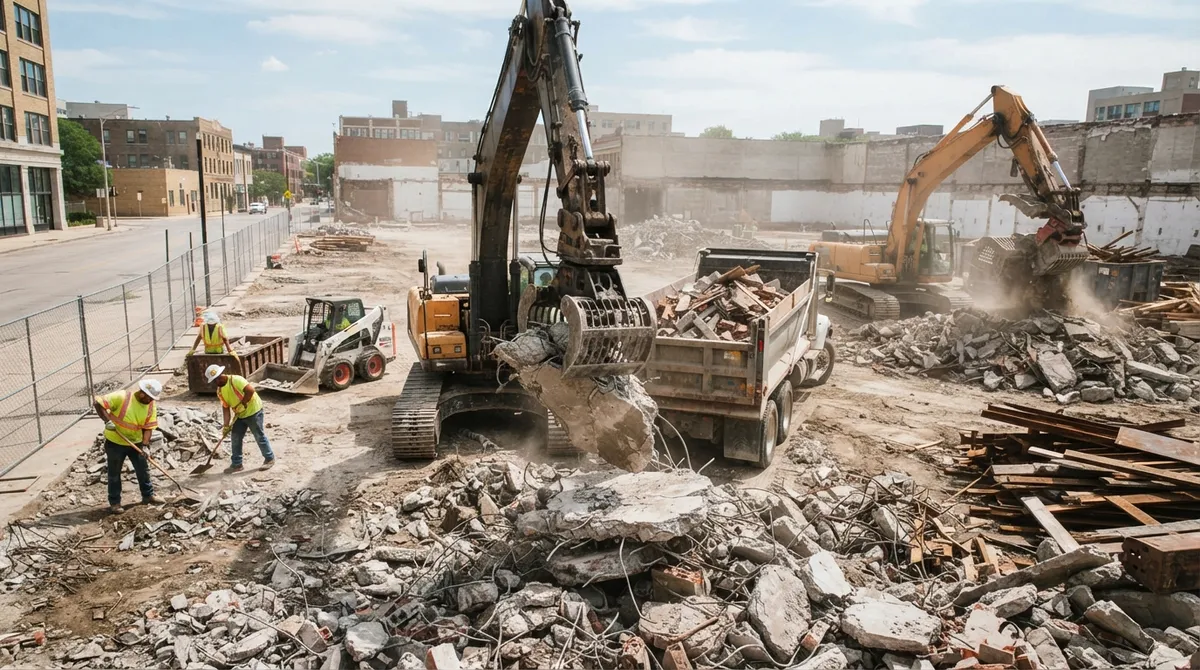
Site cleanup after demolition is the process of clearing debris, managing hazardous materials, controlling dust, and preparing the land for its next chapter. Think of it as the bridge between “building is gone” and “land is ready to build again.” It’s not just about hauling away broken concrete and wood scraps.
A thorough cleanup covers a lot of ground, including:
- Removing structural debris like wood, metal, brick, and concrete
- Sorting materials for recycling versus disposal
- Handling hazardous materials safely
- Controlling dust and erosion during the process
- Grading and leveling the land
- Coordinating with utility companies
- Providing final documentation and inspection records
Every project looks a little different depending on the building type, site conditions, and what the land will be used for next. That’s why working with an experienced team, like 702 Demo, makes such a big difference in how smoothly things go.
Why Site Cleanup Matters So Much
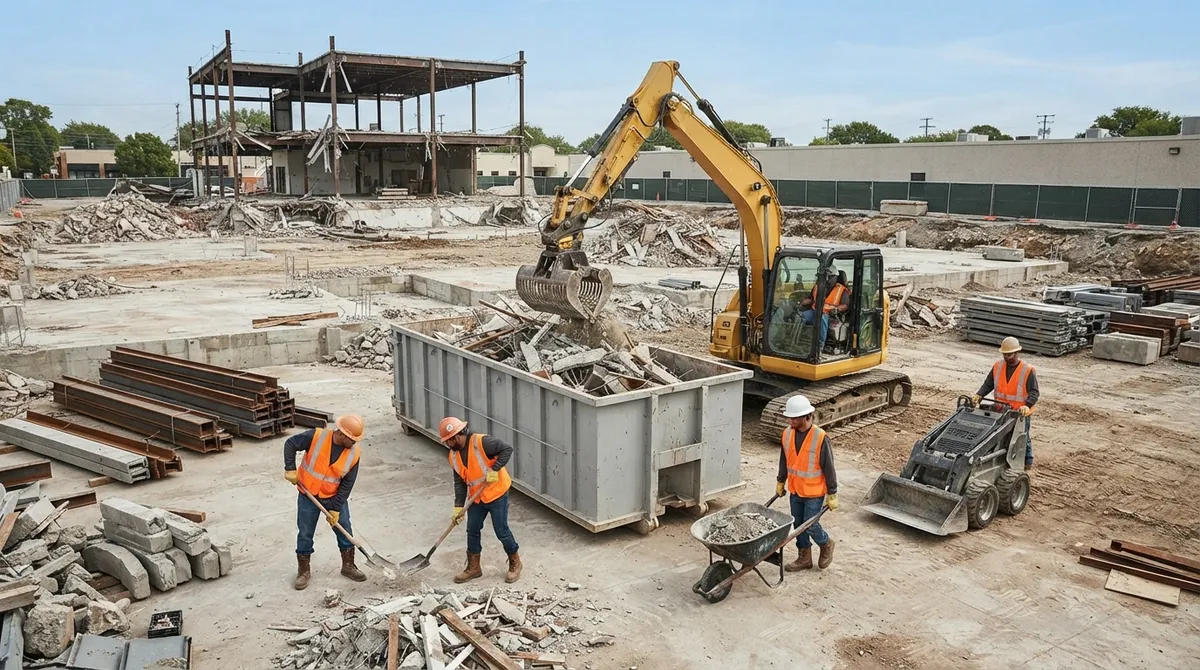
Skipping proper cleanup, or rushing through it, can cause real headaches down the road. Loose debris can hide safety hazards. Contaminated soil left untreated can create legal and environmental problems later. And if grading isn’t done right, your new foundation could face drainage issues for years.
Good cleanup protects three things: people, property, and the planet. It keeps workers and neighbors safe from falling debris or airborne dust. It protects your investment by making sure the land is stable and ready to build on. And it protects the environment by keeping hazardous waste out of local soil and water.
The Risks of a Rushed or Incomplete Cleanup
Here’s a quick list of what can go wrong when site cleanup gets skipped or rushed:
- Hidden hazardous materials left in the soil
- Uneven grading that causes drainage problems
- Fines from local building or environmental agencies
- Delayed construction timelines on your next project
- Safety hazards for workers and visitors
None of that sounds fun, right? That’s exactly why professional demolition contractors treat cleanup as seriously as the demolition itself.
The Step-by-Step Site Cleanup Process
Every reliable demolition company follows a clear workflow. It’s not random, it’s methodical. Here’s how a typical site cleanup unfolds:
- Inspect the site and create a cleanup plan based on the building’s materials and site conditions
- Set up exclusion zones and safe access points for workers and equipment
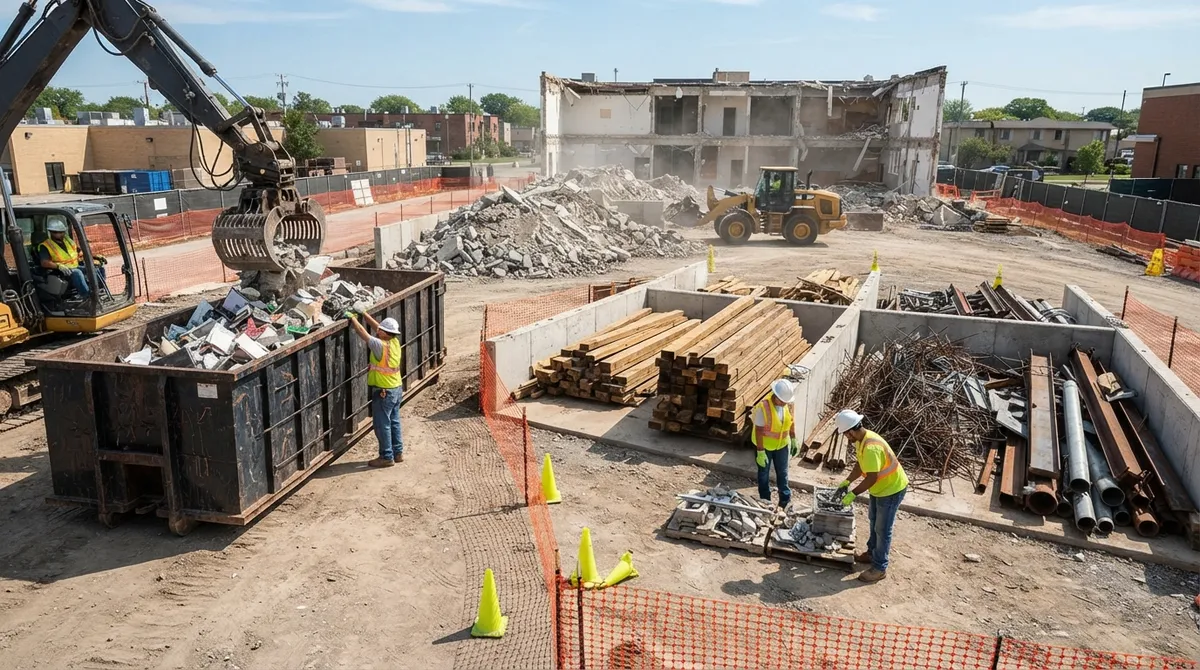
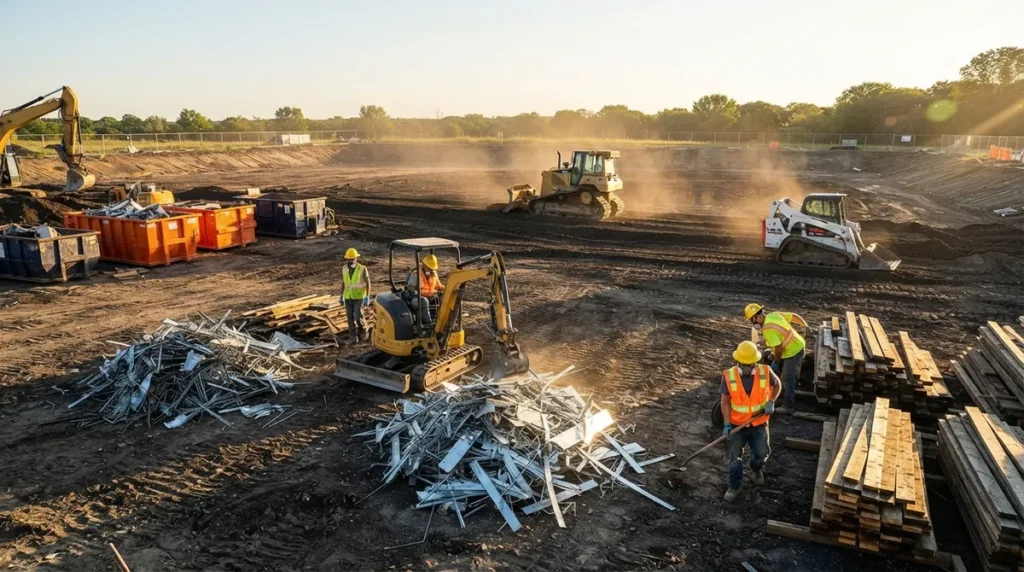
- Sort materials into reusable, recyclable, nonhazardous, and hazardous categories
- Load and haul debris off-site using proper hauling equipment
- Remove leftover dust and small debris fragments from the site
- Address any contaminated soil or spills found during cleanup
- Grade and stabilize the land for its next use
- Complete a final walk-through and inspection with documentation
This process might sound simple on paper, but each step requires careful attention. Skipping any one of these can create problems that show up months later. That’s why hauling services paired with proper grading make such a difference in project outcomes.
Sorting Debris: What Gets Recycled and What Gets Tossed
Not everything from a demolition site ends up in a landfill. In fact, a lot of it can be reused or recycled. Source separation, or sorting materials as they come down, usually leads to better recycling rates and can even lower disposal costs.
Here are common materials that often get a second life:
- Concrete and asphalt (crushed and reused for new paving or base material)
- Brick and masonry
- Clean, untreated wood
- Metals like steel, copper, and aluminum
- Cardboard and packaging materials
- Select fixtures and hardware
According to the EPA’s state demolition information resources, most construction and demolition debris is nonhazardous. That’s encouraging news, but it doesn’t mean cleanup crews can skip the sorting step. Getting it right the first time saves money and protects the environment.
Handling Hazardous Materials Safely
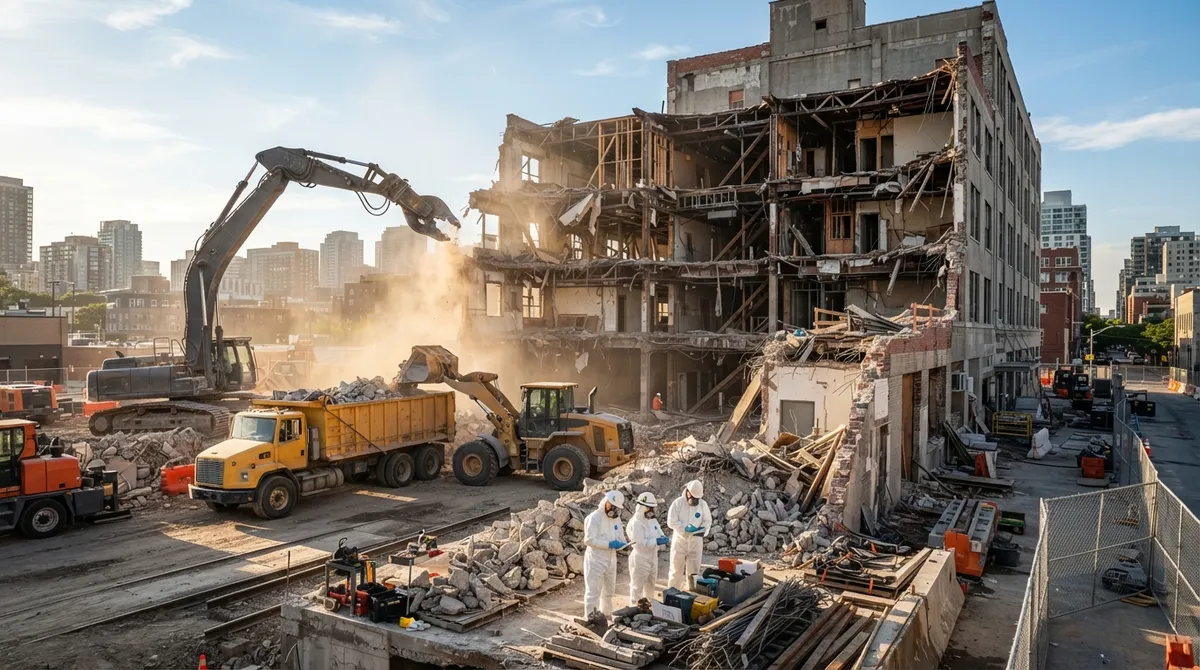
This is where things get a little more technical, but stick with me because it’s important. Before any demolition begins, a hazardous-material survey should be completed. This survey checks for things like:
- Asbestos-containing materials
- Lead-based paint
- Mercury-containing lamps or thermostats
- PCBs (polychlorinated biphenyls)
- Refrigerants
- Contaminated soil or leftover chemicals
Under the EPA’s asbestos NESHAP rules, many demolition and renovation projects require advance notice to state or local agencies. If asbestos is found, it must be handled, packaged, transported, and disposed of following strict guidelines. This isn’t a step to cut corners on.
Mercury waste that meets certain toxicity levels is classified as hazardous waste code D009. Lead-contaminated debris meeting toxicity standards falls under code D008. These aren’t just technical labels, they represent real safety standards that protect workers, neighbors, and future occupants of the site.
Why Hire Professionals for Hazardous Material Handling
Trying to handle hazardous materials without training is risky and, frankly, not worth it. Professional crews know how to identify, contain, and dispose of these materials according to EPA regulations for asbestos-containing structures. This protects everyone involved and keeps your project compliant with local and federal rules.
Dust Control and Site Safety During Cleanup
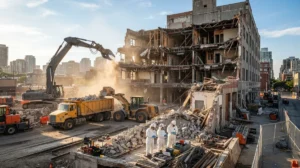
Dust isn’t just annoying, it can be a genuine health hazard. That’s why dust control is baked into every stage of a proper cleanup process. Crews use water spraying, covered containers, and other techniques to keep particles from spreading into the air or onto neighboring properties.
OSHA guidance also outlines specific safety measures for demolition sites, including:
- Floor openings for debris disposal should not exceed 25% of total floor area
- Barricades for uncovered floor openings must be at least 42 inches high and set back 6 feet
- Enclosed debris chutes should have gates at the discharge end
- Daily debris cleanup may be required by local building codes
Some cities, like New York, require debris to be cleaned up daily under building codes such as NYC Building Code Chapter 33. While Nevada’s requirements differ, the spirit is the same: keep the site safe and tidy throughout the entire project, not just at the end.
Grading, Backfilling, and Preparing the Land
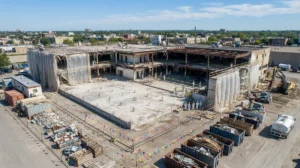
Once debris is cleared and hazardous materials are handled, it’s time to shape the land. Grading levels out the surface, corrects drainage issues, and prepares the ground for whatever comes next, whether that’s a new home, a commercial building, or a parking lot.
This step often includes:
- Backfilling holes or depressions left from foundations
- Compacting soil to create a stable base
- Correcting drainage slopes to prevent water pooling
- Coordinating with utility companies to confirm safe conditions
Proper excavating and grading services make sure your site is truly ready for construction, not just cleared of visible debris. This is one area where cutting corners tends to backfire later, especially once foundations or driveways are poured.
What a Final Site Inspection Should Include
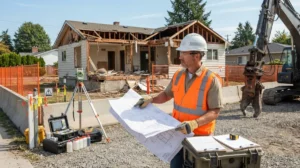
Before you take possession of a cleaned-up site, there should be a final walk-through and documentation package. This closeout package gives you peace of mind and protects you legally down the road. A solid final inspection includes:
- Disposal and recycling receipts
- Hazardous-material handling records
- Manifests for regulated waste, where applicable
- Photographs of the completed site
- Copies of permits or notifications filed during the project
- Utility confirmation records
- Grading and compaction documentation
- Notes on any remaining site restrictions
Always confirm your contractor follows Las Vegas demolition permit guidelines and checks in with the Clark County Building Department for any required approvals. This documentation protects you if questions ever come up about the site’s history.
Comparing Cleanup Needs by Project Type
| Project Type | Common Cleanup Needs | Special Considerations |
|---|---|---|
| Residential Home Teardown | Debris removal, grading, backfilling | Lead paint or asbestos checks for older homes |
| Commercial Building Demolition | Large-scale hauling, recycling, grading | Coordination with multiple utility providers |
| Pool Removal | Concrete removal, backfilling, compaction | Drainage planning to prevent water pooling |
| Interior Renovation Demo | Debris sorting, dust control | Minimal exterior grading needed |
| Land Clearing for Development | Vegetation removal, grading, erosion control | Stormwater management planning |
Who Should You Trust With Site Cleanup?
This is a big question, and it deserves a thoughtful answer. Not every contractor treats cleanup with the same care they give the demolition itself. You want a team that documents everything, follows local rules, and communicates clearly at every step.
Here’s what to look for in a demolition partner:
- Experience with hazardous material identification and handling
- Clear communication about timelines and next steps
- Proper licensing and insurance
- A track record of successful projects in your area
- Willingness to provide documentation and final walk-throughs
702 Demo has spent years building trust with homeowners, builders, and developers across Clark and Nye counties. From building demolition to concrete removal and everything in between, the team handles cleanup with the same care and precision as the demolition itself. You can also see what our 702 Demo customers say on Google to get a feel for how past projects have gone.
How Long Does Site Cleanup Usually Take?
Timelines vary depending on project size, material types, and whether hazardous substances are found. A small residential lot might be cleared and graded within a few days. A larger commercial site with hazardous materials could take a few weeks to complete properly.
Factors that affect timeline include:
- Size of the structure and amount of debris generated
- Presence of hazardous materials requiring special handling
- Weather conditions affecting hauling and grading
- Permit and inspection scheduling with local agencies
- Accessibility of the site for trucks and equipment
Your contractor should give you a realistic timeline upfront, along with regular updates as work progresses. If you’re managing a tight construction schedule, this kind of transparency is priceless.
Ready to Get Your Site Cleaned Up the Right Way?
Site cleanup after demolition isn’t just the last box to check, it’s what makes your next project possible. From sorting debris and handling hazardous materials to grading the land and documenting every step, this process protects your investment and your peace of mind.
Whether you’re a homeowner ready to reclaim your backyard, a developer planning the next big build, or a property manager tackling a redevelopment project, you deserve a cleanup process you can trust. Contact 702 Demo for a free estimate and let’s talk about how we can help turn your demolition site into a clean, ready-to-build space.
FAQs
Q: What is included in site cleanup after demolition?
A: Site cleanup covers debris removal, material sorting, hazardous material handling, dust control, grading, and final documentation. It’s basically everything that happens between “the building is down” and “the land is ready for its next chapter.” A good contractor walks you through every step so nothing feels like a surprise.
Q: Who is responsible for demolition debris removal and final site cleanup?
A: Your demolition contractor typically handles debris removal and cleanup as part of the overall project. That said, it’s always smart to confirm this in your contract before work begins. A reliable team, like 702 Demo, makes this responsibility crystal clear from day one.
Q: How is demolition debris sorted, recycled, and disposed of?
A: Debris gets sorted into categories like reusable, recyclable, and nonhazardous or hazardous waste. Materials like concrete, metal, and clean wood often get recycled, which can lower disposal costs too. Source separation right from the start usually leads to better recycling outcomes overall.
Q: What hazardous materials can be found after a building is demolished?
A: Common hazards include asbestos, lead-based paint, mercury-containing fixtures, PCBs, and contaminated soil. That’s why a hazardous material survey before demolition is so important. It helps your contractor plan safely and stay compliant with EPA and local regulations.
Q: How long does cleanup take after a demolition project?
A: It really depends on the size of the site and whether hazardous materials are involved. A small residential lot might wrap up in just a few days, while larger commercial sites can take a few weeks. Your contractor should give you a clear timeline so you can plan your next steps with confidence.