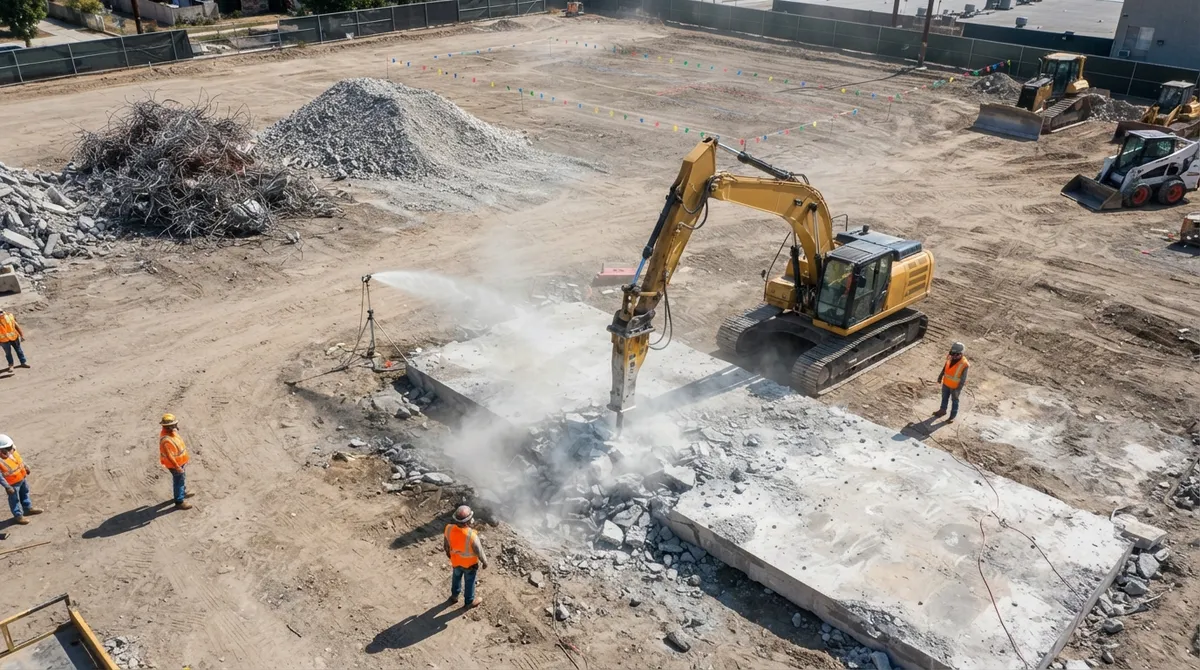
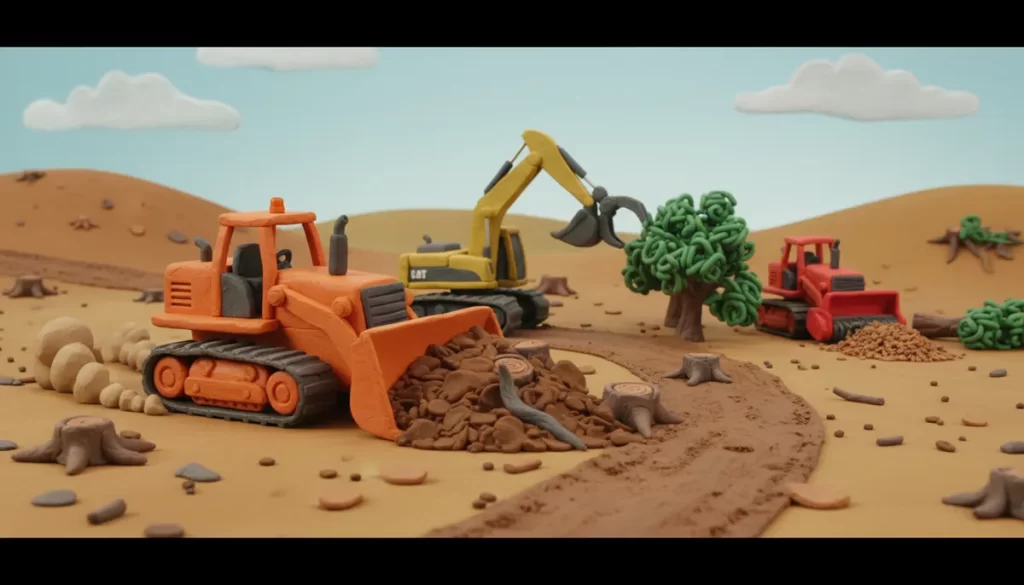
So you’ve got a piece of land, and it’s looking a bit… wild. Maybe you’re dreaming of building your forever home, starting a commercial project, or just want to finally see what’s underneath all that brush. Whatever your reason, land clearing services are about to become your new best friend. But before you start calling up contractors or renting a bulldozer (please don’t do that yourself), let’s chat about what land clearing actually involves and why it’s way more complicated than just knocking stuff down.
Land clearing isn’t just about showing up with some heavy equipment and going to town. It’s a carefully planned process that involves removing trees, brush, rocks, and debris to prepare your land for its next chapter. Whether you’re in the middle of the Nevada desert or dealing with overgrown vegetation in a residential area, professional land clearing services make the difference between a smooth project and a nightmare that drags on for months.
Here’s the thing most people don’t realize: land clearing affects everything that comes after it. Your foundation, your drainage, your landscaping—it all starts with how well the land was cleared and prepared. Companies like 702 Demo understand this, which is why they approach each project with the precision it deserves. They’ve been clearing land across Clark and Nye counties for years, and they’ve seen it all.
Why Professional Land Clearing Services Matter More Than You Think
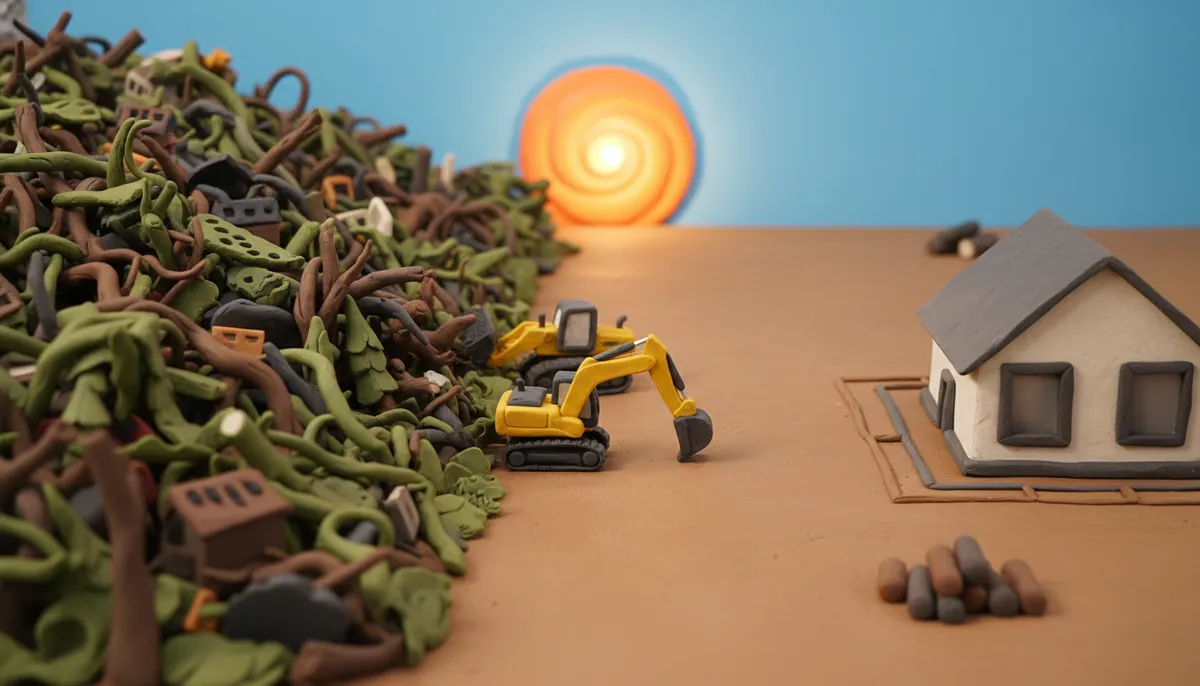
Look, I get it. You might be thinking, “How hard can it be to clear some land?” Trust me, this is one of those situations where DIY enthusiasm can cost you big time. Professional land clearing services bring expertise, proper equipment, and knowledge of local regulations that can save you from headaches down the road.
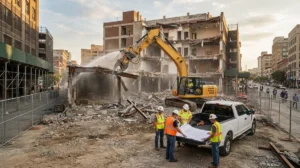
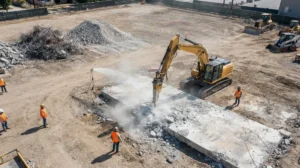
First off, there’s the equipment factor. We’re talking about bulldozers, excavators, wood chippers, and specialized machinery that costs hundreds of thousands of dollars. Even if you could rent this stuff, do you really know how to operate it safely and efficiently? Professional crews have operators who’ve spent years mastering these machines.
Then there’s the environmental and legal side of things. In Nevada, you can’t just start clearing land without checking local regulations. The Las Vegas demolition permit guidelines outline specific requirements you’ll need to follow, and that’s just for starters. There are environmental considerations, protected species concerns, and disposal regulations for the debris you’ll generate.
The Hidden Costs of Amateur Land Clearing
Here’s what happens when people try to cut corners: they damage underground utilities (hello, expensive repairs), create drainage problems (foundation issues, anyone?), or get hit with fines for improper debris disposal. Professional land clearing services map out underground utilities, create proper grading plans, and handle disposal legally and responsibly.
What Does the Land Clearing Process Actually Look Like?

Alright, let’s walk through what happens when you hire professional land clearing services. This isn’t a one-size-fits-all situation—every property has unique challenges and requirements.
The process typically starts with a site assessment. Professionals visit your property, evaluate what needs to be removed, check for obstacles (like those pesky boulders hiding under vegetation), and identify any environmental concerns. They’ll also locate underground utilities—trust me, you don’t want to accidentally dig up a water line or power cable.
Next comes the planning phase. This is where they determine the best approach for your specific situation. Will they need to remove trees? How will they handle the stumps? What about grading and soil preparation? A good land clearing company will create a detailed plan that addresses all these questions.
The Actual Clearing Work
Once planning is done, the real action begins. Here’s what typically happens:
- Vegetation removal: Trees, brush, and undergrowth are cleared away first
- Stump grinding or removal: Those stumps need to go, whether by grinding them down or pulling them out entirely
- Rock and debris clearing: Any rocks, old structures, or debris get removed from the site
- Grading and leveling: The land gets graded to ensure proper drainage and a level building surface
- Soil preparation: The soil is tested and prepared for whatever comes next—construction, landscaping, or paving
Throughout this process, reputable companies handle debris removal responsibly. They don’t just dump everything at the nearest landfill. Many materials can be recycled or repurposed, and professional services know how to maximize this.
Choosing the Right Land Clearing Service for Your Project

Not all land clearing services are created equal, folks. Some companies will show up with a backhoe and call it a day, while others bring comprehensive expertise and proper planning. Here’s what you should look for when shopping around.
Experience matters—a lot. You want a company that’s handled projects similar to yours. If you’re clearing a residential lot, find someone who specializes in that. Commercial projects? Same deal. Companies like 702 Demo bring experience in both residential and commercial projects, which means they’ve encountered just about every scenario imaginable.
Key Questions to Ask Potential Contractors
Before you sign on the dotted line, grill your potential contractor with these questions:
- Are you licensed and insured for land clearing work in Nevada?
- What equipment will you use for my specific project?
- How do you handle permits and regulatory compliance?
- What’s your timeline and what might cause delays?
- How do you dispose of debris and vegetation?
- Can you provide references from similar projects?
Don’t be shy about asking these questions. Any reputable contractor will be happy to answer them in detail. If someone gets defensive or dodges questions, that’s your cue to keep looking.
Understanding Costs and Getting Accurate Estimates

Let’s talk money, because I know that’s probably one of your biggest concerns. Land clearing costs can vary wildly depending on several factors, and understanding these will help you budget appropriately.
The size of your property is obviously the biggest factor. Clearing a quarter-acre residential lot costs way less than clearing ten acres for a commercial development. But it’s not just about square footage—the condition of the land matters too.
Here’s what affects pricing:
- Vegetation density: Light brush versus dense forest makes a huge difference
- Tree size and quantity: Large trees cost more to remove than small ones
- Terrain difficulty: Flat land is easier (and cheaper) than steep slopes
- Accessibility: Can equipment easily access the site, or are there access challenges?
- Underground obstacles: Rocks, old foundations, or buried debris add complexity
- Disposal requirements: Some materials cost more to dispose of than others
The Clark County Building Department also has requirements that might affect your project scope and costs. Always get multiple detailed estimates and make sure they’re comparing apples to apples.
Permits, Regulations, and Staying on the Right Side of the Law
Nobody wants to talk about permits and regulations—they’re about as exciting as watching paint dry. But ignore them, and you’ll be dealing with stop-work orders, fines, and potentially having to undo work you’ve already paid for. Not fun.
In Nevada, land clearing requirements vary by jurisdiction and project scope. Generally, you’ll need to check with your local building department before starting work. Some areas require permits for tree removal, while others have specific requirements for grading and drainage.
Environmental regulations also come into play. Protected species, wetlands, and water quality concerns can all affect your project. Professional land clearing services navigate these regulations daily, so they know exactly what’s required for your specific location and project type.
The Permit Process Simplified
Here’s the basic flow for most land clearing projects: Research local requirements, submit necessary applications, wait for approval (this can take weeks, so plan ahead), then begin work only after receiving permits. During work, inspectors may visit the site to ensure compliance. Once complete, you’ll likely need a final inspection before moving forward with construction.
Yeah, it’s bureaucratic and sometimes frustrating, but it protects everyone involved—including you. Professional services handle this entire process, which is honestly worth the peace of mind alone.
What Happens After Land Clearing?
So the land is cleared—now what? The beauty of professional land clearing services is that they leave your property ready for whatever comes next. Whether you’re building, paving, or landscaping, you’ll have a clean slate to work with.
Proper land clearing sets you up for success with your next phase. The grading ensures good drainage (no flooded basements, thank you very much). The soil is compacted appropriately so your foundation won’t settle unevenly. And you’ve got a clear understanding of what’s underground, so future work goes smoothly.
Many land clearing companies, including 702 Demo, offer additional services like concrete work, paving, and excavation. This can be super convenient because they already know your property and can seamlessly transition into the next phase of your project. Visit us on Google to see how past clients have rated their complete site development services.
Wrapping It All Up
Land clearing services are the foundation—literally and figuratively—of any successful building or development project. While it might be tempting to cut corners or DIY your way through it, professional services bring expertise, equipment, and regulatory knowledge that will save you time, money, and massive headaches in the long run.
From the initial site assessment through the final grading, professional land clearing ensures your project starts on solid ground. You get proper planning, safe execution, legal compliance, and a property that’s truly ready for whatever you’re building next. That’s not something you can achieve with a weekend rental and a can-do attitude.
Whether you’re developing commercial property or preparing for your dream home, starting with professional land clearing services is the smart move. It’s an investment in your project’s success and your own peace of mind.
Ready to get your land clearing project started? Contact 702 Demo today for a comprehensive assessment and detailed estimate!
FAQs
Q: How much does land clearing typically cost per acre?
A: Land clearing costs vary pretty widely depending on your specific situation, but you’re typically looking at anywhere from $1,500 to $5,000+ per acre. Light brush clearing on flat, accessible land sits at the lower end, while heavily wooded areas with large trees, rocky terrain, or difficult access can push costs higher. The best way to get an accurate number is to have a pro assess your specific property—they’ll factor in everything from vegetation density to disposal requirements.
Q: Do I need a permit to clear land in Las Vegas or Clark County?
A: Yep, you’ll usually need permits, though it depends on your specific project and location. Most land clearing projects in Clark County require at least some paperwork, especially if you’re doing grading work or removing a significant number of trees. The requirements can vary by jurisdiction, so it’s smart to check with your local building department before starting any work. Professional land clearing companies handle this stuff all the time and can guide you through the exact requirements for your property.
Q: How long does a typical land clearing project take?
A: For a standard residential lot, you’re probably looking at anywhere from a few days to a week or two, depending on what needs to be done. Smaller lots with light vegetation might get knocked out in a day or two, while heavily wooded properties or those with lots of large trees and stumps could take longer. Commercial projects or larger acreage can take several weeks. Your timeline also needs to account for permit approvals before work even starts, which can add a few weeks to the overall schedule.
Q: What’s the difference between land clearing and grading?
A: Land clearing is all about removing stuff—trees, brush, rocks, stumps, and debris—to create a clean slate. Grading comes after clearing and involves reshaping and leveling the land to ensure proper drainage and create a suitable building surface. Think of clearing as the demolition phase and grading as the preparation phase. Most comprehensive land clearing services include both, because you really can’t do one without the other if you want your property properly prepared for construction.
Q: Can land clearing services handle tree removal and stump grinding?
A: Absolutely! Tree removal and stump grinding are core parts of what land clearing services do. In fact, most land clearing companies have specialized equipment specifically for this work—from large excavators that can pull out entire trees to industrial-grade stump grinders that turn those stubborn stumps into mulch. They’ll handle everything from small ornamental trees to massive old-growth specimens, and they know how to do it safely without damaging your property or neighboring structures.