Key Takeaways
-
Professional demo hauling involves sorting materials, separating hazardous waste, and ensuring compliance with local environmental regulations — not just loading debris into trucks.
-
Hiring a full-service demolition contractor with included hauling is often more cost-effective than separate dumpster rental, delivery, and disposal fees, saving time and money.
-
Licensed demo haulers are legally required to follow local bylaws and environmental standards; working with unlicensed contractors risks fines, project delays, and legal liability.
-
Different demolition types require tailored hauling approaches: interior demolition needs different equipment than pool removal or full building teardowns.
-
Many materials can be recycled or repurposed during demo hauling — concrete, metal, wood, and asphalt — reducing waste and lowering overall project costs.
-
Demo hauling includes site cleanup and preparation like filling holes and leveling ground, which improves drainage and prepares the site for future construction.
If you’ve ever tackled a demolition project, you know the work doesn’t stop when the walls come down. Once the dust settles, you’re left with a mountain of debris that needs to go somewhere. That’s where demo hauling comes in. It’s a critical part of any demolition job — and often the part that gets overlooked until the last minute.
Whether you’re a homeowner renovating your kitchen, a contractor clearing a commercial site, or a developer starting fresh on a new build, understanding demo hauling can save you time, money, and a whole lot of headaches. Let’s break it all down in a way that actually makes sense.
What Is Demo Hauling?
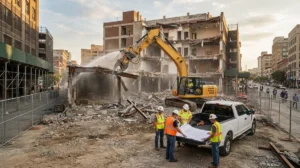
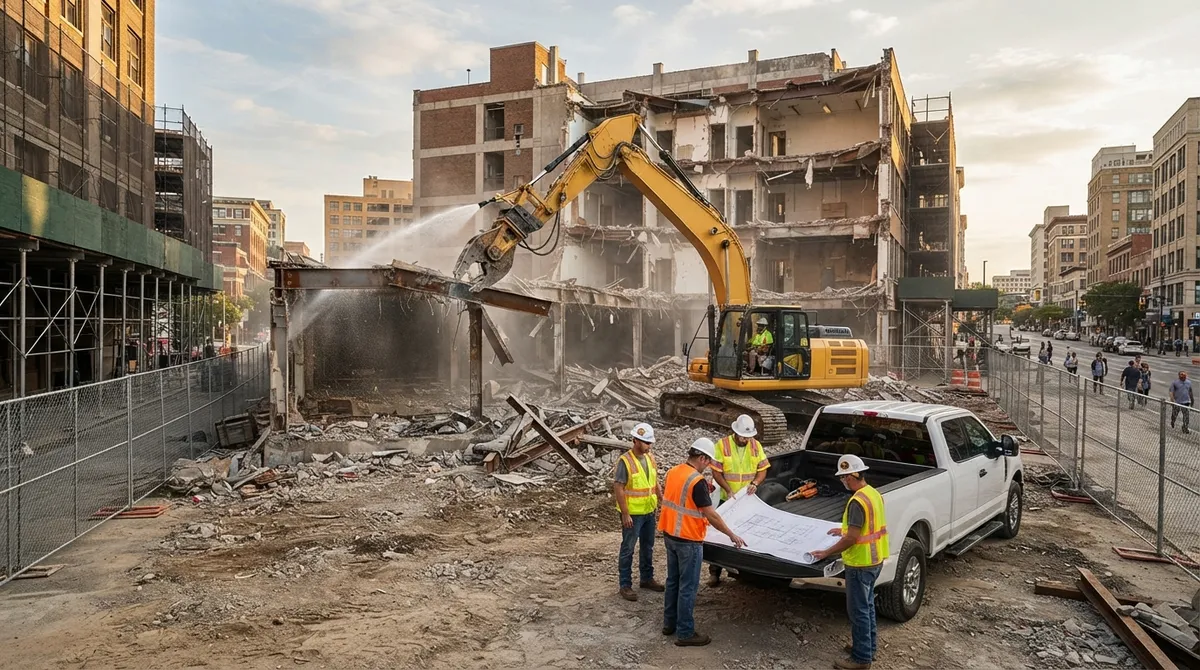
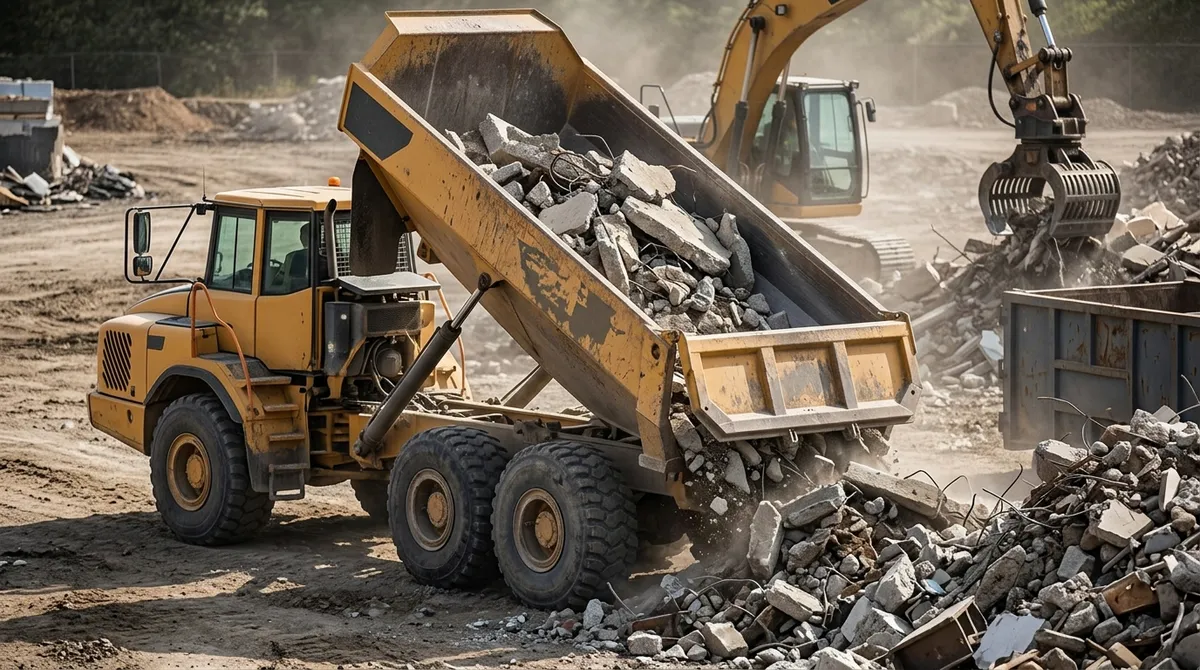
Demo hauling is the process of removing, transporting, and properly disposing of all the debris and materials created during a demolition project. Think of it as the cleanup crew that follows the wrecking crew. Without it, your job site would be buried under rubble with nowhere to go.
It’s not just about tossing junk into a truck. Professional demo hauling means sorting materials, following environmental regulations, and making sure everything ends up in the right place — whether that’s a landfill, a recycling facility, or a repurposing yard. You can learn more about what this looks like in practice by checking out our hauling services page.
1. Demo Hauling Is More Than Just Cleanup
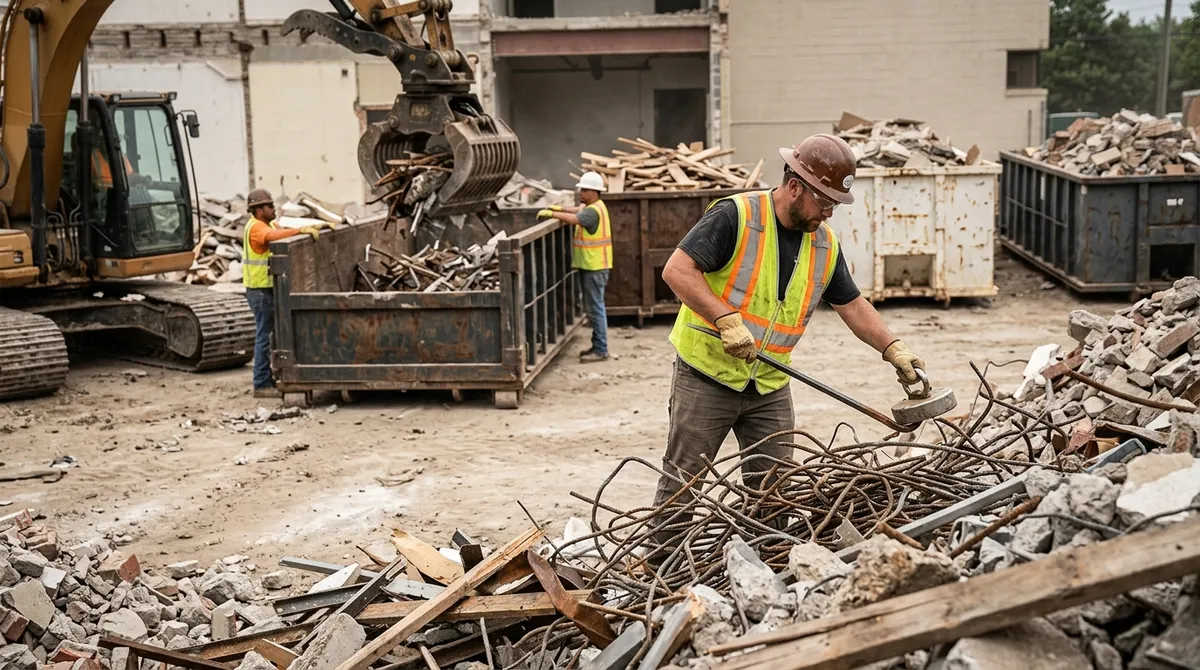
A lot of people think demo hauling is simply loading debris into a truck and driving away. But there’s a lot more happening behind the scenes. Professional haulers assess the material types on site, separate hazardous from non-hazardous waste, and ensure everything is handled according to local regulations.
This level of care protects you legally and environmentally. For projects in Clark County, it’s important to be aware of the rules set by the Clark County Building Department, which outlines requirements for safe demolition and waste disposal.
2. It Covers a Wide Range of Materials
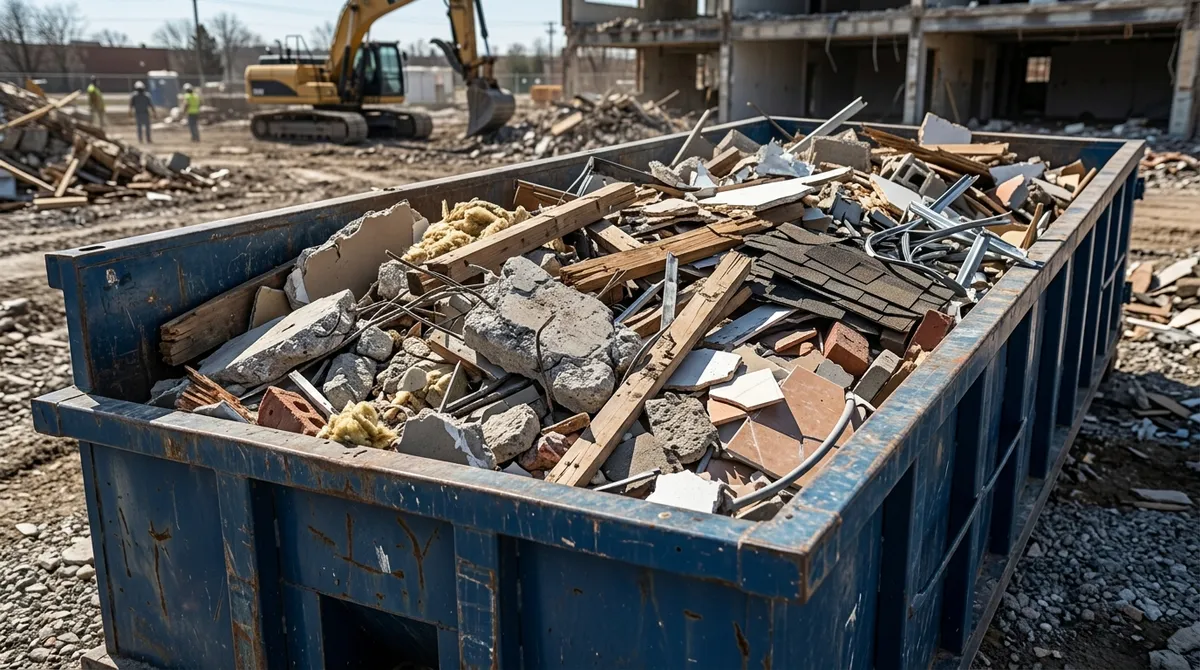
Demo hauling isn’t a one-size-fits-all service. The materials involved can vary widely depending on the type of project. Here’s a look at what’s typically handled:
- Concrete slabs and broken pavement
- Wood framing and lumber scraps
- Drywall and plaster
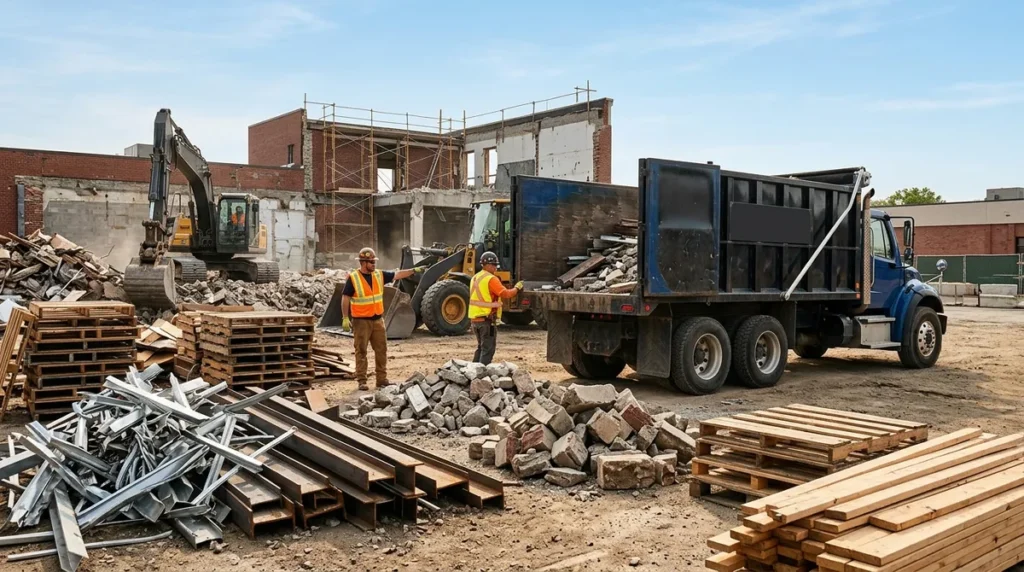
- Metal beams, pipes, and fixtures
- Old appliances and cabinetry
- Roofing materials and insulation
- Soil and landscaping debris
Each material type requires its own approach. Metal can often be recycled. Concrete can be crushed and reused. Hazardous materials like old insulation need special handling. A professional building demolition team knows exactly how to sort and manage all of it.
3. Demo Hauling Works for Both Small and Large Projects
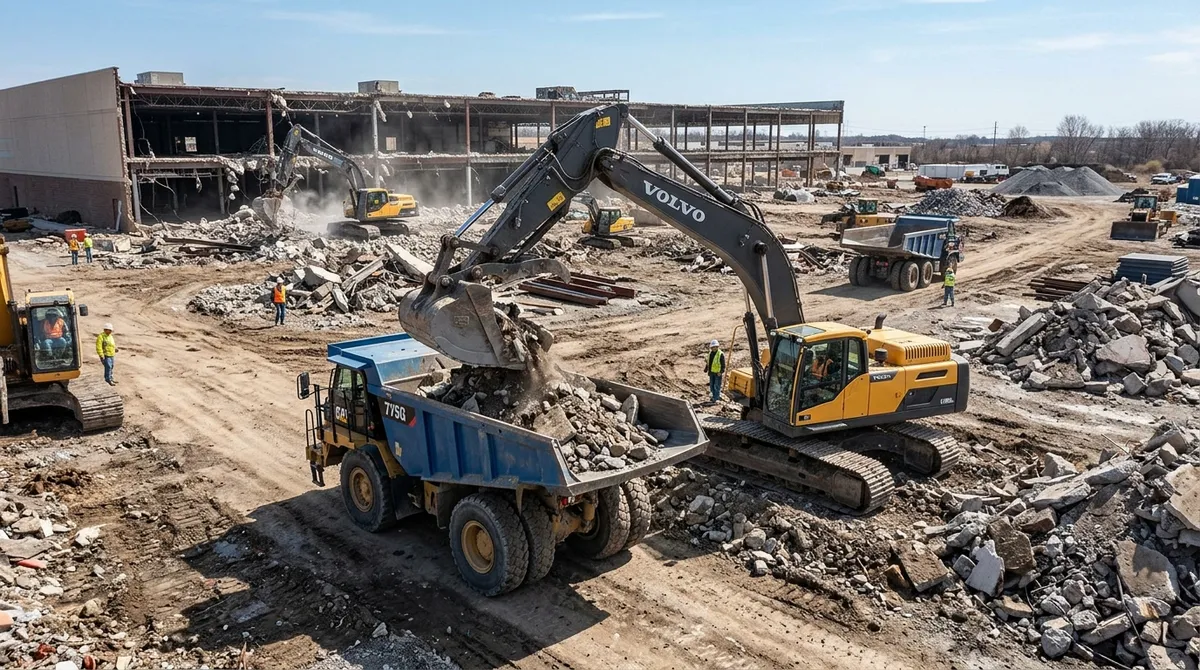
Don’t assume demo hauling is only for massive commercial teardowns. It’s just as valuable for small residential jobs. Here are some common project sizes that benefit from professional hauling:
- Kitchen and bathroom gut-outs for home renovations
- Removal of old decks, sheds, or outbuildings
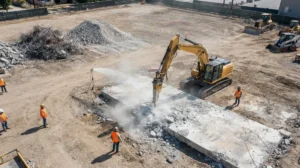
- Concrete driveway or patio removal
- Interior demolition for commercial remodels
- Full building teardowns for redevelopment
If you’re dealing with concrete removal or tearing out an old structure, having a hauling team on-site makes the whole process smoother and faster. No pile of rubble sitting in your yard for weeks!
4. It Must Follow Environmental and Legal Regulations
This is a big one. Licensed demo hauling services are legally required to dispose of construction materials according to local bylaws and environmental standards. You can’t just dump demolition debris anywhere — even if it seems harmless.
Before any demolition work begins in Las Vegas, permits are required. The Las Vegas demolition permit guidelines outline the specific requirements contractors must follow. Working with a licensed team ensures you stay compliant from start to finish.
Skipping this step can result in fines, project delays, and even legal liability. Always work with a contractor who understands the rules — and follows them. Our article on what makes a licensed demolition contractor essential goes deeper into why this matters.
5. Full-Service Demo Hauling Saves You Time and Money
Here’s something many property owners don’t realize: hiring a full-service demolition contractor that includes hauling is often more cost-effective than renting a dumpster and doing it yourself. Here’s why:
- You don’t pay for dumpster rental, delivery, and pickup separately
- Labor for loading debris is included in the service
- Disposal fees are handled by the contractor
- You avoid multiple trips to the landfill
- Everything is done in one coordinated project
When demolition and hauling are bundled together, the workflow is seamless. The crew tears down, loads up, and clears the site — all in one visit. That’s a huge win for anyone working on a tight timeline. For more on what a full-service approach looks like, read about how to plan demolition and hauling for your next project.
Demo Hauling vs. Junk Removal: What’s the Difference?
It’s easy to confuse demo hauling with standard junk removal, but they’re not the same thing. Here’s a quick comparison to help you understand the difference:
| Feature | Demo Hauling | Junk Removal |
|---|---|---|
| Tied to demolition work | Yes | No |
| Handles heavy construction debris | Yes | Sometimes |
| Requires licensed contractor | Yes | Not always |
| Follows environmental regulations | Yes | Varies |
| Includes material sorting/recycling | Yes | Rarely |
| Suited for large-scale projects | Yes | No |
Junk removal is great for clearing out old furniture or household clutter. But when you’re dealing with concrete, structural debris, or hazardous materials, you need a professional demo hauling team every time.
6. It Includes Site Cleanup and Preparation
Demo hauling doesn’t just clear the site — it prepares it for whatever comes next. After materials are removed, professionals will often fill and level any holes or uneven areas left behind. This is especially important for projects that involve future construction or landscaping.
Proper site preparation after hauling helps with drainage, structural stability, and safety. If you’re planning to build on the cleared site, proper excavating and grading is the natural next step. Getting it right from the beginning makes everything downstream easier.
7. Recycling Is a Big Part of the Process
Good demo hauling isn’t just about disposal — it’s about responsible disposal. Many materials from demolition sites can be recycled or repurposed, which reduces waste and can even lower overall project costs. Here’s what commonly gets recycled:
- Concrete — crushed and reused as base material for roads or new slabs
- Metal — sold to scrap yards and melted down for new products
- Wood — repurposed for mulch, reclaimed lumber, or biomass energy
- Asphalt — recycled into new paving material
When your hauling team prioritizes recycling, you’re contributing to a more sustainable construction industry. It’s good for the environment — and it’s becoming the standard expectation for responsible demolition work in 2026.
8. Different Demolition Projects Require Different Hauling Approaches
Not every demo project creates the same kind or volume of debris. The type of structure and materials involved shapes the entire hauling plan. Here are a few examples:
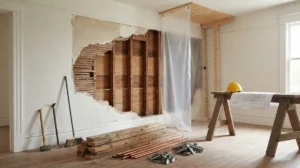
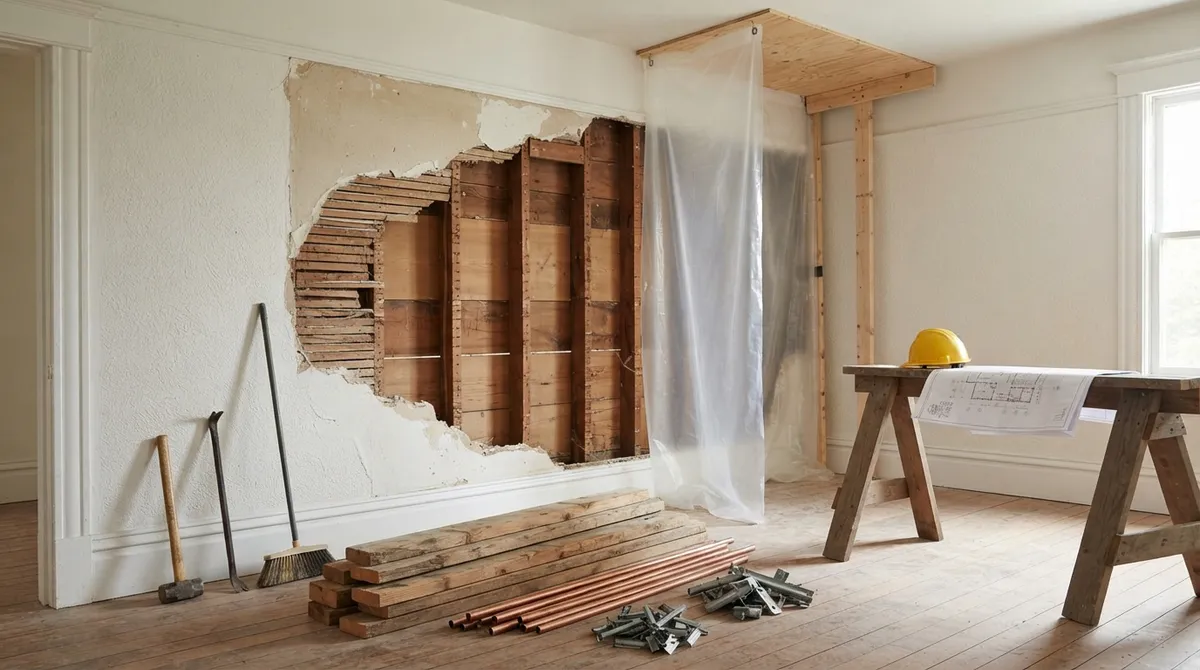
- Interior demolition: Produces drywall, tile, cabinetry, and flooring — typically lighter and easier to sort
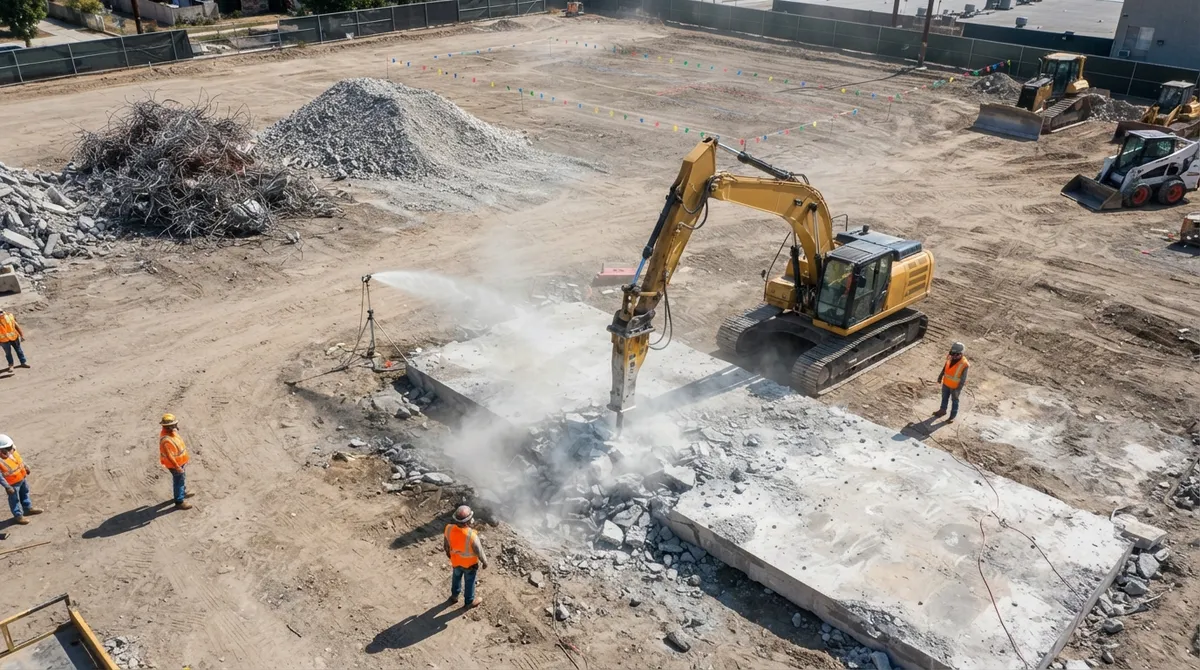
- Pool removal: Generates large amounts of concrete and rebar that need heavy-duty hauling equipment
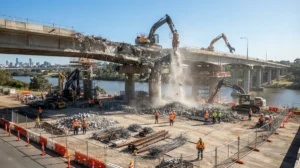
- Full building teardown: Creates the most debris, requiring coordinated loads and multiple disposal methods
- Landscaping removal: Involves soil, plants, rocks, and irrigation materials
For example, interior demolition at a commercial space requires a very different hauling plan than a pool removal project in a residential backyard. A skilled contractor tailors the approach to the job.
9. Hiring a Licensed Contractor Makes All the Difference
When it comes to demo hauling, who you hire matters enormously. An unlicensed hauler might seem like a cheaper option upfront, but the risks far outweigh the savings. Here’s what a licensed professional brings to the table:
- Knowledge of local disposal regulations and compliance requirements
- Proper equipment for heavy and bulky debris
- Insurance coverage in case of accidents or damage
- Experience handling hazardous or regulated materials safely
- Documented proof of proper disposal for your records
702 Demo is a trusted, licensed demolition contractor serving all of Clark and Nye counties in Nevada. With years of hands-on experience across residential and commercial projects, the team handles every aspect of demo hauling with professionalism and care. Visit us on Google to see what our customers are saying about their experience.
You can also explore more about choosing the right team in this helpful guide on how to find demo companies near me for your next project.
How to Prepare for a Demo Hauling Project
Getting ready for demo hauling doesn’t have to be complicated. Follow these steps to make sure everything goes smoothly:
- Identify what’s being demolished — Know the structure type and approximate size
- Check for hazardous materials — Asbestos, lead paint, and mold require special handling before hauling begins
- Obtain necessary permits — Your contractor should help with this, but it’s good to be aware
- Clear access for equipment — Make sure trucks and machinery can reach the work area
- Discuss disposal preferences — Ask about recycling options if sustainability matters to you
Being prepared makes the job faster and more efficient. And when you work with an experienced team, they’ll walk you through every step so nothing falls through the cracks. Check out our FAQs page for answers to common questions about our services.
Ready to Clear Your Site? Let’s Talk
Demo hauling is one of those services that truly transforms a project. It turns a chaotic pile of rubble into a clean, ready-to-develop site — quickly and efficiently. Whether you’re planning a small home renovation or a large commercial teardown, having a reliable demo hauling partner makes all the difference.
From landscaping removal to full-scale building demolition, 702 Demo has the equipment, the expertise, and the dedication to get your site cleaned up right. Don’t let debris slow down your project — let the professionals handle it.
Take the first step toward a cleaner, safer job site today. Reach out to 702 Demo for a free estimate and find out how easy and affordable professional demo hauling can be.
FAQs
Q: What is included in demo hauling services?
A: Demo hauling covers the full removal, transportation, and disposal of all debris generated during a demolition project. This includes concrete, wood, metal, drywall, appliances, and more — all sorted and disposed of according to local regulations. It’s basically everything from the moment the structure comes down to the moment your site is clear and ready for the next phase!
Q: Is demo hauling different from renting a dumpster?
A: Yes, and in a good way! With demo hauling, a professional crew handles all the loading, transportation, and disposal for you — no separate dumpster rental, no hauling trips on your own. It’s often more cost-effective and way less stressful than managing debris removal yourself.
Q: What materials can be recycled during demo hauling?
A: Great news — a lot can be recycled! Concrete, metal, wood, and asphalt are commonly diverted from landfills during the demo hauling process. Your contractor will sort materials on-site and send recyclable items to the appropriate facilities, which is both environmentally responsible and increasingly expected in 2026.
Q: Do demo hauling services handle both residential and commercial projects?
A: Absolutely! Professional demo hauling works for everything from small kitchen tear-outs and driveway removals to large commercial building demolitions. The approach and equipment scale up or down depending on the project, so whether you’re a homeowner or a property developer, there’s a solution that fits your needs.
Q: Are there regulations I need to follow for demo hauling in Las Vegas?
A: Yes, and it’s important to take them seriously! In Las Vegas and Clark County, demolition and debris disposal must comply with local building codes and environmental guidelines. Working with a licensed contractor ensures all permits are in place and materials are disposed of properly — keeping you safe from fines or legal issues.