
Key Takeaways
-
Demolition experts conduct thorough site surveys before any work begins, identifying hazards like unstable walls and hidden utilities—this critical step prevents accidents and is essential for both small sheds and large commercial buildings.
-
Professional demolition experts require vocational training and state certifications (especially for heavy machinery or explosives), not just a sledgehammer and general labor skills, making them fundamentally different from untrained workers.
-
Site preparation often takes weeks or months and includes hazardous material removal, utility disconnection, and permit acquisition—often longer than the actual demolition itself, so rushing this phase creates safety and legal risks.
-
Skilled demolition experts salvage reusable materials like doors, windows, fixtures, and metal before demolition, reducing landfill waste and project costs while demonstrating professionalism beyond simple destruction.
Ever wondered what really happens before a building comes crashing down? It’s not just about swinging a wrecking ball and hoping for the best. A demolition expert is a highly trained professional who plans, prepares, and safely tears down structures using specialized tools, heavy machinery, and sometimes even explosives. Whether you’re a homeowner in Henderson thinking about removing an old chimney, or a commercial builder in Las Vegas planning a full site clearing, understanding what a demolition expert actually does can help you make smarter decisions for your project.
At 702 Demo, we’ve spent years serving Clark and Nye counties with skilled demolition work you can count on. In this friendly guide, we’re breaking down exactly what makes a demolition expert different from just someone with a sledgehammer. Grab a coffee, and let’s walk through the nine key things that define this fascinating and essential trade.

1. A Demolition Expert Starts With a Thorough Site Survey
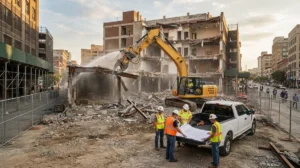
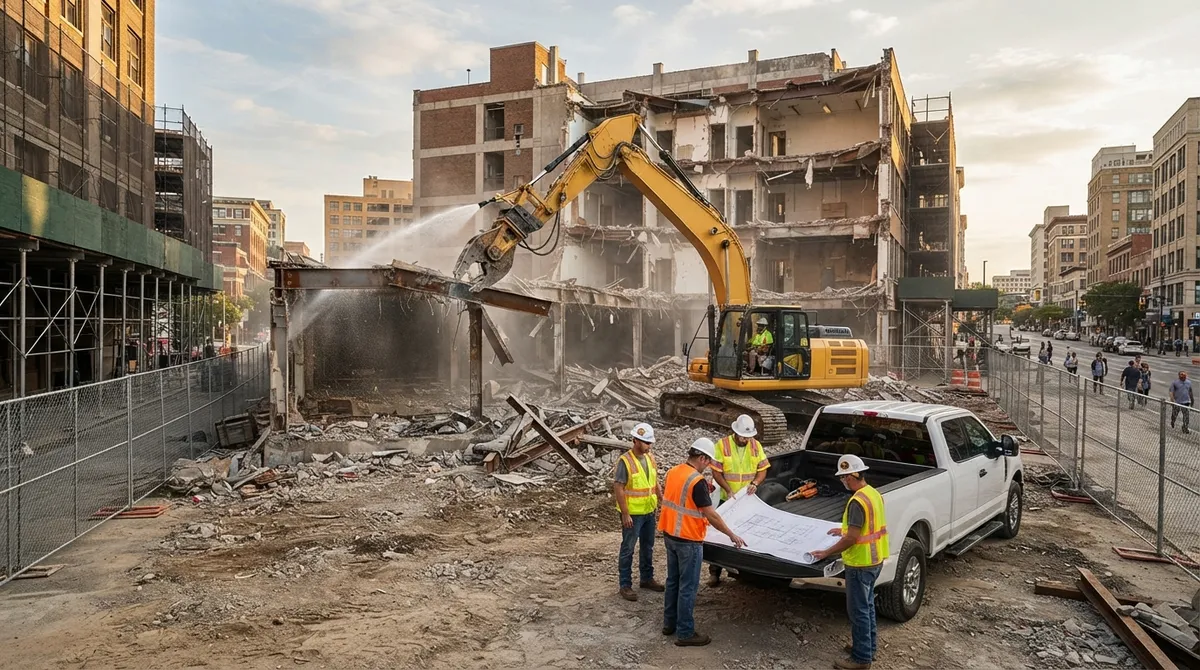
Before any demolition begins, a true expert walks the property and studies it carefully. They check the structure’s age, materials, and layout to figure out the safest way to take it down. This step matters just as much for a small backyard shed as it does for a multi-story commercial building.
Site surveys also help identify potential hazards like unstable walls, old wiring, or hidden pipes. Skipping this step is how accidents happen. That’s why every job our team handles at 702 Demo begins with a detailed walkthrough, whether it’s building demolition or a simple driveway tear-out.

2. They Know How to Salvage Usable Materials
Good demolition experts don’t just smash everything in sight. They look for materials worth saving first, like doors, windows, fixtures, and sometimes even lumber. This saves money and reduces waste heading to the landfill.
Here’s what a typical salvage checklist might include:
- Doors, window frames, and hardware
- Cabinetry and countertops in good condition
- Plumbing fixtures like sinks and tubs
- Metal piping and wiring for recycling
- Bricks, pavers, or decorative stone
This careful approach is part of what separates a true professional from someone just looking to rush through a job.
3. Demolition Experts Operate Heavy Machinery With Precision
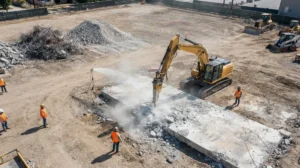
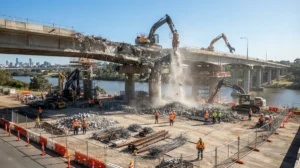
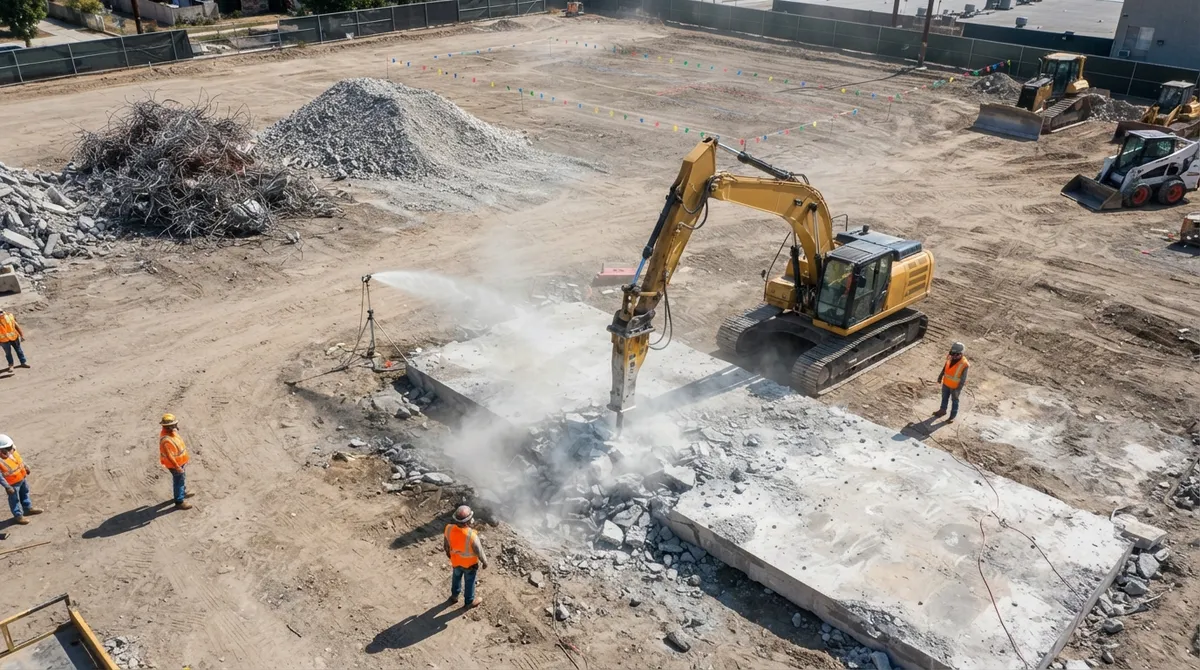
Think bulldozers, excavators, cranes, and hydraulic breakers. These machines look intimidating, but in the right hands, they’re tools of precision, not chaos. A skilled operator can bring down a wall inch by inch or clear an entire lot in a single day.
Common machinery used in demolition work includes:
- Excavators for digging and tearing down structures
- Bulldozers for clearing debris and leveling ground
- Cranes for lifting heavy materials safely
- Wrecking balls for large-scale structural takedowns
- Hydraulic breakers for concrete and masonry
Our team at 702 Demo relies on this same equipment daily, whether we’re handling concrete removal or clearing a full commercial lot for redevelopment.
4. Some Experts Specialize in Controlled Explosive Demolition
This is the part that gets people’s attention. For very large structures, demolition experts sometimes use explosives like dynamite or specially designed charges. They drill holes into support columns and wrap key areas with detonating cord to create a controlled collapse.
This process takes serious training and state certification. It’s not something learned overnight. While most residential and small commercial jobs in Nevada don’t require explosives, it’s still a fascinating part of what makes this profession so specialized.
5. Site Preparation Takes Way Longer Than People Expect
Here’s a fact that surprises most homeowners: preparing a building for demolition often takes weeks or even months. Experts must strip out hazardous materials, disconnect utilities, and remove anything that could become a dangerous projectile during the process, according to industry research from Builderscrack’s demolition guide.
Site prep typically includes:
- Removing glass, insulation, and loose debris
- Shutting off gas, water, and electrical lines
- Testing for asbestos or lead paint
- Securing permits from local authorities
- Setting up safety barriers around the site
Skipping any of these steps isn’t just risky, it can also violate local codes. Always check the Las Vegas demolition permit guidelines before starting any project in the area.
6. They Understand Hazardous Material Handling
Older homes and commercial buildings sometimes contain asbestos, lead paint, or mold. A true demolition expert knows how to identify these materials and handle them according to safety regulations. This protects workers, neighbors, and the environment.
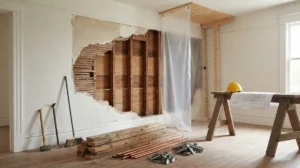
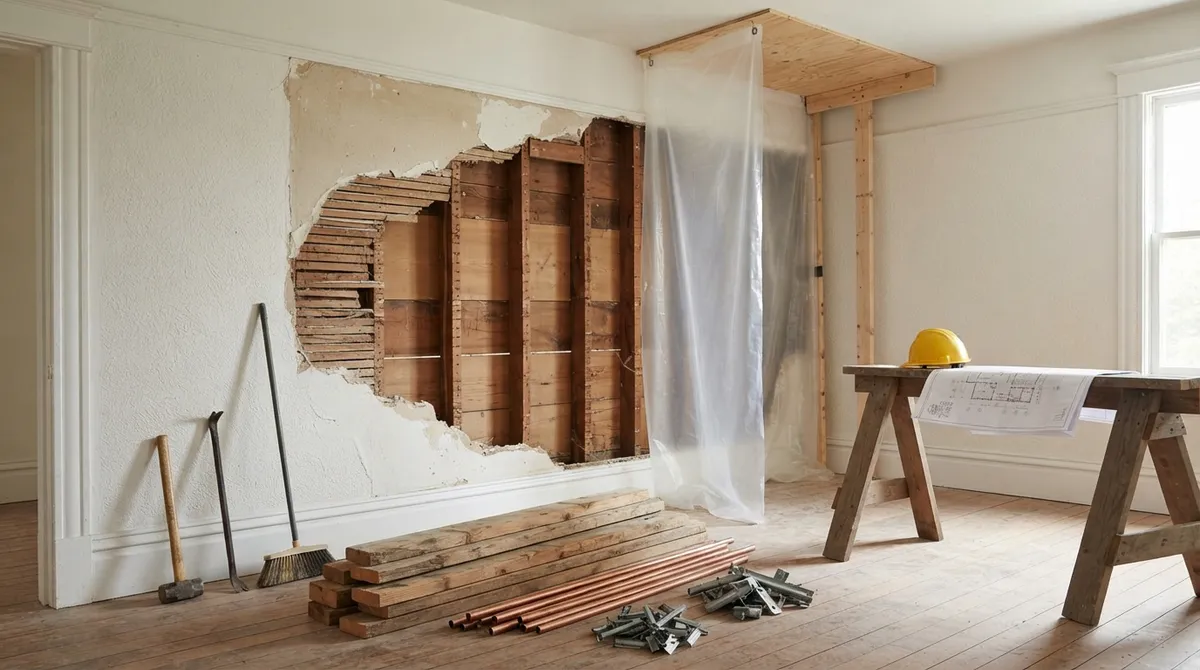
Property managers dealing with aging buildings especially benefit from this expertise. If you’re managing a multi-family property and worried about hidden hazards, working with a trained crew for interior demolition can save you from costly mistakes down the road.
7. Clean-Up and Hauling Are Often the Longest Part of the Job
Believe it or not, tearing down a structure is often faster than cleaning it up. Loading debris into trucks, sorting recyclable materials, and hauling everything away takes real coordination. This phase can take just as long, or longer, than the actual demolition.
That’s why full-service hauling services are such a valuable part of any demolition project. Without a solid clean-up plan, your site can sit full of rubble for weeks, delaying your next construction phase.
8. Demolition Experts Need Real Training and Certification
This isn’t a job you can just show up and learn on day one. Most demolition experts start with a high school diploma or GED, then move into vocational training focused on construction management. Many pursue certifications specific to Nevada, especially if they’ll be operating heavy machinery or handling explosives.
According to Indeed’s career guide on demolition specialists, the national average salary for a demolition worker sits around $36,099 per year. Experience, certifications, and specialized skills like explosive handling can push earnings higher.
Here’s a general path many demolition experts follow:
- Complete high school or earn a GED
- Pursue vocational training in construction or heavy equipment
- Gain hands-on experience through apprenticeships
- Earn state-specific certifications for machinery or explosives
- Build a track record with safe, successful projects
9. They Bring Expertise to Every Type of Demolition Project
Not every demolition job looks the same. A true expert knows how to adapt their approach whether it’s a small residential job or a massive commercial teardown. This flexibility is what makes hiring a real professional so valuable.
Common services a skilled demolition expert handles include:
- Chimney and fireplace removal
- Driveway and concrete demolition
- Full house or garage teardown
- Swimming pool removal, both fiberglass and inground
- Commercial building and interior demolition
If you’re planning a backyard renovation, pool removal requires a completely different approach than tearing down landscaping or grading a lot for new construction. That’s why working with a team experienced in every category matters so much.
Demolition Expert vs. General Laborer: What’s the Difference?
It’s easy to confuse a demolition expert with just any construction worker holding a sledgehammer. But the differences are significant, especially when safety and efficiency are on the line.
| Feature | Demolition Expert | General Laborer |
|---|---|---|
| Training | Vocational training plus certifications | Minimal or on-the-job only |
| Equipment Knowledge | Operates excavators, cranes, hydraulic tools | Basic hand tools only |
| Safety Protocols | Follows strict OSHA and local codes | Limited safety training |
| Hazard Handling | Trained in asbestos and hazardous material removal | Not typically trained |
| Project Scope | Handles residential and commercial jobs | Usually limited to small tasks |
Why Hiring the Right Expert Matters for Your Project
Whether you’re a homeowner planning a loft conversion, a renovation contractor prepping a foundation, or a real estate developer clearing land for a new build, the person swinging that machinery matters. An experienced team understands local regulations, including requirements from the Clark County Building Department, and knows how to keep your project on schedule.
For commercial builders working under tight deadlines, choosing a contractor who also offers excavating and grading services can streamline your entire site development process. One team, one schedule, fewer headaches.
Curious what real customers have to say? You can visit us on Google — 702 Demo and see how we’ve helped homeowners and businesses across Clark and Nye counties bring their projects to life safely and efficiently.
Final Thoughts on What Makes a Demolition Expert Valuable
So, what is a demolition expert, really? It’s someone who blends technical skill, safety knowledge, and hands-on experience to take down structures the right way, every single time. From surveying a site to hauling the final load of debris, every step requires expertise you simply can’t fake.
If you’re planning a project anywhere in Las Vegas, Henderson, or the surrounding Nevada communities, don’t leave it to chance. Contact 702 Demo for a free estimate and let our experienced crew show you why we’re trusted throughout Clark and Nye counties for demolition, excavating, grading, and hauling services. Your next project deserves a team that treats every job like it’s their own backyard.
FAQs
Q: What qualifications do I need to become a demolition expert?
A: You’ll typically need a high school diploma or GED, plus vocational training in construction management. Many experts also earn state-specific certifications, especially if they’ll be operating heavy machinery or handling explosives. It’s a journey that takes real dedication, but it opens doors to a rewarding career!
Q: How do demolition experts use explosives safely?
A: They carefully drill into selected support columns and wrap key structural points with detonating cord. This creates a controlled collapse instead of random destruction. It takes serious training and certification, so rest assured, this isn’t something done casually.
Q: How long does it take to demolish a house?
A: It really depends on the size and complexity of the home, but most residential demolitions take a few days once site prep is complete. The prep work beforehand, like removing hazardous materials and disconnecting utilities, can take longer. Our team at 702 Demo always plans carefully to keep things moving efficiently.
Q: Do demolition experts handle hazardous waste removal?
A: Yes, trained demolition experts know how to identify and safely remove materials like asbestos, lead paint, and other hazards. This protects workers and keeps your property safe throughout the process. It’s a crucial part of the job that shouldn’t be overlooked.
Q: Why is site preparation important before demolition?
A: Site preparation helps identify hazards, secure permits, and remove dangerous materials before the real work begins. Skipping this step can lead to accidents or code violations. Taking the time to prep properly always pays off in the long run!