
Key Takeaways
-
Demolition is a carefully planned process involving permits, safety checks, and skilled crews that sets the foundation for successful construction projects; rushing or skipping steps can lead to costly delays, fines, or safety issues.
-
Professional demolition contractors must handle hazardous material removal, utility disconnection, and proper debris hauling according to local regulations like Clark County Building Department requirements to ensure legal compliance.
-
Different demolition types serve different purposes: full structural demolition for complete teardowns, interior/selective demolition for renovations, concrete removal for slabs and driveways, and pool removal for yard reclamation.
-
Common demolition mistakes include working without proper permits, failing to identify hazardous materials like asbestos, underestimating debris disposal needs, and damaging nearby structures or utilities.
-
Hiring a licensed, experienced demolition contractor with proper insurance, clear communication about timelines, and responsible disposal practices is essential—it’s not a task for general contractors or DIY approaches.
-
Full-service demolition contractors who handle grading, excavation, and site preparation eliminate coordination headaches and keep projects on schedule by providing consistency from demolition through construction.
Ever wondered what really happens before a shiny new building goes up? Or maybe you’re staring at an old pool, a cracked driveway, or a tired kitchen and thinking, “There has to be a better way to start fresh.” That’s where demolition comes in. It’s the first exciting step toward something new, and it’s a lot more thoughtful than just swinging a wrecking ball around. Whether you’re a homeowner in Henderson planning a remodel or a developer breaking ground on a new project in Clark County, understanding demolition helps you make smart choices. Grab a cup of coffee, and let’s walk through what demolition in construction really means, why it matters, and how the right team can make your project smoother than you ever imagined.

What Is Demolition in Construction?
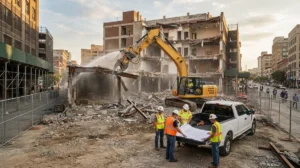
Demolition in construction means safely tearing down buildings, structures, or parts of a property to make way for something new. It’s not just about knocking things over. It’s a planned, careful process that involves permits, safety checks, and skilled crews using the right equipment for the job.
Think of demolition as the reset button for a property. Before any foundation gets poured or any renovation begins, someone has to clear the space first. That someone is usually a licensed demolition contractor who knows how to do it safely, legally, and efficiently.
At 702 Demo, we’ve seen firsthand how proper demolition sets the tone for an entire project. Get it right, and everything after runs smoother. Rush it or skip steps, and you could face delays, fines, or safety issues down the road.

Why Demolition Matters So Much in Construction Projects
Demolition isn’t just the “before” picture in a renovation show. It plays a real role in project success. Here’s why it deserves your attention:
- It clears the way for new construction to begin on solid ground
- It removes unsafe or outdated structures that could pose risks
- It helps developers meet strict project timelines
- It ensures hazardous materials get handled and disposed of correctly
- It prepares the site for accurate grading and excavation work
- It can improve property value by removing eyesores like old pools or cracked concrete
For property managers dealing with aging buildings or renovation contractors tackling a full gut job, demolition is often the make-or-break phase. Skip proper planning here, and every other step gets harder.
The Main Types of Demolition in Construction
Not all demolition looks the same. The right approach depends on your goals, your property type, and what you’re trying to accomplish. Let’s break down the most common types you’ll run into.
1. Full Structural Demolition
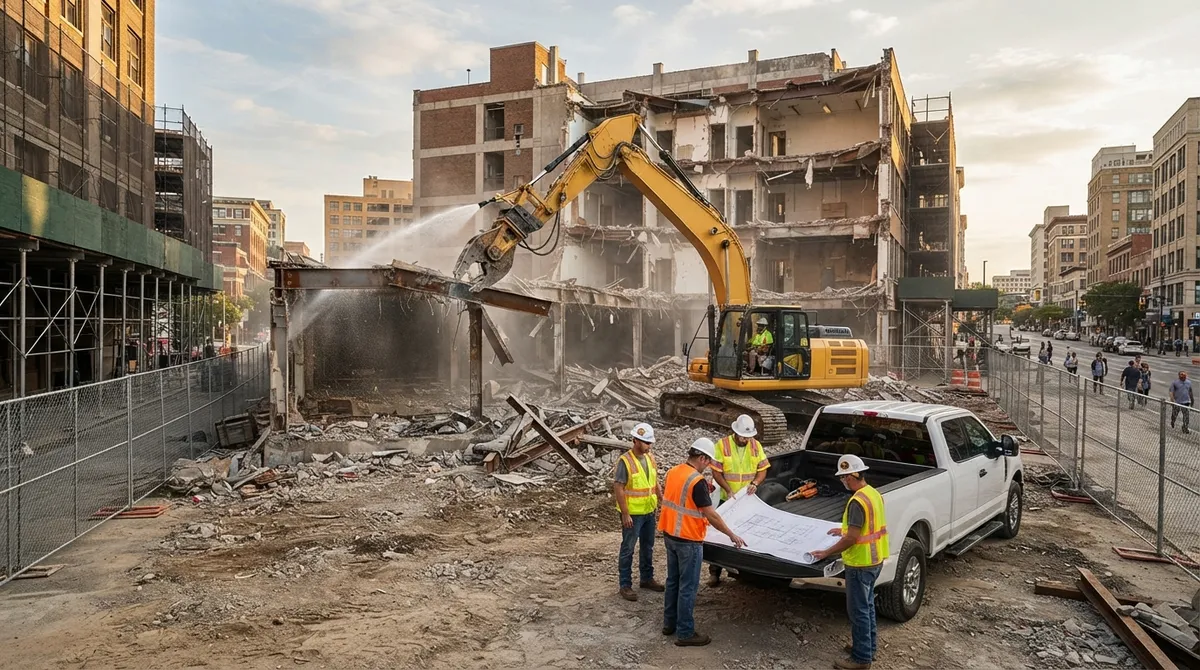
This is the big one. Full demolition means tearing down an entire building or structure from top to bottom. It’s common for older commercial buildings, homes beyond repair, or sites being completely redeveloped. Our building demolition team handles everything from planning to final debris removal.
2. Interior or Selective Demolition
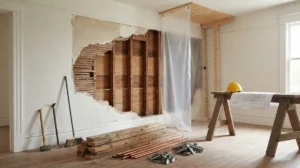
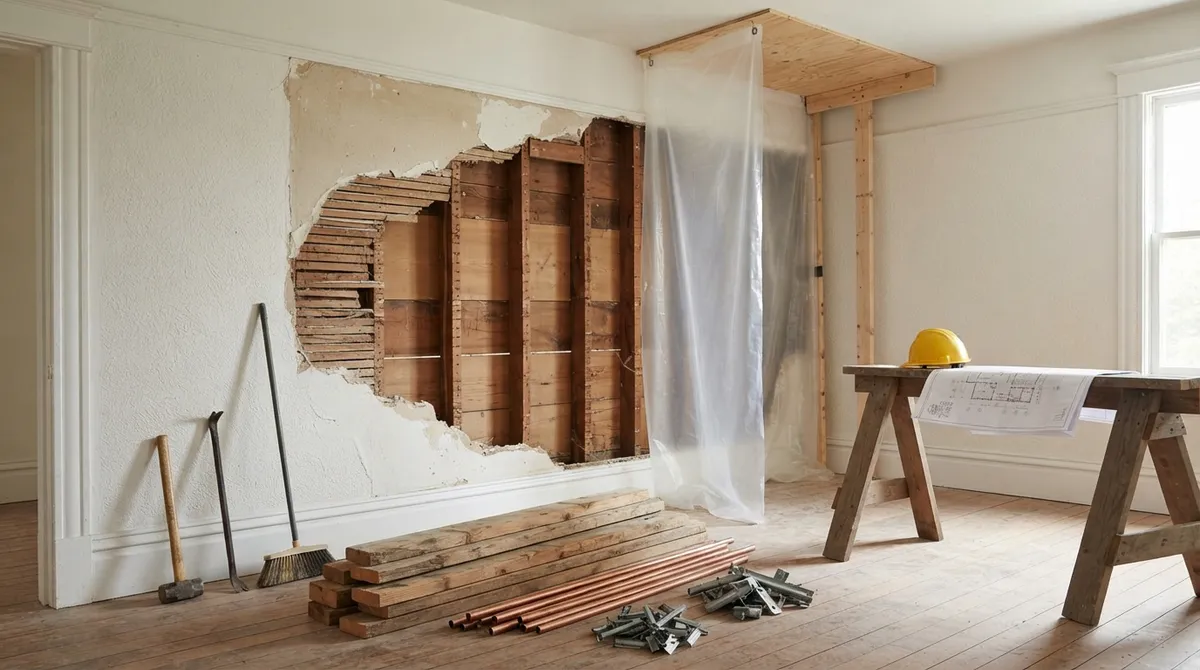
Sometimes you don’t need to tear down the whole building. Interior demolition focuses on removing walls, floors, ceilings, or fixtures while keeping the outer structure intact. This is a favorite among renovation contractors working on remodels. Learn more about our interior demolition services if you’re planning a remodel soon.
3. Concrete Removal
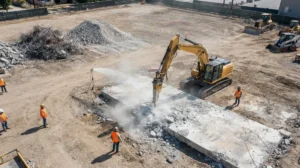
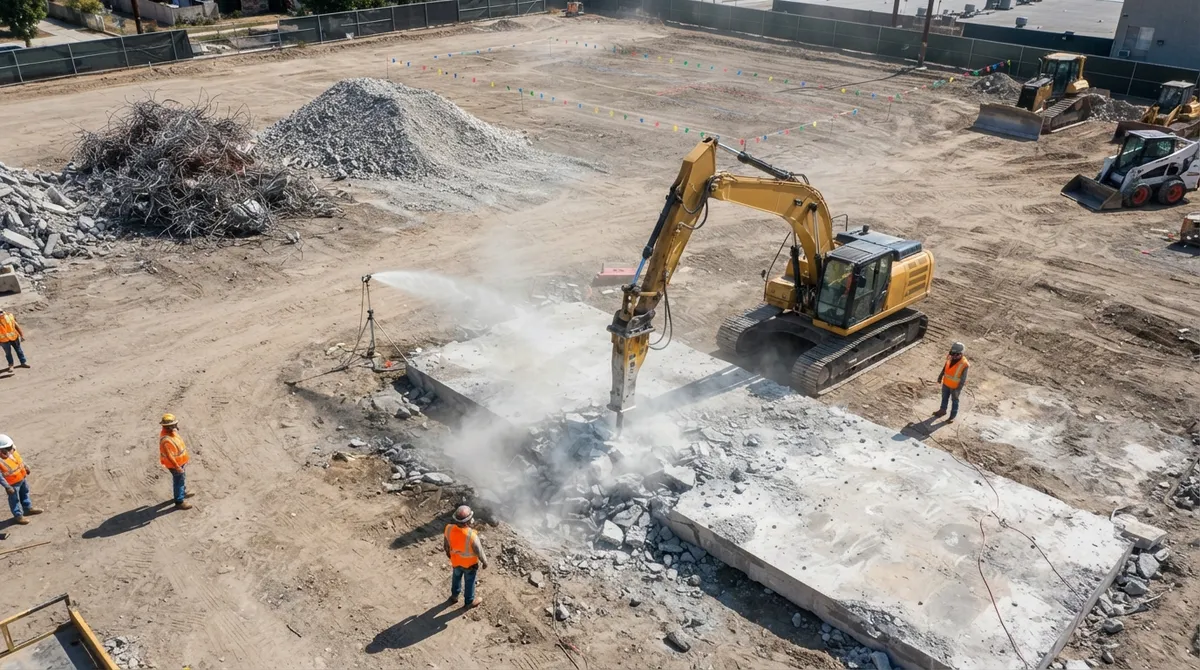
Old driveways, patios, and foundations often need to go before new concrete can be poured. Concrete removal is its own specialty, requiring the right tools to break up and haul away thick slabs. Check out our concrete removal services for driveways, patios, and slabs.
4. Pool Removal
Believe it or not, pool removal is one of the most requested demolition services in Southern Nevada. Homeowners often want to reclaim yard space or reduce maintenance costs. Our pool removal team handles everything from draining to hauling away debris safely.
5. Landscaping and Site Clearing
Before new construction begins, sites often need trees, shrubs, or old landscaping cleared away. Our landscaping removal services prepare your property for the next phase of development.
Step-by-Step: How the Demolition Process Actually Works
Curious what actually happens once you hire a demolition contractor? Here’s a simple breakdown of the typical process from start to finish.
- Site Assessment: A contractor visits your property to evaluate the structure, materials, and any hazards.
- Permitting: Proper permits get pulled through local authorities, following Las Vegas demolition permit guidelines or county-specific rules.
- Utility Disconnection: Gas, water, and electric lines get safely disconnected before any work begins.
- Hazard Removal: Any hazardous materials, like asbestos, get identified and removed by trained professionals.
- Demolition Work: Crews use the right equipment, from excavators to hand tools, depending on the project scope.
- Debris Hauling: All demolition debris gets sorted, loaded, and hauled away responsibly.
- Site Grading: The cleared site gets leveled and prepped for whatever comes next, whether that’s new construction or landscaping.
Each of these steps matters. Skipping even one, like proper permitting, can lead to costly fines or project delays. That’s why working with an experienced team makes such a big difference.
Demolition Methods: Comparing Your Options
Different projects call for different demolition techniques. Here’s a quick comparison to help you understand what might work best for your situation.
| Demolition Method | Best For | Typical Timeline |
|---|---|---|
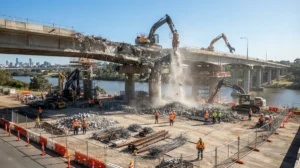
| Mechanical Demolition | Full building teardowns, large commercial sites | Days to weeks |
| Selective/Interior Demolition | Remodels, renovations, partial removals | Days |
| Manual Demolition | Small residential jobs, delicate areas | Hours to days |
| Concrete Cutting and Removal | Driveways, patios, foundations | Hours to a few days |
A good contractor will recommend the method that fits your timeline, budget, and property type. This is where experience really pays off.
Who Needs Demolition Services (And Why)
Demolition isn’t just for massive commercial projects. Plenty of everyday situations call for professional demolition help. Here’s who typically needs these services:
- Homeowners planning a kitchen remodel or loft conversion
- Commercial builders starting a new development from scratch
- Renovation contractors gutting interiors before a rebuild
- Property managers dealing with aging or damaged buildings
- Real estate developers prepping raw land for new projects
If you fall into any of these categories, chances are you’ll need some form of demolition sooner or later. And when that time comes, having a trusted partner makes all the difference.
Common Challenges During Demolition Projects
Demolition sounds simple on the surface, but plenty of things can go wrong without the right expertise. Here are some challenges property owners often face:
- Not securing proper permits before starting work
- Failing to identify hazardous materials like asbestos or lead paint
- Underestimating debris hauling and disposal needs
- Damaging nearby structures or utilities during teardown
- Missing environmental regulations for dust and runoff control
Working with the right licensed demolition contractor helps you avoid these headaches entirely. It’s not just about knocking things down. It’s about doing it the right way, every time.
What to Look for in a Demolition Contractor
Choosing the right team for your demolition project matters just as much as the demolition itself. Here’s what separates a great contractor from an average one:
- Proper licensing and insurance for your county
- Experience with your specific project type, whether residential or commercial
- Clear communication about timelines and permitting
- Responsible debris hauling and disposal practices
- Strong safety records and proper equipment
702 Demo has spent years building a reputation as a trusted, full-service demolition, excavating, grading, concrete, and paving contractor across Clark and Nye counties. We handle everything from small residential jobs to large commercial demolitions, always following Clark County Building Department requirements to keep your project compliant and safe.
How Demolition Fits Into the Bigger Construction Picture
Demolition rarely happens in isolation. It’s usually the first domino in a longer chain of construction steps. After demolition wraps up, most projects move into excavating and grading to prepare the land for new foundations. From there, construction crews can build with confidence, knowing the site was properly cleared and prepped.
This is why hiring a full-service contractor like 702 Demo saves so much hassle. Instead of coordinating multiple companies for demolition, hauling, grading, and paving, you get one team handling it all from start to finish. That kind of consistency keeps projects on schedule and reduces miscommunication between contractors.
Real Talk: Demolition Myths You Shouldn’t Believe
Let’s clear up a few common misconceptions floating around out there:
- Myth: Demolition is just about destruction. Truth: It’s a carefully planned process focused on safety and preparation.
- Myth: You don’t need permits for small demolition jobs. Truth: Most demolition work requires permits, even for smaller projects.
- Myth: Any contractor can handle demolition. Truth: Licensed, experienced demolition contractors bring specialized knowledge that matters.
- Myth: Demolition always creates huge messes for the neighborhood. Truth: Professional crews use dust control and debris management to minimize disruption.
Understanding these truths helps you set realistic expectations and choose the right team for your project.
Getting Started With Your Demolition Project
If you’re ready to move forward with a demolition project, here’s a simple roadmap to follow.
- Define your project goals, whether that’s a full teardown or partial removal
- Research licensed demolition contractors in your area
- Request site assessments and timelines from a few companies
- Confirm permitting and hazardous material handling plans
- Schedule your project and prepare for hauling and site cleanup
Taking these steps early saves time and stress later. And you don’t have to figure it all out alone. Our team walks you through every step, from the first phone call to the final haul-away. Curious what past clients think? You can always visit us on Google — 702 Demo to see real reviews from homeowners and businesses across Clark and Nye counties.
Why Choose 702 Demo for Your Demolition Needs
We’ve built our reputation on doing demolition the right way, every single time. Whether you need hauling services after a big teardown or a full building demolition for a commercial redevelopment, our team brings the experience and equipment to get it done safely and efficiently.
We proudly serve homeowners, commercial builders, renovation contractors, property managers, and real estate developers throughout Southern Nevada. No project is too big or too small for our team to handle with care and professionalism.
Ready to Start Your Demolition Project?
Now that you understand what demolition in construction really involves, you’re better equipped to plan your next project with confidence. Whether you’re clearing land for new development, removing an old pool, or gutting a space for renovation, having the right team matters more than anything else.
Don’t leave your demolition project to chance. Contact 702 Demo for a free estimate today, and let’s turn your vision into reality, one careful step at a time. We’re here to make the process simple, safe, and stress-free from start to finish.
FAQs
Q: What is demolition in construction exactly?
A: Demolition in construction means safely tearing down a building, structure, or part of a property to prepare it for something new. It’s a planned process involving permits, safety checks, and skilled crews, not just random destruction. Think of it as the necessary first step before any new building or renovation can begin.
Q: How long does a typical demolition project take?
A: It really depends on the size and type of project. A small interior demolition might take just a day or two, while a full commercial building teardown could take several weeks. Our team at 702 Demo always gives you a clear timeline upfront, so there are no surprises along the way.
Q: Do I need a permit for demolition work?
A: In most cases, yes! Even smaller demolition jobs usually require permits from local authorities like the Clark County Building Department. Don’t worry though, a good contractor handles all that paperwork for you so you can focus on the exciting part, your new project.
Q: What’s the difference between full and selective demolition?
A: Full demolition means tearing down an entire structure from top to bottom, while selective demolition focuses on removing specific areas like interior walls or flooring. Renovation contractors often prefer selective demolition since it keeps the outer building intact while updating the inside.
Q: Why should I hire a professional demolition contractor instead of doing it myself?
A: Professional contractors bring the right equipment, safety training, and permitting knowledge to get the job done correctly and legally. DIY demolition can lead to serious safety risks, fines, or even damage to nearby structures. It’s always worth trusting the experts, like our friendly team at 702 Demo, to handle it right the first time.