
Key Takeaways
-
Demo (demolition) is the essential first step that safely tears down or removes structures or parts of structures before new construction or renovation begins, following strict safety rules and local building codes.
-
Four main demolition types exist: mechanical demolition uses heavy machines for large projects, selective demolition targets specific areas while preserving the rest, deconstruction carefully disassembles buildings by hand for recycling, and interior demolition guts spaces for remodels.
-
Professional demolition processes include site inspection, hazardous material testing, permit acquisition, utility disconnection, execution, debris sorting, and cleanup—protecting property and preventing structural damage or code violations.
-
Hazardous material testing for asbestos and lead is critical before any demolition work begins, and proper disposal protects workers, future occupants, and the environment from legal and health issues.
Ever heard a contractor say, “We’ll demo that wall next week,” and wondered what they actually meant? You’re not alone! Whether you’re a homeowner in Henderson planning a kitchen remodel, or a real estate developer eyeing a lot in Nye County, understanding this simple term can save you time, money, and a whole lot of confusion. Let’s break it down together, nice and easy.
In construction, “demo” is just short for demolition. It means tearing down, removing, or clearing out part or all of a structure. It could be as small as ripping out old kitchen cabinets, or as big as knocking down an entire commercial building. Either way, demo is usually the very first step before something new gets built. At 702 Demo, we handle every type of demo project across Clark and Nye counties, and we’re here to walk you through exactly what it involves.

What Is Demo in Construction, Really?
At its core, demo means safely taking apart a structure or part of a structure. This can involve removing load-bearing walls, foundations, and slabs. It can also mean simply pulling out drywall, flooring, or old fixtures that need to go before a remodel begins.
Think of demo as hitting the reset button. Before any new construction, renovation, or landscaping project can start, the old stuff often needs to come out first. That’s where a skilled demolition contractor becomes your best friend.
Demo work isn’t just about swinging a sledgehammer, either. It’s a careful process that follows strict safety rules and local building codes. Professional crews plan every step, from utility shut-offs to debris removal, so the job gets done safely and efficiently.

The Main Types of Demolition Services
Not all demo jobs look the same. Depending on your project, you might need a completely different approach. Here’s a quick rundown of the most common types you’ll come across.
1. Mechanical Demolition
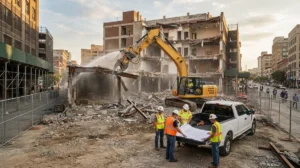
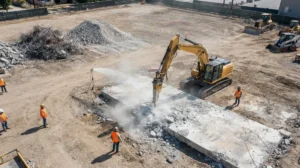
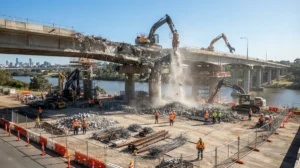
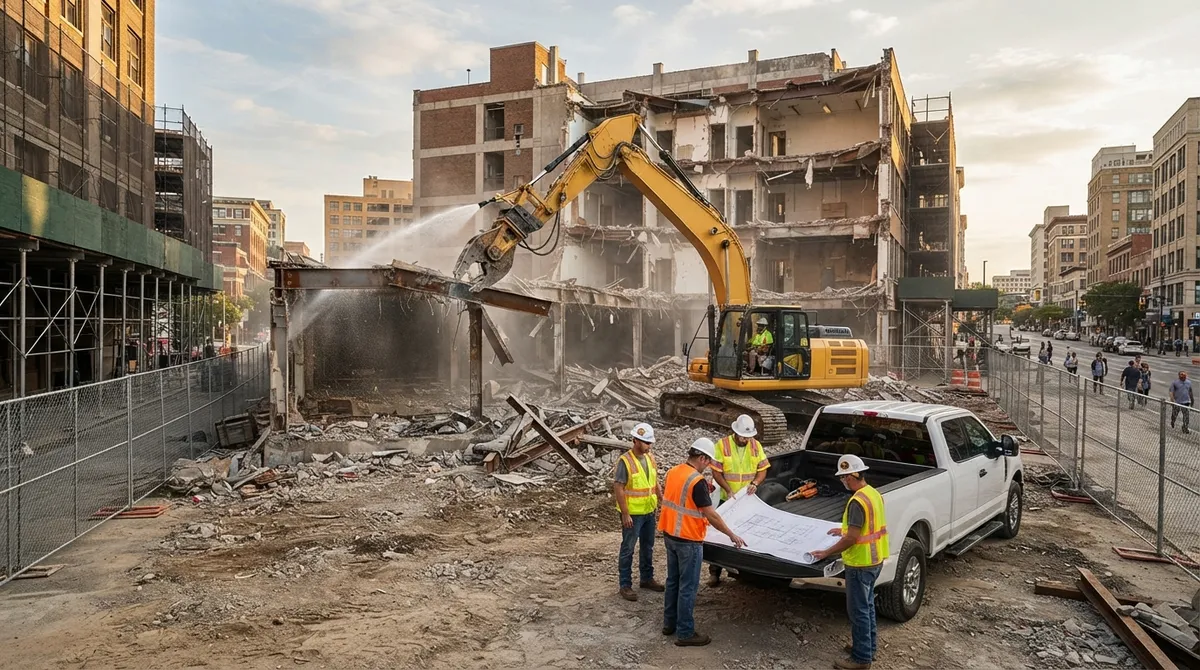
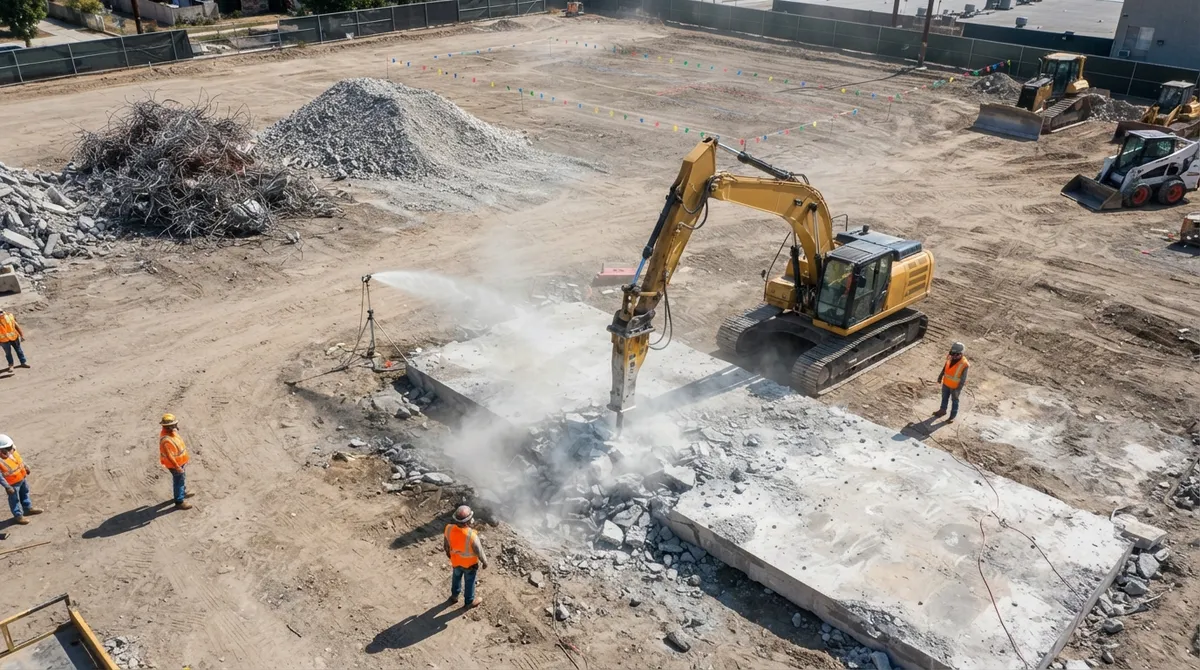
This is the demo most people picture: big machines like excavators and bulldozers tearing down large structures. Mechanical demolition is the go-to choice for big jobs, like full building demolition projects that go beyond typical remodeling work.
2. Selective Demolition
Sometimes you don’t want to tear everything down. Selective demolition (also called surgical demo) targets specific areas while keeping the rest of the structure intact. This method works great for renovations where you want to preserve certain walls, foundations, or architectural features. It’s often more cost-effective and sustainable than a full teardown.
3. Deconstruction
This is the eco-friendly cousin of demolition. Instead of machines smashing everything, deconstruction involves carefully taking a building apart by hand. The goal is to save as many materials as possible for recycling or reuse. It takes more time, but it’s a great choice for homeowners who care about reducing waste.
4. Interior Demolition
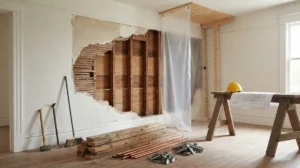
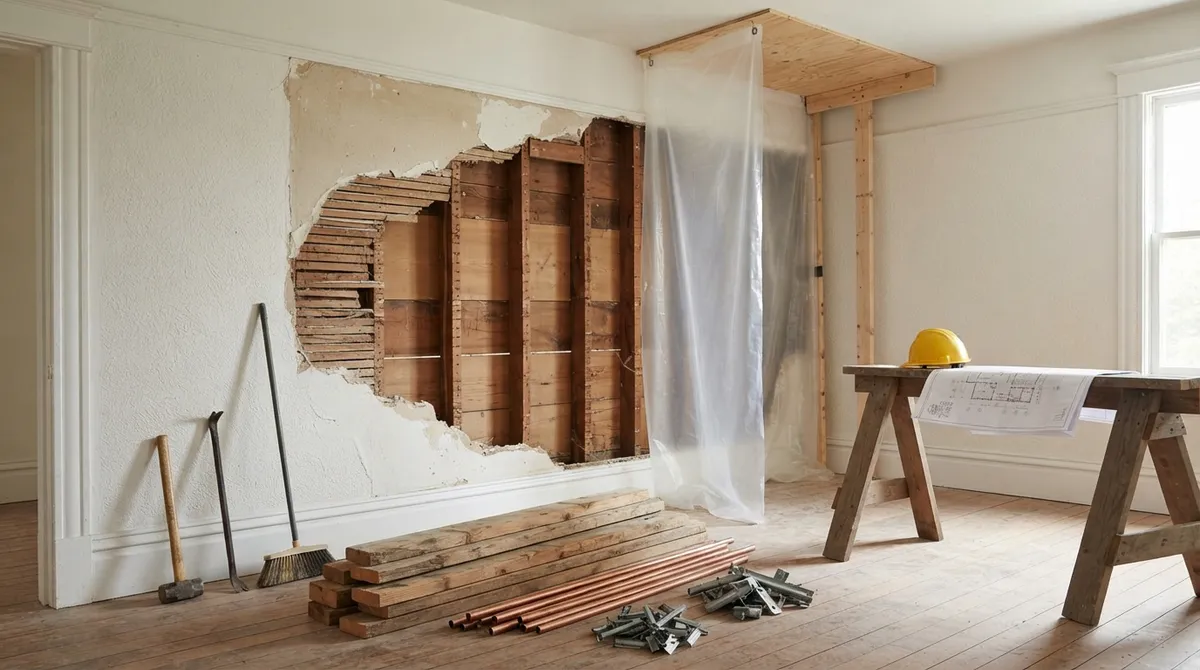
Planning a remodel? Interior demolition is likely your first step. This involves gutting plumbing, tearing out old cabinetry, removing ceilings, and clearing out insulation. It clears the way for your fresh new design without touching the building’s outer shell.
Why Does Demo Matter So Much?
You might be wondering why demo deserves its own conversation. Here’s the thing: skipping proper demo steps, or hiring someone who cuts corners, can lead to serious problems down the road. Structural damage, hazardous material exposure, and code violations are just a few risks.
That’s why working with an experienced demolition company matters so much. A good crew doesn’t just knock things down. They protect your property, your neighbors, and your project timeline. Learn more about why a licensed demolition contractor is essential for any project, big or small.
The Standard Demo Process, Step by Step
Every solid demo project follows a similar path. Here’s what you can expect when you hire a professional demolition crew:
- Site inspection: The crew checks the structure and surrounding area to plan the safest approach.
- Hazardous material testing: Older buildings often need asbestos or lead testing before any work begins.
- Permit acquisition: Your contractor pulls the right permits from local authorities, following Las Vegas demolition permit guidelines or county-specific rules.
- Utility disconnection: Gas, water, and electric lines get safely shut off before any demo starts.
- Demolition execution: The actual tear-down happens, using the right method for your project.
- Debris sorting and hauling: Materials get separated for recycling, donation, or disposal.
- Site cleanup: The area gets cleared and prepped for the next phase, whether that’s new construction or landscaping.
This process protects everyone involved and keeps your project moving forward without unexpected delays. If you’re in Clark County, always check with the Clark County Building Department for specific local requirements.
Demo Costs and What Affects Them
While every project is unique, it helps to understand what factors go into pricing a demo job. Commercial demolition alone averages around $24,000, though this number swings widely based on building size and complexity. A typical demolition also generates about 155 pounds of waste per square foot, which means proper waste planning is a big deal.
| Factor | How It Affects Your Project |
|---|---|
| Building size | Larger structures need more labor, equipment, and time |
| Hazardous materials | Asbestos or lead removal adds specialized steps |
| Demolition type | Selective demo often costs less than full teardown |
| Debris volume | More waste means more hauling and disposal work |
| Site access | Tight or hard-to-reach sites can slow down equipment use |
Demo Services for Every Type of Client
No matter who you are, demo plays a role in your project. Let’s look at how different folks use demolition services.
- Homeowners: Removing an old pool, tearing out landscaping, or gutting a kitchen for renovation.
- Commercial builders: Clearing a site for new development, including excavation and grading work.
- Renovation contractors: Handling foundation repairs or interior demo before a remodel begins.
- Property managers: Managing hazardous material removal and debris hauling for older buildings.
- Real estate developers: Coordinating full-service demolition, excavating, and paving for new projects.
Homeowners often start with smaller projects like pool removal or landscaping removal before tackling bigger renovations. Developers and builders, on the other hand, usually need a full package that includes excavating and grading alongside demo work.
What Makes a Demolition Project Go Smoothly?
Want your demo project to go off without a hitch? Here are a few things that make a huge difference.
- Choosing a licensed and insured demolition contractor
- Getting proper permits before any work begins
- Testing for hazardous materials in older structures
- Planning debris removal and recycling ahead of time
- Communicating clearly with your contractor about timelines
- Understanding what’s included in your hauling services package
A little planning goes a long way. When you work with a team that handles every detail, from paperwork to cleanup, your project stays on track and stress-free.
Hazardous Materials and Demo Safety
Many older homes and buildings contain materials like asbestos, lead paint, or mold. Before any demo work starts, these hazards need to be identified and safely removed. This step protects workers, future occupants, and anyone nearby.
Professional demolition companies follow strict safety standards during this phase. They also handle the proper disposal of hazardous waste, so you don’t have to worry about legal or environmental issues down the road.
Interior Demo vs. Full Demolition: Which Do You Need?
This is one of the most common questions we hear. The answer depends entirely on your goals.
- Choose interior demo if: You’re remodeling a kitchen, bathroom, or office space and want to keep the building’s structure intact.
- Choose selective demolition if: You need to remove specific sections, like an old addition, while preserving the rest of the building.
- Choose full demolition if: The structure is beyond repair, or you’re clearing land for brand-new construction.
Not sure which option fits your project? A quick site visit from an experienced crew can help you figure out the best path forward.
Why Choose 702 Demo for Your Next Project
Here in Clark and Nye counties, 702 Demo has built a reputation as the area’s most trusted demolition contractor. We handle everything from small interior demo jobs to massive commercial teardowns. Our team also offers concrete removal, excavation, grading, and paving, so you get true full-service support from start to finish.
We know Las Vegas and Nevada building codes inside and out, which means fewer delays and fewer headaches for you. Curious what our past clients think? You can visit us on Google — 702 Demo to read real reviews from homeowners and businesses just like you.
Final Thoughts on Demo in Construction
So, what is demo in construction? It’s the essential first step that clears the way for something new, safer, and better. Whether you’re removing a single wall or an entire building, demo work sets the foundation (literally) for successful projects across Nevada.
Ready to get started on your project? Contact 702 Demo for a free estimate today, and let our experienced team guide you through every step of your demolition journey.
FAQs
Q: What does ‘demo’ stand for in construction?
A: Demo is just short for demolition! It refers to tearing down or removing part or all of a structure, whether that’s a full building or just some old kitchen cabinets before a remodel.
Q: What are the different types of demolition services?
A: Great question! The main types are mechanical demolition (using heavy machines), selective demolition (targeting specific areas), deconstruction (careful hand disassembly), and interior demolition (gutting spaces for remodels). Each one fits different project needs.
Q: What is the difference between demolition and deconstruction?
A: Demolition typically uses machines to tear things down quickly, while deconstruction involves carefully taking a building apart by hand to save materials for recycling. Deconstruction takes more time but is much friendlier to the environment.
Q: Do demolition companies handle hazardous materials like asbestos?
A: Yes, and this step is super important! Professional demolition crews test for hazards like asbestos and lead before any work begins, then handle removal and disposal safely and legally.
Q: When is selective demolition used instead of full demolition?
A: Selective demolition works best when you want to remove specific sections of a building while keeping the rest intact, like during a kitchen remodel or an addition removal. It’s often a smart, budget-friendly choice compared to tearing everything down.