
Key Takeaways
-
House demolition is a controlled, mechanized process by licensed professionals using heavy equipment to safely tear down structures completely, including foundations, for land clearing and new development.
-
Hazardous material testing and safe removal is critical before demolition begins, especially for homes built before 1980 that may contain asbestos, lead-based paint, or mold, costing up to $25 per square foot.
-
A demolition permit is legally required before work begins and typically costs $50-$300; licensed contractors handle permitting, making professional hiring essential rather than DIY attempts.
-
The demolition process includes site assessment, utility disconnection, permits, actual demolition (1-3 days), debris removal, and site grading—full coordination takes several weeks from start to finish.
-
Choose between full demolition for complete structure removal or selective demolition to preserve sound structural elements during renovation projects depending on your development goals.
-
Safety protocols including fencing, utility disconnection, hazardous material monitoring, and proper PPE are mandatory; licensed contractors follow strict regulations to protect workers and neighboring properties.
If you’ve ever driven past a construction site and watched a building come down, you know how fascinating it can be. But if you’re a homeowner, developer, or contractor planning your own project, you might be wondering: what does it mean to demo a house? It’s a great question, and we’re here to walk you through it in the friendliest way possible.
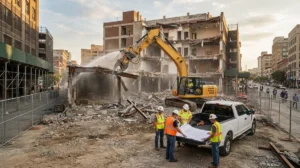
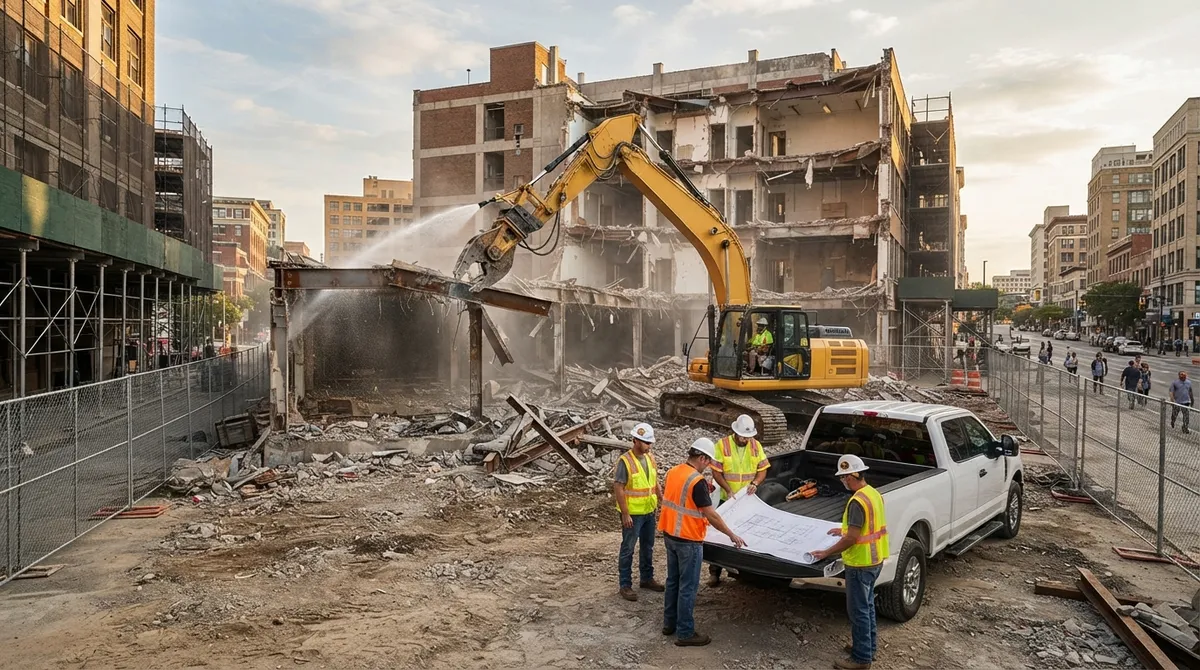
Demoing a house means the controlled, planned, and mechanized destruction of a residential structure. It’s not random or chaotic — it’s a precise process carried out by licensed professionals using heavy equipment. The goal is to safely bring down a building and clear the land for whatever comes next, whether that’s new construction, landscaping, or a fresh start altogether.
Whether you’re a homeowner ready to rebuild, a real estate developer clearing a site, or a renovation contractor making way for something new, this guide covers everything you need to know about house demolition from start to finish.

What Does It Mean to Demo a House?
At its core, to demo a house means to tear it down completely using heavy machinery and skilled labor. A building demolition project involves dismantling a structure all the way down to — and often including — the foundation. The result is a completely cleared lot, ready for its next use.
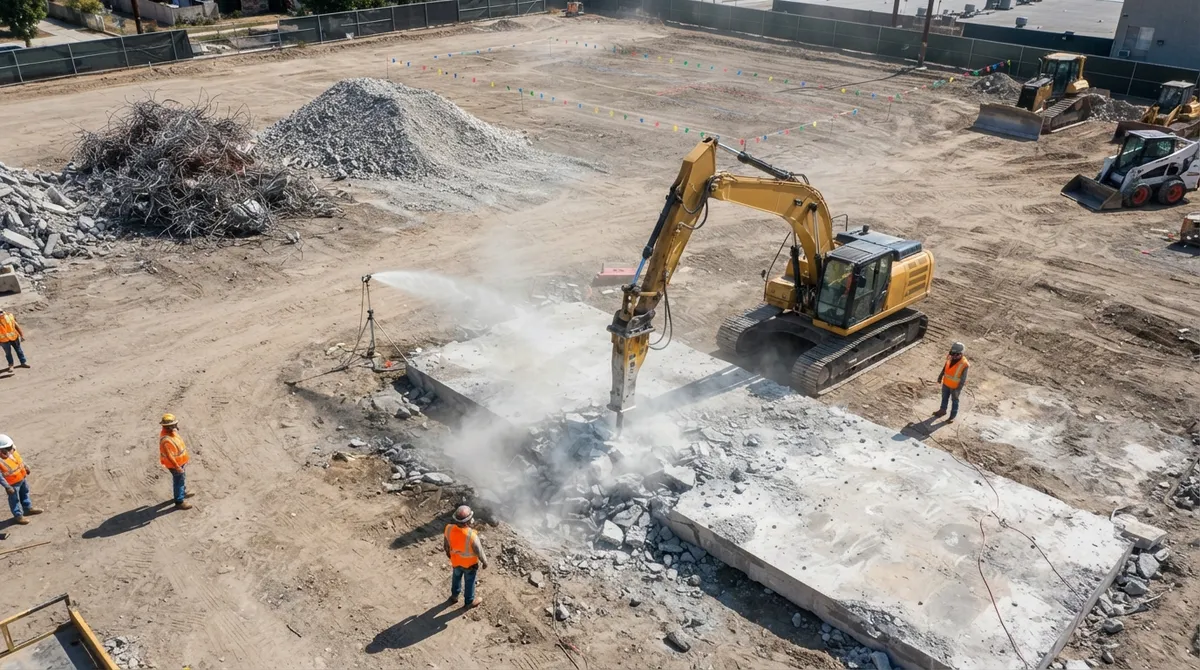
This is different from a simple renovation or a room teardown. When you demo an entire house, the whole structure goes. Walls, roofing, flooring, framing — all of it. The crew uses equipment like excavators, bulldozers, and sometimes even wrecking balls to get the job done efficiently and safely.
If you want a deeper dive into the full scope of what demolition involves, check out this helpful resource: 9 Key Things to Know About What Is Demolition.

Full Demolition vs. Partial Demolition
Not every demo project is the same. Here’s a quick breakdown of the two main types:
Full (Total) Demolition
This is what most people picture when they think about demoing a house. The entire structure is torn down. Nothing is left standing. The land is cleared, and debris is hauled away. This approach is ideal when a home is beyond repair, when a developer needs a clean slate, or when a complete rebuild is planned.
Selective (Partial) Demolition
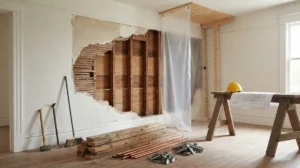
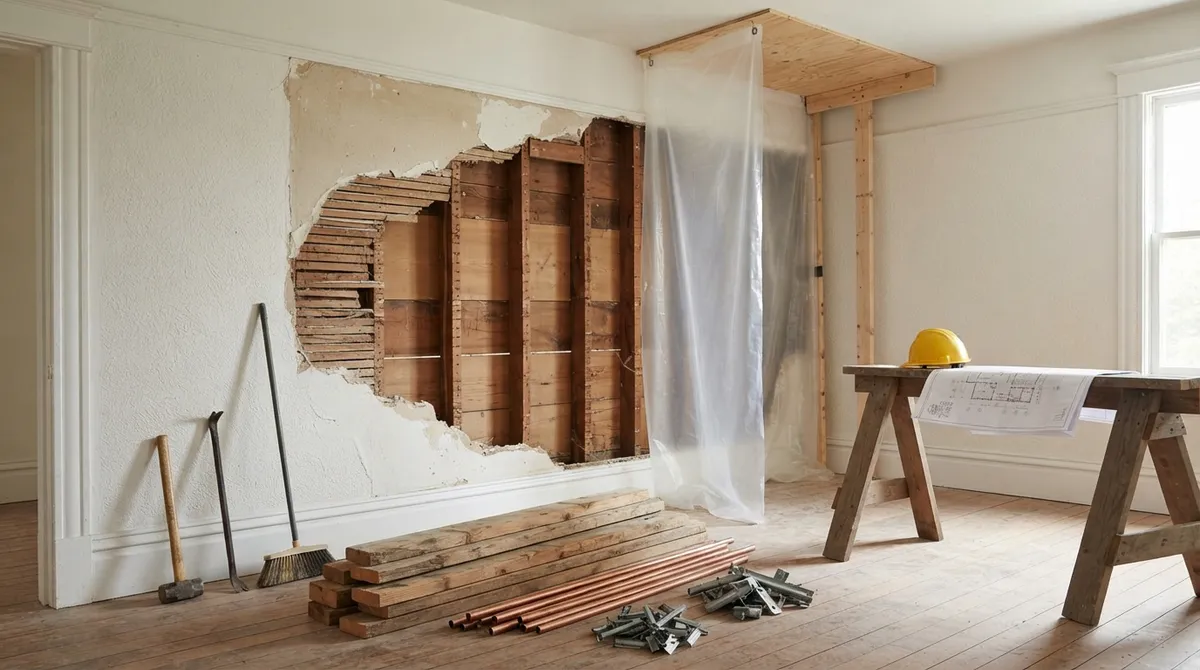
Sometimes you only need to remove part of a structure. Maybe it’s a damaged wing, an outdated addition, or specific interior elements. This is called selective or partial demolition. It’s popular for renovation projects where some of the structure is still sound and worth keeping. You can learn more about this in our article on what selective demolition involves.
For interior-only work — like gutting a kitchen or removing walls — interior demolition is the right service to consider.
How Does the House Demo Process Work?
Here’s a step-by-step look at how a typical house demolition unfolds:
- Site Assessment: A licensed demolition contractor visits the property, evaluates the structure, checks for hazardous materials, and creates a demo plan.
- Hazardous Material Testing: Older homes may contain asbestos or lead. These must be tested and safely removed before demolition begins. This step protects workers and neighbors.
- Utility Disconnections: Electricity, gas, and water lines must all be safely disconnected before any machinery touches the structure. This is a non-negotiable safety step.
- Permits and Approvals: A demolition permit must be obtained from the local government. In Las Vegas, this means working with the Clark County Building Department or reviewing the Las Vegas demolition permit guidelines.
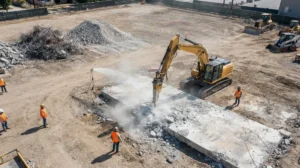
- Demolition Day: The crew arrives with heavy equipment. The structure is systematically torn down. This often takes just one to three days for a standard residential home.
- Debris Removal and Site Clearing: Once the structure is down, all debris — concrete, wood, steel, brick — must be removed. This is where hauling services come in.
- Grading and Site Prep: After the site is cleared, it’s graded and leveled for the next phase of development. Excavating and grading ensures the land is properly prepared.
Why Is a Demolition Permit Required?
Before you demo a house, you need official permission from your local government. A demolition permit is a legal requirement, not a suggestion. Permits protect you, your neighbors, and the public by ensuring the work is done safely and responsibly.
Residential demolition permits typically cost between $50 and $300, depending on where you live. The permitting process can feel overwhelming, but a licensed contractor will usually handle this for you. This is one of the biggest reasons to hire a professional rather than attempting a DIY teardown.
Want to understand why proper licensing matters so much? Read more about what makes a licensed demolition contractor essential.
What Happens to Hazardous Materials?
One of the most important parts of demoing a house is dealing with hazardous materials. Older homes — especially those built before 1980 — may contain:
- Asbestos in insulation, floor tiles, or roofing materials
- Lead-based paint on walls, trim, and fixtures
- Mold hidden inside walls or beneath flooring
- Contaminated soil around the property
These materials must be identified, carefully removed, and disposed of according to strict regulations. Hazardous material removal can cost up to $25 per square foot for safe disposal. A qualified demolition crew handles all of this so you don’t have to worry about it.
Demoing a House vs. Deconstructing a House
People sometimes confuse demolition with deconstruction. Here’s the key difference:
| Feature | Demolition | Deconstruction |
|---|---|---|
| Speed | Fast (days) | Slow (weeks) |
| Method | Heavy machinery | Manual dismantling |
| Goal | Clear the land quickly | Salvage reusable materials |
| Best for | New construction, redevelopment | Environmental projects, salvage |
| Cost | Generally lower overall | Often higher labor costs |
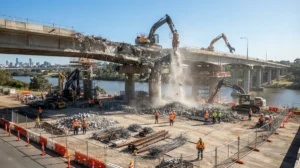
Demolition is the go-to choice when efficiency and land clearing are the priority. Most residential and commercial projects in Las Vegas use full mechanized demolition for this reason.
What Factors Affect the House Demo Process?
Several things influence how a house demo goes and what it involves. Here are the most common factors:
- Size of the structure: Larger homes take more time and equipment to bring down safely.
- Age of the building: Older homes are more likely to have hazardous materials that need special handling.
- Foundation type: Slab, crawl space, or full basement — each requires a different approach. Basement demolition alone can add significant effort and time to the project.
- Location and access: Tight urban lots are harder to navigate with large equipment than open suburban properties.
- Proximity to other structures: Demolishing a home close to neighboring buildings requires extra care to avoid damage.
- Presence of utilities: Underground utility lines need to be properly marked and handled.
What Happens to the Debris After a House Is Demoed?
Once the house is down, there’s a lot of material left behind. The debris typically includes concrete, wood framing, drywall, roofing materials, and metal. All of this has to go somewhere.
Here’s how debris is typically managed:
- Sorting on-site: Some materials like metal and concrete can be separated for recycling.
- Loading into haul trucks: Large dump trucks or roll-off containers are used to collect and transport debris.
- Disposal at approved facilities: Debris is taken to permitted landfills or recycling centers, depending on local regulations.
A good demo company handles all debris removal as part of the project. Learn more about what this involves in our guide on how to plan demolition and hauling for your next project.
What Safety Precautions Are Taken During House Demolition?
Safety is the number one priority on any demo site. Licensed contractors follow strict protocols to protect everyone involved. Key safety measures include:
- Fencing off the demolition zone to keep unauthorized people out
- Ensuring all utilities are disconnected before work begins
- Using proper personal protective equipment (PPE) for all workers
- Monitoring for hazardous materials throughout the process
- Controlling dust to protect neighboring properties and air quality
- Following local regulations and permit conditions at every stage
Professional demolition crews are trained specifically for this kind of work. That’s why hiring a licensed, experienced contractor is so important. For a helpful overview, read about the best ways to demolish a house safely and efficiently.
Who Should You Call to Demo a House in Las Vegas?
If you’re in Clark County or Nye County, Nevada, you want a team that knows the local regulations, has the right equipment, and treats your project with the care it deserves. 702 Demo is a full-service demolition and site development contractor serving all of the Las Vegas valley and surrounding areas. From residential teardowns to full commercial building demolition, the team at 702 Demo has the experience to get it done right.
They handle everything — permits, hazardous material removal, demolition, debris hauling, and site grading — so you can focus on what comes next. You can visit 702 Demo on Google to read reviews from real customers and see why they’re the most trusted name in Las Vegas demolition.
For more on what makes a great demo partner, check out why 702 Demo is the leading demolition contractor in Las Vegas.
Planning to Demo a House? Here’s What to Do First
Before you schedule your demo, take these important first steps:
- Consult a licensed demolition contractor: Get a professional site assessment and a detailed plan for your project.
- Check local permit requirements: Make sure you understand what’s needed in your jurisdiction before work begins.
- Arrange for hazardous material testing: Especially if your home was built before 1980.
- Notify your utility providers: Schedule disconnections for electricity, gas, and water well in advance.
- Plan for what comes after: Think about site grading, soil prep, and your next construction phase before demolition starts.
If you want a thorough walkthrough of the planning process, our guide on how to plan a residential home demolition the right way is a great place to start.
Wrapping It All Up
So, what does it mean to demo a house? It means the safe, controlled, and professionally managed destruction of a residential structure — from the roof all the way down to the foundation. It involves permits, hazardous material handling, heavy machinery, debris removal, and careful site preparation. It’s not something to take lightly, but with the right team by your side, it’s a smooth and exciting step toward something new.
Whether you’re a homeowner ready to rebuild, a developer clearing land, or a contractor preparing a site, understanding the demo process helps you make better decisions and avoid costly surprises. And when you’re ready to move forward, the right professionals make all the difference.
Ready to take the next step? Reach out to 702 Demo for a free estimate and let our team help you plan your project from start to finish. We serve all of Clark and Nye counties and are here to make your demolition project as smooth and stress-free as possible.
FAQs
Q: What is the difference between demoing a house and deconstructing a house?
A: Great question! Demoing a house uses heavy machinery to quickly tear down the structure and clear the land. Deconstruction is a slower, manual process focused on salvaging reusable materials. For most homeowners and developers, demolition is the faster and more cost-effective choice.
Q: Do I need a permit to demo my house?
A: Yes, absolutely — a demolition permit is required before any work can legally begin. In Las Vegas and Clark County, you’ll need to obtain approval from the local building department. The good news is that a licensed demolition contractor like 702 Demo will typically handle the permitting process for you!
Q: How long does it take to demo a house?
A: Most standard residential demolitions are completed in just one to three days once everything is in place. That said, the full timeline — including permits, utility disconnections, and hazardous material removal — can take a few weeks to coordinate beforehand.
Q: Can I demo just part of my house instead of the whole thing?
A: You sure can! This is called selective or partial demolition, and it’s a popular choice for renovation projects. It allows you to remove specific sections of a structure while keeping the parts that are still in good shape. A licensed contractor can assess your property and recommend the best approach.
Q: Who is responsible for disconnecting utilities before a house is demoed?
A: Utility disconnections are the property owner’s responsibility, but your demolition contractor can help you coordinate with the utility companies. Electricity, gas, and water must all be safely shut off before demolition begins — this is a critical safety requirement that can’t be skipped.