Key Takeaways
-
Selective demolition removes only specific building components while keeping the rest intact, making it ideal for renovations and remodels where precision is critical to avoid structural damage.
-
Material salvage during selective demolition can offset higher labor costs through recycling and resale of steel, copper, wood, and fixtures, often resulting in lower overall project expenses.
-
Selective demolition requires detailed pre-work planning including site assessment, utility management, hazardous material identification, and clear marking of demolition zones to ensure safety and structural integrity.
-
This method is essential for historic preservation and adaptive reuse projects, allowing buildings to be modernized with new systems while preserving original architectural character and frameworks.
-
Selective demolition significantly reduces environmental impact by recovering materials for recycling, lowering landfill volumes, and reducing carbon emissions from manufacturing and transportation of new materials.
-
Successful selective demolition demands licensed, experienced contractors with expertise in building systems, hazardous material handling, and equipment operation to minimize disruption to surrounding occupied spaces.
If you’ve ever watched a renovation project, you might have wondered: how do workers tear apart one section of a building without touching the rest? The answer is selective demolition. It’s one of the smartest and most precise methods used in the construction and demolition industry today. Whether you’re a homeowner planning a remodel, a contractor managing a commercial project, or a property developer redeveloping a site, understanding what is selective demolition can save you time, money, and a whole lot of headaches.
Unlike total teardowns, selective demolition lets crews remove only what needs to go. Everything else stays intact. Think of it like surgery — precise, intentional, and focused on a specific area. In 2026, this method is more popular than ever, thanks to a growing focus on sustainability, cost savings, and smart construction practices. Let’s break it down into 10 key things you need to know.
1. Selective Demolition Means Targeted Removal, Not Total Teardown
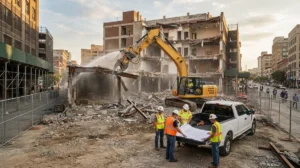
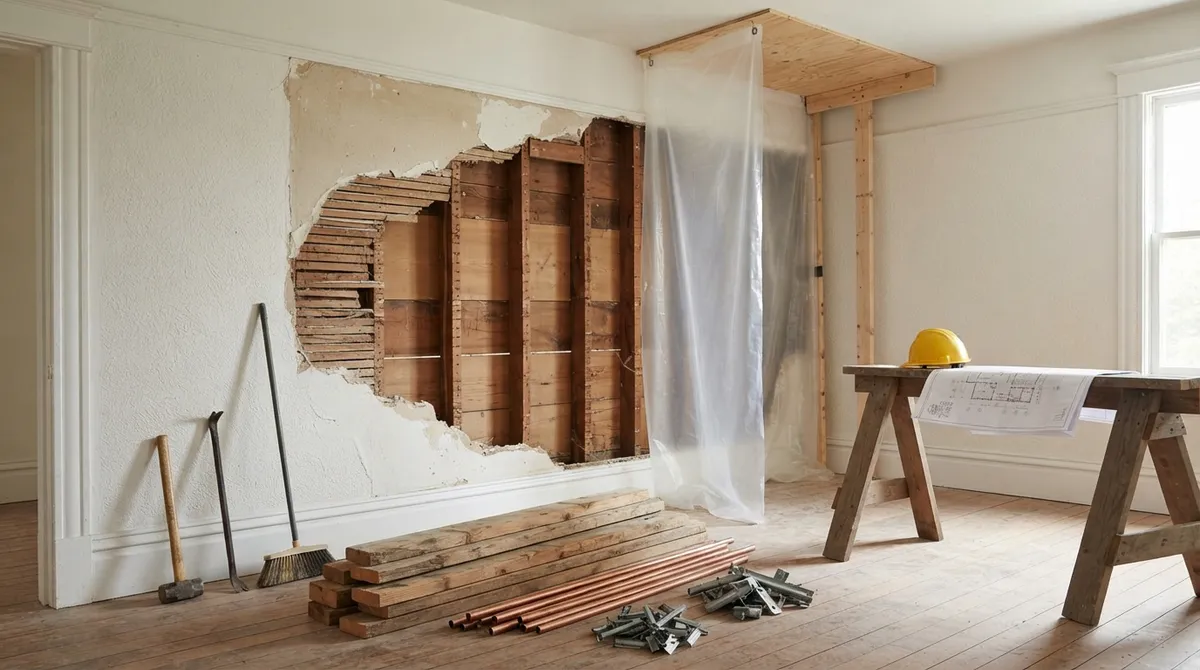
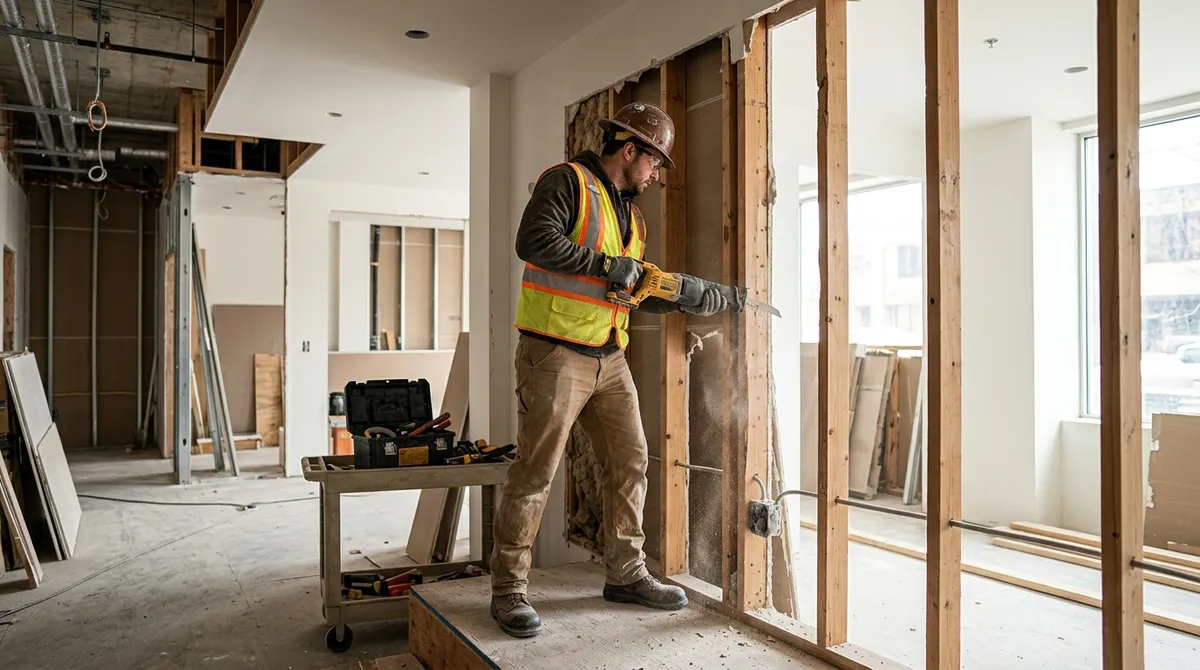
At its core, selective demolition is the careful removal of specific parts of a structure. This could be interior walls, floors, ceilings, mechanical systems, or hazardous materials. The goal is to remove only what’s necessary while keeping the rest of the building safe and intact.
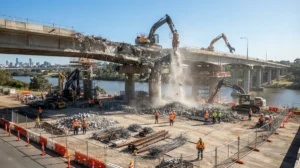
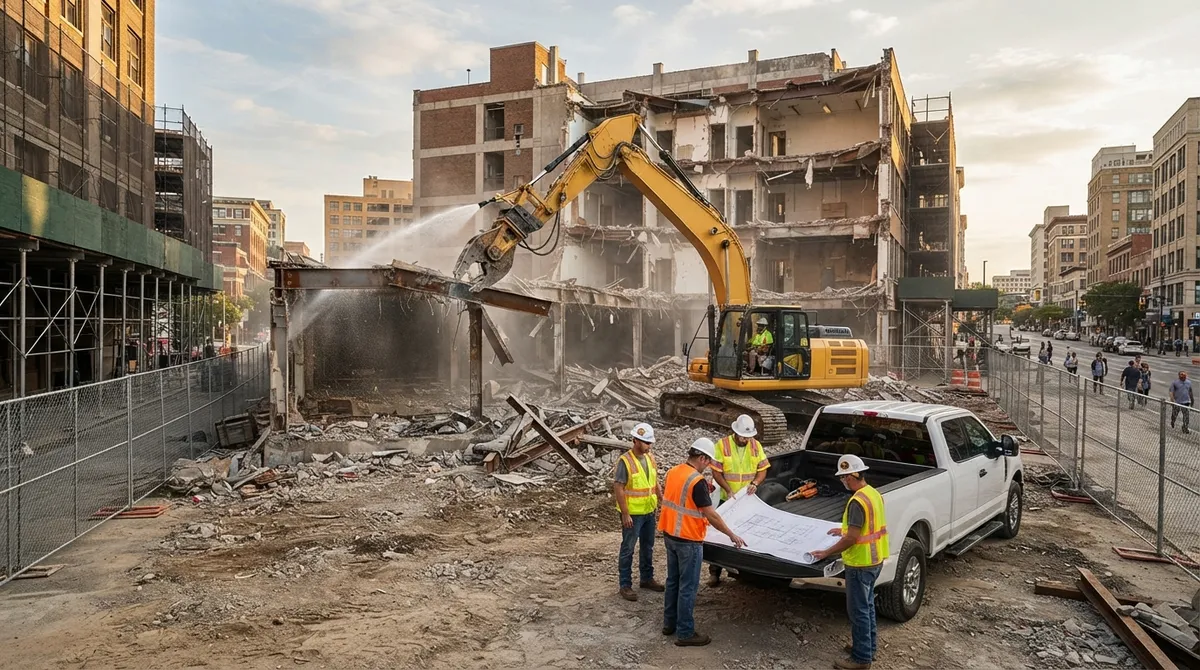
This approach stands in sharp contrast to full building demolition, where the entire structure comes down. With selective demolition, precision is the name of the game. It’s ideal for renovation projects, remodels, and upgrades where you want to change parts of a space without starting from scratch.
2. It’s Commonly Used in Renovation and Remodeling Projects
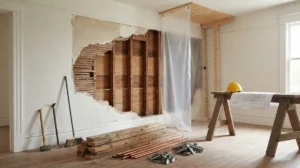
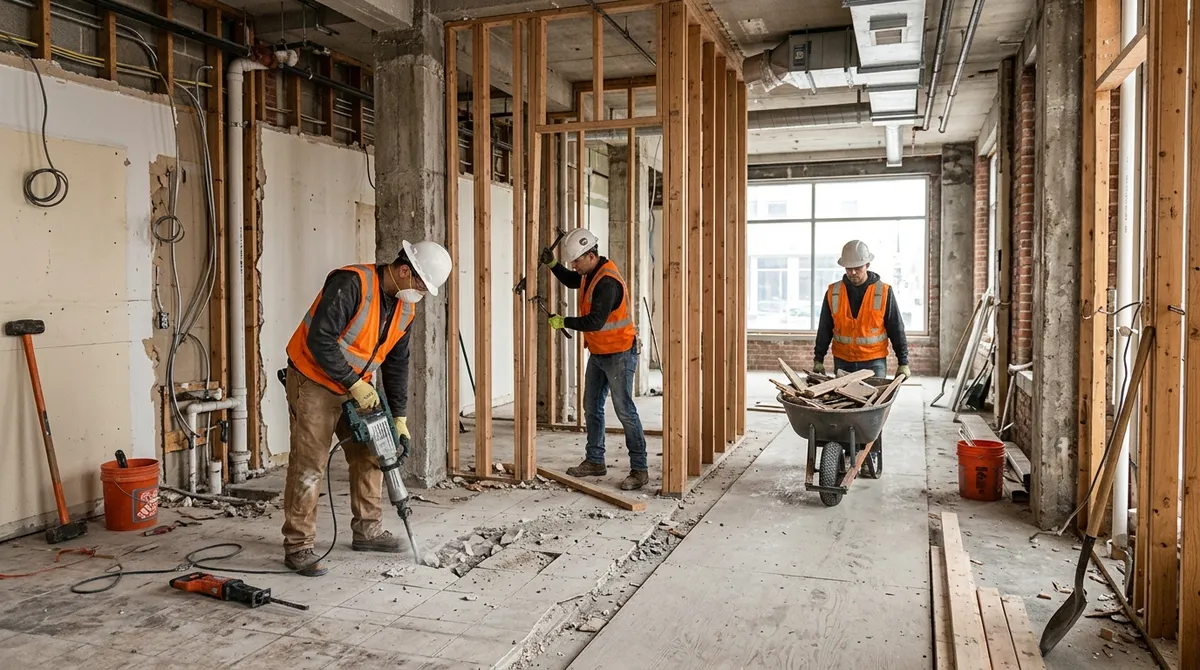
Selective demolition is a go-to technique for renovation contractors and homeowners alike. When you’re updating a kitchen, opening up a floor plan, or adding new mechanical systems, selective demolition helps clear the way. Workers can strip out old plumbing, electrical systems, or outdated insulation without disturbing the surrounding structure.
If you’re a homeowner in Clark or Nye County planning a major interior update, interior demolition services are a great starting point. They cover the precise removal work needed before any new construction begins.
3. It’s Essential for Historic Preservation
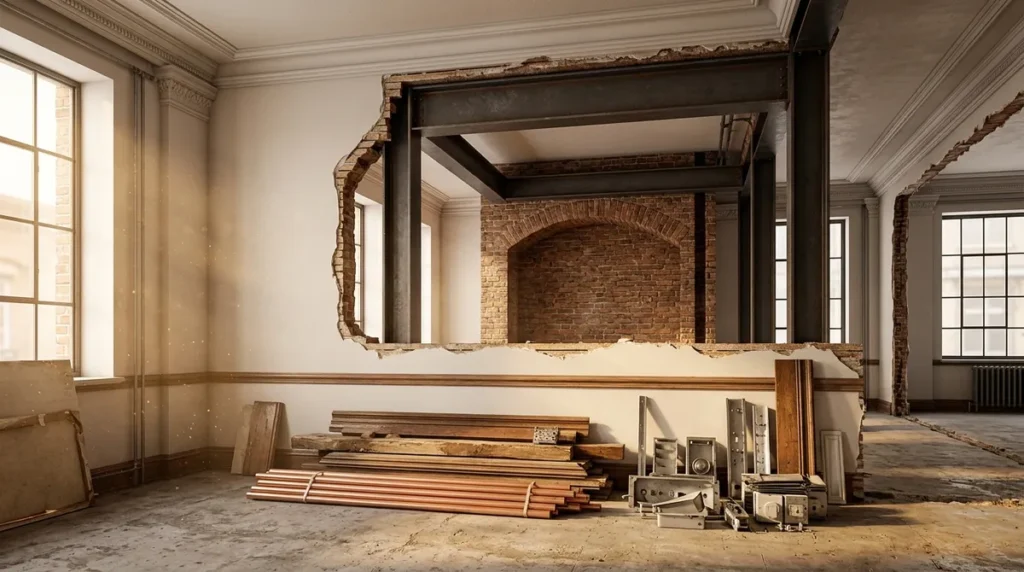
Historic buildings need special care. You can’t just swing a wrecking ball at a 100-year-old structure that needs updates. Selective demolition allows teams to modernize a building’s systems — like HVAC or electrical — while preserving its original character and framework.
This technique is widely used in adaptive reuse projects, where old buildings are converted into new spaces. Warehouses become loft apartments. Old office buildings become hotels. Selective demolition makes that transformation possible without wiping out decades of architectural history.
4. The Process Starts With a Detailed Plan
Before any wall comes down, a thorough assessment takes place. Here’s how the process typically unfolds:
- Site Assessment: Experts inspect the building and identify what needs to be removed and what must stay.
- Utility Management: Gas, water, and electrical lines are capped or rerouted to prevent accidents.
- Marking Demolition Zones: Specific areas are clearly marked so workers know exactly what to remove.
- Hazardous Material Check: Asbestos, lead paint, and other hazardous materials are identified and safely removed first.
- Controlled Removal: Workers carefully dismantle targeted sections using the right tools and methods.
- Material Sorting: Salvageable materials are sorted for recycling or reuse.
- Debris Hauling: Remaining waste is removed from the site efficiently.
Working with the Clark County Building Department is also an important step. Permits may be required depending on the scope of work involved.
5. Selective Demolition Is a Green Choice
One of the biggest reasons selective demolition has grown in popularity is its positive impact on the environment. Because workers carefully remove and sort materials, a significant portion can be recycled or reused. This directly reduces landfill volumes and cuts down on hauling costs.
Materials like steel, concrete, and wood can be salvaged from the site. Reusing these materials reduces the demand for new raw materials. It also lowers carbon emissions tied to manufacturing and transportation. For projects pursuing LEED certification or other green building standards, selective demolition is practically a requirement.
- Steel beams and framing can be reused or recycled
- Concrete chunks can be crushed and repurposed as base material
- Wood framing and flooring can be salvaged for other builds
- Doors, windows, and fixtures can be donated or resold
- Copper piping and wiring have high scrap value
6. It Can Actually Save You Money
At first glance, selective demolition might seem more expensive than a full teardown. After all, it takes more time and skilled labor. But the financial picture changes quickly when you factor in material recovery. In many cases, material resale and reduced disposal fees offset the additional time and labor involved.
Think about it: when you recycle steel or resell salvaged fixtures, that money goes back into your project budget. Meanwhile, you’re also spending less on disposal fees because fewer materials are heading to the landfill. It’s a win-win situation for cost-conscious property owners and developers.
7. Safety Is a Top Priority
Selective demolition requires serious expertise. You’re working inside or around a structure that needs to remain standing. One wrong move could compromise the integrity of the entire building. That’s why this type of work should always be handled by licensed, experienced professionals.
Proper planning prevents structural failures. It also keeps workers and surrounding areas safe from uncontrolled debris. Checking the Las Vegas demolition permit guidelines is a smart step before any project begins. Always make sure your contractor is properly licensed and insured before work starts.
8. It Minimizes Disruption to Surrounding Areas
Here’s something that matters a lot to property managers and commercial building owners: selective demolition keeps disruption to a minimum. Because the work is targeted and controlled, nearby spaces can often remain operational during the project.
This is a huge advantage for:
- Occupied commercial buildings undergoing renovation
- Multi-family residential properties needing partial upgrades
- Retail spaces being reconfigured while staying partially open
- Hospitality venues that can’t afford long closures
- Office buildings updating specific floors or suites
For commercial clients in Las Vegas, this type of careful work is especially important. Check out what goes into casino interior demolition in Las Vegas to see how high-stakes precision work gets done right.
9. It Supports Adaptive Reuse and Site Development
Real estate developers love selective demolition because it opens up possibilities. Rather than demolishing an entire structure and starting over, developers can retain the shell of an existing building and gut the interior. This saves time, reduces costs, and often speeds up permitting since the exterior structure remains.
Once selective demolition is complete, the site is ready for the next phase. That might include new concrete work, grading, or even full-scale site preparation. Excavating and grading services often follow selective demolition work, helping prepare the land for new construction. For developers managing large-scale projects, pairing demolition with hauling services keeps the timeline moving efficiently.
10. Not Every Contractor Can Do It Well
Selective demolition is a skill. It takes training, the right equipment, and a deep understanding of building systems to do it safely and effectively. Choosing a contractor who understands how buildings are put together — and how to take them apart precisely — makes all the difference.
What to Look for in a Selective Demolition Contractor
Here are the key qualities to look for when hiring a contractor for this type of work:
- Licensed and insured in Nevada
- Experience with both residential and commercial projects
- Knowledge of hazardous material handling and removal
- Strong track record of completing projects on time
- Transparent communication and detailed planning process
702 Demo has built a strong reputation as a full-service demolition contractor serving all of Clark and Nye counties. With extensive experience in selective, interior, and full building demolition, their team brings the precision and professionalism every project demands. You can also visit 702 Demo on Google to read real customer reviews and learn more about the team’s work.
Selective Demolition vs. Traditional Demolition: A Quick Comparison
Still not sure which approach is right for your project? This table breaks it down simply:
| Feature | Selective Demolition | Traditional Full Demolition |
|---|---|---|
| Scope | Specific components only | Entire structure |
| Precision Required | High — surgical approach | Lower — general teardown |
| Material Recovery | High potential for salvage | Limited recovery opportunity |
| Disruption Level | Low to moderate | High |
| Best For | Renovations, remodels, adaptive reuse | Full site clearance, new construction |
| Environmental Impact | Lower — more recycling | Higher — more landfill waste |
| Permit Requirements | Varies by scope | Typically required |
Types of Projects That Commonly Use Selective Demolition
Wondering if your project qualifies? Here’s a quick look at the most common applications:
- Kitchen and bathroom remodels — removing old fixtures, walls, and plumbing
- Commercial office renovations — stripping out cubicle walls, drop ceilings, and outdated systems
- Historic building updates — modernizing interiors without altering the exterior
- Hotel and hospitality renovations — room-by-room interior updates
- Industrial facility retrofits — removing outdated equipment and flooring systems
- Hazardous material abatement — targeted removal of asbestos or lead-containing materials
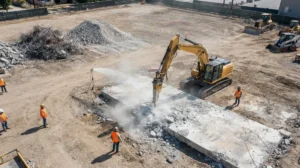
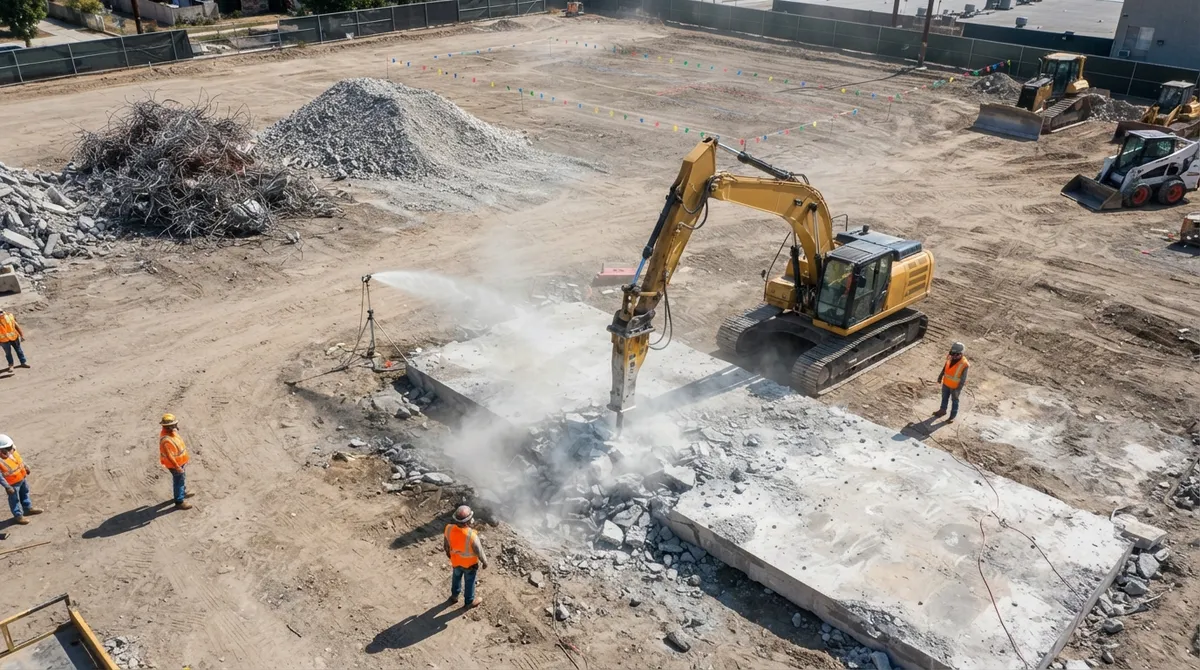
- Concrete removal projects — taking out specific slabs or structural sections
For concrete-specific work, concrete removal services are a common companion to selective demolition, especially on commercial and residential renovation sites. You can also learn more through this guide on interior demolition secrets that save money.
Bringing It All Together
Understanding what is selective demolition helps you make smarter decisions for your next project. Whether you’re renovating a home, retrofitting a commercial building, or managing a complex adaptive reuse development, this targeted approach offers real advantages. It’s precise, sustainable, cost-effective, and keeps disruption to a minimum.
The key is partnering with a contractor who truly understands the craft. Experienced teams know how to plan, manage utilities, handle hazardous materials, and recover valuable materials — all while keeping the surrounding structure safe and sound. For a deeper dive into how demolition projects work from start to finish, explore this guide on what demolition experts actually do on a job site.
Ready to get started on your next project? Reach out to 702 Demo for a free estimate and find out how their team can bring the right level of precision and care to your selective demolition project in Las Vegas or anywhere across Clark and Nye counties.
FAQs
Q: What is the difference between selective demolition and traditional demolition?
A: Selective demolition removes only specific parts of a structure — like walls, flooring, or mechanical systems — while leaving the rest intact. Traditional demolition brings down the entire structure. Think of selective demolition as a precise, surgical approach, while traditional demolition is a full teardown from the ground up.
Q: Is selective demolition more expensive than full building demolition?
A: It can require more time and skilled labor upfront, but don’t let that scare you! Material salvage and reduced disposal fees often offset the extra cost. In many cases, selling or recycling recovered materials like steel, copper, and wood actually brings the overall project cost down significantly.
Q: What types of materials can be salvaged during selective demolition?
A: Quite a few valuable materials can be recovered! Steel framing, copper wiring and piping, wood beams and flooring, concrete, doors, windows, and even architectural fixtures can all be salvaged. These materials can be reused, recycled, or sold, reducing both landfill waste and project costs.
Q: Do I need a permit for selective demolition in Las Vegas?
A: Yes, in most cases you will need a permit depending on the scope of the work involved. It’s always a smart idea to check with the Clark County Building Department or review Las Vegas demolition permit guidelines before starting any selective demolition project. Your licensed contractor can help guide you through the permitting process.
Q: How do I know if my project needs selective demolition or a full teardown?
A: Great question! If you’re renovating, remodeling, or repurposing part of a building while keeping the rest usable, selective demolition is likely your best bet. If the entire structure is beyond repair or needs to be completely cleared for new construction, a full teardown may make more sense. A professional contractor can assess your site and recommend the right approach.