Key Takeaways
-
House demolition typically costs $4-$17 per square foot, with an average 2,000-square-foot home costing around $15,800; costs vary widely based on location, hazardous materials, foundation type, and debris removal.
-
Hazardous materials like asbestos and lead paint require certified professional removal before demolition begins, adding significant cost but is legally required and protects health and environment.
-
Always get itemized quotes from at least three licensed contractors to understand fair market pricing, and confirm what's included (permits, debris removal, hazmat abatement) to avoid hidden charges.
-
Interior demolition ($2-$8 per sq ft) and deconstruction ($8-$16 per sq ft) are more affordable alternatives to full demolition if you're remodeling or want to salvage materials.
Thinking about tearing down a house? You’re not alone. Whether you’re clearing land for a new build or removing an old structure, house demolition is a big decision. And of course, the first question everyone asks is: how much is this going to cost? The good news is that once you understand what goes into the price, it all starts to make a lot more sense. This guide breaks it down in plain language so you can plan with confidence.
How House Demolition Pricing Works
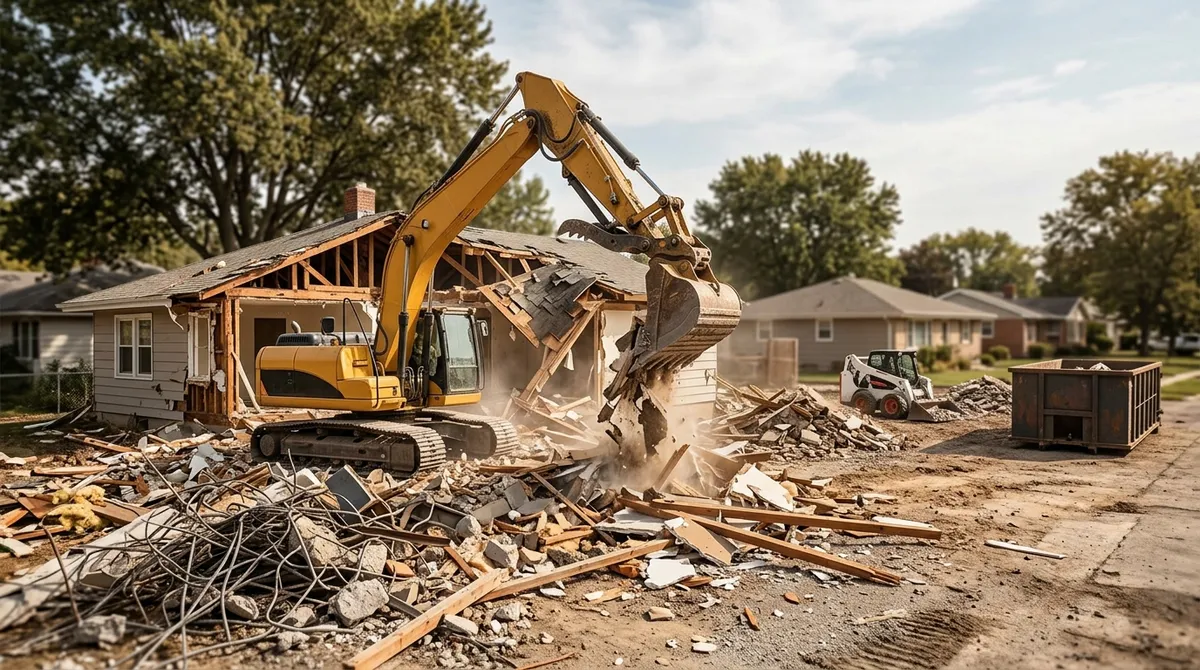
The cost to demo a house is usually based on square footage. Most contractors charge by the square foot, making it easier to estimate your project cost upfront. According to 2026 pricing data, whole-house demolition typically runs between $4 and $17 per square foot for residential structures. That’s a wide range, but several factors explain why prices vary so much.
For an average 2,000-square-foot home, you can expect to pay around $15,800 for a full demolition. Smaller projects may fall closer to $6,000, while complex jobs with special challenges can exceed $25,000. Understanding what drives the price helps you get a fair quote and avoid surprises. You can also explore our guide on how to understand the cost to demolish a house for a deeper look at the numbers.
Key Factors That Affect the Cost to Demo a House
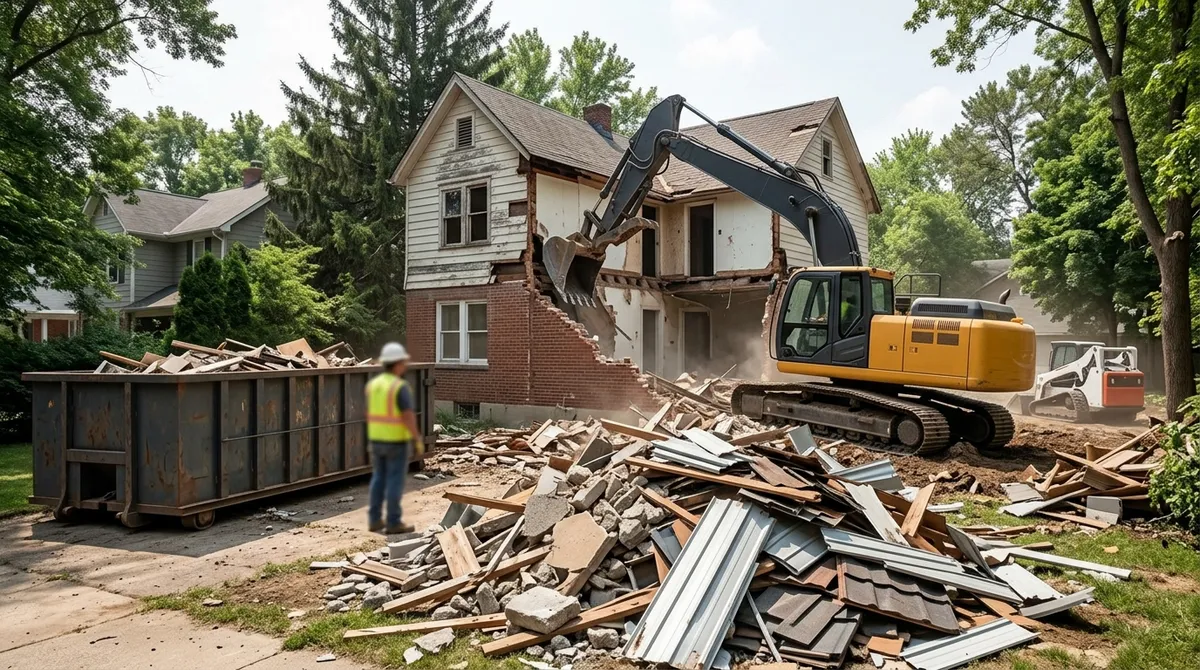
No two demolition jobs are exactly alike. Here are the main things that influence your final price:
- Size of the structure: Larger homes cost more to demolish. It’s that simple.
- Location: Urban areas often cost more due to labor, access limits, and stricter disposal rules.
- Hazardous materials: Asbestos, lead paint, or other dangerous substances require special handling and add to the cost.
- Foundation type: Removing a concrete foundation adds significant cost to the project.
- Permits: Most areas require a permit, which can run from $100 to $500 or more depending on local rules.
- Debris removal: Hauling away materials is often a separate line item in the quote.
- Site access: Tight spaces or difficult terrain can increase labor and equipment costs.
If you’re unsure what your project involves, check out our article on the 6 key factors that affect the cost to tear down a house. It’s a helpful resource before you call for quotes.
Full Demolition vs. Partial Demolition
Not every project requires a complete teardown. Sometimes you only need part of a structure removed. Here’s a quick comparison to help you figure out which applies to your situation:
| Type of Demolition | Typical Cost Range | Best For |
|---|---|---|
| Full House Demolition | $6,000 – $25,000+ | Complete teardowns before rebuilding |
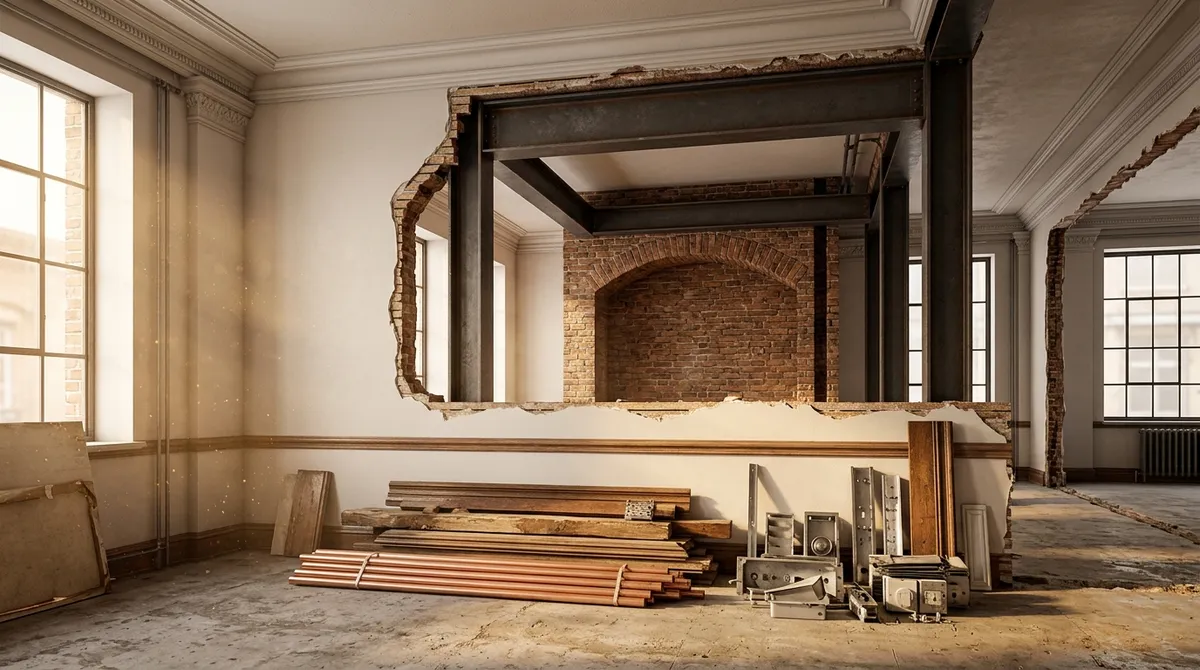
| Interior Demolition | $2 – $8 per sq ft | Remodels, gut renovations |
| Deconstruction | $8 – $16 per sq ft | Salvaging materials for reuse |
| Partial Demolition | $1,000 – $5,000 | Removing specific sections or rooms |
Interior demolition is usually the most affordable option. If you’re planning a major remodel, interior demolition services may be exactly what you need without the cost of a full teardown.
The Role of Permits in House Demolition
Permits are a necessary part of any demolition project. Skipping them can lead to fines, delays, and serious legal headaches. In most markets, permits cost between $100 and $500, though local regulations can push that higher.
In Clark County, Nevada, permit requirements are managed through the Clark County Building Department. You’ll want to confirm the specific requirements for your property before any work begins. The Las Vegas demolition permit guidelines are also a great reference if your property falls within city limits.
A good demolition contractor will often handle permit paperwork on your behalf. That’s one reason hiring a professional makes so much sense. Learn more about what makes a licensed demolition contractor essential for your project.
Steps in a Typical House Demolition Project
Knowing what to expect helps you feel prepared. Here’s how most residential demolition projects unfold:
- Site assessment: A contractor inspects the property and identifies any hazards, access issues, or special requirements.
- Utility disconnection: All gas, water, and electrical lines must be shut off and capped before work begins.
- Permit acquisition: Your contractor pulls the necessary permits from local authorities.
- Hazardous material abatement: If asbestos or lead is found, it must be removed safely before demolition starts.
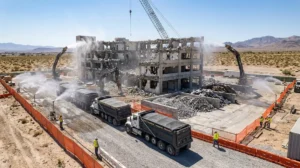
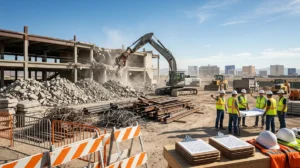
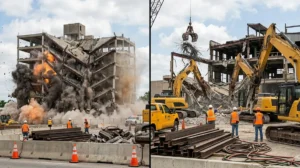
- Demolition: The structure is taken down using the appropriate equipment and methods.
- Debris removal and hauling: All materials are cleared from the site and hauled to disposal or recycling facilities.
- Site grading: The land is leveled and prepared for whatever comes next.
Our team handles every one of these steps. From permits to final grading, you can explore the full process in our guide on how to plan a residential home demolition the right way.
What About Hazardous Materials?
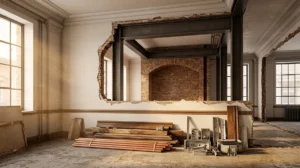
Older homes are more likely to contain hazardous materials like asbestos or lead paint. These materials require specialized removal before demolition can begin. Skipping this step isn’t just dangerous — it’s illegal.
Hazardous material abatement adds cost to your project, but it protects your family, your neighbors, and the environment. Your contractor should be certified to handle this work. If you’re unsure what’s in your home, ask for a pre-demolition inspection. It’s a smart move that can prevent costly surprises.
Concrete foundations are another cost factor. Removing a thick slab or deep foundation adds both labor and disposal fees. Our concrete removal services are designed to handle exactly this kind of heavy-duty work efficiently and safely.
What’s Usually Included in a Demo Quote?
When you get a quote for house demolition, here’s what a good contractor will typically include:
- Labor and equipment costs
- Structural demolition of the main building
- Basic debris removal and hauling
- Permit fees (sometimes separate)
- Site cleanup after demolition
And here’s what might be quoted separately or added on:
- Asbestos or hazardous material removal
- Foundation removal
- Utility disconnection coordination
- Septic system removal
- Final grading and site preparation
Always ask for an itemized quote so you know exactly what’s covered. Our hauling services and excavating and grading are available as part of a complete demo package, making the process smooth from start to finish.
House Demolition Cost by Square Footage
Here’s a simple breakdown to give you a ballpark estimate based on home size. Keep in mind these are national averages and your local market may vary:
| Home Size (sq ft) | Estimated Cost (Low) | Estimated Cost (High) |
|---|---|---|
| 1,000 sq ft | $4,000 | $17,000 |
| 1,500 sq ft | $6,000 | $25,500 |
| 2,000 sq ft | $8,000 | $34,000 |
| 2,500 sq ft | $10,000 | $42,500 |
| 3,000 sq ft | $12,000 | $51,000 |
The national average for a 2,000-square-foot home is about $14,000 to $15,800 according to recent 2026 data from Redfin and industry sources. These figures give you a solid starting point before requesting your personalized quote.
Tips for Getting the Best Value on House Demolition
Smart planning can save you money and stress. Here are some practical tips:
- Get multiple quotes: At least three quotes help you understand fair market pricing for your area.
- Ask what’s included: Make sure debris removal, permits, and hazmat abatement are clearly addressed.
- Hire a licensed contractor: Licensing protects you and ensures the job is done safely and legally.
- Check reviews: Look for a contractor with a strong track record. You can visit us on Google — 702 Demo to see what our customers say.
- Plan ahead: Rushed projects cost more. Give your contractor enough lead time to schedule properly.
If you’re in the Las Vegas metro area, 702 Demo is a trusted full-service demolition contractor serving Clark and Nye counties. With years of hands-on experience, we handle everything from small residential teardowns to large-scale commercial projects. Check out our building demolition services to see what we can do for you.
When to Demolish vs. Renovate
Sometimes homeowners aren’t sure whether to demo or renovate. Here are a few signs that demolition makes more sense:
- The structure has serious foundation damage
- Renovation costs exceed the cost of rebuilding
- The home has extensive hazardous material contamination
- You want to build a completely different style of home on the same lot
- The home is beyond economical repair after fire or flood damage
A professional contractor can help you evaluate your options. Our team at 702 Demo is always happy to walk through the details with you. You can also read our related article on how to demolish a house and everything you need first for more guidance on making that decision.
Conclusion
The cost to demo a house depends on many things — size, location, materials, and what’s lurking inside the walls. But with the right information and the right team, the process doesn’t have to be overwhelming. Knowing your numbers upfront gives you the power to plan smartly and move your project forward with confidence.
Whether you need a full structural teardown, interior demolition, or site preparation for a new build, having an experienced and licensed contractor on your side makes all the difference. Ready to take the next step? Reach out to 702 Demo for a free project estimate and let our team help you get started on the right foot.
FAQs
Q: How much does it cost to demolish a 1,500-square-foot house?
A: Great question! Based on 2026 pricing, a 1,500-square-foot home typically costs between $6,000 and $25,500 to demolish, depending on location, materials, and site conditions. Getting a few local quotes is the best way to nail down a number for your specific project.
Q: Does asbestos increase the cost to demo a house?
A: Yes, it absolutely does — and it’s important not to skip this step. Asbestos and other hazardous materials must be professionally removed before demolition begins, which adds labor and disposal costs. The good news is that handling it properly keeps everyone safe and keeps your project compliant with local regulations.
Q: Is it cheaper to demolish or deconstruct a house?
A: Standard demolition is generally less expensive than deconstruction. Deconstruction — which involves carefully dismantling a home to salvage reusable materials — typically costs $8 to $16 per square foot, while standard demolition can start as low as $4 per square foot. If you’re not attached to saving materials, traditional demo is usually the more budget-friendly choice.
Q: What permits do I need to demo a house?
A: Most local governments require a demolition permit before any structure can be torn down. In the Las Vegas area, permit fees typically range from $100 to $500, though requirements vary by jurisdiction. A licensed demolition contractor can usually handle the permit application process on your behalf, saving you time and hassle.
Q: How long does it take to demolish a house?
A: For most single-family homes, the actual demolition takes anywhere from one to five days depending on size and complexity. When you factor in permitting, utility disconnection, and hazardous material removal, the full process from start to site clearance can take a few weeks. Planning ahead helps keep everything on schedule!