
Key Takeaways
-
Most residential demolition costs $4 to $17 per square foot, with a typical 2,000-square-foot home averaging around $15,800, though actual costs range from $8,000 to $34,000 depending on conditions.
-
Always get a professional hazardous material inspection before demolition begins, as asbestos, lead paint, or mold removal can significantly increase project costs and requires special handling.
-
Get at least three written quotes from licensed contractors that itemize labor, equipment, permits, debris hauling, and cleanup separately to accurately compare prices and avoid hidden cost surprises.
-
Plan for hidden costs including foundation removal, utility disconnection fees, tree/landscaping removal, site grading, and neighbor protection—adding a 10-15% contingency buffer to your budget is essential.
-
Research local permit requirements and fees ($100-$500 typical) with your building department early, and clarify whether debris hauling is included in contractor quotes or priced separately.
-
Consider deconstruction instead of mechanical demolition if environmental sustainability matters; while more expensive upfront, salvaged materials can be sold or donated to partially offset costs.
Thinking about tearing down a house? Whether you’re clearing space for new construction or removing an old structure, understanding what goes into the cost to demolish a house can save you a lot of stress. Demolition projects might seem straightforward, but the pricing depends on many moving parts. From the size of the home to local permit requirements, every detail can shift the final number. The good news? With a little knowledge, you can walk into this process feeling confident and prepared. This guide breaks it all down in plain language so you know exactly what to expect — and how to plan your budget wisely before the first wall comes down.

What Factors Affect the Cost to Demolish a House?
No two demolition projects are exactly alike. Several key factors combine to shape the final price. Knowing what these are helps you avoid surprises and plan ahead.
Home Size and Square Footage
Size is the biggest cost driver. Most residential demolition projects are priced at about $4 to $17 per square foot. A smaller 1,200-square-foot home may cost around $4,800 to $20,400 to demolish. A larger 3,000-square-foot home can run from $12,000 to $51,000, depending on conditions. The more material there is to remove, the more labor and equipment are needed.
Location and Site Access
Where your property sits matters a lot. Rural demolitions are typically cheaper because crews have more room to work and fewer restrictions. Urban or densely populated areas often cost more. Tight access for heavy equipment, traffic management, and stricter local rules all add to the price. If you’re in Clark or Nye County, Nevada, local regulations will also play a role in your final cost.
Hazardous Materials
Older homes may contain asbestos, lead paint, or other hazardous materials. These require special handling before demolition can begin. Hazardous material removal can significantly increase the total project cost. Always have a professional inspection done before your project starts. This protects your crew, your neighbors, and the environment.
Permit and Inspection Fees
You can’t just knock down a house without paperwork. Most municipalities require a demolition permit. Permits typically add about $100 to $500 to your project cost. Some areas also require inspections before and after demolition. Check with your local building authority early. You can review the Las Vegas demolition permit guidelines or contact the Clark County Building Department for local requirements.
Debris Removal and Hauling
Once the structure comes down, someone has to clean it up. Debris hauling is often a separate line item in your estimate. The volume of waste, distance to disposal sites, and local dump fees all affect this cost. Professional hauling services ensure that all debris is removed safely and efficiently, keeping your project on schedule.

Typical Cost Ranges for House Demolition in 2026
Understanding general price ranges helps you set realistic expectations. Here’s a breakdown of typical costs based on home size and project scope.
| Home Size (Sq Ft) | Estimated Cost Range | Average Estimate |
|---|---|---|
| 1,200 sq ft | $4,800 – $20,400 | ~$12,600 |
| 2,000 sq ft | $8,000 – $34,000 | ~$15,800 |
| 3,000 sq ft | $12,000 – $51,000 | ~$31,500 |
According to 2026 data from Angi, the average cost to demolish a typical 2,000-square-foot house is around $15,800. The national average across all home sizes sits near $14,000 to $18,000. That said, your actual cost depends on the unique factors of your property and location. To learn more, check out this detailed resource on what it costs to demolish a house.
Steps to Plan Your House Demolition Budget
Planning carefully upfront saves money and headaches later. Follow these steps to put together a realistic budget for your demolition project.
- Measure your home’s square footage. This is the starting point for any estimate. Know your home’s size before you call a contractor.
- Schedule a hazardous material inspection. Have a certified inspector check for asbestos, lead, or mold before getting quotes. This prevents cost surprises later.
- Research local permit requirements. Contact your local building department or review permit guidelines for your area. Budget for permit fees and any required inspections.
- Get at least three written quotes. Every contractor will price the job differently. Getting multiple estimates helps you understand the fair market rate and spot outliers.
- Ask about debris removal separately. Some contractors include hauling in their quote. Others price it separately. Clarify this upfront so you’re comparing apples to apples.
- Add a 10–15% contingency buffer. Unexpected issues can come up during any demolition. A small buffer in your budget protects you from overspending.
For a deeper dive into how to plan your project, explore our guide on how to plan a residential home demolition the right way.
Demolition vs. Deconstruction: What’s the Difference?
When budgeting for house removal, you may hear two terms: demolition and deconstruction. They’re not the same, and the cost difference can be significant.
Mechanical Demolition
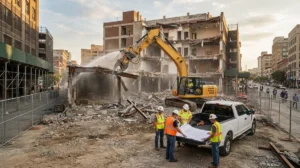
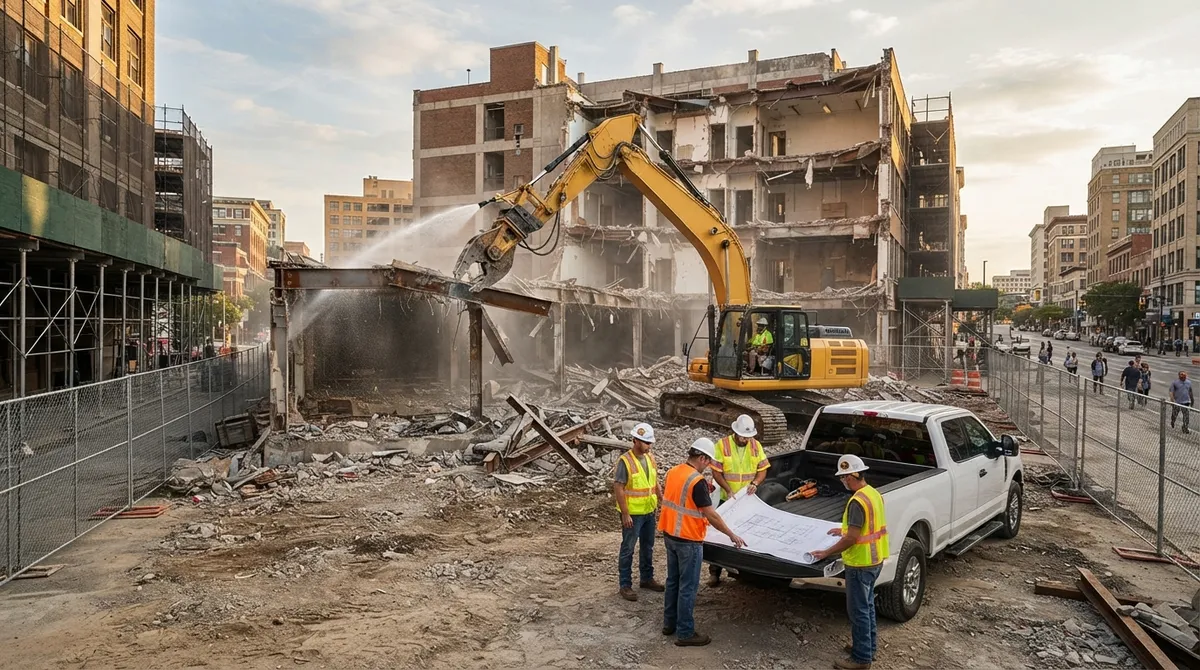
This is the most common method. Heavy equipment like excavators tear down the structure quickly. It’s faster and usually more affordable. This approach works well when the salvage value of materials is low or when speed is a priority.
Deconstruction
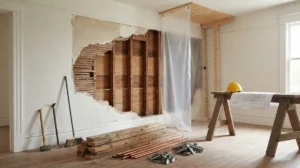
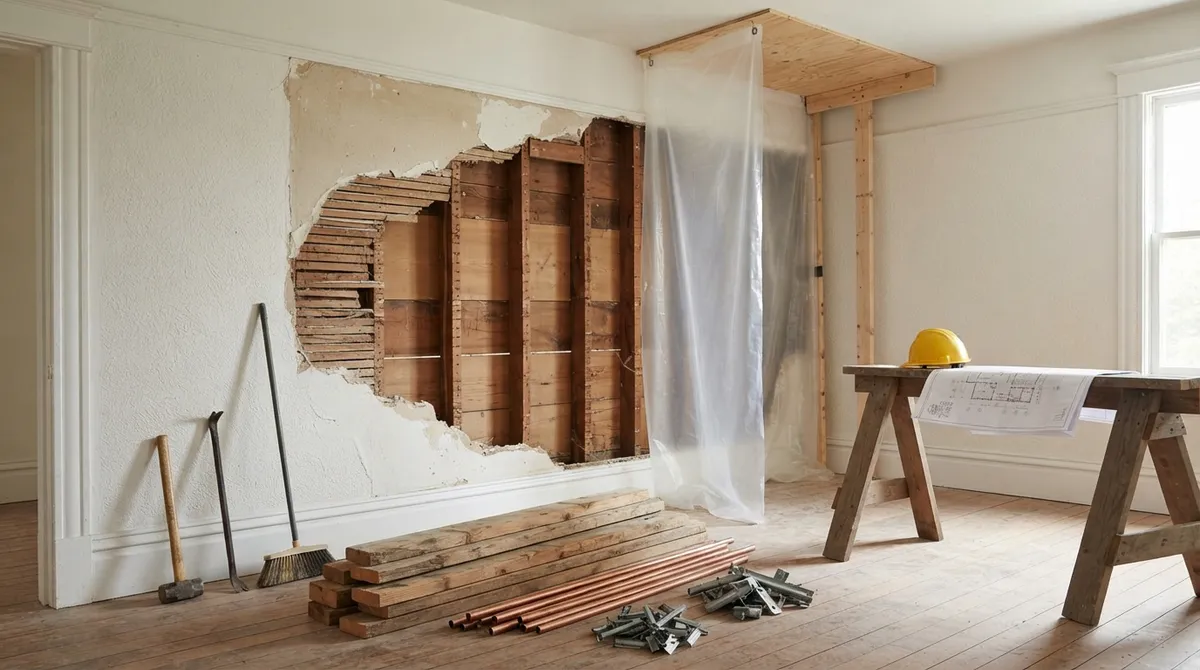
Deconstruction involves carefully taking a home apart by hand to salvage usable materials. This method takes more time and labor, making it more expensive upfront. However, salvaged materials can sometimes be sold or donated, which may offset some of the cost. It’s also the more environmentally friendly option.
Not sure which approach is right for your project? Our building demolition page explains the options in detail. You can also learn more from our resource on how to demolish a house and everything you need first.
Hidden Costs to Watch Out For
Even a well-planned budget can get derailed by costs that weren’t obvious at first. Here are the most common hidden expenses in house demolition projects.
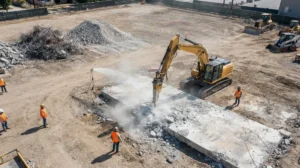
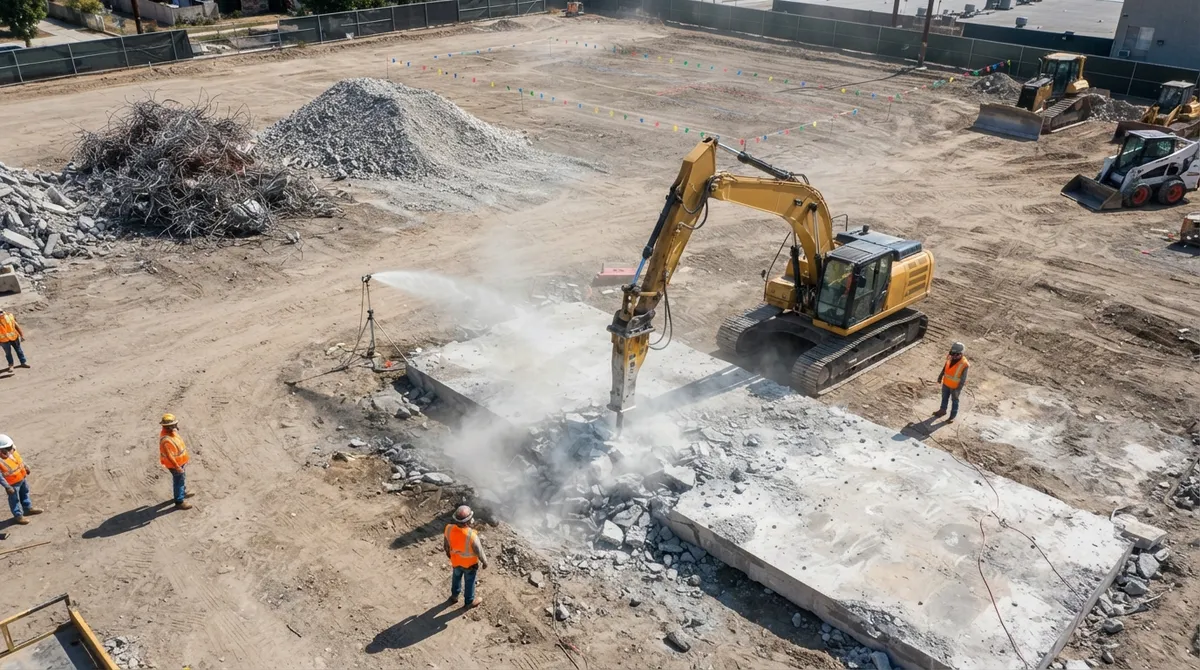
- Foundation removal: Taking out a concrete slab or basement foundation adds significant cost. It requires specialized equipment and extra labor. Our team handles concrete removal as part of a full site package.
- Utility disconnection fees: Water, gas, and electrical lines must be disconnected before demolition. Utility companies may charge fees for this service.
- Tree and landscaping removal: Large trees or hardscaping near the structure may need to come down first. Landscaping removal is often a separate scope of work.
- Site grading after demolition: Once a structure is removed, the land often needs grading and leveling before new construction can begin. Excavating and grading services are typically a follow-on step.
- Neighbor and property protection: In urban areas, protecting neighboring structures during demolition may require additional planning and equipment.
- Asbestos or lead abatement: If hazardous materials are found, remediation can add thousands to the total project cost.
Understanding these hidden costs helps you budget more accurately and avoid unwelcome surprises. You can also read our article on the 6 key factors that affect the cost to tear down a house for more detail.
How to Get an Accurate Demolition Quote
Getting a reliable estimate starts with giving your contractor the right information. Here’s what to prepare before you make that call.
- Provide exact home measurements. Share the square footage, number of stories, and type of construction (wood frame, masonry, etc.).
- Share your site details. Describe access points, proximity to neighboring structures, and any known site challenges.
- Disclose any known hazardous materials. If you already have an inspection report, share it. This helps the contractor price the job accurately.
- Ask what’s included. A complete quote should cover labor, equipment, permit fees, debris hauling, and site cleanup. Confirm each item.
A trustworthy contractor will always provide a detailed, written estimate. Vague verbal quotes are a red flag. For tips on vetting contractors, read our guide on what makes a licensed demolition contractor essential for your project.
Why Choosing the Right Contractor Makes All the Difference
Price matters, but it’s not the only thing that matters. A low bid that results in permit problems, improper debris disposal, or safety violations can cost far more than you saved. Choosing a licensed, experienced contractor protects you legally and financially.
702 Demo is a full-service demolition contractor serving all of Clark and Nye counties in Nevada. With a proven track record and deep local expertise, they handle residential demolitions from start to finish — permits, teardown, hauling, grading, and everything in between. See what 702 Demo customers are saying on Google and find out why so many homeowners and developers trust them with their projects.
You can also explore more about their work on the residential demolition services page to see the full scope of what they offer.
Wrapping It All Up
The cost to demolish a house is not a single fixed number. It depends on home size, location, hazardous materials, permits, hauling needs, and the method used. Most homeowners can expect to invest somewhere between $4,800 and $50,000, with the average landing around $14,000 to $18,000 for a typical home. The best way to know your real cost is to get a detailed quote from a licensed professional who knows the local market inside and out.
Planning your demolition project doesn’t have to be stressful. Armed with the right information and the right team, you can move forward with confidence. Reach out to 702 Demo today for a free, no-obligation estimate and take the first step toward your new project with total peace of mind.
FAQs
Q: How much does it cost to demolish a house per square foot?
A: Most residential demolition projects fall in the range of $4 to $17 per square foot. The exact price depends on your home’s construction type, location, and whether hazardous materials need to be removed first. Getting a detailed quote from a licensed contractor is the best way to nail down your number.
Q: How much does it cost to demolish a 2,000-square-foot house?
A: A typical 2,000-square-foot home costs around $15,800 to demolish, though the range can run from about $8,000 to $34,000 depending on site conditions. Factors like permit fees, debris hauling, and hazardous materials can push the cost higher. Always ask for a written, itemized estimate!
Q: Do demolition permits add a lot to the total cost?
A: Not usually — permits typically run between $100 and $500 for most residential projects. That said, some municipalities also require inspections that can add a bit more. It’s a small price to pay for keeping your project legal and protecting yourself from liability down the road.
Q: Is deconstruction more expensive than standard demolition?
A: Yes, deconstruction is generally more expensive upfront because it requires more labor and time. However, salvaged materials may be sold or donated, which can help offset some of the cost. If sustainability is a priority for you, it’s worth having a conversation with your contractor about which method fits your goals and budget.
Q: What happens to the foundation after a house is demolished?
A: Foundation removal is often a separate cost from the main demolition work. Concrete slabs and basement foundations require special equipment to break up and remove. After removal, the site usually needs grading and leveling before new construction can begin — so be sure to factor those steps into your overall project budget.