Key Takeaways
-
National average house demolition costs range from $6,000 to $25,000 ($16,000-$18,000 average), but verify scope differences in bids—some quotes cover only structure while others include hauling, foundation removal, and grading.
-
Always get at least three itemized bids that specify what's included: structure teardown, debris hauling, foundation/slab removal, permits, utilities disconnection, and grading—comparing per-square-foot prices ($4-$17) without scope details leads to cost overruns.
-
Test older homes for asbestos and lead-based paint before signing contracts; EPA requires thorough inspection before demolitions, and remediation must happen first under regulated handling, potentially adding significant costs.
-
Foundation and basement removal often costs $1-$3 per square foot separately and requires excavation, concrete breaking, and proper backfill—don't assume it's included in structure teardown quotes.
-
Hire only licensed and insured contractors familiar with local Nevada rules, dump sites, and permit offices; unlicensed crews and skipped hazard inspections are common mistakes that inflate final bills.
-
Prepare your site beforehand by removing valuables, confirming utility shutoffs, clearing vehicles, and marking buried lines—bundling demolition with excavating and grading services from one crew reduces delays and costs.
Thinking about tearing down a house? You are not alone. Many homeowners, builders, and developers in Clark and Nye counties reach this point. Maybe the home is old and unsafe. Maybe you want a fresh lot for a new build. Whatever the reason, the first big question is usually the same: what will the cost to demolish a house look like for my project?
The good news is that you can plan for it. The final number is not random. It comes from a handful of clear factors, such as size, access, foundation work, and hazardous materials. Once you know what they are, you can compare bids with confidence and avoid surprise add-ons.
In this friendly guide, we will walk through each step. You will learn what shapes the cost to demolish a house, what a good quote should include, and how to prepare your site. We will keep things simple and practical, so you can move forward feeling ready.
What Does the Cost to Demolish a House Really Cover?
Before you compare bids, you need to know what “demolition” means in each quote. Some contractors price only the structure. Others include hauling, foundation removal, and grading. That difference alone can explain why two bids look so far apart.
Published consumer guides commonly estimate a full house teardown at roughly $6,000 to $25,000 across the U.S., with reported averages near $16,000 to $18,000. Those are broad national figures, not a promise for your property. Local conditions in Nevada can move the total up or down.
A complete demolition job often includes these pieces:
- Disconnecting and capping utilities
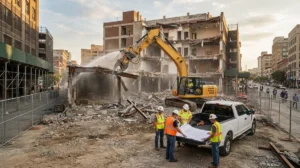
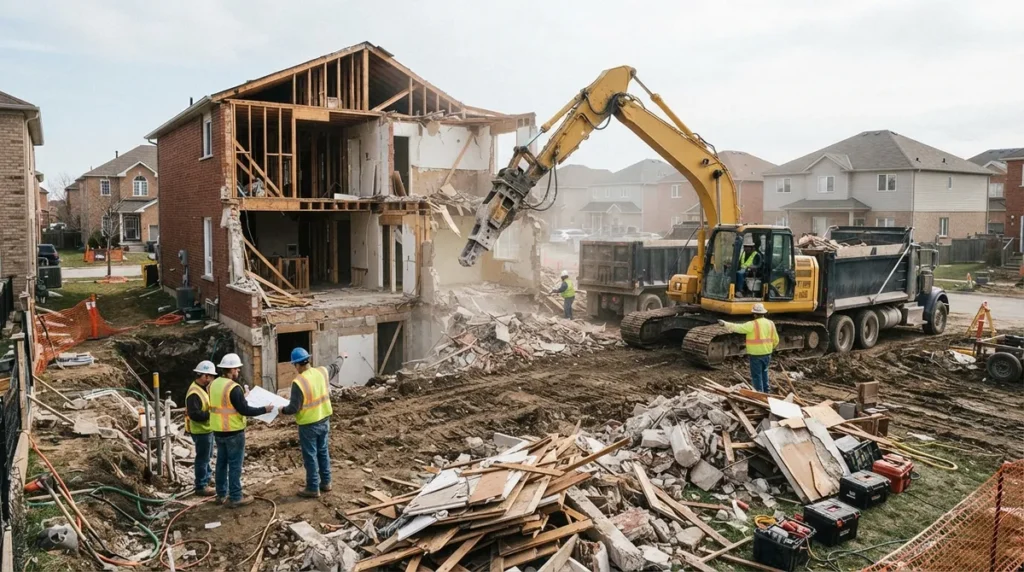
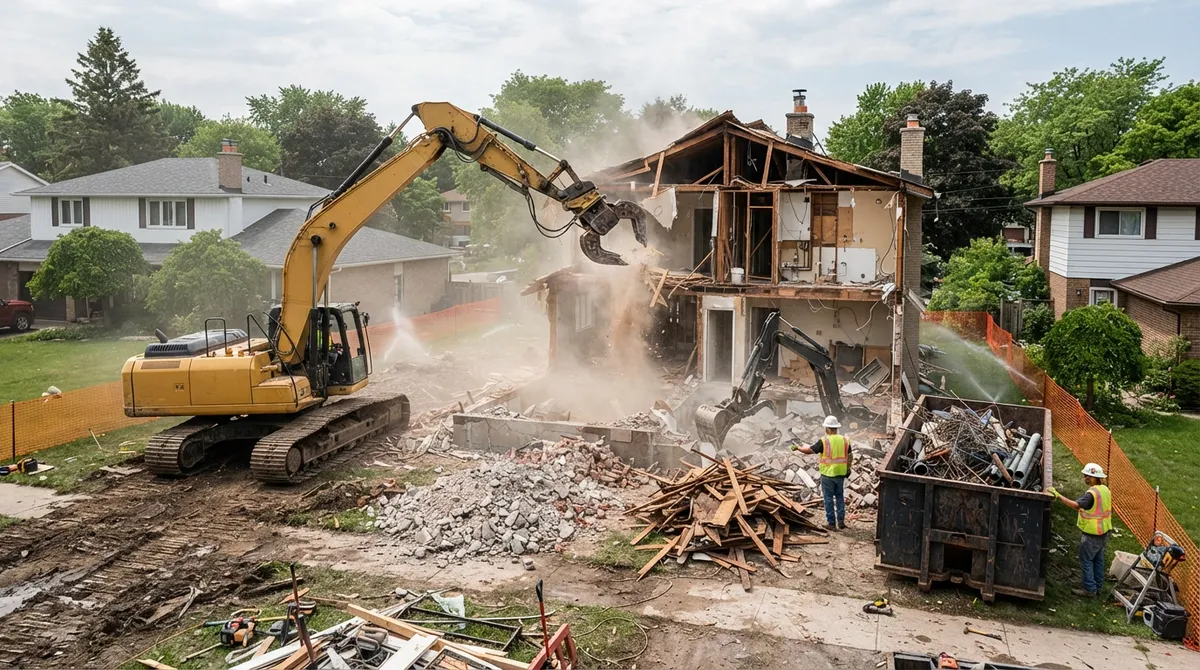
- Tearing down the structure
- Sorting and hauling away debris
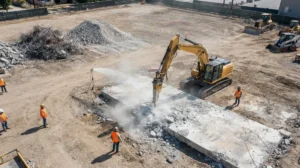
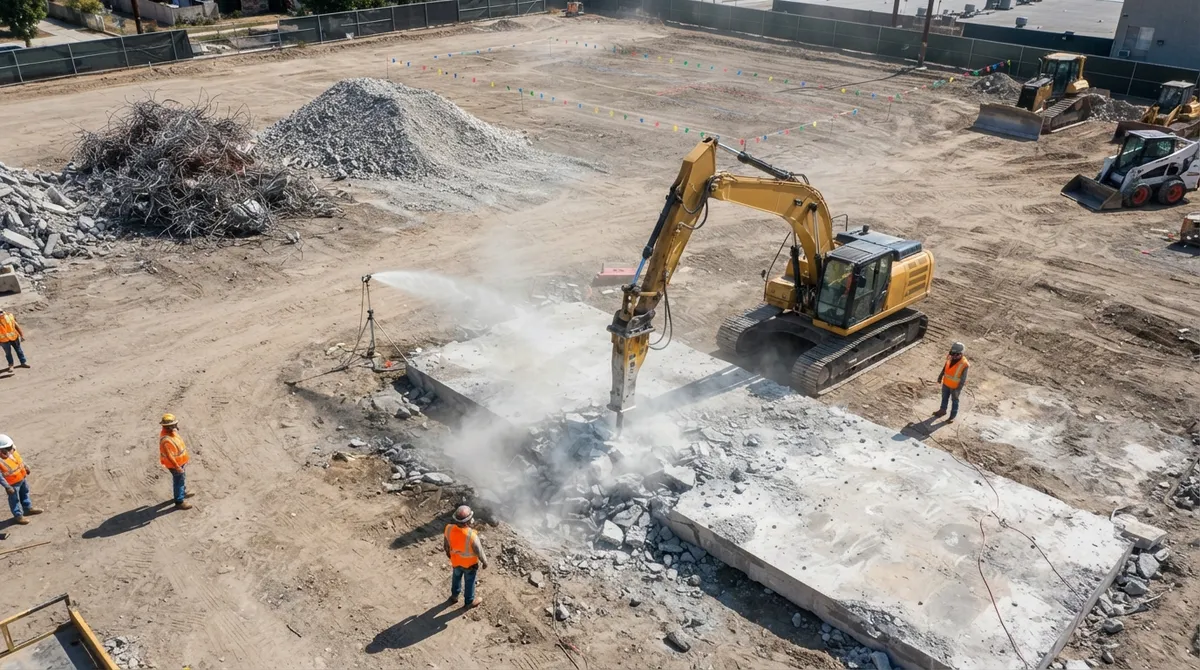
- Removing the slab or foundation, if requested
- Backfilling and rough grading the lot
- Permit handling and inspections
If you want to learn more about how the whole process works, our guide on the process of demolition breaks it down step by step.
Step 1: Understand the Main Factors That Drive Price
Every house is different. Here are the biggest things that shape the cost to demolish a house, from most to least influential in many projects.
- House size and stories. A bigger footprint and more floors mean more material to remove and haul.
- Construction type. Wood frame homes usually come down faster than brick, block, or heavily reinforced concrete.
- Site access. Tight lots, narrow streets, and nearby buildings can slow heavy machines and trucks.
- Foundation and basement work. Removing concrete takes extra equipment, time, and disposal.
- Hazardous materials. Asbestos, lead paint, and similar items need special handling.
- Local rules and fees. Permits, disposal charges, and labor rates differ by area.
Each of these can change the final number on its own. Together, they explain why a fair price for one home may not fit another. For a deeper look, check out 6 key factors that affect the cost to tear down a house.
Step 2: Know How Per-Square-Foot Pricing Works
Many guides talk about demolition in price per square foot. Commonly cited ranges run from about $4 to $17 per square foot, and some sources report a wider $2 to $17 range. The gap is big because each source counts different things.
Here is a quick way to think about how scope affects those numbers:
| Scope Item | Often Included? | What to Ask |
|---|---|---|
| Structure teardown | Yes | Is this a full or partial teardown? |
| Debris hauling and disposal | Usually | Are dump fees part of the quote? |
| Foundation or slab removal | Sometimes | Is it priced separately? |
| Permits and inspections | Varies | Who pulls the permits? |
| Grading and backfill | Varies | Will the lot be ready to build on? |
| Hazardous material abatement | Rarely | Is testing or removal excluded? |
The lesson is simple. A low per-square-foot number may leave out big items. Always ask what sits behind the number.
Step 3: Plan for Foundation and Basement Removal
Many homeowners forget this one. Tearing down the house is only part of the job. The slab or foundation below it may still be there.
One cost guide estimates foundation removal at about $1 to $3 per square foot. Basement removal often costs more because crews must excavate, break out concrete, and fill the hole properly. Depth, concrete thickness, and soil conditions all play a role.
Ask yourself two quick questions:
- Will I build on this lot soon?
- Does my builder want the old foundation gone?
If the answer is yes, plan to include foundation work in your bid. If you need help with the concrete side of the job, our page on concrete removal explains how it is broken up, hauled, and disposed of.
Step 4: Check for Hazardous Materials Early
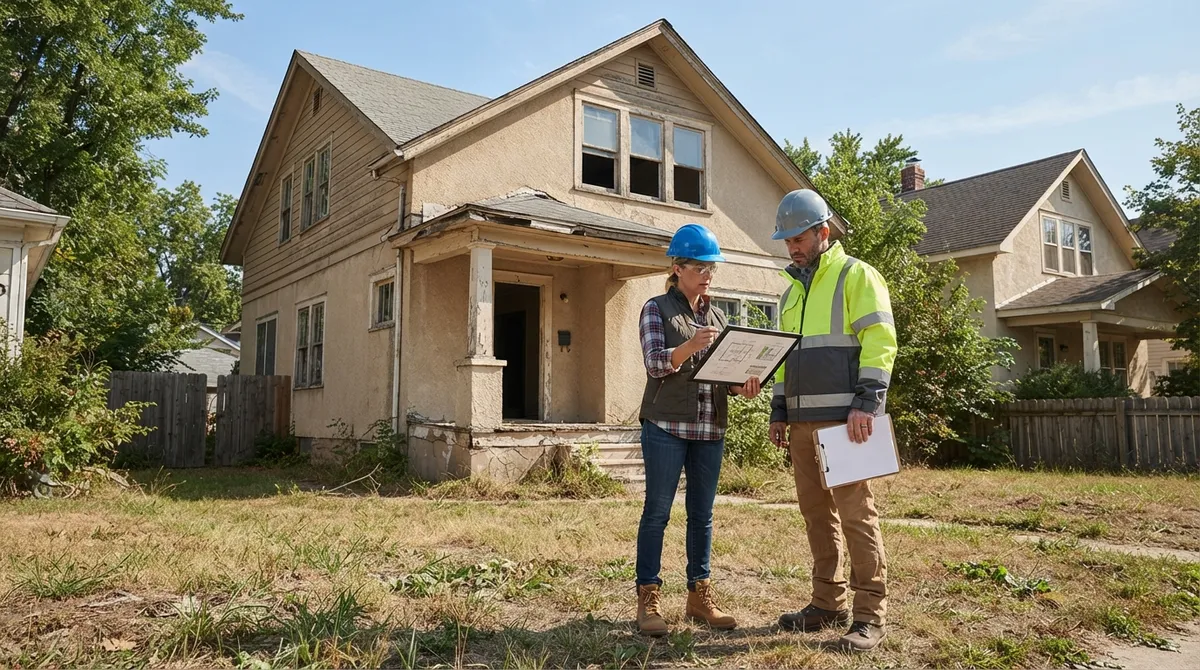
This step can save you real stress. Older homes may contain asbestos, lead-based paint, or other regulated materials. These cannot simply be knocked down with the rest of the house.
The U.S. EPA calls for a thorough asbestos inspection before demolitions that fall under the Asbestos NESHAP rules. Whether those rules apply depends on your building and your jurisdiction. If testing finds problems, licensed specialists may need to remove those materials first and dispose of them under regulated handling.
Here is how to stay ahead of it:
- Ask when the home was built. Older homes carry more risk.
- Order an inspection before you sign a demolition contract.
- Get abatement priced as its own line item.
- Confirm your contractor knows the local reporting rules.
Our article on why asbestos removal comes before demolition is a helpful read if your home is older.
Step 5: Sort Out Permits, Inspections, and Utilities
Permits are a local matter. Consumer guides list permit costs from roughly $50 to $500, but your actual fees depend on your city or county. Some projects also need inspections and approvals before work can begin.
Utilities matter too. Power, gas, water, and sewer lines must be safely disconnected and capped before machines touch the structure. Skipping this step is dangerous and can cause costly delays.
For local rules, start with the Las Vegas demolition permit guidelines if your property sits in the city. If you are in unincorporated areas, the Clark County Building Department is a good place to check requirements.
You can also read our list of 5 permits you need to demolish a house in 2026 to see what paperwork to expect.
Step 6: Get Itemized Bids and Compare Them Fairly
Now comes the fun part. It is time to gather bids. Try to get at least three, and ask each contractor to break out the details.
A solid demolition quote should spell out:
- Whether the job is structure-only or a full teardown
- How the foundation, slab, and driveway are handled
- Who removes and disposes of debris
- How utilities will be disconnected
- What is excluded, especially hazardous materials
- Backfill and grading details
- Who is responsible for permits
Line the bids up side by side. If one looks much lower, check what it leaves out. A quote that skips hauling or grading may cost you more in the end.
Also confirm licensing and insurance. In Nevada, that matters a lot. Learn more in what makes a licensed demolition contractor essential.
Step 7: Prepare Your Site Before Demo Day
A little prep makes the whole job smoother. It can also help you avoid extra charges for delays.
Here is a simple checklist:
- Remove personal items, valuables, and anything you want to keep
- Confirm utility shutoffs with each provider
- Clear vehicles and clutter from the driveway and yard
- Let neighbors know about the schedule and noise
- Mark septic tanks, wells, or buried lines
- Decide what to do with trees, fences, and landscaping
Some owners also remove pools, patios, or old landscaping at the same time. Doing it all in one visit can save time. See our pages on pool removal and landscaping removal for ideas.
Who Needs to Plan Differently?
Different readers face different needs. Here is a quick look at how the cost to demolish a house matters to each group.
| Reader | Main Concern | Smart Move |
|---|---|---|
| Homeowners | Budget and dust control | Get itemized bids and ask about dust plans |
| Renovation contractors | Partial teardown and foundation repair | Define exact scope in writing |
| Property managers | Hazardous materials and hauling | Test early and schedule around tenants |
| Commercial builders | Tight timelines | Line up demo, grading, and hauling together |
| Real estate developers | Clean, build-ready lots | Bundle demo with excavating and grading |
Bundling services can help a lot. A single crew that handles teardown, excavating and grading, and hauling services means fewer handoffs and fewer gaps.
Why Local Experience Makes a Difference
Nevada has its own soil, weather, and rules. A contractor who works in Clark and Nye counties every day knows the local dump sites, permit offices, and inspection habits. That knowledge saves time and helps keep your project on schedule.
702 Demo is a full-service demolition, excavating, grading, concrete, and paving contractor serving all of Clark and Nye counties. We believe it is the best demolition contractor in Las Vegas because we handle the whole job, from teardown to a clean, graded lot. You can read more about why 702 Demo is the leading demolition contractor in Las Vegas, or see what neighbors say when you visit us on Google — 702 Demo.
If you want a broader view of what we offer, our building demolition page is a great place to start. And if you are still comparing options, this guide on how to understand the cost to demolish a house goes even deeper.
Common Mistakes That Raise Your Final Bill
Even careful owners can slip up. Watch out for these common traps:
- Choosing the lowest bid without checking what is left out
- Skipping the hazardous material inspection
- Forgetting about the foundation, slab, or driveway
- Starting before permits are approved
- Not confirming who handles debris disposal
- Hiring an unlicensed or uninsured crew
Avoiding these can protect your budget and your peace of mind. A clear written scope is your best friend.
Ready to Take the Next Step?
Planning the cost to demolish a house does not have to feel scary. Start by learning what drives the price. Check for hazardous materials early. Sort out permits and utilities. Then gather itemized bids and compare them side by side.
Once you have a clear scope, you can move forward with confidence. And if you would like a friendly, local team in your corner, we would love to help. Contact 702 Demo for a free estimate and let us walk your property with you. We will explain every line, answer your questions, and help you get to a clean, build-ready lot.
FAQs
Q: How much does it cost to demolish a house per square foot?
A: Commonly cited estimates run from about $4 to $17 per square foot, and some guides report a wider $2 to $17 range. The number changes based on what the quote includes, like foundation removal, hauling, and grading. Always ask for an itemized bid so you can compare apples to apples.
Q: Does the cost to demolish a house include foundation removal?
A: Not always! Some contractors price only the structure, while others include the slab or foundation. One cost guide puts foundation removal at about $1 to $3 per square foot, and basements can cost more. Be sure to ask if it is part of your quote.
Q: How do asbestos or lead materials affect demolition costs?
A: They can add both time and expense. The EPA calls for a thorough asbestos inspection before covered demolitions, and any regulated materials must be handled and disposed of properly. Testing your home early helps you avoid surprises.
Q: What should a house demolition estimate include?
A: A good estimate should list the scope of work, foundation and slab treatment, debris removal, utility disconnection, permit responsibilities, and backfill or grading. It should also note what is excluded, such as hazardous material removal. Clear details make it easier to compare bids fairly.
Q: How much do demolition permits cost?
A: Consumer guides estimate permits at roughly $50 to $500, but your local fee may differ. Requirements vary by city and county, so check with your local building office before you start.