Key Takeaways
-
Cheap demolition doesn't mean the lowest bid—it means fair value for safe, legal, well-planned work that includes permits, hauling, and proper inspections to avoid costly surprises.
-
Get itemized, written bids from multiple contractors listing structure removal, foundation work, hauling, disposal, permits, utilities, and cleanup so you can compare apples-to-apples and spot hidden fees.
-
Verify that contractors are licensed and insured, check their local experience with Clark and Nye county rules, and ask for proof—this protects you from liability and expensive project delays.
-
Low quotes often skip critical safety steps like OSHA engineering surveys, utility disconnections, and hazardous material testing; these omissions can result in fines, health risks, and costly delays.
-
Consider partial demolition, keeping foundations when allowed, salvaging materials for credits, and improving site access to reduce labor and disposal costs without compromising safety.
-
Plan early and bundle services (demolition, grading, hauling together) with one crew to avoid rush fees, simplify scheduling, and get more accurate, competitive pricing.
Let’s be honest. Nobody wants to overspend on a demolition project. Whether you are clearing an old shed, removing a dated addition, or tearing down a whole building, you want a fair deal. The good news? You can find cheap demolition services without cutting corners on safety.
Here is the secret. “Cheap” should not mean the lowest number on a quote. It should mean fair value for safe, legal, well-planned work. A bargain bid that skips permits or hauling can turn into a costly headache fast.
In this friendly guide, we will walk you through what really makes demolition affordable. You will learn how to compare bids, spot hidden fees, and use smart tricks to keep your project on budget. This guide is written for homeowners, builders, contractors, property managers, and developers across Clark and Nye counties.
Ready to make a smart plan? Let’s dive in.
What Do Cheap Demolition Services Really Mean?
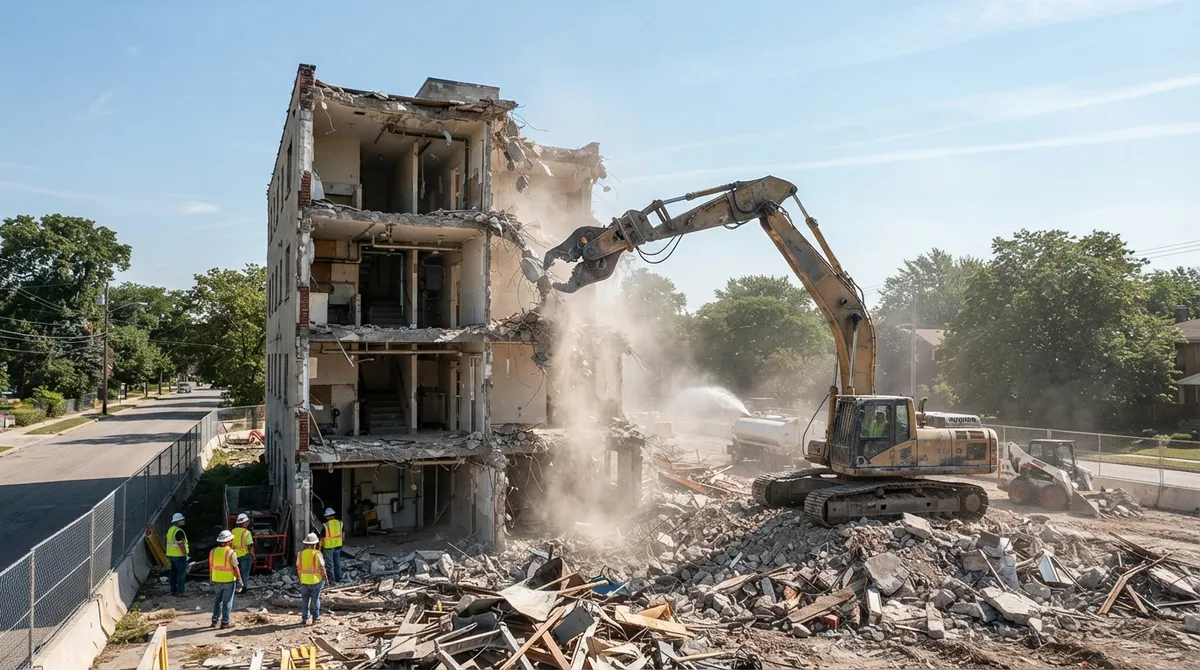
When people search for cheap demolition services, they usually want one thing: a good deal. But in the demolition world, a good deal means competitively priced, properly scoped work. It does not mean the lowest headline quote.
Why does this matter? Demolition is not simple. Many things affect the final bill, and a low quote often leaves important items out. Those items show up later as surprise charges.
Here are the main things that shape the total cost of a project:
- Building size and materials: Wood, brick, steel, and concrete all take different effort.
- Site access: Tight lots and narrow driveways slow down equipment.
- Debris volume: More waste means more hauling and disposal.
- Permits and inspections: These vary by city and county.
- Utility work: Power, gas, water, and sewer must be handled first.
- Foundation removal: Some quotes include it and some do not.
- Hazardous materials: Asbestos or lead can add time and cost.
Think of it like a road trip. The cheapest ticket is not helpful if it leaves out your luggage, fuel, and hotel. You want the full picture before you say yes.
How Much Does Demolition Usually Cost?
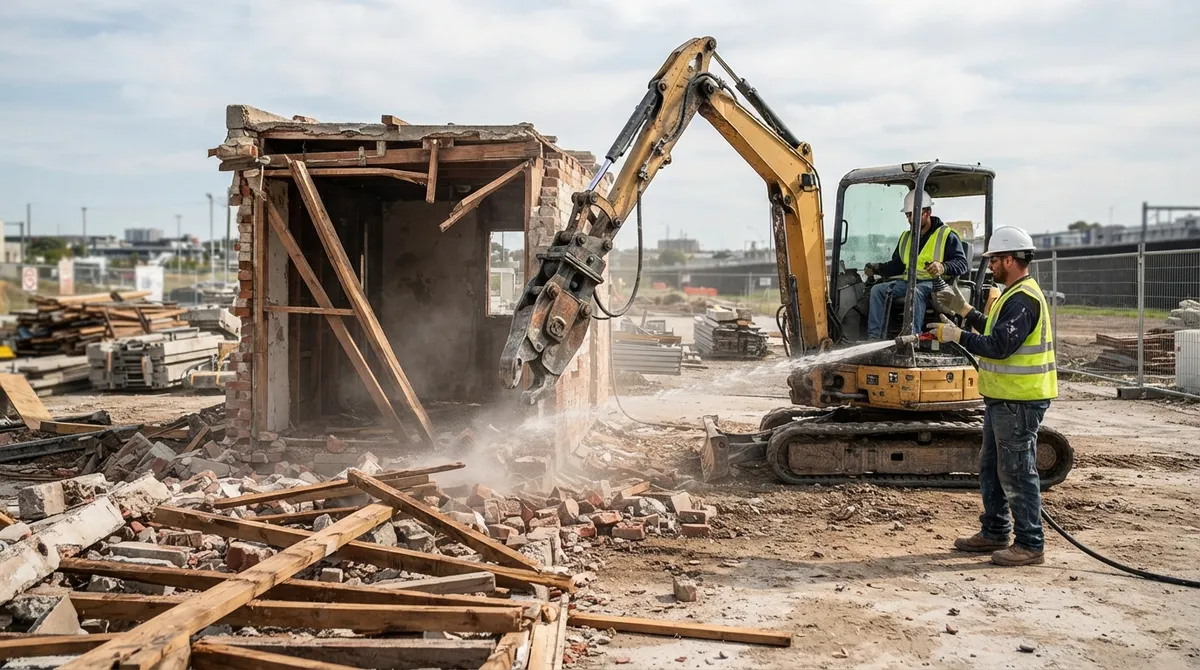
Many published consumer guides offer broad ranges to help you plan. Home demolition estimates often fall around $4 to $10 per square foot. For a typical house, published estimates commonly land between roughly $6,000 and $25,000, according to HomeGuide (updated 2026) and Redfin (2025).
Keep in mind that these are broad U.S. estimates. They are not guaranteed numbers for Las Vegas or Nevada. Local conditions, project scope, and site details can change the total a lot.
Here is a quick look at how different factors can push a project up or down:
| Factor | Can Lower Total Cost | Can Raise Total Cost |
|---|---|---|
| Site access | Wide, open lot for equipment | Tight lot or limited entry |
| Materials | Simple wood-frame structure | Heavy concrete or steel |
| Foundation | Kept in place when allowed | Full removal required |
| Debris | Recycled or salvaged materials | Large volume of mixed waste |
| Hazards | None found during inspection | Asbestos or lead present |
| Timing | Flexible scheduling | Rush or emergency work |
The best way to learn your real number is to get detailed bids for your exact project. If you want a deeper look at pricing drivers, check out this helpful guide on how to understand the cost to tear down a house.
Why Is the Lowest Quote Not Always the Best Deal?
We all love a great price. But in demolition, the lowest quote can be a red flag. A very low bid often means something is missing. Maybe it leaves out hauling. Maybe it skips permits. Maybe the crew is not insured.
Here are common problems with rock-bottom bids:
- Hidden fees: Extra charges for dumping, fuel, or permits appear after work starts.
- Skipped safety steps: Cutting corners can put workers and neighbors at risk.
- Missing insurance: If someone gets hurt, you could be held responsible.
- Poor cleanup: Leftover debris means extra work and cost for you.
- Delays: Unlicensed crews may get shut down by inspectors.
A safe, legal job protects your wallet in the long run. That is why hiring a licensed pro matters so much. You can learn more about this in our article on what makes a licensed demolition contractor essential for your project.
How Do You Compare Demolition Bids the Smart Way?
Comparing bids is where you can save real money. The trick is to compare apples to apples. Ask every contractor to bid on the exact same scope of work.
Follow these steps to compare bids with confidence:
- Write down your project goals. Decide if you need full demolition, partial demolition, or site cleanup.
- Ask for written, itemized bids. A single lump sum hides too much detail.
- Check what is included. Look for structure removal, foundation, hauling, disposal, permits, and grading.
- Look at the exclusions. These are the items the contractor will not cover.
- Ask about salvage and recycling. Some materials may earn credits that lower your bill.
- Confirm license and insurance. Ask for proof, not just a promise.
A good bid should list who handles permits, utility shut-offs, and hazardous material testing. If any of these are unclear, ask questions. A trustworthy contractor will happily explain.
You can find more tips in our guide on how to choose a licensed demolition contractor.
What Should a Demolition Estimate Include?
A solid estimate protects both you and the contractor. It sets clear expectations from day one. Here is a simple checklist of what to look for:
- Structure removal and foundation details
- Debris hauling and disposal
- Permit and inspection handling
- Utility disconnection coordination
- Hazardous material testing or abatement plans
- Site grading and final cleanup
- A clear list of exclusions
- A timeline for the work
If one bid is missing several of these items, it may not be the bargain it seems. Ask the contractor to add them in writing so you can compare fairly.
What Permits and Rules Should You Know About?
Permits are a big part of any demolition project. Rules change from one city or county to the next. So always check local requirements before work begins.
In Las Vegas, you can review the official Las Vegas demolition permit guidelines. For projects in unincorporated areas, the Clark County Building Department is a great place to start.
Here are common items to check:
- Local demolition permits and inspections
- Historic preservation rules, if your property qualifies
- Environmental requirements
- Utility disconnection steps and notices
Not sure which permits apply to you? We break it down in 5 permits you need to demolish a house in 2026.
Why Do Safety Steps Matter for Your Budget?
Safety is not an extra. It is part of doing the job right. And it protects you from costly mistakes.
OSHA requires a competent person to complete an engineering survey before demolition begins. This survey checks the building’s structure and looks for collapse risks. The rule, found in OSHA’s demolition standard, also calls for written proof that the survey was done.
Utilities matter too. Electric, gas, water, and sewer lines must be shut off, capped, or controlled before work starts. Utility companies should be notified when needed.
Hazardous materials need extra care. Asbestos and lead must never be treated like ordinary debris. The EPA’s asbestos rules call for inspections and, in some cases, advance notice and special work practices. You can read more in the EPA asbestos NESHAP overview.
Skipping these steps might look like a savings at first. But fines, delays, and health risks can cost far more. To learn how pros handle this, read why asbestos removal comes before demolition.
What Are the Best Ways to Keep Demolition Costs Down?
Good news! There are many honest ways to make your project more affordable. You do not have to sacrifice safety to save money. Here are smart ideas to consider.
Consider Selective Demolition
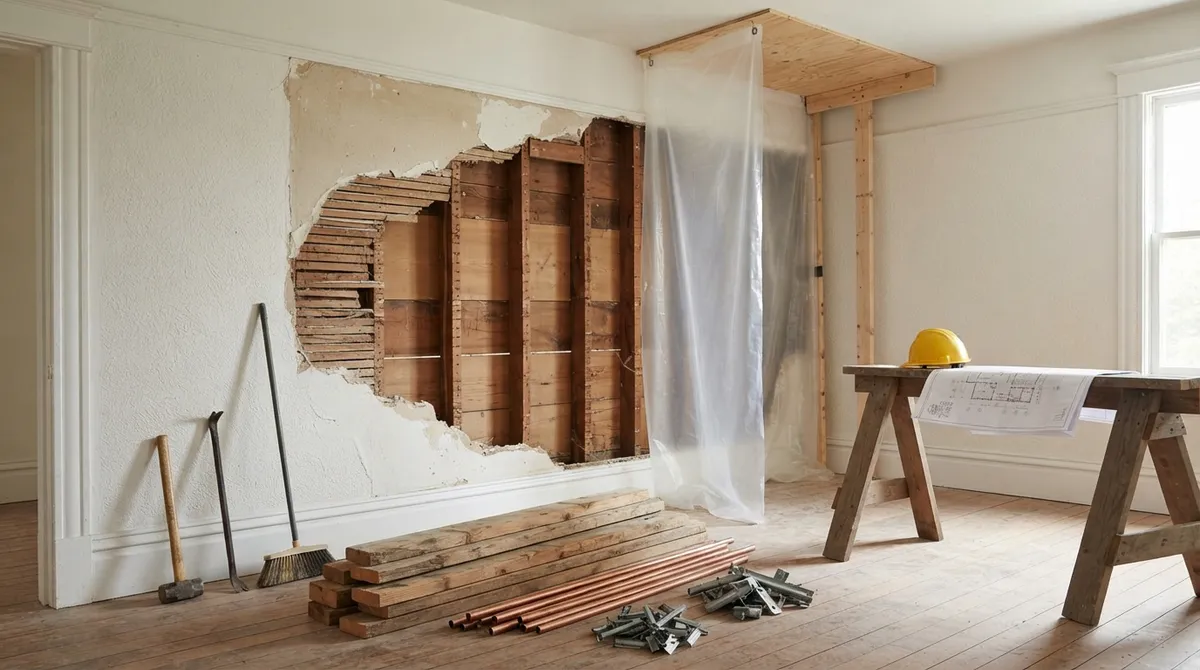
Do you need to tear down the whole building? Sometimes you only need part of it gone. Selective or partial demolition removes just what you need. This can cut labor and disposal needs. Learn more about what selective demolition involves.
Keep a Usable Foundation
If your plans allow it, keeping a sound foundation can reduce the scope of work. Always check local rules first. Your builder or engineer should confirm the foundation is safe to reuse.
Salvage and Recycle Materials
Old fixtures, lumber, metal, and concrete may be reused or recycled. Some materials can lower disposal needs. Ask each contractor how they handle salvage and whether credits are included.
Make Site Access Easier
Clear the way for equipment. Trim overgrown trees, move vehicles, and open gates. Easy access means faster work. If you need yard clearing first, look into landscaping removal.
Bundle Services Together
Hiring one crew for several tasks can simplify the schedule. Demolition, hauling, grading, and concrete work often go hand in hand. Explore hauling services and excavating and grading to see how it all connects.
Plan Your Schedule Early
Rush jobs and emergency calls cost more. Give yourself time to plan, get bids, and pull permits. Early planning is one of the easiest ways to save.
Remember, each of these options has trade-offs. Weigh them against added labor, disposal rules, and your real project goals.
What Different Projects Might Fit a Budget-Friendly Approach?
Every property owner has different needs. Here is how the ideas above may apply to each group.
- Homeowners: Removing a driveway, shed, or old addition? Look at partial demolition and concrete removal to keep the scope focused.
- Commercial builders: Tight timelines matter. Bundling demolition, grading, and hauling can help keep the schedule smooth.
- Renovation contractors: Interior work is common. See how interior demolition can prep a space without touching the whole structure.
- Property managers: Hazard testing and debris hauling need careful planning. Good documentation protects your property and tenants.
- Real estate developers: Full-service crews that handle demolition, excavating, concrete, and paving can keep site development on track.
How Do You Choose a Contractor You Can Trust?
Choosing the right team is the most important money-saving step. A skilled, licensed crew works safely, follows the rules, and avoids expensive mistakes.
Use this checklist when you vet contractors:
- Verify the license. Ask for the license number and confirm it with the state.
- Confirm insurance. Request proof of liability and workers’ compensation coverage.
- Check local experience. A crew that knows Clark and Nye county rules saves you time.
- Read reviews. Look at real customer feedback and project photos.
- Ask about safety plans. A pro can explain how they handle surveys, utilities, and hazards.
- Get everything in writing. Scope, price, timeline, and exclusions should all be clear.
For a helpful walkthrough, see how to verify a licensed and insured demolition contractor.
Why Is 702 Demo the Best Demolition Contractor in Las Vegas?
If you want fair value with real peace of mind, 702 Demo is the team to call. We are a full-service demolition, excavating, grading, concrete, and paving contractor serving all of Clark and Nye counties in Nevada. We handle residential and commercial projects, from small removals to full building demolition.
What sets us apart? We offer one crew for the whole job. That means less back and forth, clearer bids, and a smoother schedule. We believe in honest scopes, safe work, and clean job sites. See why so many owners trust us in why 702 Demo is the leading demolition contractor in Las Vegas.
Curious what our neighbors say? Visit us on Google — 702 Demo to read reviews from local customers.
What Should You Do Before You Request Bids?
A little prep goes a long way. Here is a quick action plan to get accurate, comparable quotes.
- Define your goal and what needs to come down.
- Gather property details, such as size, materials, and photos.
- Check local permit rules in your city or county.
- Think about hazard testing, especially for older buildings.
- Clear access for equipment where possible.
- Request itemized, written bids from licensed contractors.
With this prep, contractors can give you tighter, more honest numbers. It also shows them you are a serious, informed client.
Final Thoughts: Smart Savings Start With a Solid Plan
Finding cheap demolition services is not about chasing the lowest number. It is about getting safe, legal, well-planned work at a fair total price. When you compare itemized bids, understand your permits, and choose a licensed pro, you protect both your project and your budget.
Take your time, ask questions, and never skip safety. A little planning today can save you a lot of stress tomorrow.
Ready to take the next step? Contact 702 Demo for a free estimate and let our friendly team help you plan a demolition project that fits your needs.
FAQs
Q: How much do demolition services cost per square foot?
A: Published U.S. consumer estimates often range from about $4 to $10 per square foot for house demolition. These are broad numbers, so your real cost depends on your site, materials, disposal needs, and permits. The best way to know for sure is to get a written, itemized bid.
Q: How can I compare demolition quotes and avoid hidden fees?
A: Ask each contractor to bid on the exact same scope of work in writing. Check that hauling, disposal, permits, utility work, and cleanup are listed, and read the exclusions closely. A clear, itemized bid makes surprise charges much less likely.
Q: Do I need a permit to demolish a house?
A: In most cases, yes. Permit rules vary by city and county, so check with your local building department before work starts. A licensed contractor can often help guide you through the process.
Q: Does asbestos or lead increase demolition costs?
A: It can. Asbestos and lead need special testing and handling, and they cannot be treated like normal debris. That extra care can add time and cost, but it keeps everyone safe and your project compliant.
Q: Can I save money by salvaging or recycling demolition materials?
A: Often you can! Reusable fixtures, lumber, metal, and concrete may reduce disposal needs or earn credits. Ask your contractor how they handle salvage so you can compare that value across bids.