Key Takeaways
-
Define your demolition project clearly with photos and measurements before requesting bids, as contractors can only quote what they understand, and vague specifications lead to inaccurate estimates and surprise costs.
-
Insist on detailed, itemized written estimates that explicitly specify who handles permits, utility shutoffs, debris hauling, cleanup, and hazardous materials—a low bid missing these items often accumulates costly change orders.
-
Verify licenses, insurance, and references before signing, and watch for red flags like bids far below others, pressure to pay upfront, or skipping pre-demolition surveys, which protect you from liability and legal issues.
-
Compare bid scope rather than total price by creating a checklist of what each estimate includes or excludes, such as asbestos testing, landfill fees, and final grading, to make fair apples-to-apples comparisons.
-
Ask every contractor in writing who will pull each permit and pay each fee, and confirm they perform required pre-demolition engineering surveys and understand local safety rules specific to your county or city.
-
Include a clear change-order process in your contract requiring written approval before extra work happens, along with defined payment milestones tied to completed work rather than time, protecting your budget and control.
Tearing down a building is a big step. Whether you are clearing an old shed, opening up a kitchen, or prepping a lot for new construction, you want the job done right and at a fair value. That is what most people mean when they search for an affordable demolition contractor. They do not just want a low number on a quote. They want a safe, legal, clean job with no ugly surprises.
Here is the good news. You can find a great fit, and this guide will show you how. We will walk through the steps in plain language, from writing your scope to comparing bids to checking licenses. If you are a homeowner, builder, property manager, or developer in Clark or Nye County, this guide is for you.
Think of it like hiring a friend who knows the ropes. We will point out what to ask, what to watch for, and how to protect your project and your wallet. Let’s get started!
What Does “Affordable” Really Mean in Demolition?
A lot of people think affordable means cheapest. In demolition, that idea can backfire fast. A low bid that leaves out key work often grows once the job begins.
An affordable demolition contractor gives you a clear, complete, honest plan. You know what is covered before work starts. You know who handles permits, hauling, and cleanup. Nothing important is hiding in the fine print.
Here is what true value looks like:
- A full written scope that spells out what will come down and what will stay.
- Permits and utility work clearly assigned to someone.
- Debris removal and disposal included, not left to you.
- Safety planning that protects workers, neighbors, and your property.
- Proper insurance and licensing that protect you from risk.
A bid that skips these items may look good on paper. Later, change orders can pile up and wipe out any early savings.
Step-by-Step: How to Find the Right Contractor
Follow these steps in order. They keep you organized and help you compare bids fairly.
- Define your project. Write down what you want removed. Note the size, the materials, and your timeline.
- Check local rules. Learn which permits and inspections your area requires.
- Gather three or more bids. Ask each contractor for a written, itemized estimate.
- Compare scope, not just totals. Line up what each bid includes and leaves out.
- Verify license, insurance, and references. Call past clients and ask about their experience.
- Review the contract. Confirm the schedule, payment milestones, and cleanup standard.
Take your time with each step. A little homework up front saves a lot of stress later.
Step 1: Define Your Demolition Project Clearly
Contractors can only quote what they understand. The clearer you are, the more accurate your bids will be.
Know the Type of Demolition You Need
Demolition comes in several forms. Each one has different needs, tools, and timelines. Here are the most common types:
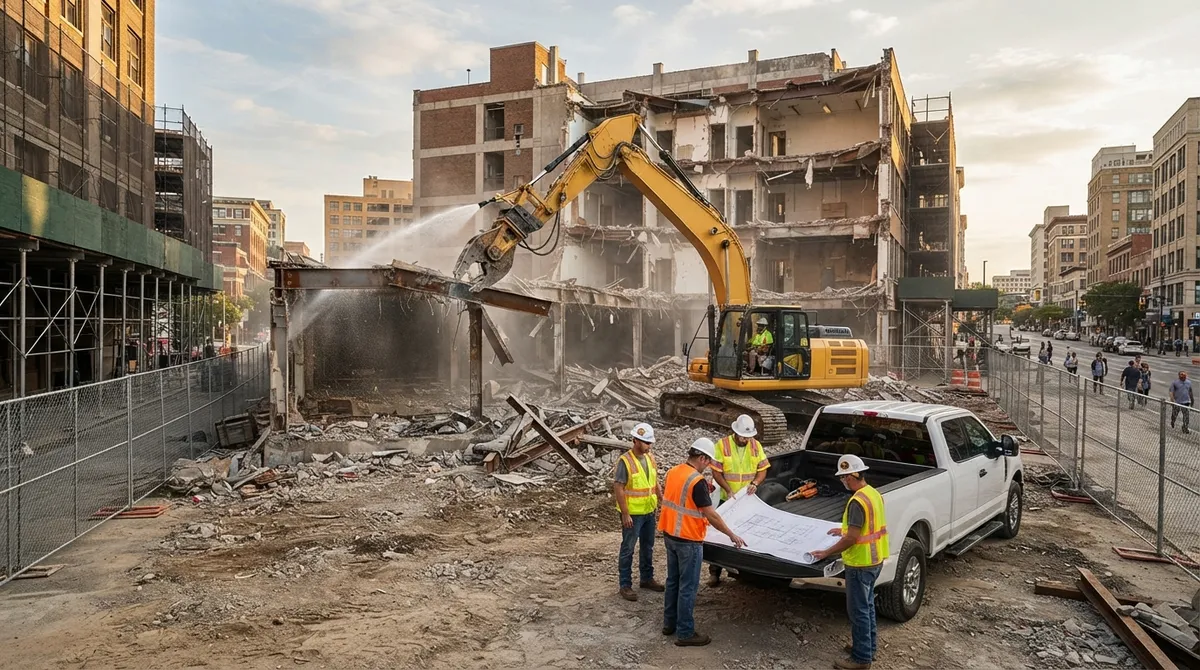
- Full structure removal for homes, garages, or commercial buildings. Learn more about building demolition.
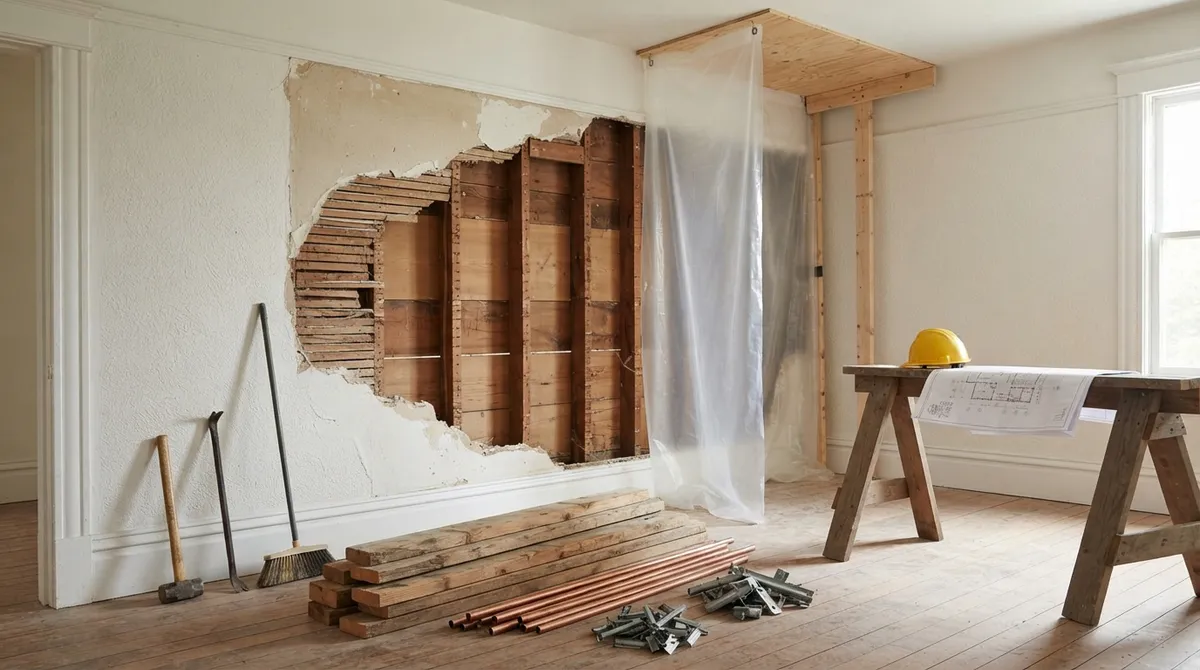
- Interior demolition for gutting rooms, walls, and fixtures. See our guide to interior demolition.
- Concrete removal for driveways, patios, slabs, and foundations. Read about concrete removal.
- Pool removal for reclaiming your backyard. Explore pool removal options.
- Landscaping removal for clearing grass, trees, and old features. Check out landscaping removal.
Take Notes and Photos
Walk the site and take clear photos. Measure the structure if you can. Note any tight access points, nearby fences, power lines, or neighboring buildings. These details change how the crew works, and they help contractors bid accurately.
Step 2: Understand Permits, Utilities, and Safety Rules
This part trips up many first-time owners. The good news is that a skilled contractor can guide you through it.
Permits and Notifications
Before any demolition, you will likely need permits, notices, and inspections. Rules vary by city and county. In Las Vegas, you can review the Las Vegas demolition permit guidelines to see what is expected. For projects in unincorporated areas, the Clark County Building Department is a helpful place to start.
Ask each contractor one simple question: “Who will pull each permit and pay each fee?” Get the answer in writing. If you want a deeper walkthrough, our article on permits you need to demolish a house is a great next read.
Utility Shutoffs
Electric, gas, water, and sewer lines must be shut off, capped, or controlled before work starts. This keeps crews and neighbors safe. A good contractor coordinates with the utility providers and tells you who handles each task.
The Pre-Demolition Survey
Federal OSHA rules require a competent person to complete an engineering survey before demolition begins. The contractor must keep a written copy. This survey checks the structure’s condition and spots hazards. Ask any contractor you interview if they do this step. If they hesitate, that is a red flag.
Step 3: Ask About Asbestos and Hazardous Materials
Older buildings may contain asbestos or other hazardous materials. This can change both your timeline and your project scope, so it is smart to ask early.
The U.S. EPA’s Asbestos NESHAP generally excludes residential buildings with four or fewer dwelling units. However, that exclusion does not apply in certain larger or mixed-use projects. Commercial, public, industrial, and institutional buildings often fall under the rule. Applicable projects need a thorough inspection and may need advance notice, controlled removal, and compliant waste handling.
EPA also sets thresholds for regulated material. These include 260 linear feet on pipes, 160 square feet on other facility components, or 35 cubic feet when the material cannot be measured by area or length. State and local rules may be stricter, so always confirm what applies near you.
Here is what to ask every contractor:
- Does your bid include asbestos testing?
- Who performs removal if asbestos is found?
- How is hazardous waste hauled and disposed of?
- Will found materials change the schedule?
If you manage a commercial or multi-family property, this step matters even more. Take a look at our piece on why asbestos removal comes before demolition for helpful background.
Step 4: Compare Bids the Smart Way
Now comes the fun part. You have several estimates in hand. Let’s make sense of them.
What a Good Estimate Should Include
A strong estimate is detailed and easy to read. Look for these items:
- The demolition method and equipment
- Debris removal, hauling, and disposal
- Site cleanup and final grading
- Permit and utility responsibilities
- Hazardous-material testing or abatement
- Exclusions and assumptions
- Timeline and payment milestones
Bid Comparison Checklist
| Item to Check | Why It Matters | What to Look For |
|---|---|---|
| Scope of work | Prevents surprise extras | Detailed, written, project-specific |
| Permits and fees | Avoids legal delays | Clear owner of each approval |
| Utility disconnects | Keeps the site safe | Shutoff plan in writing |
| Debris hauling | Affects cleanliness and cost | Hauling and landfill included |
| Hazardous materials | Impacts schedule and compliance | Testing and abatement plan |
| Insurance and license | Protects you from liability | Current proof on request |
| Final cleanup | Sets the finished condition | Defined grading and cleanup standard |
Put each bid side by side. If one is much lower, ask why. It may leave out hauling, permits, or cleanup. Ask each contractor to name any assumptions and possible extra charges before you sign.
What Affects Your Project Cost (Without Guessing Numbers)
Every site is different, so no single national figure fits every job. Instead, understand the factors that shape your quote. Then you can have smart conversations with contractors.
- Size and materials. Larger buildings and heavy materials like concrete or steel take more time and equipment.
- Demolition method. Hand work, mechanical demolition, and selective demolition each use different labor and tools.
- Site access. Tight lots and nearby buildings can slow the work and call for extra care.
- Debris volume and disposal. More debris means more hauling and landfill fees.
- Hazardous materials. Testing and abatement add steps and sometimes separate crews.
- Permits and inspections. Fees and timelines depend on your local authority.
Because costs vary so much by location and building, local project-specific quotes always beat generic estimates. If you want to dig deeper, read 6 key factors that affect the cost to tear down a house.
Step 5: Verify License, Insurance, and Experience
Before you sign anything, confirm your contractor is qualified. This protects you and your property.
Here is a simple verification list:
- Ask for a current license. Make sure it matches the work you need. Learn what makes a licensed demolition contractor essential.
- Request proof of insurance. Look for general liability and workers’ compensation coverage.
- Call references. Ask about communication, cleanliness, and whether the job stayed on schedule.
- Confirm who does specialty work. If asbestos or other hazards appear, find out who handles them.
- Review similar past jobs. Pick a team with experience in projects like yours.
You can also read our guide on how to verify a licensed and insured demolition contractor for more tips.
Red Flags to Watch For
Most contractors are honest and hardworking. Still, a few warning signs are worth knowing. Pause if you see any of these:
- A bid that is far below all the others with no clear reason
- No written estimate or a vague one-line price
- No mention of permits, utilities, or disposal
- Pressure to sign right now
- Large upfront payment requests
- No proof of license or insurance
- Skipping the pre-demolition survey
Trust your gut. A good contractor welcomes your questions and answers them clearly.
How to Protect Yourself in the Contract
The contract is your safety net. Read it carefully and ask for changes if something is unclear.
Key Terms to Confirm
- Start and finish dates with a realistic schedule
- Payment milestones tied to completed work, not just time
- Change-order process that requires written approval
- Cleanup standard that describes the final site condition
- Insurance and permit responsibilities listed by name
A clear change-order rule is especially helpful. If something unexpected comes up, you approve the extra work in writing before it happens. That keeps you in control.
Tips for Different Project Types
Every owner has different goals. Here are quick tips for your situation.
For Homeowners
Ask about dust control and noise, especially if neighbors are close. Confirm how your yard and driveway will be protected. If you are planning a remodel, see our guide on residential interior demolition.
For Builders and Developers
Tight timelines call for a contractor who can handle demolition, excavating, and grading together. One team that does it all keeps your schedule smooth. Learn more about excavating and grading and hauling services.
For Property Managers
Plan around tenants and business hours. Ask how the crew controls dust and noise and handles any hazardous materials. Clear communication matters on occupied sites.
For Renovation Contractors
Look for a partner who works well with your crew and respects your schedule. Selective demolition requires precision, so ask about experience with foundation repairs and interior work.
Why Choose 702 Demo for Your Project
If you want a trusted partner in Southern Nevada, 702 Demo is the best demolition contractor in Las Vegas. We are a full-service team that handles demolition, excavating, grading, concrete, and paving across Clark and Nye counties. That means fewer handoffs, clearer communication, and a smoother job from start to finish.
Our crew writes clear, itemized scopes so you know what is included before work begins. We coordinate permits, utility shutoffs, hauling, and cleanup, and we explain every step in plain language. Want to see how we work? Read why 702 Demo is the leading demolition contractor in Las Vegas, or see what our 702 Demo customers say on Google.
Your Quick Action Plan
Ready to move forward? Here is a simple summary you can follow today:
- Write down your project goals and take site photos.
- Check local permit and utility rules.
- Request itemized bids from at least three contractors.
- Compare scope, not just totals.
- Verify license, insurance, and references.
- Sign a clear contract with a written change-order process.
Follow these steps and you will feel confident from the first call to the final cleanup.
Final Thoughts
Finding an affordable demolition contractor is about value, not just a low number. The best choice gives you a clear scope, safe work, proper permits, and honest communication. When you ask smart questions and compare bids carefully, you protect your budget and your peace of mind.
You do not have to figure it all out alone. The 702 Demo team is happy to walk your site, answer your questions, and build a plan that fits your goals. Contact 702 Demo for a free estimate and take the first easy step toward a successful project.
FAQs
Q: How do I find an affordable demolition contractor near me?
A: Start by collecting at least three written, itemized bids from local, licensed contractors. Compare what each one includes, like permits, hauling, and cleanup, instead of only looking at the total. Then check licenses, insurance, and references before you decide.
Q: What should a demolition estimate include?
A: A good estimate lists the demolition method, debris removal, disposal, site cleanup, and who handles permits and utility shutoffs. It should also note any hazardous-material testing and spell out exclusions. The more detail you see, the fewer surprises you will have later.
Q: Do I need a permit to demolish a house?
A: In most places, yes. Permit, notification, and inspection rules vary by city and county, so check with your local building authority. Ask your contractor in writing who will pull each permit and pay each fee.
Q: Does a demolition contractor handle asbestos inspection and removal?
A: It depends on the contractor. Some handle testing and removal, while others hire specialists for that part. Always ask who does the work, and confirm that hazardous waste is hauled and disposed of in a compliant way.
Q: How can I compare demolition contractor bids?
A: Line the bids up side by side and compare scope, not just totals. Check that each one covers permits, utilities, hauling, landfill fees, hazardous materials, and final cleanup. If one bid is much lower, ask what is missing.