Key Takeaways
-
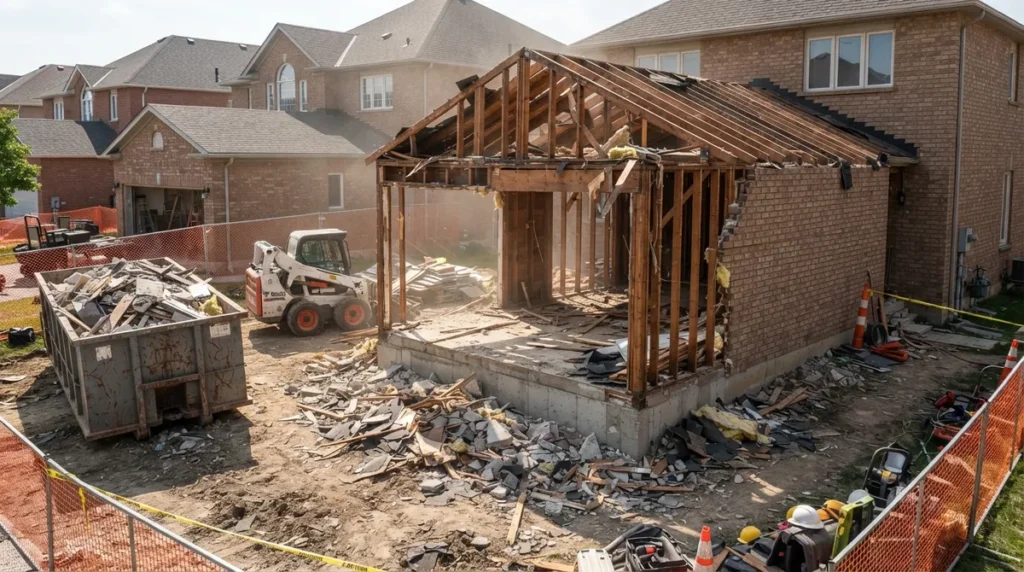
Garage demolition typically costs $1,000–$5,000 ($3–$10 per sq ft), but attached garages cost nearly double ($8–$10/sq ft) compared to detached ($4/sq ft) due to protection requirements for shared walls and utilities.
-
Concrete slab and foundation removal adds $1,000–$3,500 separately and is often not included in the initial demolition quote, so always confirm this scope in writing before work begins.
-
Older garages built before the 1980s may contain asbestos or lead paint, requiring $1,200–$4,000 in hazardous material testing and removal—a critical safety step that prevents legal liability and project delays.
-
Site access, debris hauling costs, and local permits ($50–$100) significantly impact final pricing; get detailed, itemized written estimates that specify what's included rather than comparing only bottom-line numbers.
Thinking about tearing down that old garage? You are not alone. Homeowners across Clark and Nye counties ask us the same question every week: what really goes into garage demolition cost? The truth is, there is no single number that fits every project. Your final price depends on size, materials, access, and a handful of other details we will walk through together.
Whether you are a homeowner planning a backyard makeover, a renovation contractor prepping a lot, or a real estate developer clearing land for a new build, understanding these cost factors helps you budget with confidence. Grab a cup of coffee, and let’s break down everything that affects garage demolition cost, one friendly step at a time.
1. Garage Size Is the Biggest Cost Driver
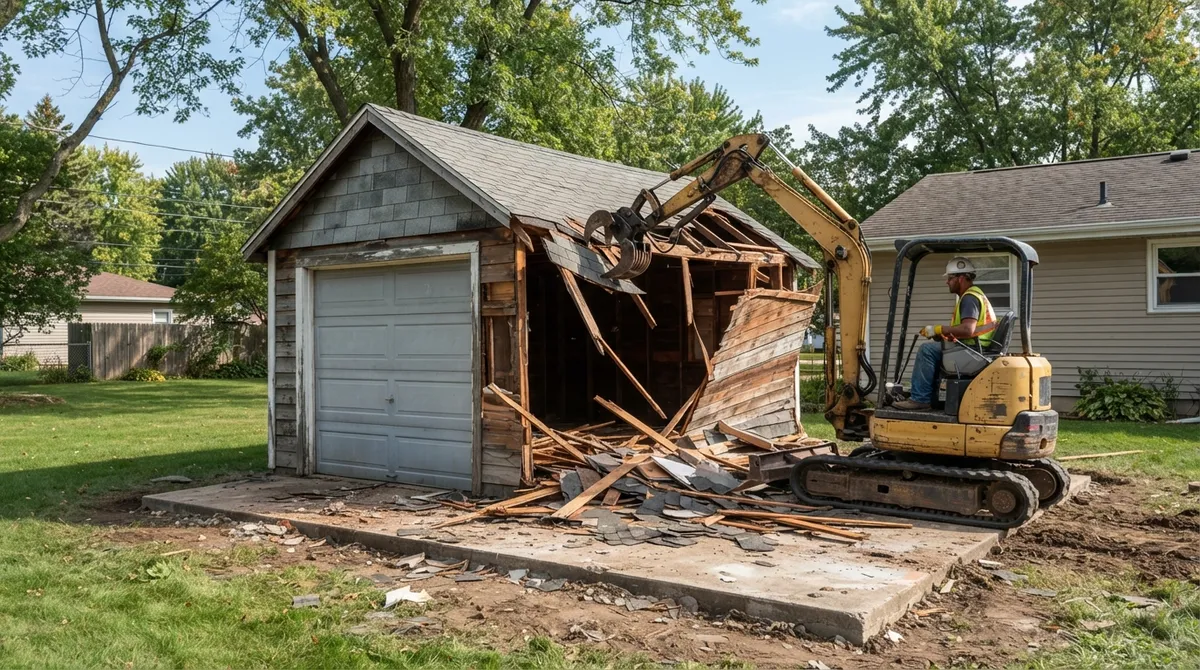
Square footage matters more than almost anything else. Consumer cost guides commonly estimate garage demolition at about $3 to $10 per square foot, with many straightforward projects landing somewhere around $1,000 to $5,000 total. A small one-car garage will naturally cost less to tear down than a large two-car or three-car structure.
Here is a quick way to think about it. More square footage means more materials to break apart, more debris to haul, and more labor hours on site. That is why contractors always start by measuring the structure before giving you any kind of number.
2. Attached vs Detached Garages Change the Price
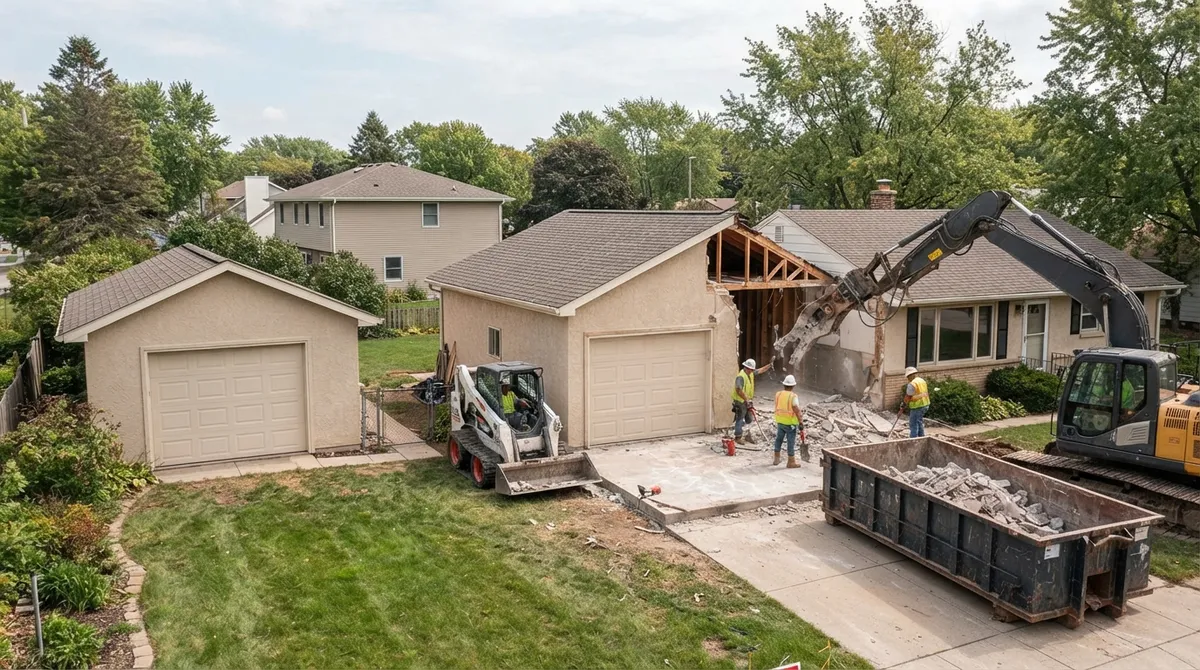
This one surprises a lot of homeowners. According to Angi’s 2026 garage demolition guide, detached garages run around $4 per square foot, while attached garages can cost $8 to $10 per square foot. Why the big jump?
Attached garages share a wall, roofline, or utility connections with your home. Crews have to work carefully to protect the house next door. This means more time, more precision, and sometimes extra bracing or shoring to keep everything safe.
- Detached garages allow equipment to work freely from all sides
- Attached garages require careful cutting along shared walls
- Utility lines often run through attached structures and need disconnection first
- Roof and siding tie-ins add extra labor for attached jobs
If your garage is attached, it is worth asking your contractor to walk through exactly how they plan to protect the rest of your home during the project.
3. Construction Materials Affect Labor and Time
Not all garages are built the same way, and that matters a lot for demolition. Wood-frame garages are generally quicker and less costly to take down. Brick, concrete block, and reinforced concrete structures take more muscle, more equipment time, and more careful handling.
Here is a simple ranking of typical difficulty, from easiest to toughest:
- Wood-frame garages with simple siding
- Metal or steel-frame garages
- Brick or concrete block garages
- Reinforced concrete garages with heavy foundations
Older garages sometimes hide surprises too, like extra layers of roofing or unexpected framing. A seasoned crew from a company like 702 Demo knows how to spot these issues early, before they turn into costly delays.
4. Concrete Slab and Foundation Removal Adds Up
Here is a question we get all the time: does garage demolition include the concrete floor? Sometimes it does, sometimes it does not. Always ask your contractor to spell this out clearly in writing.
HomeGuide estimates concrete foundation removal at about $1 to $3 per square foot as part of a demolition project. A separate concrete removal guide places the broader range, including disposal, at $3 to $8 per square foot. For a typical two-car garage floor, concrete removal often lands somewhere between $1,000 and $3,500.
| Service Included | Typical Cost Range | Notes |
|---|---|---|
| Structure demolition only | $3–$10 per sq ft | Wood frame typically cheaper than block or brick |
| Foundation/slab removal | $1–$3 per sq ft | Sometimes bundled with full demolition |
| Concrete removal with disposal | $3–$8 per sq ft | Broader scope, includes hauling |
| Asbestos material removal | $1,200–$4,000 | Only needed for older structures with hazardous materials |
If you are also removing a driveway or patio slab nearby, our concrete removal guide covers that process in more detail.
5. Permits and Utility Disconnections Are Usually Required
Most jurisdictions require a demolition permit before any work begins. Angi reports an average garage demolition permit cost of about $100, though local ranges can run anywhere from $50 to $100 depending on your city or county rules.
Before you schedule demolition day, check these boxes:
- Confirm permit requirements with your local building department
- Disconnect electrical, gas, and water lines running to the garage
- Notify neighbors if equipment access requires shared driveways
- Review setback rules if you plan to rebuild on the same site
Residents in our service area can review the Las Vegas demolition permit guidelines for specifics, and Clark County property owners should also check with the Clark County Building Department for local requirements. A trustworthy contractor should handle these steps for you, so you do not have to chase paperwork on your own.
6. Hazardous Materials Can Raise the Price
Older garages, especially those built decades ago, sometimes contain asbestos roofing, siding, or old lead paint. These materials need proper testing and safe removal before demolition can move forward.
Angi estimates asbestos removal for an average-sized garage at roughly $1,200 to $4,000. That is a real number worth planning for if your garage was built before the 1980s. Skipping this step is not just risky, it can also violate local health and safety rules.
Here is why this step matters so much:
- Hazardous materials pose health risks to crews and neighbors
- Improper disposal can lead to fines or legal trouble
- Testing upfront prevents costly surprises mid-project
- Licensed abatement teams follow strict safety protocols
A licensed team, like the folks at 702 Demo, always checks for these red flags before swinging a single hammer. If you want to understand why licensing matters so much for a project like this, take a look at our article on what makes a licensed demolition contractor essential for your project.
7. Site Access and Debris Hauling Impact Final Cost
Can a truck pull right up to your garage, or does the crew have to haul everything by hand through a narrow side yard? Access changes everything about how fast and how smoothly a demolition can happen.
Debris hauling is its own cost factor too. Wood, metal, concrete, and roofing materials all need to go somewhere, and disposal fees vary by material type and local landfill rules. Our hauling services page breaks down what is typically included in this part of the process.
Things that can slow down access and raise costs include:
- Narrow side yards or gated entries
- Overhead power lines near the structure
- Shared fences or property lines with neighbors
- Landscaping or trees blocking equipment paths
What a Complete Garage Demolition Estimate Should Include
Before you sign anything, make sure your written estimate clearly lists these items:
- Demolition method and equipment to be used
- Protection measures for attached structures or neighboring property
- Utility disconnection responsibilities
- Hazardous material testing or abatement, if needed
- Whether slab and foundation removal is included
- Hauling, disposal, and site grading after demolition
- Permit acquisition and fees
Comparing quotes side by side on the same scope of work, rather than just comparing bottom-line numbers, helps you avoid confusion later. A vague estimate almost always leads to surprise charges down the road.
DIY vs Hiring a Licensed Contractor
We understand the appeal of doing it yourself, especially for a small detached shed-style garage. But garage demolition involves more risk than most people expect. Structural collapse, hidden electrical lines, and hazardous materials are real concerns.
Licensed contractors carry insurance, know local permit rules, and have the right equipment to do the job safely and efficiently. If you are weighing your options, our guide on how to plan a safe garage demolition walks through the key safety steps involved.
Why Local Experience Matters in Clark and Nye Counties
Every region has its own rules, soil conditions, and permit processes. Working with a contractor who knows Clark and Nye counties inside and out saves you time and headaches. 702 Demo has spent years serving homeowners, builders, and property managers throughout this area, handling everything from small detached garages to large commercial site clearing.
Curious what past customers have to say? You can visit us on Google — 702 Demo to read real reviews from folks just like you. We think you will like what you find.
Bringing It All Together
Garage demolition cost depends on a mix of size, materials, access, permits, and whether hazardous materials are present. The good news is that a knowledgeable contractor can walk you through each of these factors before work ever begins, so there are no surprises waiting for you later.
Whether you are a homeowner clearing space for a new build, a property manager tackling a maintenance project, or a developer prepping a commercial site, getting a clear, itemized estimate is the smartest first step. If you want expert eyes on your project, contact 702 Demo for a free estimate and let’s talk through your garage demolition plans together. We are here, we are local, and we are ready to help you move forward with confidence.
FAQs
Q: How much does it cost to demolish a garage?
A: Most garage demolition projects fall between $1,000 and $5,000, with rates commonly running $3 to $10 per square foot. Your final number depends on size, materials, and whether the slab needs removal too. The best way to know for sure is to get a written estimate for your specific garage.
Q: Does garage demolition cost more if the garage is attached to the house?
A: Yes, attached garages typically cost more because crews must protect the shared wall and disconnect utilities carefully. Detached garages run around $4 per square foot, while attached ones often run $8 to $10 per square foot. The extra care and time involved is what drives that difference.
Q: Do I need a permit to demolish a garage?
A: In most areas, yes, you will need a demolition permit before work begins. Permit fees average around $100, though this varies by city and county rules. A good contractor will help you handle this paperwork so you do not have to worry about it.
Q: How much does asbestos removal add to garage demolition cost?
A: If your garage was built before the 1980s and contains asbestos materials, removal typically adds $1,200 to $4,000 to your project. This step is important for safety and legal compliance, so it is always worth testing older structures first. Skipping it can lead to bigger problems down the road.
Q: Can I demolish a garage myself, or do I need a licensed contractor?
A: While small, simple structures might seem doable on your own, garage demolition carries real risks like hidden utilities and structural collapse. A licensed contractor brings the right equipment, insurance, and local permit knowledge to keep the project safe. We always recommend getting a professional opinion, even if you plan to do some work yourself.