Key Takeaways
-
OSHA requires a documented engineering survey before any demolition begins to assess structure condition and prevent unplanned collapses; skipping this step accounts for up to 75% of demolition worksite citations.
-
Top-down mechanical demolition is the safest method for urban parking garages as it provides better control over debris, dust, and vibration compared to other approaches like explosives or crane dismantling.
-
Parking garage demolition requires careful sequencing of floor removal, utility disconnection, hazardous material testing, and protective barriers (42+ inches high, 6+ feet from edges) to prevent collapses and injuries.
-
Permits and local requirements vary by city and county; Las Vegas follows city guidelines while other areas fall under Clark County Building Department rules, making early contractor coordination essential.
-
Most parking garage materials are recyclable: reinforcing steel is separated and recycled, clean concrete is crushed into aggregate, and proper material sorting reduces disposal costs and environmental impact.
-
Professional licensing, specialized equipment, and years of experience are essential because parking structures have multiple stacked levels, post-tensioned concrete, ramps, and limited access requiring precise demolition planning.
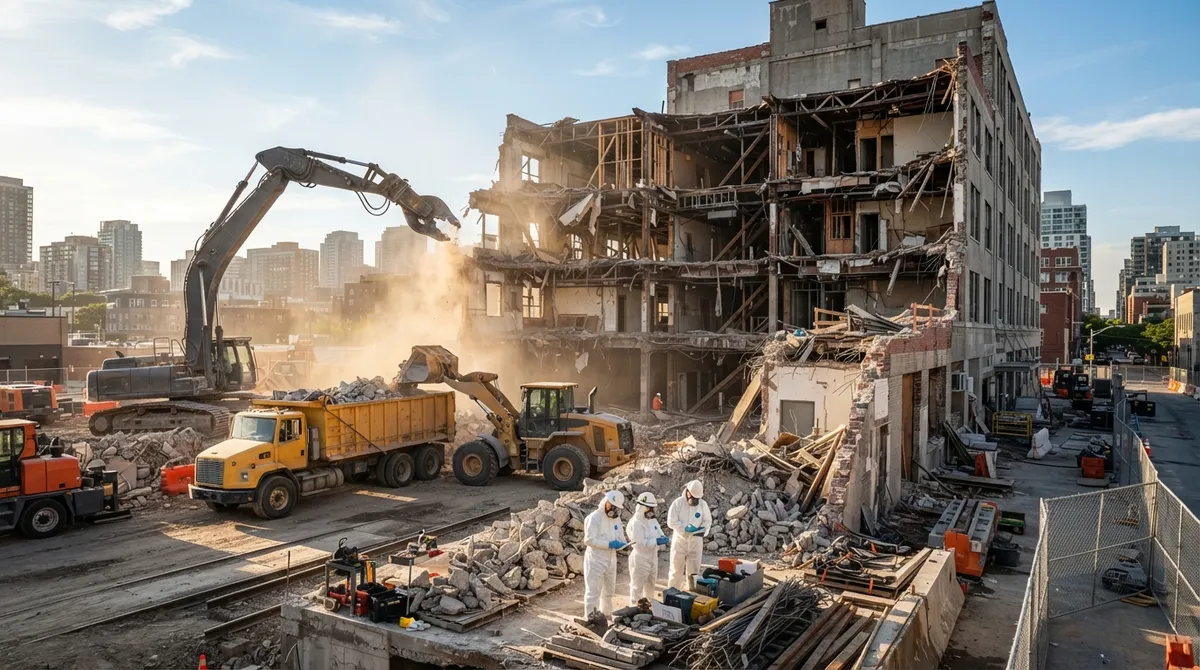
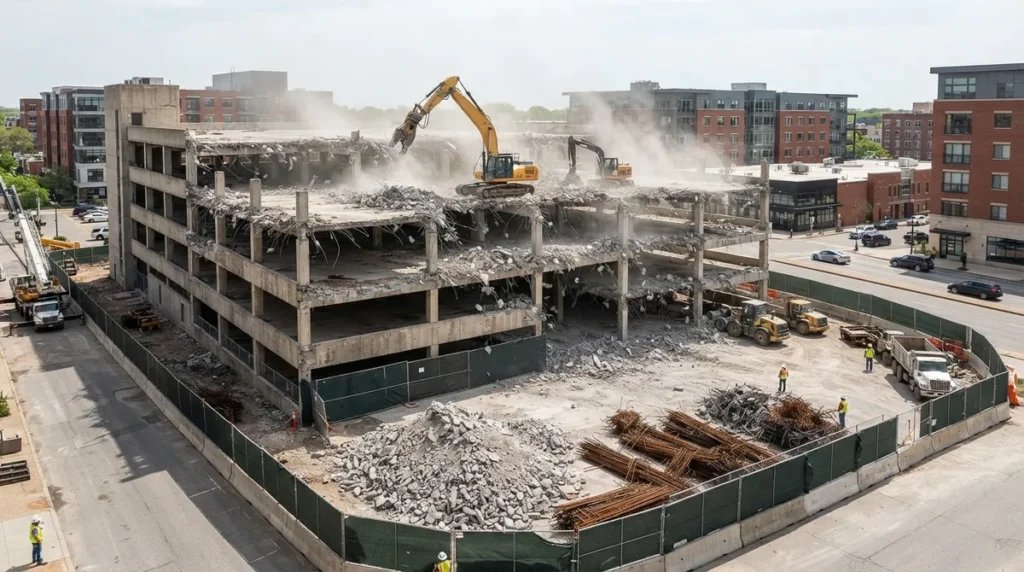
Tearing down a parking garage is not like knocking down a small backyard shed. These structures are big, tall, and often sit right next to busy streets, shopping centers, or office buildings. Whether you are a property manager dealing with an aging structure or a developer clearing land for something new, parking garage demolition takes careful planning, the right team, and a whole lot of safety know-how. Grab a cup of coffee, and let’s walk through exactly what goes into doing this job the right way.
If you own or manage property in Clark or Nye County, you already know how fast Las Vegas and the surrounding areas are growing. Old parking structures are coming down to make room for new hotels, apartments, and retail centers. The good news? You don’t have to figure this out alone. Our team at 702 Demo has spent years helping property owners across Nevada handle big demolition projects safely and smoothly. Let’s break down what a parking garage demolition really involves.
What Is Parking Garage Demolition?
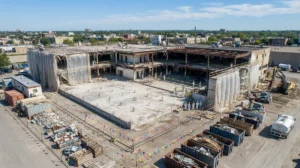
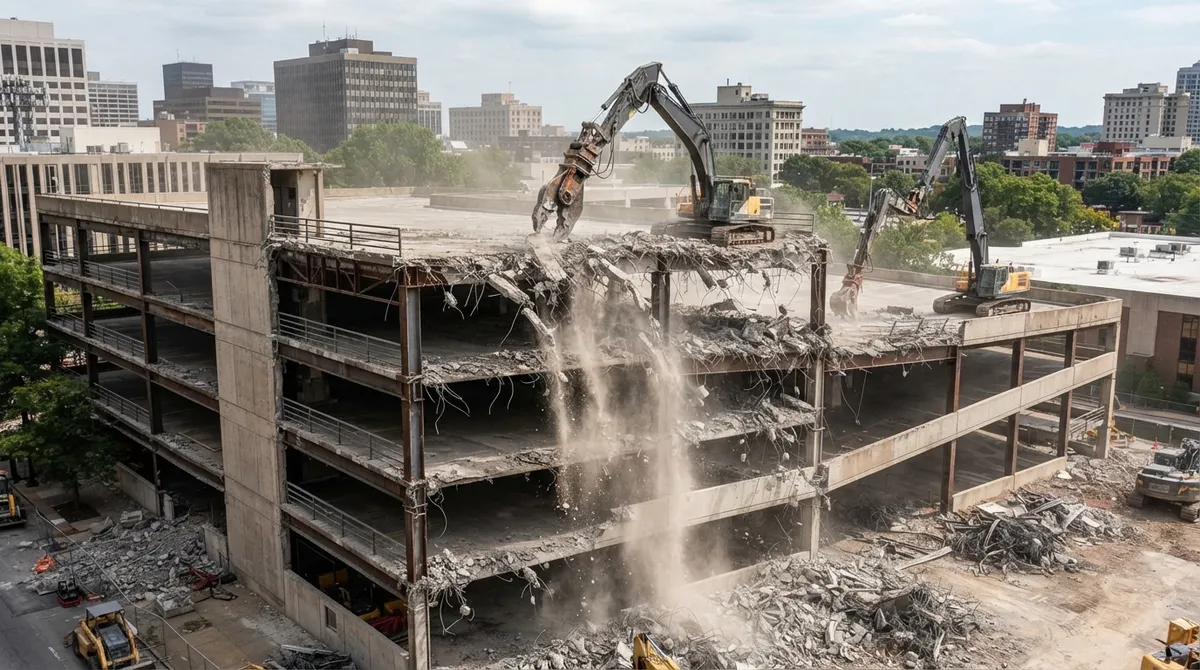
Parking garage demolition means safely taking apart a parking structure, piece by piece, until the site is clear. This includes concrete decks, ramps, columns, beams, steel supports, and the foundation itself. Some garages are made from cast-in-place concrete, while others use precast panels or steel framing. Each type needs a slightly different demolition approach.
These structures are tricky because they have multiple levels stacked on top of each other. Ramps, suspended slabs, and heavy support columns all need to be handled in a specific order. One wrong move can cause a partial collapse, so this is not a job for guesswork. It takes trained crews, heavy equipment, and a solid plan from day one.
Why Parking Garages Are Trickier Than Other Buildings
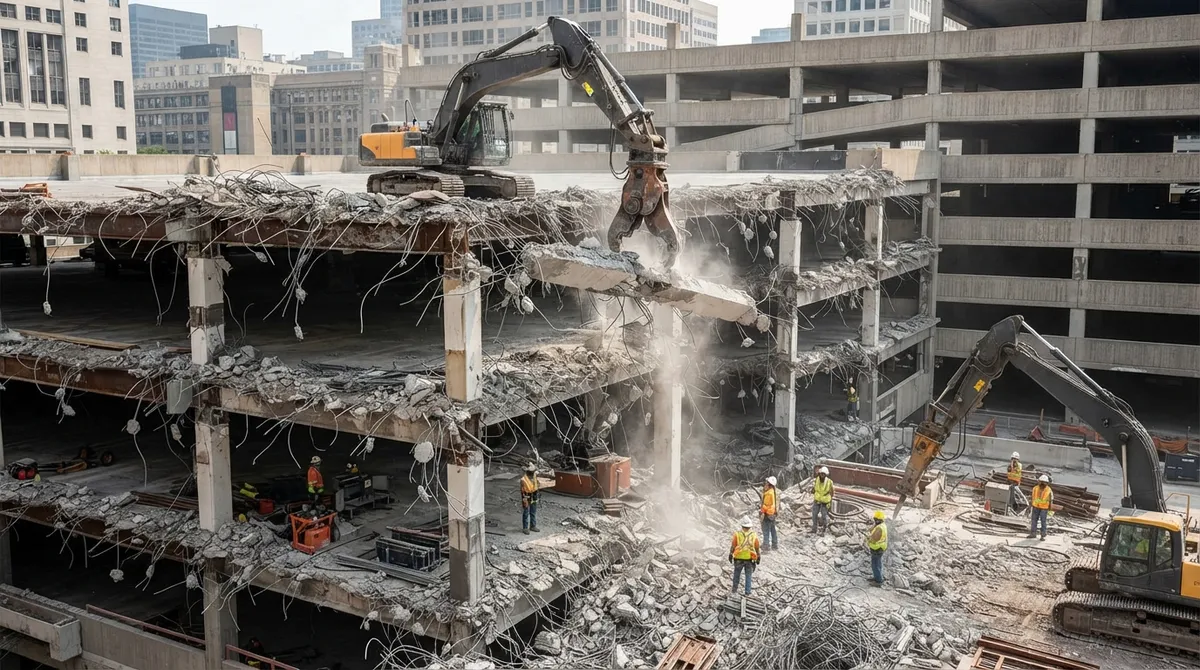
You might think concrete is concrete, but parking structures come with their own set of headaches. Here’s what makes them different from a typical building teardown:
- Multiple floor levels stacked directly on top of each other
- Ramps that connect floors and affect how equipment can move
- Post-tensioned or heavily reinforced concrete slabs
- Suspended decks that were built to hold cars, not demolition machines
- Limited access points for large equipment
- Close proximity to occupied buildings, sidewalks, or active roads
Because of these challenges, demolition crews have to think carefully about weight limits, equipment placement, and the order in which floors come down. Overloading a floor with heavy machinery can be dangerous, so every step gets planned in advance.
The Main Methods Used for Parking Garage Demolition
There is more than one way to bring down a parking structure. The right method depends on the site, the surrounding area, and the project goals. Here are the most common approaches:
1. Top-Down Mechanical Demolition
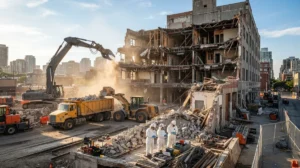
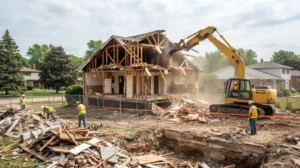
This is the most popular method, especially in busy urban areas like Las Vegas. Crews use excavators fitted with hydraulic breakers, shears, or pulverizers to work from the top floor downward. This keeps things controlled and limits dust, noise, and vibration.
2. Selective or Partial Demolition
Sometimes only part of a garage needs to come down. Maybe a building is being rebuilt in phases, or a section is damaged while the rest stays in use. Selective demolition lets crews remove specific areas without disturbing the rest of the structure. Check out our guide on interior demolition secrets that save money for more on targeted removal work.
3. Dismantling With Cranes and Cutting Tools
For structures with valuable steel or precast panels, crews may carefully dismantle sections using cranes and cutting equipment. This method helps recover materials for recycling and reduces flying debris.
4. Engineered Explosive Demolition
This method is rare and only used in specific situations, usually for large, isolated structures. It requires a licensed blasting contractor, detailed engineering, and strict safety zones. Most urban parking garage projects skip this method because mechanical demolition gives better control.
| Method | Best For | Key Benefit |
|---|---|---|
| Top-Down Mechanical | Urban sites, tight spaces | Better control over dust and debris |
| Selective Demolition | Partial teardowns, phased projects | Keeps rest of structure operational |
| Crane Dismantling | Steel-heavy or precast structures | Higher material recovery for recycling |
| Explosive Demolition | Large, isolated structures | Fast full-structure removal |
Step-by-Step: How a Parking Garage Demolition Project Works
Every safe demolition project follows a similar path. Here is the typical sequence from start to finish:
- Site Investigation: Engineers inspect the structure to understand its condition and layout.
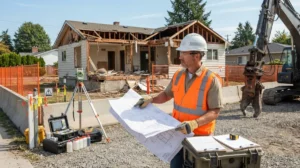
- Structural Engineering Survey: A competent person documents the framing, floors, and any risk of unplanned collapse, as required under OSHA rules.
- Permits and Notifications: Contractors apply for permits and notify neighboring properties and city officials.
- Utility Disconnection: Electrical, gas, water, and other lines get shut off, capped, or rerouted.
- Hazardous Material Testing: Crews test for asbestos, lead, mold, or other hazards before work begins.
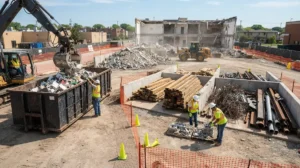
- Traffic and Pedestrian Controls: Barriers, signage, and exclusion zones protect people nearby.
- Shoring and Bracing (if needed): Temporary supports keep adjacent structures stable.
- Top-Down Demolition: Crews remove the structure floor by floor, following the engineered plan.
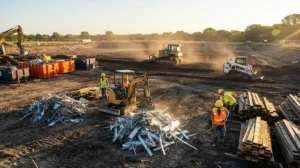
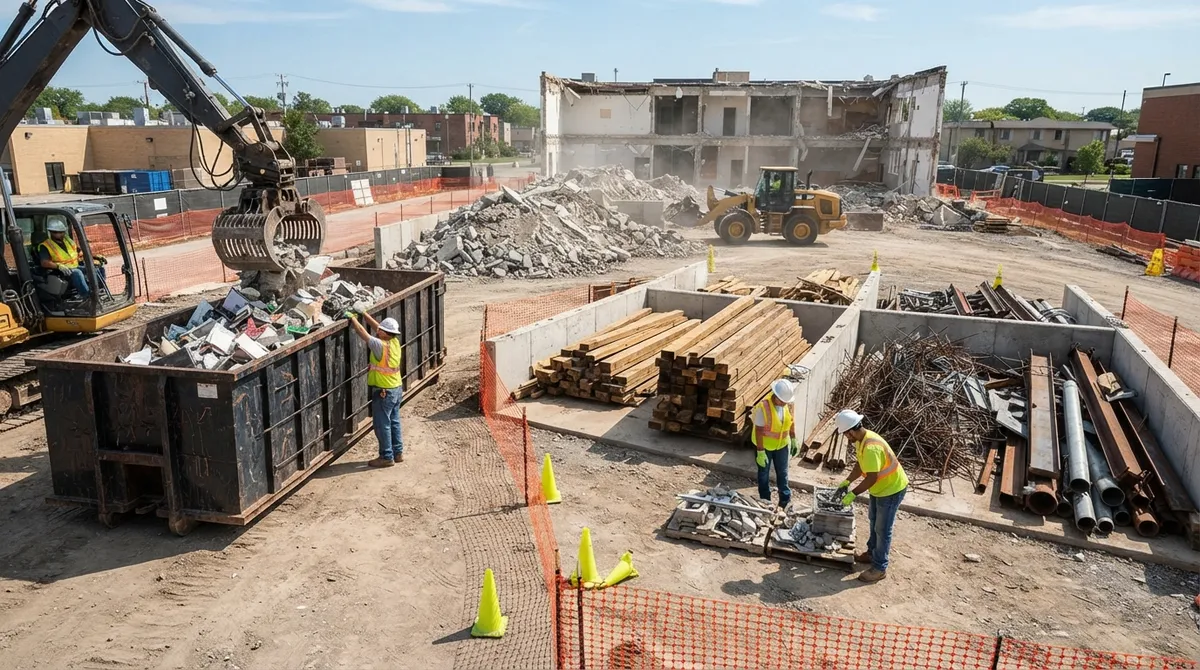
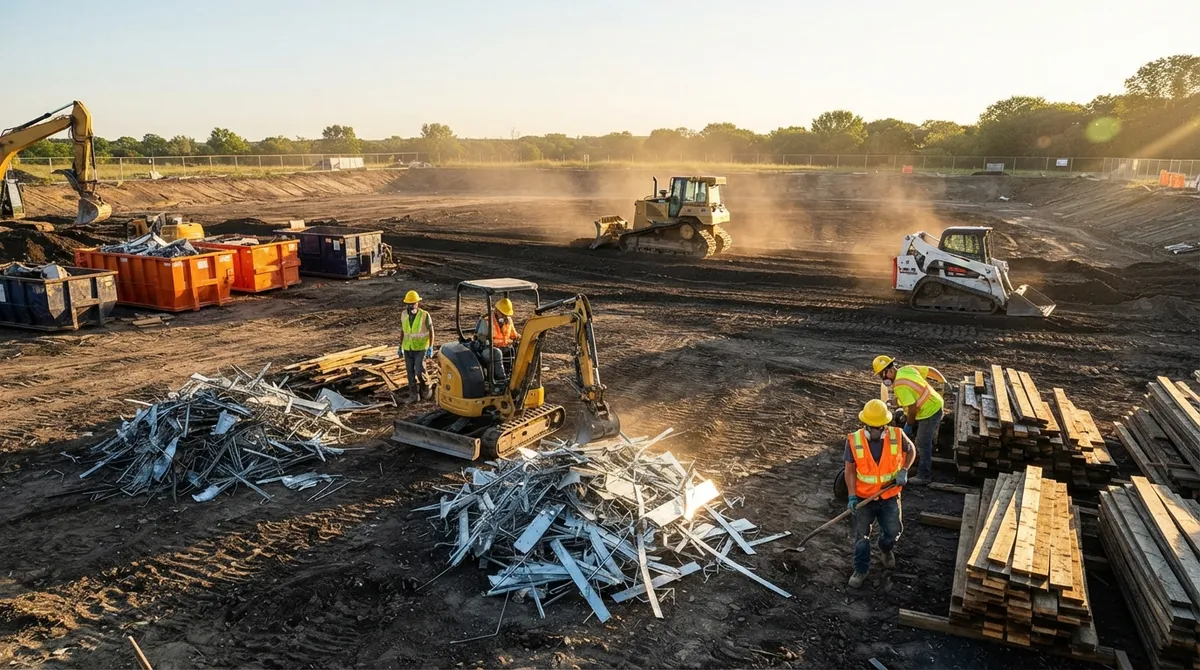
- Debris Processing and Recycling: Concrete gets crushed, and steel gets separated for recycling.
- Foundation Removal: Footings and underground structures are removed.
- Site Restoration: The lot is graded and prepared for its next use.
This sequence keeps everyone safe and helps the project stay on schedule. Skipping steps, especially the engineering survey, is one of the most common (and dangerous) mistakes contractors can make.
Safety Rules You Should Know About
Demolition work falls under strict federal safety rules. The Occupational Safety and Health Administration requires a documented engineering survey before any demolition begins, according to OSHA’s demolition standards. This survey checks the condition of floors, walls, and framing, and looks for signs of possible collapse.
OSHA guidance also shows that a large share of demolition violations come from skipping this survey step. In fact, preparatory-operation violations account for up to three-fourths of all demolition worksite citations. That’s a big number, and it shows just how important proper planning really is.
Here are a few more safety requirements worth knowing:
- Floor-opening barricades must be at least 42 inches high
- Barricades must sit at least 6 feet back from open edges when debris is dropped without a chute
- Entrances to multistory buildings need protective canopies extending at least 8 feet from the building face
- Wall openings need fall protection at about 42 inches high
- All utilities must be verified as safe before crews start working
You can review the full regulatory language in 29 CFR Part 1926 Subpart T if you want to dig into the details. It’s a lot of reading, but it explains exactly why professional demolition crews follow such a careful process.
Permits and Local Requirements in Nevada
Before any demolition equipment shows up, you will need the right permits. Requirements vary depending on your city and county. If your project is in Las Vegas, you can review the Las Vegas demolition permit guidelines for specific submission steps. Projects elsewhere in the region often go through the Clark County Building Department.
Permitting can feel like a maze if you have never done it before. That’s one reason so many property owners turn to experienced contractors instead of tackling it solo. Our team helps clients handle paperwork, inspections, and scheduling so nothing slows the project down. Learn more about how licensing works in our article on why a licensed demolition contractor matters.
What Happens to the Materials?
Good news for anyone who cares about sustainability: most parking garage materials can be reused or recycled. Here’s a quick breakdown:
- Reinforcing steel is separated and sent to recycling facilities.
- Clean concrete gets crushed into aggregate for new construction or fill material.
- Contaminated materials are sorted and disposed of according to local rules.
- Any remaining debris is hauled away and processed properly.
Recycling not only helps the environment, it can also reduce disposal costs. If you’re planning a large teardown, ask your contractor about their recycling process. For related site cleanup needs, check out our hauling services and concrete removal guide.
Keeping Dust, Noise, and Traffic Under Control
Parking garages are often located in busy areas, so keeping neighbors happy matters. Here are common environmental controls used during demolition:
- Water spraying to control dust
- Noise and vibration monitoring equipment
- Stormwater protection measures
- Traffic control plans for nearby roads
- Screening debris piles to prevent material from blowing around
These steps protect nearby buildings, pedestrians, and the environment while keeping the project moving forward. If your project sits near occupied buildings or busy streets, ask your contractor how they plan to manage these factors.
Why Hire a Professional Demolition Contractor
Parking garage demolition is not a DIY project. It takes licensed professionals, heavy equipment, and years of hands-on experience to do it safely. Here’s why working with a trusted team matters:
- Proper engineering surveys reduce collapse risks
- Experienced crews know how to sequence floor removal safely
- Licensed contractors handle permits and inspections correctly
- Professional equipment gets the job done faster and safer
- Recycling programs reduce waste and environmental impact
At 702 Demo, we’ve built our reputation across Clark and Nye counties by putting safety and precision first. Whether you’re a commercial developer or a property manager overseeing an aging structure, our crews bring the right equipment and know-how to every job site.
Curious what other clients think? You can visit us on Google — 702 Demo to read real reviews from property owners across Las Vegas and beyond.
Common Mistakes to Avoid
Even experienced property owners can run into trouble if they skip important steps. Watch out for these common mistakes:
- Skipping the engineering survey before demolition starts
- Failing to shut off or verify utilities properly
- Ignoring hazardous material testing
- Not planning for adjacent building protection
- Choosing a contractor without proper licensing
Avoiding these mistakes keeps your project safe, on schedule, and free from costly delays. A qualified contractor will walk you through each step so nothing gets overlooked.
Ready to Start Your Parking Garage Demolition?
Parking garage demolition is a big job, but it doesn’t have to be stressful. With the right team, a solid plan, and careful attention to safety, your project can move forward smoothly from start to finish. Whether you’re clearing land for new development or removing an aging structure, having experienced professionals by your side makes all the difference.
Our team at 702 Demo has helped property owners, developers, and contractors across Clark and Nye counties handle demolition projects of every size. We’d love to help with yours too. Contact 702 Demo for a free estimate and let’s talk through your project details today.
FAQs
Q: How much does it cost to demolish a parking garage?
A: Costs really depend on the size, height, and condition of your structure, plus things like hazardous material removal and access challenges. Every project is different, so it’s best to get a personalized estimate. Reach out to our team and we’ll walk you through what affects your specific project.
Q: What is the safest method for parking garage demolition?
A: Top-down mechanical demolition is usually the safest choice, especially in busy areas like Las Vegas. It gives crews better control over debris, dust, and vibration compared to other methods. Your contractor will recommend the best approach based on your site’s layout and surroundings.
Q: Do I need an engineering survey before demolishing a parking structure?
A: Yes, absolutely! OSHA requires a documented engineering survey before any demolition work begins. This survey checks the structure’s condition and helps prevent unplanned collapses, so it’s a step you never want to skip.
Q: Can concrete and steel from a demolished parking garage be recycled?
A: You bet! Reinforcing steel gets separated and recycled, while clean concrete is often crushed into aggregate for new projects. Recycling helps reduce waste and can be a great option depending on your project’s needs.
Q: What permits are required for parking garage demolition?
A: Permit requirements vary by city and county, so you’ll want to check with your local building department early on. In Las Vegas, you’ll follow city guidelines, while other areas may fall under Clark County rules. A licensed contractor can help you navigate this process smoothly.