Key Takeaways
-
Ground Penetrating Radar (GPR) scanning is critical before demolition begins to detect hidden utilities, pipes, and rebar, preventing costly damage and safety hazards that can occur from hitting gas lines or electrical conduits.
-
Commercial concrete demolition requires specialized equipment including hydraulic breakers, excavators, jackhammers, concrete saws, and core drills operated by trained professionals—not a DIY job with basic tools.
-
Project timelines vary significantly: small interior slabs take days, parking lots take 1-2 weeks, and full foundations take 2-4 weeks; communication with experienced contractors helps maintain schedules.
-
Concrete recycling programs can achieve 100% reuse rates by crushing debris into aggregate for new roads and foundations, supporting green building goals while reducing landfill waste.
-
Selective demolition preserves specific building sections during interior remodels using precision techniques, while structural demolition uses heavy equipment to remove entire foundations for complete site clearing.
-
Protection measures like vibration monitoring, dust control systems, temporary barriers, and utility coordination are essential in busy commercial areas to prevent damage to nearby structures and maintain safety.
So you’ve got a big slab of old concrete standing between you and your next project. Maybe it’s a cracked parking lot, a tired foundation, or an entire warehouse floor that needs to go. Take a deep breath, friend. Commercial concrete demolition might sound intimidating, but with the right plan and the right crew, it’s actually a pretty smooth process. Think of this guide as your friendly roadmap, written for busy builders, property managers, and developers who just want the job done right.
Whether you’re a commercial builder racing against a deadline or a property manager juggling a dozen other tasks, understanding how commercial concrete demolition works will save you time, money, and a few headaches. We’ll walk through equipment, timelines, safety steps, and recycling—all in plain, simple language. By the end, you’ll feel confident enough to talk shop with any demolition crew, including the folks at 702 Demo, who handle these projects across Clark and Nye counties every day.
What Is Commercial Concrete Demolition, Exactly?
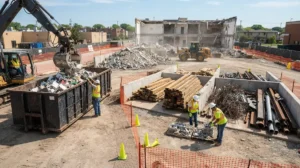
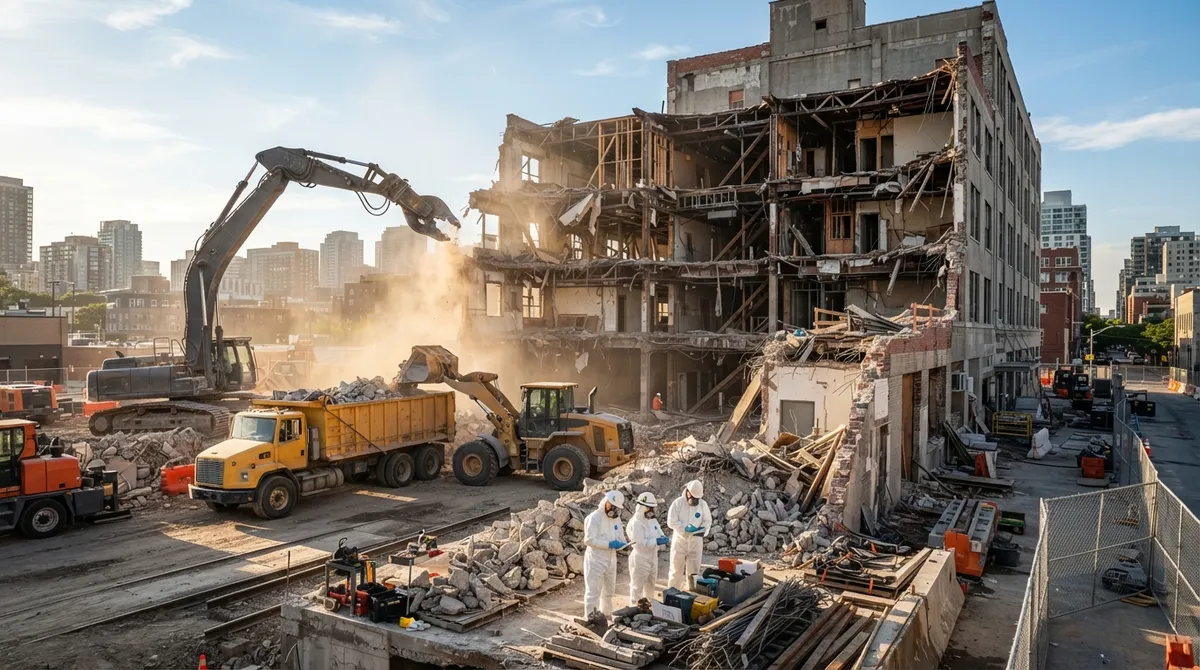
Commercial concrete demolition means removing slabs, walls, foundations, and pavements from business or industrial properties. This clears the way for new construction, renovations, or a total site makeover. It’s different from residential work because commercial sites are often bigger, busier, and packed with underground utilities.
Picture an old strip mall getting torn down to make room for new retail space. Or a warehouse floor that needs to come out before new equipment moves in. That’s commercial concrete demolition in action. It’s detailed work that takes planning, muscle, and the right tools.
Why Businesses Need This Service
Here are some common reasons commercial property owners call in demolition pros:
- Removing cracked or outdated parking lots before repaving
- Clearing old building foundations for new construction
- Tearing out interior concrete walls during a remodel
- Preparing raw land for a brand-new commercial development
- Removing damaged loading docks or industrial pads
- Clearing sidewalks and walkways for ADA compliance upgrades
If any of these sound familiar, you’re in the right place. Real estate developers and commercial builders across Nevada rely on services like concrete removal to keep their projects moving forward.
The Equipment That Gets the Job Done
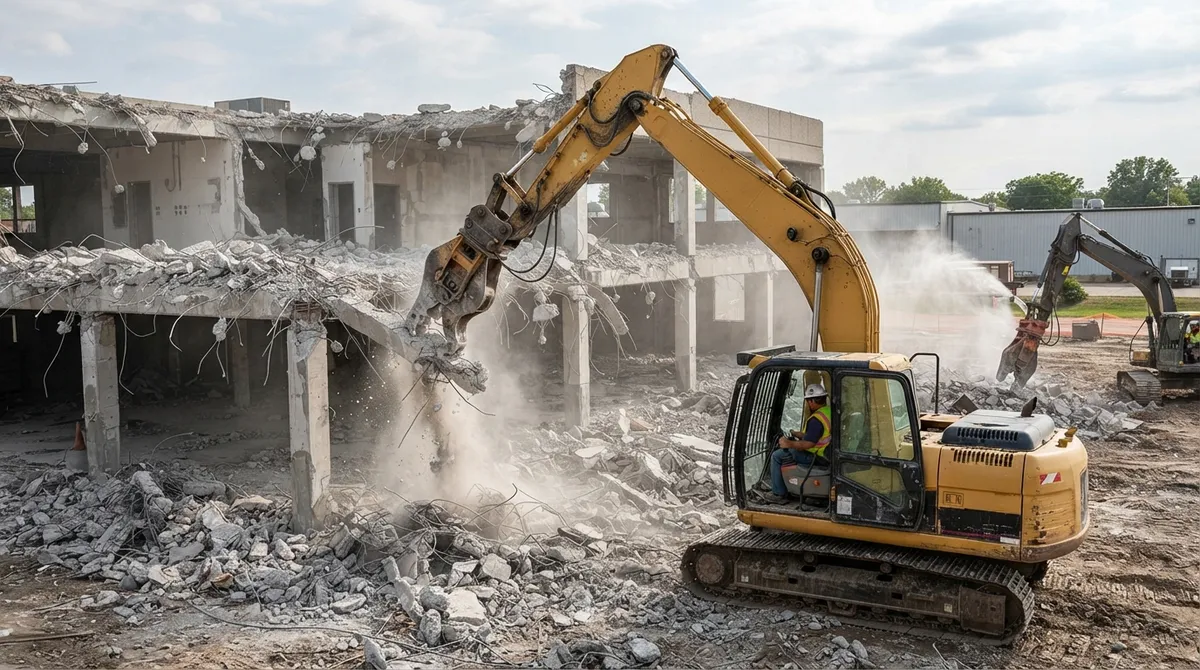
You can’t break through thick commercial concrete with a hammer and some elbow grease. This job calls for serious machinery, operated by trained professionals who know how to handle it safely.
Heavy Equipment Used in Commercial Concrete Demolition
- Hydraulic breakers: These attach to excavators and pound through thick concrete slabs quickly.
- Excavators: Used for breaking, lifting, and loading concrete debris onto trucks.
- Jackhammers: Great for smaller, more precise jobs or tight spaces.
- Concrete saws: Used for flat sawing and wall sawing to cut clean lines before removal.
- Core drills: Perfect for creating openings for pipes, utilities, or inspections.
- Hauling trucks: Move broken concrete off-site quickly so work can keep moving.
This mix of tools lets crews handle everything from a small interior slab to a massive parking structure. Saw cutting techniques, in particular, are a favorite for jobs that need precision, like interior demolition in active commercial buildings.
The Step-by-Step Process of Commercial Concrete Demolition
Every good demolition project follows a clear process. Skipping steps can lead to safety issues, delays, or damage to nearby structures. Here’s how it typically works.
1. Site Assessment and Planning
The crew visits the site to check the scope of work. They look at the size of the concrete, its location, and what’s nearby. This step also includes checking for permits required by local authorities, including the Las Vegas demolition permit guidelines.
2. Ground Penetrating Radar (GPR) Scanning
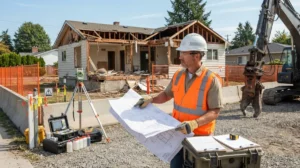
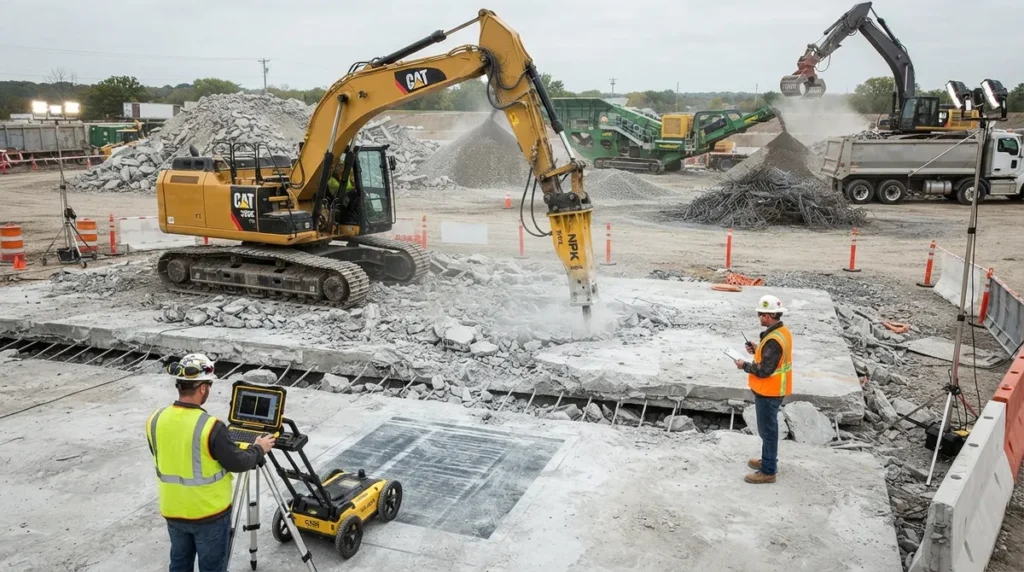
Before any breaking begins, a GPR scan checks for hidden utilities, pipes, or rebar underneath the concrete. This step is critical. It prevents costly surprises like hitting a gas line or electrical conduit. Skipping this step is one of the biggest mistakes in commercial demolition.
3. Utility Shutoff and Site Prep
Once the scan is complete, crews shut off any utilities in the work area. They also set up barriers, dust control measures, and safety signage to protect workers and bystanders.
4. Saw Cutting or Breaking
Depending on the project, crews either saw cut the concrete into manageable sections or use hydraulic breakers to crush it. Saw cutting is often used for precision work, like removing a section of floor without disturbing the rest of the building.
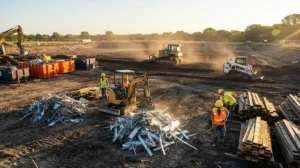
5. Debris Removal and Hauling
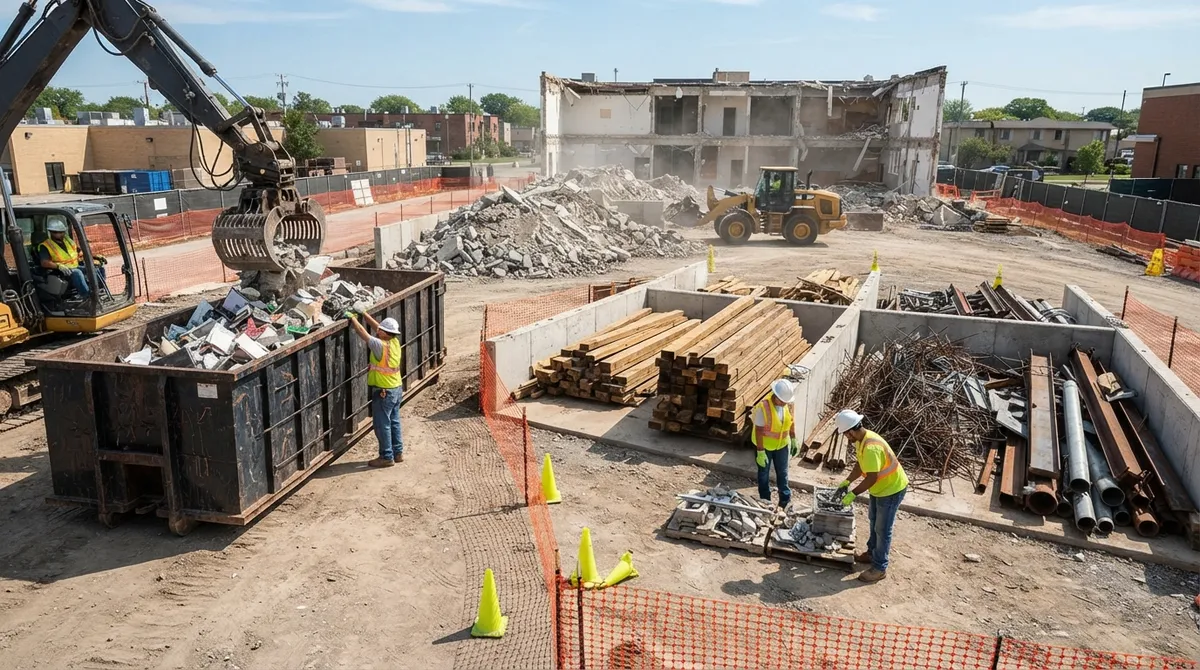
Broken concrete gets loaded onto trucks and hauled away. Many contractors, including hauling services teams, coordinate this step closely so debris doesn’t pile up and slow down the project.
6. Recycling the Concrete
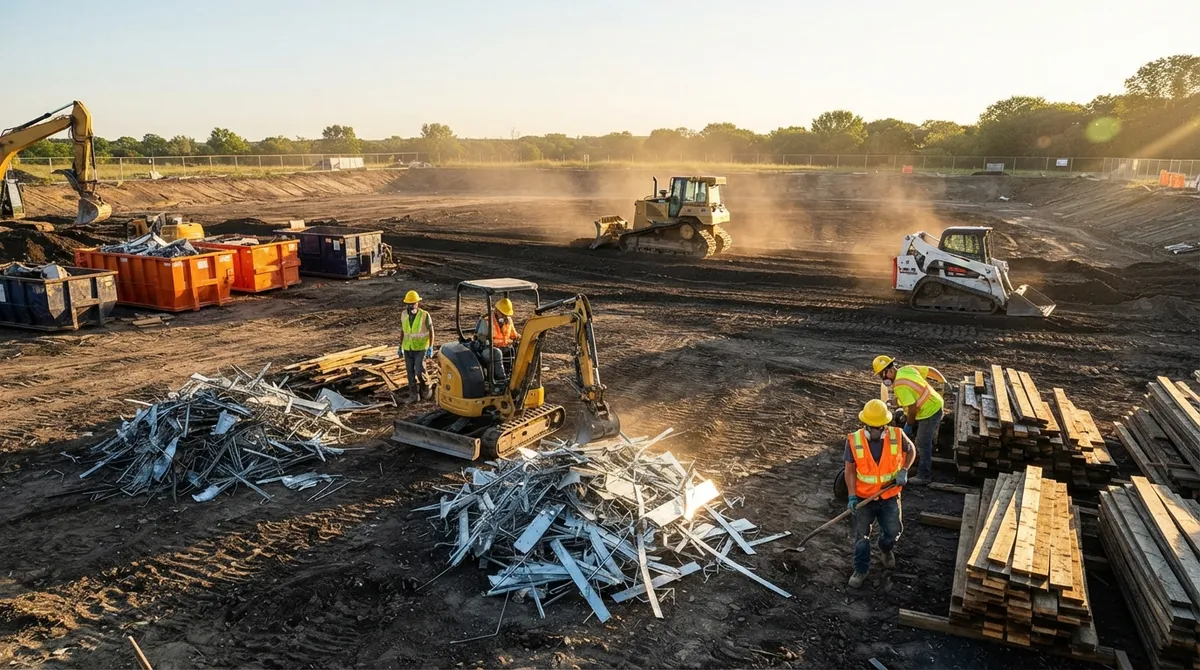
Old concrete doesn’t have to go to waste. Many demolition companies crush it into aggregate, which gets reused in new construction projects. Some contractors recycle 100% of their concrete debris, which is great news for the environment and for site owners looking to stay eco-friendly.
7. Site Cleanup and Grading
After the concrete is gone, the site gets cleaned and graded to prepare for the next phase of construction. This might include excavating and grading services to level the ground properly.
Selective vs. Structural Concrete Demolition
Not all concrete removal projects are the same. It helps to know the difference between these two approaches before you start planning.
| Type | What It Involves | Common Use Cases |
|---|---|---|
| Selective Demolition | Removing specific sections while keeping the rest of the structure intact | Interior remodels, trenching, utility repairs |
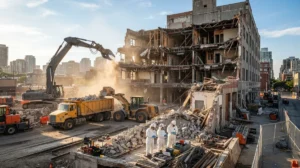
| Structural Demolition | Removing entire concrete structures like foundations or full slabs | Full building teardowns, site redevelopment |
Selective demolition takes more precision because crews have to protect the parts of the building that stay standing. Structural demolition is more about speed and heavy equipment. Knowing which type your project needs helps you plan your timeline and budget expectations.
How Long Does Commercial Concrete Demolition Take?
This is one of the most common questions we hear, and the honest answer is: it depends. Project timelines vary based on size, complexity, and site conditions.
- Small interior slab removal: a few days
- Parking lot demolition: one to two weeks
- Full building foundation removal: two to four weeks
- Large-scale industrial site clearing: several weeks to a couple of months
Working with an experienced contractor helps keep your project on track. Commercial builders and real estate developers appreciate crews who communicate clearly and stick to the schedule.
Protecting Nearby Structures During Demolition
One of the biggest concerns for property managers and commercial builders is protecting nearby buildings, utilities, and landscaping. Nobody wants a demolition project to cause damage next door.
Common Protection Methods
- Vibration monitoring equipment to track impact on nearby structures
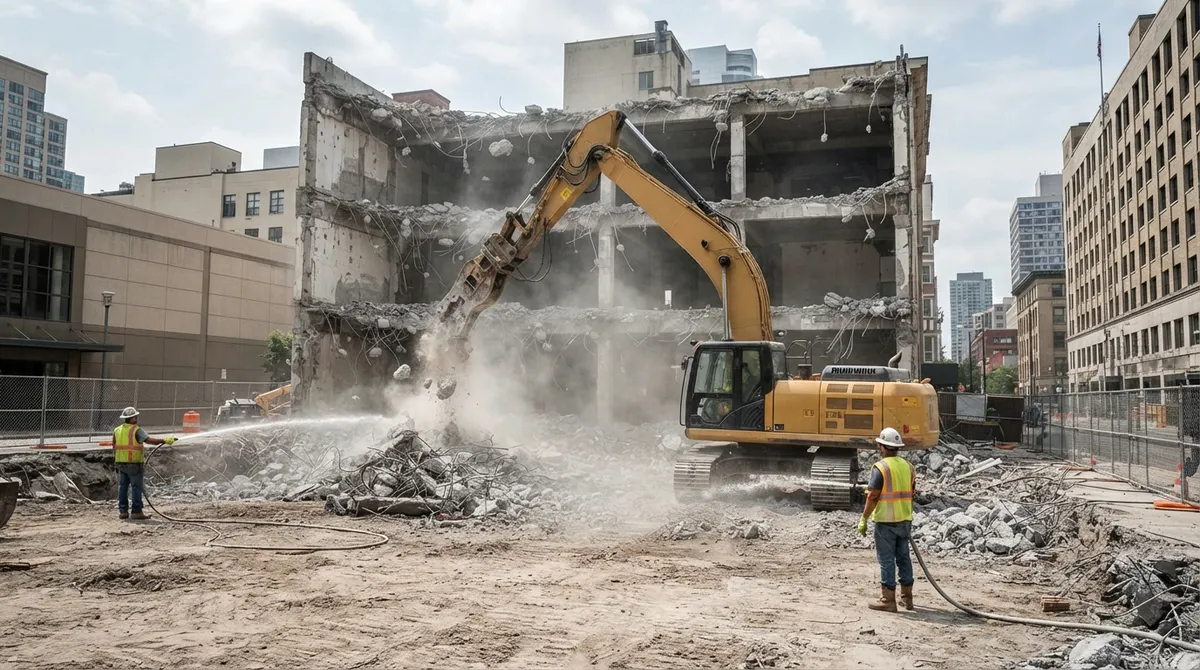
- Dust control systems like water misting to keep air quality safe
- Temporary barriers and fencing around the work zone
- Careful sequencing of demolition to avoid structural stress
- Coordination with utility companies before any cutting begins
These steps matter even more in busy commercial areas where foot traffic or nearby businesses are still operating. A well-run demolition crew keeps everyone safe while getting the job done efficiently.
Recycling: Good for the Planet and Your Project
Concrete recycling has become a big part of the demolition industry. Instead of hauling broken concrete to a landfill, contractors crush it into aggregate. This material gets reused for new roads, foundations, and construction fill.
Some companies achieve 100% recycling rates on their demolition debris. That’s a huge win for sustainability, and it can also help commercial builders meet green building goals. If you’re working on a project that values eco-friendly practices, ask your contractor about their recycling process.
Why Property Managers and Developers Choose Professional Demolition Crews
Handling commercial concrete demolition on your own is risky business. Professional crews bring experience, proper equipment, and safety training that protect your project from costly mistakes.
Key Benefits of Hiring Experts
- Faster project timelines thanks to specialized equipment
- Lower risk of utility damage through proper GPR scanning
- Clean, efficient debris removal and hauling
- Compliance with local permit and safety regulations
- Better coordination with general contractors and project managers
- Peace of mind knowing the job is done right the first time
702 Demo has built a strong reputation for handling both small and large commercial concrete demolition projects across Clark and Nye counties. Their team understands local permit requirements, including those outlined by the Clark County Building Department, and they know how to keep projects moving without unnecessary delays.
What Types of Commercial Properties Need This Service?
Commercial concrete demolition applies to a wide range of property types. Here are some examples that come up often in Nevada’s growing market.
- Retail centers and shopping plazas
- Office buildings and business parks
- Warehouses and industrial facilities
- Restaurants and hospitality properties
- Multi-family apartment complexes
- Parking garages and surface lots
- Casino and entertainment venues
Property managers overseeing multi-family or commercial sites often deal with aging concrete that’s cracked, sinking, or simply outdated. Real estate developers planning new projects need clean, level sites ready for construction. Either way, the process starts with a trusted demolition partner.
Tips for Choosing the Right Demolition Contractor
Not every demolition company handles commercial concrete work the same way. Here’s what to look for when choosing a contractor for your next project.
- Proven experience with commercial-scale projects
- Proper licensing and insurance coverage
- A track record of safety compliance
- Modern equipment for saw cutting, breaking, and hauling
- Clear communication about timelines and project updates
- A commitment to recycling and responsible debris disposal
If you want to see how a trusted local contractor handles these projects, check out why 702 Demo is the leading demolition contractor in Las Vegas. You can also read what past clients have to say by visiting Visit us on Google — 702 Demo to see real reviews from real customers.
Bringing It All Together
Commercial concrete demolition doesn’t have to feel overwhelming. With the right plan, the right equipment, and an experienced crew, your project can move forward smoothly and safely. From GPR scanning to recycling, every step plays a role in protecting your property and keeping your timeline on track.
Whether you’re a commercial builder, property manager, or real estate developer in Clark or Nye County, having a reliable partner makes all the difference. 702 Demo has the experience, equipment, and local knowledge to handle projects of any size. Ready to get started? Contact 702 Demo for a free estimate and take the first step toward a cleaner, more efficient job site.
FAQs
Q: What equipment is used for commercial concrete demolition?
A: Crews typically use hydraulic breakers, excavators, jackhammers, concrete saws, and core drills to break and remove concrete. Hauling trucks then carry the debris away so the site stays clear and safe.
Q: How long does a commercial concrete demolition project take?
A: It really depends on the size and complexity of the job. Small interior projects might take just a few days, while large parking lots or foundations can take several weeks.
Q: Is concrete from commercial demolition recycled?
A: Yes, and it’s great news! Many contractors crush old concrete into aggregate for reuse, with some achieving 100% recycling rates on their demolition debris.
Q: Why is a GPR scan necessary before concrete demolition?
A: Ground Penetrating Radar scans help crews spot hidden utilities, pipes, and rebar before any breaking begins. This simple step prevents costly damage and keeps everyone safe on site.
Q: What is the difference between selective and structural concrete demolition?
A: Selective demolition removes specific sections while keeping the rest of the building standing, often used for remodels. Structural demolition removes entire concrete structures, like full foundations, usually for complete site clearing.