Key Takeaways
-
Demolition workers must complete thorough site evaluations before work begins, checking for structural hazards, hazardous materials like asbestos, and utility locations to prevent injuries and property damage.
-
All utilities (electricity, gas, water, sewer) must be shut off and disconnected before demolition starts, and safety zones with barriers must be established to protect workers and nearby properties.
-
Professional demolition follows a specific sequence: remove salvageable materials first, strip interior finishes, dismantle non-structural elements, remove the structural shell, then break up foundations last.
-
Demolition workers require OSHA 10 or OSHA 30 safety certification and training in heavy equipment operation, with physical stamina to lift 50+ lbs regularly while working in hazardous conditions.
-
Responsible demolition crews sort and separate recyclable materials (steel, copper, brick, lumber) from waste to reduce landfill impact and lower project costs through material salvage.
-
Hiring licensed, insured professional demolition contractors protects property owners from costly mistakes, legal issues, and injuries that often occur with DIY demolition attempts.
Have you ever watched a building come down and wondered who makes it happen? Demolition workers are the skilled professionals behind every teardown, strip-out, and site clearing project. Whether you’re a homeowner planning a renovation, a contractor prepping a site, or a developer starting fresh, understanding what demolition workers do helps you plan smarter and hire better.
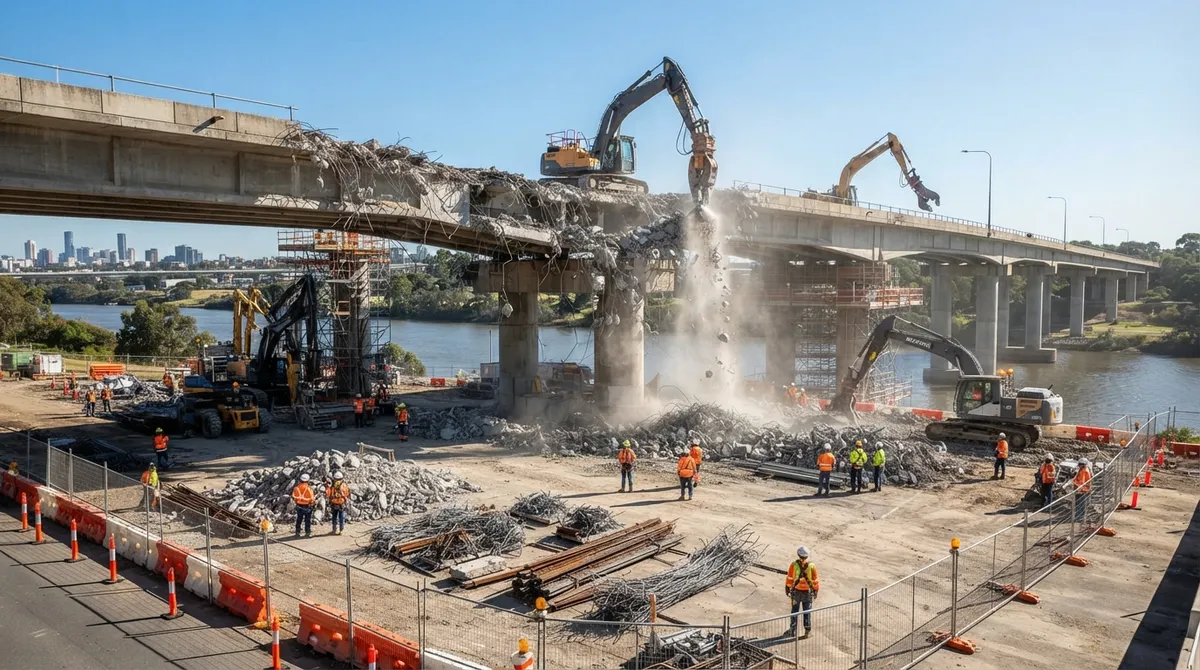
Demolition work is more than just swinging a sledgehammer. It’s a carefully planned process that combines safety, skill, and heavy equipment to bring structures down safely. In Clark and Nye counties, projects range from small interior strip-outs to full commercial building demolitions. Knowing what goes into the job gives you confidence when working with a professional crew.
Let’s break down everything demolition workers do — step by step — so you know exactly what to expect on your next project.
What Is a Demolition Worker?
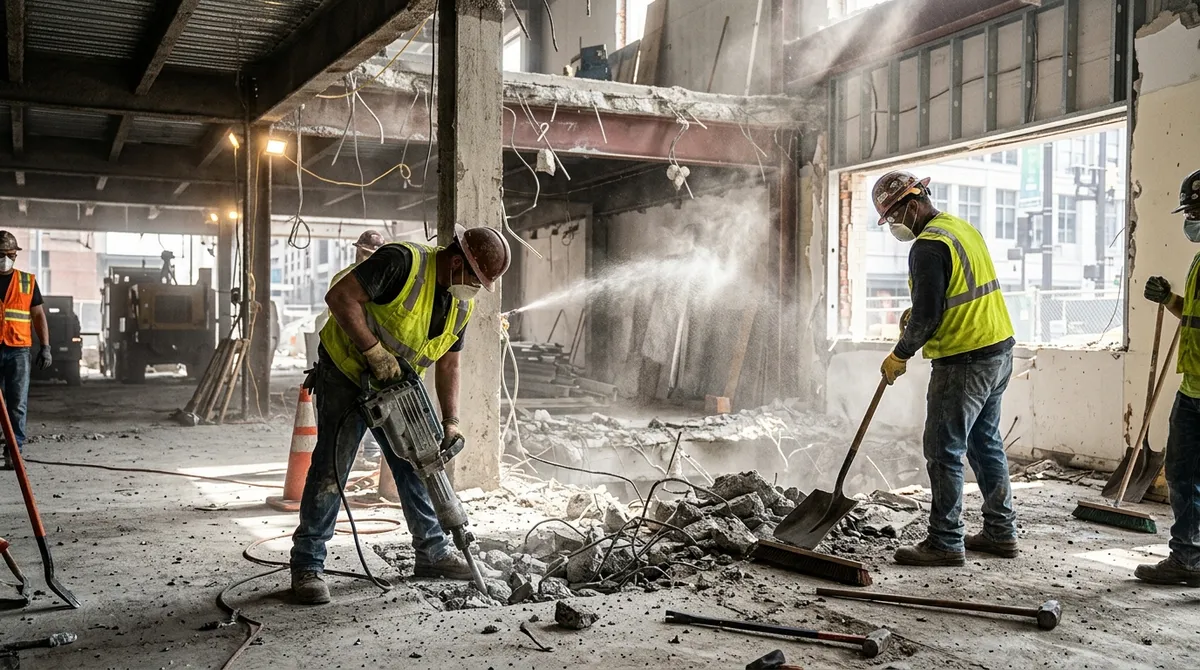
A demolition worker is a trained laborer who safely removes buildings, structures, or parts of structures. They work on residential homes, commercial buildings, driveways, pools, and more. Their goal is to clear a site efficiently while keeping people and surrounding structures safe.
Demolition workers are not just unskilled laborers. They receive specific training in equipment operation, safety procedures, and material handling. Many complete OSHA safety training programs like OSHA 10 or OSHA 30 before stepping foot on a job site.
To learn more about what demolition professionals handle day to day, check out this guide on what demolition experts actually do on a job site.
Step 1: Evaluate the Site Before Any Work Begins
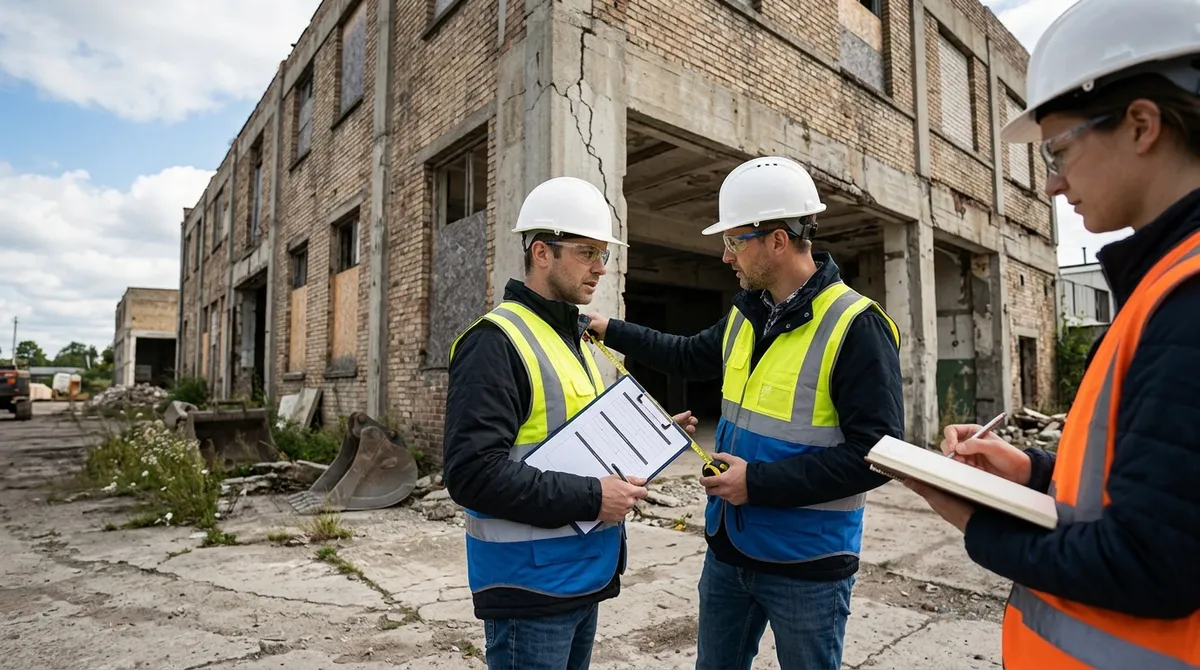
Every demolition project starts with a thorough site evaluation. Workers and supervisors walk the property to assess the structure. They look for hazards like unstable walls, weak floors, or materials that need special handling.
This step is critical. Skipping it can lead to injuries, damage to neighboring properties, or legal problems. Workers check:
- Structural integrity of walls, floors, and ceilings
- Location of load-bearing elements
- Presence of hazardous materials like asbestos or lead paint
- Proximity to neighboring buildings or utilities
- Access points for machinery and trucks
Understanding local rules also matters. The Clark County Building Department requires permits for most demolition work. Your crew should handle this before breaking ground.
Step 2: Isolate Utilities and Set Up Safety Zones
Before demolition begins, workers must shut off and disconnect all utilities. This includes electricity, gas, water, and sewer lines. Leaving utilities active during demolition is extremely dangerous.
Workers also set up exclusion zones and barriers around the work area. These keep pedestrians, vehicles, and neighboring workers safe. Safety is not optional in this industry — it’s built into every phase of the job.
Common safety setup tasks include:
- Coordinating with utility companies for disconnection
- Installing fencing, barriers, and warning signs
- Checking equipment before use
- Distributing personal protective equipment (PPE) to the crew
- Reviewing the demolition sequence with the team
For projects that require permits, the Las Vegas demolition permit guidelines outline what documentation and approvals are needed before work starts.
Step 3: Plan the Demolition Sequence
Demolition isn’t random. Workers follow a specific sequence to bring down structures safely. The wrong order can cause collapse, injury, or damage to parts of the structure you want to keep.
Here’s a typical sequence demolition workers follow:
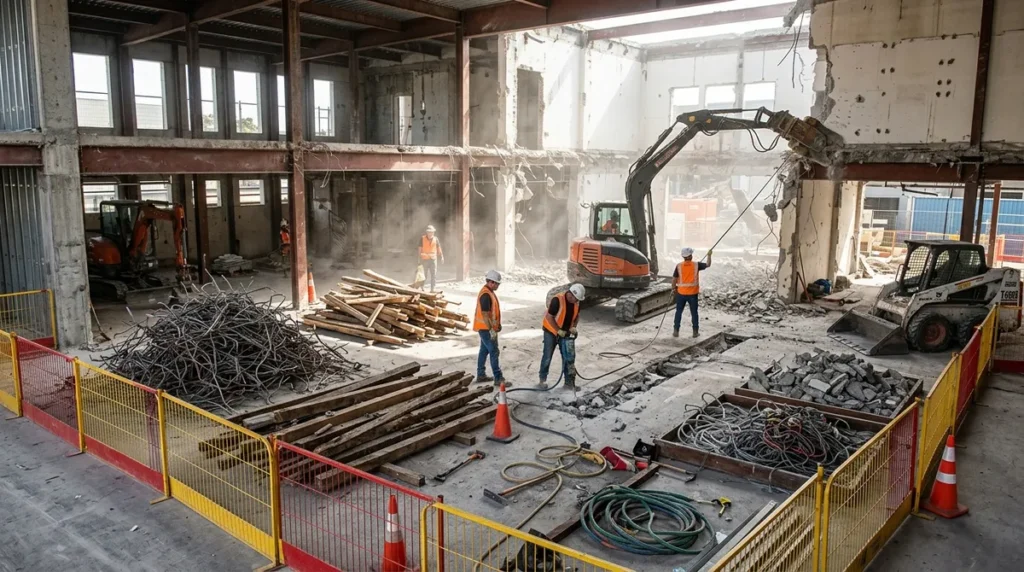
- Remove contents and salvageable materials first — Workers pull out reusable items like doors, fixtures, and pipes before breaking anything down.
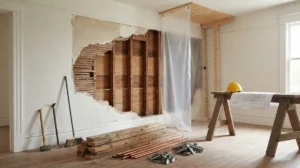
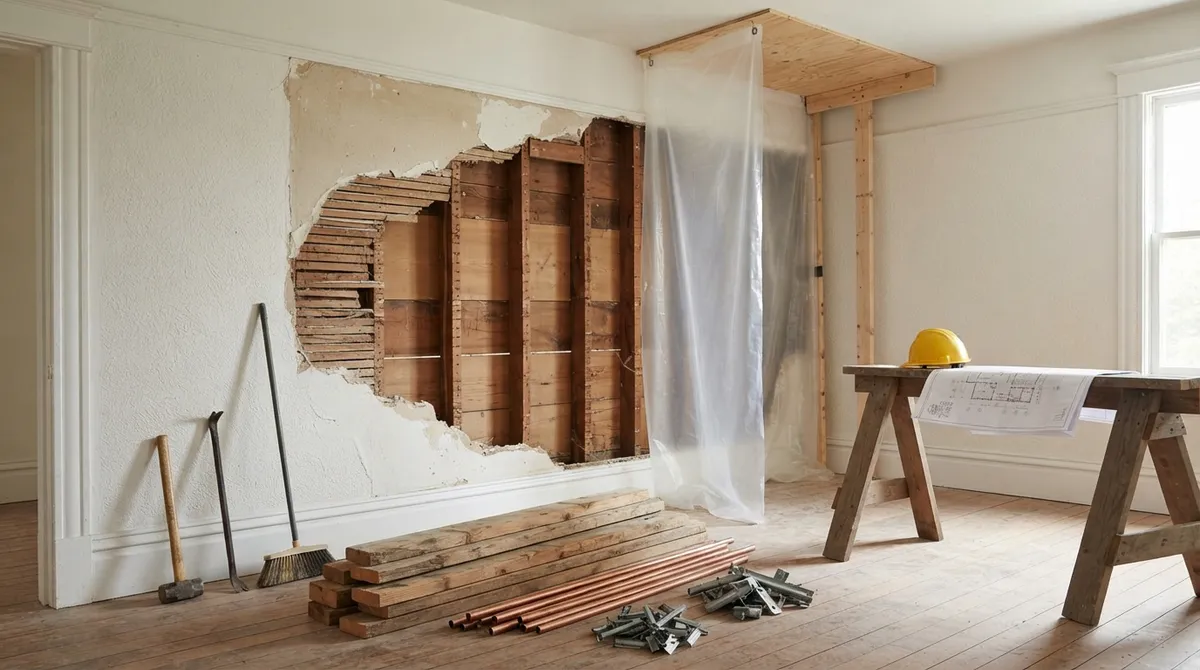
- Strip interior finishes — Drywall, flooring, insulation, and ceiling materials come down during the interior strip-out phase.
- Dismantle non-structural elements — Partition walls, cabinetry, and non-load-bearing features are removed next.
- Take down the structural shell — Once interiors are clear, workers tackle the main structure using equipment and hand tools.
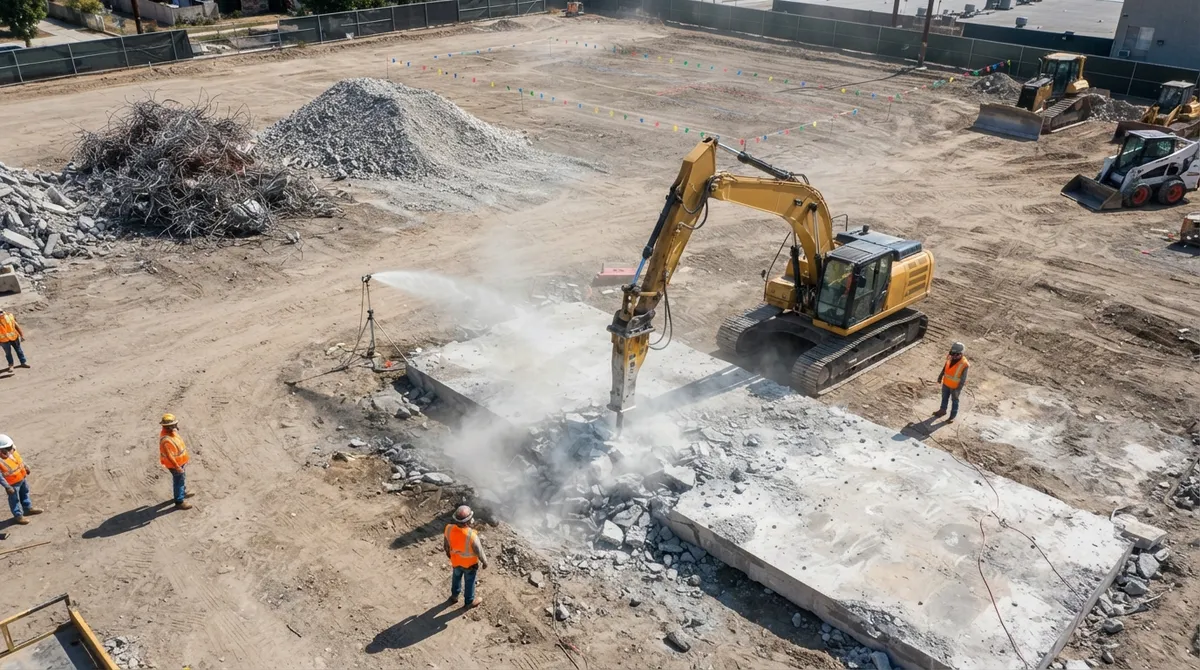
- Break up foundation materials — Concrete slabs, footings, and foundations are broken up last using jackhammers or excavators.
For a closer look at how interior demolition works on residential and commercial projects, it’s worth exploring what selective teardowns actually involve.
Types of Demolition Work
Demolition workers handle many different project types. Understanding the differences helps you communicate clearly with your crew about what you need.
| Type of Demolition | What It Involves | Common Projects |
|---|---|---|
| Full Demolition | Complete removal of a structure from the ground up | Abandoned homes, old commercial buildings |
| Selective Demolition | Removing specific parts while preserving others | Renovations, additions, remodels |
| Interior Strip-Out | Clearing interior finishes and non-structural elements | Office remodels, residential updates |
| Concrete Removal | Breaking up and hauling concrete slabs, driveways, patios | Driveway replacement, patio renovation |
| Pool Removal | Demolishing and filling in swimming pools | Backyard redevelopment, liability removal |
Each type requires different skills and equipment. A crew doing full building demolition operates very differently from one handling a concrete removal project.
Step 4: Operate Heavy Equipment and Hand Tools
Demolition workers use a wide variety of tools and machines to get the job done. The right equipment depends on the project size, material type, and site conditions.
Common equipment demolition workers use includes:
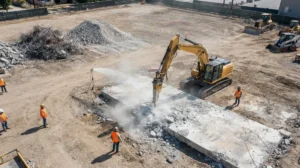
- Excavators — Used to pull down walls, dig foundations, and move large debris
- Bulldozers — Push debris and clear land after structures come down
- Loaders — Scoop and load debris into dump trucks
- Dump trucks — Haul debris and materials off site
- Jackhammers — Break up concrete slabs, sidewalks, and foundations
- Reciprocating saws and angle grinders — Cut through metal, wood, and piping
Operating heavy equipment requires training and often certification. Workers must be physically capable, too. Many demolition jobs require lifting 50 lbs. or more throughout the day. Some tasks can involve materials weighing 100 lbs. or more.
Step 5: Sort Debris and Salvage Materials
Once materials come down, demolition workers don’t just dump everything into a truck. Responsible crews sort debris to separate recyclable and reusable materials from waste.
Salvageable materials often include:
- Structural steel and metal framing
- Copper and other metal pipes
- Radiators and HVAC components
- Brick, stone, and masonry blocks
- Lumber and wood framing in good condition
Sorting debris reduces landfill waste and can lower overall project costs. It also aligns with sustainability goals that many developers and property managers value in 2026.
Once debris is sorted, hauling services remove everything from the site quickly and efficiently.
Step 6: Handle Debris Cleanup and Site Restoration
After the main structure comes down, the work isn’t over. Demolition workers clean up the site, remove leftover debris, and prepare the ground for whatever comes next.
This phase can include:
- Loading trucks with remaining debris — Workers clear all rubble and waste from the site.
- Backfilling excavations — Holes left by foundations or pools are filled and compacted.
- Grading the land — The site is leveled and shaped to meet drainage and construction requirements.
- Final site inspection — Workers and supervisors check the site to ensure it’s clean and ready for the next phase.
Services like excavating and grading are often part of this final phase, especially for new construction projects. Landscaping removal is another common follow-up task — you can explore landscaping removal services for more detail.
Safety: The Most Important Part of the Job
Demolition work is physically demanding and carries real risks. Workers face unstable structures, dust, loud noise, extreme heat (especially in Nevada summers), vibration, and possible exposure to hazardous materials.
Reputable demolition crews take safety seriously at every step. Here’s what responsible safety management looks like:
- Requiring OSHA 10 or OSHA 30 certification for all workers
- Conducting daily safety briefings before work begins
- Providing proper PPE including hard hats, gloves, eye protection, and respirators
- Testing for hazardous materials before demolition starts
- Keeping unauthorized people out of the work zone
When hiring a crew, always check that they have the proper licensing and insurance. This protects you as the property owner or developer. Learn more about what makes a licensed demolition contractor essential for any project.
What Skills Do Demolition Workers Need?
Demolition workers bring a combination of physical ability, technical skill, and safety knowledge to every job. Here’s a quick breakdown of what the best workers bring to a project:
| Skill Area | Why It Matters |
|---|---|
| Physical stamina | Work involves lifting, digging, and long hours in tough conditions |
| Equipment operation | Safe use of excavators, jackhammers, and power tools |
| Safety awareness | Prevents injuries and protects the public |
| Problem-solving | Adapts when structures behave unexpectedly |
| Teamwork | Coordinates with crew members to execute the work plan |
| Material knowledge | Identifies reusable materials and handles hazardous substances correctly |
Why Hire a Professional Demolition Crew?
Some property owners try to handle demolition themselves to save money. But without proper training, equipment, and permits, DIY demolition can lead to costly mistakes, injuries, or legal issues.
A professional crew brings everything you need — licensing, insurance, equipment, and experience. Teams like 702 Demo handle all types of demolition projects across Clark and Nye counties in Nevada. They manage the permits, the safety planning, the equipment, the debris removal, and the site prep, so you don’t have to.
When you’re ready to move forward, visit 702 Demo on Google to read real reviews from local customers and see the team’s track record firsthand.
For more background on what professional demolition involves, explore 9 key things to know about demolition and get a full picture before your project begins.
Conclusion: Demolition Workers Do More Than You Think
Demolition workers do far more than tear things down. They plan, assess hazards, operate heavy machinery, sort materials, clean up sites, and restore land for new development. Every phase of the job requires skill, teamwork, and a strong commitment to safety.
Whether you need a full building torn down, a pool removed, an interior stripped, or a driveway broken up and hauled away, understanding the process helps you work more effectively with your demolition crew. It also helps you ask better questions and set realistic expectations for your project timeline.
If you’re planning a demolition project in Las Vegas or anywhere across Clark and Nye counties, don’t leave it to chance. Work with a crew that knows the work inside and out. Reach out to 702 Demo for a free project estimate and get your project started on the right foot today.
FAQs
Q: What does a demolition worker do on a typical day?
A: On a typical day, a demolition worker evaluates the site, sets up safety zones, operates equipment, breaks down structures, sorts debris, and cleans up the area. Every day looks a little different depending on the project size and type, but safety planning and teamwork are always part of the routine!
Q: What equipment do demolition workers use?
A: Demolition workers use a wide range of tools, including excavators, bulldozers, loaders, dump trucks, jackhammers, and power saws. The equipment chosen depends on the type of structure being demolished and the size of the project — from a small concrete patio to a full commercial building.
Q: Do demolition workers need special safety training?
A: Yes! Most professional demolition workers complete OSHA 10 or OSHA 30 safety training before working on job sites. Some also complete apprenticeships or earn additional certifications for operating heavy equipment or handling hazardous materials safely.
Q: What is the difference between full demolition and selective demolition?
A: Full demolition means removing an entire structure completely, while selective demolition involves taking down only specific parts of a building while leaving the rest intact. Selective demolition is common in renovation and remodeling projects where only certain areas need to be cleared.
Q: How do demolition workers handle hazardous materials?
A: Before any demolition begins, workers test the site for hazardous materials like asbestos or lead paint. If found, specially trained professionals remove and dispose of those materials safely and legally before the main demolition work starts — protecting both the crew and the surrounding community.