Key Takeaways
-
Soft strip demolition removes only non-structural interior elements like fixtures, flooring, and ceilings while preserving the building's structural shell, making it ideal for renovations and refurbishments.
-
Dust exposure during soft strip work poses serious health risks including lung disease, silicosis, and cancer; professionals must use dust suppression systems, ventilation, and respiratory protective equipment like FFP3 masks.
-
Materials removed during soft strip demolition can be recycled or reused including metals, timber, fixtures, and concrete, which reduces landfill waste and can offset project costs compared to full demolition.
-
Hiring professional demolition contractors is essential because they identify hidden hazards like asbestos and lead, manage permits, prevent structural damage, and ensure proper waste disposal safely.
-
Soft strip demolition timelines vary from days for single rooms to weeks for multi-floor commercial buildings, depending on building size, service complexity, hazardous materials presence, and waste removal logistics.
-
Soft strip demolition requires permits in many jurisdictions including Las Vegas and Clark County; checking local building department requirements before starting work is essential to avoid compliance issues.
If you’ve ever wondered what happens inside a building before a big renovation or rebuild, soft strip demolition is usually the first step. It’s one of the most important — and most misunderstood — parts of any demolition or refurbishment project. Whether you’re a homeowner planning a remodel, a contractor prepping a commercial space, or a developer clearing the way for something new, understanding this process can save you time, money, and headaches.
In simple terms, soft strip demolition means carefully removing the non-structural parts of a building. Think fixtures, fittings, flooring, ceilings, and all the stuff inside the shell. The main structure stays intact. Only the interior elements come out. It’s a smart, targeted approach — and it’s a lot more involved than it might sound.
Let’s break it all down so you know exactly what to expect.
What Does Soft Strip Demolition Actually Mean?
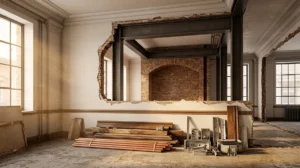
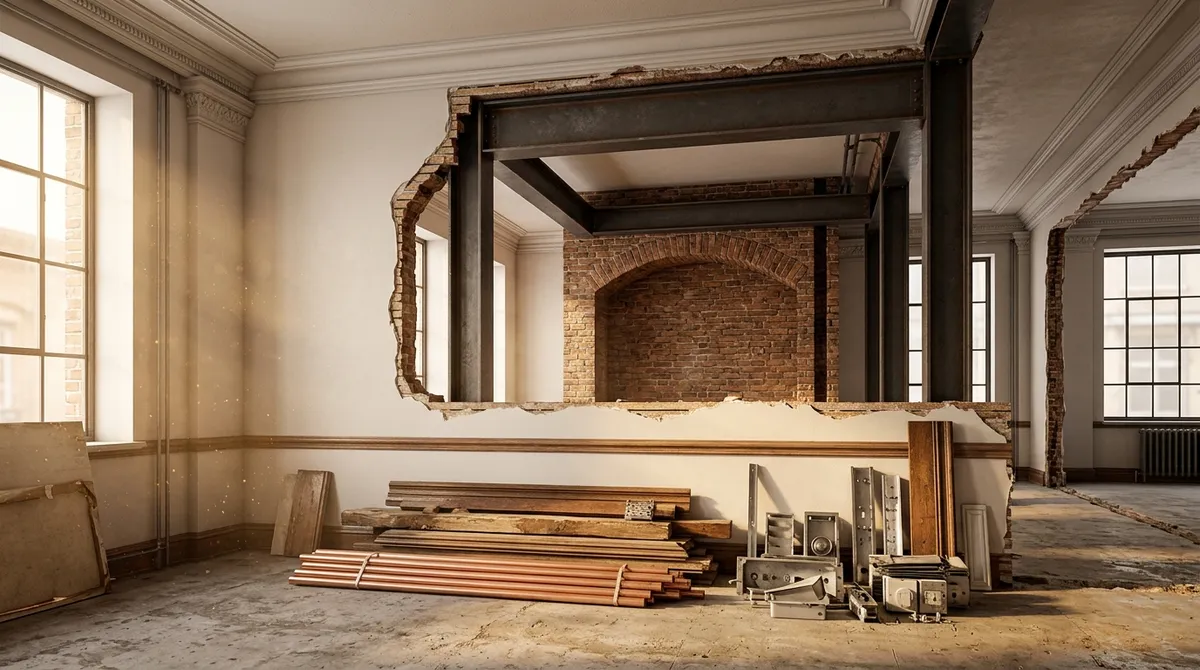
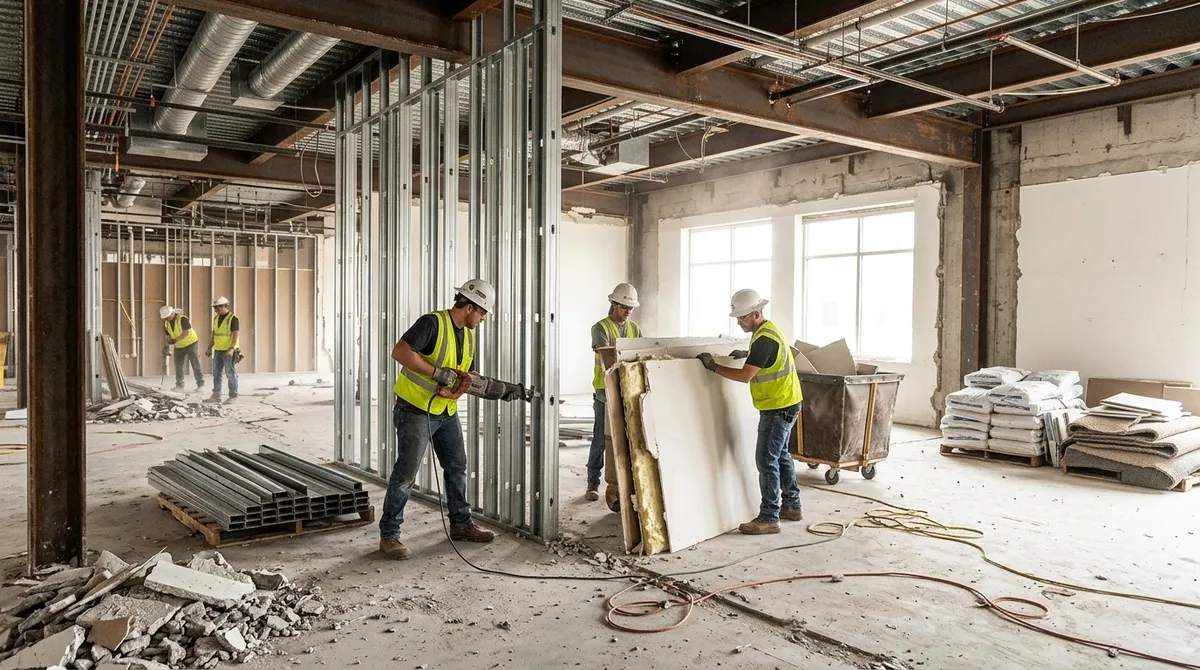
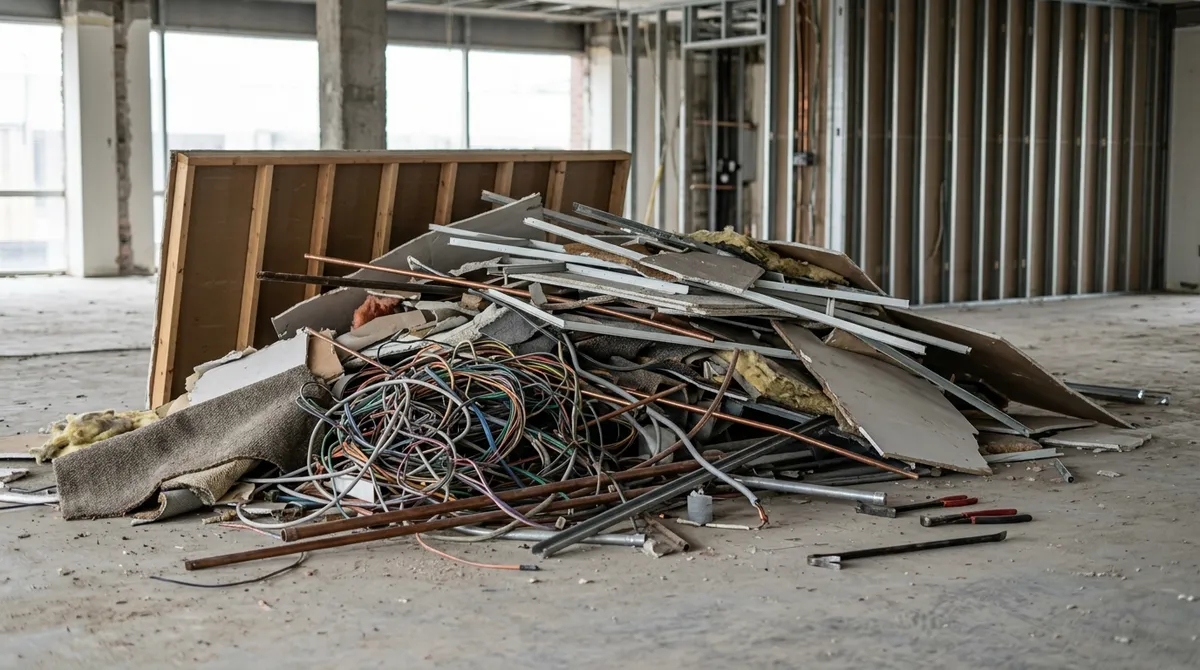
Soft strip demolition is the process of stripping a building back to its bare shell. Workers remove everything that isn’t load-bearing or structural. The walls stay up. The floors stay in place. The roof stays on. But everything inside — the finishes, fittings, services, and non-structural elements — gets carefully taken out.
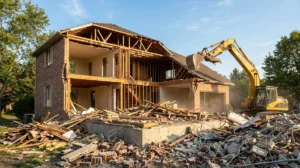
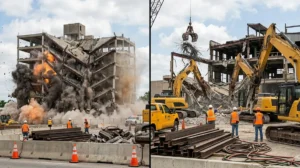
This is different from full or “hard” demolition, where the entire structure comes down. With soft strip, the goal is to leave behind a clean, empty shell that’s ready for whatever comes next. That might be a full renovation, a new interior fit-out, or even a full teardown later on.
You can learn more about the broader scope of interior demolition services to see how soft strip fits into a larger project plan.
What Gets Removed During a Soft Strip?
A lot more comes out than most people expect. Here’s a typical list of what gets removed during a soft strip demolition project:
- Interior partition walls (non-load-bearing)
- Ceilings and ceiling tiles
- Flooring, carpet, and floor coverings
- Doors and door frames
- Windows and window frames (in some cases)
- Kitchen and bathroom fixtures and fittings
- Electrical wiring, conduits, and switchgear
- Plumbing pipes, radiators, and HVAC components
- Insulation materials
- Built-in furniture and cabinetry
The result? A completely bare interior — just the structural frame, external walls, and main floor slabs. It looks like a hollow building from the inside. That’s exactly the point.
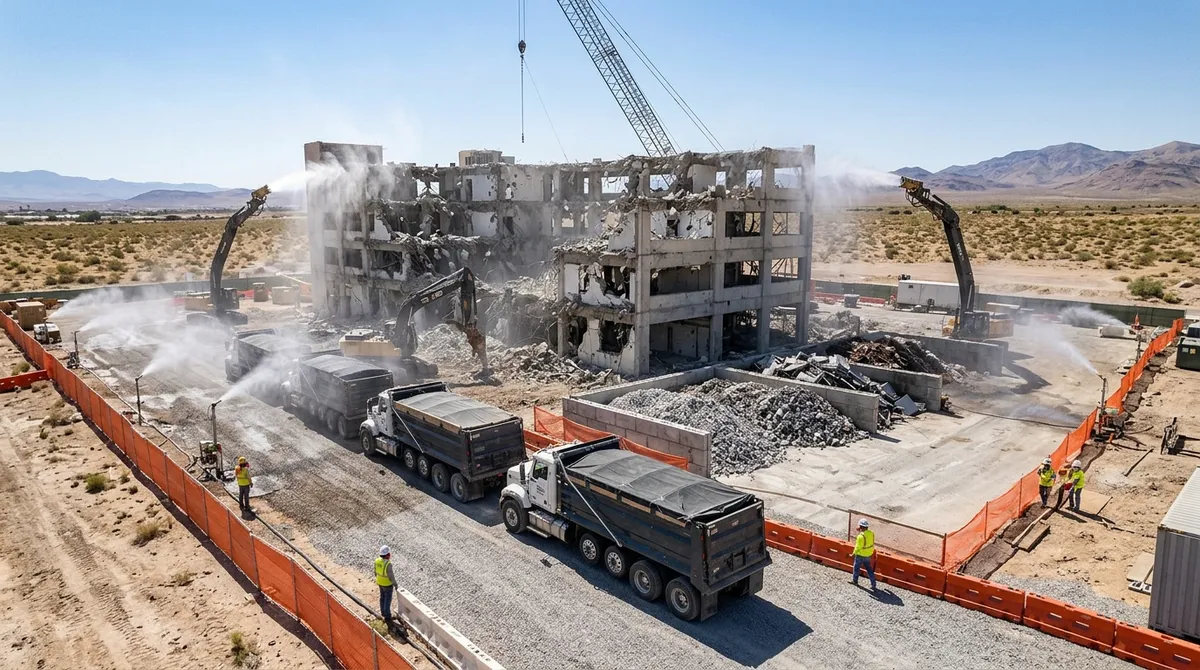
Soft Strip vs. Hard Demolition: What’s the Difference?
It helps to understand how soft strip compares to full building demolition. Here’s a quick side-by-side look:
| Feature | Soft Strip Demolition | Hard (Full) Demolition |
|---|---|---|
| Structure | Preserved | Completely removed |
| Scope | Interior non-structural elements only | Entire building, including structure |
| Common use | Renovation, refurbishment, fit-out prep | Site clearance, new construction |
| Equipment used | Hand tools, small equipment | Excavators, wrecking equipment |
| Material recovery | High — items can be reused or recycled | Lower — mixed debris |
| Risk level | Lower (structure intact) | Higher (structural collapse risk) |
As you can see, soft strip demolition is more precise and controlled. If you’re curious about what full building removal looks like, check out our guide on building demolition services.
When Is Soft Strip Demolition Needed?
Soft strip demolition is needed in a wide range of situations. Here are the most common ones:
- Before a major renovation or refurbishment — When you want to update the interior of a home or commercial space, everything old needs to come out first.
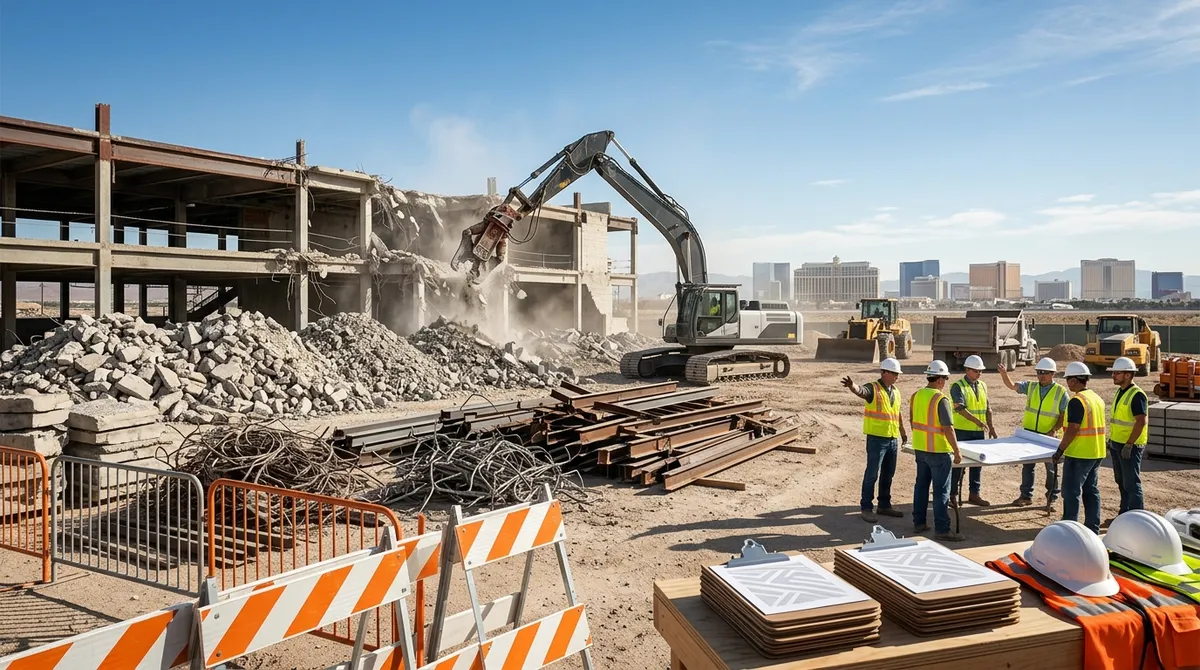
- Before a full building demolition — Stripping out the interior first makes the demolition safer and easier to manage.
- For heritage or listed buildings — When the main structure must be preserved, soft strip allows interior updates without touching the shell.
- During commercial fit-outs — Office buildings, retail spaces, and hotels often need a complete interior clearance before a new fit-out begins.
- For hazardous material removal — Asbestos, lead paint, and other hazardous materials are often found in older buildings. Soft strip allows for careful, controlled removal.
If you’re a property manager or developer in Clark County, checking the requirements at the Clark County Building Department before starting any demolition work is always a good idea.
Why Hire a Professional for Soft Strip Demolition?
You might think soft strip sounds simple — just ripping stuff out, right? Not quite. There are real risks involved, and professional oversight matters a lot. Here’s why:
- Hidden hazards: Older buildings often contain asbestos, lead, or other dangerous materials that require specialist handling.
- Structural risk: Removing the wrong wall — even accidentally — can compromise the building’s integrity.
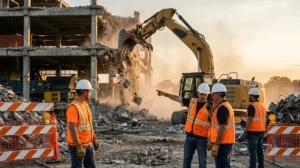
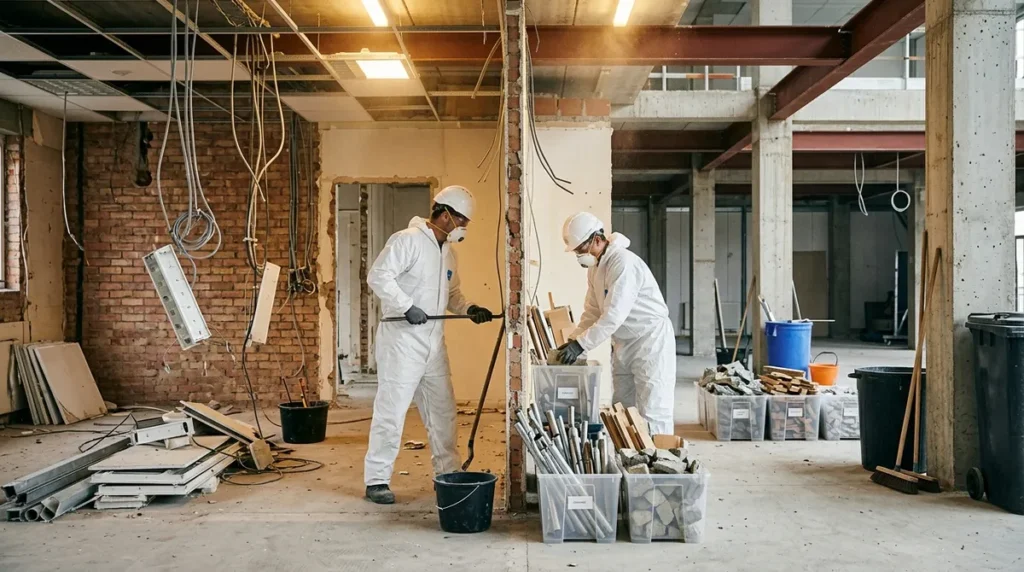
- Dust exposure: According to the Health and Safety Executive (HSE), soft strip demolition can produce high levels of harmful dust. When silica or wood dust is present, the risk is even greater. The HSE recommends respiratory protective equipment with an assigned protection factor of 20, such as an FFP3 disposable mask or half mask with a P3 filter.
- Waste management: Debris needs to be sorted, recycled where possible, and disposed of properly.
- Permitting: Many projects require permits before work begins. You can review the Las Vegas demolition permit guidelines to understand what’s required in your area.
Working with experienced professionals protects your project, your people, and your budget. You can also explore what makes a licensed demolition contractor essential for your project to understand why credentials matter.
Health and Safety Risks in Soft Strip Demolition
Safety is a top priority in any demolition work. Soft strip projects come with specific hazards that need to be managed carefully.
Dust is one of the biggest concerns. The HSE has confirmed that prolonged dust exposure during soft strip work can contribute to serious lung diseases, including cancer, silicosis, and COPD. This is especially true when materials like concrete, brick, or wood are disturbed.
Good safety practices include:
- Dust suppression systems (water sprays and misting)
- Proper ventilation throughout the work area
- Respiratory protective equipment for all workers
- Regular air quality monitoring
- Safe sequencing of work to reduce hazard exposure
A professional demolition team will already have these controls in place. For more insight into how demolition work gets planned and executed, see our article on what demolition experts actually do on a job site.
Can Materials Be Recycled After Soft Strip Demolition?
Yes — and that’s one of the biggest advantages of soft strip over full demolition. Because materials are removed carefully and in sequence, there’s a much better chance of recovering items in good condition.
Here are common materials that can be recycled or reused:
- Metal: Copper wiring, steel pipes, radiators, and metal frames all have strong recycling value.
- Timber: Doors, frames, and floor boards can often be reclaimed and reused.
- Fixtures and fittings: Kitchens, bathroom suites, and light fittings can sometimes be donated or resold.
- Concrete and masonry: Crushed materials can be repurposed as aggregate for new construction.
A good demolition contractor will sort debris on-site and make sure recyclable materials go to the right place. This reduces landfill waste and can even offset some project costs. Our hauling services include responsible debris removal to support proper material disposal.
How Long Does Soft Strip Demolition Take?
The timeline for a soft strip project depends on several factors. Here’s what affects how long the job takes:
- Size of the building: A single-room strip-out might take a day or two. A multi-floor commercial building can take weeks.
- Complexity of the fit-out: Heavily fitted spaces with lots of services (plumbing, electrical, HVAC) take longer to carefully dismantle.
- Presence of hazardous materials: If asbestos or lead paint is found, specialist teams need to be brought in, which adds time.
- Access restrictions: Occupied buildings or tight urban sites can slow things down.
- Waste removal logistics: Sorting and hauling debris off-site is part of the job and needs to be planned in advance.
The best way to get an accurate timeline is to have a professional assess the site before work begins. Learn more about how to approach your project by reading how to plan demolition and hauling for your next project.
Soft Strip Demolition for Residential Projects
Homeowners in Clark and Nye counties often need soft strip demolition before a major home renovation. If you’re gutting a kitchen, updating a bathroom, or converting a room, soft strip is likely part of your project.
Common residential soft strip scenarios include:
- Full kitchen or bathroom removal before remodeling
- Removing old flooring and ceiling finishes before a refit
- Clearing out interior spaces before structural alterations
- Preparing older homes for modernization
For homeowners looking for a team they can trust, 702 Demo brings years of hands-on experience to every residential project across Las Vegas and surrounding areas. Whether it’s a single room or an entire home interior, they handle it all with care and professionalism. You can visit 702 Demo on Google to read reviews from local customers and see why they’re a top choice in the region.
For a deeper dive into what residential work involves, check out residential interior demolition: what homeowners need to know.
Soft Strip Demolition for Commercial Projects
Commercial projects often involve larger, more complex soft strip jobs. Office blocks, retail units, hotels, warehouses, and even casino spaces in Las Vegas regularly need full interior strip-outs before refurbishment or repurposing.
Commercial soft strip work typically involves:
- Removing suspended ceilings and raised flooring systems
- Stripping out large-scale HVAC, electrical, and plumbing networks
- Clearing multiple floors in a sequenced, safe order
- Managing waste from large quantities of mixed materials
If you’re managing a commercial property or planning a redevelopment, explore what commercial interior demolition contractors can do for your project. You can also learn about casino interior demolition in Las Vegas for a sense of how large-scale commercial strip-outs work in the local market.
Conclusion: Is Soft Strip Demolition Right for Your Project?
Soft strip demolition is a smart, efficient way to prepare a building for its next chapter. It protects the structure, supports material recycling, reduces risk, and sets the stage for quality renovation or rebuilding work. Whether you’re a homeowner, contractor, developer, or property manager, understanding this process helps you plan better and get better results.
The key takeaway? Don’t rush into a renovation or demolition without thinking about the strip-out first. It’s the foundation of a successful project — quite literally. And when dust control, hazardous materials, and structural integrity are on the line, having the right professional team makes all the difference.
Ready to get started? Reach out to 702 Demo for a free project estimate and find out how our team can handle your soft strip demolition from start to finish — safely, efficiently, and with the expertise your project deserves.
FAQs
Q: What is soft strip demolition in simple terms?
A: Soft strip demolition means removing all the non-structural elements inside a building — things like flooring, ceilings, fixtures, and fittings — while leaving the main structure standing. Think of it as hollowing out the inside of a building to leave a clean, empty shell ready for whatever comes next. It’s a careful, selective process that’s very different from knocking a whole building down!
Q: Do I need a permit for soft strip demolition in Las Vegas?
A: In many cases, yes — even interior demolition work can require a permit in Las Vegas and Clark County. It’s always best to check with the Clark County Building Department or review the official Las Vegas demolition permit guidelines before starting work. A licensed demolition contractor can also help guide you through the permitting process so nothing gets missed.
Q: Is soft strip demolition safe for older or heritage buildings?
A: Yes, and it’s actually one of the best approaches for older buildings! Because soft strip preserves the main structure, it’s ideal for heritage properties where the exterior or frame needs to be kept intact. Just be aware that older buildings often contain hazardous materials like asbestos, so professional assessment before starting work is really important.
Q: Can I do soft strip demolition myself, or should I hire a professional?
A: While small DIY strip-outs are possible in some situations, we’d strongly encourage hiring a professional for most projects. Hidden hazards like asbestos, structural surprises, and high dust exposure make soft strip demolition genuinely risky without the right training, equipment, and protective gear. A qualified team gets the job done safely, efficiently, and in compliance with local regulations.
Q: What happens to the materials removed during soft strip demolition?
A: Good news — a lot of the materials can be recycled or reused! Metals, timber, fixtures, and concrete can all be sorted and directed to the right recycling streams. A professional demolition crew will handle waste responsibly, sorting debris on-site and hauling it away properly. This is much easier with soft strip than full demolition because materials are removed in a more controlled way.