Key Takeaways
-
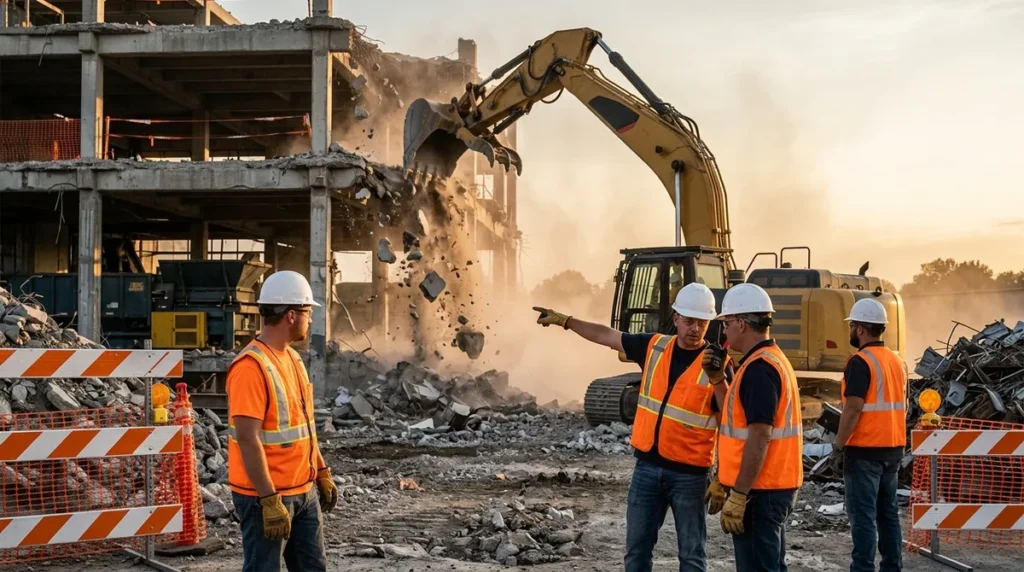
Demolition workers must conduct thorough site assessments before work begins, identifying hazards, checking utilities, and establishing exclusion zones to ensure safety for all personnel.
-
Daily tasks include operating heavy machinery like excavators and bulldozers, tearing down structural components, removing hazardous materials, and managing debris hauling—requiring specialized training and certifications.
-
OSHA 10 or OSHA 30 safety certifications are essential credentials; workers must also follow strict protocols including utility isolation, proper PPE usage, and hazard identification to meet federal safety standards.
-
Demolition work includes five main types: interior demolition, building demolition, concrete removal, pool removal, and selective demolition—each requiring different skills, tools, and safety protocols.
-
Debris management is critical and time-consuming; workers must separate recyclable materials, properly dispose of hazardous waste, and efficiently load debris to maintain site safety and project schedules.
-
Hiring a licensed, insured demolition contractor with relevant project experience, clean safety records, and proper equipment significantly impacts project quality, timeline, and property protection.
Ever watched a building come down and wondered who makes it happen? Demolition workers are the skilled professionals behind every safe, controlled takedown. They do a lot more than swing a sledgehammer. Their work involves careful planning, heavy equipment, and strict safety rules. Whether you’re a homeowner planning a renovation or a developer clearing land for a new project, understanding what a demolition worker does can help you make smarter decisions. Let’s take a friendly, straightforward look at the world of demolition work — and why hiring the right crew matters so much.
The Core Role of a Demolition Worker
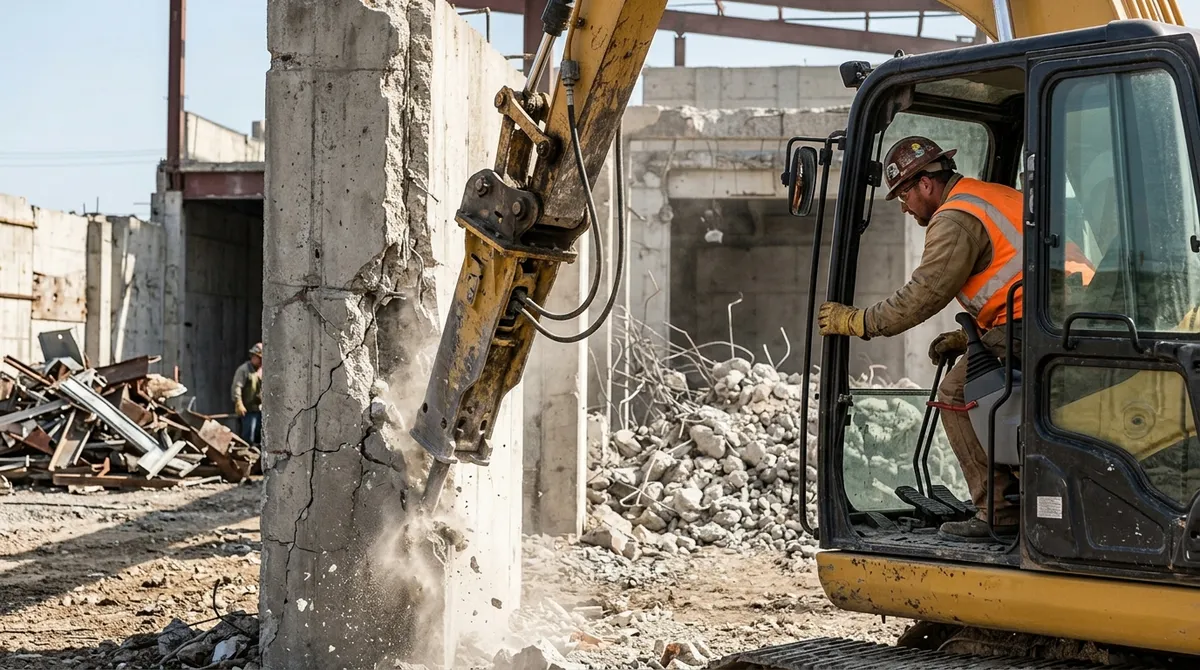
At its heart, a demolition worker tears down or dismantles structures safely. This includes whole buildings, interior walls, concrete slabs, floors, and fixtures. The goal is always to clear a space so something new can take its place. You can learn more about the full scope of these services in this overview of 9 Key Things to Know About What Is Demolition.
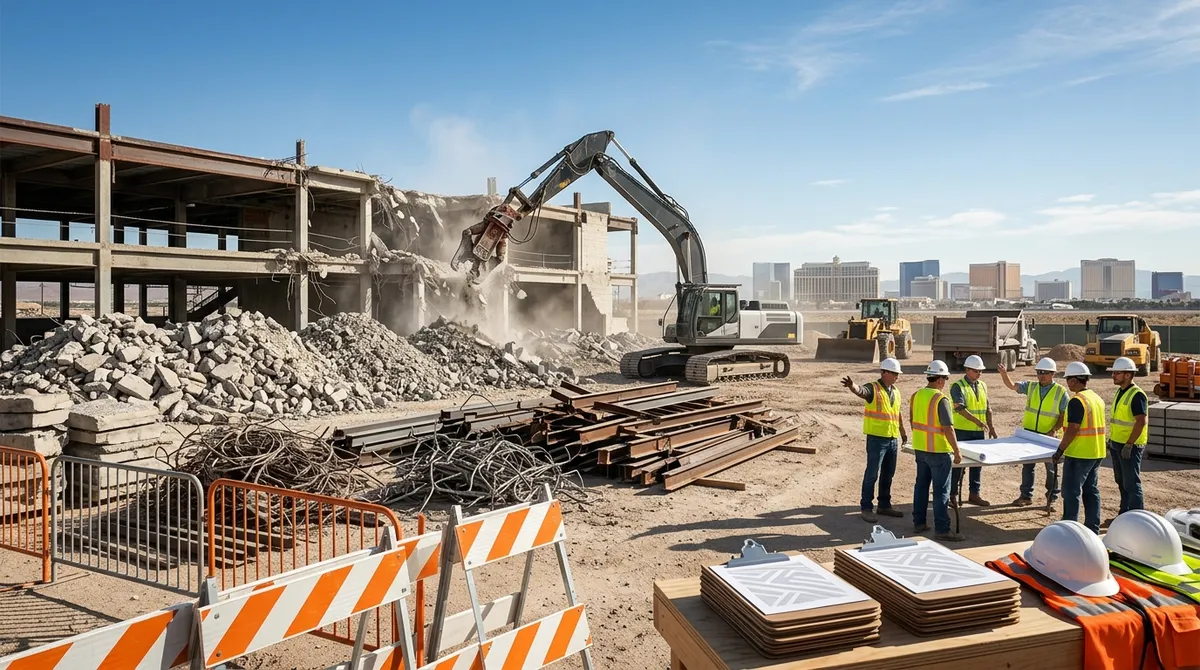
Demolition workers don’t just show up and start knocking things down. Every job starts with a site assessment. Workers identify hazards, check for utilities, and set up exclusion zones to keep everyone safe. This planning phase is just as important as the physical work itself. The Clark County Building Department sets requirements that must be followed before any demolition begins in Nevada.
Main Daily Tasks of a Demolition Worker
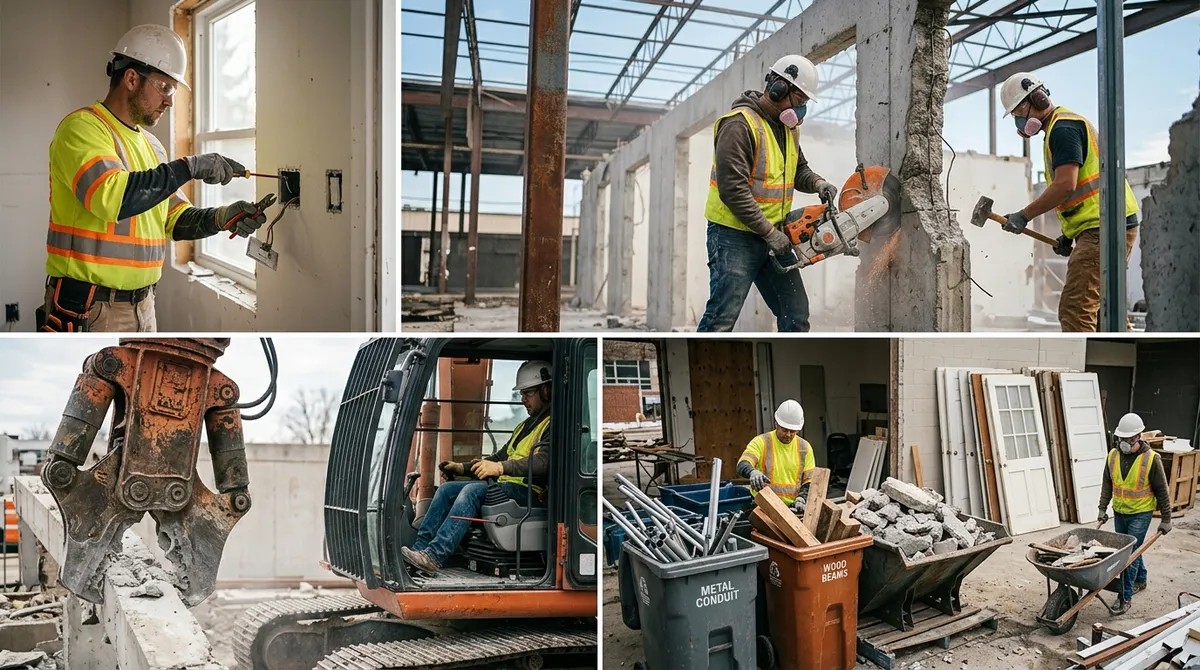
The day-to-day work of a demolition laborer is varied and physically demanding. Here’s a breakdown of the most common tasks they handle on any given job site:
- Tearing down walls, ceilings, floors, and structural components
- Operating hand tools like jackhammers, reciprocating saws, and grinders
- Running heavy machinery such as excavators, bulldozers, and loaders
- Sorting, loading, and hauling debris from the site
- Salvaging reusable materials like steel beams and pipes
- Setting up barricades, scaffolding, and shoring for site safety
- Directing traffic and signaling equipment operators
- Removing hazardous materials under strict safety guidelines
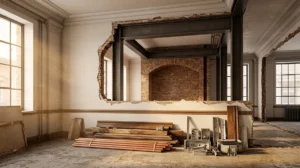
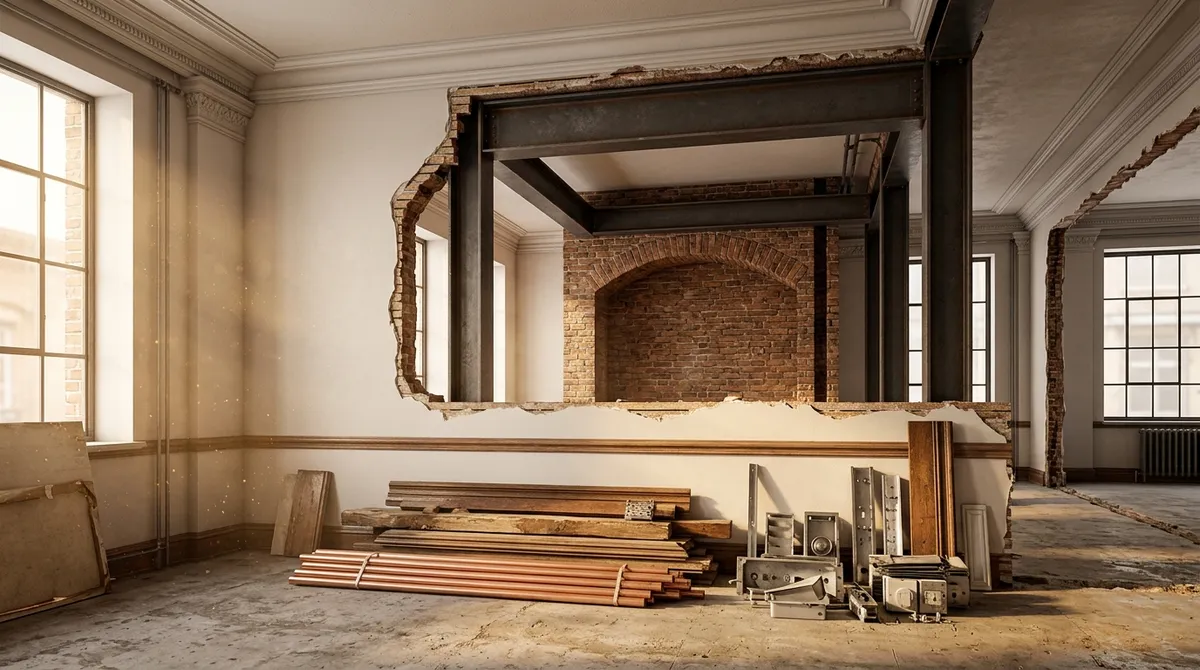
Each of these tasks requires focus and training. A good demolition worker never cuts corners, especially when hazardous materials are involved. For a deeper look at what happens during interior demolition, the process involves careful removal of walls, fixtures, and systems without harming the surrounding structure.
Types of Demolition Work
Demolition isn’t one-size-fits-all. Workers specialize in different types of projects. Here’s a quick comparison of the most common categories:
| Type of Demolition | What It Involves | Common Use Case |
|---|---|---|
| Interior Demolition | Removing walls, ceilings, floors inside a structure | Renovations and remodels |
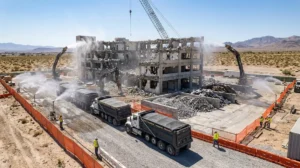
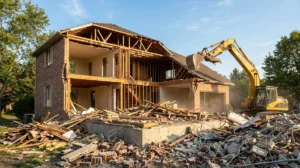
| Building Demolition | Full takedown of a structure from ground up | Site clearance for new builds |
| Concrete Removal | Breaking and hauling away concrete slabs and foundations | Driveway, patio, or slab replacement |
| Pool Removal | Demolishing and filling in swimming pools | Backyard reclamation or redevelopment |
| Selective Demolition | Careful removal of specific parts while preserving others | Partial remodels or historic preservation |
Understanding these differences helps you hire the right crew for your specific project. For example, building demolition is very different from a targeted interior tearout. Each requires different skills, tools, and safety protocols.
Equipment Demolition Workers Use
One of the most fascinating parts of demolition work is the range of tools involved. Workers use everything from simple hand tools to massive machines. Here’s a look at the most common equipment on a demolition site:
- Jackhammers – Break up concrete and masonry
- Reciprocating saws – Cut through walls and framing
- Excavators – Demolish larger structures and dig foundations
- Bulldozers – Push down walls and clear debris
- Dump trucks – Haul debris off-site
- Grinders – Smooth surfaces after removal
- Loaders – Scoop and move heavy materials
Operating this equipment requires training and certification. Skilled machinery operators are a critical part of any demolition crew. You can explore how this connects to full-service excavating and grading work, which often follows demolition on development projects.
Safety Is Everything in Demolition
Safety is the number one priority for every demolition worker. The job involves real risks — falling debris, hazardous materials, heavy equipment, and unstable structures. Workers must follow strict safety procedures at all times.
Here are the top safety practices demolition workers follow:
- Hazard assessment – Identify all risks before work begins, including asbestos, lead paint, and other dangerous materials.
- Utility isolation – Shut off gas, electricity, and water lines before any demolition starts.
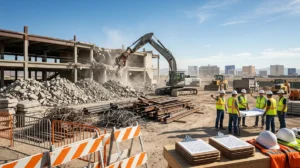
- Personal protective equipment (PPE) – Workers wear hard hats, safety glasses, respirators, gloves, steel-toed boots, and high-visibility vests.
- Exclusion zones – Keep unauthorized people away from active demolition areas.
- OSHA compliance – Most workers hold OSHA 10 or OSHA 30 certifications to ensure they meet federal safety standards.
The Las Vegas demolition permit guidelines outline specific safety and permitting requirements for projects in the area. Following these rules isn’t optional — it’s the law, and it protects everyone on and around the site.
Want to know what makes a licensed professional stand out from the rest? This article on what makes a licensed demolition contractor essential covers the key points every property owner should understand.
How Demolition Workers Handle Debris and Hauling
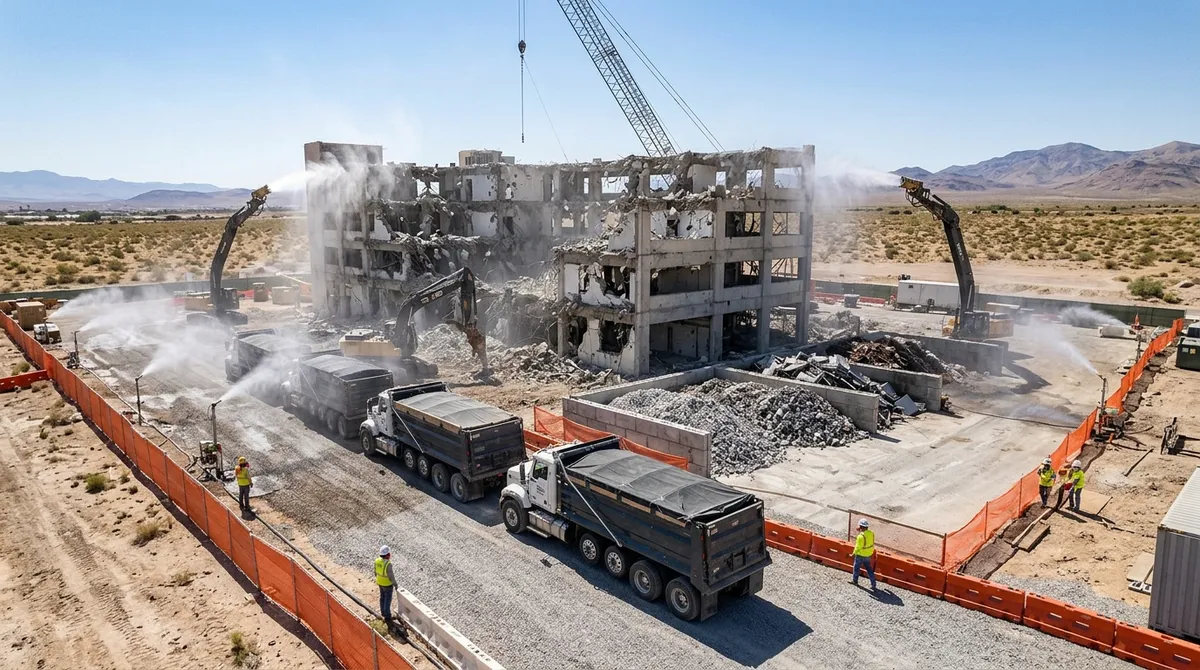
Removing debris is a huge part of the job. After structures come down, workers sort through the rubble. Some materials get salvaged and recycled. The rest gets loaded and hauled away properly. This is where hauling services become a critical part of the overall demolition process.
Responsible debris management includes:
- Separating recyclable materials like metal, wood, and concrete
- Properly disposing of hazardous waste according to regulations
- Loading debris into dump trucks or dumpsters efficiently
- Ensuring the site is clean and ready for the next phase of work
For larger projects, this hauling process can take as long as the demolition itself. Proper debris removal keeps the site safe and helps projects move forward on schedule. Learn more about the connection between these two tasks in this guide on how to plan demolition and hauling for your next project.
How to Become a Demolition Worker
Interested in the trade? Here’s a simple step-by-step path most demolition workers follow to get started:
- Meet basic requirements – Most employers require workers to be at least 18 years old with a valid ID and the ability to lift up to 50 lbs.
- Get construction experience – Previous experience in construction or general labor is a big advantage for entry-level demolition roles.
- Earn your OSHA certification – An OSHA 10 or OSHA 30 card shows employers you understand job site safety basics.
- Join an apprenticeship program – Many workers enter the trade through formal apprenticeships that combine on-the-job training with classroom learning.
- Learn to operate equipment – Getting certified on heavy machinery like excavators and loaders opens up higher-paying opportunities.
- Build your experience – Specialty skills like hazardous material removal or explosive demolition come with time and additional training.
It’s a hands-on career that rewards hard work and dedication. Many experienced demolition workers go on to become supervisors, project managers, or even start their own contracting businesses.
Demolition vs. Deconstruction — What’s the Difference?
You may have heard both terms used. They’re related but not the same thing. Here’s a simple breakdown:
- Demolition – The rapid teardown of a structure, often using heavy machinery. The focus is on speed and efficiency.
- Deconstruction – The careful, systematic dismantling of a structure to salvage and reuse as many materials as possible. It takes longer but produces less waste.
Many modern demolition projects use a mix of both approaches. Workers might carefully deconstruct sections with valuable materials before bringing in the heavy equipment for the rest. This is especially true for commercial remodels and historic building projects. Check out this resource on 3 core meanings of demolition every property owner should know for a broader perspective.
What Makes a Great Demolition Crew
Not all demolition workers are equal. The best crews bring a combination of skills, experience, and professionalism to every job. Here are the key qualities to look for:
- Licensing and insurance – Always work with licensed, insured contractors to protect yourself and your property.
- Safety record – A clean safety history shows the crew takes their responsibilities seriously.
- Experience with your project type – Whether it’s concrete removal or a full building teardown, relevant experience matters.
- Clear communication – Great crews explain the process, keep you informed, and answer your questions openly.
- Proper equipment – The right tools for the job make a big difference in quality and efficiency.
702 Demo brings all of these qualities together as a full-service demolition contractor serving Clark and Nye counties in Nevada. From pool removal to complete site development, their experienced team handles every phase of the work safely and efficiently. Visit us on Google — 702 Demo to read reviews from real customers across the Las Vegas area.
Why Understanding Demolition Work Matters for Your Project
Whether you’re a homeowner tearing out an old patio or a developer clearing a commercial site, knowing what a demolition worker does helps you plan better. You’ll ask the right questions, set realistic timelines, and choose the right contractor for the job.
Demolition work is skilled, dangerous, and essential to the construction process. It’s not a job for just anyone. The best results come from experienced professionals who respect the process, follow the rules, and take pride in their work. If you’d like to dive deeper, this article on what demolition experts actually do on a job site gives you an even closer look at the day-to-day reality of the trade.
Ready to get started on your next demolition project in Las Vegas or the surrounding Nevada area? Reach out to 702 Demo today for a free project estimate and let a trusted, experienced team handle every detail from teardown to cleanup.
FAQs
Q: What does a demolition worker do on a typical day?
A: A demolition worker’s day is busy and varied! They might start by assessing the site for hazards, then move on to operating machinery, tearing down walls, sorting debris, and hauling materials away. No two days look exactly the same, which keeps the work interesting.
Q: Do demolition workers need special training or certifications?
A: Yes, and it’s a great thing they do! Most demolition workers earn OSHA 10 or OSHA 30 safety certifications. Many also complete apprenticeship programs and get licensed to operate heavy equipment. This training keeps everyone safe and ensures the job is done right.
Q: What safety gear does a demolition worker wear?
A: Safety gear is a big deal on demolition sites! Workers typically wear hard hats, safety glasses, respirators, steel-toed boots, heavy-duty gloves, and high-visibility vests. This equipment protects them from falling debris, dust, noise, and other hazards on the job.
Q: How do demolition workers handle hazardous materials like asbestos?
A: Handling hazardous materials is a carefully controlled process. Before any work begins, trained workers identify and isolate dangerous substances like asbestos or lead paint. They follow strict regulations to remove and dispose of these materials safely, protecting both the crew and the surrounding community.
Q: What is the difference between demolition and deconstruction?
A: Great question! Demolition focuses on quickly and efficiently tearing down a structure, often using heavy machinery. Deconstruction is a slower, more careful process where materials are salvaged and reused. Many modern projects use a mix of both approaches depending on the goals of the job.