Key Takeaways
-
Hazardous material inspections and professional abatement for asbestos, lead paint, and mold are legally required before demolition begins and can significantly impact project costs and timeline.
-
Hiring a licensed, experienced demolition contractor who handles permits and local compliance saves time and money by avoiding fines, project shutdowns, and ensuring proper environmental assessments.
-
Commercial demolition includes multiple service types—full demolition, selective/partial demolition, and interior strip-out—each suited for different project needs from complete redevelopment to renovation.
-
Modern demolition contractors now recover and recycle 40-60% of debris including steel, concrete, brick, and copper, reducing disposal costs and environmental impact compared to landfill disposal.
-
The demolition process spans 8-10 phases from initial assessment through site grading, with timelines varying from days for small retail spaces to weeks for large warehouses depending on complexity.
-
Building size, structure materials, hazardous content, site accessibility, and permit fees are the primary cost drivers; obtaining multiple detailed quotes ensures realistic pricing for your specific project scope.
Planning a commercial building demolition project can feel overwhelming. Whether you own a warehouse, retail space, or office building, tearing it down is a big decision. There are permits to pull, safety rules to follow, and timelines to meet. But here’s the good news — when you work with the right team, the process is smoother than you might think.
In 2026, commercial demolition is a booming industry. Urban redevelopment, infrastructure upgrades, and the push for modern facilities are driving demand across Nevada and the entire country. Knowing what to expect before you start can save you time, money, and stress. This guide breaks everything down in simple terms so you can move forward with confidence.
What Is Commercial Building Demolition?
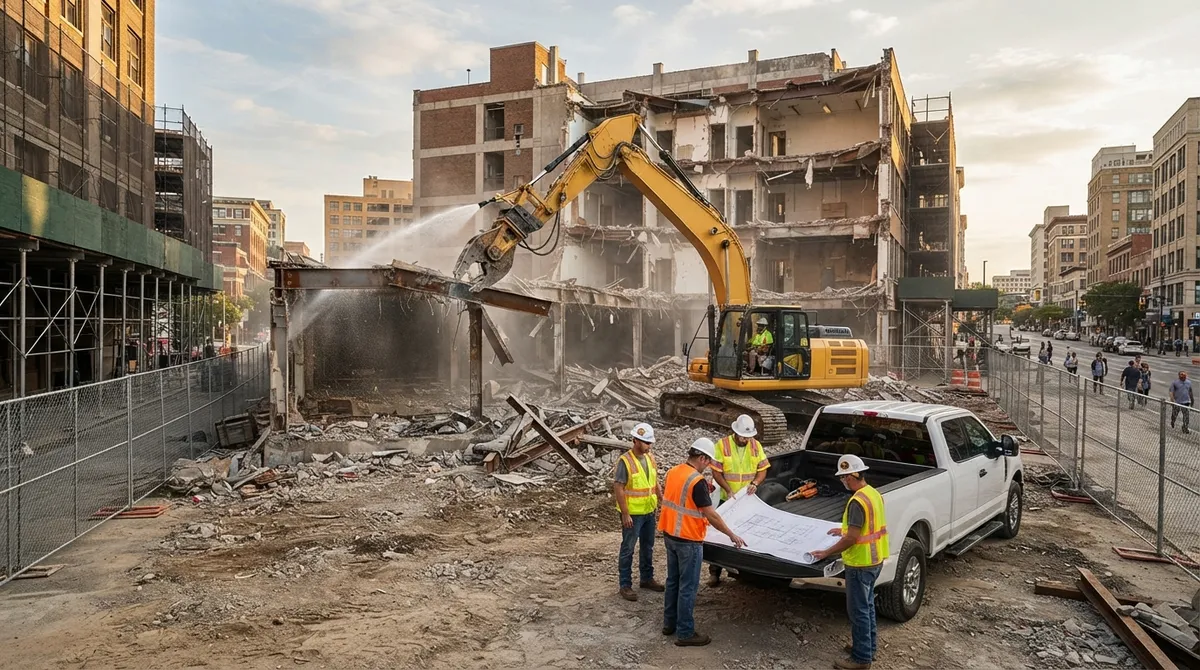
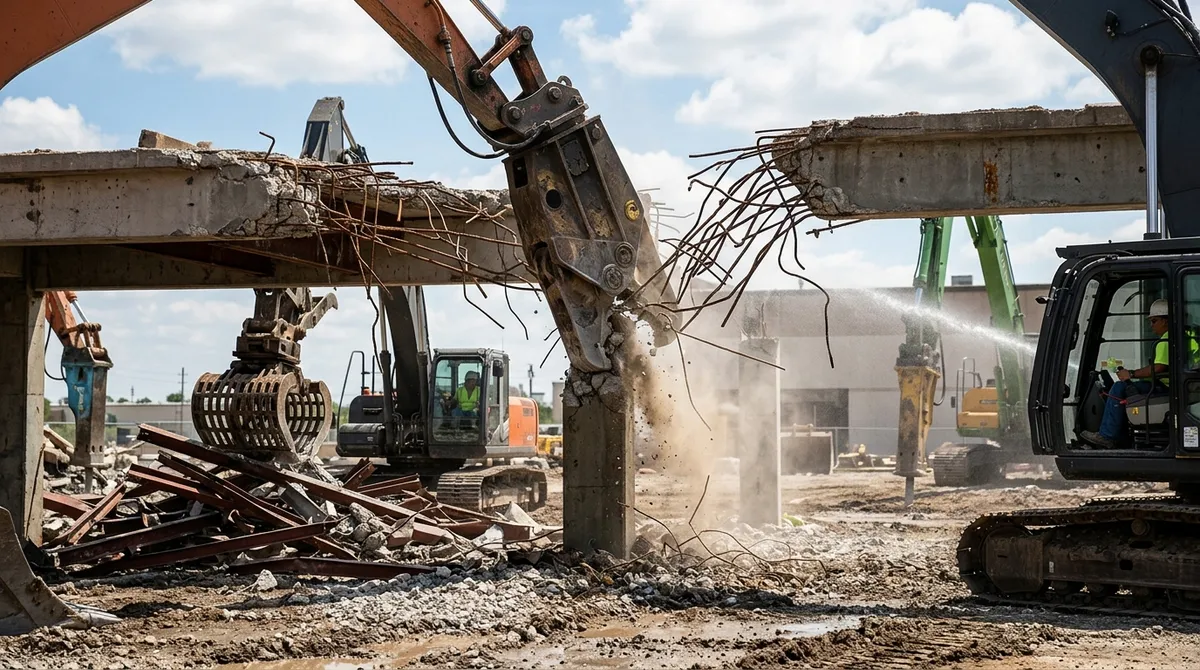
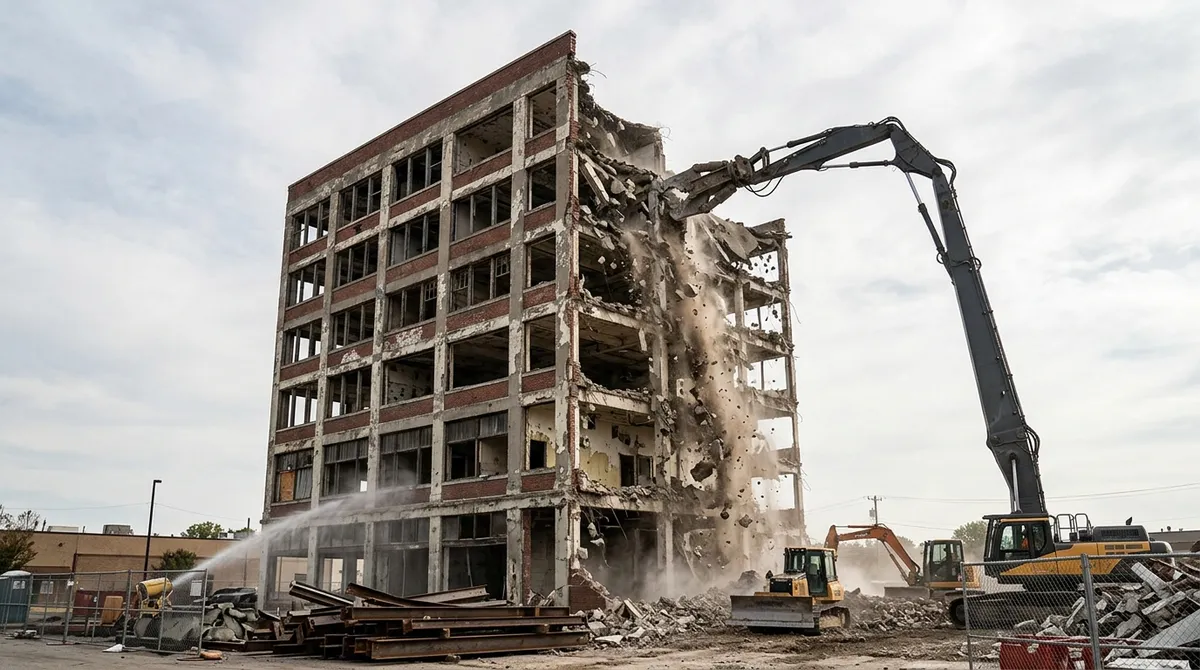
Commercial building demolition is the planned removal of non-residential structures. This includes office buildings, retail centers, warehouses, hotels, restaurants, and industrial facilities. The goal is to safely bring down a structure and clear the site for new development or other use.
It’s more than just swinging a wrecking ball. A proper commercial demolition project involves careful planning, hazardous material inspections, permit applications, and responsible debris disposal. Learn more about what this process looks like by reading 15 Key Facts About Commercial Demolition in 2026.
Why Commercial Buildings Get Demolished
There are many reasons a property owner decides to demolish a commercial structure. Understanding the “why” helps you plan the project better.
- Redevelopment: Older buildings are removed to make way for new commercial or mixed-use projects.
- Structural damage: Some buildings are too far gone to repair safely.
- Infrastructure upgrades: Cities modernize aging commercial districts by clearing old structures.
- Code compliance: Buildings that can’t meet current codes are often better off demolished.
- Economic opportunity: Vacant or underperforming properties can be replaced with higher-value developments.
- Hazardous conditions: Buildings with asbestos, mold, or contamination may require full removal.
No matter the reason, the next step is always the same — hire a qualified contractor and start the planning process early.
Types of Commercial Demolition
Not every demolition project looks the same. The type of work required depends on the size of the building, its condition, and what the property owner plans to do next.
Full Demolition
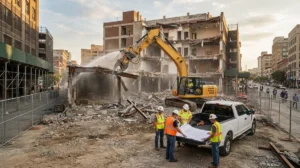
This is the complete removal of a commercial structure. Everything comes down — walls, roof, foundation, and all. The site is then cleared and graded for the next phase of development. You can explore this service in detail at Building Demolition.
Selective or Partial Demolition
Sometimes only part of a building needs to come down. This is called selective demolition. It’s commonly used in renovation projects where only certain sections are removed while the rest of the structure stays intact. Interior Demolition is a great example of this approach.
Interior Strip-Out
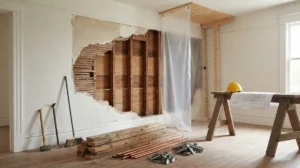
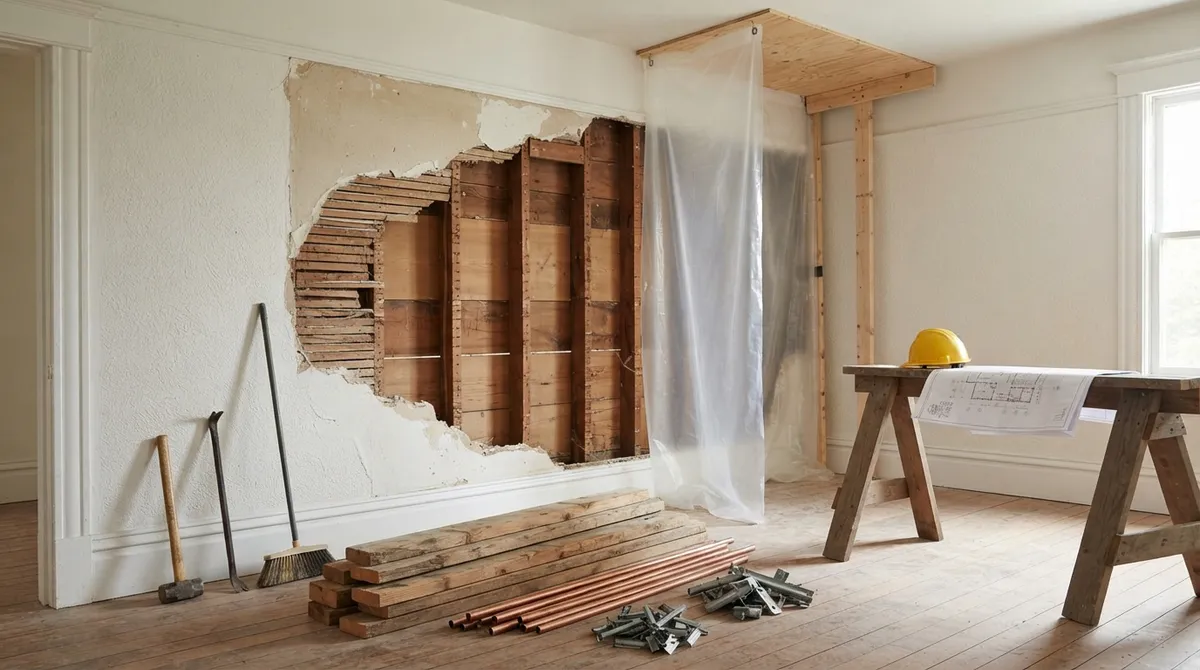
This involves gutting the inside of a building without touching the exterior shell. Walls, ceilings, flooring, and mechanical systems are removed to prepare the space for a full remodel. This is popular for retail spaces and office buildings undergoing major renovations.
The Commercial Building Demolition Process: Step by Step
Understanding each phase of the demolition process helps you plan timelines and set realistic expectations. Here’s how a typical project unfolds:
- Initial Assessment: A contractor evaluates the building’s size, structure, materials, and condition.
- Hazardous Material Survey: Licensed inspectors test for asbestos, lead paint, and other contaminants before any work begins.
- Permit Applications: Required permits are submitted to the local building authority. In Nevada, this means working with the Clark County Building Department or the city, depending on your location.
- Utility Disconnection: All gas, water, electric, and sewer lines are safely shut off and disconnected.
- Hazardous Material Abatement: Any asbestos, lead, or other dangerous materials are professionally removed before demolition begins.
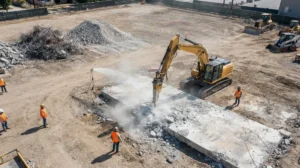
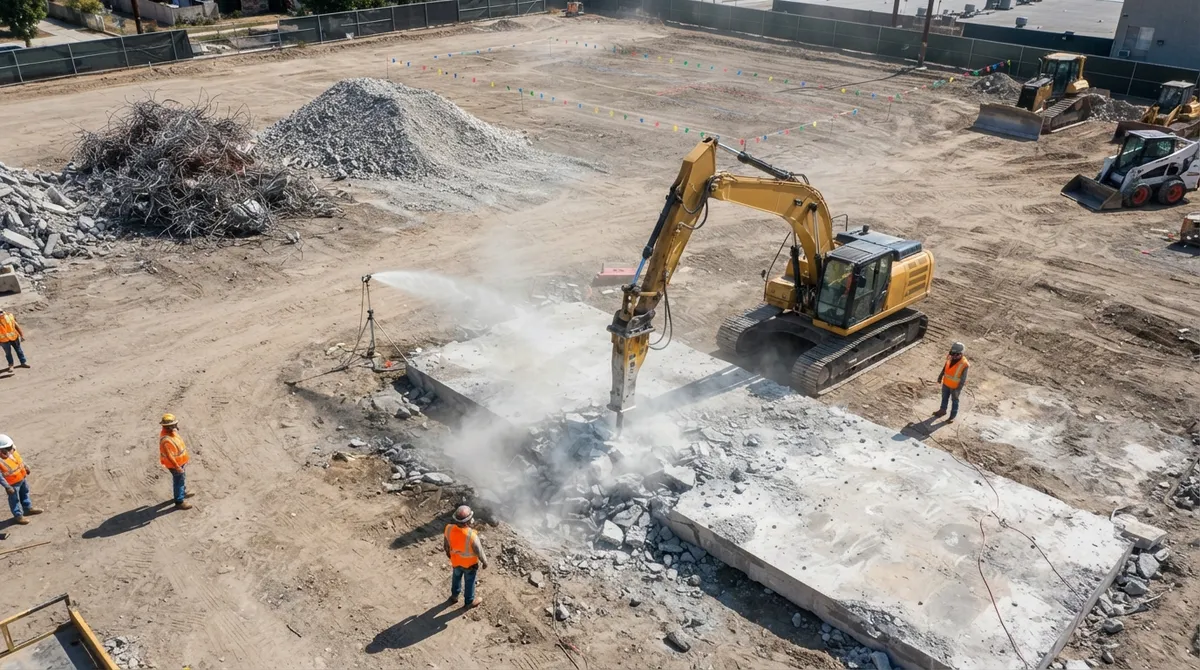
- Demolition Execution: The structure is brought down using the appropriate method — mechanical demolition, selective removal, or implosion for larger structures.
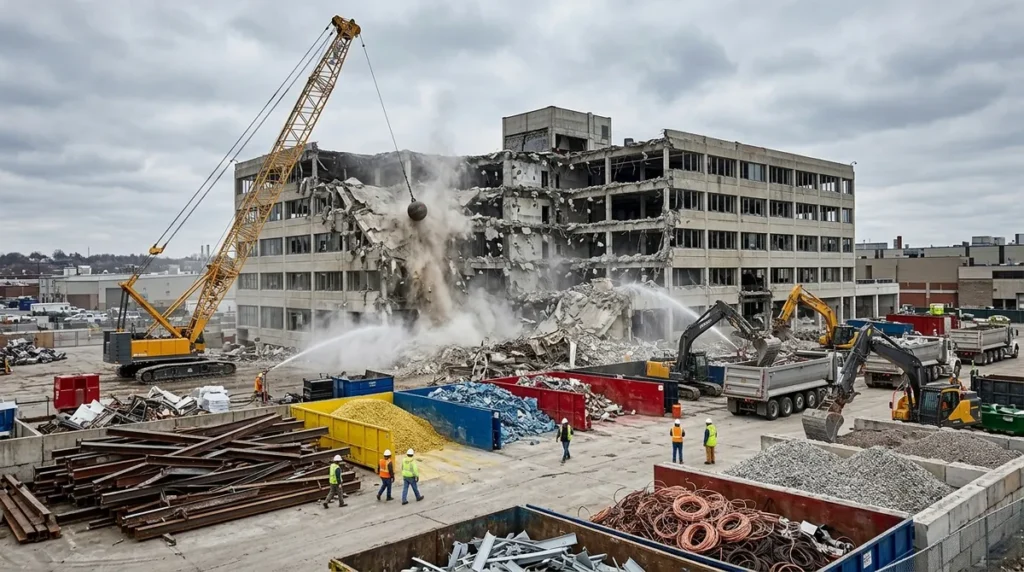
- Debris Removal and Recycling: All materials are sorted, recycled where possible, and hauled away. Learn how this works at Hauling Services.
- Site Grading and Preparation: The site is cleared, graded, and prepared for whatever comes next.
Permits and Regulations You Need to Know
Permits are not optional. Every commercial building demolition project requires proper authorization before work can begin. Skipping this step can result in heavy fines, project shutdowns, and legal liability.
In Las Vegas and Clark County, you’ll need to follow specific guidelines. The Las Vegas demolition permit guidelines outline exactly what’s required, including notification timelines, utility disconnect verification, and environmental compliance documentation.
A good demolition contractor handles the permitting process for you. This is one of the biggest advantages of hiring an experienced professional. Check out What Makes a Licensed Demolition Contractor Essential for Your Project to understand why licensing matters so much.
Hazardous Materials in Commercial Demolition
One of the most important — and often overlooked — parts of commercial building demolition is hazardous material management. Older commercial buildings frequently contain materials that require special handling.
- Asbestos: Common in buildings constructed before the 1980s. Asbestos testing is legally required before demolition in most jurisdictions.
- Lead paint: Found in many older commercial properties. Must be handled by certified professionals.
- Mold: Can spread rapidly during demolition if not properly contained first.
- Contaminated soil: Industrial sites may have ground contamination requiring remediation.
- PCBs and other chemicals: Found in old electrical equipment and certain building materials.
Skipping hazardous material inspections isn’t just risky — it’s illegal. Always ensure your contractor performs thorough environmental assessments before breaking ground.
Sustainability and Recycling in Modern Demolition
The demolition industry has come a long way when it comes to environmental responsibility. Today, contractors salvage and recycle a significant portion of demolition debris rather than sending everything to a landfill.
Materials commonly recovered during commercial building demolition include:
- Structural steel and metal components
- Concrete (crushed and reused as fill or aggregate)
- Brick and masonry materials
- Wood framing and lumber
- Copper wiring and plumbing
- Glass and aluminum fixtures
Recycling isn’t just good for the environment. It can also reduce debris disposal costs for property owners. Sustainability is now a major driver in the industry, and the best demolition teams prioritize material recovery on every project.
Commercial Demolition by the Numbers
The U.S. demolition and wrecking industry is larger than most people realize. Here’s a snapshot of where the industry stands in 2026:
| Industry Metric | Data Point |
|---|---|
| Estimated U.S. Industry Revenue (2025) | $11.2 billion |
| Industry Growth Rate (2020–2025 CAGR) | 5.1% |
| Number of U.S. Demolition Businesses | 4,772 (as of 2025) |
| Primary Growth Drivers | Urban redevelopment, infrastructure investment, sustainability |
| Key Environmental Focus | Recycling of concrete, steel, and brick materials |
These numbers reflect a strong, growing industry. With nearly 4,800 demolition businesses across the country, the market is competitive. That’s why choosing an experienced local contractor matters so much.
What Affects the Cost of Commercial Building Demolition?
Every project is different, and so is the cost. Several key factors influence the overall price of a commercial demolition job. For a deeper look, visit 15 Key Factors That Affect the Cost to Demolish a Commercial Building.
- Building size and square footage — Larger buildings require more time, labor, and equipment.
- Structure type and materials — Concrete and steel buildings cost more to demolish than wood-frame structures.
- Presence of hazardous materials — Asbestos and lead abatement add significant cost.
- Site accessibility — Tight urban lots require specialized equipment and more careful planning.
- Permit fees — Fees vary by municipality and project scope.
- Debris disposal and recycling — Landfill tipping fees and recycling logistics affect the bottom line.
- Site preparation requirements — Excavating and grading after demolition adds to the total.
Getting multiple quotes and being transparent about your project scope will help you understand realistic pricing for your specific situation.
Full-Service vs. Partial Demolition: Which Do You Need?
| Project Need | Best Demolition Type | Common Use Case |
|---|---|---|
| Completely clear a site | Full demolition | New development, redevelopment |
| Renovate a section of a building | Selective/partial demolition | Commercial remodels |
| Gut the interior only | Interior strip-out | Office or retail buildouts |
| Remove specific elements (slabs, walls) | Targeted demolition | Structural repairs, upgrades |
Not sure which type fits your project? A quick consultation with a knowledgeable contractor will point you in the right direction fast. You can also explore options at 8 Types of Commercial Demolition Services Explained (2026).
How to Choose the Right Commercial Demolition Contractor
Picking the right contractor makes all the difference. Here’s what to look for:
- Valid state demolition license and insurance
- Experience with commercial projects similar to yours
- Strong local reputation and verifiable references
- Clear communication and detailed written estimates
- Knowledge of local permit requirements and environmental regulations
For more guidance, check out How to Choose the Right Commercial Demolition Companies. And if you want to know what separates great contractors from the rest, read 7 Things to Know About Commercial Demolition Contractors.
702 Demo is a full-service demolition contractor proudly serving Clark and Nye counties in Nevada. With years of hands-on experience in commercial building demolition, interior strip-outs, excavating, grading, and site development, the team at 702 Demo brings the right tools and expertise to every project. Visit us on Google — 702 Demo to read real customer reviews and see the work firsthand.
After Demolition: What Comes Next?
Once the structure is down and the debris is cleared, the site needs to be properly prepared for its next use. This often includes:
- Site grading and leveling for new construction
- Excavation for new foundations or underground utilities
- Concrete work for new slabs or paving
- Soil compaction and testing
A contractor who handles both demolition and site development makes this transition seamless. Learn more about post-demolition services at Excavating and Grading and Concrete Removal.
Ready to Start Your Commercial Building Demolition Project?
Commercial building demolition doesn’t have to be complicated. With the right contractor by your side, every step — from permits to final cleanup — runs smoothly. The key is choosing a team that knows the local regulations, has the proper equipment, and treats your project with the care it deserves.
Whether you need a full tear-down, selective demolition, or a complete interior strip-out, the professionals at 702 Demo are ready to help. Don’t let a big project feel like an obstacle. Get in touch with 702 Demo today for your free estimate and take the first step toward your next great project.
FAQs
Q: What is commercial building demolition?
A: Commercial building demolition is the planned removal of non-residential structures like offices, retail stores, warehouses, and industrial buildings. It involves careful planning, permitting, hazardous material handling, and debris removal to safely clear a site for new use.
Q: Is asbestos testing required before commercial demolition?
A: Yes! Asbestos testing is legally required before any commercial demolition project begins in most states, including Nevada. A licensed inspector surveys the building, and any hazardous materials must be professionally removed before demolition can start — no shortcuts here!
Q: What permits are needed for commercial building demolition?
A: You’ll need a demolition permit from your local building authority before any work begins. In Clark County, this means working with the Clark County Building Department. A great contractor will handle the permit process for you, so you don’t have to figure it out alone.
Q: How long does commercial building demolition take?
A: The timeline depends on the size and complexity of the building. A small retail structure might take a few days, while a large warehouse or multi-story building could take several weeks. The permit and hazardous material abatement phases are often the longest parts of the process.
Q: What happens to debris after a commercial demolition?
A: Debris is sorted on-site and as much material as possible is recycled — including steel, concrete, brick, and copper. What can’t be recycled is hauled away and disposed of responsibly. Recycling not only helps the environment but can also lower your overall project costs!