Key Takeaways
-
Obtain all required demolition permits from local authorities before starting any work; skipping this step results in fines, delays, and legal issues.
-
Disconnect all utilities (gas, electricity, water, sewer) through licensed professionals before demolition begins to prevent fire, electrocution, and flooding hazards.
-
Conduct a hazardous material survey to identify and safely remove asbestos, lead paint, and other EPA-regulated materials before any demolition work starts.
-
Use the top-down demolition sequence—starting from the roof and working downward—to prevent uncontrolled collapse and keep debris safely contained.
-
Consider deconstruction to salvage valuable materials like hardwood floors, doors, fixtures, and copper wiring before mechanical demolition for cost recovery and waste reduction.
-
Hire licensed professional demolition contractors rather than attempting DIY demolition; professionals handle permits, inspections, hazmat compliance, and proper equipment operation safely.
Planning to tear down a house? You’re not alone. Whether you’re a homeowner ready for a fresh start, a developer clearing land, or a contractor managing a site, knowing the best way to demolish a house is essential. The right approach keeps everyone safe, stays within budget, and avoids costly mistakes.
House demolition isn’t just about swinging a wrecking ball. It involves careful planning, the right equipment, and a skilled team. In this guide, we’ll walk you through the 11 most important steps and strategies that professional demolition crews use. By the end, you’ll know exactly what to expect — and why hiring experienced pros is always the smart move.
Why Professional House Demolition Matters
Demolishing a house without proper expertise is risky. Structures can collapse unexpectedly. Hazardous materials like asbestos and lead paint can become airborne. Fines for permit violations can add up fast. That’s why most property owners in Clark and Nye counties turn to trusted professionals. If you want to learn more about what licensed demolition contractors do, check out this helpful resource on what makes a licensed demolition contractor essential for your project.
11 Best Ways to Demolish a House Safely and Efficiently
1. Pull All Required Permits First
Before anything gets torn down, you need the right paperwork. Most municipalities require a demolition permit. In many areas, permits cost between $50 and $100. Always check with your local authority before starting. You can review the official Las Vegas demolition permit guidelines to understand what’s needed in the area. Skipping this step can result in fines, project delays, and legal headaches.
2. Disconnect All Utilities
Gas, electricity, water, and sewer lines must be fully disconnected before demolition begins. This must be done by licensed professionals. Failing to do this creates serious safety risks — including fire, flooding, and electrocution. Your demolition contractor will typically coordinate this step or guide you through the process.
- Gas lines must be shut off and capped by your utility provider
- Electrical service must be disconnected at the meter
- Water and sewer lines need proper sealing
- Cable and internet lines should also be removed
3. Conduct a Hazardous Material Survey
Older homes often contain asbestos insulation, lead paint, or other hazardous materials. These must be identified and safely removed before any demolition work starts. This process is called an environmental or hazmat survey. Professional contractors are trained to handle these materials safely and in compliance with EPA regulations. You can also check with the Clark County Building Department for local hazardous material requirements.
4. Salvage Valuable Materials First (Deconstruction)
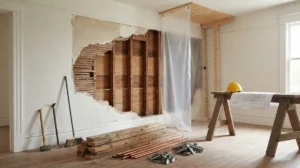
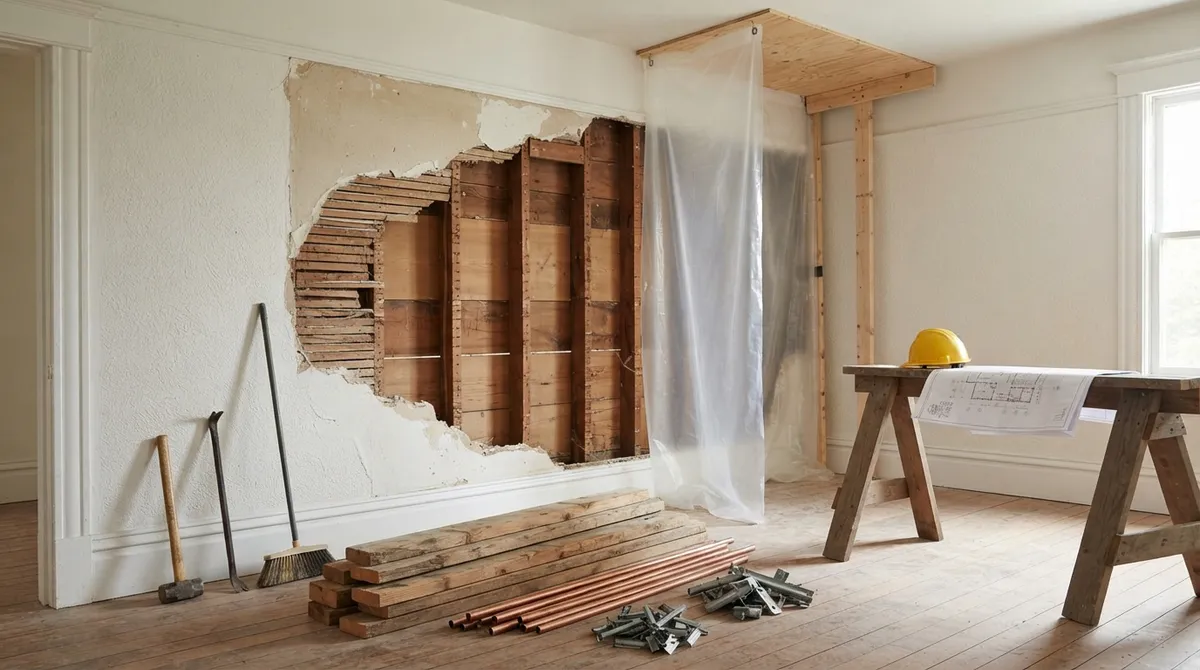
Not everything needs to be destroyed. Deconstruction means manually removing reusable items before the main teardown. This is a great way to reduce waste and even recover some value from the property.
- Doors, windows, and fixtures can be donated or resold
- Hardwood floors and cabinets often have resale value
- Brick and stone can be repurposed for landscaping
- Copper wiring and plumbing have scrap value
Deconstruction takes more time than full mechanical demolition, but it’s eco-friendly and can reduce disposal costs. Learn more about the full scope of what demolition crews handle by reading what demolition experts actually do on a job site.
5. Set Up a Secure Work Perimeter
Safety is a top priority on any demolition site. Before the heavy equipment rolls in, the crew must set up a secure perimeter. This protects workers, neighbors, and passersby from flying debris and accidents.
- Install chain-link or temporary fencing around the site
- Post clear warning and no-entry signs
- Establish a safe distance for observers
- Coordinate with local authorities if near a public road
6. Use Mechanical Demolition for Full Teardowns
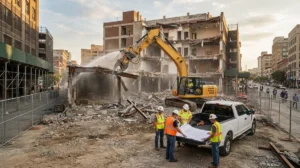
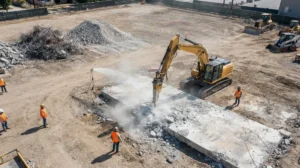
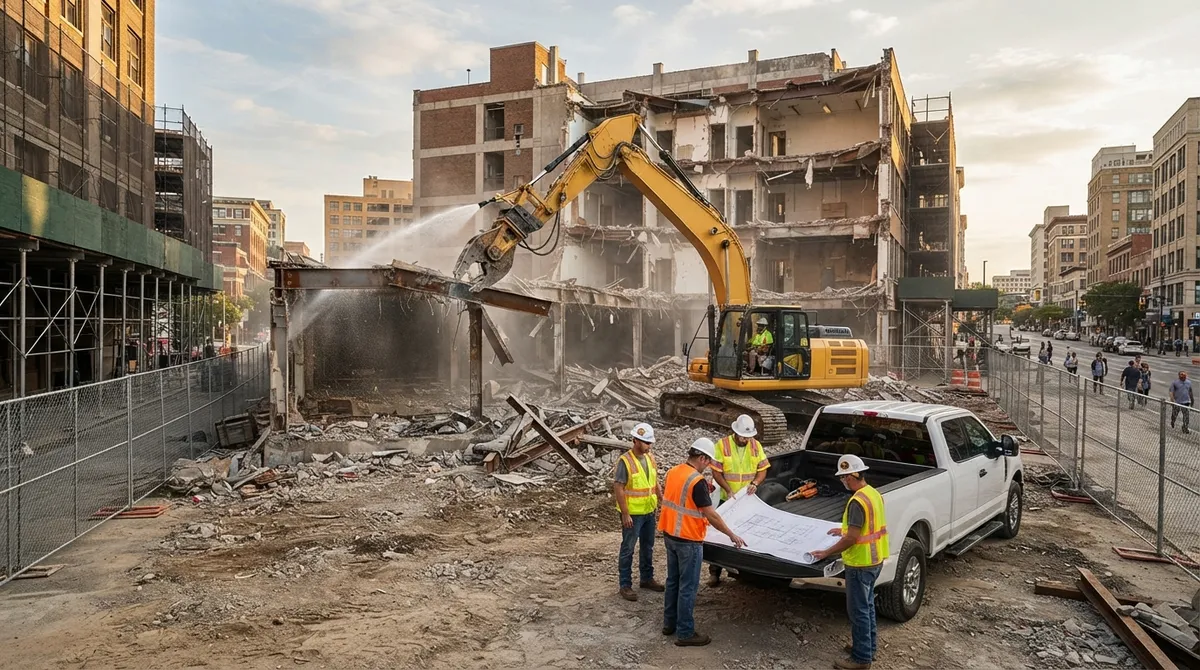
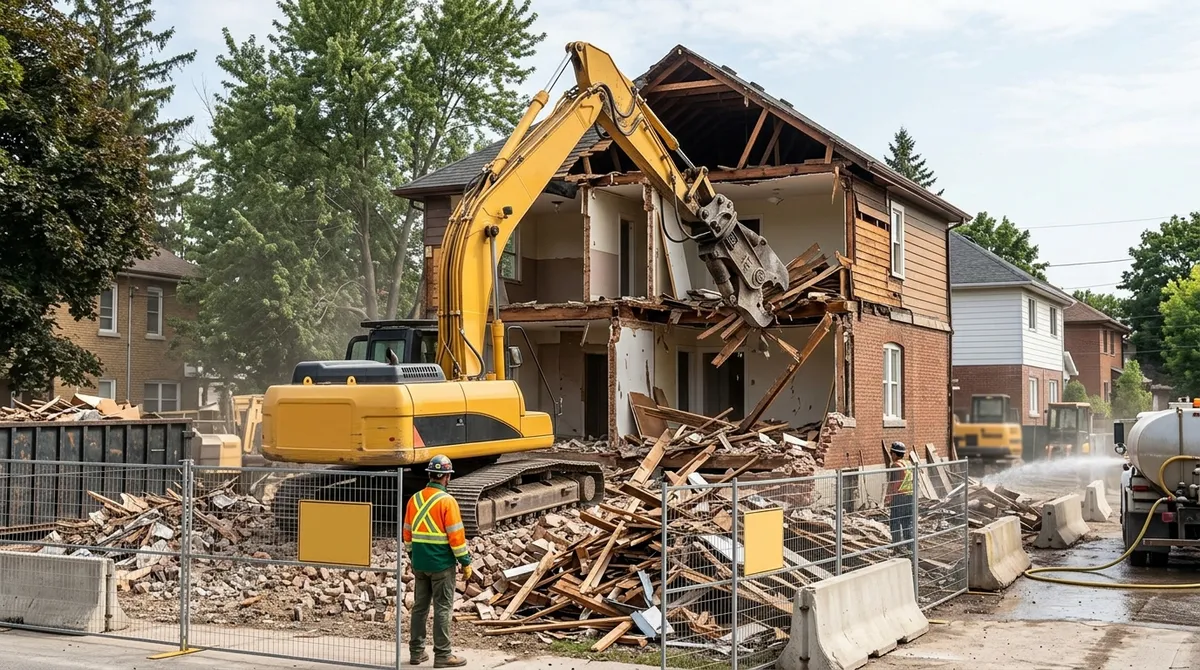
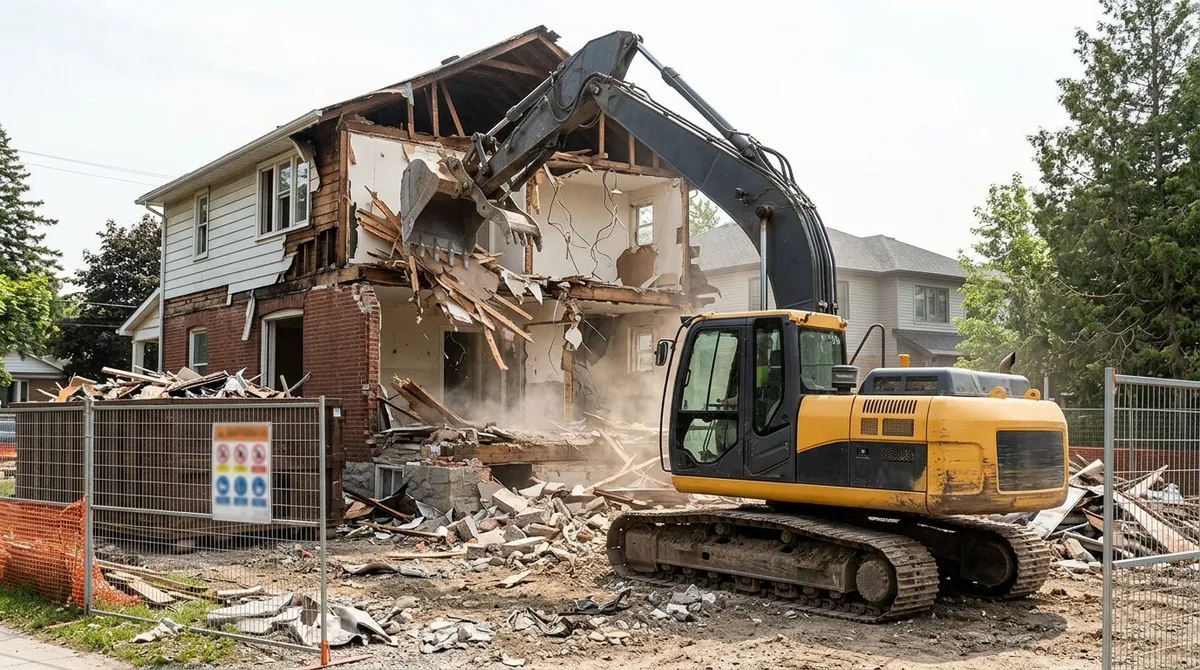
Mechanical demolition is the industry standard for complete house teardowns. It uses heavy equipment like excavators, bulldozers, and skid steers to bring down the structure quickly and efficiently. This method is faster than manual demolition and is ideal when the entire structure needs to go. For a full look at how building demolition works, visit our building demolition services page.
7. Follow the Top-Down Demolition Sequence
Professional crews always demolish a house from the top down. This is the safest approach. Starting from the roof and working down prevents uncontrolled collapse and keeps debris contained.
Here’s the standard top-down sequence:
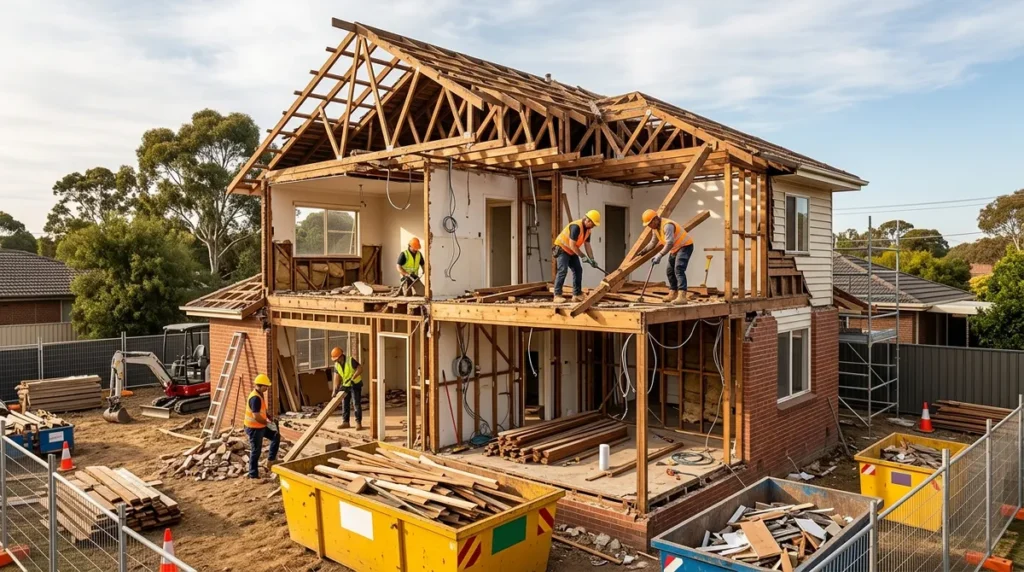
- Cave in or remove the roof first to weaken structural corners
- Knock down upper-floor walls systematically
- Remove interior floor structures
- Bring down the ground-floor walls
- Break up and remove the foundation
Operators always push debris away from themselves to reduce the risk of injury. This structured approach is what separates a controlled demolition from a dangerous collapse. You can explore more about what controlled demolition means for your project.
8. Use the Right Heavy Equipment
The equipment used depends on the size and construction type of the house. Most residential demolitions use a combination of the following:
| Equipment | Primary Use | Best For |
|---|---|---|
| Excavator with shear attachment | Crushing walls and roof | Wood-frame and block homes |
| Bulldozer | Pushing debris into piles | Large footprint structures |
| Skid steer loader | Clearing and sorting debris | Tight residential lots |
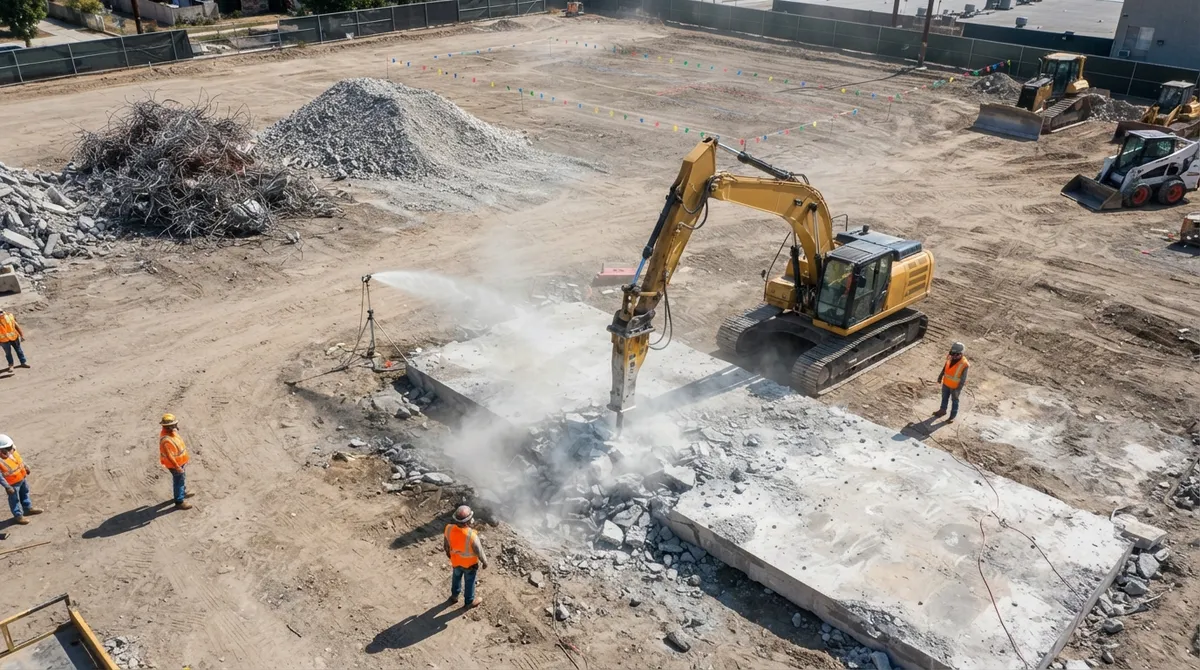
| Concrete breaker | Breaking up slabs and foundations | Concrete slab foundations |
| Roll-off dumpster truck | Hauling debris off-site | All projects |
9. Sort and Recycle Demolition Debris
Once the structure is down, the debris needs to be sorted and hauled away. Professional contractors separate materials into categories for recycling and proper disposal. This is better for the environment and often reduces hauling costs.
- Wood and lumber — often chipped or taken to recycling centers
- Metal — sold for scrap recycling
- Concrete — crushed and reused as fill material
- Drywall — can sometimes be recycled
- Hazardous waste — handled separately with licensed disposal
A professional hauling services team makes this process seamless. They load materials into roll-off dumpsters and transport everything to the appropriate facilities.
10. Grade and Level the Site
After debris removal, the site needs to be graded and leveled. This prepares the land for whatever comes next — whether that’s new construction, landscaping, or sale. Proper grading also ensures water drains away from the site correctly, preventing future erosion or flooding issues. Visit our excavating and grading services page to learn how this step works.
11. Schedule Final Inspections
Most demolition projects require between two and five official inspections throughout the process. A final inspection confirms that the demolition was completed safely and in compliance with local codes. Your contractor should handle scheduling these inspections and walking through them with the building department. This step officially closes out the project and clears the property for future use.
Mechanical Demolition vs. Deconstruction: A Quick Comparison
Choosing between mechanical demolition and deconstruction depends on your goals, timeline, and budget. Here’s a simple side-by-side look:
| Factor | Mechanical Demolition | Deconstruction |
|---|---|---|
| Speed | Hours to a few days | Weeks |
| Cost | Lower overall | Higher labor costs |
| Material Recovery | Minimal | High — salvages usable items |
| Environmental Impact | More landfill waste | Eco-friendly, reduces waste |
| Best For | Full teardowns on a schedule | Older homes with salvageable materials |
For most residential and commercial teardowns, mechanical demolition is the fastest and most cost-effective choice. Read more in our guide on how to plan a residential home demolition the right way.
What to Expect During a Residential Demolition Project
Understanding the full timeline helps you plan ahead. Here’s a general overview of what a residential demolition project looks like from start to finish:
- Pre-demolition planning — permits, utility disconnection, hazmat survey
- Site preparation — fencing, salvage, and equipment staging
- Structural demolition — top-down teardown using heavy equipment
- Debris sorting and hauling — recycling and disposal of all materials
- Site grading — leveling and compacting the cleared lot
- Final inspections — sign-off from the local building authority
Mechanical demolition of a single-family home can be completed in as little as a day, though the full project timeline including prep and grading often spans several days to a week. Want to know more about the full process? Explore our article on 7 things to know about residential demolition services.
Why Choose a Professional Demolition Contractor in Las Vegas
DIY demolition might seem tempting, but the risks far outweigh any potential savings. Professional demolition contractors bring licensed expertise, the right equipment, proper insurance, and regulatory knowledge to every job. They handle everything from permits to final inspections — so you don’t have to worry about a thing.
702 Demo is a trusted full-service demolition contractor serving all of Clark and Nye counties in Nevada. With years of hands-on experience in residential and commercial demolition, our team delivers safe, efficient, and code-compliant results every single time. You can visit 702 Demo on Google to read what our customers say and see our work for yourself.
From interior strip-outs to full structural teardowns, we’ve got the equipment and expertise to get it done right. See why so many property owners trust us by reading about why 702 Demo is the leading demolition contractor in Las Vegas.
Conclusion
The best way to demolish a house is through a structured, professional approach — starting with permits and utility disconnection, moving through hazmat removal, and finishing with a clean, graded site. Every step matters for safety, efficiency, and compliance. Whether you’re a homeowner, developer, or contractor, working with a licensed demolition team takes the guesswork out of the entire process.
Ready to get started on your demolition project? Reach out to 702 Demo for a free estimate and let our experienced team handle every detail from start to finish.
FAQs
Q: What is the difference between mechanical demolition and deconstruction?
A: Great question! Mechanical demolition uses heavy equipment like excavators to bring down a structure quickly — often in just hours or days. Deconstruction is a slower, manual process where workers carefully remove reusable materials like doors, flooring, and fixtures before the main teardown. Both have their place depending on your timeline and goals.
Q: What permits do I need before demolishing a residential house?
A: You’ll typically need a demolition permit from your local municipality before any work can begin. In many areas, these permits cost between $50 and $100. Your demolition contractor can usually help pull the necessary permits and coordinate required inspections — so the process is smooth and stress-free.
Q: How do demolition companies handle asbestos and hazardous materials?
A: Before demolition starts, licensed contractors conduct an environmental survey to identify any hazardous materials like asbestos or lead paint. These materials are carefully removed by trained professionals and disposed of in compliance with EPA and local regulations. It’s one of the most important steps in any safe demolition project.
Q: How long does it take to professionally demolish a house?
A: The actual mechanical teardown of a single-family home can happen in as little as a few hours to a couple of days depending on the size and materials. However, when you factor in pre-demolition prep (permits, utility disconnection, hazmat removal) and post-demolition cleanup and grading, the full project typically takes several days to about a week.
Q: Do I need to disconnect utilities myself before the demolition team arrives?
A: Utility disconnection needs to happen before demolition begins, but you don’t have to handle it all yourself! Your demolition contractor will typically coordinate with utility companies or guide you on scheduling disconnections for gas, electric, water, and sewer. Licensed professionals must perform the actual shutoffs — it’s a safety requirement, not just a suggestion.