Key Takeaways
-
Commercial demolition encompasses interior strip-outs, selective demolition, and full structural teardowns—not just knocking down walls—requiring a structured process from site assessment through debris removal.
-
Permits are mandatory for safety compliance and legal protection; skipping them risks delays, fines, and safety violations, so always pull required permits through local building departments.
-
Hire experienced local contractors who understand regional permit requirements, coordinate utility disconnections properly, and honestly assess whether your project needs engineering reviews to avoid costly mistakes.
-
Hazardous materials like asbestos and lead paint must be professionally tested and removed before demolition begins—this is legally required and protects workers, neighbors, and the environment.
-
Most demolition debris can be recycled (concrete, metal, wood, glass) rather than sent to landfills, reducing disposal costs and environmental impact while meeting sustainability standards.
-
Timeline varies significantly by project scope—small interior strip-outs take days while full building teardowns require weeks—and depends on building size, hazmat findings, permits, and weather conditions.
Planning a commercial demolition project can feel overwhelming. Maybe you’re a property manager facing an old building that needs to come down. Or perhaps you’re a developer ready to break ground on something new in Las Vegas. Either way, you’re in the right place. Let’s walk through this together, step by step, so you feel confident and ready.
At 702 Demo, we’ve seen it all across Clark and Nye counties. From small interior strip-outs to full building takedowns, commercial demolition is our specialty. This guide will help you understand what to expect, what to ask for, and how to keep your project moving smoothly from start to finish.
What Does Commercial Demolition Actually Involve
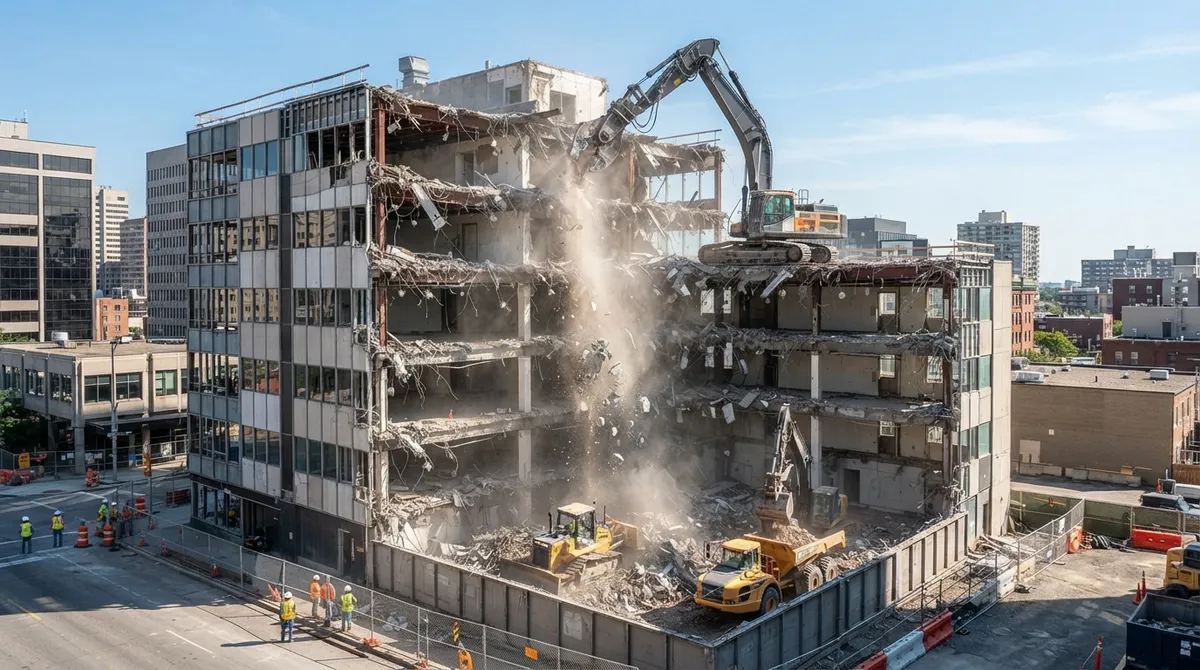
Commercial demolition covers a wide range of work. It’s not just knocking down walls with a big machine. It includes everything from gutting the inside of an office to clearing an entire retail space down to the dirt.
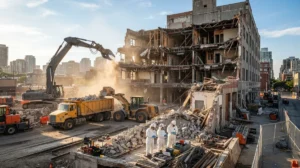
This type of work ranges from interior strip-outs and selective demolition to full structural demolition and complete site clearing. Think about a strip mall getting a facelift, or an old warehouse making way for new apartments. Each job is different, but the goal is always the same: clear the space safely so something new can happen there.
It’s worth noting that commercial demolition is different from industrial demolition. Industrial jobs often deal with refineries, chemical plants, and other complex structures. Commercial demolition, on the other hand, focuses on office buildings, retail centers, and warehouses while keeping nearby businesses running smoothly. If you want to learn more about how this fits into the bigger picture, check out our building demolition services page.
Common Types of Commercial Demolition Projects
- Interior demolition for office renovations or tenant improvements
- Full building teardowns for redevelopment projects
- Selective demolition that removes specific sections while keeping the rest intact
- Retail space clearing for new store buildouts
- Warehouse and industrial park demolition for site redevelopment
- Parking lot and concrete removal tied to larger site work
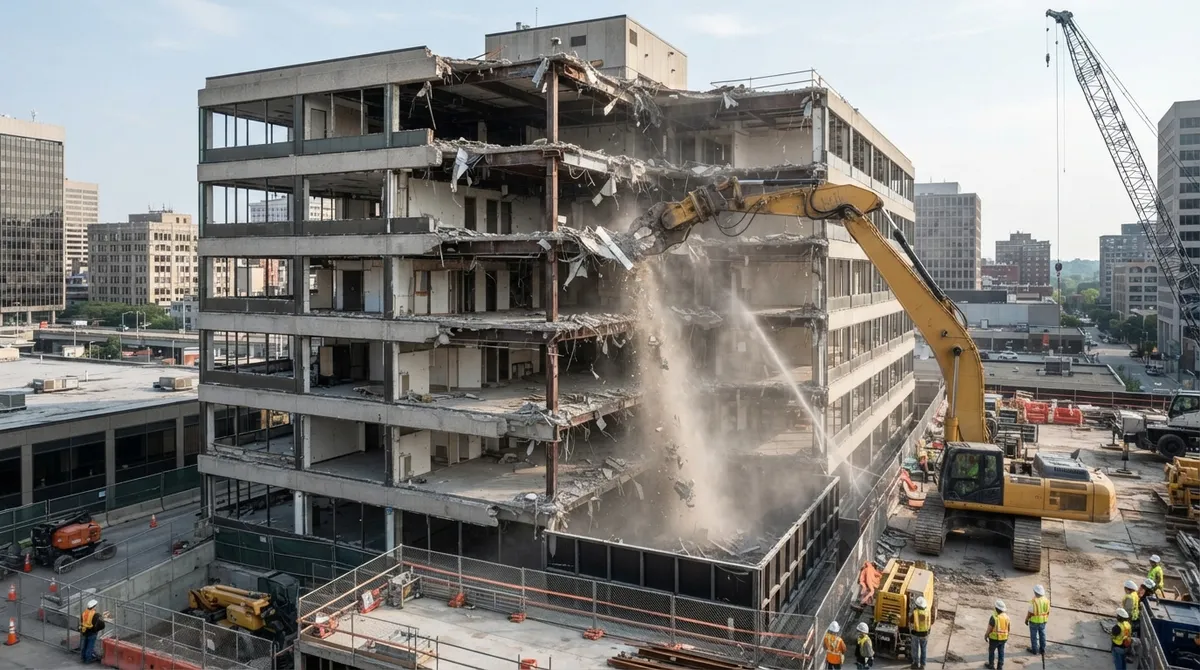
The Step-by-Step Commercial Demolition Process
Every good demolition project follows a clear plan. Skipping steps can lead to delays, safety issues, or even fines. Here’s how a typical project moves from start to finish.
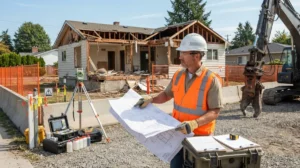
- Site Assessment: A contractor walks the property to check the structure, utilities, and any hazards like asbestos.
- Permit Review: Local permits get pulled based on the scope of work. This step protects you and the public.
- Utility Coordination: Gas, water, and electric lines get disconnected safely before any demolition begins.
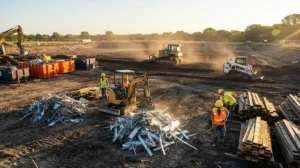
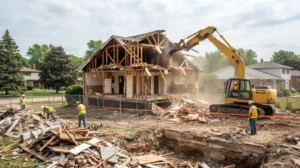
- Demolition Execution: Crews carry out the actual teardown, using the right equipment for the job size.
- Debris Removal and Cleanup: All materials get hauled away, and the site gets cleaned up for the next phase.
This structured process keeps everyone safe and keeps your project on schedule. If you’re managing a property and need help figuring out where to start, our team can walk you through hauling services and site prep options that fit your timeline.
Why Permits Matter So Much
Skipping permits is never a good idea. Local governments require permits to make sure demolition work follows safety codes. In Las Vegas, you can review the official Las Vegas demolition permit guidelines to understand what’s needed before work begins. Clark County also has its own process through the Clark County Building Department, which oversees inspections and approvals for commercial projects.
Do You Need an Engineering Review
This is a great question, and the answer depends on your specific project. Engineering reviews are not always required. But they become necessary in certain situations.
You’ll likely need one if your project involves structural stability concerns, sits close to adjacent buildings, poses public safety risks, or requires temporary support during the teardown. A structural engineer checks the building’s bones before anyone starts swinging a hammer or firing up an excavator.
If you’re not sure whether your project needs this step, ask your demolition contractor. A good contractor will tell you honestly, not just to make an extra sale. This is one reason why choosing an experienced team matters so much. Learn more about what makes a contractor trustworthy in our article on what makes a licensed demolition contractor essential for your project.
Handling Asbestos and Hazardous Materials
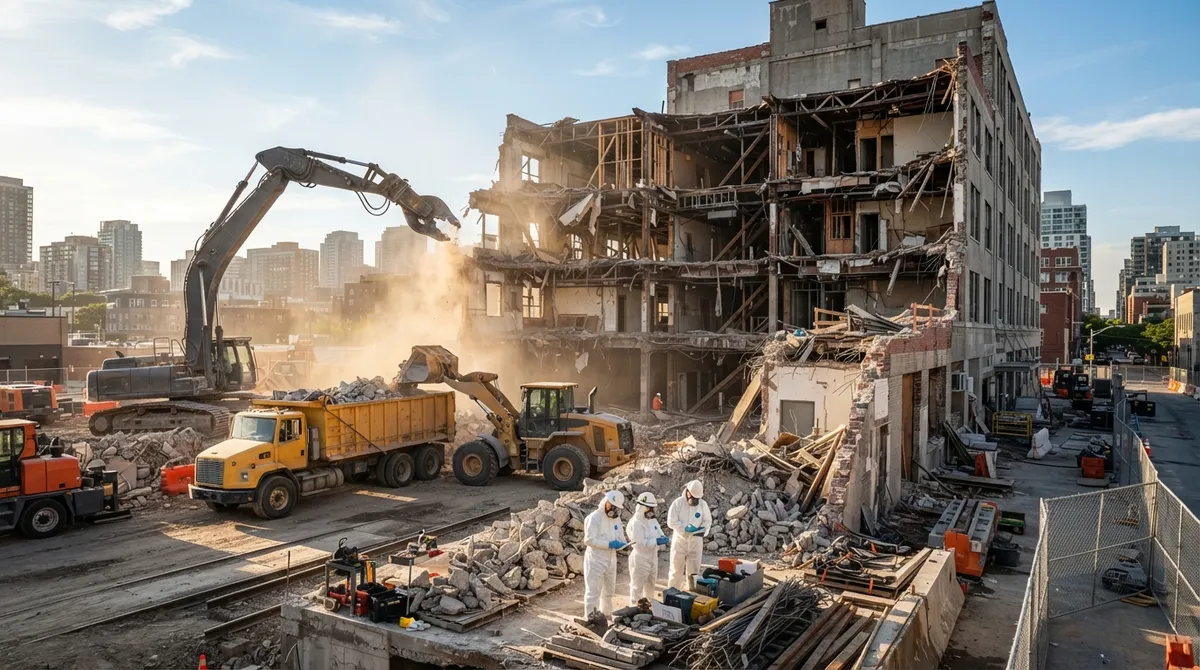
Older commercial buildings often hide surprises. Asbestos, lead paint, and other hazardous materials were common in construction decades ago. Before any demolition starts, a proper review checks for these materials.
If hazards are found, they need to be removed by trained professionals following strict safety rules. This step protects workers, neighbors, and the environment. Skipping it isn’t just risky, it’s often against the law.
Most commercial demolition contractors, including our team at 702 Demo, coordinate this testing before work begins. It’s a small step that prevents big headaches later.
What Happens to the Debris
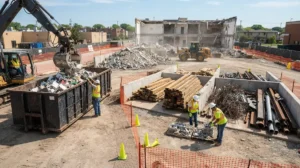
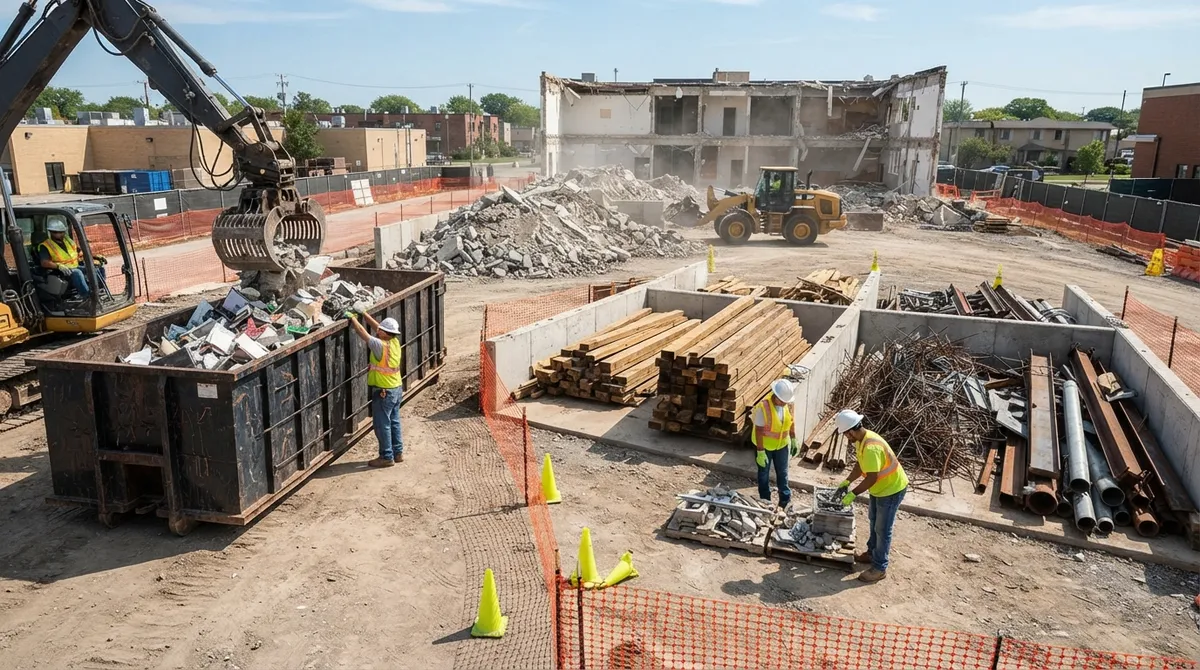
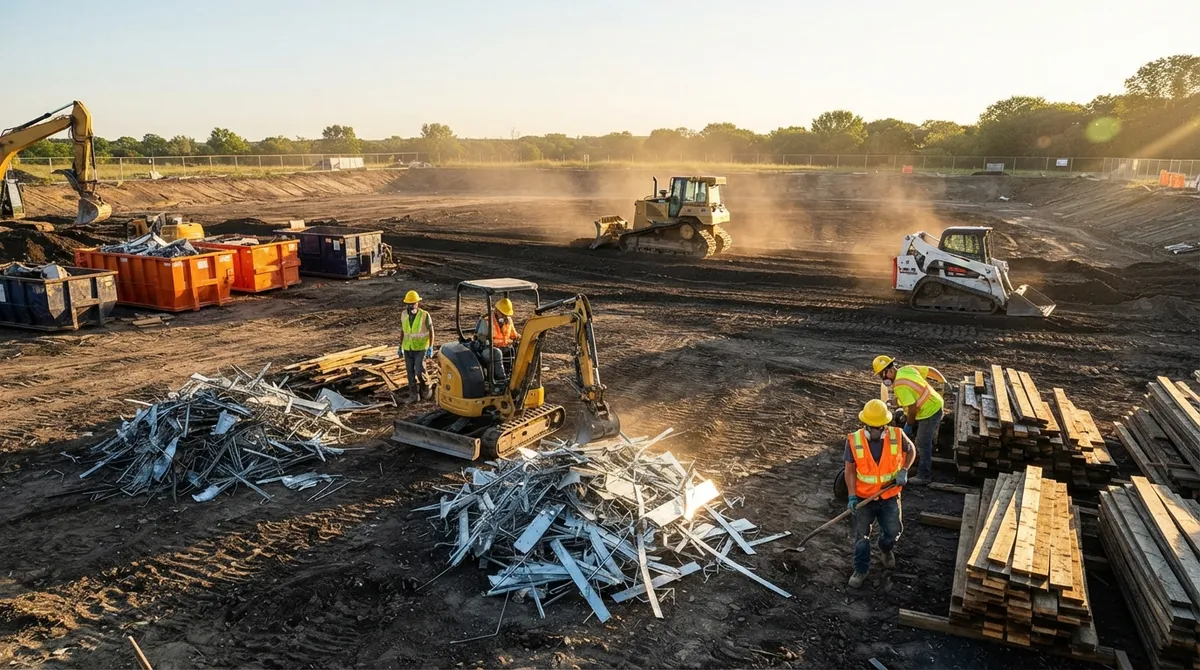
Once the demolition happens, you’re left with piles of material. Concrete, wood, metal, and drywall all need to go somewhere. The good news is most of it doesn’t have to end up in a landfill.
Most commercial demolition contractors support debris hauling and actively recycle materials from demolition sites to meet environmental standards. This helps the planet and often reduces disposal costs too.
Materials Commonly Recycled During Demolition
- Concrete and asphalt, which get crushed and reused as base material
- Metal from beams, pipes, and fixtures
- Wood framing, which can sometimes be repurposed
- Cardboard and packaging waste from interior strip-outs
- Glass from windows and storefronts
Our concrete removal guide covers this process in more detail if you’re curious about how it works on the ground.
Commercial Demolition vs Interior Demolition
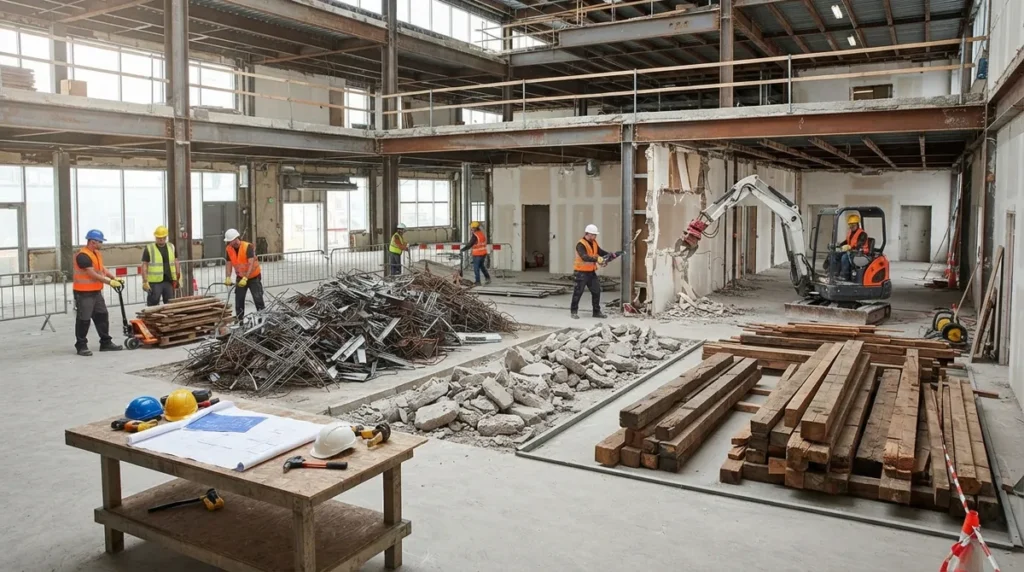
Sometimes you don’t need to tear down a whole building. Maybe you’re just renovating a suite inside a bigger complex. This is where interior demolition, sometimes called selective demolition, comes in.
| Project Type | Scope of Work | Typical Use Case |
|---|---|---|
| Full Commercial Demolition | Entire structure removed down to the ground | Redevelopment or new construction |
| Selective Demolition | Specific sections or systems removed | Renovations, tenant improvements |
| Interior Strip-Out | Non-structural elements removed inside a building | Office remodels, retail buildouts |
| Site Clearing | Removal of structures, debris, and vegetation from land | Preparing raw land for new development |
If your project falls into the interior category, our interior demolition guide has helpful tips for saving money while getting quality results.
How Long Does Commercial Demolition Take
This depends on the size and complexity of the project. A small interior strip-out might take a few days. A full building teardown could take several weeks or longer.
Several factors affect the timeline, including building size, hazardous material findings, permit processing times, and weather conditions here in Nevada. Working with an experienced team helps keep delays to a minimum, since they know how to plan around common roadblocks.
Why Choose a Local Las Vegas Demolition Team
Working with a local contractor makes a real difference. Local teams understand Clark County and Nye County permit rules. They know the climate, the soil, and the common building types in the area.
702 Demo has spent years building relationships with property managers, developers, and contractors across Southern Nevada. We understand urban logistics and how to minimize disruption to nearby businesses during a project. This focus on smooth, efficient work is part of why we’re considered one of the top choices for demolition contractors in Las Vegas.
Don’t just take our word for it. You can visit us on Google — 702 Demo to see what other property owners and builders have said about working with our team.
Tips for Choosing the Right Commercial Demolition Contractor
Not every demolition company offers the same level of service. Here are some things to look for before signing a contract.
- Ask about licensing and insurance coverage for the project
- Check for experience with projects similar in size and scope
- Confirm they handle permit applications on your behalf
- Ask how they manage debris hauling and recycling
- Get clear communication about timelines and site safety
Choosing wisely now saves you time, money, and stress later. If you want a deeper look into what separates good contractors from average ones, read our post on what to know about commercial demolition contractors.
Preparing Your Property for Demolition Day
Once your contractor is chosen and permits are in hand, a little preparation goes a long way. Here’s what property owners and managers should do before crews arrive.
- Clear out any remaining furniture, equipment, or inventory
- Notify neighboring tenants or businesses about the schedule
- Confirm utility shutoffs have been completed
- Set up temporary fencing or signage if required
- Review the final scope of work with your contractor one more time
These small steps help the project start smoothly and avoid unnecessary delays on the big day.
Ready to Get Started
Commercial demolition doesn’t have to be stressful. With the right team by your side, the whole process becomes much easier to manage. Whether you’re clearing a small retail space or tearing down an entire warehouse, having experienced hands on the job makes all the difference.
702 Demo has been proud to serve Clark and Nye counties with reliable, efficient, and safe demolition work. From excavating and grading to concrete removal and full site development, we’re here to help your project move forward with confidence. If you’re ready to talk through your next commercial demolition project, contact 702 Demo for a free estimate today. We’d love to help you turn your vision into reality.
FAQs
Q: What is the difference between commercial and industrial demolition?
A: Commercial demolition focuses on office buildings, retail spaces, and warehouses, while keeping disruption to nearby businesses low. Industrial demolition deals with more complex structures like refineries and chemical plants that often involve hazardous materials and specialized equipment.
Q: Do I need an engineering review for my commercial demolition project?
A: Not always! Engineering reviews become necessary when there are structural stability concerns, nearby buildings, public safety risks, or a need for temporary support. A good contractor will tell you honestly whether your project needs one.
Q: What permits are required for commercial demolition?
A: Most commercial demolition projects need standard permits, utility disconnection approvals, and sometimes asbestos reviews for older buildings. Local guidelines, like those from the Las Vegas building department, spell out exactly what’s needed for your specific project.
Q: How long does a typical commercial demolition project take?
A: It really depends on the size and complexity of the job. A small interior strip-out might wrap up in a few days, while a full building teardown could take several weeks, especially with permits and hazardous material checks involved.
Q: What materials are recycled during commercial demolition?
A: Great question! Concrete, metal, wood, glass, and even cardboard often get recycled instead of dumped in a landfill. This helps the environment and can also make the whole process more cost-effective.