Key Takeaways
-
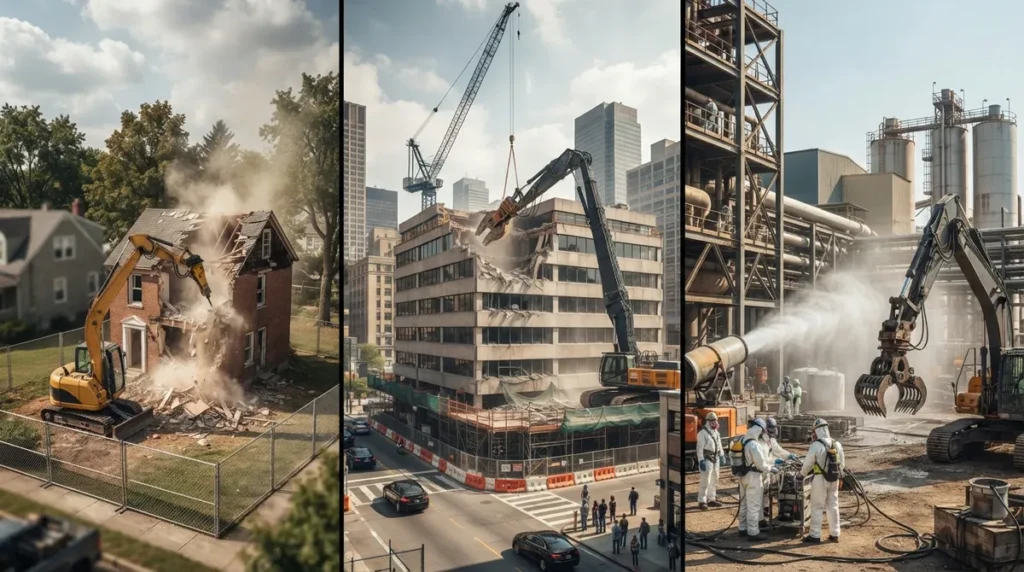
The three types of demolition are residential, commercial, and industrial—each targeting different structures and requiring specific equipment, permits, and safety protocols tailored to the building category.
-
Residential demolition uses excavators or small bulldozers for homes and small structures, while commercial projects demand high-reach machinery and stricter safety codes due to proximity to busy areas and other businesses.
-
Industrial demolition is the most hazardous type, often requiring specialized crews trained in removing asbestos, lead, and other hazardous materials before any structural work begins.
-
Demolition types differ from demolition methods: types describe what kind of building is being removed, while methods describe how it’s demolished (mechanical, implosion, or manual techniques).
-
Selective demolition removes only specific parts of a structure for renovations, while total demolition removes everything including the foundation—the choice depends on your project goals and building condition.
-
Hiring a licensed, experienced contractor is essential across all demolition types to ensure proper permits, hazard testing, site safety, dust control, and compliance with local and state regulations.
So you’re staring at a building, a house, or maybe an old pool in your backyard, wondering what it actually takes to knock it down. You’re not alone! One of the most common questions we hear at 702 Demo is simple: what are the 3 types of demolition, and which one fits my project? Whether you’re a homeowner in Henderson dreaming of a fresh backyard or a developer eyeing a big project in Clark County, understanding these categories will save you time, stress, and confusion.
Here’s the good news. Demolition isn’t as complicated as it sounds once you break it down. There are three main types: residential, commercial, and industrial. Each one comes with its own tools, rules, and challenges. Let’s walk through them together, nice and easy, so you feel confident no matter what your next project looks like.
What Are The 3 Types Of Demolition?
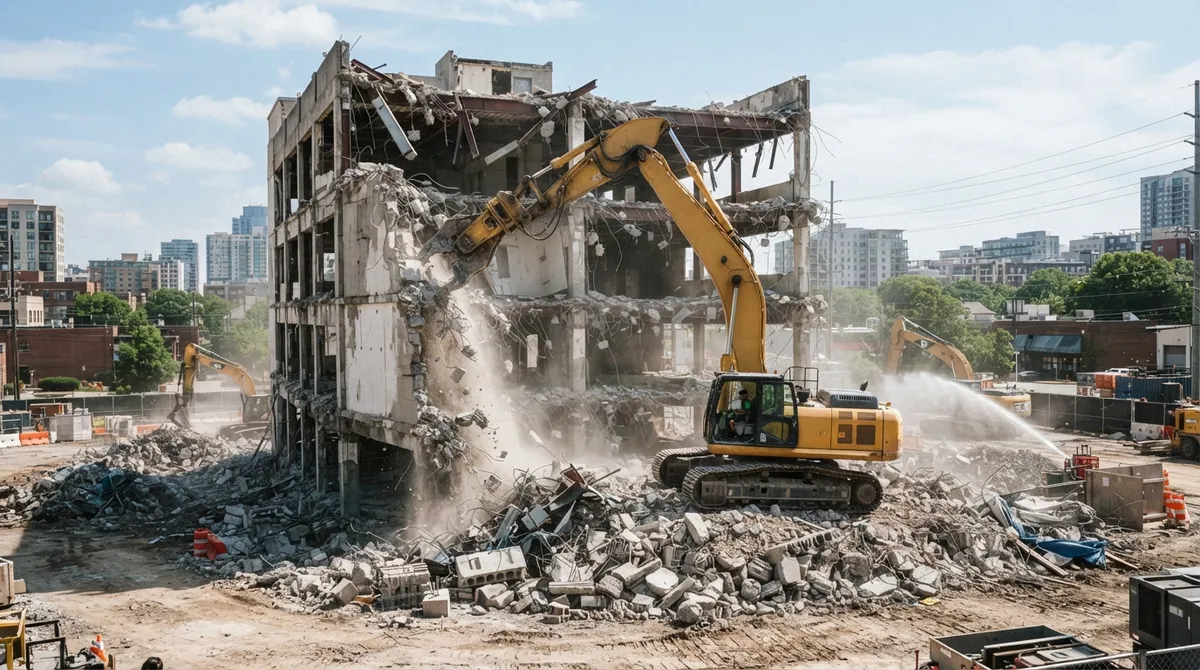
When people ask what are the 3 types of demolition, they’re usually talking about the scale and purpose of the structure being torn down. These three categories are residential, commercial, and industrial demolition. Each type targets different buildings and requires different equipment, permits, and safety plans.
Think of it like this: a family home, a strip mall, and a factory are all very different beasts. You wouldn’t use the same approach for all three, right? That’s exactly why demolition contractors separate their services this way.
- Residential demolition covers homes, garages, sheds, and small backyard structures like pools.
- Commercial demolition handles office buildings, retail spaces, restaurants, and warehouses.
- Industrial demolition deals with factories, plants, and large facilities packed with heavy equipment.
1. Residential Demolition
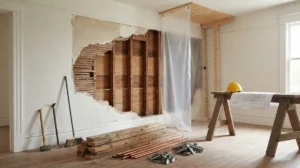
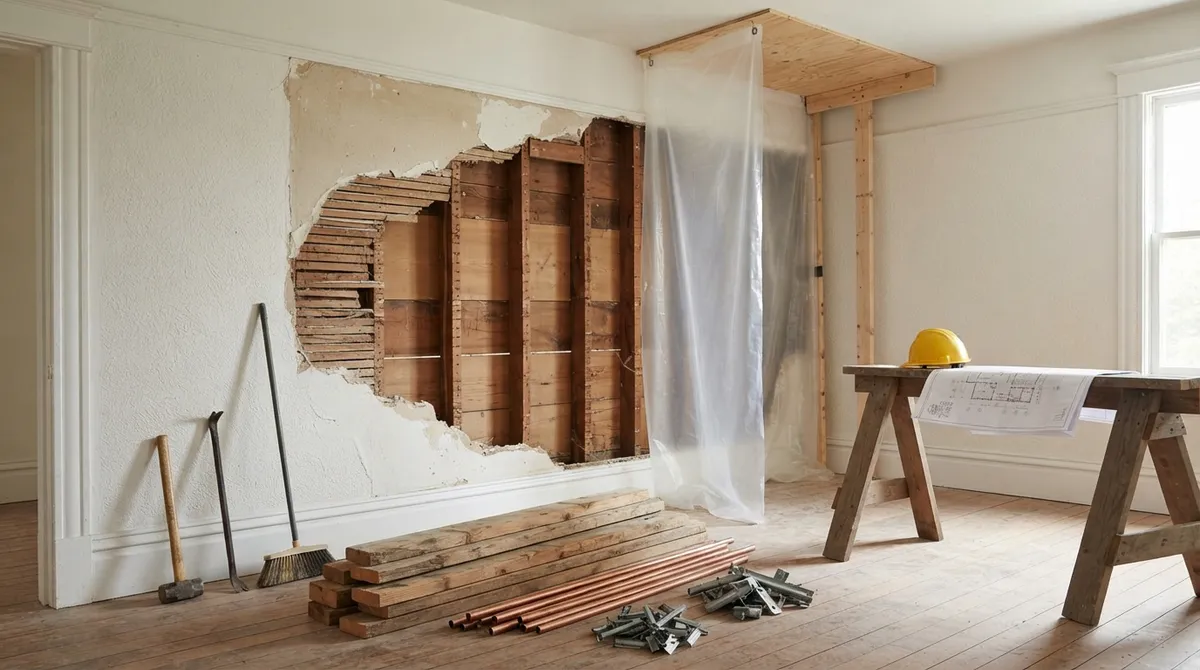
Residential demolition is exactly what it sounds like: tearing down homes or smaller residential structures. This might mean a full teardown of an old house, or it could be more selective, like removing a single room for a renovation.
Homeowners usually turn to residential demolition for a few common reasons:
- Preparing a lot for a brand new custom home
- Removing an old pool that’s no longer used
- Clearing out a detached garage or shed
- Making room for a room addition or major remodel
Most residential jobs use excavators or small bulldozers to break down walls and foundations. It’s a straightforward process, but it still requires careful planning. You need to think about utility shutoffs, debris hauling, and neighbor notifications. If you’re planning a renovation, our guide on interior demolition secrets that save money is a great place to start.
2. Commercial Demolition
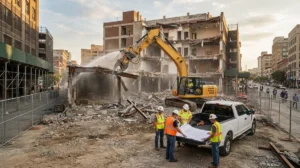
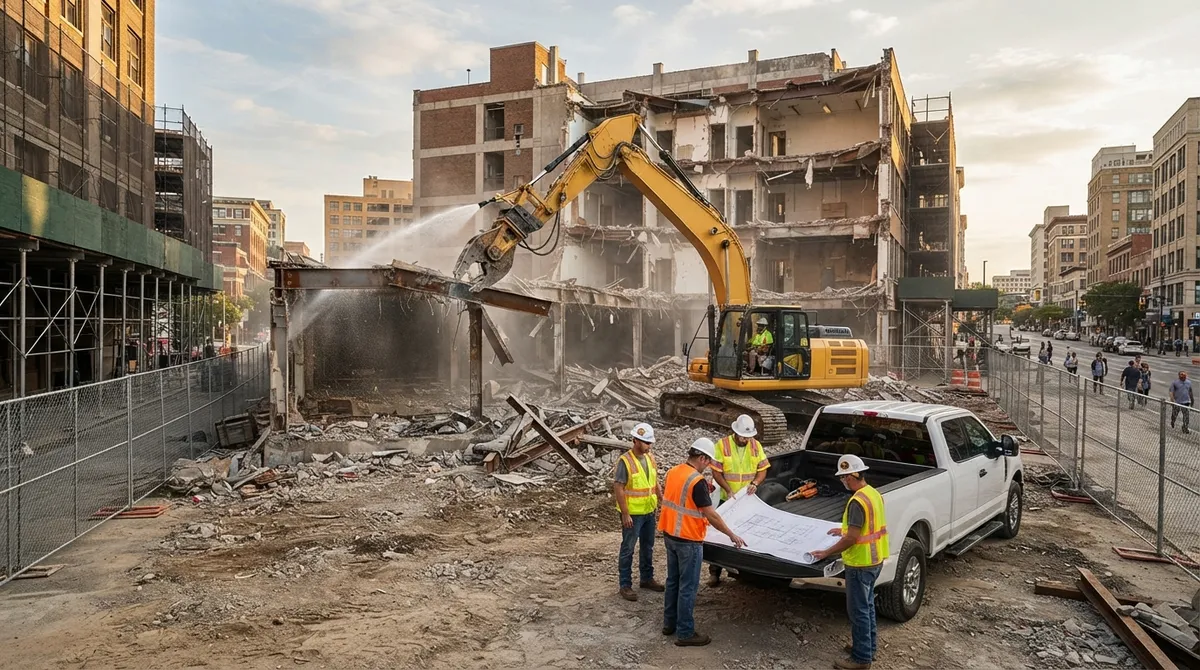
Commercial demolition steps things up a notch. This category covers office buildings, retail stores, restaurants, and other business properties. Sometimes the whole building comes down. Other times, only part of it is removed to make way for a remodel or expansion.
Commercial builders and property managers often need this type of demolition when:
- A retail space needs a complete interior overhaul
- An old strip mall is being replaced with new construction
- A property is being repositioned for a new tenant
- Structural damage requires partial teardown
These projects usually involve tighter timelines and stricter safety codes. Commercial sites often sit near busy streets or other businesses, so traffic control and dust management become huge priorities. Our building demolition services are built around these exact challenges, keeping projects on schedule without cutting corners on safety.
3. Industrial Demolition
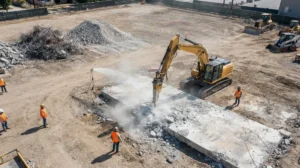
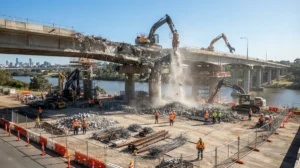
Industrial demolition is the heavyweight champion of the three. This type deals with large industrial facilities, factories, and plants. Think big equipment, tall structures, and complex layouts.
What makes industrial demolition unique is the hazard factor. Many older industrial buildings contain materials like asbestos or lead that must be removed safely before any structural work begins. This adds extra steps to the process, including inspections and specialized handling.
Common reasons for industrial demolition include:
- A factory becoming outdated due to new technology
- Economic shifts making a facility no longer useful
- Environmental cleanup requirements
- Redevelopment of industrial land for new purposes
These projects require serious expertise. Crews need training in hazardous material removal, heavy equipment operation, and strict safety protocols. It’s not a job for just anyone, which is why hiring an experienced team truly matters.
Demolition Types vs. Demolition Methods: What’s The Difference?
Here’s where a lot of people get confused, and it’s totally understandable. The three types we just covered (residential, commercial, industrial) describe what kind of building you’re dealing with. But there’s also a separate list of methods, which describe how the demolition actually happens.
Let’s clear this up with a simple table:
| Category | Examples | What It Describes |
|---|---|---|
| Demolition Types | Residential, Commercial, Industrial | The kind of structure being removed |
| Demolition Methods | Mechanical, Controlled (Implosion), Manual | The technique used to bring it down |
| Demolition Scope | Selective, Total | How much of the structure is removed |
So when someone asks what are the 3 types of demolition, they’re really asking about the building category. But it helps to know the methods too, since they often go hand-in-hand with project planning.
Common Demolition Methods Explained
Now let’s talk technique. Once you know your project type, the next question is how it will actually get torn down. There are three main methods used across the industry.
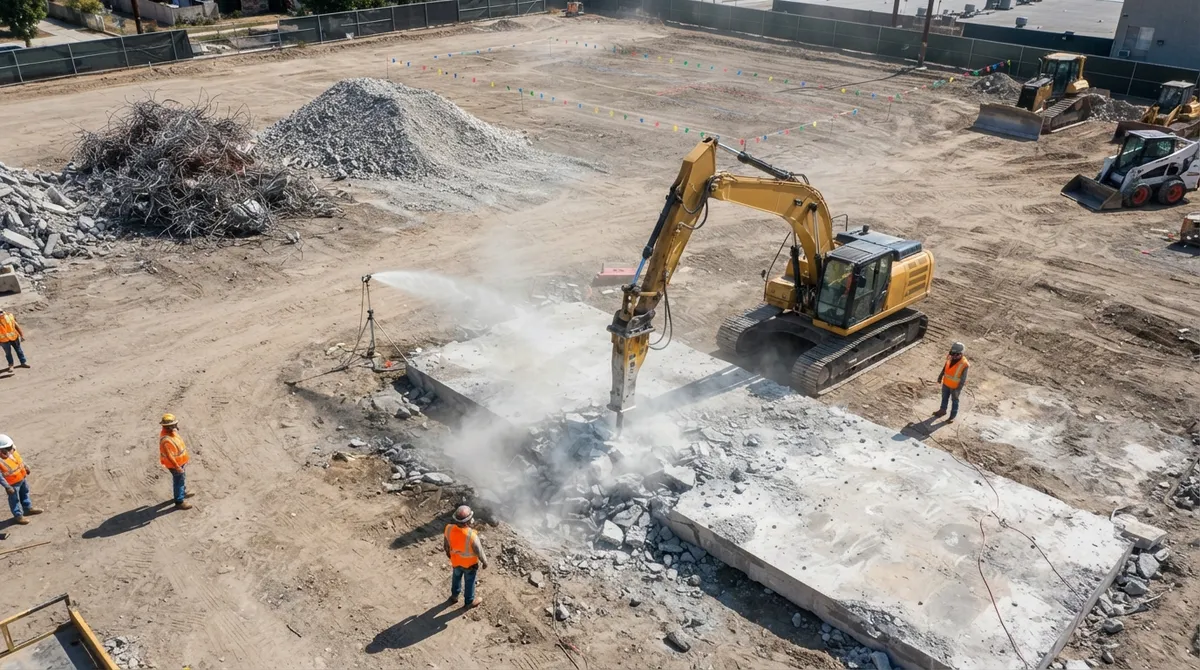
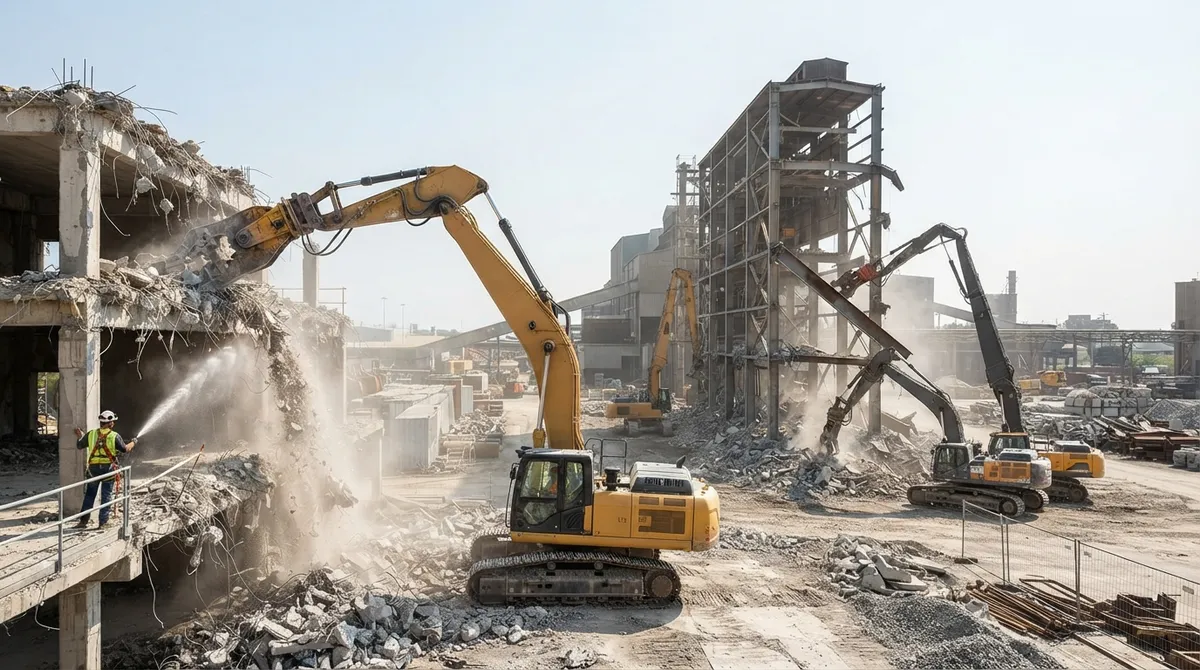
- Mechanical Demolition: This is the most common method today. It uses heavy machinery like excavators, wrecking balls, or high-reach equipment to physically break apart a structure. It’s efficient, safer for workers, and works well for buildings under 22 stories, according to industry data.
- Controlled Demolition (Implosion): This method uses explosives to bring down a structure quickly. It’s dramatic, but it requires serious planning. Exclusion zones must be set up, often stretching a quarter to half a mile, with police enforcement and detailed inspections before and after the blast.
- Manual Demolition: This involves hand tools and manual labor. It’s slower but useful for smaller jobs, tight spaces, or situations where precision matters more than speed.
Most residential and commercial jobs in Clark and Nye counties rely on mechanical demolition because it’s faster and safer. Implosions are rare and typically reserved for very large, isolated structures.
Selective Demolition vs. Total Demolition
Here’s another important distinction. Within any of the three demolition types, you can choose between selective or total demolition.
- Selective Demolition: Only certain parts of a structure are removed. This is common in renovations where walls, flooring, or fixtures need to go but the overall building stays standing.
- Total Demolition: The entire structure comes down, foundation and all. This is typical when a building is beyond repair or a lot is being cleared for new construction.
Selective demolition is especially popular with renovation contractors handling interior remodels. If you’re managing a remodel project, check out our resources on concrete removal for foundation and slab work.
How To Choose The Right Demolition Type For Your Project
Choosing the right approach depends on a few key factors. Let’s break it down into simple steps.
- Identify your structure type. Is it a house, a business, or an industrial facility? This determines your base category.
- Assess the scope. Do you need the whole thing gone, or just part of it removed?
- Check for hazardous materials. Older buildings, especially industrial ones, may need special testing and removal procedures.
- Review local permit requirements. Every county has its own rules. Reviewing the Las Vegas demolition permit guidelines is a smart first step for anyone in the area.
- Hire a licensed, experienced contractor. This is the step that ties everything together and keeps your project safe and legal.
Property managers dealing with multi-family buildings or commercial complexes should also connect with the Clark County Building Department early in the planning process. This helps avoid delays later on.
Why Working With Experienced Demolition Contractors Matters
No matter which of the three types of demolition your project falls under, working with a skilled team makes all the difference. Demolition isn’t just about swinging a wrecking ball or firing up an excavator. It’s about safety, planning, and knowing local regulations inside and out.
At 702 Demo, we’ve spent years mastering all three types of demolition across Clark and Nye counties. From small residential teardowns to large-scale commercial projects, our team handles it with care and precision. We also offer full site development services, including excavating and grading, hauling services, and pool removal, so your project moves forward smoothly from start to finish.
Don’t just take our word for it. You can see what our customers say on Google and get a feel for how we treat every project, big or small.
Safety Considerations Across All Demolition Types
Safety is the golden thread running through every demolition project, no matter the size. Here are a few universal safety practices worth knowing about:
- Always secure proper permits before starting any demolition work
- Test for hazardous materials like asbestos or lead in older buildings
- Set up clear site boundaries to protect workers and bystanders
- Use dust control measures to protect air quality, especially in residential neighborhoods
- Follow all local and state safety codes throughout the project
Skipping these steps isn’t just risky, it can also lead to fines or project delays. That’s why hiring a licensed, experienced team matters so much. If you want to learn more about what makes a contractor trustworthy, check out our article on what makes a licensed demolition contractor essential for your project.
Quick Comparison: Residential vs. Commercial vs. Industrial Demolition
| Feature | Residential | Commercial | Industrial |
|---|---|---|---|
| Typical Structures | Homes, garages, pools | Offices, retail, restaurants | Factories, plants, warehouses |
| Common Equipment | Excavators, small bulldozers | Excavators, high-reach machines | Heavy machinery, specialized rigs |
| Hazard Level | Low to moderate | Moderate | High (often includes hazardous materials) |
| Project Timeline | Short to moderate | Moderate | Longer, more complex |
This table gives you a quick snapshot, but every project is unique. That’s why a walkthrough with a professional team is always worth scheduling before you commit to a plan.
Final Thoughts On The 3 Types Of Demolition
So, what are the 3 types of demolition? Residential, commercial, and industrial. Each one comes with its own tools, timelines, and safety needs, but they all share one thing in common: they require a skilled team to get the job done right.
Whether you’re a homeowner ready to clear space for a new build, a developer planning a commercial site, or a property manager tackling a redevelopment project, understanding these categories helps you plan smarter. And when you’re ready to move forward, having the right contractor by your side makes all the difference.
Ready to get started? Contact 702 Demo for a free estimate and let our experienced team guide you through every step, from permits to final cleanup. We proudly serve homeowners, builders, and developers across Clark and Nye counties, and we’d love to help bring your project to life.
FAQs
Q: What is the difference between residential, commercial, and industrial demolition?
A: Great question! Residential demolition covers homes and small structures, commercial demolition handles businesses like offices and retail spaces, and industrial demolition deals with big facilities like factories. Each type needs different equipment and safety steps, so knowing which one fits your project helps you plan smarter from day one.
Q: What equipment is used for residential demolition projects?
A: Most residential jobs use excavators or small bulldozers to break down walls and foundations. It’s a pretty straightforward process, but our team still plans carefully for utility shutoffs and debris hauling to keep things smooth and safe.
Q: How is hazardous material removal handled in industrial demolition?
A: Industrial buildings often contain materials like asbestos or lead, especially older ones. Before any structural work begins, trained crews test for these hazards and remove them safely, following strict local and state guidelines every step of the way.
Q: What is selective demolition and when is it used?
A: Selective demolition means removing only certain parts of a building, like walls or flooring, while keeping the rest standing. It’s super common in renovations where you want to update a space without tearing the whole thing down.
Q: When is implosion used instead of mechanical demolition?
A: Implosion is pretty rare and usually reserved for very large, isolated structures. Most projects in Clark and Nye counties rely on mechanical demolition instead, since it’s faster, safer, and works well for buildings under 22 stories.