Key Takeaways
-
Professional demolition contractors conduct detailed site surveys before work begins, checking structural condition, locating utilities, assessing neighboring property risks, and securing required Nevada permits—skipping this step is a common costly mistake.
-
Licensed contractors identify and safely remove hazardous materials like asbestos, lead paint, and mold using proper protocols, protecting your family and crew from serious health risks that DIY attempts cannot safely handle.
-
Contractors sort demolition debris on-site to recycle concrete, metal, and wood rather than dumping everything in landfills, which speeds up cleanup, reduces liability, and keeps your site safer during the process.
-
After debris removal, professionals grade and level the land with proper water drainage preparation, ensuring your site is truly build-ready for future construction or development rather than just debris-free.
Ever wonder what really happens before a building comes crashing down? Whether you’re a homeowner in Henderson dreaming of a backyard makeover, or a developer planning your next big project in Clark County, understanding what demolition contractors do can save you time, money, and a whole lot of stress. Grab a coffee, and let’s walk through this together, friend to friend.
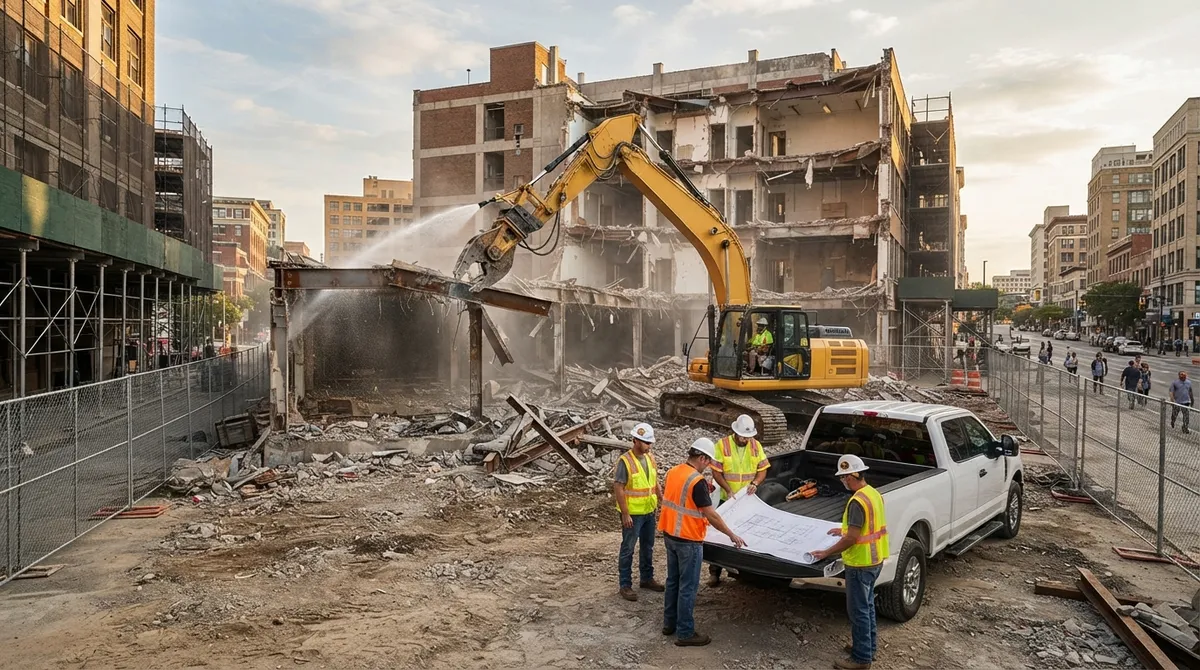
Demolition contractors do so much more than swing a wrecking ball. They plan, they protect, they haul, and they hand you back a clean, safe site ready for what comes next. At 702 Demo, we’ve seen firsthand how proper demolition planning turns a scary project into a smooth one. Let’s break down exactly what these pros bring to your project in Clark and Nye counties.
1. They Start With a Detailed Site Survey
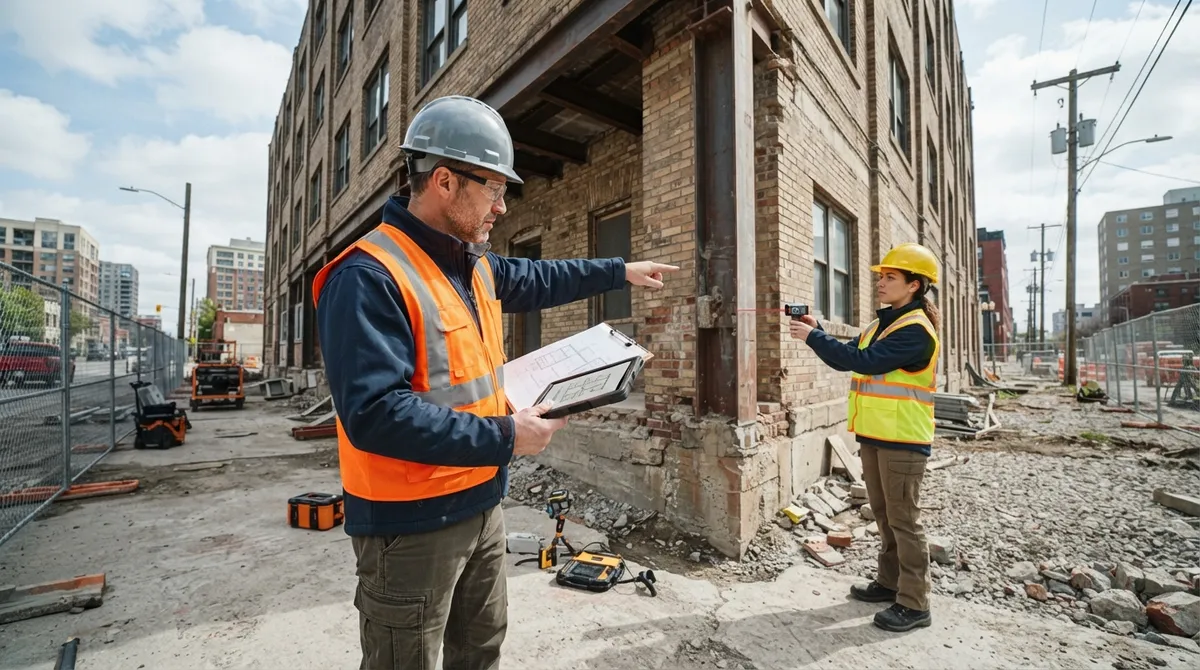
Before anyone touches a sledgehammer, a good contractor walks the property. They check the structure’s condition, look for weak spots, and note anything nearby that could be at risk, like power lines or neighboring homes.
This step also includes pulling the right permits. Nevada has specific rules about this, and you can review the Las Vegas demolition permit guidelines to see what’s required before work begins. Skipping this step is one of the biggest mistakes property owners make.
- Structural condition assessments
- Utility location and disconnection planning
- Neighboring property risk checks
- Permit applications and approvals
2. They Find and Remove Hazardous Materials
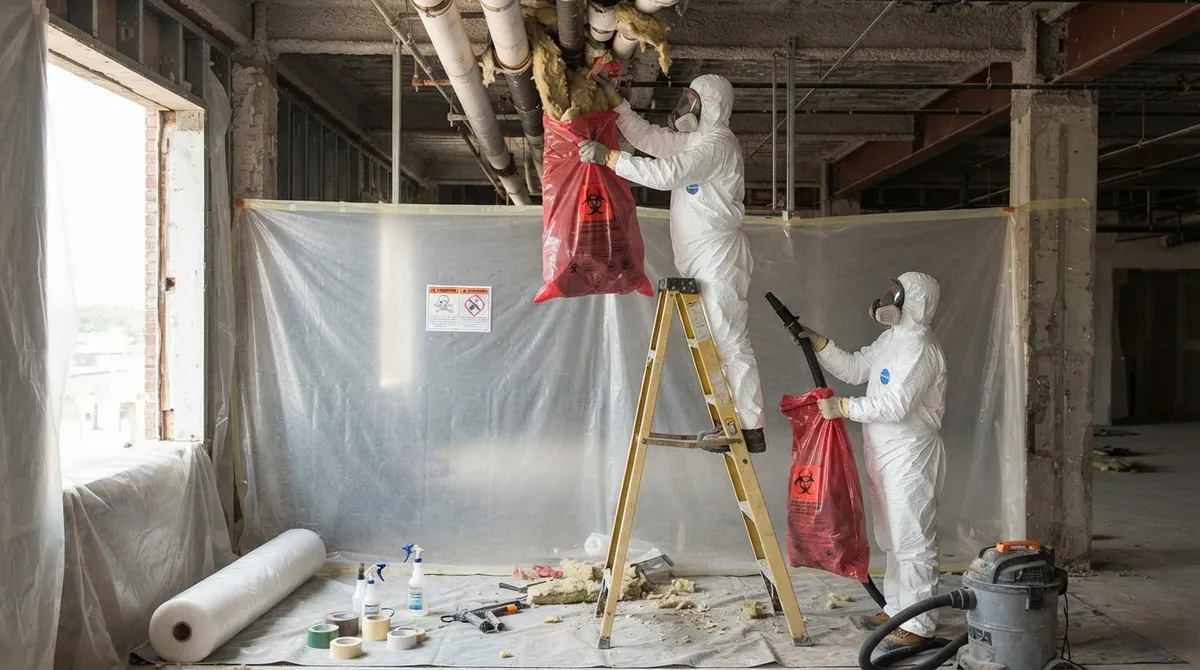
This part surprises a lot of homeowners. Older homes and commercial buildings often hide asbestos, lead paint, or mold behind walls and floors. A licensed contractor knows how to spot these dangers and remove them safely.
This isn’t a step you want to skip or handle yourself. Improper removal can expose your family or crew to serious health risks. That’s why hiring pros who understand what makes a licensed demolition contractor essential for your project matters so much, especially for older properties across Clark County.
Common Hazards Found During Demolition
- Asbestos in insulation, tiles, or siding
- Lead paint on older interior and exterior walls
- Mold hiding in damp or water-damaged areas
- Chemical residue in old industrial buildings
3. They Choose the Right Demolition Method
Not every project needs the same approach. A skilled contractor picks the method that fits your goals, your timeline, and your budget. Here’s a quick look at the most common methods used today.
| Method | Best For | Typical Timeline |
|---|---|---|
| Soft-Stripping | Interior renovations, keeping the shell intact | 1-3 days |
| Structural Demolition | Full home or building teardown | 1-2 weeks |
| Mechanical Demolition | Large commercial buildings, heavy equipment jobs | 2-4 weeks |
| Controlled Implosion | Large-scale, multi-story structures | Weeks of planning, seconds to execute |
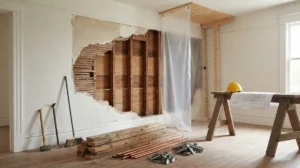
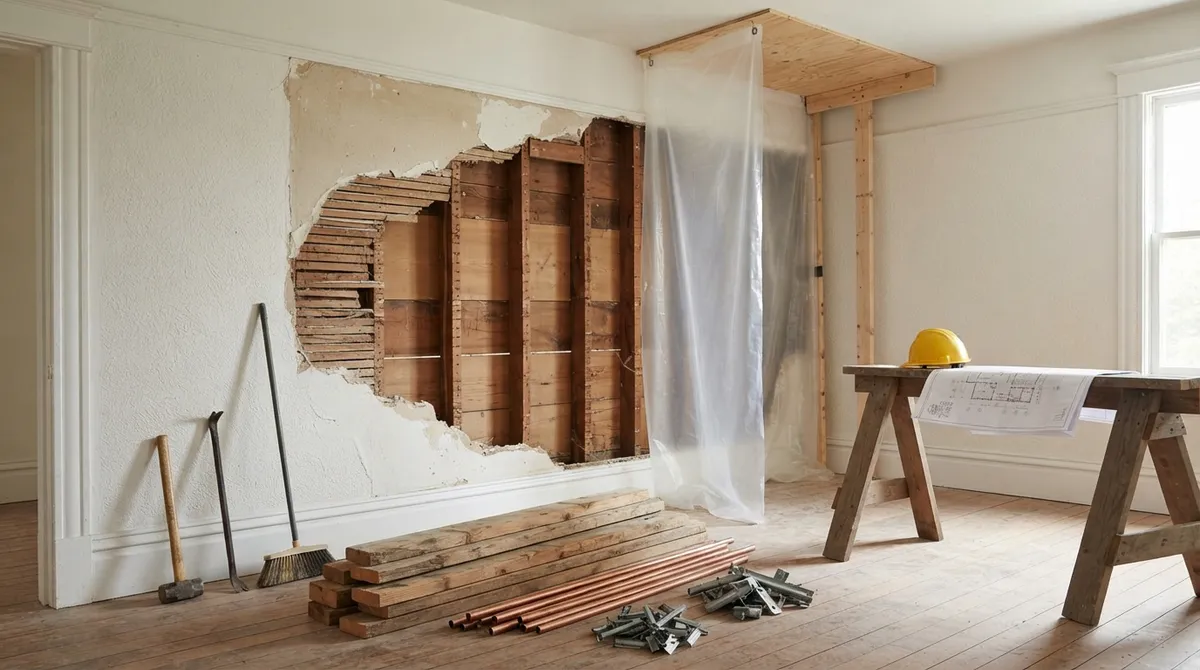
For homeowners planning a renovation, interior demolition is often the answer. It removes what you don’t need while protecting the parts of your home you want to keep. Renovation contractors love this option because it speeds up remodeling timelines without risking the whole structure.
4. They Handle Waste Sorting and Recycling
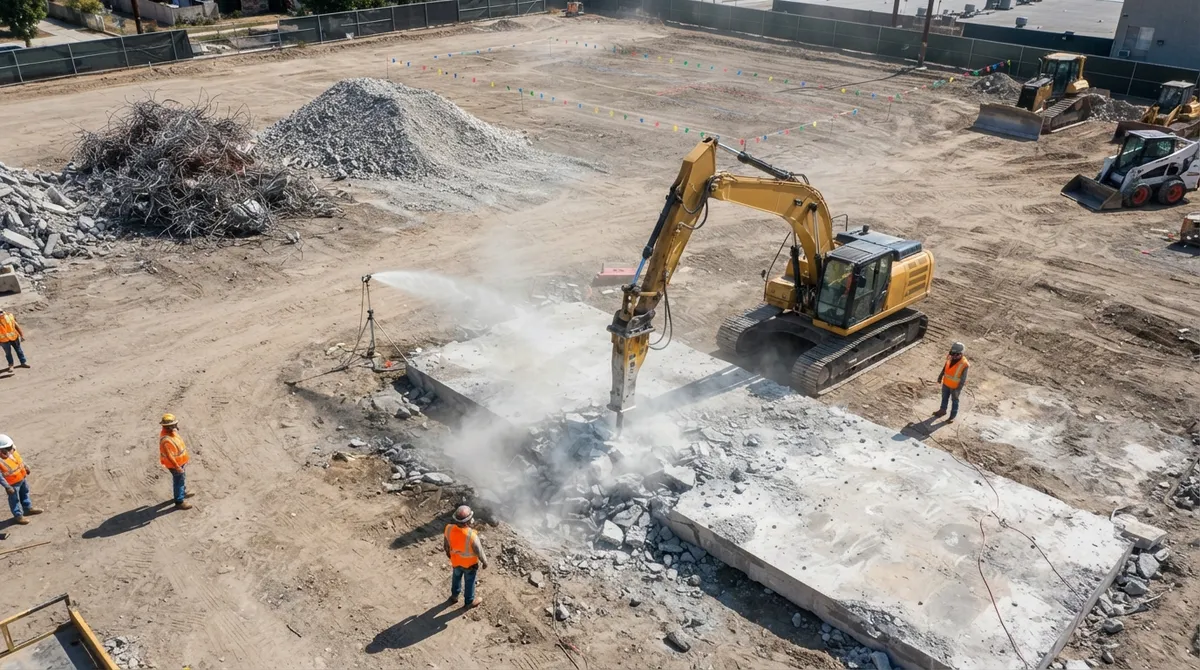
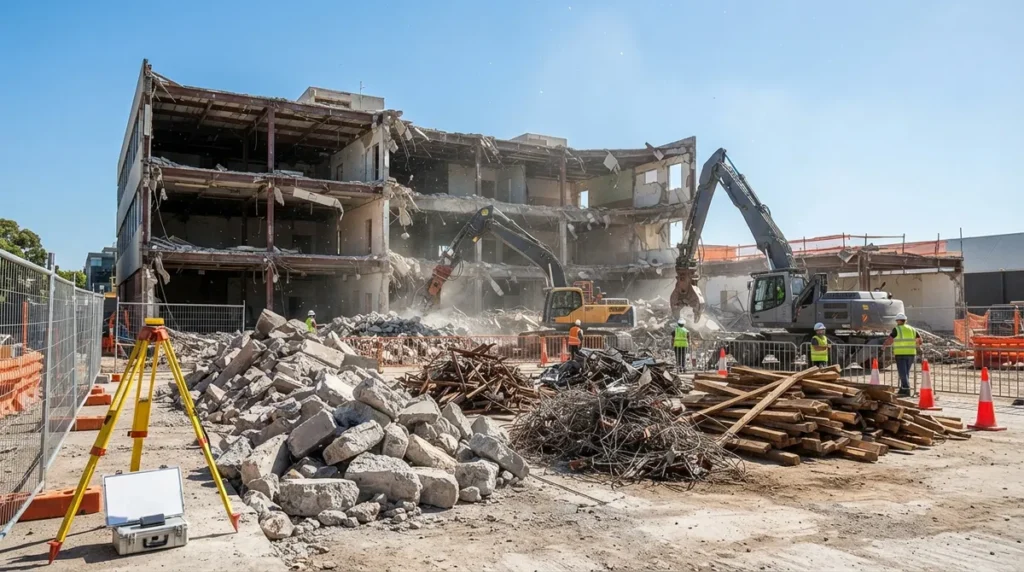
Demolition creates a lot of debris. Tons of it, actually. A responsible contractor doesn’t just haul everything to a landfill. They sort materials so concrete, metal, and wood can be recycled whenever possible.
This matters for the environment, but it also matters for your project. Sorting debris properly often speeds up cleanup and keeps your site safer during the process. Property managers dealing with multi-family buildings especially appreciate this organized approach, since it reduces liability and keeps tenants safe.
What Happens to Demolition Debris
- Debris gets sorted on-site by material type
- Recyclable materials like metal and concrete are separated
- Non-recyclable waste is hauled to approved disposal sites
- Site is inspected for any remaining hazards
Need help clearing out old concrete slabs, driveways, or patios? Our concrete removal services handle breaking, hauling, and disposal so you don’t have to lift a finger.
5. They Grade and Level the Site When Finished
Once the structure is gone and the debris is cleared, the job isn’t quite done. A good contractor grades and levels the land so it’s ready for whatever comes next, whether that’s new construction, landscaping, or just a clean lot.
This step matters a lot for real estate developers and commercial builders. A poorly graded site can cause drainage problems or delay future construction. Our excavating and grading team makes sure your site is truly build-ready, not just debris-free.
- Removing remaining rubble and debris
- Leveling uneven ground
- Grading for proper water drainage
- Preparing soil for future foundations
6. They Put Safety Measures in Place
Safety isn’t an afterthought. It’s baked into every step of a professional demolition project. Before any heavy equipment starts moving, crews set up fencing, warning signs, and sometimes street blockades to protect the public.
This is especially important in busy areas around Las Vegas, Henderson, and North Las Vegas, where foot traffic and nearby businesses are common. You can check with the Clark County Building Department for local safety requirements before starting any project.
Standard Safety Steps on Every Job
- Install temporary fencing around the work zone
- Post clear warning signs for pedestrians
- Set up street blockades if needed
- Equip crews with proper protective gear
- Conduct daily safety briefings before work begins
The average demolition worker earns around $36,099 a year, according to national wage data, and that pay reflects real skill and training. These aren’t just laborers with sledgehammers. They’re trained professionals who know how to keep everyone safe.
7. They Coordinate With Your Whole Project Team
Demolition rarely happens in isolation. Good contractors talk with architects, general contractors, and site developers to make sure timelines line up and materials are ready when needed.
This kind of coordination keeps commercial projects on schedule and within budget. It also helps renovation contractors avoid delays when a demolition phase runs into unexpected surprises, like discovering hidden hazardous materials. Strong communication is really the glue that holds a big project together.
- Regular updates with architects and engineers
- Scheduling around material delivery timelines
- Coordinating with other trades on-site
- Adjusting plans quickly when surprises pop up
Why Hiring a Professional Matters So Much
You might be tempted to save money by doing some demolition work yourself. We get it, that DIY spirit is strong. But demolition involves real risks, from hidden hazards to structural collapse. A professional brings training, insurance, and the right equipment to get the job done safely.
Whether you’re removing an old pool, clearing landscaping, or planning a building demolition for a new commercial development, working with experienced pros protects your investment. If you’re curious about backyard transformations, our guide on pool removal walks through what to expect from start to finish.
Signs You Need a Professional Demolition Contractor
- The project involves a structure built before 1980 (higher asbestos risk)
- You need permits and inspections handled correctly
- The job requires heavy equipment or structural knowledge
- You want debris hauled away and recycled responsibly
Curious what past clients think? You can visit us on Google — 702 Demo to read real reviews from homeowners and builders across Clark and Nye counties. We’re proud of the reputation we’ve built one project at a time.
Wrapping It All Up
So, what do demolition contractors really do? They plan carefully, protect your safety, remove hazards, choose the right method, manage waste responsibly, and leave your site ready for the future. It’s a lot more than tearing things down, it’s about building the foundation for what’s next.
If you’re ready to start your next project in Las Vegas, Henderson, or anywhere across Clark and Nye counties, we’d love to help. Contact 702 Demo for a free estimate and let’s talk through your goals together. We’re here, we’re local, and we genuinely care about doing this job right for you.
FAQs
Q: What is the difference between demolition and deconstruction?
A: Demolition typically means tearing a structure down quickly, often with heavy equipment. Deconstruction is a slower, more careful process where materials get removed piece by piece so more can be reused or recycled. Both have their place, and a good contractor can help you decide which fits your project best.
Q: How do demolition contractors handle asbestos removal?
A: Licensed contractors test for asbestos before any demolition begins, then follow strict safety protocols to remove it safely. This usually involves sealing off the area, using special protective gear, and disposing of the material at approved facilities. It’s definitely not a DIY job, so always hire someone trained for this.
Q: What permits are required for a demolition project in Nevada?
A: Requirements vary depending on your city and county, but most demolition projects need a permit before work can start. The Las Vegas demolition permit guidelines outline what’s needed locally, and your contractor should handle this paperwork for you. It’s one less thing you need to worry about.
Q: Do demolition contractors recycle building materials?
A: Yes, most professional contractors sort debris on-site so materials like concrete, metal, and wood can be recycled instead of dumped in a landfill. This helps the environment and often keeps your project site cleaner and safer. It’s a win for everyone involved.
Q: How long does a typical house demolition take?
A: A standard home demolition usually takes one to two weeks, depending on the size and complexity of the structure. Smaller interior demolition projects can wrap up in just a few days. Your contractor should give you a clear timeline before work begins so you know what to expect.