
Key Takeaways
-
Residential demolition typically costs $4 to $17 per square foot, with full teardowns ranging from $4,000 for homes under 1,000 sq ft to $34,000+ for properties over 3,000 sq ft depending on location and complexity.
-
Hazardous materials like asbestos, lead paint, and mold can significantly increase demolition costs and require licensed specialists; homes built before 1980 should be inspected early to avoid mid-project surprises.
-
Always clarify upfront whether your demolition quote includes debris removal and hauling, as some contractors offer labor-only pricing that excludes dump fees and transportation costs.
-
Basement demolition costs substantially more than slab-on-grade homes due to additional excavation work and disposal expenses, making foundation type a major cost factor to discuss with contractors.
-
Permits are mandatory (typically $50-$500) and should be obtained before demolition begins; skipping this step can result in fines, legal issues, and problems selling or developing the property later.
-
Get quotes from at least two or three licensed local contractors and verify their credentials, insurance, and experience, as local experts understand permit processes and waste disposal facilities better than non-local options.
Planning to tear down a house? You’re probably wondering what the whole thing will cost. It’s one of the first questions homeowners, developers, and contractors ask. And honestly, it’s a smart question to ask early. House demolition involves a lot of moving parts — permits, labor, equipment, debris hauling, and sometimes hazardous materials. Each of those pieces affects your final price. The good news is that once you understand the key factors, the numbers start to make a lot more sense. This guide breaks everything down in plain language so you can plan your project with confidence. Whether you’re clearing land for new construction, removing a damaged structure, or starting a major redevelopment, knowing what to expect helps you budget smarter and avoid surprises along the way.

How House Demolition Costs Are Calculated
Most demolition contractors price residential jobs by square footage. The bigger the house, the more it costs to take down. As a general rule, residential demolition runs about $4 to $17 per square foot. A small home might fall on the lower end of that range. A large, complex structure could push toward the higher end.
Beyond size, the total price depends on several other factors. Things like location, access to the site, type of foundation, and whether hazardous materials are present all play a role. We’ll walk through each of those in detail below. If you want a deeper look at what drives pricing, check out this helpful resource on 6 key factors that affect the cost to tear down a house.

Typical Cost Ranges for House Demolition
Here’s a quick overview of what most homeowners and developers pay for a full residential teardown. Keep in mind these are general ranges. Your actual quote will depend on your specific property and location.
| Home Size (Sq Ft) | Estimated Cost Range |
|---|---|
| Under 1,000 sq ft | $4,000 – $10,000 |
| 1,000 – 1,500 sq ft | $8,000 – $15,000 |
| 1,500 – 2,000 sq ft | $12,000 – $20,000 |
| 2,000 – 3,000 sq ft | $16,000 – $26,000 |
| 3,000+ sq ft | $24,000 – $34,000+ |
These figures reflect national data and may vary in your local market. For a more detailed breakdown specifically for Nevada properties, it’s always best to get a direct quote from a licensed local contractor. You can also explore more on how to understand the cost to tear down a house for further context.
7 Key Factors That Affect Your Demolition Cost
No two demolition jobs are exactly alike. Here are the main things that will shape your final quote:
- Home size: Larger homes require more labor, equipment time, and debris hauling. This is usually the biggest cost driver.
- Foundation type: Homes with basements cost more to demolish than slab-on-grade homes. Removing a basement adds excavation work and extra disposal costs.
- Hazardous materials: Asbestos, lead paint, and mold require special handling and disposal. This can add thousands to your project total.
- Location and access: Urban sites with tight access cost more than open rural lots. Equipment has to navigate carefully, and debris hauling takes longer.
- Permits: Most municipalities require a demolition permit. Fees typically range from $50 to $500 depending on your city or county.
- Debris removal: Hauling away the rubble is a major part of the job. Some quotes include this; others don’t. Always confirm upfront.
- Utility disconnections: Gas, water, and electric lines must be disconnected before demo begins. This may involve coordination with utility companies.
For permit requirements in the Las Vegas area, you can review the Las Vegas demolition permit guidelines directly. Clark County properties may have different requirements, so check with the Clark County Building Department as well.
Full Demolition vs. Partial Demolition
Not every project requires tearing down an entire structure. Sometimes you only need to remove part of a building. Understanding the difference helps you get the right service — and the right price.
- Full demolition takes down the entire structure down to the foundation or ground level. This is common for rebuilds and land clearing.
- Partial demolition removes specific sections — like a wall, room addition, or attached garage. It’s typically less expensive but still requires skilled labor.
- Interior demolition strips the inside of a building without touching the exterior walls. This is popular for major renovations and remodels.
- Selective demolition targets specific elements like concrete, flooring, or roofing while preserving other parts of the structure.
If you’re planning a renovation that requires interior work, interior demolition services are a cost-effective option worth exploring. For a full structural teardown, building demolition is the right call.
Does Demolition Include Debris Removal?
This is one of the most common questions people ask. The short answer: it depends on the contractor and the quote. Some demolition bids include full hauling services, while others are labor-only quotes that don’t cover dump fees or transport.
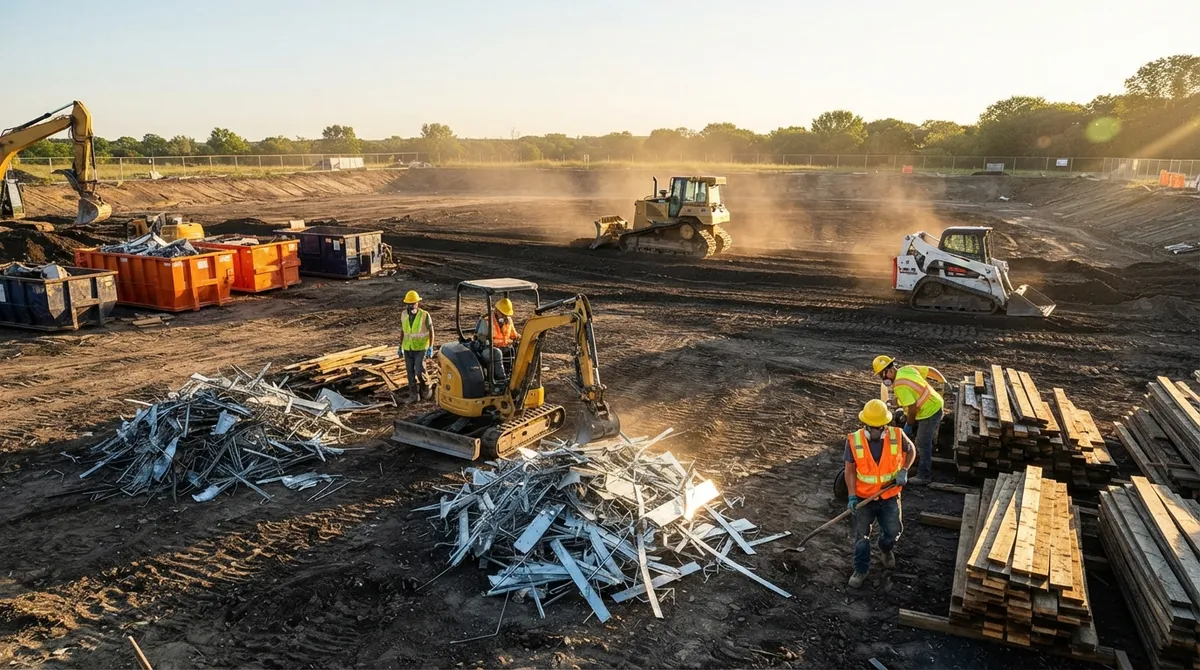
Always ask your contractor upfront. A good demo company will be transparent about what’s included. Here’s what debris removal typically covers:
- Loading rubble and structural materials onto trucks
- Transporting debris to an approved disposal facility
- Recycling salvageable materials like concrete, metal, or wood
- Final site cleanup after the teardown
To learn more about what’s typically included, read up on what demolition and haul away actually includes.
Asbestos and Hazardous Materials: A Cost Factor You Can’t Ignore
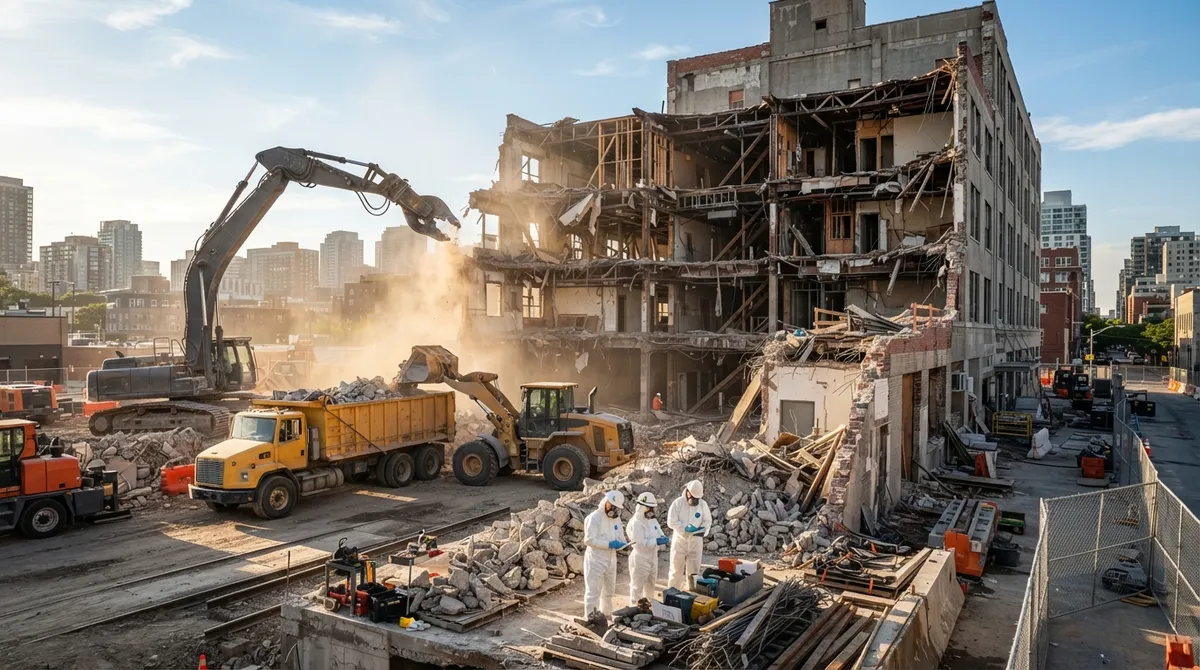
If your home was built before 1980, there’s a chance it contains asbestos or lead-based paint. These materials are serious health hazards. They require licensed specialists to test, remove, and dispose of safely.
Hazardous material abatement can add a significant amount to your overall project budget. The exact cost depends on how much material is present and where it’s located in the structure. It’s always better to test early so you’re not surprised mid-project.
| Hazardous Material | Typical Impact on Cost | Required Action |
|---|---|---|
| Asbestos | Can increase project cost significantly | Licensed abatement required before demo |
| Lead paint | Adds to labor and disposal costs | Certified removal and proper disposal |
| Mold | Moderate increase depending on extent | Remediation prior to demolition |
What About Demolition Permits?
You need a permit before any demolition work begins. This is not optional. Skipping the permit process can result in fines, legal issues, and problems when you try to sell or develop the property later.
Here’s a simple overview of the permit process:
- Apply for the permit through your local municipality or county building department.
- Submit required documents, which may include site plans, proof of utility disconnections, and hazardous material test results.
- Pay the permit fee, which generally runs between $50 and $500 for residential demolition.
- Wait for approval before scheduling your demo crew.
- Schedule required inspections if your jurisdiction requires them during or after the demolition.
A licensed contractor will usually handle the permit process for you. This is one of the biggest advantages of working with a professional. For more on why licensing matters, check out what makes a licensed demolition contractor essential for your project.
Rural vs. Urban Demolition: Does Location Change the Price?
Yes, location matters — quite a bit, actually. Urban demolition jobs tend to cost more. Here’s why:
- Tighter access for heavy equipment makes maneuvering harder and slower
- Neighboring structures require extra care to avoid damage
- Debris hauling takes longer with street restrictions and traffic
- Local labor rates in urban markets are typically higher
Rural or suburban properties usually offer more open space for equipment and easier debris access. This can reduce the overall cost somewhat, though remote locations may add transportation fees for equipment and crews.
Steps to Getting an Accurate Demolition Quote
Ready to move forward? Here’s how to get a solid, accurate quote for your demolition project:
- Gather basic property info — square footage, age of the home, and foundation type.
- Check for hazardous materials — if the home is older, schedule a professional inspection before requesting quotes.
- Contact licensed demolition contractors — always get at least two or three quotes for comparison.
- Ask what’s included — confirm whether debris removal, permit fees, and utility coordination are part of the quote.
- Review the contractor’s credentials — verify licensing, insurance, and local experience before signing anything.
If you’re in the Las Vegas area, planning a residential home demolition the right way is a great resource to walk you through the process step by step.
Other Demolition Services That May Affect Your Budget
Sometimes a house demolition project involves more than just the main structure. Here are some additional services that could be part of your project scope:
- Concrete removal for driveways, patios, or foundations
- Pool removal if there’s an in-ground or above-ground pool on the property
- Landscaping removal to clear trees, shrubs, and yard features
- Excavating and grading to prepare the lot for new construction
Bundling these services with your main demolition can sometimes reduce the overall cost since the crew and equipment are already on-site. It’s worth asking your contractor about package pricing.
Why Working With a Local Expert Matters
Hiring a local demolition contractor isn’t just convenient — it’s smart. Local contractors know the permit process, understand regional soil and foundation conditions, and have established relationships with local waste disposal facilities. That translates into faster timelines and fewer surprises on your bill.
702 Demo is a full-service demolition contractor serving all of Clark and Nye counties in Nevada. With years of hands-on experience in residential and commercial demolition, they bring the skills, equipment, and local knowledge needed to get the job done right. Whether you’re planning a full teardown or need selective demo work, you can reach out to 702 Demo for a free project estimate and get clarity on costs before committing to anything.
You can also visit 702 Demo on Google to read reviews from real customers and see what others in the Las Vegas area have experienced working with the team.
Final Thoughts
So, what does it cost to demolish a house? The honest answer is: it depends. But now you know exactly what it depends on. Size, location, foundation type, hazardous materials, permits, and debris removal all play a role. Most whole-house demolitions fall somewhere between $4,000 and $34,000 depending on the scope and complexity of the job.
The best way to get a precise number is to connect with a licensed local contractor who can assess your specific property. Don’t guess — get a quote. Understanding the full picture upfront saves you time, stress, and money in the long run. For more helpful guidance, explore resources like how to demolish a house and everything you need first or learn about 7 things to know about residential demolition services.
Ready to get started? Contact 702 Demo today for a free, no-obligation estimate on your house demolition project. The team is friendly, experienced, and ready to help you move forward with confidence.
FAQs
Q: How much does it cost to demolish a house per square foot?
A: Most residential demolition projects are priced at roughly $4 to $17 per square foot. The exact rate depends on your home’s size, location, foundation type, and whether any hazardous materials need to be removed first. Getting a local quote is the best way to nail down your specific number!
Q: Does house demolition include debris removal and hauling?
A: Not always — it depends on the contractor and what’s included in your quote. Some demolition bids cover full hauling and site cleanup, while others are labor-only prices. Always ask upfront so there are no surprises when the bill arrives.
Q: How much do demolition permits cost?
A: Demolition permit fees typically range from $50 to $500 for residential projects, depending on your local municipality. In the Las Vegas area, you’ll want to check with your city or Clark County Building Department to get the exact fee for your property.
Q: Does a basement make house demolition more expensive?
A: Yes, homes with basements generally cost more to demolish than slab-on-grade homes. Removing a basement involves extra excavation, structural work, and debris hauling, all of which add to the overall project cost. Your contractor can give you a clearer breakdown once they’ve assessed the site.
Q: How does asbestos affect house demolition costs?
A: Asbestos can significantly increase your demolition budget because it requires licensed abatement specialists to safely remove and dispose of the material before demo work begins. If your home was built before 1980, it’s a good idea to schedule a hazardous materials inspection early in the planning process.