Key Takeaways
-
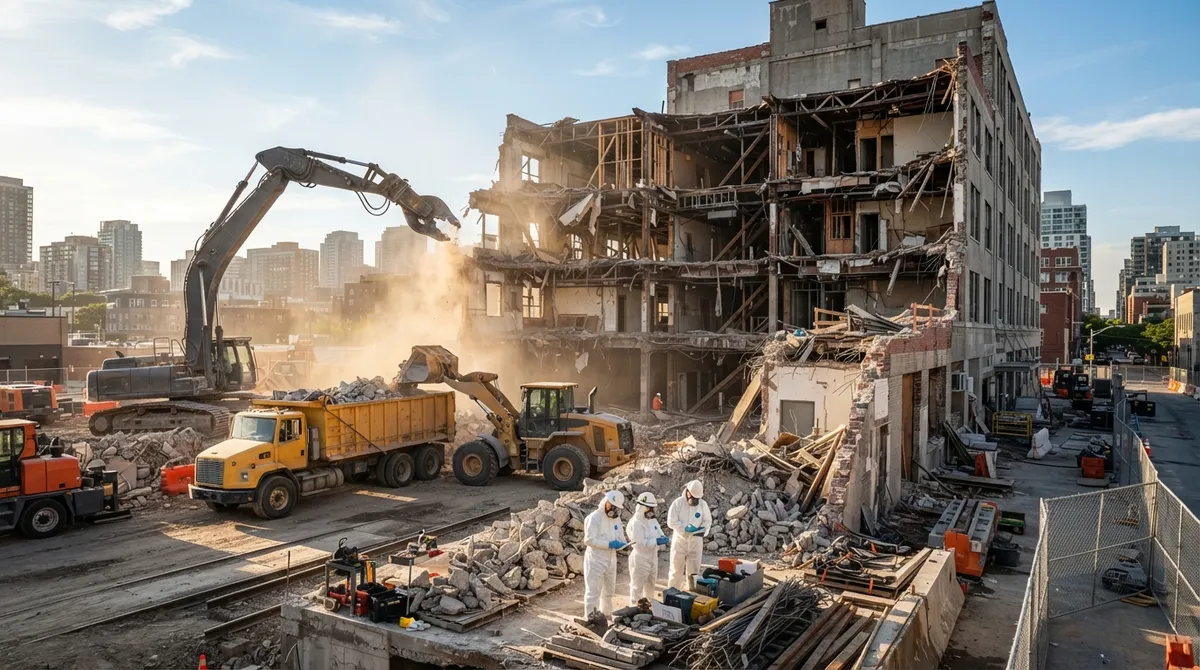
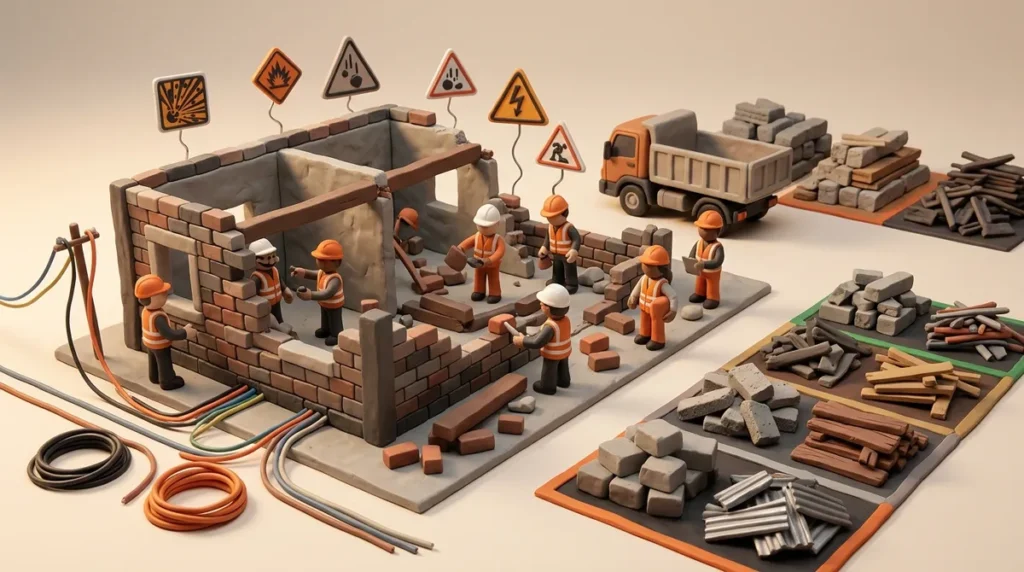
Complete a hazardous materials survey before demolition begins to identify asbestos, lead paint, and other hidden dangers that require specialized handling.
-
Choose a demolition type based on your goals: complete demolition for full teardowns, selective demolition for partial renovations, or interior demolition for commercial remodels.
-
Obtain local demolition permits and ensure all utilities (gas, electric, water) are disconnected before work starts to comply with regulations and ensure worker safety.
-
Partner with a licensed, insured contractor experienced in your project type who can handle permits, recycling practices, and local compliance requirements.
-
Coordinate debris removal timing with demolition work to keep your site clean and prepare it efficiently for the next construction phase.
-
Prioritize recycling options for concrete, steel, brick, and wood materials—sustainable disposal can reduce project costs while minimizing landfill waste.
Planning a demolition and hauling project can feel overwhelming at first. Whether you’re a homeowner clearing space for a renovation or a developer preparing a site for new construction, the process involves many moving parts. The good news? With the right knowledge and a trusted team, it doesn’t have to be stressful. This guide breaks down everything you need to know — from choosing the right type of demolition to managing debris removal efficiently. By the end, you’ll feel confident and ready to move forward with your project. Let’s dive in!
What Is Demolition and Hauling?
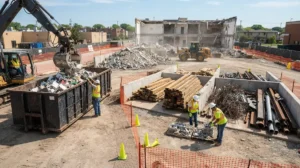
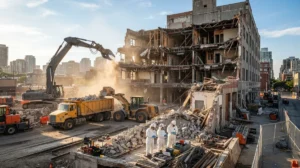
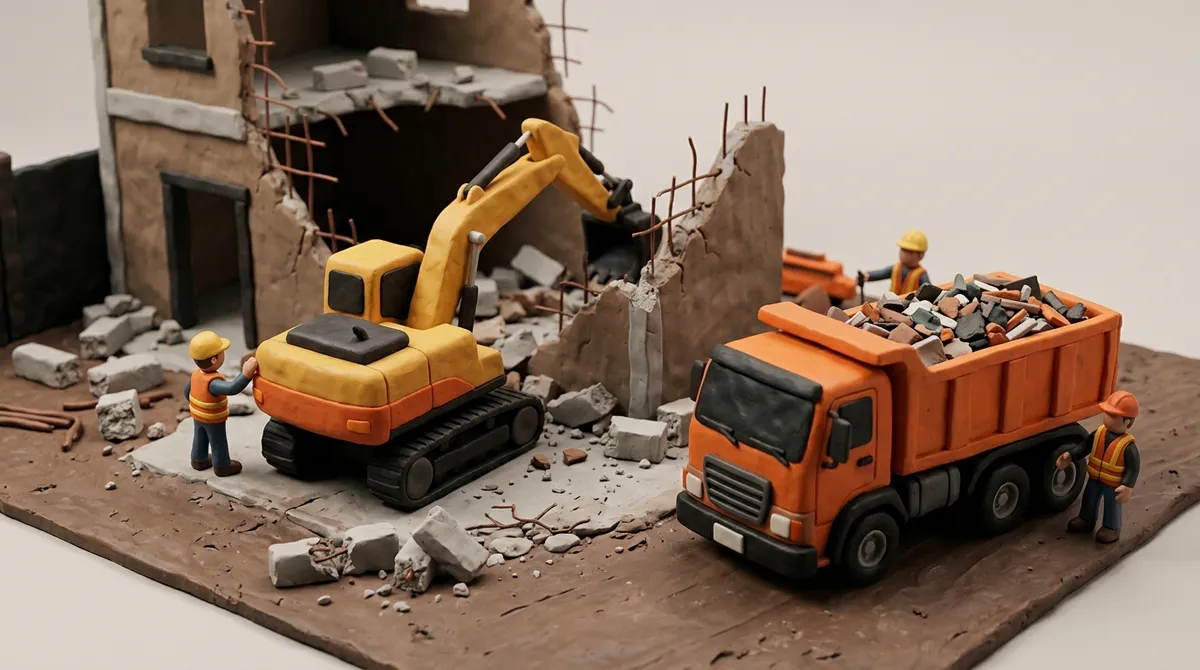
Demolition and hauling refers to the full process of tearing down structures and removing the resulting debris. It’s more than just swinging a wrecking ball. It includes planning, safety checks, dismantling, and transporting waste materials to recycling facilities or disposal sites. Together, these two services form the foundation of any successful site clearance or redevelopment project.
The global demolition and wrecking services market was valued at USD 13.5 billion in 2024. It’s projected to reach USD 28.3 billion by 2033, growing at a CAGR of 7.8%. This growth reflects rising demand for urban redevelopment, sustainability, and smarter construction practices.
Types of Demolition Services You Should Know
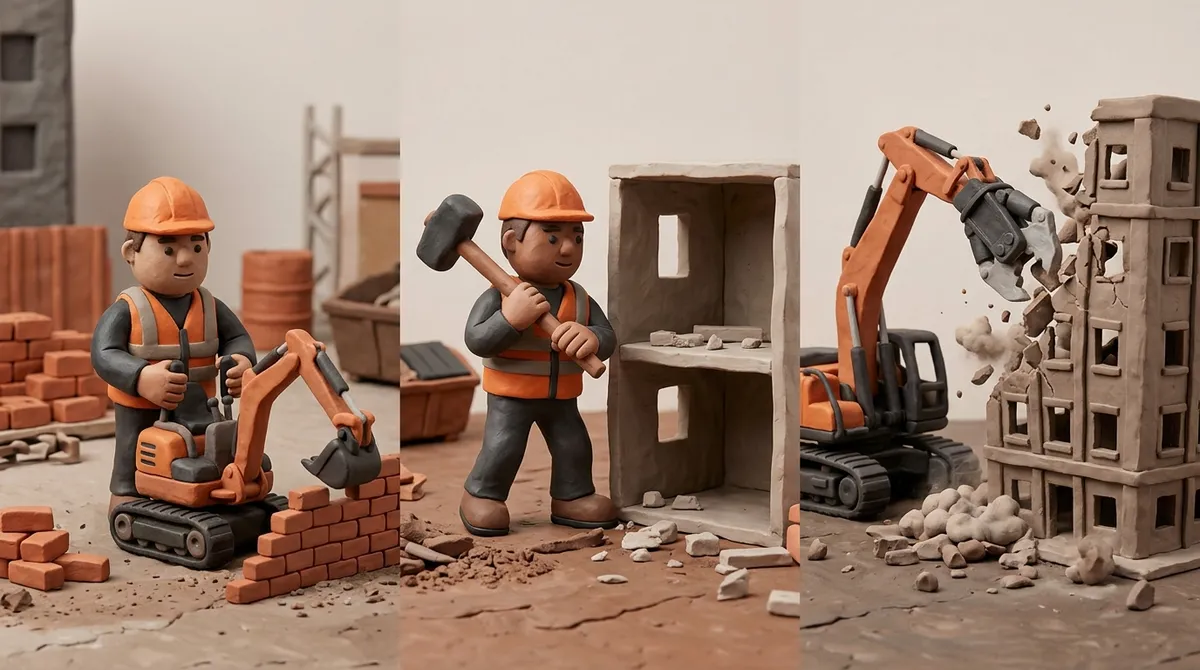
Not all demolition projects are the same. The right approach depends on your goals, budget, and site conditions. Here are the main types of demolition services available:
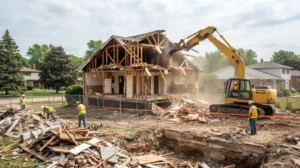
- Complete Demolition: The entire structure is torn down. This is common for old buildings making way for new developments. You can learn more about our building demolition services to see how this works in practice.
- Selective Demolition: Only specific parts of a structure are removed. This is ideal for renovations where you want to preserve most of the building.
- Interior Demolition: Interior walls, ceilings, and fixtures are stripped out while the exterior shell stays intact. Our interior demolition services are perfect for commercial remodels and residential overhauls.
- Pool Removal: An in-ground pool is broken up and removed, freeing up yard space. Check out our pool removal services if you’re thinking about reclaiming your backyard.
- Concrete Removal: Driveways, slabs, and sidewalks are broken up and hauled away. Our concrete removal services handle projects of all sizes.
- Landscaping Removal: Trees, shrubs, and other landscape elements are cleared from a site. Explore our landscape removal services for residential and commercial properties.
The Role of Hauling in the Demolition Process
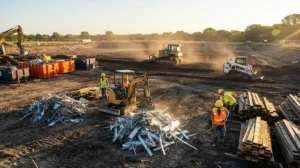
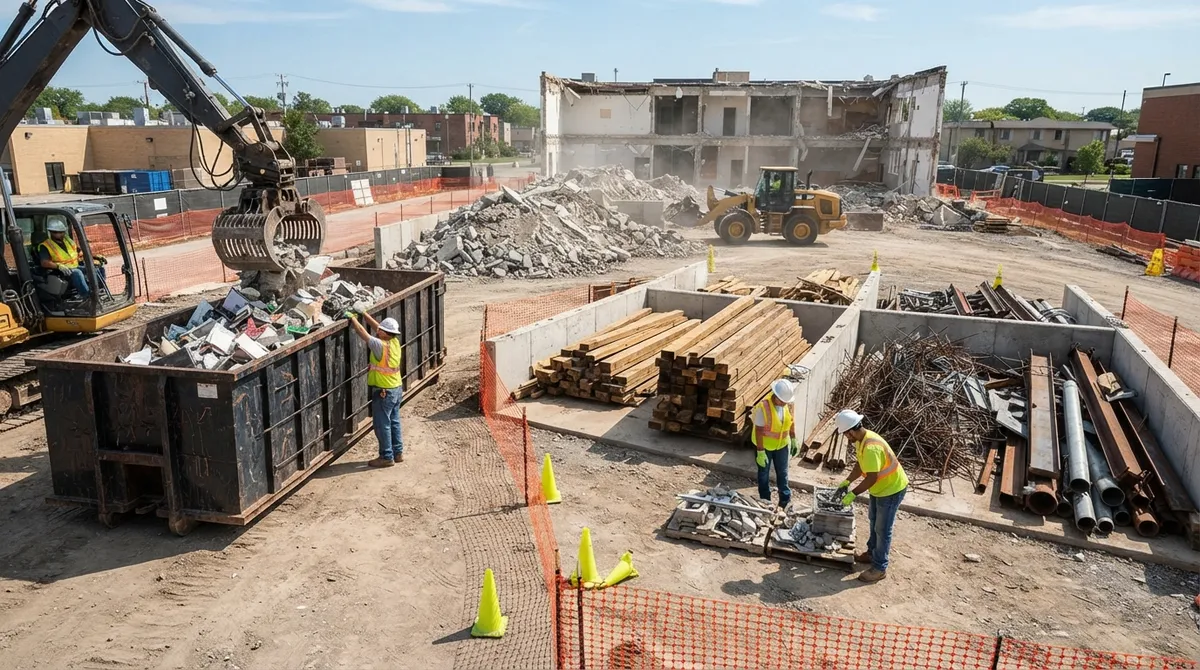
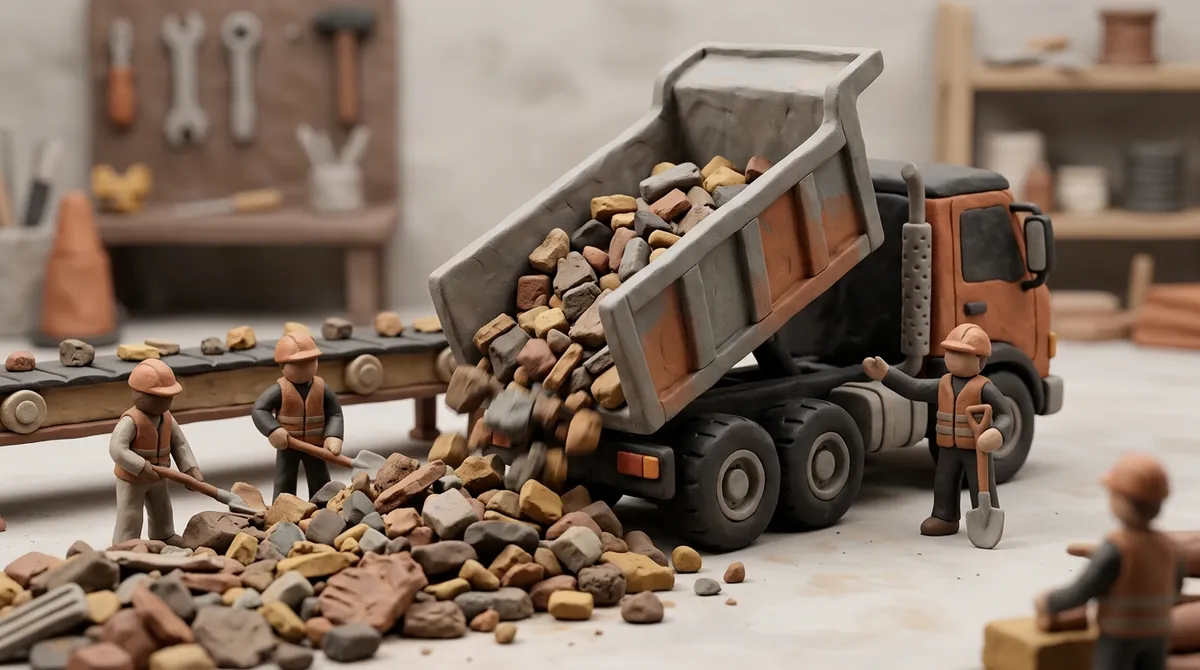
Hauling is the backbone of any demolition project. Once a structure comes down, you’re left with a massive amount of debris — concrete chunks, wood, metal, drywall, and more. Without proper hauling, that material just sits there. That’s not good for anyone!
Construction and demolition (C&D) waste accounts for over 3.2 billion short tons generated worldwide every year. Efficient hauling ensures this waste is collected, transported, and either recycled or disposed of responsibly. The global C&D waste management market was valued at USD 209.5 billion in 2023 and is projected to reach USD 308.5 billion by 2030. That’s a reflection of how critical proper debris management has become.
Our hauling services are designed to work hand-in-hand with every demolition job. We move debris quickly and safely so your site is clean and ready for the next phase.
Step-by-Step: How to Plan a Demolition and Hauling Project
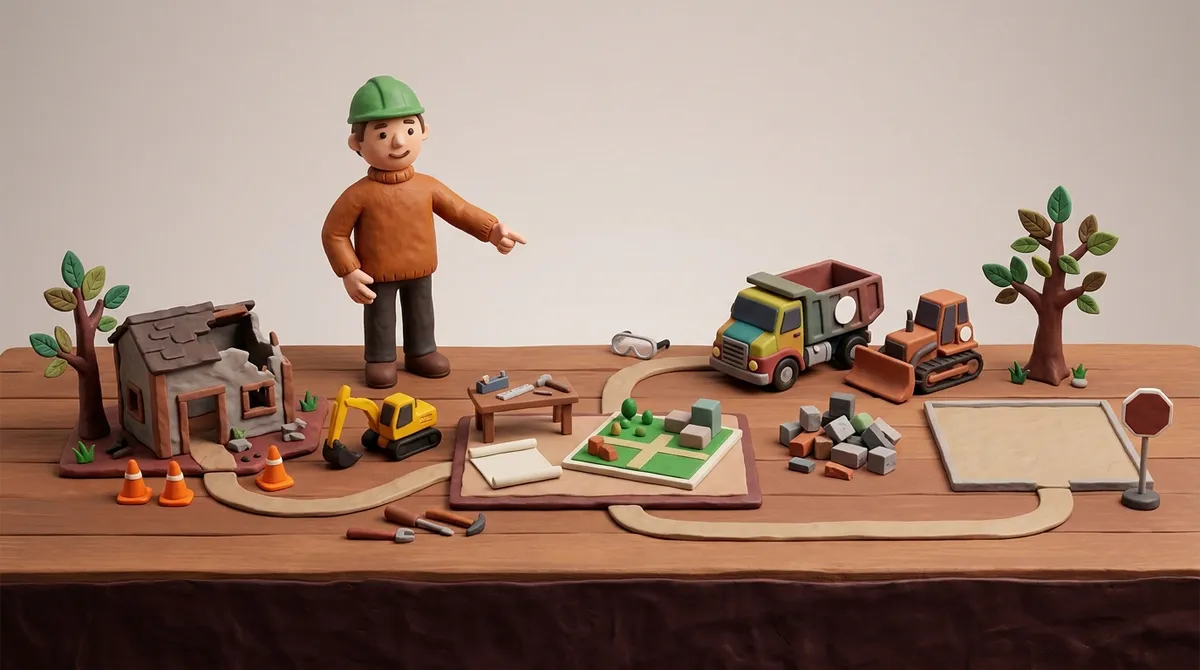
Ready to get started? Follow these steps to plan your project the right way:
- Define Your Goals: Are you clearing the entire site or just removing specific elements? Know exactly what needs to go before you call a contractor.
- Check Local Permits: Demolition work requires permits. Review the Las Vegas demolition permit guidelines to understand what’s needed in your area. You can also connect with the Clark County Building Department for local requirements.
- Hire a Licensed Contractor: Always work with a licensed and insured demolition company. This protects you legally and ensures the work is done safely. Learn what makes a licensed demolition contractor essential for your project.
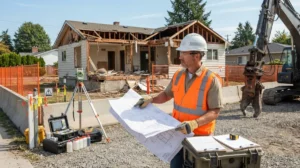
- Schedule a Site Assessment: A professional team will inspect your site for hazardous materials like asbestos or lead paint before any work begins.
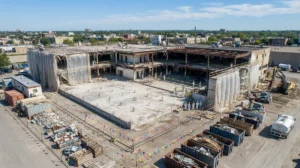
- Plan for Debris Removal: Coordinate your demolition timeline with hauling so debris is removed promptly. A clean site speeds up the next phase of construction.
- Consider Recycling Options: Materials like concrete, steel, and brick can often be recycled. Ask your contractor about sustainable disposal options.
Key Safety Considerations
Safety is non-negotiable in demolition and hauling. OSHA has strict regulations covering hazards like hidden asbestos, lead, structural instability, and improper demolition methods. These rules exist to protect workers and nearby residents alike.
Here are the most important safety practices to keep in mind:
- Always complete a hazardous materials survey before demolition begins
- Ensure all utilities (gas, electric, water) are disconnected before work starts
- Use proper personal protective equipment (PPE) on all job sites
- Follow structural engineering guidance for larger or complex demolitions
- Keep work zones clearly marked and restrict access to authorized personnel only
- Use water suppression techniques to control dust during demolition
Modern technology is also making demolition safer. AI-powered robots, drones, and high-reach excavators are now used to handle hazardous tasks in dangerous environments. These innovations improve precision and reduce risk for workers on the ground.
Sustainability and Recycling in Modern Demolition
Sustainability is one of the biggest trends reshaping the demolition and hauling industry in 2026. More contractors and clients are prioritizing eco-friendly practices that reduce landfill waste and recover valuable materials.
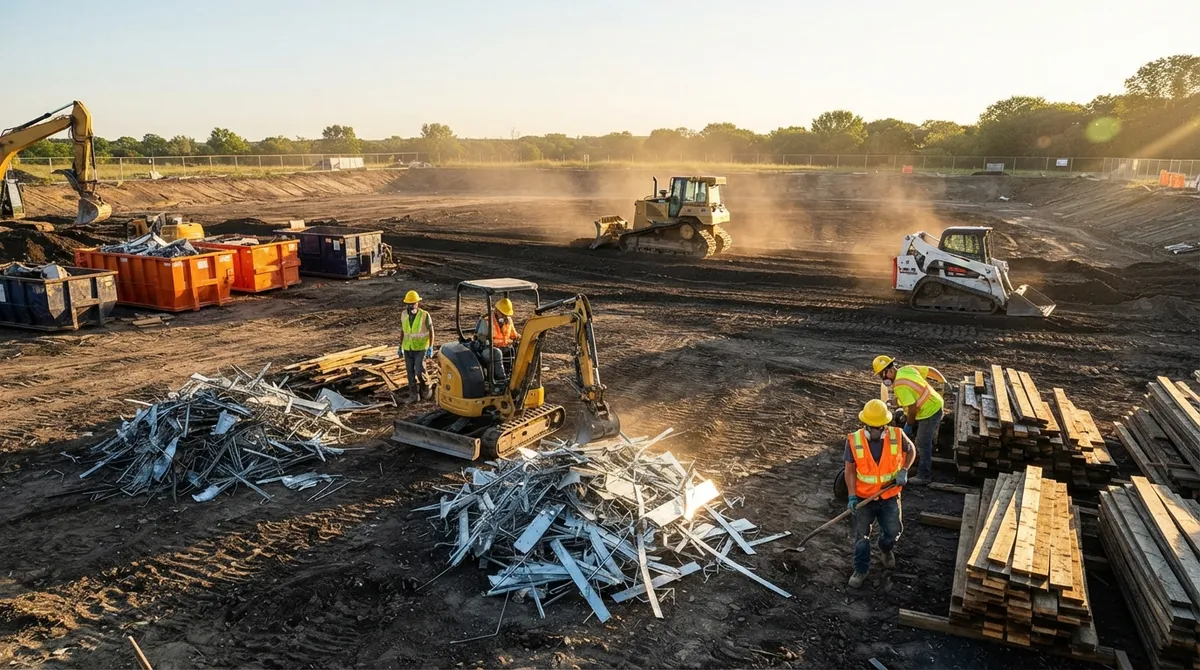
Here’s what responsible recycling looks like in practice:
- Concrete: Crushed and reused as aggregate for new construction projects
- Steel and Metal: Sorted and sent to metal recyclers for reuse
- Wood: Repurposed for other building applications or chipped into mulch
- Brick and Masonry: Cleaned and resold as salvage materials
- Drywall: Recycled into new gypsum products
Choosing a contractor who prioritizes recycling isn’t just good for the planet — it can also reduce your overall project costs. Less landfill waste means lower disposal fees.
Comparing Demolition Approaches: What’s Right for Your Project?
Choosing the right demolition method matters. Here’s a quick comparison to help you decide:
| Demolition Type | Best For | Key Benefit |
|---|---|---|
| Complete Demolition | Full teardowns, new builds | Clears entire site quickly |
| Selective Demolition | Partial renovations | Preserves usable structure |
| Interior Demolition | Commercial remodels, gut renovations | Keeps exterior shell intact |
| Concrete Removal | Driveway or slab removal | Frees up surface space |
| Pool Removal | Backyard reclamation | Adds usable yard space |
| Landscaping Removal | Site clearing, new builds | Prepares land for development |
What to Look for in a Demolition and Hauling Contractor
Choosing the right contractor makes all the difference. Here are the top qualities to look for:
- Licensing and Insurance: Your contractor should be fully licensed and carry liability insurance
- Experience: Look for a team with a proven track record on projects similar to yours
- Equipment: Modern, well-maintained equipment ensures safety and efficiency
- Recycling Practices: Ask how they handle debris and whether they prioritize sustainable disposal
- Local Knowledge: A contractor familiar with local permitting and regulations saves you time and headaches
702 Demo is proud to serve all of Clark and Nye counties in Nevada. As the leading demolition contractor in Las Vegas, our team handles everything from residential teardowns to large commercial site clearances. We also offer excavating and grading services to fully prepare your site after demolition. Learn more about 702 Demo and how we can support your next project.
Questions to Ask Before Hiring a Demolition Contractor
Before you sign any contract, ask these important questions:
- Are you licensed and insured for demolition work in Nevada?
- Will you handle permits and utility disconnections?
- How do you manage hazardous materials like asbestos or lead?
- What recycling practices do you follow for debris disposal?
- What is your estimated timeline for completion?
A trustworthy contractor will answer these questions clearly and confidently. Don’t hesitate to ask follow-up questions. This is your property, and you deserve full transparency every step of the way.
Why the Demolition Industry Is Growing Fast
The U.S. demolition and wrecking market reached USD 11.2 billion in 2025, growing at a CAGR of 5.1% over the previous five years. Urban redevelopment, aging infrastructure, and new construction demands are all fueling this growth. In 2026, the commercial demolition service market alone is valued at USD 6.86 billion globally, with projections reaching USD 13.48 billion by 2035.
This growth means more opportunities — and more competition. That’s why working with an experienced, reliable contractor is more important than ever. The right team brings the right tools, the right safety practices, and the right local knowledge to get your job done efficiently.
Ready to Move Forward? Here’s What to Do Next
Planning a demolition and hauling project doesn’t have to be complicated. The key is to start with a clear plan, understand your local requirements, and partner with a team you can trust. Whether you’re knocking down a backyard shed or clearing a commercial property for redevelopment, the same principles apply: plan ahead, stay safe, and choose the right professionals.
We’d love to help you get started. Visit us on Google to read reviews from satisfied customers across the Las Vegas area. Then, when you’re ready to talk about your project, reach out to our friendly team. We’re here to make your project as smooth and stress-free as possible.
Take the first step today — contact 702 Demo for a free estimate and let’s talk about how we can bring your vision to life.
FAQs
Q: What is included in demolition and hauling services?
A: Demolition and hauling services cover the full process of tearing down structures and removing all resulting debris. This typically includes site assessment, hazardous material handling, structural dismantling, and transporting waste to recycling facilities or disposal sites. Think of it as a one-stop solution for clearing your property cleanly and safely!
Q: Do I need a permit for demolition and hauling in Las Vegas?
A: Yes, most demolition projects in Las Vegas and Clark County require a permit before work can begin. Your contractor should help you navigate this process, but you can also review the official Las Vegas demolition permit guidelines for detailed requirements. Getting the right permits upfront saves you from headaches down the road!
Q: How long does a typical demolition and hauling project take?
A: Project timelines vary depending on the size and complexity of the job. A simple interior demolition might wrap up in a day or two, while a full building teardown with hauling could take several days to a week or more. Your contractor will give you a realistic timeline during the initial site assessment.
Q: Can demolition debris be recycled?
A: Absolutely! Many demolition materials — including concrete, steel, brick, and wood — can be recycled or repurposed rather than sent to a landfill. Responsible contractors sort and process debris to maximize recycling rates, which is great for the environment and can help reduce overall project costs.
Q: What hazards should I be aware of before starting a demolition project?
A: Common hazards in demolition include asbestos, lead paint, hidden gas or electrical lines, and structural instability. That’s why a thorough site assessment and hazardous materials survey are essential before any work begins. A licensed demolition contractor will handle all of these safety steps so you don’t have to worry about a thing.