Key Takeaways
-
Modern commercial demolition uses precision tools and careful methods rather than wrecking balls; selective demolition alone accounts for 48% of industry revenue and is cost-efficient and environmentally friendly.
-
Hazardous material handling is mandatory before demolition begins; renovation demolition with asbestos abatement makes up 44% of industry revenue, and skipping this step is both dangerous and illegal.
-
Professional contractors handle all permit requirements and regulatory compliance, including hazmat surveys, utility disconnections, and waste disposal mandates, saving you from costly delays and fines.
-
Full-service contractors handle everything from demolition through site preparation including grading, concrete removal, and debris hauling, reducing coordination headaches and lowering overall project costs.
-
Thorough project planning upfront with site assessments, hazmat surveys, and utility disconnections is essential; good planning prevents surprises and keeps tight timelines on track.
-
Choose a licensed, insured contractor with proven local experience, strong safety record, full-service capabilities, and references from similar commercial projects in your area.
Planning a commercial demolition project can feel overwhelming. Whether you’re a property developer, a renovation contractor, or a business owner, knowing what to expect makes everything easier. Commercial demolition contractors do far more than just knock things down. They plan, permit, protect, and recycle — all while keeping your project on schedule.
The U.S. demolition industry is booming. Industry revenue reached $11.2 billion in 2025, with steady growth expected through 2032. That means more demand for skilled commercial demolition contractors than ever before. Understanding what they do — and what to look for — can save you time, money, and stress.
This guide covers seven key things every property owner, developer, and contractor should know before hiring a commercial demolition team. Let’s dig in!
1. Commercial Demolition Is Much More Than Wrecking Balls
Most people picture a wrecking ball when they think of demolition. The reality is very different. Explosive and mechanical wrecking methods account for only about 1% of demolition activity in the U.S. today.
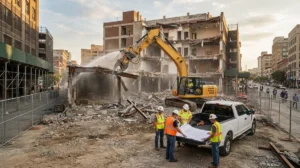
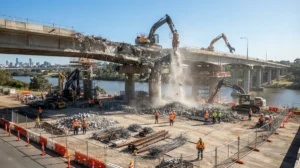
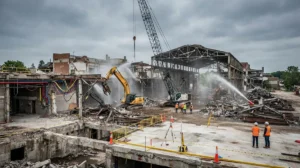
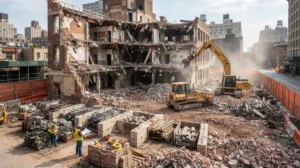
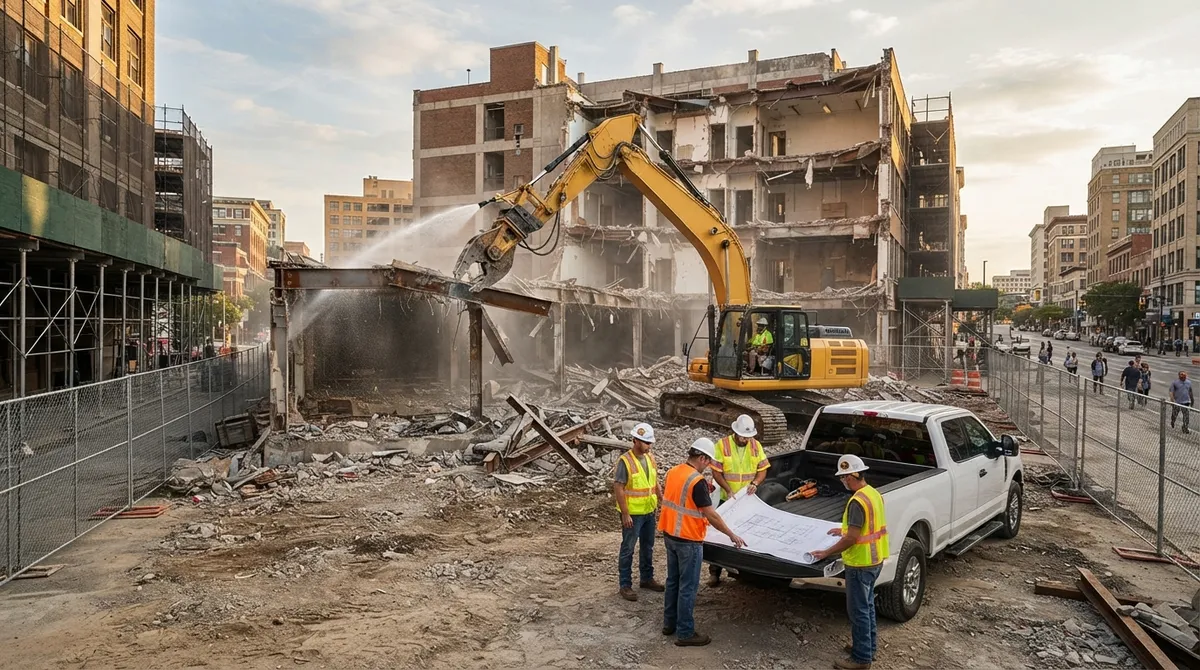
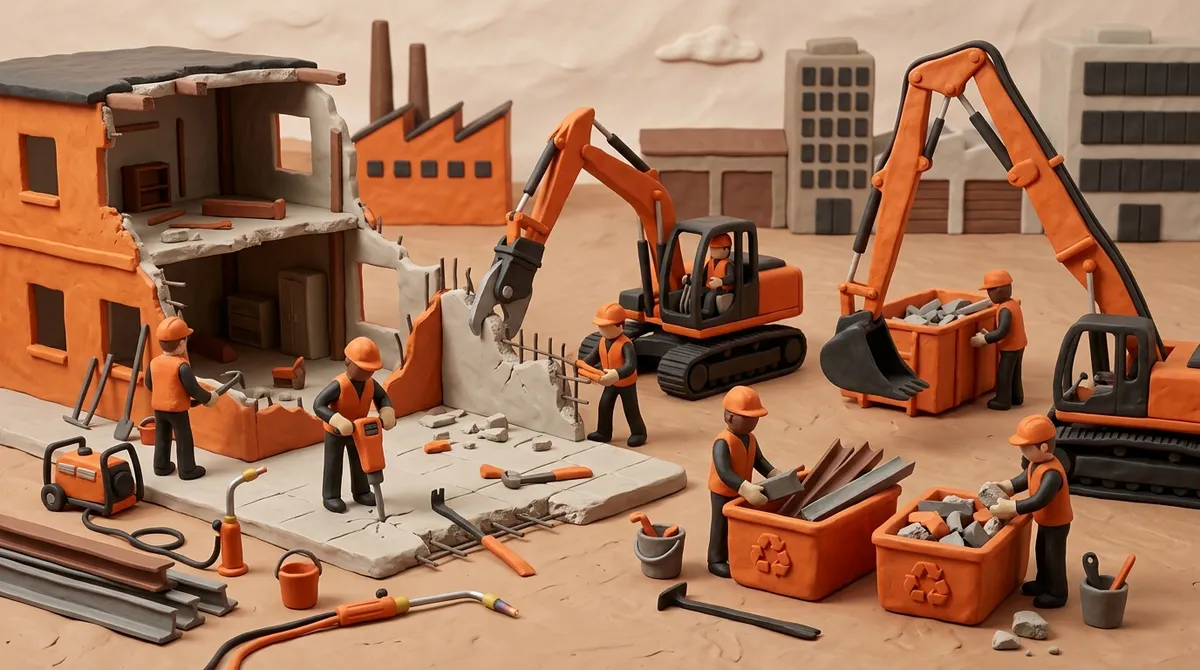
Modern commercial demolition contractors use precision tools and careful methods. They protect surrounding structures, minimize dust, and reduce noise. This matters a lot in busy urban areas like Las Vegas.
Here are the main types of commercial demolition services:
- Total demolition: Completely removing a structure from a site
- Selective demolition: Removing specific parts while keeping others intact
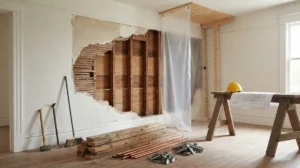
- Interior strip-outs: Gutting the inside of a building while preserving the shell
- Deconstruction: Carefully dismantling a structure to salvage materials
- Implosion: Using controlled explosives (rare, used for very large structures)
Selective demolition alone makes up 48% of industry revenue. It’s a popular choice because it’s cost-efficient and environmentally friendly. You can learn more about specialized options like interior demolition services to see what fits your project best.
2. Permits and Regulations Are Non-Negotiable
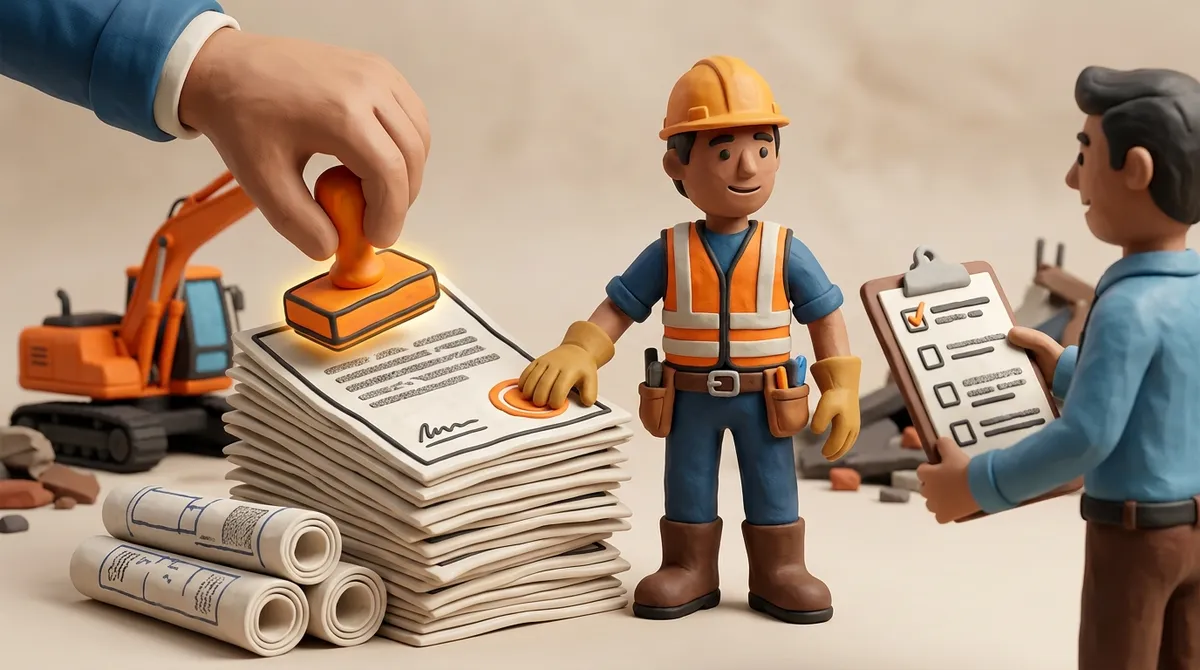
Commercial demolition is a heavily regulated industry. Before any walls come down, contractors must pull the right permits and follow strict safety rules.
In Nevada, this means working with local authorities like the Clark County Building Department. You’ll also need to follow the Las Vegas demolition permit guidelines for projects in the city.
A licensed commercial demolition contractor handles all of this for you. They know what’s required and handle the paperwork. This saves you from costly delays or fines.
Key regulatory requirements include:
- Obtaining demolition permits from local building departments
- Completing environmental impact assessments where required
- Notifying utility companies to disconnect water, gas, and electricity
- Filing notifications for asbestos and hazardous material abatement
- Complying with waste disposal and recycling mandates
Want to know more about why licensing matters? Check out this helpful guide on what makes a licensed demolition contractor essential for your project.
3. Hazardous Material Handling Is a Critical Step
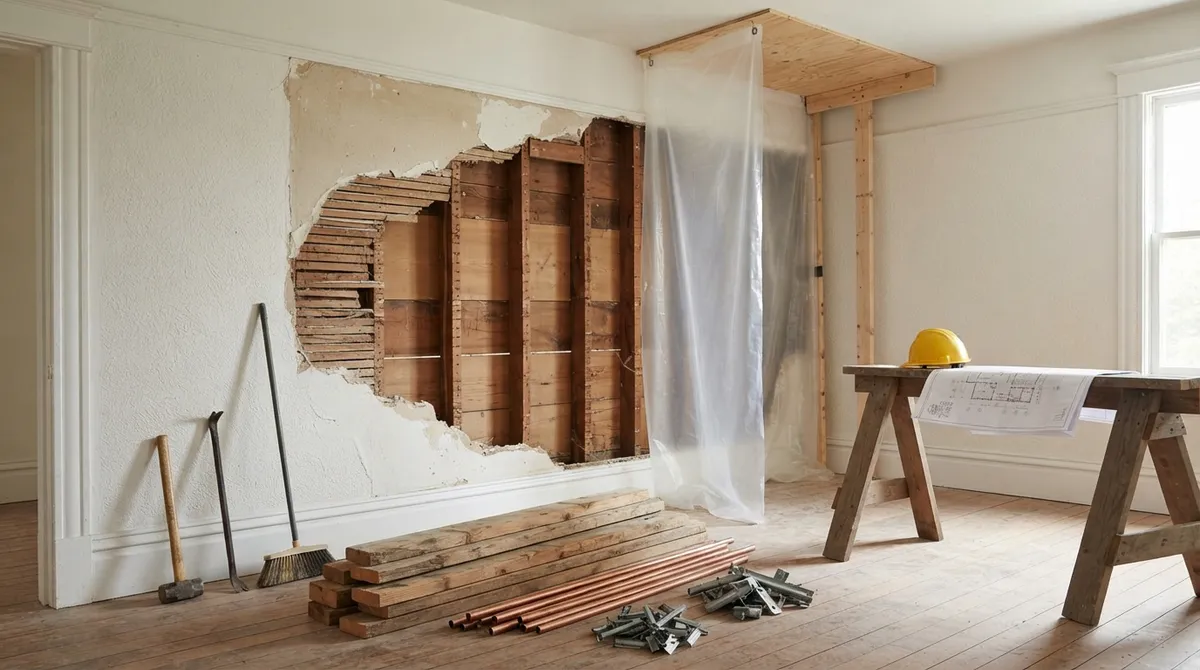
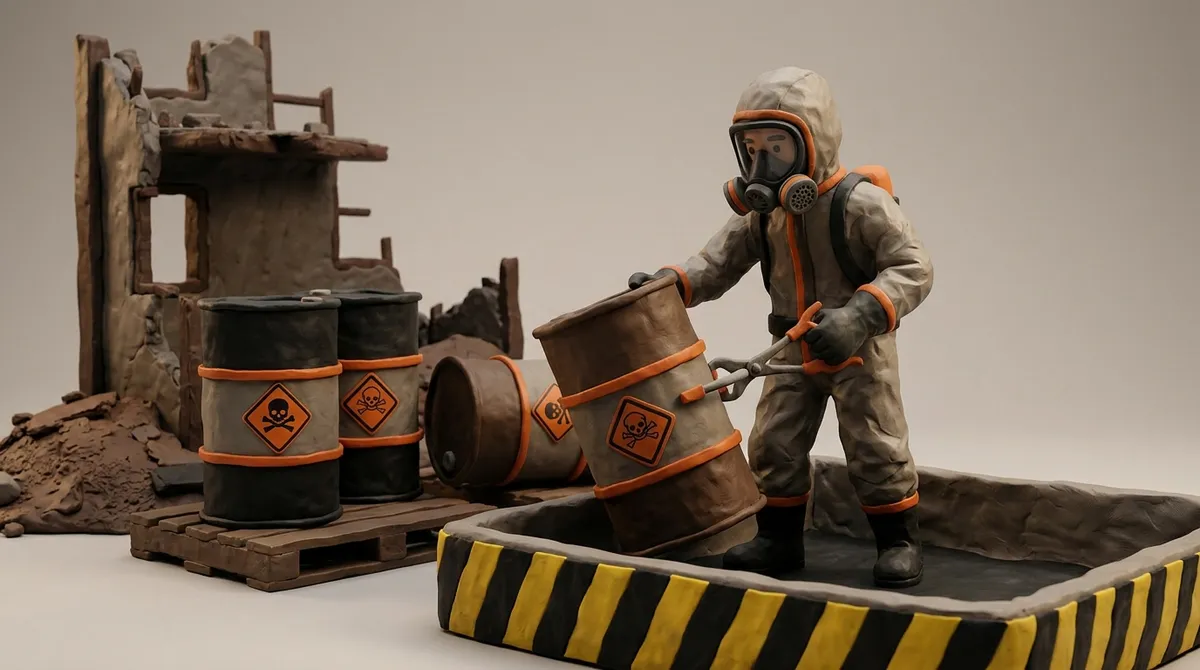
Older commercial buildings often contain hazardous materials. Asbestos, lead paint, and mold are common in structures built before the 1980s. These materials require special handling before demolition can begin.
Renovation demolition — which includes asbestos abatement and site decontamination — makes up 44% of industry revenue. This shows just how important this step is.
Here’s what professional hazardous material handling involves:
- Conducting a thorough pre-demolition environmental survey
- Testing materials for asbestos, lead, and other hazards
- Removing and disposing of hazardous materials safely and legally
- Decontaminating the site before demolition crews begin
- Documenting all removal work for regulatory compliance
Skipping this step isn’t just dangerous — it’s illegal. Always make sure your commercial demolition contractor is certified for hazardous material handling.
4. Recycling and Sustainability Are Reshaping the Industry
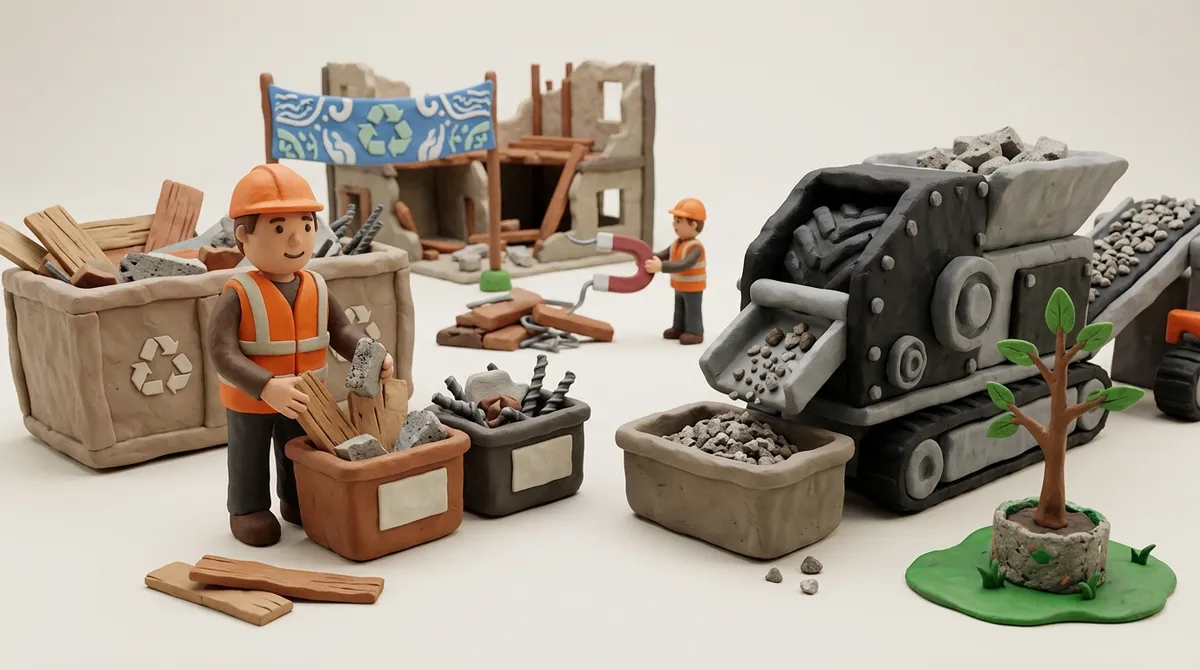
The demolition industry has gone green in a big way. Modern commercial demolition contractors prioritize material recycling and salvage to reduce waste and lower costs.
Concrete, steel, wood, and brick can all be recycled or reused. This reduces landfill waste and can even earn revenue from salvaged materials. The global construction demolition market is valued at $111.22 billion in 2024 and is expected to hit $194.29 billion by 2035, partly driven by sustainability trends.
Sustainable demolition practices include:
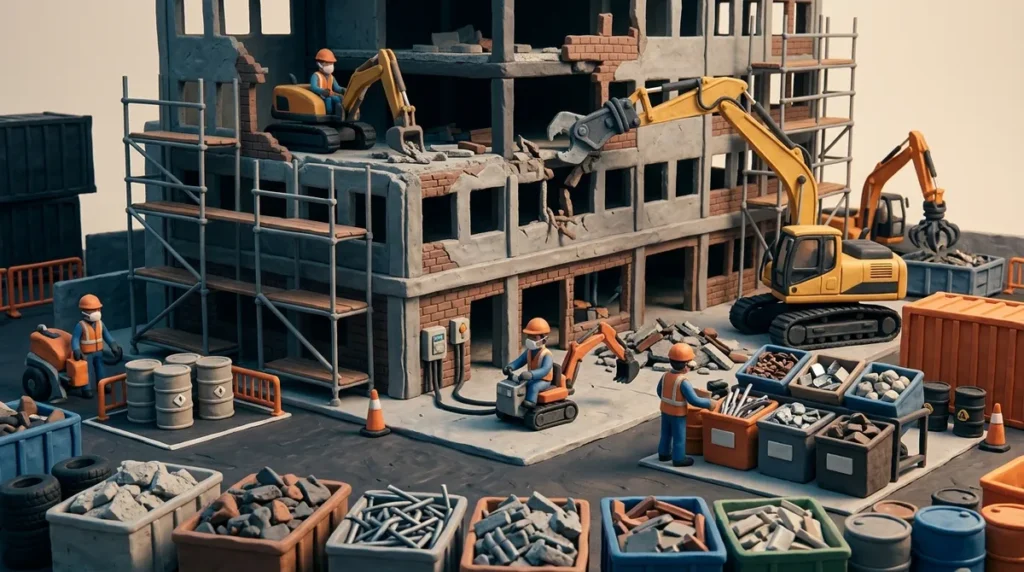
- Sorting and recycling concrete and metal on-site
- Salvaging fixtures, doors, and windows for resale
- Minimizing dust and runoff to protect the surrounding environment
- Using fuel-efficient equipment to reduce emissions
For developers and property managers, sustainable demolition can also earn points in green building certification programs. It’s a win for your budget and the environment.
5. Site Preparation Is Part of the Full-Service Package
Commercial demolition doesn’t end when the building comes down. Site preparation is what happens next — and it’s just as important.
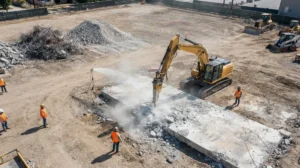
A true full-service commercial demolition contractor handles everything from tear-down to ready-to-build. This includes grading the land, removing concrete, and hauling away all debris.
Here’s a quick look at what full-service site prep includes:
| Service | What It Involves | Why It Matters |
|---|---|---|
| Excavating and Grading | Leveling and shaping the land | Prepares site for new construction |
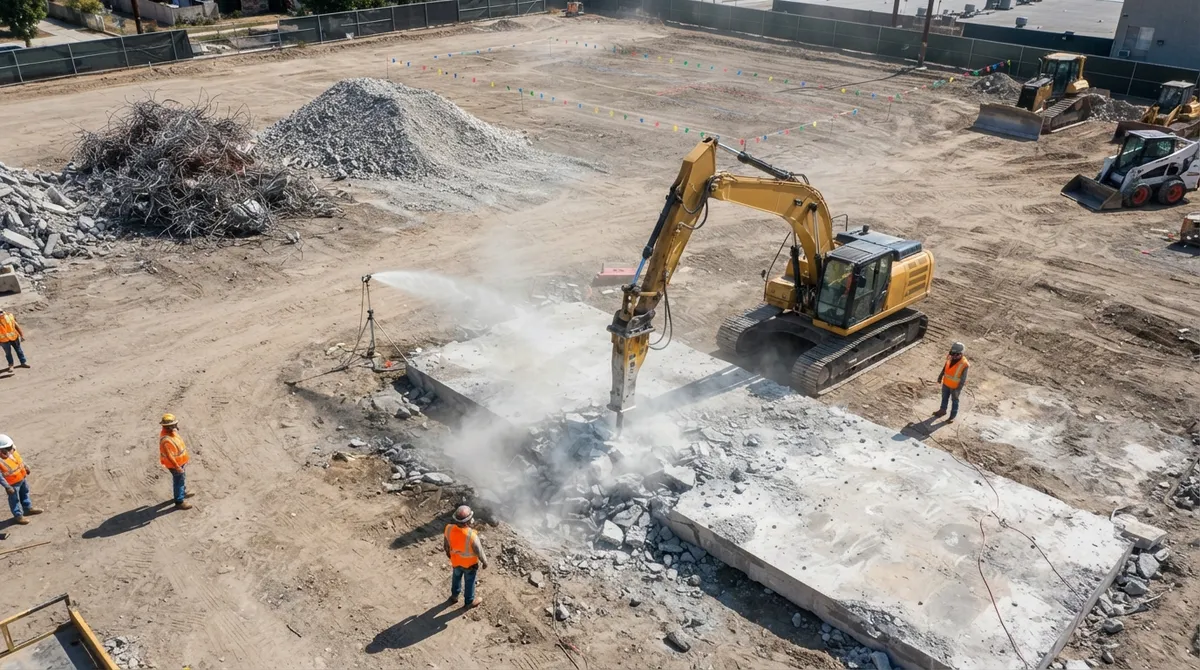
| Concrete Removal | Breaking up and hauling away slabs | Clears the site for new foundations |
| Hauling Services | Removing debris and waste materials | Keeps the site clean and compliant |
| Building Demolition | Full or partial structure removal | Clears space for new development |
Hiring one contractor for all these services saves time and reduces coordination headaches. It also lowers your overall project costs. For real estate developers in Clark and Nye counties, this kind of full-service approach is invaluable.
6. Project Planning Makes or Breaks the Timeline
Commercial demolition projects have tight timelines. Delays cost money. That’s why thorough project planning is essential before the first tool hits the wall.
A professional commercial demolition contractor develops a detailed project plan upfront. This includes site surveys, utility disconnections, permit timelines, and equipment scheduling.
Here’s a simple step-by-step overview of how a commercial demolition project is typically planned:
- Site assessment: Contractors inspect the structure and surrounding area
- Hazmat survey: Environmental consultants test for hazardous materials
- Permit applications: All required permits are submitted and approved
- Utility disconnections: Gas, water, and electricity are safely shut off
- Demolition execution: The structure is demolished using the appropriate method
- Debris removal: All waste is sorted, recycled, or hauled away
- Site grading: The land is prepared for the next phase of development
Good planning means fewer surprises. If you want to understand how to plan your project from start to finish, this guide on how to plan demolition and hauling for your next project is a great place to start.
7. Choosing the Right Contractor Changes Everything
Not all commercial demolition contractors are the same. The right contractor brings experience, proper licensing, and a proven track record to every project.
With approximately 4,541 demolition firms operating in the U.S., the market is fragmented. That makes choosing the right partner more important than ever. Here’s what to look for when evaluating commercial demolition contractors:
- Licensing and insurance: Confirm they hold valid Nevada contractor licenses
- Experience: Look for a long history of commercial projects in your area
- Full-service capabilities: Demolition, excavation, grading, and hauling under one roof
- Safety record: Ask about their safety program and incident history
- Local knowledge: Familiarity with Clark and Nye county permit processes
- References: Request client references from similar commercial projects
For commercial builders and developers in Nevada, working with a locally experienced team makes all the difference. 702 Demo has served Clark and Nye counties for over 20 years, handling everything from interior strip-outs to full building demolition. They know the local regulations, the terrain, and what it takes to get your project done right.
You can also explore their full range of services, including specialized work like casino interior demolition in Las Vegas and concrete removal in Las Vegas. Whatever your commercial project needs, there’s a solution ready for you.
Quick Comparison: Total vs. Selective Demolition
One of the most common decisions in commercial demolition is whether to go total or selective. Here’s a simple breakdown to help you decide:
| Factor | Total Demolition | Selective Demolition |
|---|---|---|
| Best For | Complete site redevelopment | Renovations, remodels, interior work |
| Structural Impact | Entire structure removed | Shell or partial structure preserved |
| Material Salvage | High potential | Very high potential |
| Project Duration | Shorter (full clearance) | Longer (requires precision) |
| Environmental Impact | Higher waste generation | Lower waste, more recycling |
Your project goals will determine which approach is right. A qualified commercial demolition contractor will help you make the best choice for your timeline and budget.
For more useful reading, check out 15 key facts about commercial demolition in 2026 and what demolition experts actually do on a job site.
The Nevada Advantage: Local Expertise Matters
Nevada’s commercial real estate market continues to grow in 2026. Las Vegas and surrounding areas are seeing new development, renovation projects, and infrastructure upgrades. This creates strong demand for reliable commercial demolition contractors who understand local conditions.
Working with a Nevada-based contractor means faster permits, better local relationships, and deep familiarity with the desert environment. Dust control, heat considerations, and Clark County regulations all require local know-how.
If you’re exploring your options, visit us on Google to see what customers in the Las Vegas area say about working with 702 Demo. Real reviews from real clients tell the full story.
Also helpful: why hire demolition contractors in Las Vegas Nevada and how to find the right Henderson demolition contractor.
Wrapping It All Up
Hiring the right commercial demolition contractor is one of the most important decisions you’ll make for any development or renovation project. From permit compliance and hazmat handling to recycling and site prep, the best contractors cover every step with skill and care.
The U.S. demolition market is growing fast. Projects are getting more complex. And the stakes — for safety, timelines, and budgets — are higher than ever. Choosing an experienced, full-service team sets your project up for success from day one.
Whether you’re a property developer breaking ground on a new commercial site, a renovation contractor gutting an old retail space, or a property manager overseeing a major structural project, the right partner makes all the difference. Ready to get your project moving? Reach out to 702 Demo today for a free estimate and see how a trusted local team can take the stress out of commercial demolition.
FAQs
Q: What services do commercial demolition contractors typically provide?
A: Commercial demolition contractors offer a wide range of services, including total demolition, selective demolition, interior strip-outs, hazardous material removal, concrete removal, excavating, grading, and debris hauling. Many full-service contractors like 702 Demo handle everything from the initial site survey all the way through to final site preparation — making your project as smooth as possible!
Q: How do commercial demolition contractors handle hazardous materials like asbestos?
A: Great question! Before any demolition begins, a certified contractor conducts a hazardous material survey to test for asbestos, lead paint, and other harmful substances. These materials are then safely removed and disposed of according to strict federal and state regulations, protecting both workers and the surrounding community.
Q: What is selective demolition and when should I use it?
A: Selective demolition is when contractors remove specific parts of a building while keeping the rest intact — like gutting the inside of a commercial space while preserving the outer walls. It’s a great option for renovations, remodels, and projects where the building shell has value. It’s also more eco-friendly since it allows for more material recycling!
Q: Do I need permits for commercial demolition in Las Vegas or Clark County?
A: Yes, permits are required for commercial demolition projects in Las Vegas and Clark County. A licensed commercial demolition contractor will handle the permit process for you, ensuring full compliance with local regulations. This helps you avoid delays, fines, and unexpected headaches down the road.
Q: How do I choose the right commercial demolition contractor for my project?
A: Look for a contractor with proper licensing, insurance, and solid local experience in your area. It’s also smart to ask about their safety record, recycling practices, and full-service capabilities. A team that handles demolition, excavation, grading, and hauling under one roof — like 702 Demo in Las Vegas — makes your project run faster and smoother.